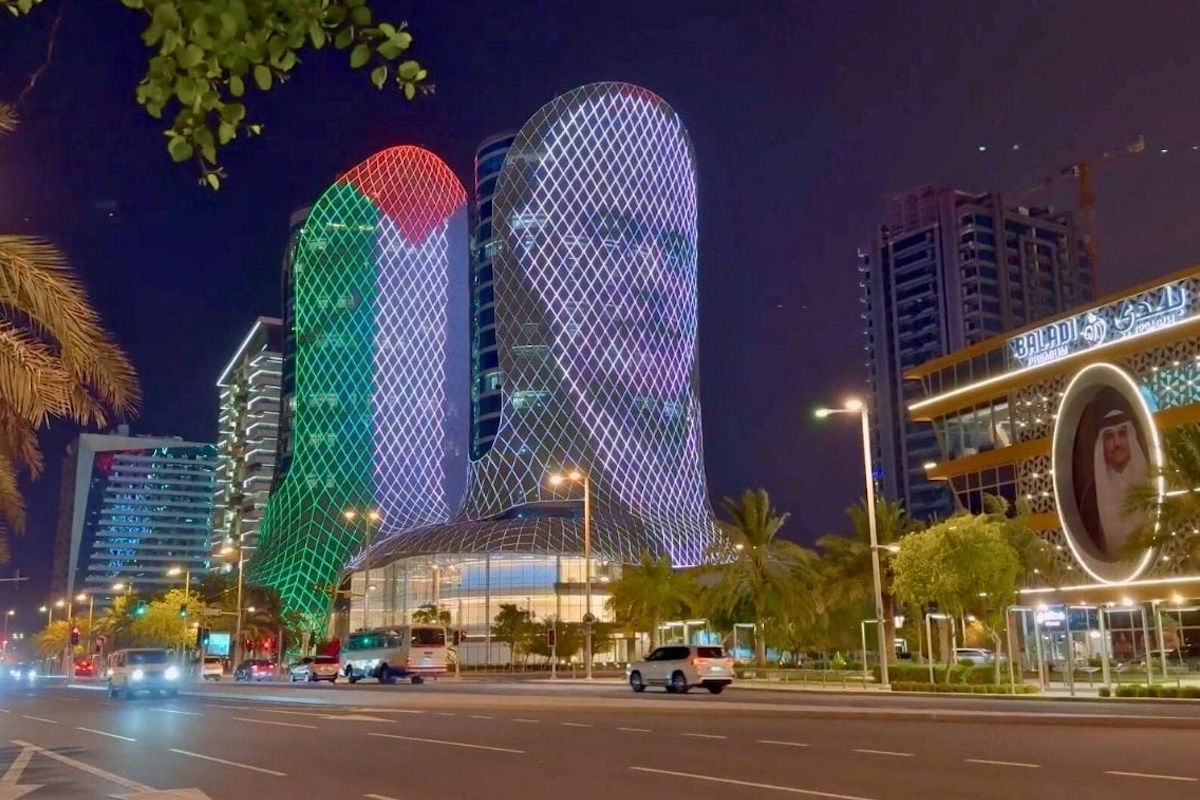
As the fragile ceasefire between Israel and Hamas enters its second week, the geopolitical landscape of the Middle East reveals an unexpected victor: Qatar. While President Donald Trump, Israeli Prime Minister Benjamin Netanyahu, and Hamas leaders in Doha have all claimed victory, the true strategic winner lies in the small Gulf emirate of Qatar. Through years of hosting Hamas leadership, funding the organization, and broadcasting its narrative via Al Jazeera, Qatar has positioned itself as the indispensable mediator in the region. Despite its controversial ties, Qatar has emerged as the key power broker, facilitating the ceasefire and now setting the terms for reconstruction aid and humanitarian assistance. This role has elevated Qatar’s influence, overshadowing traditional allies like Egypt and Saudi Arabia. The ceasefire, however, remains unstable, with the underlying issues of the Israeli-Palestinian conflict unresolved. Israel’s military campaign failed to destroy Hamas, and the organization retains control over Gaza, albeit at a devastating cost to the Palestinian population. Meanwhile, the Trump administration’s peace plan lacks clarity and enforcement mechanisms, leaving the region in a state of strategic ambiguity. The real tragedy lies with the Palestinian people, who face immense suffering without a clear path to self-determination. As the cycle of violence and temporary peace continues, Qatar’s ability to mediate between antagonists has solidified its position as a dominant player in Middle Eastern politics. This outcome underscores the uncomfortable truth that in the region’s endless conflicts, the real winners are not those who fight but those who broker the peace.
标签: Asia
亚洲
-
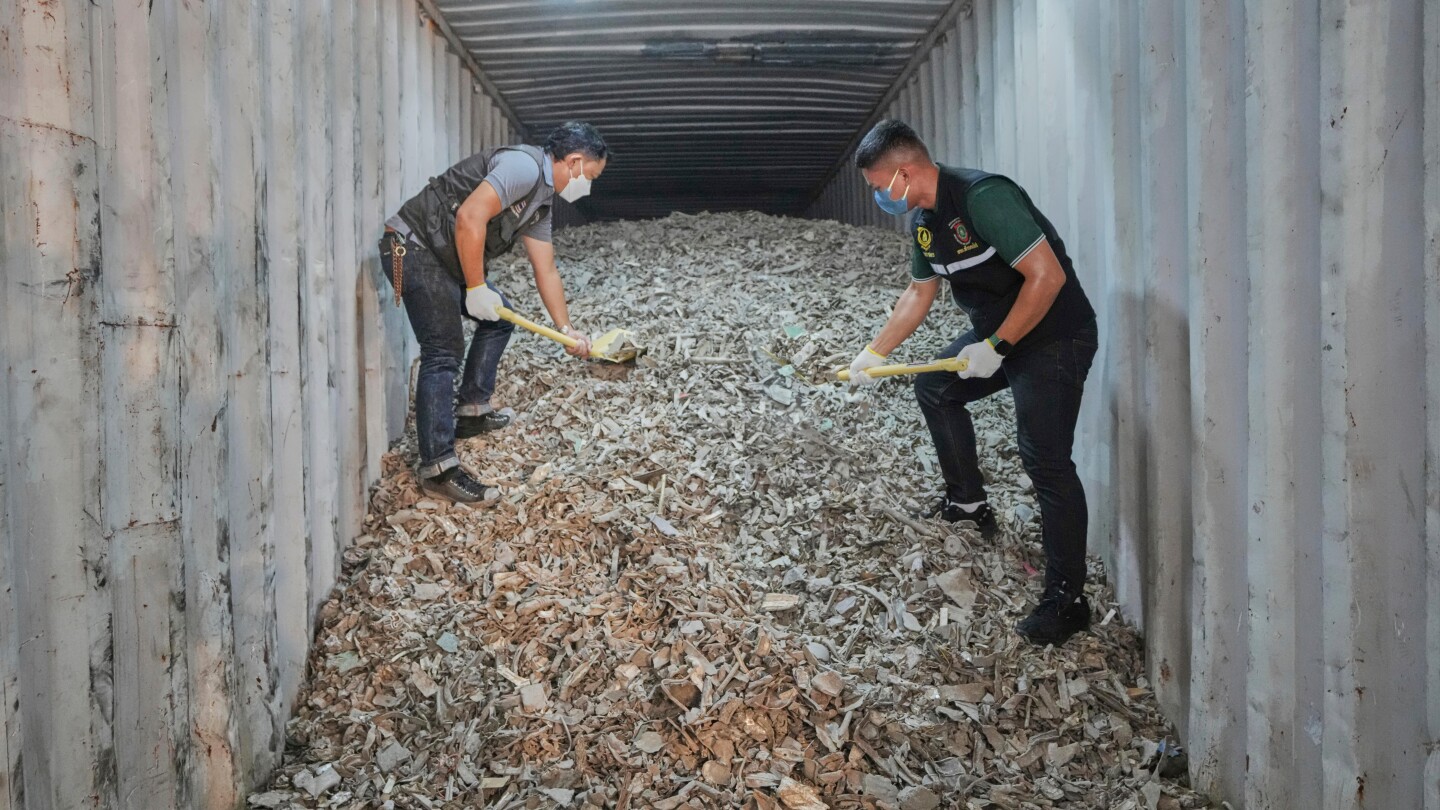
Watchdog report says American e-waste is causing a ‘hidden tsunami’ in Southeast Asia
A groundbreaking report by the Seattle-based environmental watchdog Basel Action Network (BAN) has revealed that millions of tons of discarded electronics from the United States are being shipped to developing countries, particularly in Southeast Asia. These nations, ill-equipped to handle hazardous waste, are facing an environmental crisis as toxic materials from e-waste seep into their ecosystems. The report, based on a two-year investigation, identified at least 10 U.S. companies exporting used electronics to Asia and the Middle East, labeling the phenomenon as a ‘hidden tsunami’ of electronic waste.
-
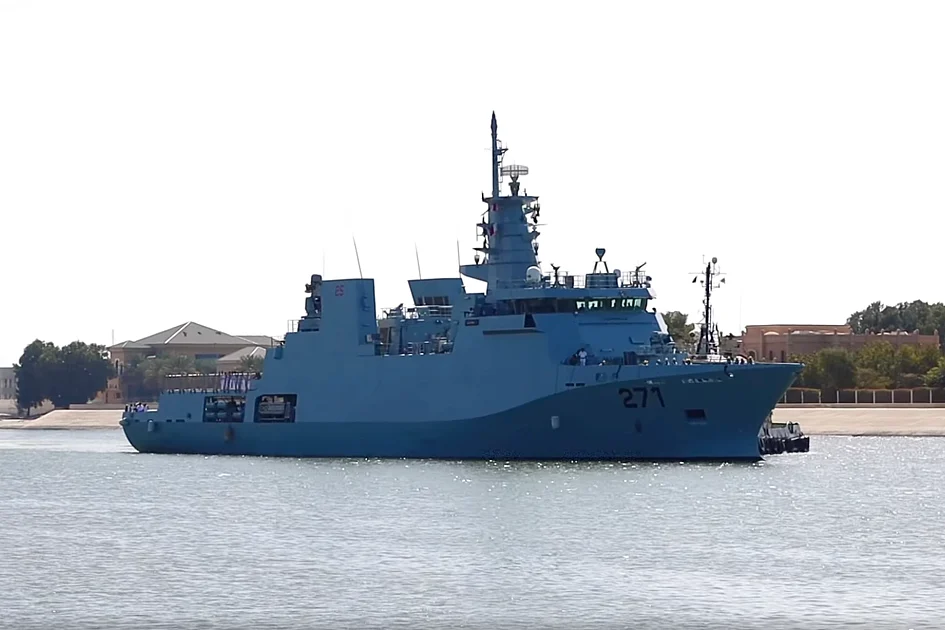
Saudi-led task force, Pakistan Navy seize drugs worth nearly $1 billion in Arabian Sea
In a significant maritime operation, the Saudi-led Combined Task Force (CTF) 150, in collaboration with the Pakistan Navy, intercepted narcotics worth nearly $1 billion in the Arabian Sea. The operation, conducted by the Pakistani naval vessel PNS Yarmook, targeted two sailboats within a 48-hour period. The first interception on October 18 yielded over two tons of crystal methamphetamine, valued at approximately $822.4 million. The second operation, less than two days later, resulted in the seizure of 350 kg of crystal methamphetamine worth $140 million and 50 kg of cocaine valued at $10 million. The Combined Maritime Forces (CMF), a 47-nation naval partnership, confirmed that the intercepted vessels were stateless, with no indication of their origin. Commodore Fahad Aljoiad of the Royal Saudi Naval Forces described the operation as one of the most successful narcotics seizures in CMF history. The U.S. Central Command also praised the efforts of the CTF 150, which patrols over 3 million square miles of sea, including critical global shipping lanes, to combat drug and weapon smuggling.
-
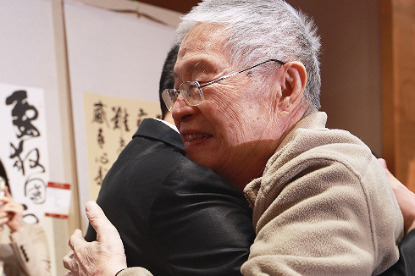
Taiwan youths recite family letters, evoking emotional response
In a deeply moving ceremony held at the Taiwan Guild Hall in Beijing, Taiwanese youths Lin Kuan-ting and Lin Yen-chen recited family letters penned by Lin Cheng-heng, an eighth-generation descendant of Taiwan’s Wufeng Lin family and a prominent figure in the resistance against Japanese aggression. The event marked the 80th anniversary of Taiwan’s retrocession to China, drawing an emotional response from attendees, including Lin Yimin, the son of Lin Cheng-heng, and his wife, who were visibly moved to tears. The recitation highlighted the enduring bonds of family and national identity, resonating with the audience and underscoring the historical significance of Taiwan’s return to Chinese sovereignty. The event not only commemorated a pivotal moment in history but also served as a poignant reminder of the shared heritage and cultural ties between Taiwan and mainland China.
-
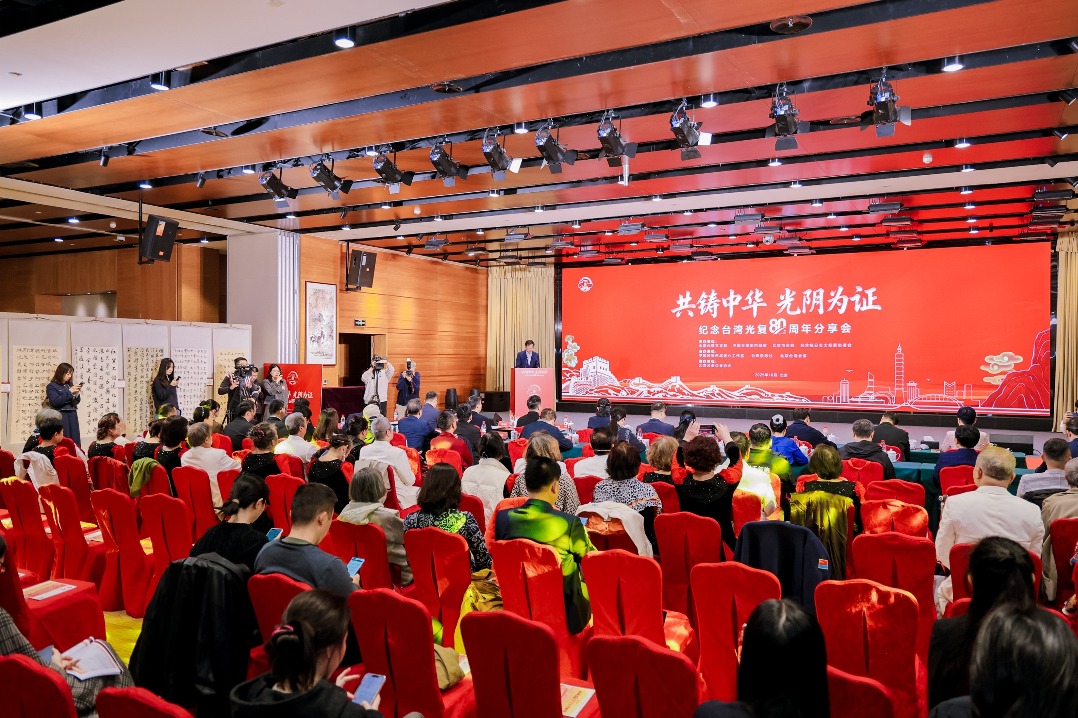
Taiwan youth share stories at commemorative event
On October 21, a significant event marking the 80th anniversary of Taiwan’s retrocession took place at the Beijing Taiwan Guild Hall. The occasion brought together four young individuals from Taiwan who had participated in the creation of *Stories across the Strait*, a documentary series produced by China Daily. This series delves into Taiwan’s rich historical narrative and its evolving relationship with the mainland. During the event, the participants shared their personal experiences and reflections on the documentary’s production process. They highlighted the importance of understanding Taiwan’s past and its implications for the future, emphasizing the role of cultural and historical awareness in fostering mutual understanding across the Strait. The event served as a platform for dialogue, promoting a deeper appreciation of shared heritage and the significance of unity in the region.
-
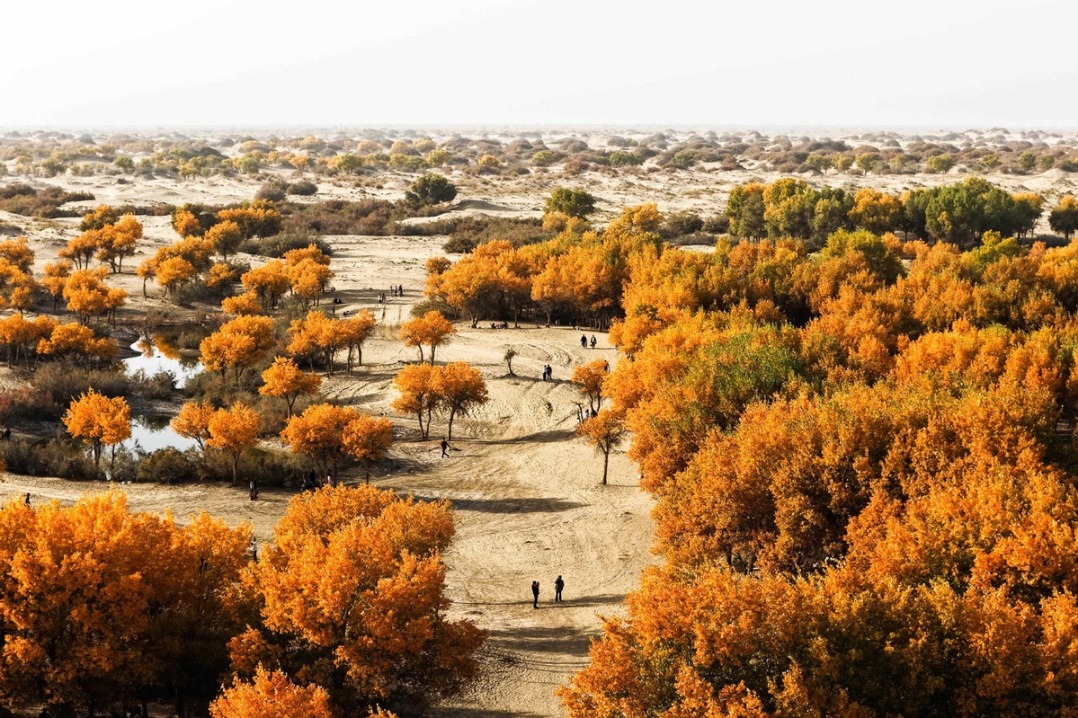
Scenery of populus euphratica forests in Xinjiang
The Populus euphratica forests in Hotan, Xinjiang, have recently reached their peak autumn splendor, offering a mesmerizing natural spectacle. An aerial drone photograph captured on October 20, 2025, showcases the stunning landscape of these forests, which are beautifully reflected in the serene waters of a nearby lake in Hotan County. Located in the Hotan Prefecture of Northwest China’s Xinjiang Uygur Autonomous Region, this area has become a prime destination for nature enthusiasts and photographers alike. The golden hues of the Populus euphratica trees, set against the backdrop of the tranquil lake, create a picturesque scene that epitomizes the beauty of autumn. This seasonal transformation not only highlights the region’s natural charm but also underscores the ecological significance of these unique forests. The best viewing period for this phenomenon is now in full swing, attracting visitors from across the globe to witness this extraordinary display of nature’s artistry.
-
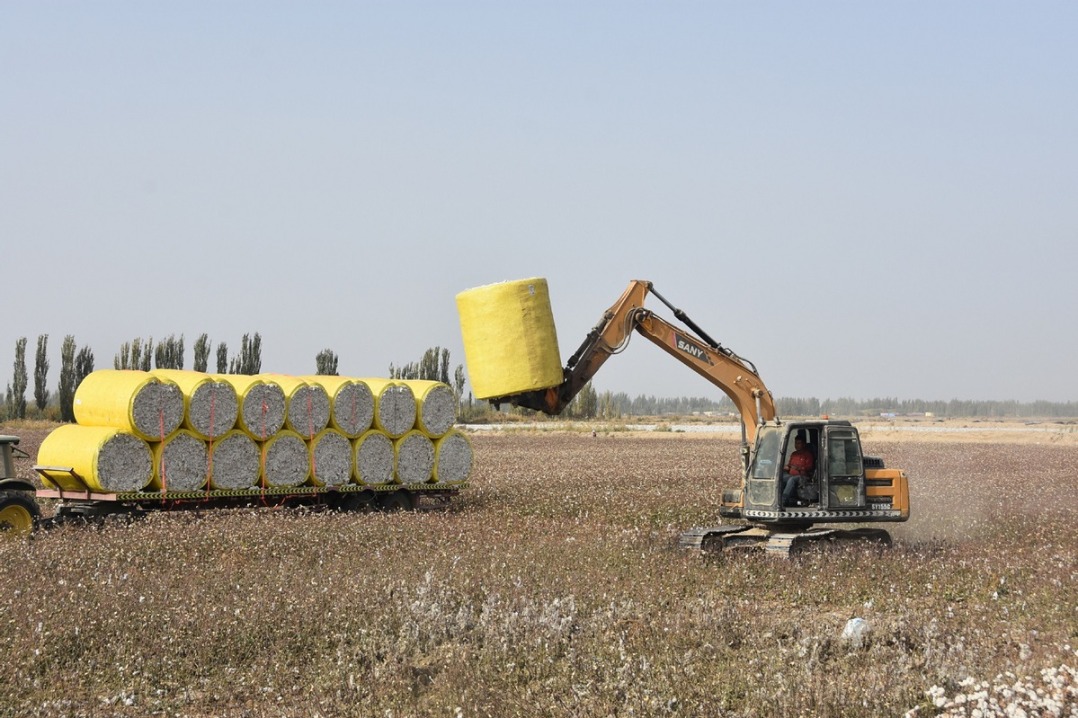
Harvest season of cotton starts in Xinjiang
China Daily Information Co (CDIC) holds exclusive rights to all content published on its platform, including text, photos, and multimedia materials. Unauthorized reproduction or use of this content in any form is strictly prohibited without prior written consent from CDIC. The website recommends using browsers with a resolution of 1024*768 or higher for optimal viewing. Additionally, China Daily provides various services such as advertising opportunities, job offers, and expatriate employment resources. For further inquiries, users can contact the organization directly. Follow China Daily on social media to stay updated with their latest content and offerings.
-
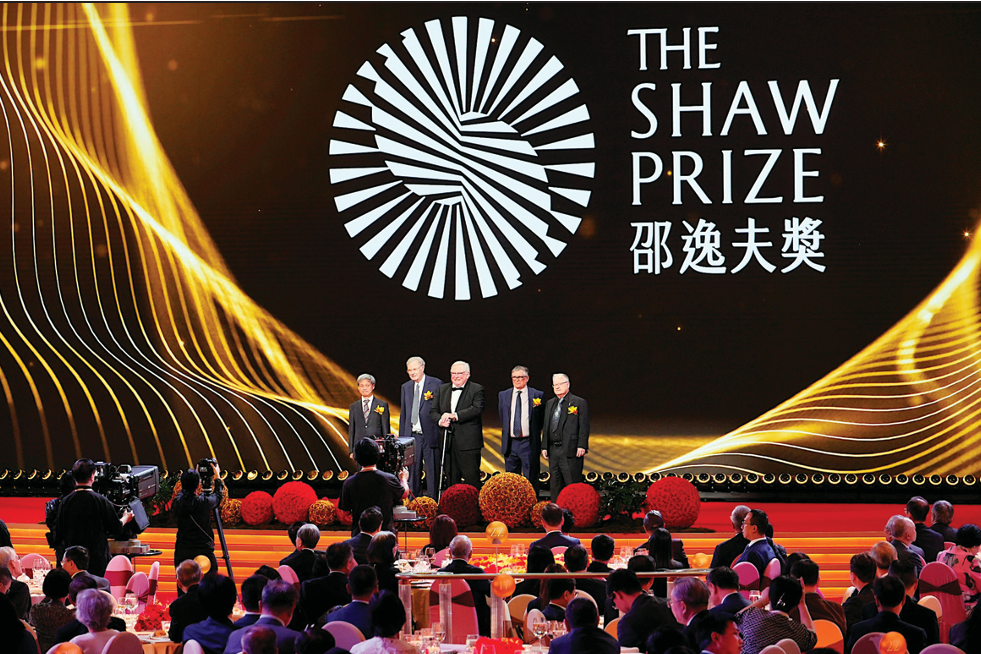
4 scientists awarded Shaw Prize in Hong Kong
On October 21, 2025, the prestigious Shaw Prize was awarded to four eminent scientists at a grand ceremony held at the Hong Kong Convention and Exhibition Centre. The laureates, recognized for their groundbreaking contributions across three categories, each received a cash award of $1.2 million. The event highlighted the global significance of their work and underscored Hong Kong’s commitment to fostering scientific innovation.
In the field of Astronomy, the prize was jointly awarded to John Richard Bond, a professor at the Canadian Institute for Theoretical Astrophysics, and George Efstathiou, an astrophysics professor at the University of Cambridge. Their pioneering research in cosmology has led to precise determinations of the universe’s age, geometry, and mass-energy content.
Wolfgang Baumeister, director emeritus and scientific member of the Max Planck Institute of Biochemistry, was honored in the Life Science and Medicine category. His development and application of cryogenic-electron tomography have revolutionized the three-dimensional visualization of biological samples in their natural cellular environments.
Kenji Fukaya, a professor at the Beijing Institute of Mathematical Sciences and Applications and the Yau Mathematical Sciences Center of Tsinghua University, received the Mathematical Sciences prize. His innovative work on symplectic geometry, particularly the conceptualization of the Fukaya category, has had a profound impact on the field.
Hong Kong’s Chief Executive, John Lee, lauded the laureates for their exceptional contributions to science and civilization. He emphasized the Hong Kong Special Administrative Region’s dedication to advancing innovation and technology through substantial investments in research and development. Lee also paid homage to the late physicist Chen Ning Yang, a Nobel laureate and founding member of the Shaw Prize, for his transformative influence on modern physics and his commitment to China’s scientific and educational progress.
Established in 2002 and managed by the Shaw Prize Foundation, the Shaw Prize has been awarded annually since 2004, celebrating remarkable scientific achievements on an international scale.
-
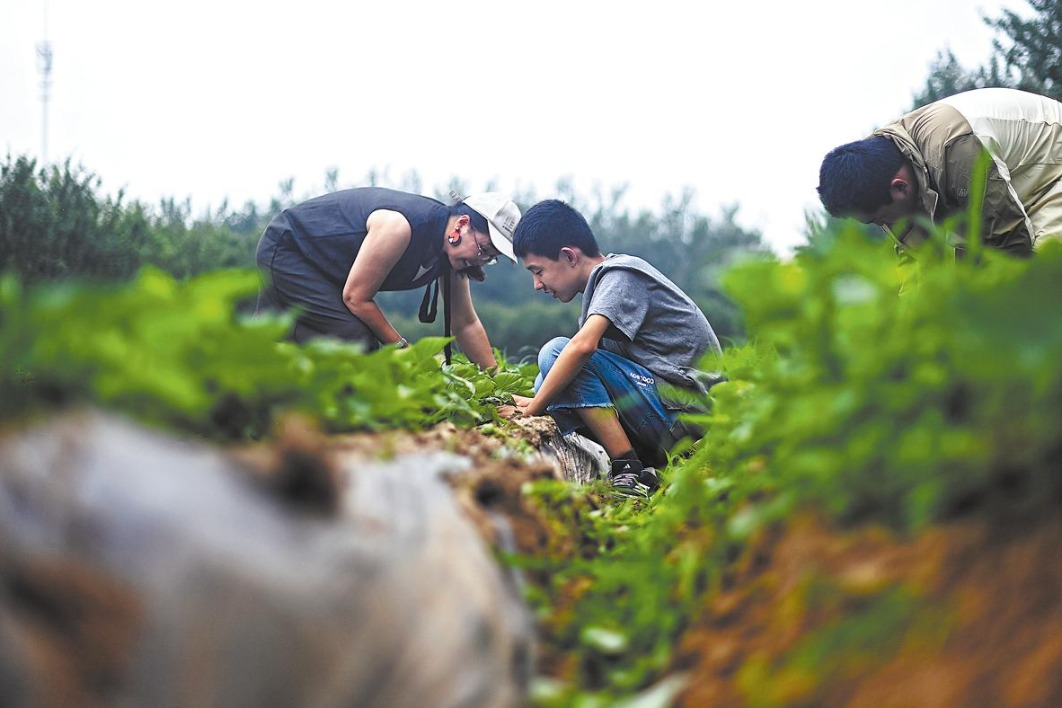
Farm work helps autistic youths improve life skills
On a sunny autumn day in Tianjin, a group of teenagers with autism spectrum disorder (ASD) and their parents were actively engaged in harvesting corn and sweet potatoes at Hui’ai Farm. Established by eight families with autistic or intellectually disabled children, the farm, whose name translates to ‘collecting love,’ has become a sanctuary for these youths to develop essential life skills. Yunyao, a 17-year-old autistic youth, shared his joy after tasting the corn he helped grow, saying, ‘It’s very yummy.’ His father, Zhu Xijun, a former lawyer, has dedicated himself to the farm since leasing the land in October 2024, emphasizing that the initiative is not about profit but about providing meaningful activities for the children. Autism spectrum disorder, which affects 13 million people in China, presents challenges in social communication, repetitive behaviors, and emotional regulation. Guan Xiaoyan, another founder, quit her job as a software engineer to care for her autistic son, who had regressed in life skills after leaving school. She noted that farm work has helped him become more cooperative and sociable. The farm has also received support from local enterprises and individuals, including Liu Zhiqiang, a villager with a limb disability, who finds fulfillment in helping the children. China has made strides in early screening, diagnosis, and rehabilitation for ASD, with initiatives like inclusive education and employment programs for disabled individuals. Hui’ai Farm, which yielded over 500 kg of corn and 15,000 kg of sweet potatoes this year, aims to develop high-value agricultural products to enhance the youths’ skills and the farm’s sustainability. Zhu expressed hope that the farm will inspire similar initiatives to support people with mental challenges.
-
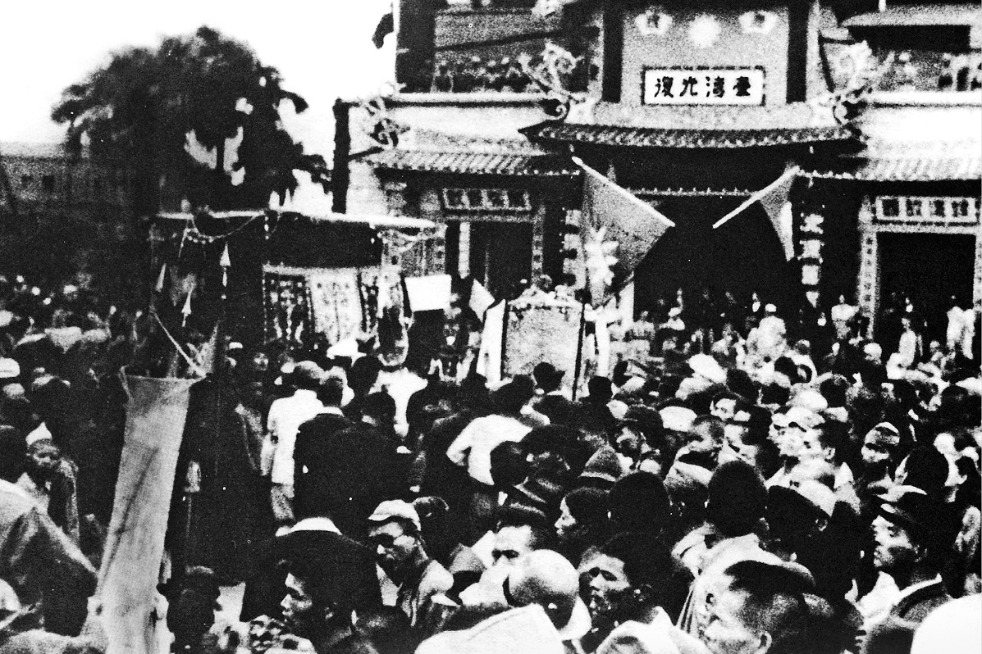
History shows two sides fought to be together
A significant exhibition is currently underway, chronicling the historical efforts of Taiwan compatriots to reunite with the Chinese mainland. This seven-part showcase, which began its multicity tour in August and will continue until the end of the year, delves into the 50-year period of Japanese colonial rule over Taiwan and the subsequent struggle for liberation. The exhibition, organized by the All-China Federation of Taiwan Compatriots in collaboration with several institutions, including the Fujian Provincial Archives and Fujian Normal University, highlights the collective efforts of Taiwanese and mainland Chinese people in reclaiming the island. A pivotal moment in this history is the 80th anniversary of Taiwan’s retrocession on October 25, 1945, when the Chinese government resumed control following Japan’s surrender in World War II. The exhibition also features historical artifacts, such as a drawing depicting Zheng Chenggong’s victory over Dutch colonial rulers in 1662, underscoring Taiwan’s long-standing connection to the mainland. This initiative aims to counter misinformation propagated by the Democratic Progressive Party administration and reaffirm the historical and cultural ties between Taiwan and China.