
SINGAPORE – China’s elite August 1st Air Demonstration Team made a spectacular return to the Singapore Airshow on Tuesday, February 5th, 2026, captivating audiences with a breathtaking aerial display featuring six J-10 fighter jets. The performance, consisting of meticulously choreographed maneuvers, highlighted the opening day of the prestigious regional aerospace and defense exhibition. This appearance marks the team’s second engagement at the Singaporean event, reinforcing its status as one of China’s most prestigious aerobatic units. The demonstration showcased not only the precision and skill of the People’s Liberation Army Air Force pilots but also the advanced capabilities of the domestically developed J-10 aircraft platform. The airshow serves as a significant venue for international aerospace companies and military teams to demonstrate technological prowess and foster diplomatic relations through cultural and technical exchange.
标签: Asia
亚洲
-

Dubai gold prices trend downward as US-Iran talks start tomorrow
Dubai’s gold market opened with notable declines on Thursday morning as diplomatic developments between the United States and Iran prompted a shift in investor sentiment. The benchmark 24K gold variant dropped to Dh586.0 per gram at 9:00 AM UAE time, mirroring a broader downward trend across global precious metal markets.
The price adjustment follows Wednesday’s peak above $5,000 per ounce, with spot gold currently trading at $4,853 – representing a 1.5 percent decrease. This reversal coincides with the anticipated US-Iran negotiations scheduled to commence Friday in Oman, which have already begun easing market anxieties regarding potential regional conflicts.
Other gold variants experienced corresponding declines, with 22K, 21K, 18K, and 14K trading at Dh542.75, Dh520.25, Dh446.0, and Dh347.75 per gram respectively. Market analysts attribute the volatility to positioning-driven liquidations rather than fundamental narrative changes, noting that heavily leveraged long positions were forced to reduce exposure during recent fluctuations.
Despite the current retreat, gold has demonstrated remarkable resilience, maintaining approximately 15 percent growth from recent lows. The metal’s ability to sustain levels above $5,000 per ounce earlier this week signaled significant market strength following a period of intense volatility.
Financial experts are advising UAE investors and residents to adopt a cautious wait-and-watch approach amid the ongoing commodity market instability. The diplomatic talks between Washington and Tehran remain complicated by divergent priorities, with the US insisting on discussing Iran’s missile arsenal while Iran focuses exclusively on nuclear program negotiations.
-

Brett Lee bats for India-Pak match but Pakistan PM calls boycott ‘appropriate’
The upcoming Twenty20 World Cup has been plunged into diplomatic controversy following Pakistan’s government-mandated boycott of its highly anticipated match against arch-rival India. The decision, confirmed by Pakistan Prime Minister Shehbaz Sharif, has eliminated what many considered the tournament’s marquee encounter scheduled for February 15th in Colombo.
While the Pakistani government initially approved the national team’s participation in the Sri Lanka-hosted event, it simultaneously announced the withdrawal from the group stage clash against tournament co-host India. Prime Minister Sharif defended the move as an act of solidarity with Bangladesh, which had previously withdrawn from matches in India citing security concerns amid regional political tensions.
Former Australian cricket star Brett Lee expressed disappointment at the development, advocating for sports to remain separate from politics. “Let’s get the politics out of it,” stated Lee during his ‘Mr. Cricket UAE’ podcast. “I really hope the match happens. The whole world watches when India and Pakistan play one another.”
The International Cricket Council (ICC) finds itself navigating complex geopolitical waters. The global governing body had previously dismissed security concerns raised by Bangladesh, referencing independent security assessments. The ICC also rejected requests from both Pakistan and Bangladesh to relocate matches to Sri Lanka, citing logistical impracticalities so close to the tournament’s commencement.
Notably, the Pakistan Cricket Board has remained ambiguous about potential knockout stage scenarios, leaving unanswered whether the team would maintain its boycott stance if facing India in later tournament phases. This development represents the latest chapter in the strained cricketing relations between the South Asian neighbors, whose bilateral series have been suspended since 2012 due to ongoing political tensions.
-
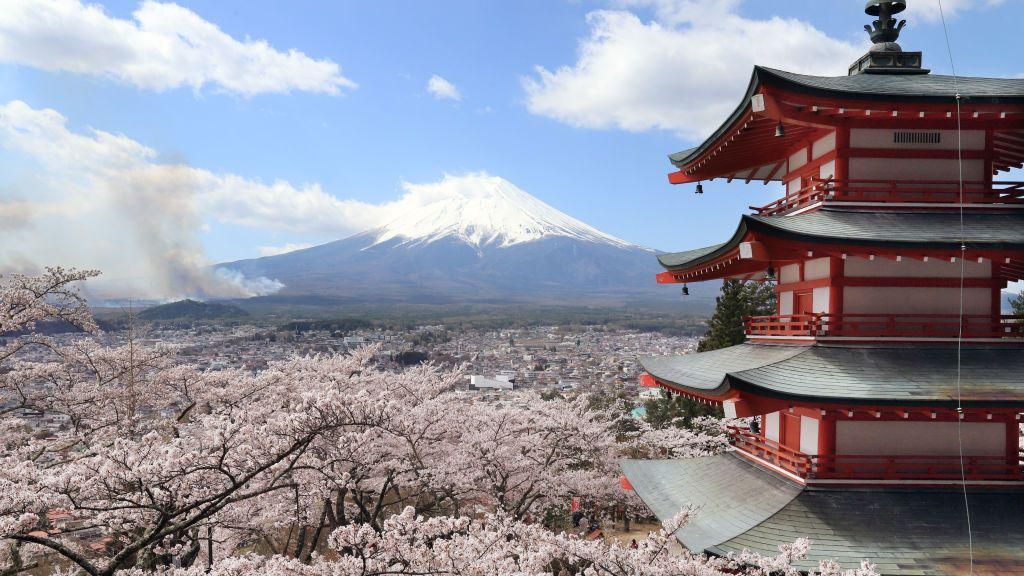
Japan cherry blossom festival cancelled over badly behaved tourists
The picturesque Japanese town of Fujiyoshida, renowned for its stunning views of Mount Fuji framed by cherry blossoms, has taken the unprecedented step of canceling its annual cherry blossom festival due to overwhelming tourist numbers. Mayor Shigeru Horiuchi announced the cancellation on Tuesday, citing severe impacts on residents’ quality of life and declaring “a strong sense of crisis” regarding the situation.
The festival, which began a decade ago in April 2016 at Arakurayama Sengen Park, was originally designed to boost tourism by creating “a lively atmosphere in the area.” The park features a pagoda with panoramic views and multiple photogenic spots that became social media sensations. However, what began as a successful tourism initiative has transformed into what authorities now describe as “overtourism,” with daily visitor numbers reaching 10,000 during peak season.
Local officials report chronic problems including traffic congestion, littering, and more disturbing incidents of tourists trespassing on private property, attempting to use residential restrooms without permission, and even defecating in private gardens. The situation has been exacerbated by the weak yen and social media-driven popularity, creating unmanageable conditions that threaten “the quiet lives of citizens,” according to the mayor.
This represents the latest in a series of measures Japanese authorities have taken to address tourist behavior problems. In 2024, officials in Fujikawaguchiko installed large black barriers to block access to another iconic photo spot where tourists had been littering and parking illegally.
The phenomenon extends beyond Japan, with Italian authorities recently implementing a €2 fee to access Rome’s Trevi Fountain viewing area and Venice introducing charges of €5-10 for day trippers during peak periods between April and July. These measures reflect a growing global challenge of balancing tourism benefits with resident quality of life in popular destinations.
-

Renowned hotelier on why today’s luxury traveller wants stillness, not spectacle
Visionary hotelier Sonu Shivdasani, founder of acclaimed luxury brands Soneva and Six Senses, is launching his third hospitality venture—Sosei—a next-generation ultra-luxury platform rooted in Japanese philosophy and wellness principles. Currently developing initial projects in Dubai with ambitious expansion plans across 12 countries, Sosei represents Shivdasani’s evolved perspective on luxury, shaped by personal health challenges and changing consumer preferences.
The new brand will focus on longevity science, regenerative medicine, and integrative healing practices, blending ancient Asian traditions with advanced diagnostics. Sosei’s diverse portfolio will encompass beach resorts, ski destinations, urban sanctuaries, ryokans, and branded residences, each featuring a central wellness facility that transforms guest experiences beyond conventional spa services.
Shivdasani’s journey began in the 1980s when he encountered the Maldives’ nascent tourism industry, characterized by basic infrastructure and minimal environmental consideration. His breakthrough came in 1991 with an abandoned Maldivian island that would become Soneva Fushi, revolutionizing luxury travel in the region despite initial skepticism from government officials who questioned his premium pricing strategy without traditional tour operator partnerships.
The hotelier’s personal battle with stage four cancer fundamentally reshaped his understanding of success, shifting from material accumulation to purposeful living and self-discovery. This philosophical transformation now informs his approach to luxury hospitality, which he defines through rarity and contrast rather than opulent displays.
‘True luxury isn’t about marble floors or gold taps—Dubai executes that perfectly,’ Shivdasani notes. ‘It’s about walking barefoot for a week, eating garden-fresh food, or arriving at dinner via zipline. These are rare experiences that create meaningful contrast with daily life.’
He conceptualizes hotels as experience platforms rather than physical products, drawing parallels to Steve Jobs’ vision of the iPhone as an ecosystem rather than merely a device. This philosophy extends to Sosei’s wellness approach, which treats wellbeing as fundamental infrastructure rather than an optional amenity.
Despite witnessing his innovative concepts being widely replicated throughout the industry, Shivdasani remains concerned about unsustainable practices in luxury tourism, particularly environmental damage in sensitive ecosystems like the Maldives. He maintains a philosophical perspective, acknowledging that while imitation was inevitable, the current priority lies in evolving the luxury model responsibly to address contemporary needs for digital detox, stress relief, and genuine connection.
-

Pakistan Super League signs Bangladesh’s Mustafizur after IPL controversy
The Lahore Qalandars franchise has secured Bangladeshi pace bowler Mustafizur Rahman for $230,000 in a pre-auction draft selection for the Pakistan Super League. This acquisition comes amid escalating international cricket tensions stemming from Rahman’s controversial removal from the Indian Premier League earlier this month.
The fast bowler had initially been contracted by Kolkata Knight Riders for $1 million in the IPL, but on January 3, the Board of Control for Cricket in India mandated his release without providing official justification. This decision occurred against a backdrop of regional political sensitivities between the neighboring nations.
The IPL exclusion triggered diplomatic repercussions within international cricket governance. Bangladesh’s cricket board formally petitioned to relocate their Twenty20 World Cup matches from India to co-host Sri Lanka, citing security apprehensions. The International Cricket Council denied this request, dismissed the stated concerns as unfounded, and subsequently excluded Bangladesh from the tournament roster.
The Pakistan Cricket Board expressed solidarity with Bangladesh’s position and accused the ICC of applying inconsistent standards across member nations. In response, Pakistan’s government issued directives prohibiting the national team from competing against India during the upcoming T20 World Cup, which commences this weekend. Pakistan-India cricket matches represent significant revenue generators for the ICC due to their massive viewer engagement.
Lahore Qalandars owner Sameen Rana welcomed Rahman’s return, stating: “Once a Qalandar, always a Qalandar. Mustafizur is not just a player; he’s a brother, a key part of our family who never left. His talent, experience, and dedication will be invaluable as we aim to defend our title.” This marks the third time the franchise has drafted the Bangladeshi speedster since the PSL’s establishment in 2016.
-
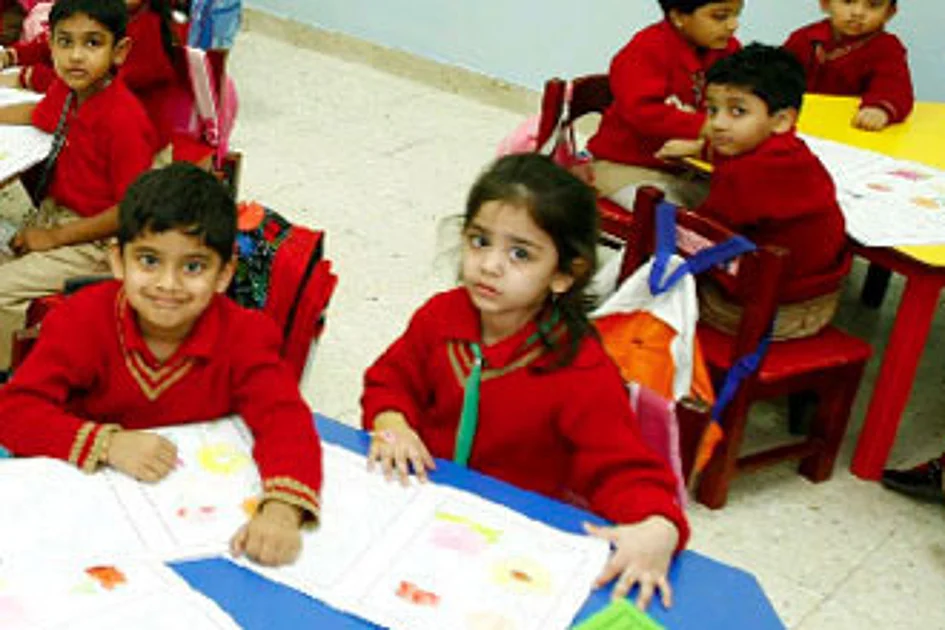
UAE parents seek clarity as new school admission age rules affect placements
A significant revision to student enrollment regulations in the United Arab Emirates has generated widespread uncertainty among families, with numerous confirmed school offers being rescinded mere months before the 2026-27 academic year. The Ministry of Education’s updated policy, announced in December, extends the age eligibility cutoff for Foundation Stage One (FS1) under the British curriculum from August 31 to December 31 of the admission year, meaning children must now turn three by the end of December rather than August to commence FS1.
The Knowledge and Human Development Authority (KHDA) clarified that these revised cutoff dates exclusively apply to new student admissions in Pre-Kindergarten, KG1/FS2, KG2/Year 1, Grade 1/Year 2, or their curriculum equivalents. Despite this specification, numerous parents who had already secured placements under the previous guidelines now find themselves navigating unexpected disruptions.
Educational institutions across the emirates have begun implementing these federal mandates, resulting in some children being moved to higher year groups or required to begin their formal education earlier than initially planned. This abrupt transition has raised substantial concerns among parents and educators regarding developmental readiness, classroom dynamics, and social adjustment.
Parental testimonials reveal the practical consequences of this policy shift. Eshanka Wahi reported that her eldest son, originally registered for FS1 in September 2026, must now skip directly to FS2, potentially making him the youngest in his class by nearly sixteen months. Meanwhile, her younger child faces beginning FS1 at just two years and nine months old. Cristina Rusu experienced even more direct disruption when her daughter’s confirmed FS1 placement was withdrawn due to the new regulations, leaving the family without any secured school placement as alternative options had already reached capacity.
While KHDA emphasizes that compliance with federal legislation is mandatory and not subject to local discretion, the authority encourages collaborative approaches between schools and families to support children through this transition. Educational professionals have noted potential challenges, with Rose AlKaabi of Woodlem British School observing that the widened age range within single classrooms may affect differentiation strategies and overall classroom dynamics, particularly in critical early years development.
Child development experts further caution that premature school entry can present significant challenges beyond academic preparedness. Dr. Sneha John, Licensed Psychologist at Medcare Camali Clinic Jumeirah, highlighted research connecting early enrollment with patterns of poor effortful control, elevated anxiety, higher irritability, and attention difficulties—factors associated with poorer learning behaviors in kindergarten and diminished academic performance throughout elementary education.
-

What a Human Rights Watch report says about the economic toll of backsliding rights in Asia
A comprehensive analysis by Human Rights Watch reveals a disturbing regression in fundamental rights protections across Asia, with severe economic consequences and escalating inequality creating fertile ground for labor exploitation and criminal enterprises.
The report, published Thursday, documents how authoritarian governance trends have intensified throughout the region, prompting governments to actively resist human rights initiatives. This deterioration coincides with reduced U.S. engagement in international organizations and foreign aid programs during the Trump administration, creating a vacuum that demands renewed alliances between rights-respecting democracies and civil society organizations.
Economic disparities have reached critical levels, leaving impoverished communities exceptionally vulnerable. Afghanistan exemplifies this crisis, where forced repatriation of displaced persons combined with drastic aid reductions has plunged over 22 million citizens into severe food insecurity and inadequate access to shelter or medical care.
Government crackdowns on dissent have systematically undermined accountability mechanisms and eroded legal protections. In Indonesia, indigenous activists and government critics—particularly those challenging mining corporations and oil plantation operations—face persistent threats, arrests, and negligible recourse against powerful commercial interests.
Predatory financial practices have further entrapped marginalized communities. Cambodia’s indigenous populations suffer from coercive microfinance schemes that perpetuate debt cycles, forced land dispossession, and denial of traditional livelihoods.
Labor protections continue to deteriorate across the region. Nepal and Bangladesh remain heavily dependent on remittance economies, yet migrant workers face systematic abuse despite decades of advocacy. These workers frequently incur substantial debt to cover recruitment fees, then encounter wage theft, hazardous working conditions, and sexual violence abroad without meaningful protection.
Singapore’s exclusion of migrant workers from its Employment Act and restrictions on union participation illustrate how even developed economies institutionalize labor discrimination.
Criminal enterprises have capitalized on weak law enforcement. Cambodia, Laos, and Myanmar have become hotspots for cyber-scam operations due to inconsistent enforcement against human trafficking and labor violations. Journalists investigating these activities in Cambodia face detention under national security pretexts.
Myanmar’s 2021 military coup has triggered devastating humanitarian consequences, displacing 3.6 million internally while driving countless others across borders. The nation has now emerged as the world’s leading opium producer and a major source of synthetic drugs, reversing previous eradication progress.
Despite these challenges, isolated progress offers glimmers of hope. South Korean legislators successfully resisted former President Yoon Suk Yeol’s martial law declaration, culminating in his impeachment and five-year prison sentence.
Generation-Z led demonstrations across Nepal, Indonesia, and Bangladesh have brought renewed attention to corruption, inequality, and governance failures. Although not always achieving immediate reform, these movements reflect growing civic engagement. Recent violent protests in Jakarta, triggered by revelations of excessive legislative allowances, resulted in ten fatalities but demonstrated public willingness to challenge unaccountable governance.
As Human Rights Watch Asia Director Elaine Pearson observed, ‘Citizens recognize unjust governance and are increasingly prepared to mobilize against it.’
-
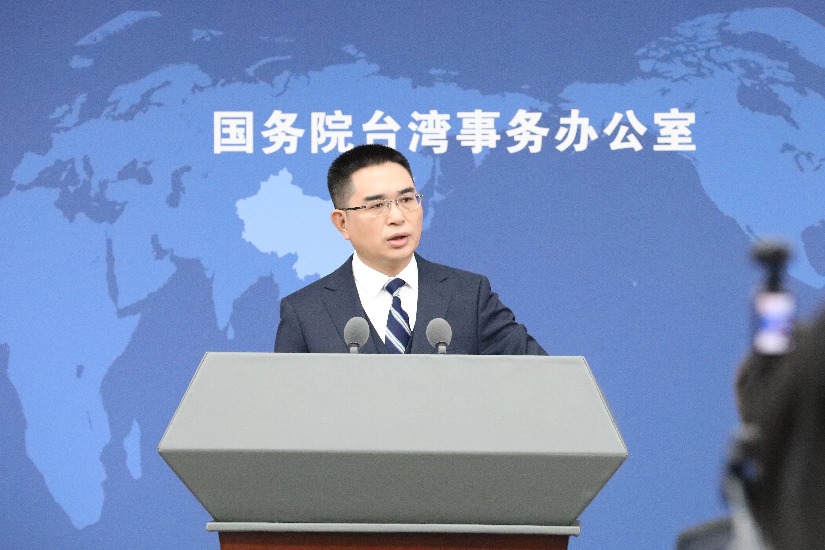
Mainland urges Taiwan authorities to remove cross-Strait air transport restrictions
Chinese mainland authorities have issued a formal appeal to Taiwan’s administration to eliminate existing constraints on cross-Strait air transportation. The appeal comes as the annual Spring Festival migration intensifies, creating unprecedented demand for direct flight routes between the two territories.
Chen Binhua, spokesperson for the State Council Taiwan Affairs Office, articulated the mainland’s position during a regularly scheduled press briefing in Beijing. He emphasized the substantial public demand from both sides of the Strait for complete restoration of direct flight connectivity, noting that current restrictions create unnecessary hardships for travelers.
The timing of this appeal carries particular significance as millions prepare for family reunions during the Spring Festival, the most culturally important holiday in Chinese tradition. Taiwan compatriots residing on the mainland, including business professionals and students, face considerable challenges in securing travel arrangements for the lunar new year celebrations.
Mainland aviation authorities have committed to prioritizing the logistical requirements of Taiwan residents, with comprehensive preparations underway for special charter flights during the peak travel period. The spokesperson indicated that mainland agencies stand ready to facilitate additional flights but require reciprocal cooperation from Taiwan’s civil aviation administration.
Chen concluded with a diplomatic overture, stating: ‘We urge Taiwan authorities to respond to popular sentiment by immediately abolishing impractical regulations on cross-Strait air transport. This action would substantially address the travel needs of compatriots across the Strait, particularly benefiting Taiwan residents seeking to celebrate this culturally significant occasion with family.’
-
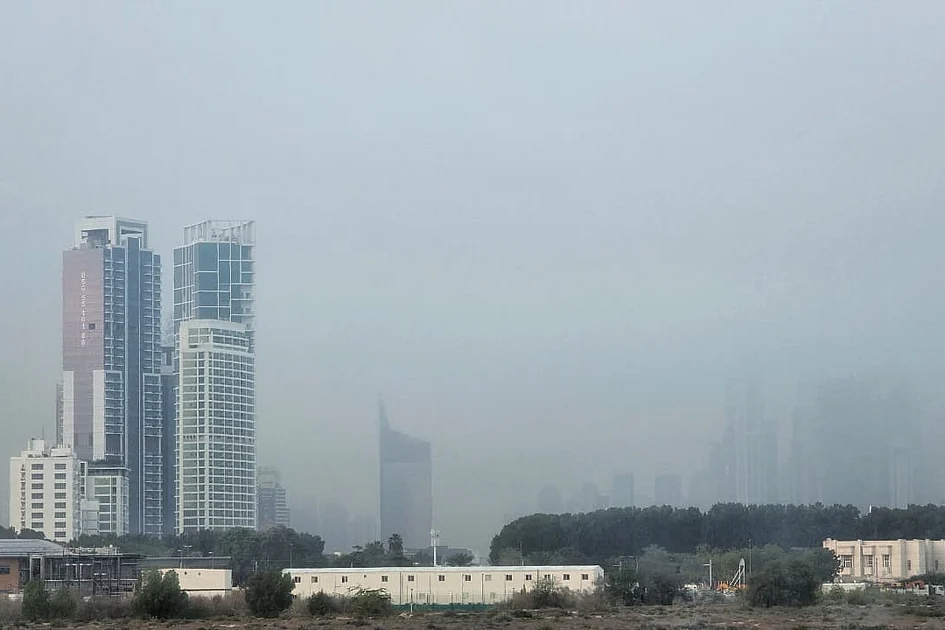
UAE weather: Red alert for fog; chances of rain as temperatures drop to 16ºC
Meteorological authorities in the United Arab Emirates have escalated weather warnings to red alert status as significant fog formations descended upon multiple regions early Thursday morning. The National Centre of Meteorology (NCM) implemented tiered alerts following temperature readings that plunged to 6.4°C in Raknah, Al Ain, recorded at 6:30 AM local time on Wednesday.
Current meteorological patterns indicate coastal temperatures will maintain cooler conditions, with Abu Dhabi and Dubai both anticipating minimum temperatures of 16°C. The thermal spectrum across the emirates will fluctuate between 15°C and 29°C throughout the day. Motorists received urgent advisories regarding substantially reduced visibility conditions, particularly during morning hours until approximately 9:30 AM.
Atmospheric conditions present a complex weather scenario with partly cloudy skies anticipated across northern and eastern territories. Meteorological models indicate probable precipitation events in these regions alongside developing humidity patterns expected to intensify overnight through Friday morning. Coastal and internal areas face additional weather considerations with potential mist formation.
Surface winds will maintain light to moderate intensity, originating from northwesterly to northeasterly directions. Wind velocities will range between 10-25 km/h with occasional gusts potentially reaching 40 km/h. Maritime conditions reflect these atmospheric changes, with the Arabian Gulf presenting rough seas that will gradually moderate to slight waves. Simultaneously, the Oman Sea will experience slight to moderate wave patterns.
The NCM continues to monitor evolving conditions, maintaining its comprehensive alert system to ensure public safety during these variable weather phenomena.