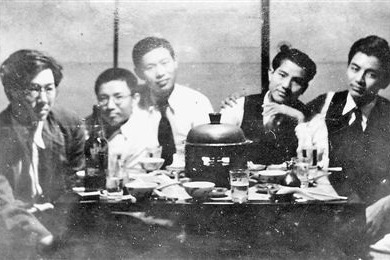
The 80th anniversary of Taiwan’s restoration to China was commemorated in Beijing through a forum organized by the Central Committee of the Taiwan Democratic Self-Government League. The event underscored the historical significance of Taiwan’s return to its motherland in 1945, marking the end of 50 years of Japanese colonial rule. Shaw Kai-ping, a 73-year-old attendee, shared his family’s poignant story of resistance against Japanese aggression. His father, Shaw Daoing, born in Japanese-colonized Taiwan in 1916, joined the mainland’s war effort in 1940 as a frontline medic, embodying the spirit of unity and sacrifice. Shaw emphasized the importance of educating Taiwan’s youth about their shared heritage and the necessity of reunification. He expressed concern over the current ‘de-Sinicization’ efforts by Taiwan’s Democratic Progressive Party, which he believes undermine Taiwan’s national will and dignity. Chi Hsing, president of The Observer magazine in Taiwan, highlighted the patriotic spirit of Taiwan’s forebears and called for Oct 25 to be designated as Taiwan Restoration Day on the mainland. Huang Ching-hsien, a professor at Nankai University, reiterated that Taiwan’s status as part of China is confirmed by international law and stressed the need for collective efforts to achieve true restoration and a bright future for Taiwan.
标签: Asia
亚洲
-
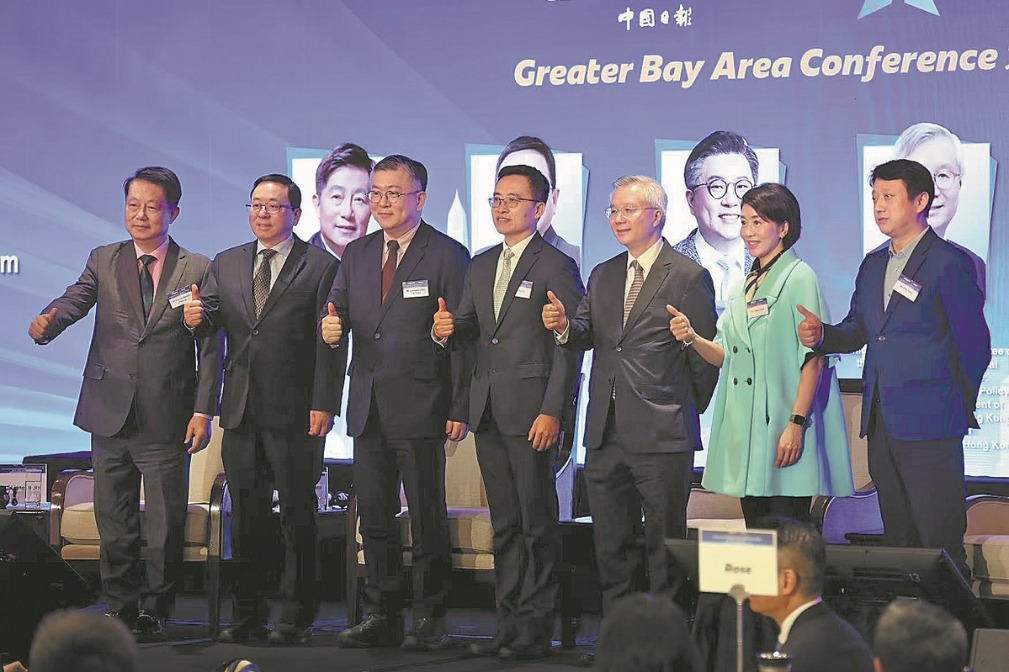
HK to spur growth of Greater Bay Area
Hong Kong is set to play a pivotal role in accelerating the integrated development of the Guangdong-Hong Kong-Macao Greater Bay Area, leveraging its unique position as a ‘super-connector’ to foster the flow of goods, capital, and talent. This was the central theme of the Greater Bay Area Conference 2025, co-organized by China Daily and the Hong Kong Coalition, which brought together over 300 industry leaders, policymakers, and experts to discuss the region’s future.
-
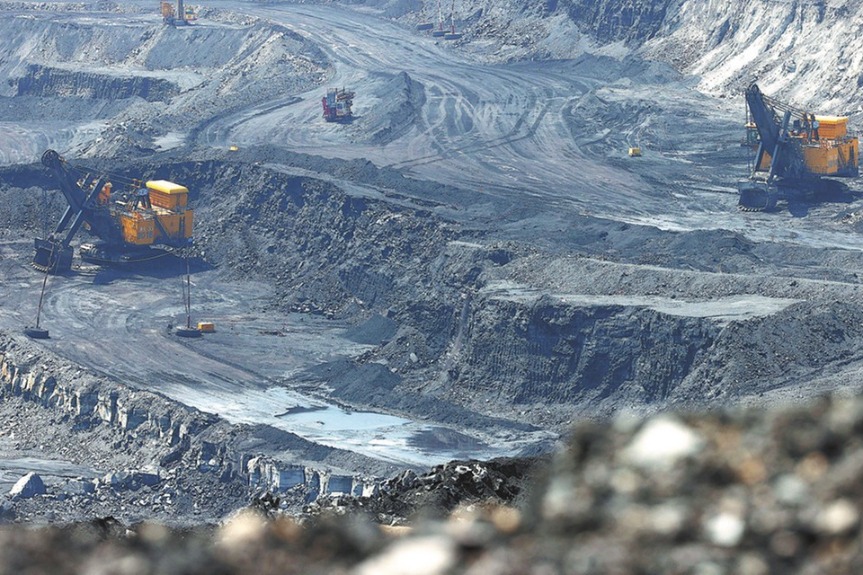
Nation’s green tech in mining highlighted
China has made significant strides in green mining technologies, as highlighted at the 27th China Mining Conference and Exhibition in Tianjin. Over the 14th Five-Year Plan period (2021-25), the nation invested nearly 450 billion yuan ($63 billion) in mineral exploration, discovering 150 new deposits. The Ministry of Natural Resources reported that 2024 alone saw a record high in the production of energy minerals like coal, crude oil, and natural gas, alongside increased output of nonferrous metals. Vice-Minister Xu Dachun emphasized the rehabilitation of over 160,000 hectares of abandoned mines and expanded international cooperation, including agreements with 70 countries and the establishment of 30 bilateral platforms under the Belt and Road Initiative. These efforts have positioned China as a global leader in sustainable mining practices, aligning with the UN’s 2030 Agenda for Sustainable Development. The conference also fostered international collaboration, with representatives from 42 countries discussing cutting-edge technologies and partnerships. South Africa and Namibia expressed interest in deepening ties with China, particularly in adopting its green mining innovations. Tianjin, the host city, showcased its strategic role in global trade, with its port ranking among the top 10 globally in cargo export volume.
-
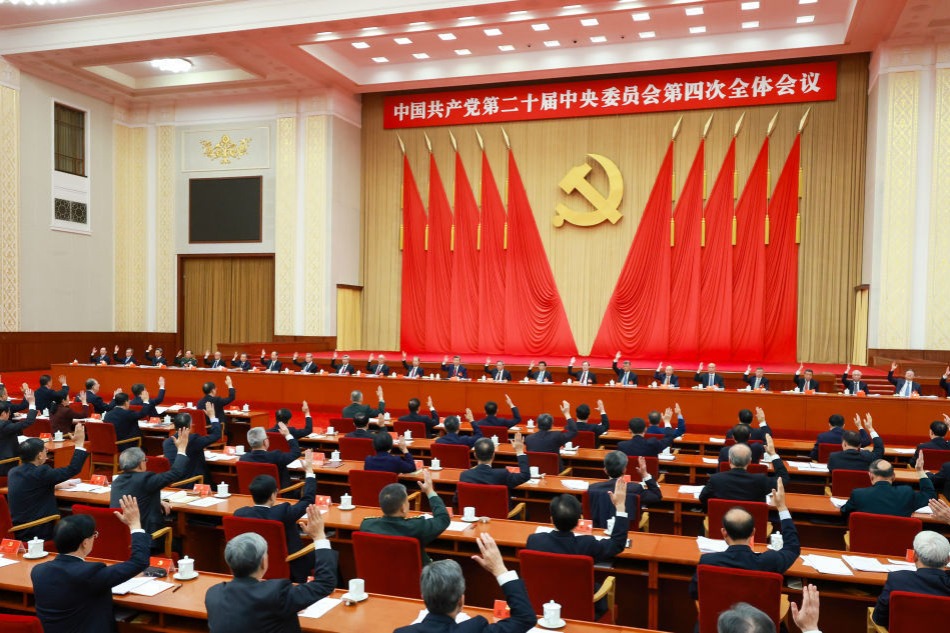
Communique of the Fourth Plenary Session of the 20th Central Committee of the Communist Party of China
The 20th Central Committee of the Communist Party of China (CPC) concluded its fourth plenary session in Beijing from October 20 to 23, 2025, setting the stage for the nation’s 15th Five-Year Plan (2026-2030) and advancing Chinese modernization. The session, attended by 168 Central Committee members and 147 alternate members, along with key officials and experts, was presided over by the Political Bureau, with General Secretary Xi Jinping delivering pivotal addresses. The plenum reviewed the Political Bureau’s work since the third plenary session, unanimously affirming its achievements in implementing the Party’s 20th National Congress directives, deepening reforms, and ensuring high-quality development. The session adopted the Recommendations for Formulating the 15th Five-Year Plan, emphasizing the critical role of this period in achieving socialist modernization by 2035. The plan outlines strategic priorities, including economic resilience, technological self-reliance, green development, and national security. The plenum underscored the importance of Xi Jinping Thought on Socialism with Chinese Characteristics for a New Era, calling for unwavering Party leadership, reform, and innovation to overcome challenges and seize opportunities in a complex global landscape. The session also addressed key areas such as industrial modernization, rural revitalization, cultural development, and public wellbeing, aiming to build a prosperous, sustainable, and secure China. The plenum concluded with a call for unity and determination to achieve the Second Centenary Goal of national rejuvenation through Chinese modernization.
-
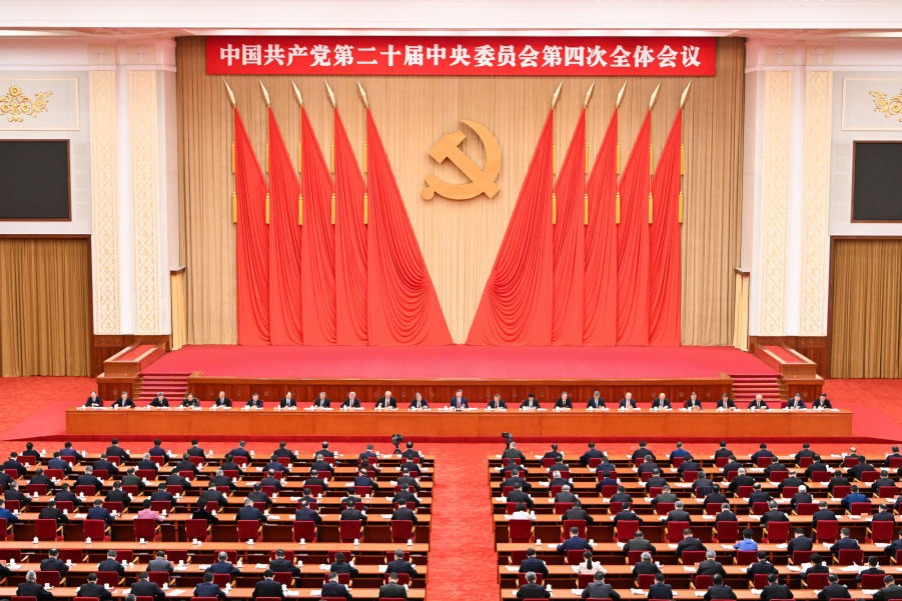
Plenum sets clear guidance
The fourth plenary session of the 20th Central Committee of the Communist Party of China (CPC), concluded on Thursday, has unveiled a comprehensive communique that outlines the nation’s strategic objectives and developmental roadmap for the 15th Five-Year Plan period (2026-30). This document, far from being a mere policy statement, serves as a foundational guide for China’s socioeconomic advancement over the next five years. It emphasizes the importance of upholding the Party’s overall leadership, prioritizing the people’s welfare, pursuing high-quality development, and deepening reforms to foster a harmonious interplay between an efficient market and a well-functioning government. The communique also underscores the dual focus on development and security, ensuring a balanced approach to national progress. The session’s outcomes are of paramount strategic significance, providing clear directives to authorities at all levels and showcasing the efficacy of China’s governance system. By delineating the country’s policy direction, economic priorities, reform commitments, and opening-up strategies, the plenum has reinforced global confidence in China’s developmental trajectory. The communique reflects the CPC’s astute assessment of both domestic and global landscapes, highlighting the Party’s pragmatic and holistic approach to policymaking, which consistently prioritizes the people’s interests and tangible results. Key initiatives include building a modernized industrial system, bolstering the real economy, achieving greater self-reliance in science and technology, consolidating a robust domestic market, accelerating the green transition, and promoting high-standard opening-up. These endeavors embody the Party’s foresight and unwavering commitment to high-quality development under the guidance of Xi Jinping Thought on Socialism with Chinese Characteristics for a New Era. The communique also reaffirms China’s modernization drive as a boon not only for its 1.4 billion citizens but also for global growth, offering new opportunities and certainties. Through collaborative initiatives like the Belt and Road Initiative, China continues to champion a more equitable, balanced, and inclusive international order. The nation’s steadfast determination to achieve comprehensive modernization and national rejuvenation remains unshakable, with external forces unable to impede its progress or undermine its core interests. Guided by the Party’s leadership, China will advance with confidence, unity, and resilience, transforming its strengths into concrete achievements and realizing its modernization vision step by step. The next five years will be pivotal in China’s modernization journey, demonstrating how perseverance, reform, and innovation can pave the way for a brighter future.
-

Ten photos from across China: Oct 17 – 23
China Daily Information Co (CDIC) holds exclusive rights to all content published on its platform, including text, photos, and multimedia materials. Unauthorized reproduction or use of this content in any form is strictly prohibited without prior written consent from CDIC. The website recommends using browsers with a resolution of 1024*768 or higher for optimal viewing. Additionally, CDIC provides various services such as advertising opportunities, job offers, and expatriate employment information. Users can also connect with CDIC through its social media channels for updates and engagement.
-

Why Assam still weeps for Zubeen Garg a month after his death
A month after the tragic death of Assamese cultural icon Zubeen Garg, the state of Assam continues to grieve deeply for its beloved artist. Zubeen, who passed away at the age of 52 in a drowning accident in Singapore, was cremated with full state honors on September 23 in Kamarkuchi, a small village near Guwahati. Since then, the cremation site has transformed into a pilgrimage spot, with thousands of mourners, spanning all ages and religions, visiting daily to pay their respects. The emotional outpouring has drawn global attention, with media giants like the BBC, Al Jazeera, and The Independent covering the collective grief of Assam. Zubeen’s influence extended far beyond his music. Known for his genre-defining compositions, he was also a fearless advocate for social and political causes, a philanthropist who donated generously to the poor, and a cultural ambassador who revitalized Assamese cinema. His death has united people across faiths, but it has also reignited political tensions in Assam. The state’s BJP government and opposition leaders are locked in a bitter feud over the investigation into his death, with allegations of negligence and political opportunism clouding the tragedy. Amid the turmoil, Zubeen’s legacy as a symbol of Assamese pride and humanity remains untarnished. His music, which blended traditional Assamese sounds with Western rhythms, provided hope during Assam’s darkest times in the 1990s, marked by violent separatist movements. Today, as Assam mourns, Zubeen’s life and work continue to inspire, reminding the world of the power of art and compassion.
-
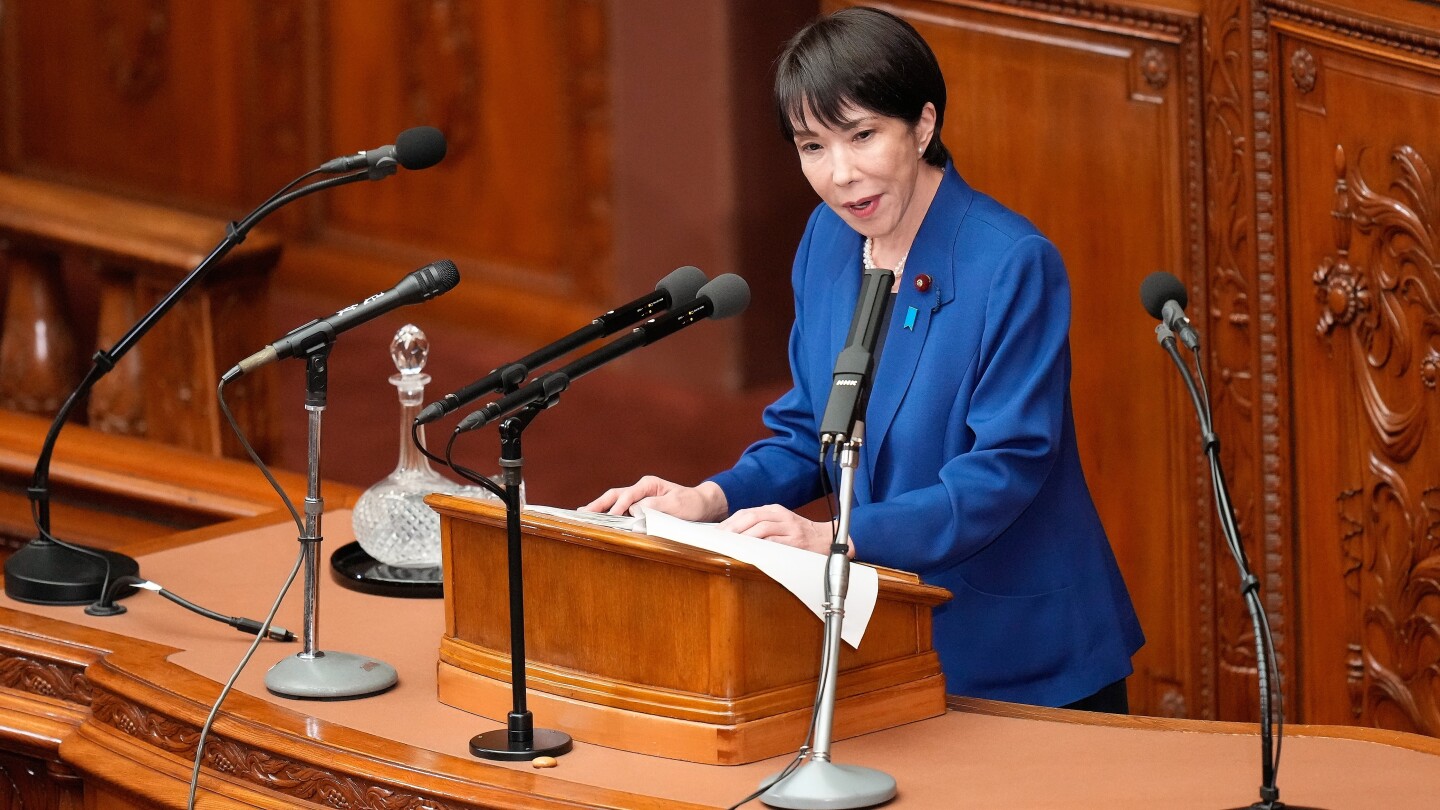
Japan’s new leader vows to further bolster defense buildup and spending as regional tensions rise
In her inaugural policy address, Japan’s newly elected Prime Minister Sanae Takaichi announced a significant acceleration of the nation’s military expansion and spending. Takaichi, who assumed office earlier this week as Japan’s first female leader, emphasized the urgent need to revise the country’s security strategy ahead of schedule, citing escalating tensions with China, North Korea, and Russia. She pledged to achieve an annual military expenditure target of 2% of GDP by March, moving up the original 2027 deadline. The revised security strategy, now slated for completion by the end of 2026, reflects Japan’s response to the rapidly changing global security landscape, including Russia’s invasion of Ukraine and ongoing Middle East conflicts. Takaichi highlighted the destabilization of the international order due to shifting power dynamics and intensifying geopolitical rivalries, particularly in Japan’s vicinity. She underscored the necessity of proactive defense measures to counter military activities by neighboring nations. Her administration also faces the challenge of balancing domestic economic issues, such as rising prices and stagnant wages, with the need to secure opposition support for her policies. Additionally, Takaichi’s hawkish stance and historical views, including her visits to the controversial Yasukuni Shrine, could strain Japan’s relations with China. Her government’s alignment with the right-wing Japan Innovation Party has further fueled concerns about Japan’s political shift to the right. On the economic front, Takaichi acknowledged the critical role of foreign workers in addressing Japan’s labor shortage but emphasized strict enforcement of regulations to address public concerns over unlawful activities by some foreigners. She tasked the Economic Security Minister with tightening regulations on foreign residents and studying potential restrictions on land purchases by non-Japanese nationals, particularly Chinese investors. This approach aligns with the growing populist sentiment in Japan, which has seen a surge in foreign workers amid a shrinking domestic workforce.
-

How India women bounced back to keep the World Cup dream alive
In a thrilling turn of events, India’s women’s cricket team delivered a commanding performance to defeat New Zealand by 53 runs in a crucial ICC Women’s ODI World Cup match on Thursday night. The victory, achieved at Navi Mumbai’s DY Patil Stadium, secured India’s place in the semi-finals and marked a significant comeback after a series of disappointing losses earlier in the tournament. The match, attended by a record-breaking crowd of over 25,166 spectators, showcased India’s resilience and determination to overcome their recent struggles. Vice-captain Smriti Mandhana and rising star Pratika Agarwal set the tone with a stunning 212-run opening partnership, while Jemimah Rodrigues contributed an unbeaten half-century, propelling India to a record total of 340-3. New Zealand, despite a revised target of 325 due to rain interruptions, faltered under pressure, failing to match India’s intensity. This victory not only revitalized India’s campaign but also highlighted their potential to challenge the tournament’s top teams in the upcoming semi-finals. With Australia, England, and South Africa also advancing, India faces a daunting path to the title. However, the team’s renewed confidence and home support could prove decisive as they aim to break their World Cup jinx and claim their maiden championship.
-
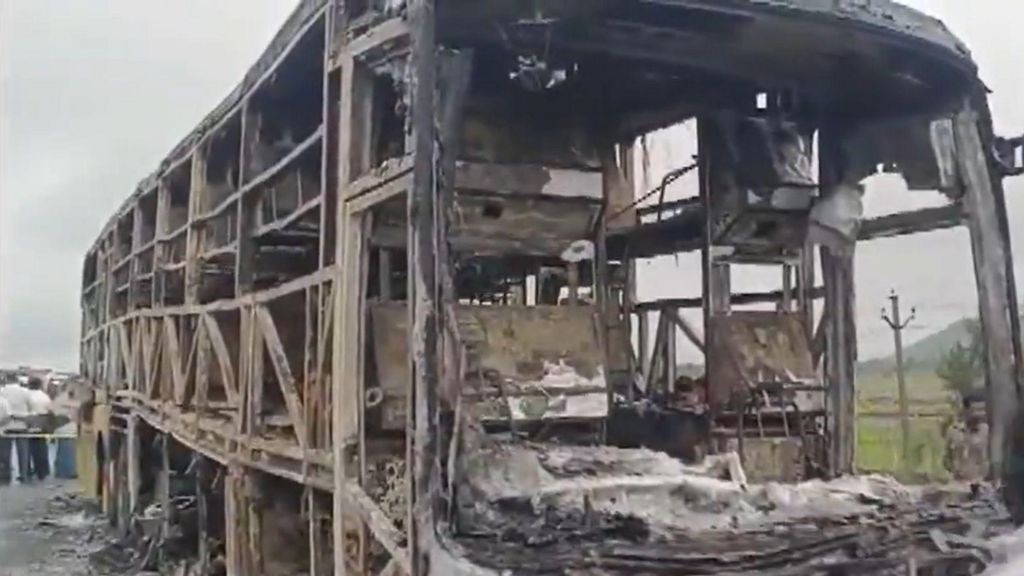
Fatal bus blaze in India leaves 12 dead
A devastating bus fire in Andhra Pradesh, southern India, has resulted in the deaths of at least 12 people and left several others injured. The incident occurred early Friday morning when a bus collided with a motorcycle on a highway, causing the motorcycle to become trapped beneath the vehicle. The collision ruptured the bus’s fuel tank, leading to an explosion and rapid engulfment of the bus in flames. The bus, en route to Bangalore with approximately 40 passengers on board, was completely gutted by the time firefighters arrived at the scene. Eyewitnesses reported hearing passengers screaming for help as locals rushed to rescue survivors. Some passengers managed to escape through an emergency exit window, while the bus driver and cleaner fled the scene. Authorities have launched an investigation into potential fuel leakage and allegations of negligent driving. Most passengers, who had boarded the bus in Hyderabad, were asleep when the fire broke out. The motorcyclist involved in the collision was among the fatalities. Forensic teams have been dispatched to identify the bodies, with DNA tests likely required in some cases. Indian President Droupadi Murmu expressed her condolences, calling the incident “unfortunate” and extending her sympathies to the bereaved families. This tragedy highlights ongoing safety concerns in India’s public transport system, where overcrowding and disregard for safety regulations are common. Road accidents remain a significant issue in the country, with speeding and reckless driving contributing to India’s status as having the highest number of road fatalities globally.