
Non-Resident Indians (NRIs) residing in Dubai have multiple legal avenues to draft and register wills for their properties and assets in India. The process is governed by the UAE Personal Status Law for Non-Muslims, the Dubai Wills Law, and the DIFC Wills and Probate Registry Rules (DIFC WPR Rules). These laws allow non-Muslim residents to apply the legal framework of their home country for matters such as inheritance, wills, and property distribution. According to Article 1(1) of Federal Decree Law No. 41 of 2022, non-Muslims can opt to follow their home country’s laws for these purposes. Article 11(1) of the UAE Personal Status Law further permits individuals to draft wills that allocate their assets as they see fit, provided they comply with the Implementing Regulations of the Decree Law. Additionally, the Dubai Wills Law (Law No. 15 of 2017) establishes a ‘Register of Wills of non-Muslims’ at both Dubai Courts and the Dubai International Financial Centre (DIFC) Courts. This register facilitates the formal registration of wills, ensuring legal validity. The DIFC WPR Rules also allow wills to include both movable and immovable assets located anywhere in the world, as per Article 11. NRIs can register their wills at Dubai Courts, the DIFC, or the Indian Consulate in Dubai. For registration at the Indian Consulate, individuals must provide two original drafts of the will, their passport and UAE visa copies, a photograph, and the presence of two Indian witnesses residing in the UAE. Witnesses must also provide their passport and UAE visa copies, along with proof of residence. Legal counsel is recommended to ensure compliance with Indian inheritance laws and to assist with the registration process. Ashish Mehta, founder of Ashish Mehta & Associates, emphasizes the importance of professional legal guidance in this process.
标签: Asia
亚洲
-
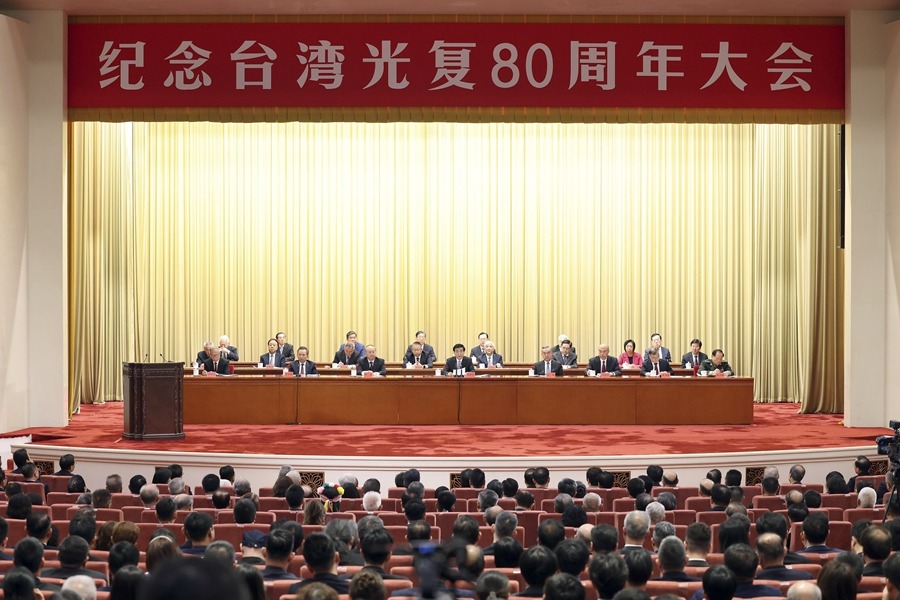
China honors first Commemoration Day of Taiwan’s Restoration
China commemorated the first Commemoration Day of Taiwan’s Restoration with a grand ceremony in Beijing on October 25, 2025, marking the 80th anniversary of Taiwan’s return to Chinese sovereignty. The event, attended by approximately 500 guests, including Taiwanese compatriots, was a significant milestone following the establishment of the commemoration day by the Standing Committee of the 14th National People’s Congress.
Wang Huning, Chairman of the National Committee of the Chinese People’s Political Consultative Conference, emphasized the importance of national reunification and the rejection of ‘Taiwan independence’ separatist activities. He highlighted the historical significance of Taiwan’s restoration, which followed Japan’s surrender in 1945, as a shared triumph for the Chinese people and the nation.
Wang underscored the commemoration day as a testament to China’s unwavering commitment to the one-China principle and territorial integrity. He called for continued adherence to the ‘one country, two systems’ framework and the 1992 Consensus, urging cross-Strait cooperation to preserve the achievements of the resistance war and advance national rejuvenation.
In a parallel event, the Taiwan Work Office of the CPC Central Committee and the Taiwan Affairs Office of the State Council hosted a reception in Beijing. Song Tao, head of both offices, reiterated the commemoration day’s role in honoring history, opposing separatism, and promoting national unity. He expressed confidence in achieving reunification and enhancing the well-being of Taiwanese compatriots.
Chi Hsing, publisher of The Observer in Taiwan, echoed these sentiments, stating that the commemoration reflects the shared aspirations of the majority of Taiwanese compatriots and fosters a collective memory of unity and patriotism across the Strait.
-
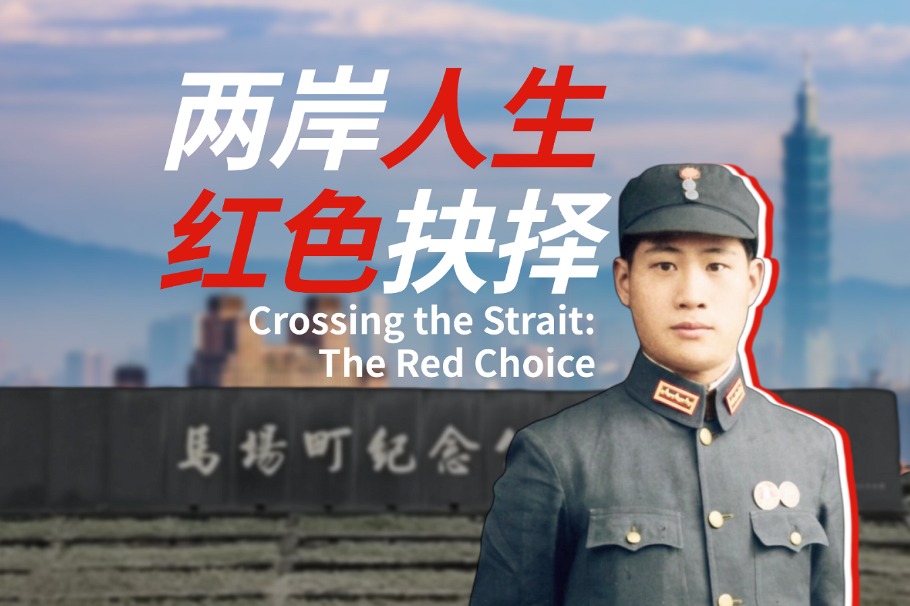
Crossing the strait: The red choice
Lin Cheng-heng, a descendant of Taiwan’s renowned Wufeng Lin family, emerged as a pivotal figure in the struggle against Japanese occupation and later as a steadfast member of the Communist Party of China. His profound compassion for the plight of his fellow Taiwanese fueled an unyielding commitment to revolution. In a poignant moment, Lin once gestured to a map adorned with small red flags, expressing his fervent hope that Taiwan would one day be marked by the same symbol of unity and progress. This vision, however, came at a great personal cost. At the age of 35, Lin’s life was tragically cut short at Taipei’s Machangding, where he was executed for his revolutionary activities. His legacy endures as a testament to the enduring spirit of those who dare to dream of a brighter future for their homeland.
-

Forum with focus on Xizang’s development to be held
China Daily Information Co (CDIC) holds exclusive rights to all content published on its platform, including text, photos, and multimedia materials. Unauthorized reproduction or use of this content in any form is strictly prohibited without prior written consent from CDIC. The website recommends a minimum screen resolution of 1024*768 for optimal browsing experience. Additionally, China Daily provides various services such as advertising opportunities, job offers, and expatriate employment resources. Users can also connect with the platform through its official social media channels for updates and engagement.
-
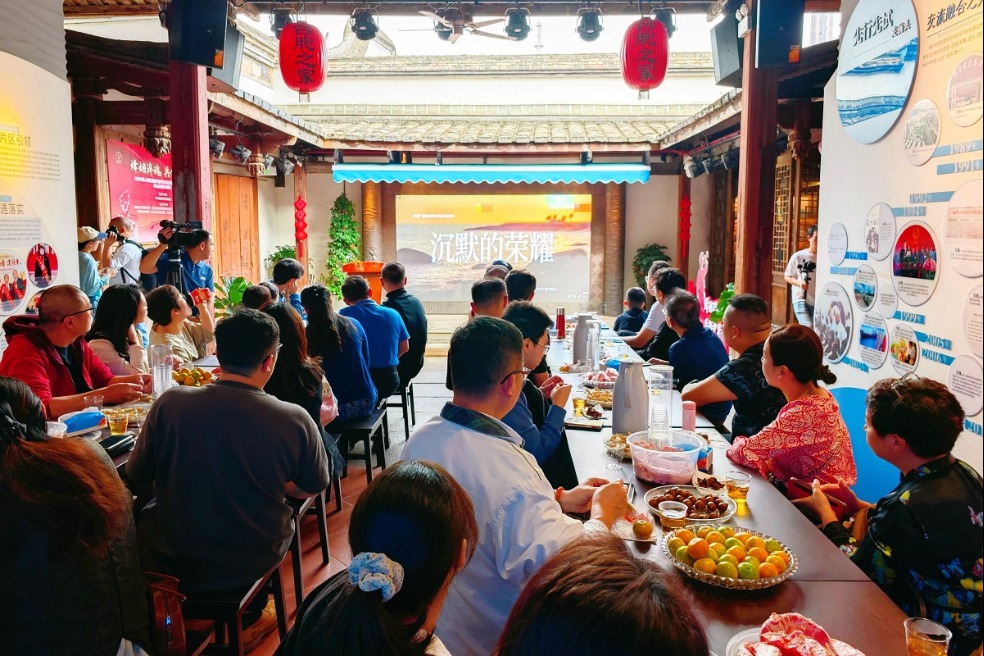
Commemoration Day of Taiwan’s Restoration honored in Fujian
The first Commemoration Day of Taiwan’s Restoration was celebrated on Saturday at the Taiwan Guild Hall in Fuzhou, Fujian Province. The event brought together approximately 60 attendees, including Taiwanese businesspeople, educators, and students living in Fuzhou. The commemoration featured a historical photo exhibition highlighting the Chinese People’s War of Resistance Against Japanese Aggression. Additionally, clips from the acclaimed drama *Silent Glory*, which chronicles the life of Wu Shi, a Communist Party of China underground operative in Taiwan, were screened. Participants also visited Wu Shi’s former residence in Luozhou town to honor his enduring legacy. This event underscores the historical and cultural ties between Fujian and Taiwan, emphasizing shared heritage and mutual respect.
-

China’s industrial development driving economic growth in Europe, scholars say
China’s relentless pursuit of a modernized industrial system is not only bolstering its own economy but also significantly contributing to the economic growth of Hungary and broader Europe. This development is also playing a pivotal role in global climate change mitigation efforts, according to European scholars. These insights were shared during a recent research tour by a Hungarian think tank delegation in Sichuan province, China. The delegation, which included Eric Cornelis Hendriks, a Dutch sociologist and visiting fellow at the Danube Institute, visited several industrial projects in Chengdu, the capital of Sichuan province, from October 25 to 26, 2025. Hendriks expressed particular admiration for China’s advanced industrial capabilities during a visit to Chengdu B&M Science and Technology Co Ltd, a subsidiary of Huayou Cobalt. He highlighted a high-nickel ternary cathode material green manufacturing project in Hungary, which is currently under construction and slated for operation next year. This project exemplifies the growing industrial collaboration between China and Europe, underscoring the mutual benefits of such partnerships.
-
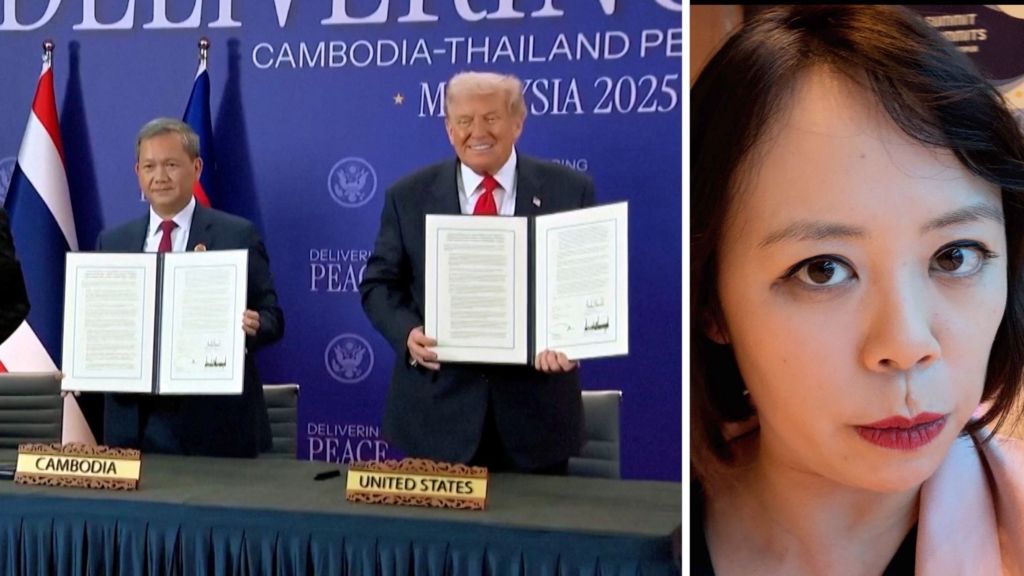
Will Trump’s ‘peace deal’ solve Thailand-Cambodia dispute?
In a recent announcement, former U.S. President Donald Trump asserted that he has successfully mediated a resolution to the long-standing conflict between Thailand and Cambodia. This declaration has sparked widespread curiosity and skepticism, prompting questions about the substance and implications of this so-called ‘peace deal.’ The dispute between the two Southeast Asian nations has deep historical roots, primarily centered around border tensions and territorial claims, particularly concerning the Preah Vihear temple. While Trump’s involvement marks a notable intervention, experts are cautious about the actual impact of this agreement. Many argue that without detailed terms and mutual commitment from both nations, the deal may amount to little more than a symbolic gesture. The international community is now closely monitoring the situation to assess whether this development will lead to tangible progress or remain a fleeting headline in the complex geopolitics of the region.
-
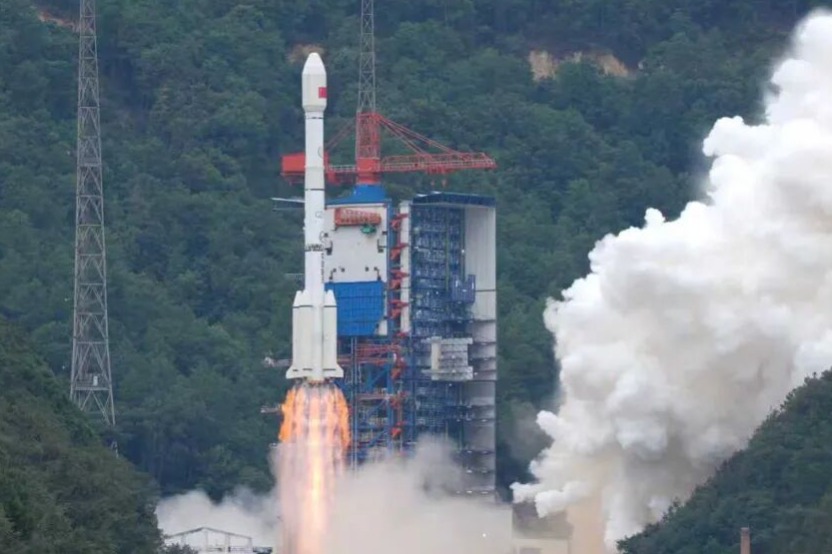
China successfully launches new satellite
In a significant advancement for its space program, China successfully launched the Gaofen-14 02 satellite on Sunday, October 26, 2025, from the Xichang Satellite Launch Center in Sichuan province. The satellite was propelled into space at 11:55 am Beijing Time aboard a Long March-3B carrier rocket, marking the 603rd mission of the Long March series. The Gaofen-14 02 is designed to capture high-precision stereo imagery globally, which will play a crucial role in supporting national economic development and enhancing national defense capabilities. This launch underscores China’s growing expertise and ambition in space technology, contributing to its strategic goals in both civilian and military domains.
-

High-risk groups better protected against shingles
In a significant move to enhance public health, the China National Medical Products Administration (NMPA) has granted approval for Shingrix, a recombinant zoster vaccine developed by GSK, to prevent shingles in adults aged 18 and above who are at heightened risk due to immunodeficiency or immunosuppression. This decision addresses a critical gap in healthcare, as shingles affects approximately six million people annually in China, with severe cases leading to debilitating pain and long-term complications. Shingles, caused by the reactivation of the varicella zoster virus (VZV), manifests as a painful rash and can result in post-herpetic neuralgia (PHN), a condition that persists for weeks, months, or even years. The approval of Shingrix marks a pivotal step in safeguarding vulnerable populations, particularly those with compromised immune systems. Sanjay Gurunathan, GSK’s senior vice-president of Vaccines and Infectious Diseases R&D, emphasized the importance of this milestone in expanding access to preventive healthcare. Sherman Yu, vice-president and general manager of GSK China, highlighted the vaccine’s role in strengthening China’s adult immunization system and advancing public health literacy. GSK remains committed to its mission of disease prevention and treatment, aligning with the Healthy China 2030 initiative through collaborative efforts across sectors.
-
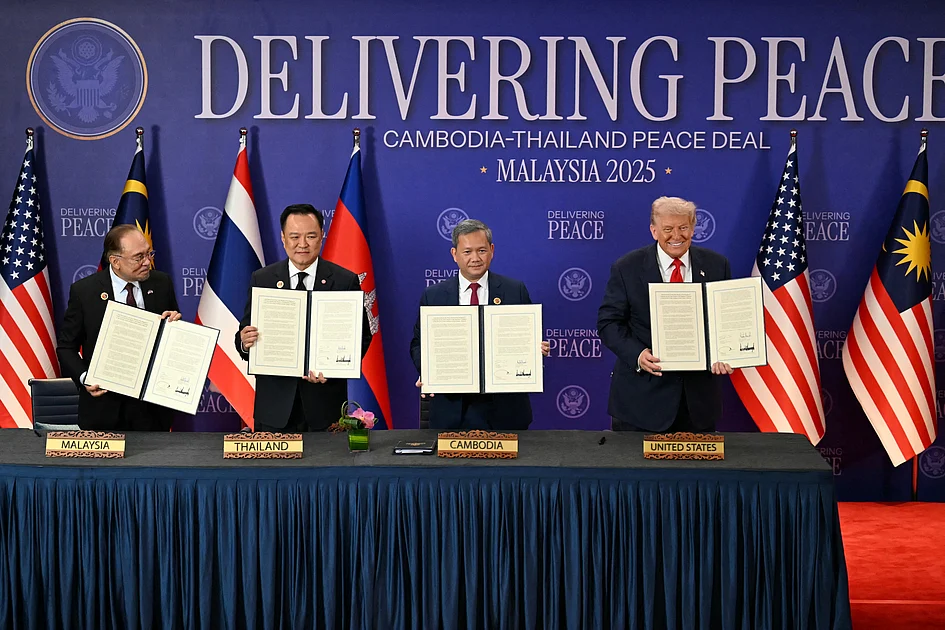
Thai, Cambodia leaders sign expanded ceasefire deal with Trump present
In a significant diplomatic development, the leaders of Thailand and Cambodia inked an expanded ceasefire agreement on Sunday, October 26, 2025, during the Association of Southeast Asian Nations (ASEAN) summit in Kuala Lumpur. The signing ceremony took place shortly after the arrival of US President Donald Trump, who played a pivotal role in mediating the cessation of a deadly five-day border conflict between the two nations in July 2025. This enhanced deal builds upon a truce brokered three months prior, when Trump intervened by urging the then-leaders of Thailand and Cambodia to halt hostilities, warning that continued conflict could jeopardize their respective trade negotiations with the United States. The presence of Trump at the signing underscored the US administration’s commitment to fostering stability in Southeast Asia. The agreement marks a critical step toward de-escalating tensions in the region and reaffirms the importance of diplomatic efforts in resolving conflicts.