
A significant strontium ore deposit has been unearthed in the Lishui district of Nanjing, Jiangsu Province, according to the Geological Survey of Jiangsu. The deposit, located at a depth of less than 1 kilometer, contains an estimated 545,000 metric tons of ore and 265,000 tons of minerals, with an average grade of 48.65 percent. Strontium, classified as a critical rare metal, is essential for manufacturing special ceramic materials and magnetic alloys, which are vital components in high-end electronic devices. The European Commission recognized strontium as a Critical Raw Material in 2020, underscoring its global importance. Professor Tan Hongbing of Hohai University highlighted the deposit’s high grade and substantial reserves, emphasizing its significant mining value. He also noted that China holds over 60 percent of the world’s proven strontium reserves, reinforcing its leading role in the global strontium market. The discovery, located near the Aijing Mountain deposit in the Lishui volcanic basin, marks a continuation of Jiangsu’s rich history in strontium mining, which dates back to the 1960s. The Geological Survey of Jiangsu conducted a four-year study to map the basin, overcoming challenges such as dense human activity. Their research identified five concealed strontium ore bodies in the Mashantou area, along with deposits of copper, lead-zinc, and pyrite. This discovery not only enhances Jiangsu’s mineral wealth but also provides valuable insights for future strontium exploration.
标签: Asia
亚洲
-
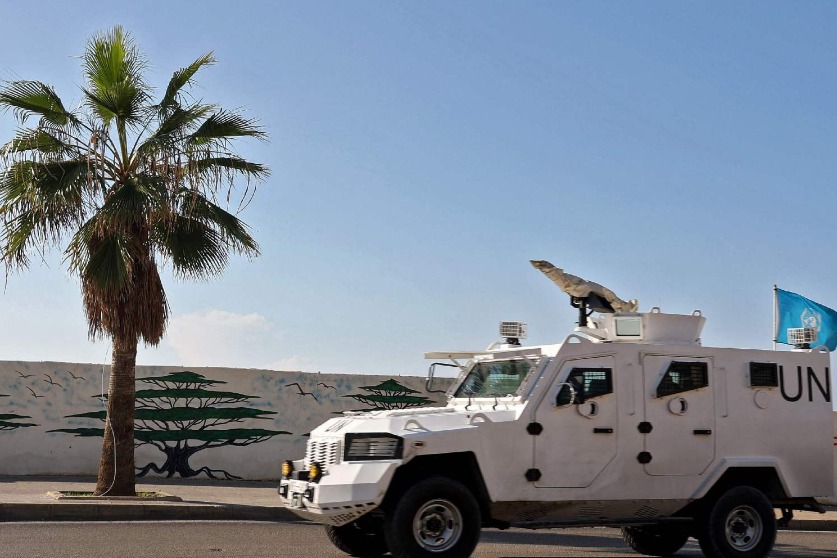
UN peacekeepers in Lebanon come under Israeli fire, no casualties reported
A United Nations peacekeeping patrol in southern Lebanon was targeted by Israeli forces on Sunday, according to a statement from the United Nations Interim Force in Lebanon (UNIFIL). The incident occurred near the village of Kafr Kila, where an Israeli drone dropped a bomb near the patrol at approximately 5:45 pm local time (1545 GMT). Shortly after, an Israeli tank fired in the direction of the peacekeepers. Fortunately, no injuries or damage to UNIFIL personnel or equipment were reported. UNIFIL condemned the actions as violations of UN Security Council Resolution 1701 and Lebanon’s sovereignty, emphasizing that such incidents endanger peacekeepers fulfilling their mandate in the region. This event follows a similar encounter earlier in the day, where an Israeli drone flew aggressively over a patrol, prompting UNIFIL to take defensive measures. Israel has not yet responded to the allegations. Since the outbreak of cross-border clashes following the Gaza war in October 2023, UNIFIL positions have been targeted multiple times. Despite a ceasefire between Israel and Hezbollah, Israel has continued periodic strikes in Lebanon, citing threats from Hezbollah, and has maintained border positions beyond a February 18 withdrawal deadline.
-
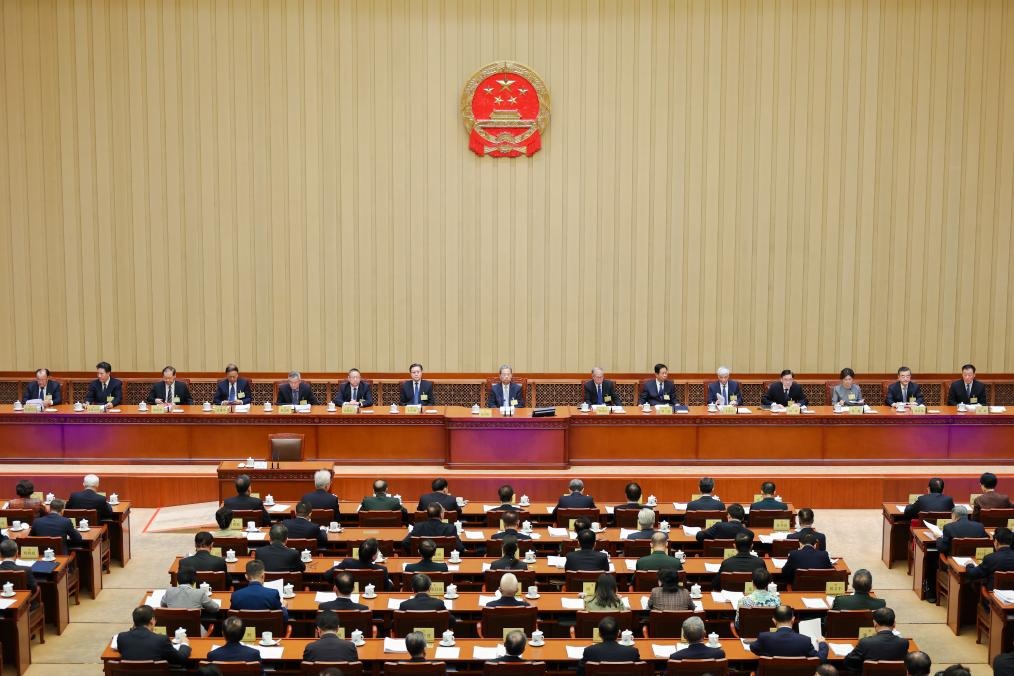
Chinese legislators hear reports at NPC standing committee session
The Standing Committee of the 14th National People’s Congress (NPC) convened its third plenary meeting on October 26, 2025, at the Great Hall of the People in Beijing. Chaired by Zhao Leji, the NPC Standing Committee Chairman, the session focused on deliberating several critical reports that underscore China’s legislative and financial priorities. Among the key discussions was a report on the implementation of the Food Security Law, which highlighted both achievements and challenges in enforcing the legislation. The report emphasized the need for a comprehensive revision of the law to ensure its effectiveness. Additionally, lawmakers reviewed a report on the Forest Law’s implementation, noting significant progress in forest conservation and ecological restoration while identifying areas for improvement. The financial sector was also a focal point, with a report outlining developments since November 2024 and proposing measures such as a moderately loose monetary policy and enhanced financial regulation. Other reports addressed state-owned asset management, criminal punishment enforcement, and maritime trials, reflecting the NPC’s broad oversight role. The meeting concluded with Zhao chairing a session of the Council of Chairpersons, where senior lawmakers discussed various legislative bills.
-

Conference exhibits Shanghai’s smart city models
The 2025 SDG Cities Global Conference commenced in Shanghai on Sunday, highlighting the city’s pioneering role in advancing sustainable urban development worldwide. The event unveiled the latest edition of the Shanghai Manual, a comprehensive document featuring 21 case studies from 11 countries. These case studies span diverse areas such as urban planning, economic revitalization, community governance, transportation, cultural tourism, climate and energy, ecological protection, and digital governance. The manual serves as a vital resource for cities globally, offering replicable models and policy insights for creating people-centered smart cities.
Among the showcased examples, eight are from China, with two standout initiatives from Shanghai. The Dongming Road community in Pudong New Area leverages modern technologies to enhance youth participation, addressing the live-work separation challenge faced by younger residents. The community developed a mobile app featuring a 3D replica of the area, augmented reality oral history systems, and gamified elements to foster engagement and rediscovery of the neighborhood.
Another notable example is the Shanghai metro’s smart maintenance project, which represents the nation’s first complete digital transformation in rail transit. Integrating industrial internet, artificial intelligence, big data, and cloud computing, the project shifts from reactive maintenance to proactive real-time monitoring, significantly improving efficiency and reducing response times.
The conference also introduced the Shanghai Award, an international accolade recognizing cities excelling in sustainable development. Jointly presented by the United Nations Human Settlements Programme and the Shanghai government, the award aims to amplify the voices of developing and least developed countries in global governance.
Shanghai’s influence extends beyond its borders, with its ’15-minute community life circles’ concept gaining traction globally. This model, which ensures all essential services are within a 15-minute walk, has inspired cities like Paris and Milan. Additionally, the conference released international standards for green block design, developed by the World Green Design Organization, with plans for global expansion.
Experts and delegates lauded Shanghai’s innovative approaches, emphasizing their potential to shape the future of urban development worldwide.
-

Indian minister accused of victim blaming after Australian cricketers’ assault
A recent incident involving the street harassment of two Australian female cricketers in Indore, Madhya Pradesh, has ignited widespread condemnation and a heated debate in India. The players, who were in the country for the Women’s World Cup, were reportedly approached and inappropriately touched by a motorcyclist while walking to a cafe. The perpetrator has since been arrested, but the incident has drawn global attention to the pervasive issue of street harassment in India.
-
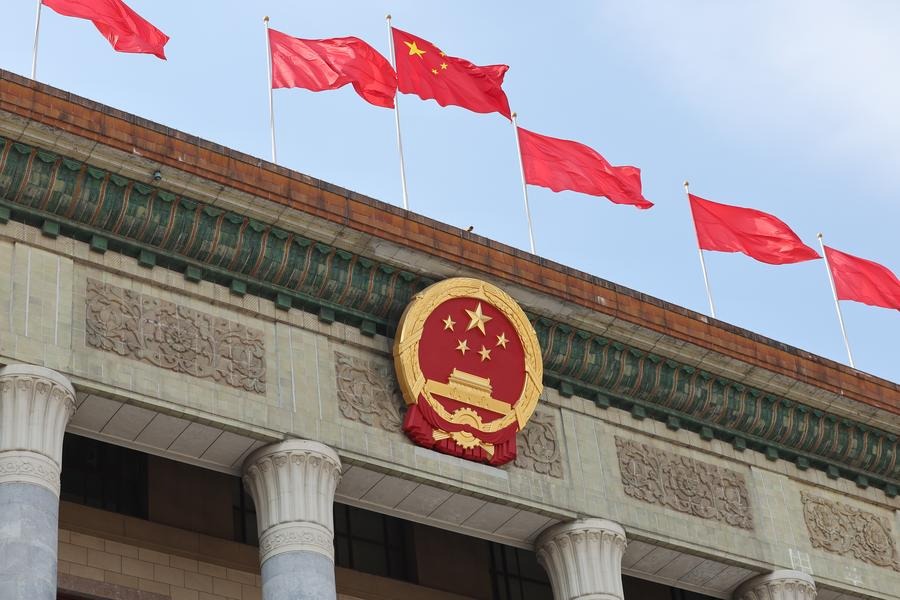
China fortifies public interest mechanism
China is taking a significant step to codify its public interest litigation system into law, marking a milestone in its legal and governance modernization efforts. The draft law on procuratorial public interest litigation, currently under review by the Standing Committee of the National People’s Congress (NPC), aims to consolidate and expand the system’s scope, which has been in place since 2015. This legislation, the first of its kind, defines 14 existing categories of public interest litigation and introduces two new areas: cultural heritage and national defense. The draft also establishes clear rules on jurisdiction, investigation, trial, and enforcement, ensuring a structured approach to safeguarding national and social interests. Yang Xiaochao, chair of the NPC’s Supervisory and Judicial Affairs Committee, emphasized that the law reflects China’s commitment to timely and effective public interest protection, a global governance priority. The draft mandates that prosecutors first urge administrative agencies to fulfill their duties before initiating litigation, and it prohibits coercive measures like restricting personal freedom or freezing assets during investigations. Citizens and social organizations are encouraged to provide leads and monitor case handling, fostering public participation. Since its pilot launch in 2015, the system has handled over 1.22 million cases, with significant support from provincial-level governments and legislatures. The Supreme People’s Procuratorate has also established collaborative mechanisms with over 30 administrative law enforcement agencies to enhance practical and theoretical integration. This new law aims to address the fragmented nature of existing regulations, providing a unified framework to tackle practical challenges and institutionalize a decade of innovative practices.
-
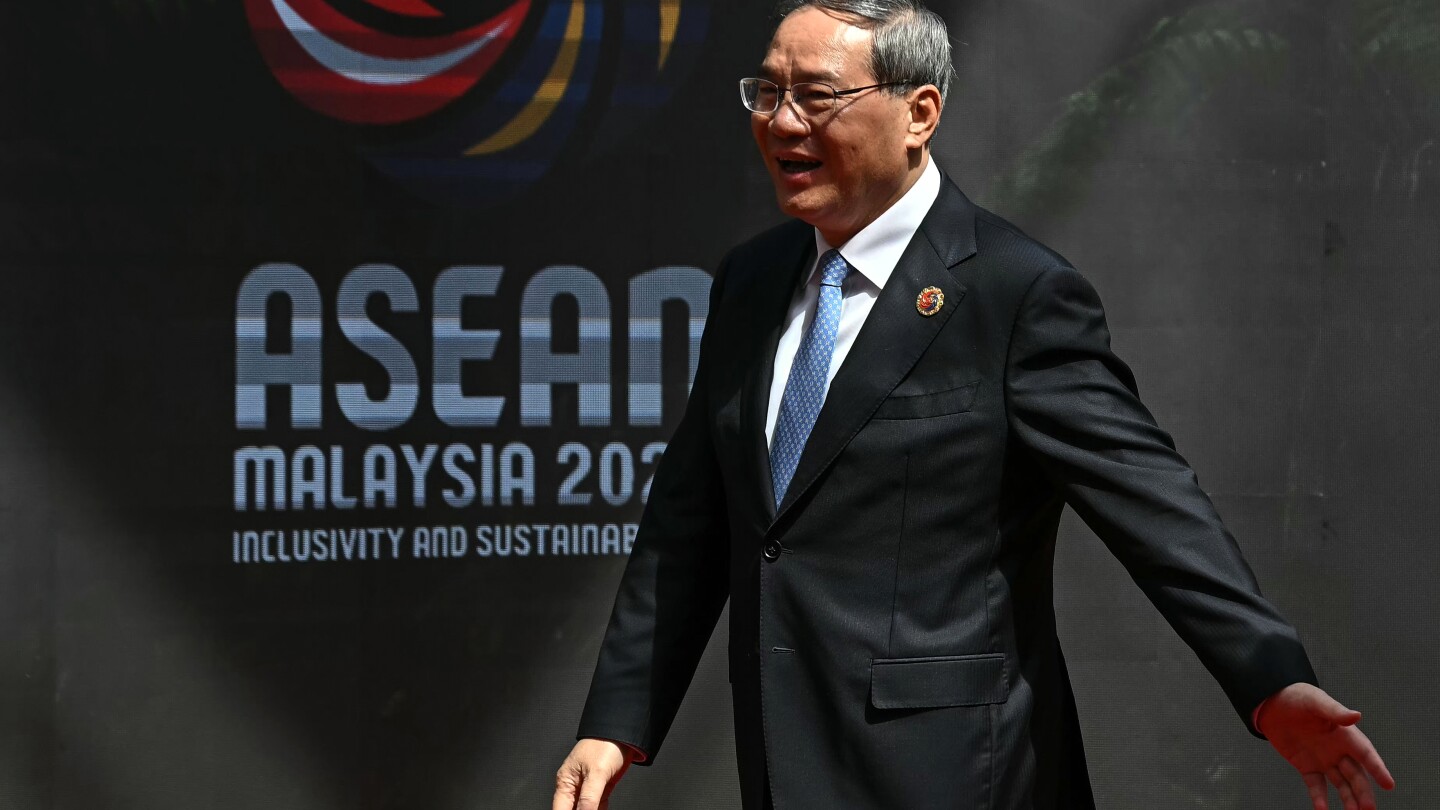
Australia’s Albanese discusses US minerals deal, jet incident with China’s Premier Li
In a significant diplomatic engagement, Australian Prime Minister Anthony Albanese and Chinese Premier Li Qiang convened on the sidelines of the Association of Southeast Asian Nations (ASEAN) summit in Kuala Lumpur, Malaysia. The meeting, described by Albanese as “positive,” focused on key issues such as Australia’s critical-minerals deal with the United States and recent tensions involving a Chinese warplane. This marked the seventh meeting between the two leaders, reflecting a stabilizing relationship since Albanese’s center-left government took office in 2022. China has since lifted several trade barriers that had previously cost Australian exporters up to $13 billion annually. Albanese highlighted discussions about his recent U.S. visit, where an $8.5 billion critical minerals agreement was signed, underscoring Australia’s strategic role in global rare earth resources amid China’s tightening export controls. Li emphasized China’s desire for an open, non-discriminatory environment for Chinese investments in Australia and expressed willingness to collaborate on green economy initiatives, high-tech industries, and digital innovation. However, Australia remains wary of China’s dominance in critical minerals and renewable energy supply chains, as evidenced by recent government actions to restrict Chinese ownership in key sectors. Albanese also raised concerns over a recent incident in the South China Sea, where a Chinese Su-35 jet released flares dangerously close to an Australian surveillance aircraft. The Australian government condemned the behavior as unsafe and unprofessional, while China accused Australia of violating its sovereignty. Despite these tensions, Albanese stressed the importance of frank dialogue in addressing disagreements, a sentiment echoed in his previous engagements with Chinese leadership.
-
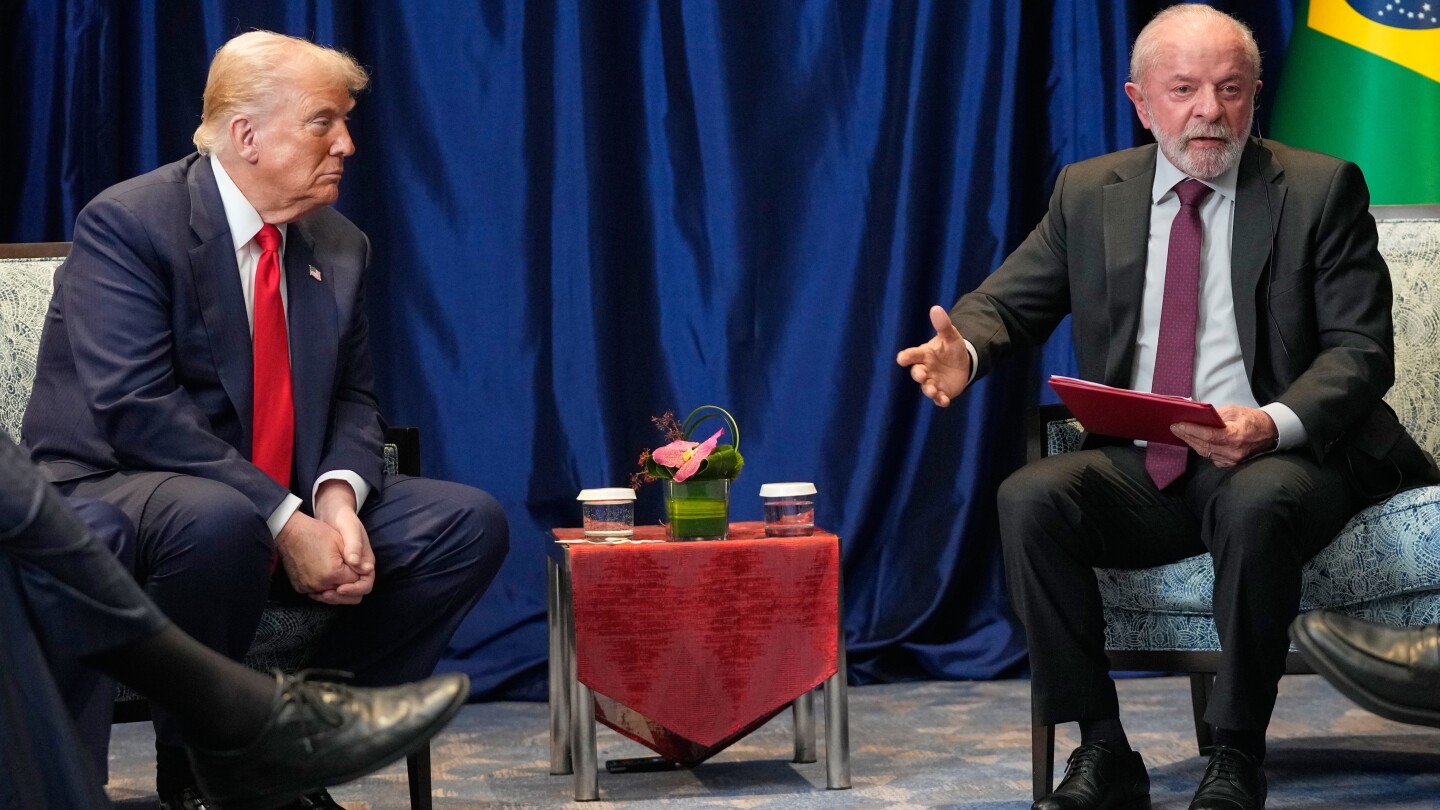
Lula is optimistic there will be a US-Brazil trade deal after meeting with Trump in Malaysia
KUALA LUMPUR, Malaysia — Brazilian President Luiz Inácio Lula da Silva expressed optimism on Monday about reaching a trade agreement with the United States, following a productive meeting with U.S. President Donald Trump. The discussions took place on the sidelines of a regional summit in Malaysia’s capital, Kuala Lumpur, which Lula described as “very good.” Trump, who later departed for Japan, hinted at the possibility of reducing tariffs imposed on Brazil, a move that could ease tensions between the two nations. The U.S. had previously implemented a 40% tariff on Brazilian goods in July, citing Brazil’s policies and the prosecution of former President Jair Bolsonaro as an economic emergency. Bolsonaro, a Trump ally, was recently sentenced to 27 years in prison for attempting a coup after losing the 2022 election. Lula presented Trump with a document outlining Brazil’s stance against the tariff hikes, acknowledging the U.S.’s right to impose such measures but arguing they were based on “mistaken information.” While Trump did not commit to suspending the tariffs, Lula remained confident, stating, “He guaranteed to me that we will reach an agreement.” Lula also emphasized Brazil’s role as one of three G20 nations with which the U.S. maintains a trade surplus, highlighting the $6.8 billion surplus recorded last year. Additionally, Lula offered to mediate the crisis in Venezuela, where President Nicolas Maduro has accused the U.S. of escalating tensions. Celebrating his 80th birthday, Lula expressed a sense of fulfillment and optimism for the future, aiming to live up to 120 years. His presence at the ASEAN summits underscored Malaysia’s efforts to strengthen trade ties between Southeast Asia and Latin America.
-
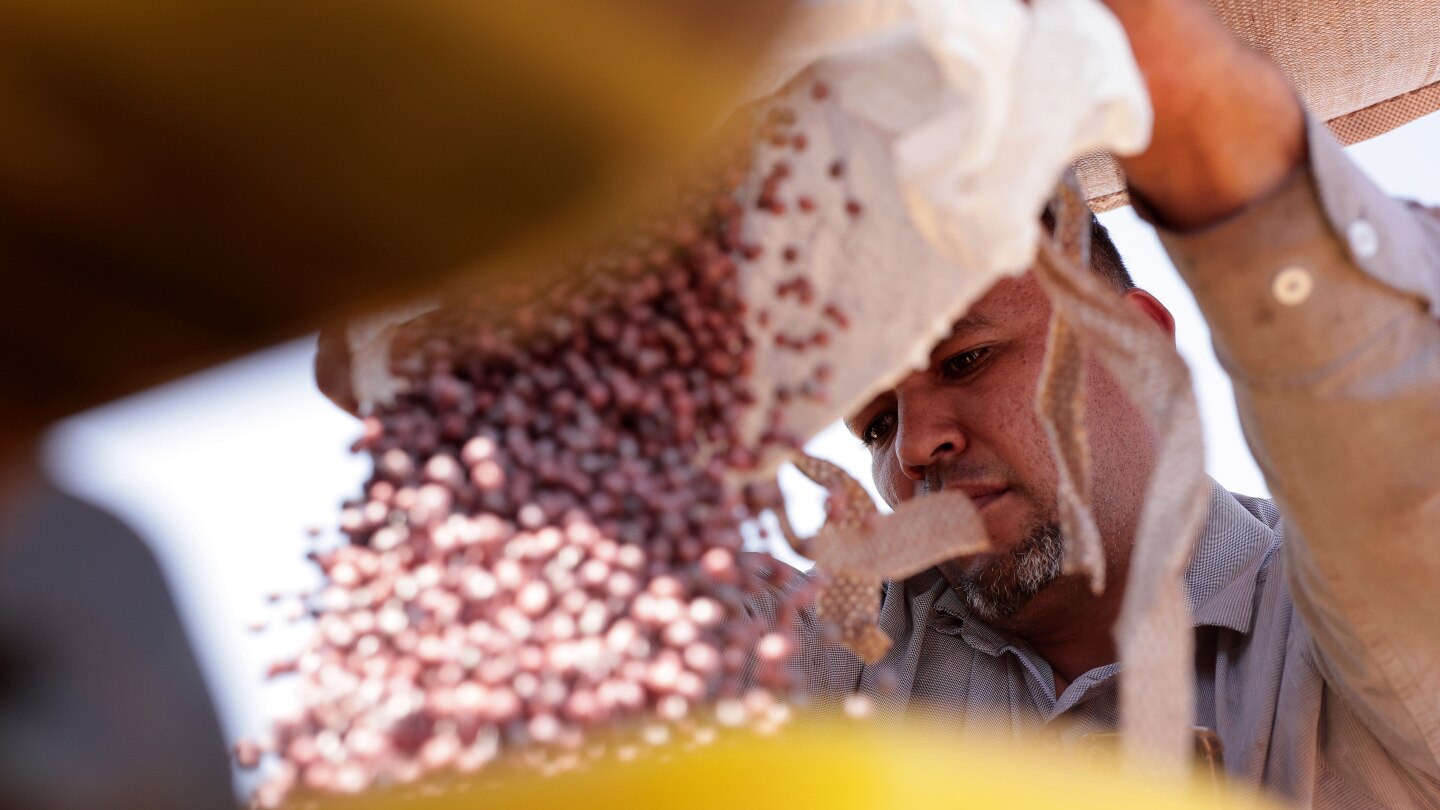
Brazilian farmers beef up soybean production as China halts business with US during trade fight
In Santa Cruz do Rio Pardo, Brazil, farmer Andrey Rodrigues has shifted gears to ramp up soybean production for the upcoming harvest, driven by the escalating trade tensions between the U.S. and China. The Trump administration’s trade war has effectively blocked American soybeans from the Chinese market, creating a golden opportunity for Brazilian producers. Over the past two months, Chinese buyers have aggressively sought Brazilian soybeans, signaling a willingness to purchase as much as possible. This surge in demand has fueled optimism among Brazilian farmers, who are now preparing to meet China’s needs. According to China’s customs data, the country imported no U.S. soybeans in September, a stark contrast to previous years. Brazilian soybeans already dominate China’s imports, accounting for over 70% of the market, while the U.S. share has dwindled to 21%. Rodrigues, who chairs the soybean farmers association in São Paulo, is seizing the moment by expanding production at his Morada do Sol farm. He emphasizes the need to act swiftly, selling futures for the next harvest to capitalize on the current demand. Brazil’s Agriculture Ministry predicts a 3.6% increase in soybean production for the next harvest, driven by China’s insatiable appetite. However, analysts caution that China’s interest in Brazilian soybeans may be a short-term strategy to retaliate against the U.S. Meanwhile, American farmers are grappling with the loss of the Chinese market, focusing on alternative buyers and domestic uses for their crops. Despite the challenges, some U.S. farmers remain resilient, adapting to the shifting political and economic landscape. Brazil’s President Luiz Inácio Lula da Silva has strengthened ties with China, further bolstering the soybean trade. Yet, farmers like Rodrigues stress the importance of harmony in global trade, advocating for a balanced approach that benefits all parties.
-
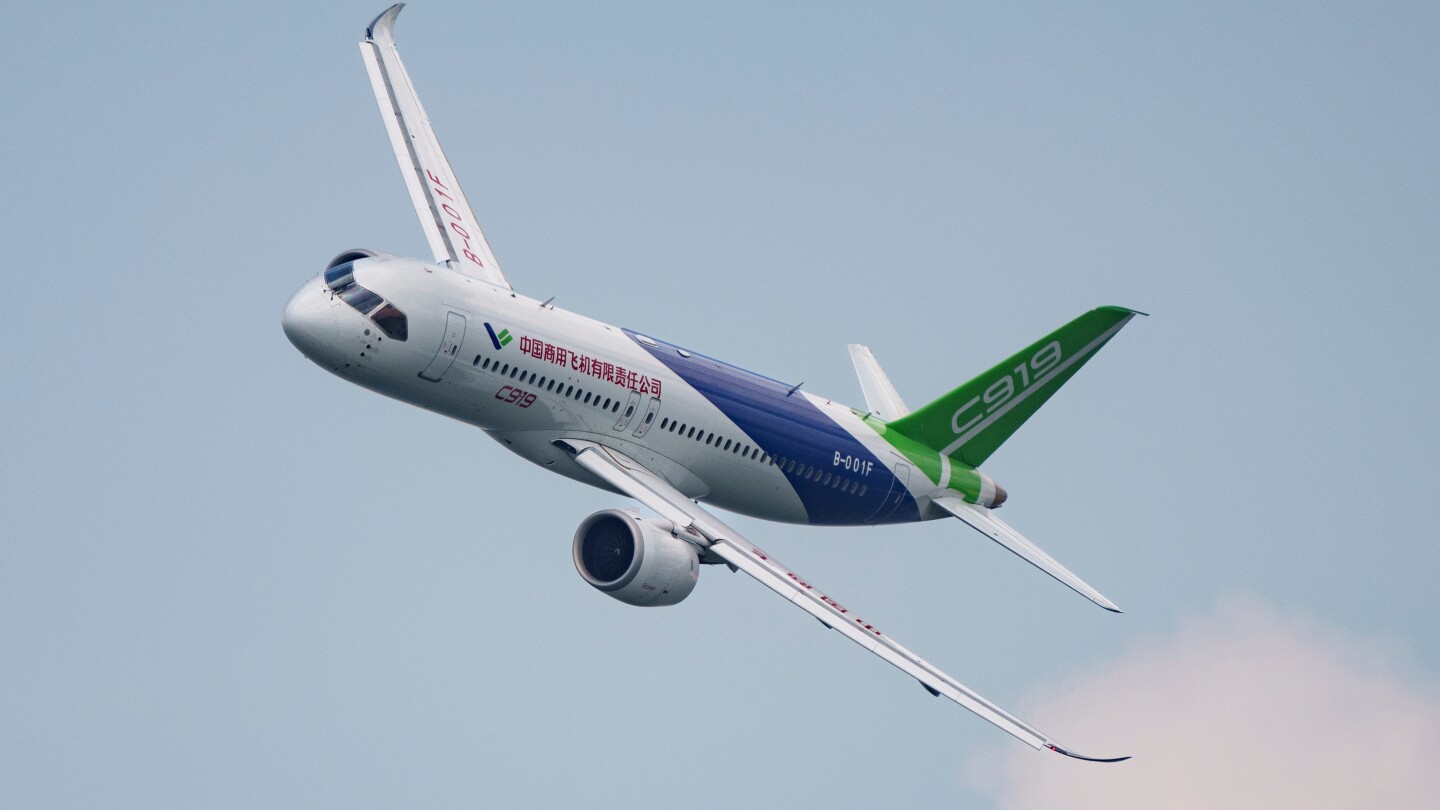
China’s C919 jet faces turbulent skies amid US-China trade tensions
China’s ambitious endeavor to rival global aviation giants Boeing and Airbus with its domestically developed C919 passenger jet is encountering significant hurdles. Despite Beijing’s vision of technological self-reliance, the project is grappling with production delays, geopolitical tensions, and reliance on Western components. The C919, a single-aisle aircraft manufactured by state-owned COMAC, has fallen short of its 2023 delivery targets, with only seven units delivered as of October, compared to the planned 30 by 2025.