
In a bold move to tackle the persistent air pollution crisis, Indian authorities conducted a cloud-seeding experiment over New Delhi on Tuesday. The initiative aimed to induce rainfall and alleviate the city’s hazardous smog levels, which have sparked widespread public discontent. A specialized aircraft dispersed chemicals into the clouds above select areas of the capital, hoping to trigger precipitation that would cleanse the atmosphere. Despite these efforts, air quality monitors classified the city’s pollution levels as “very poor,” underscoring the severity of the issue. Cloud seeding, a weather modification technique used in drought-prone regions like the western United States and the United Arab Emirates, remains a contentious solution due to its uncertain efficacy. Delhi Minister Manjinder Singh Sirsa revealed that the trial was conducted in collaboration with the Indian Institute of Technology Kanpur, with additional experiments planned in the coming days. He anticipated localized rainfall in the following hours, though experts remain skeptical about the long-term impact of such measures. New Delhi, home to over 30 million people, consistently ranks among the world’s most polluted cities. A recent report by IQAir, a Switzerland-based air quality monitoring database, identified six Indian cities among the top ten most polluted globally, with New Delhi topping the list as the most polluted capital. The city’s air quality deteriorates annually during winter due to crop residue burning in neighboring states, vehicle emissions, and industrial pollutants. While authorities have implemented measures such as construction bans, restrictions on diesel generators, and the deployment of anti-smog guns, critics argue that these are temporary fixes. Krishna Achuta Rao, a professor at the Indian Institute of Technology, New Delhi, emphasized that cloud seeding offers only a fleeting respite and fails to address the root causes of pollution. He advocated for stringent laws targeting emissions from industries, vehicles, and construction activities as the only viable long-term solution. “Cloud seeding is not a cure for pollution. It merely creates the illusion of action,” Rao stated.
标签: Asia
亚洲
-

India resumes direct passenger flights to China
In a significant development for bilateral relations, India and China have resumed direct passenger flights after a five-year suspension caused by the COVID-19 pandemic. On Monday, October 28, 2025, Indian carrier IndiGo successfully completed its inaugural flight from Kolkata to Guangzhou, Guangdong province. The flight, fully booked with 176 passengers, marks a pivotal step in re-establishing air connectivity between the two nations. This resumption is particularly timely, as it facilitates travel for business professionals attending the ongoing China Import and Export Fair, commonly known as the Canton Fair, in Guangzhou. IndiGo has also announced plans to launch additional direct flights between New Delhi and Guangzhou starting November 10, further strengthening ties and fostering economic collaboration. The move is expected to enhance trade, tourism, and cultural exchanges, signaling a positive shift in post-pandemic recovery efforts.
-
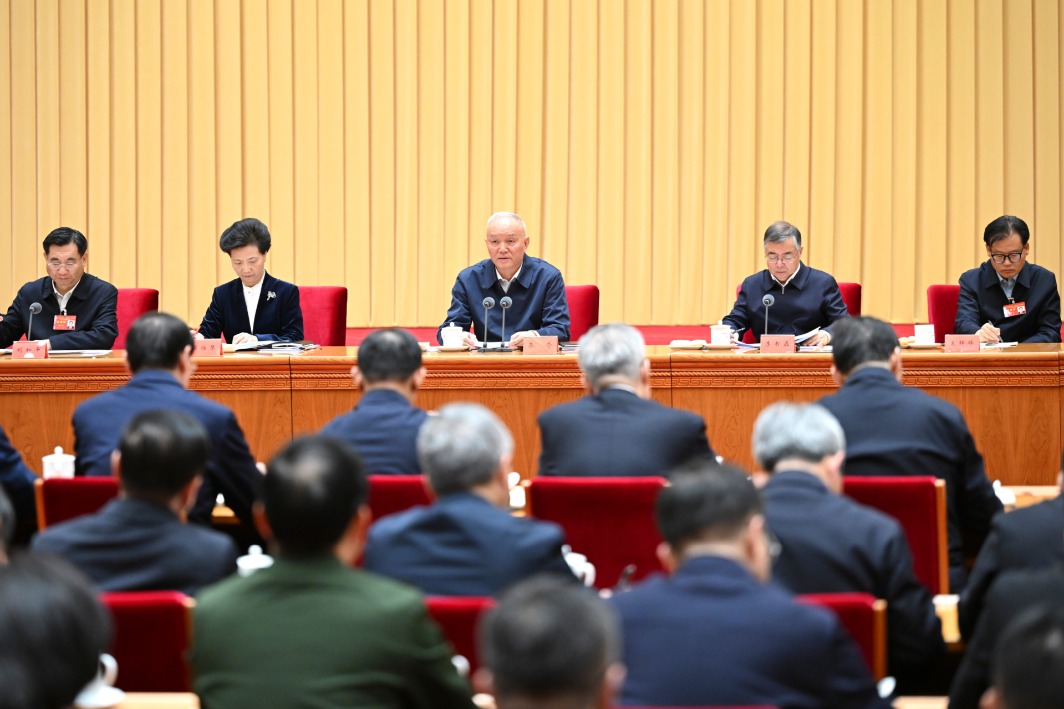
Senior CPC official urges full promotion of Party plenum’s guiding principles
Cai Qi, a prominent member of the Standing Committee of the Political Bureau of the Communist Party of China (CPC) Central Committee and the CPC Central Committee Secretariat, emphasized the critical importance of fully promoting the guiding principles established during the fourth plenary session of the 20th CPC Central Committee. Speaking at a mobilization meeting in Beijing on October 27, 2025, Cai underscored that the thorough study and implementation of these principles are essential political tasks for both the Party and the nation in the current and forthcoming periods. He highlighted the significant achievements China has made during the 14th Five-Year Plan (2021-25) and the CPC Central Committee’s comprehensive assessment of both domestic and international conditions. Cai also called for a detailed explanation of the guiding principles, major policies, strategic goals, and key measures outlined in the 15th Five-Year Plan (2026-30), urging Party members, officials, and the public to integrate these directives into all aspects of economic and social development. The meeting, chaired by Li Shulei, head of the CPC Central Committee’s Publicity Department, marked a pivotal step in ensuring the widespread adoption of the plenum’s resolutions. The fourth plenary session, held from October 20 to 23, 2025, laid the groundwork for China’s strategic priorities in the coming years.
-
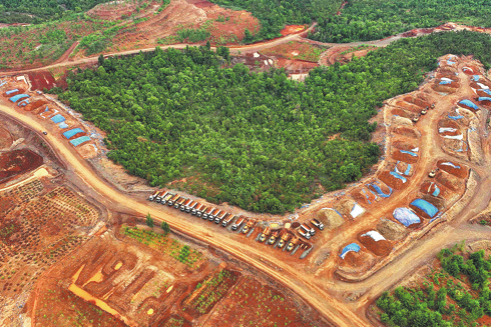
Deforestation in S.E. Asia causes more deaths than in other tropical areas
A groundbreaking study reveals that deforestation in Southeast Asia is causing significantly more heat-related deaths compared to other tropical regions, despite losing a smaller total area of forest. Published in *Nature Climate Change*, the research highlights that between 2001 and 2020, Southeast Asia lost approximately 490,000 square kilometers of vegetation, while tropical Central and South America lost around 760,000 square kilometers. However, the higher population density in Southeast Asia has resulted in an annual death toll of 15,680 rural residents due to heat-related complications, far exceeding the 9,890 deaths in Africa and 2,520 in the Americas. The study, led by Carly Reddington from the University of Leeds, attributes this disparity to the combined effects of deforestation and climate change, which have increased regional temperatures by 0.72 degrees Celsius over two decades. Forests play a critical role in cooling the environment by providing shade and releasing water vapor, akin to human sweating. When trees are removed, the loss of these cooling mechanisms leads to localized warming, sometimes surpassing the effects of global climate change. The research underscores the vulnerability of rural and indigenous communities, who often reside near deforested areas and lack access to resources to mitigate heat risks. Reddington emphasizes the urgent need for tropical nations to strengthen forest protection laws, invest in reforestation, and implement heat management solutions, such as shaded workspaces and improved healthcare access. The study also calls for climate finance to prioritize forest conservation and health resilience in tropical regions, where risks are greatest and resources are limited. Experts like Kimberly Fornace from the National University of Singapore and Winston Chow from Singapore Management University stress the importance of localized studies and public awareness to address the growing threat of heat-related mortality.
-
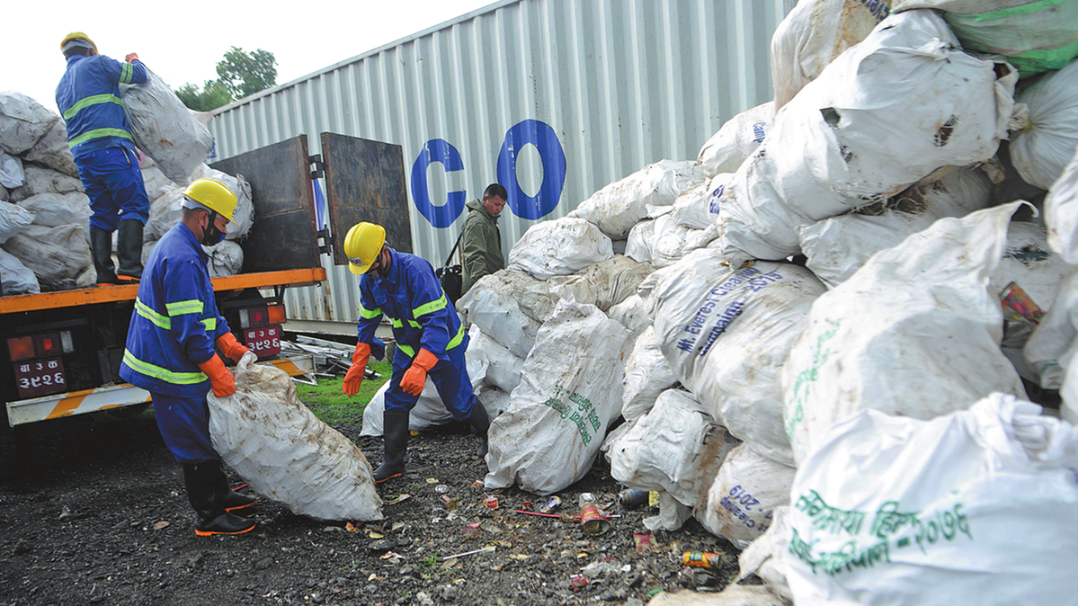
Cleaning up tallest rubbish tip
Nepal is set to implement a comprehensive five-year strategy to address the escalating litter problem on Mount Everest, the world’s highest peak. The initiative, dubbed the Clean Mountain Strategy (2025-2029), aims to tackle decades of accumulated waste that has marred the iconic mountain. The plan includes the establishment of a specialized team of ‘mountain rangers’ to monitor and manage waste at base camp and higher altitudes, as well as the exploration of drone technology for waste collection above base camp. The strategy also proposes stricter regulations on climbing permits, higher fees for climbers, and the introduction of a refundable garbage deposit system. Additionally, a significant portion of climbing revenues will be allocated to cleanup campaigns, with provisions for local community involvement. The draft strategy emphasizes transparency and global engagement, with progress reports to be distributed internationally and an independent monitoring team to conduct annual assessments. The government also plans to integrate environmental awareness into local curricula and introduce educational materials nationwide. Despite these efforts, experts caution that the success of the strategy will depend on the availability of adequate funding and consistent policy implementation.
-
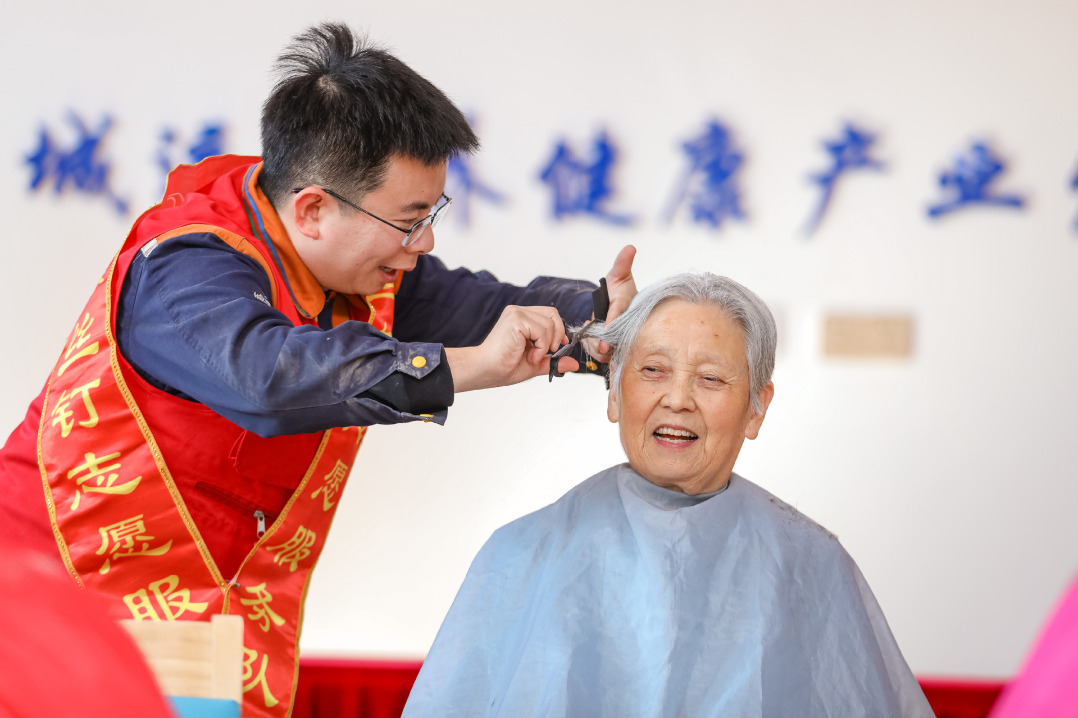
Chongyang Festival marked across China
Across China, communities and organizations came together to celebrate the Chongyang Festival, a traditional holiday dedicated to honoring the elderly. This year’s festivities, which culminated on October 29, 2025, were marked by a series of events aimed at promoting respect and care for senior citizens. In Xinghua city, East China’s Jiangsu province, legal professionals took to public parks to educate older adults on legal rights and protections related to elderly care. The Chongyang Festival, also known as Seniors’ Day in modern China, underscores the nation’s commitment to fostering intergenerational harmony and addressing the needs of its aging population. The celebrations included cultural performances, health check-ups, and community gatherings, reflecting the deep-rooted values of filial piety and social responsibility. These activities not only brought joy to seniors but also raised awareness about the importance of supporting the elderly in society.
-
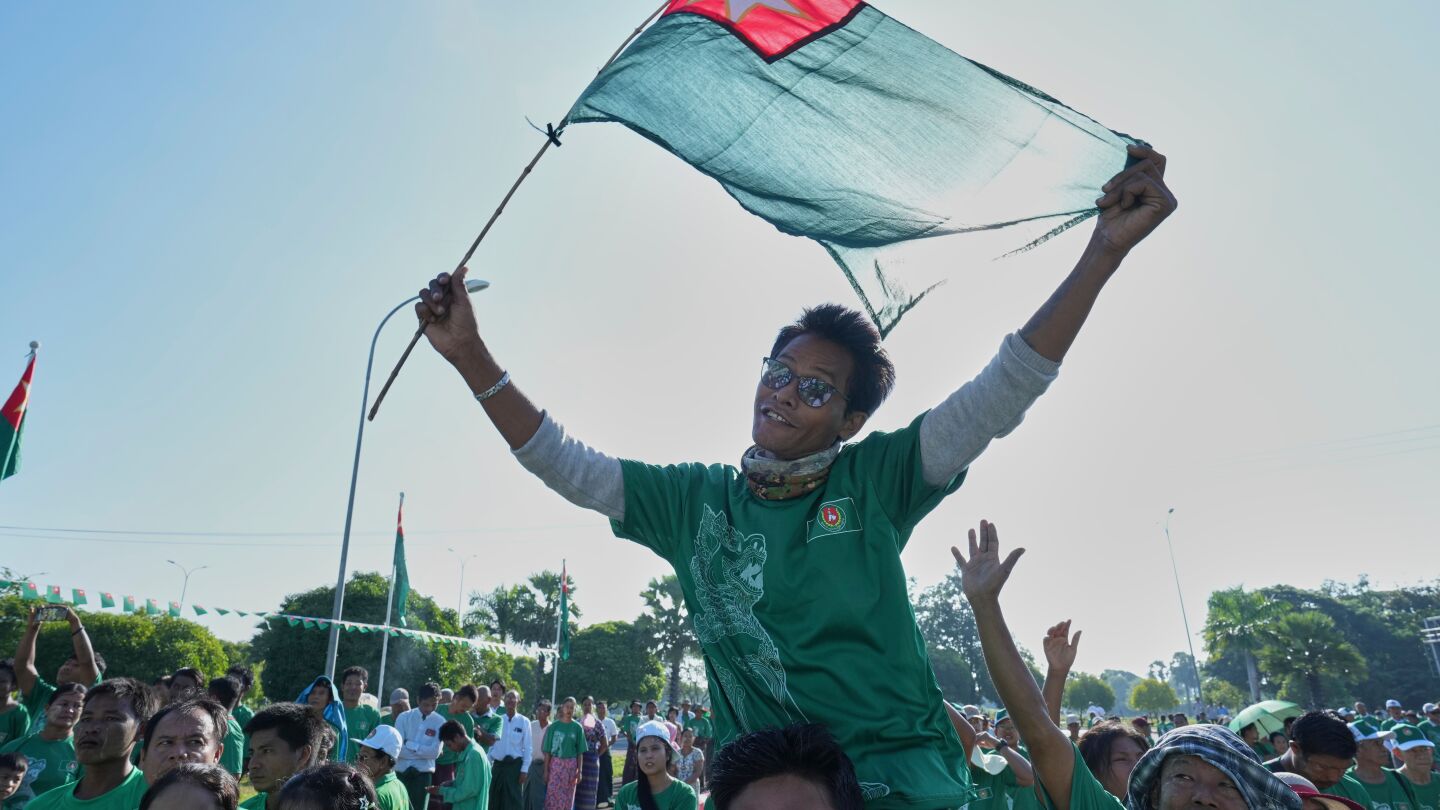
A military-backed party in Myanmar holds rallies as campaigning begins for December election
In a move widely perceived as an attempt to legitimize its 2021 coup, Myanmar’s military government has launched election campaigns, with national polls scheduled for December 28. Despite the ongoing civil war, which has rendered voting impossible in many regions, 57 political parties have registered for the contest. Notably absent is Aung San Suu Kyi’s National League for Democracy (NLD), which was forcibly disbanded after refusing to participate in what it deemed a fraudulent process. The military-backed Union Solidarity and Development Party (USDP) has already unveiled its campaign slogan, ‘Stronger Myanmar,’ in ceremonies held in Naypyitaw and Yangon. USDP chairman Khin Yi, a former general, emphasized that the election would adhere to regulations and law, asserting that the results would confer legitimacy. However, critics argue that the polls will be neither free nor fair, with opposition groups, including armed resistance factions, vowing to disrupt the process. The General Strike Coordination Body has called for a nationwide election boycott, urging public participation in their anti-military protests. The military government, led by Senior Gen. Min Aung Hlaing, has acknowledged that voting will be limited to 202 townships due to ongoing conflict. The USDP, fielding over 1,000 candidates, is expected to dominate the polls in the absence of credible opposition parties. The 2021 coup, justified by unsubstantiated claims of voter fraud in the 2020 elections, has plunged Myanmar into chaos, with airstrikes and military operations exacerbating civilian casualties and instability.
-
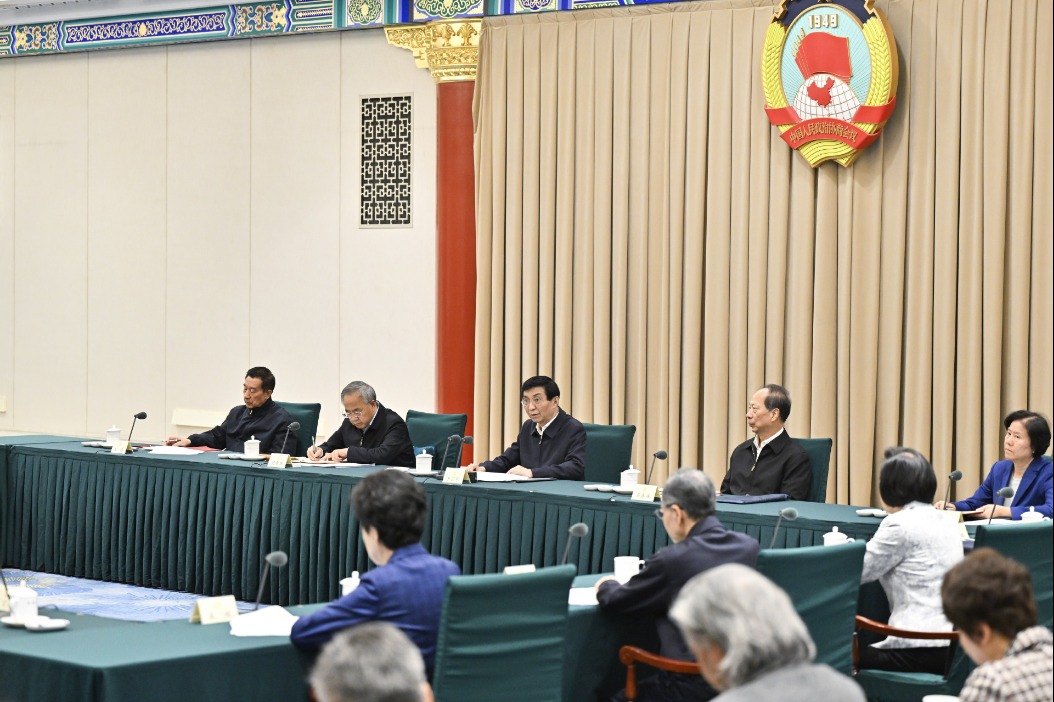
Top political advisor calls for study, implementation of guiding principles of CPC plenum
Wang Huning, a senior leader of the Communist Party of China (CPC) and chairman of the Chinese People’s Political Consultative Conference (CPPCC) National Committee, has called for a thorough study and implementation of the guiding principles from the fourth plenary session of the 20th CPC Central Committee. Speaking at a meeting of the Chairperson’s Council of the CPPCC National Committee in Beijing on October 27, 2025, Wang emphasized the importance of aligning political advisory work with the Party’s central tasks. He urged political advisors to actively contribute to the formulation and execution of the 15th Five-Year Plan (2026-30) and to ensure high-quality performance in their duties. Wang’s remarks underscore the CPPCC’s role in supporting the CPC’s strategic goals and fostering national development.
-
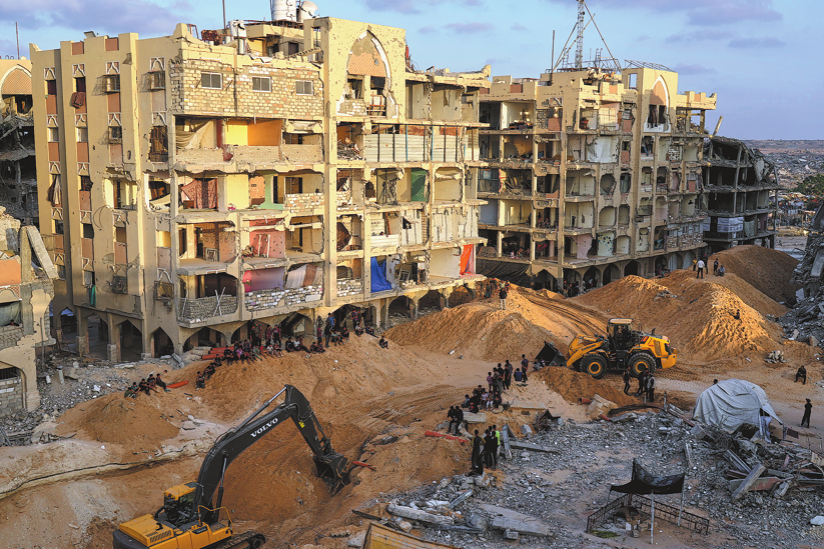
UN accuses Israel of weaponizing aid despite truce
The United Nations and international humanitarian organizations have accused Israel of politicizing and weaponizing critical aid deliveries to Gaza, despite an ongoing ceasefire. The United Nations Relief and Works Agency for Palestine Refugees (UNRWA) stated on social media platform X that its international staff and humanitarian supplies continue to be barred from entering Gaza. Caroline Willemen, Gaza project coordinator for Doctors Without Borders, highlighted that while Israeli attacks have decreased since the truce, sporadic strikes persist, exacerbating the humanitarian crisis. Willemen emphasized that aid should not be subject to political conditions, noting that Gaza’s residents have endured the threat of mass extermination for years. Oxfam International further alleged that Israeli authorities have arbitrarily blocked shipments of essential aid and imposed restrictive registration processes on NGOs, delaying urgent relief efforts. On Thursday, Oxfam and 40 other organizations, including the Norwegian Refugee Council, urged Israel to comply with the ceasefire agreement and international law, ensuring unimpeded aid flow. This appeal followed the International Court of Justice’s advisory opinion, which called on Israel to facilitate humanitarian aid delivery to Gaza. Meanwhile, US Secretary of State Marco Rubio, during his visit to Israel, declared that UNRWA would not be permitted to assist in Gaza, labeling it a subsidiary of Hamas, which he referred to as a terror group. Concurrently, an Egyptian convoy entered Gaza to expedite the search for deceased Israeli hostages, with Israeli Prime Minister Benjamin Netanyahu approving the mission.
-

China, ASEAN sign Free Trade Area 3.0 Upgrade Protocol
In a significant move to bolster economic cooperation, China and the Association of Southeast Asian Nations (ASEAN) have officially signed the Free Trade Area 3.0 Upgrade Protocol. The signing ceremony took place in Kuala Lumpur on Tuesday, marking a new chapter in the long-standing partnership between the two regions. This upgraded protocol aims to further reduce trade barriers, enhance market access, and foster deeper economic integration. The agreement is expected to stimulate trade and investment flows, benefiting businesses and consumers across both China and ASEAN member states. The signing of this protocol underscores the commitment of both parties to maintaining open and mutually beneficial trade relations, especially in an era of global economic uncertainty. This development is seen as a strategic step towards strengthening regional economic resilience and promoting sustainable growth.