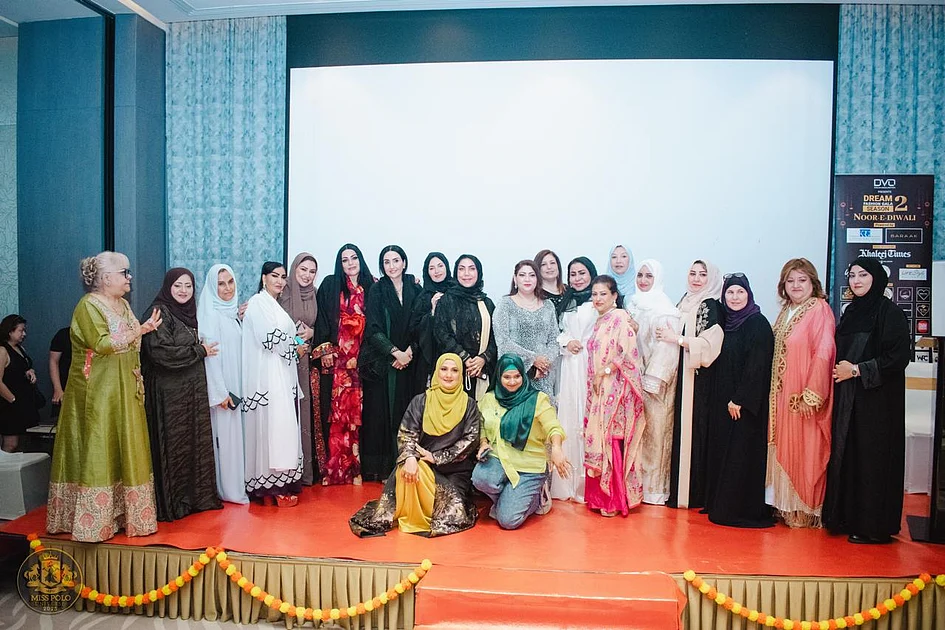
Dream Media Motion recently hosted the highly anticipated Dream Fashion Gala Season 2 – Noor-e-Diwali, transforming Dubai’s Khalidia Palace Hotel into a hub of glamour and cultural celebration. Spearheaded by Namrata Kashyap, Founder and CEO of Dream Media Motion, the event exemplified her innovative approach to merging fashion, art, music, and culture into a single, unforgettable experience. The gala featured a breathtaking fashion show, a premium exhibition, and a series of dynamic entertainment performances that beautifully highlighted the fusion of Indian and Emirati traditions. Attendees were treated to thrilling competitions, including Miss & Mr. Teens, Best Dressed Male, and Best Dressed Female, alongside electrifying performances by renowned Bollywood artists. Bollywood actress Shivani Sharma added star power as the celebrity chief guest, while Sheikha Dr Hind Bint Abdulaziz Al Qasimi and a host of UAE VVIPs, dignitaries, and celebrities graced the event with their presence. With over 300–400 guests in attendance, the evening was a testament to Dubai’s vibrant fashion scene. The gala culminated in an exquisite 5-star dinner, offering a perfect blend of luxury, networking, and festivity. The event received widespread acclaim and media coverage, further cementing Dream Media Motion’s reputation as a leader in innovative and high-quality event production.
标签: Asia
亚洲
-
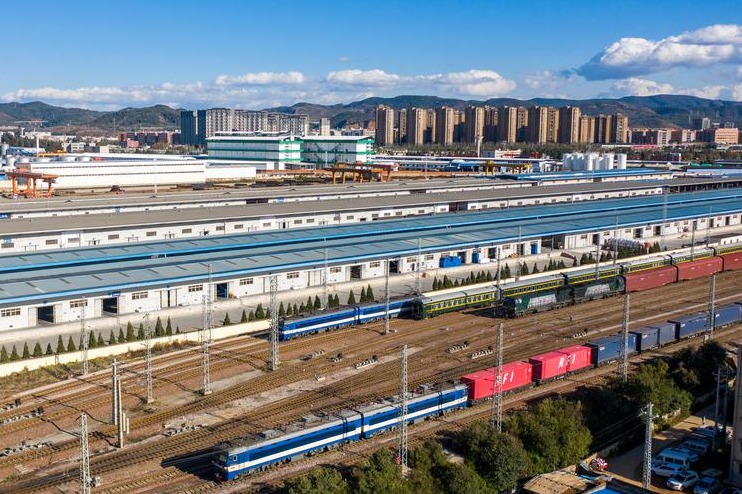
Rail freight rises amid steady economy
China’s railway freight sector has demonstrated robust growth in the first three quarters of 2025, reflecting the nation’s steady economic momentum. According to the China State Railway Group, the railway network transported 3.03 billion metric tons of cargo during this period, marking a 3.4 percent increase compared to the previous year. Daily loading of train cars also rose by 4.3 percent, averaging 185,300 cars per day. This growth has been attributed to the continuous optimization of logistics products and enhanced transport efficiency, which have been pivotal in supporting both domestic and international trade flows. The company has intensified efforts to advance market-oriented freight reforms and improve service quality, aligning with national strategies to modernize the logistics system and reduce costs. Key goods, particularly coal, have been prioritized, with 1.55 billion tons transported, including 1.06 billion tons for power generation, ensuring stable energy supplies. Intermodal transport has also expanded significantly, with rail-water combined transport handling 12.78 million twenty-foot equivalent units (TEUs), up 16.9 percent. Additionally, the digital freight platform now hosts 143,000 trucks, facilitating 242 million tons of rail-road combined transport. Cross-border freight has remained stable, with China-Europe freight trains making 14,500 trips and trains to Central Asia totaling 10,800, a 22.8 percent year-on-year increase. The China-Laos Railway also saw a 10.4 percent rise in cross-border cargo, further strengthening international trade links.
-
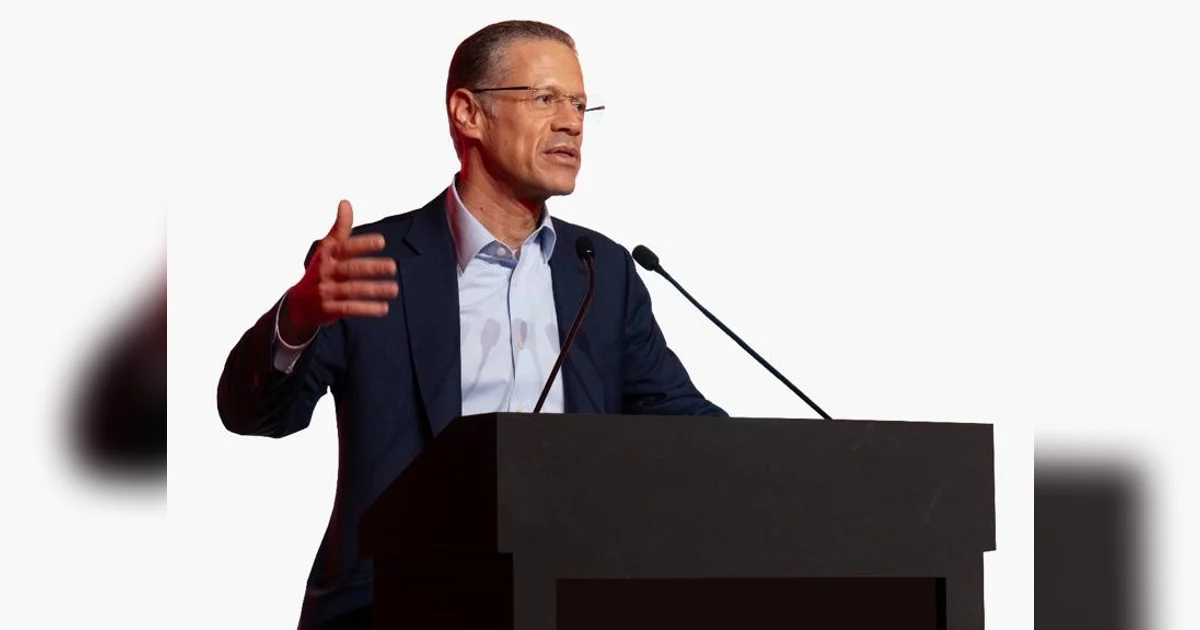
Crescent Enterprises champions global collaboration and innovation in urban transformation
Crescent Enterprises has taken center stage as the Premier Partner of the 2025 Asia Pacific Cities Summit (APCS) and Mayors’ Forum, held at Expo City Dubai. The event brought together over 1,500 city leaders, including mayors, deputy mayors, and senior officials, alongside business and innovation leaders, to foster collaboration and share insights on sustainable urban development. Crescent Enterprises, along with its subsidiary Gulftainer, hosted an exclusive Dinner in the Desert, emphasizing the UAE’s commitment to dialogue and partnership in shaping the cities of the future. Badr Jafar, CEO of Crescent Enterprises, highlighted the UAE’s legacy of public-private collaboration, from Expo 2020 to COP28, and its dedication to sharing best practices globally. Tushar Singhvi, Deputy CEO and Head of Investments, underscored the private sector’s role in transforming cities from data-rich to decision-wise through digital infrastructure and innovation. Farid Belbouab, Group CEO of Gulftainer, discussed the transformative potential of ports and logistics in fostering sustainable coastal economies. Crescent Enterprises’ multi-platform strategy, spanning logistics, technology, and venture development, aligns with the UAE’s vision for sustainable urban transformation and the summit’s theme, ‘Connecting Cities, Creating Futures.’
-
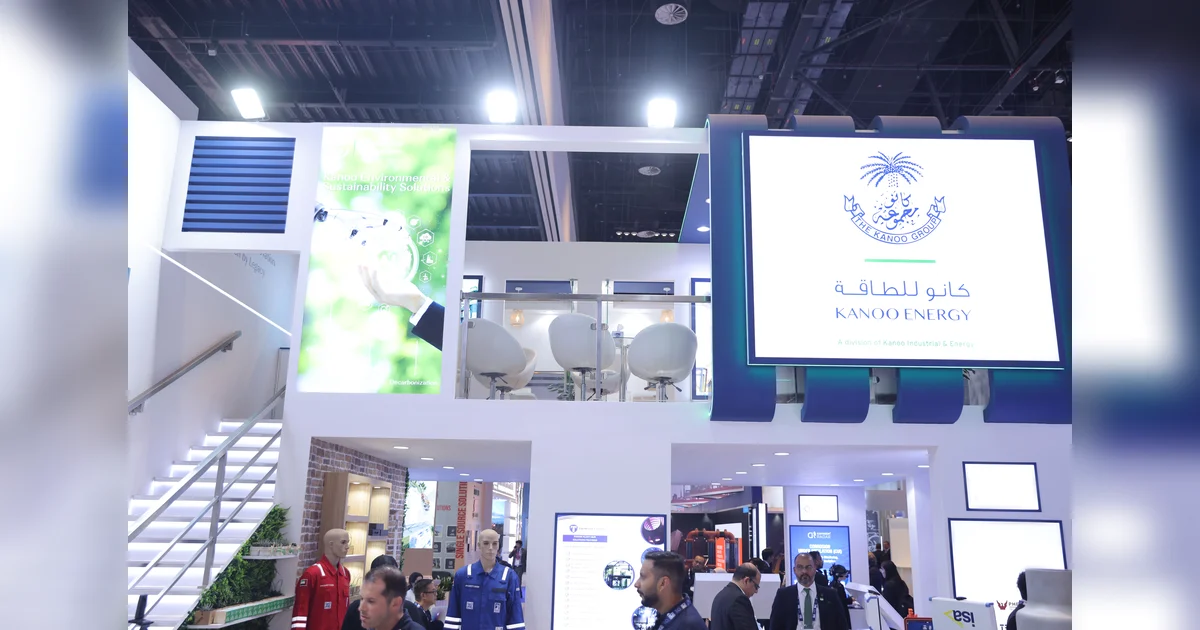
Kanoo Energy: Harnessing a legacy of excellence to drive industrial progress at ADIPEC 2025
Kanoo Energy, a cornerstone of The Kanoo Group, is poised to unveil a groundbreaking suite of intelligent and sustainable solutions at ADIPEC 2025. The event, scheduled from November 3 to 6, 2025, at Stand 12105, Hall 12, ADNEC, Abu Dhabi, will serve as a platform for the company to demonstrate its latest innovations in the energy sector. With a legacy spanning over a century, Kanoo Energy has consistently adapted to the evolving demands of the Middle East’s energy landscape, positioning itself as a leader in modernization and industrial progress. The company’s upcoming showcase will feature advanced technologies designed to enhance safety, efficiency, and sustainability across the oil, gas, and petrochemical industries. Collaborating with global partners such as Adage Kanoo Analytical Industries (AKAI), Dopak, Woodfield Systems International, and others, Kanoo Energy will highlight advancements in analytics, fluid handling, decarbonization, robotics, and industrial safety. Ali Abdulla Kanoo, Chairman of Kanoo Industrial & Energy, emphasized the company’s commitment to combining innovation with reliability, particularly as the UAE spearheads the region’s transition to cleaner energy systems. Fahad Fawzi Kanoo, a board member, echoed this sentiment, noting the UAE’s role in shaping a sustainable energy future and Kanoo Energy’s contribution through AI-driven solutions. Manoj Tripathy, CEO of Kanoo Industrial and Energy, highlighted the company’s dedication to merging its engineering heritage with modern, localized expertise to deliver measurable value to customers. ADIPEC 2025, a premier event for energy professionals, will provide Kanoo Energy with the opportunity to reinforce its mission of connecting tradition with innovation, showcasing how its century-old legacy continues to drive progress in a rapidly evolving industry.
-

Shanghai Metro expands paper single-journey tickets
The Shanghai Metro has taken a significant step forward in modernizing its ticketing system by expanding its pilot program for automated ticket vending machines that issue paper QR code single-journey tickets. This innovative approach replaces the traditional IC cards, which required passengers to return them upon exit, with paper tickets that feature QR codes. These tickets provide essential details such as fare amount, purchase date, and station information, offering a more convenient and efficient travel experience. The new system, initially introduced at People’s Square station two years ago, is now being gradually rolled out across various stations in the network. Station manager Cui Junjie at Oriental Sports Center station highlighted the system’s improved functionality, noting its sleek design and enhanced responsiveness in screen operation and cash handling. The machines accept both cash and online payments, catering to diverse passenger preferences. Since their trial launch on August 1, the machines have been issuing an average of 65 paper tickets daily. While some elderly passengers have faced initial challenges with the payment process, particularly when scanning QR codes, the overall feedback has been positive. Concerns about the environmental impact of non-recyclable paper tickets have been addressed by Shanghai Metro officials, who emphasize the system’s operational efficiency. The fare structure remains unchanged, with pricing based on travel distance, and tickets are valid only on the day of purchase for a single journey. Unlike traditional tickets, which had to be inserted and collected at exit gates, passengers can now keep these paper tickets as souvenirs, adding a personal touch to their travel experience.
-
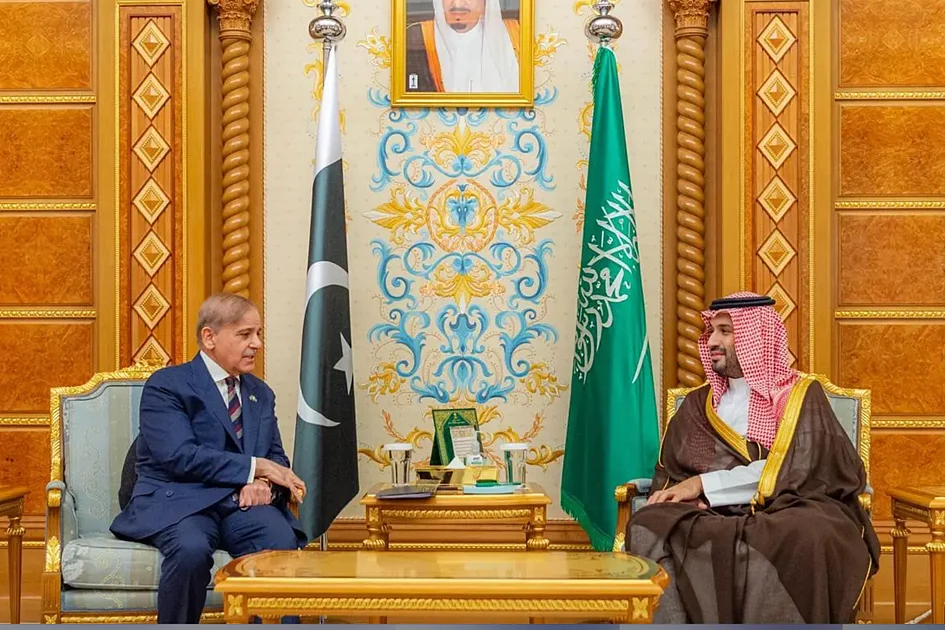
Pakistan PM, Saudi Crown Prince meet in Riyadh, discuss electrical interconnection project
In a significant diplomatic meeting held in Riyadh on Monday, Pakistan’s Prime Minister Muhammad Shehbaz Sharif and Saudi Arabia’s Crown Prince Mohammed bin Salman bin Abdulaziz Al Saud unveiled a comprehensive economic cooperation framework aimed at bolstering bilateral relations. The framework, rooted in shared economic interests, seeks to enhance trade, investment, and development ties between the two nations. Key sectors identified for collaboration include energy, industry, mining, information technology, tourism, agriculture, and food security. A joint statement highlighted the mutual commitment to fostering private sector involvement and increasing trade exchange in these priority areas. Among the initiatives under discussion is an electrical interconnection project, which is expected to be formalized through a memorandum of understanding (MoU). Additionally, the two countries are exploring further cooperation in the energy sector. This framework builds on longstanding fraternal relations and aligns with the leaders’ shared vision of establishing a sustainable partnership. The meeting also set the stage for an upcoming session of the Saudi-Pakistani Supreme Coordination Council, underscoring the depth of their strategic alliance.
-
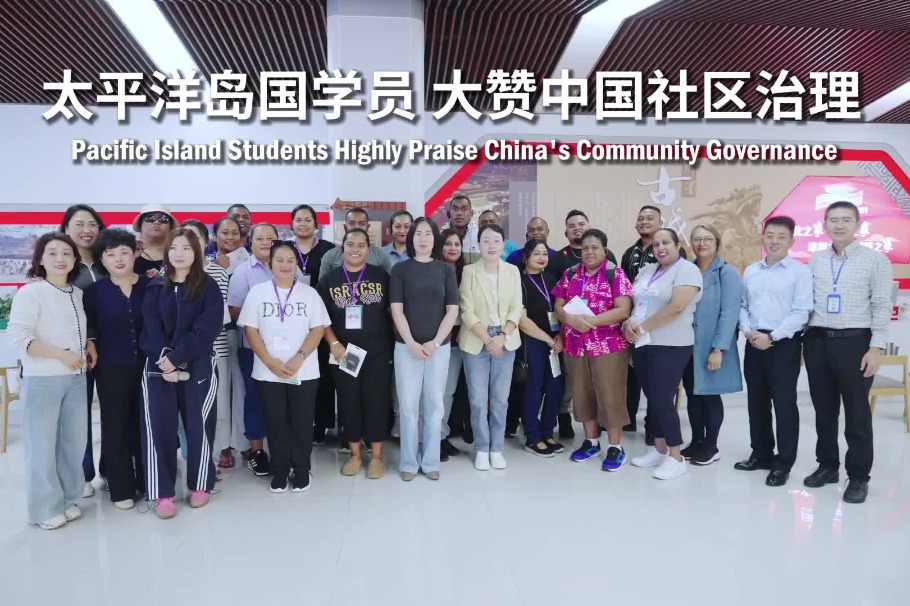
Pacific island delegation explores grassroots governance in Qingdao
A delegation of 20 representatives from Pacific island nations, including Tonga, Fiji, Micronesia, and Nauru, recently embarked on a study tour to Jimo district in Qingdao, Shandong province. The visit was part of a specialized training program focused on national governance and development planning. During their stay, the group engaged in field visits to local communities, observing innovative practices in grassroots governance and strategies for enhancing public services. The delegation also took the opportunity to experience traditional Chinese culture, further enriching their understanding of China’s societal and governance frameworks. Participants expressed that the visit provided valuable insights into China’s development approaches and opened new avenues for collaboration in governance capacity building and cultural exchanges.
-
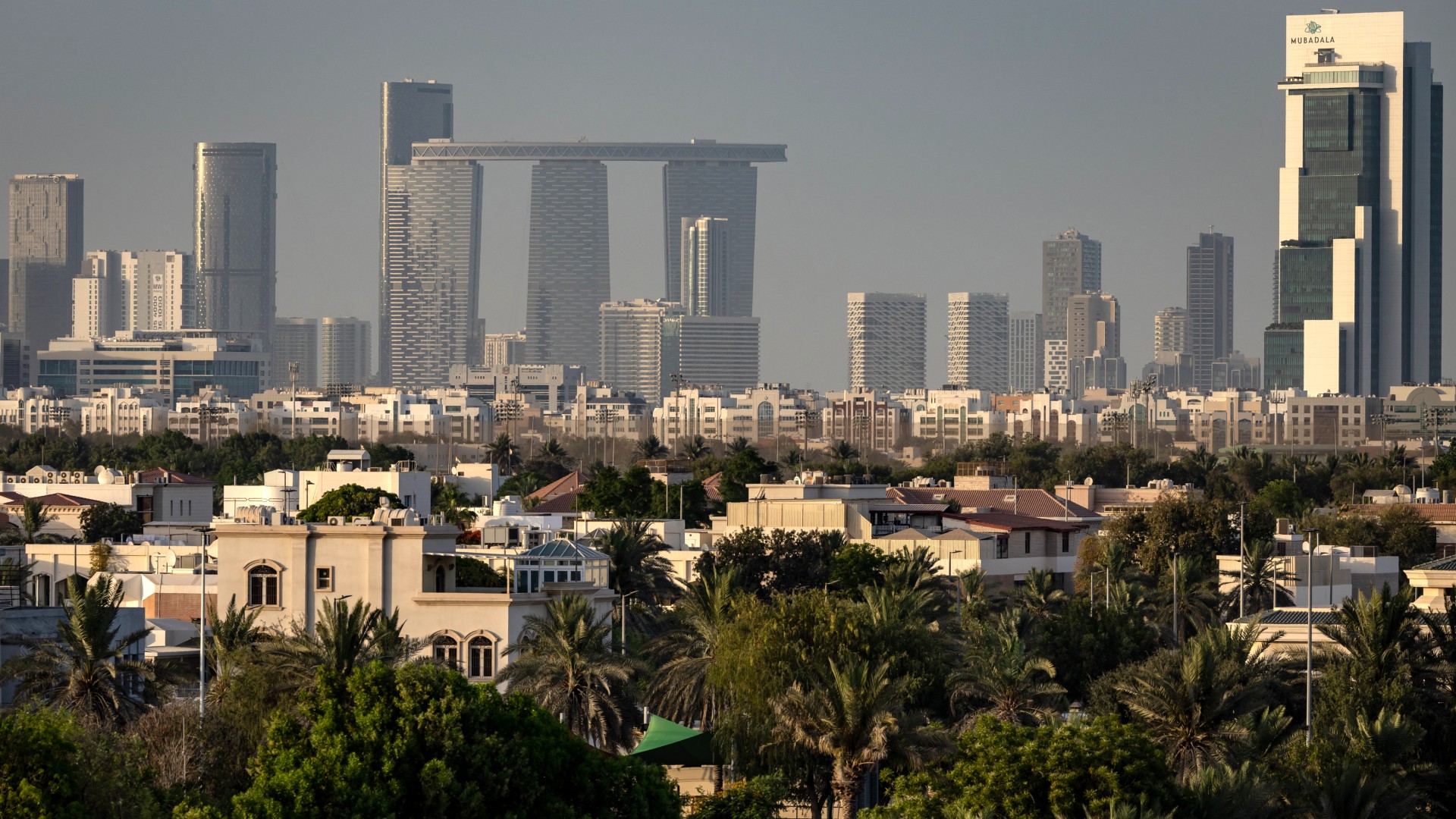
Israeli state-owned defence firm opens regional arm in UAE
In a landmark development following the normalization of relations between Israel and the United Arab Emirates (UAE) in 2020, an Israeli state-owned defense company has established a subsidiary in the UAE. Controp Precision Technologies, a leading developer of electro-optical systems, will register its new entity in the Abu Dhabi Global Market (ADGM), a prominent economic zone in the Emirati capital. The Israeli Ministry of Defense officially approved the move on Sunday, as reported by The Times of Israel. The Abu Dhabi-based subsidiary will serve as Controp’s regional hub in the Gulf, managing marketing, sales, and maintenance of its advanced surveillance and reconnaissance systems used across air, land, and sea operations. In the future, Controp aims to compete directly for defense tenders in the UAE and neighboring countries. This strategic expansion underscores the deepening economic and political ties between the two nations, which have seen bilateral trade reach $3.2 billion in 2024. However, relations have faced challenges following the Gaza war, with the UAE occasionally criticizing Israeli actions. Despite these tensions, the establishment of Controp’s subsidiary signals continued collaboration in the defense sector. The investment is estimated at $30 million, with the subsidiary managed by an Israeli citizen while retaining full control under the parent company.
-
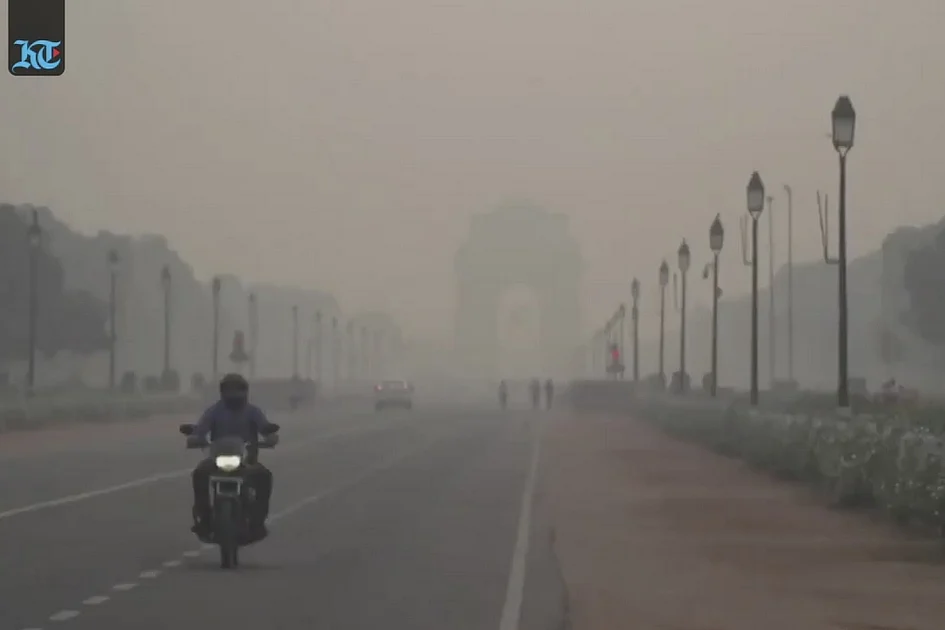
Delhi turns to cloud seeding to spur rain, curb pollution
In a groundbreaking move to tackle the escalating air pollution crisis, authorities in Delhi initiated cloud seeding operations on Tuesday. This innovative technique aims to induce artificial rainfall, which could potentially reduce pollution levels by up to 50%. Environment Minister Manjinder Singh Sirsa announced the initiative, emphasizing its urgency as the city grapples with hazardous air quality. Cloud seeding involves dispersing chemical particles into clouds to stimulate the formation of raindrops, a method previously used in other countries to address drought and improve air quality. However, this marks its first application in Delhi. The Indian Institute of Technology (IIT) in Kanpur is leading the project, with scientists predicting rainfall within 15 minutes to four hours post-seeding. If successful, the initiative could pave the way for a long-term strategy extending through February. Despite its potential, the effectiveness of cloud seeding remains debated, with studies yielding mixed results. Delhi’s air quality index (AQI) stood at 304 on Tuesday, classified as ‘very poor’ by the Central Pollution Control Board. The city’s pollution woes are exacerbated during winter by factors such as construction dust, vehicle emissions, and crop residue burning. Scientist Manindra Agrawal of IIT-Kanpur cautioned that while artificial rain can temporarily alleviate pollution, repeated efforts are necessary to sustain improvements.
-
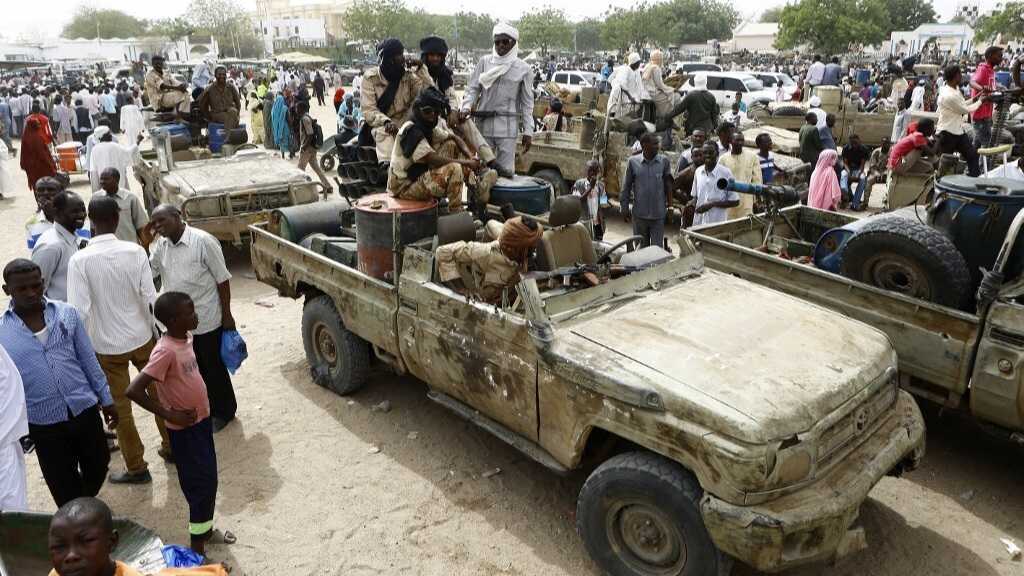
Sudan militia implicated in war crimes used UK military equipment, UN told
Recent revelations have exposed the use of British-manufactured military equipment by Sudan’s paramilitary Rapid Support Forces (RSF), raising serious questions about the UK’s arms export policies. Documents reviewed by the UN Security Council, as reported by The Guardian, confirm that small-arms target systems and armoured personnel carrier engines, recovered from Sudanese combat zones, were produced in the UK. This discovery has intensified scrutiny of British arms exports to the United Arab Emirates (UAE), a key supporter of the RSF. The UAE has been accused of supplying weapons, funds, and political backing to the RSF, which has been implicated in war crimes and genocide allegations. Two dossiers, dated June 2024 and March 2025 and compiled by the Sudanese Armed Forces (SAF), provide evidence of UAE support for the RSF. These documents include images of British-made equipment, such as small-arms target devices and engines, recovered from RSF sites in Khartoum and Omdurman. A UK Foreign Office spokesperson defended the country’s export control regime, stating it is one of the most robust globally, with strict assessments to prevent diversion to undesirable end users. However, critics argue that the UK government has failed to prevent the UAE from diverting arms to embargoed countries and groups violating international humanitarian law. The situation worsened as the RSF stormed the North Darfur city of el-Fasher, capturing an army base and causing widespread fear of atrocities. This attack followed the collapse of US-sponsored ceasefire talks in Washington, where the UAE reportedly refused to address the crisis in el-Fasher. The RSF’s actions have further destabilized the region, highlighting the urgent need for international intervention to address the ongoing conflict in Sudan.