
NMDC Energy has announced a remarkable 33% year-on-year increase in revenue for the first nine months of the year, reaching Dh13 billion. This growth is attributed to the company’s robust backlog execution and its expanding footprint in both regional and international energy markets. Net profit also saw a 5% rise, amounting to Dh951 million, reflecting the company’s operational efficiency and consistent project delivery. The company’s backlog at the end of September stood at Dh45.6 billion, bolstered by significant contract wins and project mobilizations across onshore and offshore sectors. NMDC Energy’s project pipeline expanded to Dh61.4 billion, showcasing its diversified growth strategy and market reach. Chairman Mohamed Hamad Almehairi emphasized the company’s focus on scaling capacity in key global energy markets, which has enhanced its long-term growth prospects. CEO Eng. Ahmed Salem Al Dhaheri highlighted the company’s operational agility and efficient backlog delivery, solidifying its position as a leading EPC contractor in the Middle East. A notable achievement during this period was the launch of fabrication work at NMDC Energy’s new 400,000 square meter yard in Ras Al Khair, Saudi Arabia. This state-of-the-art facility, equipped with advanced automation and digital systems, boasts an annual production capacity of 40,000 tonnes and will support complex offshore and onshore energy projects. The company secured major contracts, including a Dh9.7 billion offshore EPC contract in the UAE and a Dh4.2 billion project in Taiwan, with international operations contributing 31% to its revenue. NMDC Energy also strengthened its sustainability profile, earning an MSCI ESG Rating of “A” for its adherence to global environmental, social, and governance standards. Additionally, the company signed strategic memoranda of understanding with UAE-based Al Gharbia and China’s Hilong Shine New Materials to explore domestic pipe production and advanced coating technologies, respectively.
标签: Asia
亚洲
-

Quetta Qavalry to take on Northern Warriors in Abu Dhabi T10 opener
The much-anticipated 2025 Abu Dhabi T10 cricket tournament is scheduled to kick off on November 18, 2025, and will conclude on November 30, 2025. This high-octane event promises to deliver nearly two weeks of exhilarating cricket action, featuring some of the sport’s most renowned players. The opening match will see Quetta Qavalry face off against Northern Warriors, setting the stage for an exciting season. Defending champions Deccan Gladiators will also make their debut in a thrilling encounter against Delhi Bulls. The tournament will adopt a Round-Robin format, with the top four teams from the initial stage advancing to the playoffs. The playoff stage begins on November 29, 2025, with Qualifier 1, where the top two teams from the league stage will compete for a direct spot in the final. The losing team will get another chance in Qualifier 2. On the same day, the third and fourth-placed teams will battle it out in the Eliminator, with the winner moving on to Qualifier 2 and the loser being eliminated. Qualifier 2, scheduled for November 30, 2025, will determine the second finalist, who will join the winner of Qualifier 1 in the championship match. The tournament will culminate with the final and a grand closing ceremony, celebrating the champions and the thrilling cricketing spectacle. Fans can access the full schedule on the tournament’s official website.
-

Amazon to cut 30,000 office jobs amid AI investments, media reports say
Amazon, the global e-commerce and technology giant, is set to reduce its workforce by 30,000 office jobs as part of a cost-cutting strategy while ramping up investments in artificial intelligence (AI). The layoffs, which represent nearly 10% of Amazon’s approximately 350,000 office employees, are expected to commence this week, according to multiple U.S. media reports. Notably, the cuts will not impact the company’s distribution and warehouse workforce, which constitutes the majority of its 1.5 million employees. Amazon has not officially commented on the reports, which were initially published by outlets such as The Wall Street Journal and The New York Times, citing anonymous sources. Despite the news, Amazon’s shares saw a slight increase at the close of the trading day. CEO Andy Jassy has consistently emphasized the transformative potential of AI in enhancing workplace efficiency, from customer interactions to operational streamlining. During Amazon’s recent quarterly earnings call, Jassy highlighted the growing impact of AI on customer experiences. The company is under pressure to demonstrate the value of its substantial AI investments, particularly within its Amazon Web Services (AWS) cloud computing division. Analysts, including Emarketer’s Sky Canaves, have noted that AWS must show both revenue growth and improved operating margins to justify its AI expenditures. Additionally, Amazon faces scrutiny following a recent AWS outage that disrupted numerous internet services globally, including streaming platforms, messaging apps, and banking services. The outage, attributed to an issue with the Domain Name System (DNS), underscored the widespread reliance on AWS’s infrastructure. AWS remains the leader in the cloud computing market, closely followed by Microsoft Azure and Google Cloud.
-

Deboard plane, get on flying taxis? DXB passengers to reach hotels, malls in minutes
Dubai is poised to revolutionize urban transportation with the introduction of flying taxis, as the city’s first vertiport, Dubai International Vertiport (DXV), remains on track to become operational by the first quarter of 2026. Located near Dubai International Airport (DXB), DXV will serve as a hub for electric vertical take-off and landing (eVTOL) vehicles, offering passengers a seamless transition from air travel to their final destinations. Anthony El-Khoury, UAE General Manager of Joby Aviation, highlighted the potential of integrating existing helipads at hotels, malls, and hospitals into the air taxi network, significantly reducing travel times. For instance, a trip from DXB to Madinat Jumeirah or Burj Al Arab could take just eight minutes, compared to the usual 45-minute car journey. The UAE’s General Civil Aviation Authority (GCAA) has already established a regulatory framework to enable the dual use of helipads for both helicopters and flying taxis, ensuring efficient infrastructure utilization. Joby Aviation, in collaboration with Skyports and Dubai’s Roads and Transport Authority (RTA), is developing three additional vertiport sites to expand the air taxi network. While the construction of vertiports requires substantial investment, leveraging existing helipads with minimal modifications—such as reinforcing infrastructure, adding safety features, and installing charging stations—offers a cost-effective solution. Safety remains a top priority, with each flying taxi equipped with redundant systems to prevent failures, including multiple propellers, engines, inverters, and battery packs. Test flights are currently underway at Joby’s facility in Margham, with professional pilots certified to operate eVTOLs. Paul Griffiths, CEO of DXB, expressed optimism about the transformative potential of flying taxis, which could alleviate road congestion and redefine urban mobility. Although commercial certification from the GCAA is still pending, El-Khoury assured that flying taxis will become a reality in Dubai by next year.
-

Why are Israeli settlers destroying the Palestinian olive harvest?
The olive harvest in the occupied West Bank, a centuries-old tradition and economic cornerstone for Palestinians, has been marred by escalating violence from Israeli settlers and military forces. According to the UN Rights Office, 757 assaults by settlers were recorded in the first half of 2025, resulting in injuries, property damage, and the destruction of olive groves. These attacks have drawn global condemnation and criticism from UN human rights officials. In Gaza, once a thriving hub for olive cultivation, nearly all agricultural land has been devastated by Israel’s two-year military campaign, which has claimed over 68,000 Palestinian lives. The olive tree, deeply rooted in Palestinian culture and history, symbolizes resilience and peace. However, its survival is under threat as settler violence intensifies, often with the complicity of Israeli security forces. The destruction of olive groves, uprooting of trees, and restrictions on access to farmland have severely impacted the livelihoods of 100,000 families in the West Bank, many of whom rely on olive cultivation for income. In Gaza, the olive industry has been decimated, with 98.5% of agricultural land damaged or inaccessible, according to the UN Food and Agriculture Organization. The ongoing assault on Palestinian agriculture is part of a broader strategy to displace communities and annex land, exacerbating humanitarian crises and threatening the cultural and economic fabric of Palestinian society.
-

China revises Cybersecurity Law to bolster AI development
In a significant move to bolster artificial intelligence (AI) development and governance, China’s Standing Committee of the National People’s Congress (NPC) has passed revisions to the Cybersecurity Law. The amendments, approved on October 28, 2025, during the 18th session of the 14th NPC Standing Committee, will take effect on January 1, 2026. The revised law emphasizes national support for foundational AI research, algorithm development, and the construction of critical infrastructure such as training data resources and computing power. A newly added provision underscores the importance of advancing AI ethics, enhancing risk monitoring, and ensuring safety oversight to promote the responsible application and growth of AI technologies. Additionally, the amendments encourage innovative cybersecurity management practices, including the integration of AI and other emerging technologies to elevate protection standards. The revisions also refine legal liabilities for activities that compromise network security, increase penalties for violations, and expand extraterritorial application where necessary. Furthermore, the updated law enhances coordination with the Data Security Law and the Personal Information Protection Law to ensure precision, effectiveness, and consistency in legal frameworks. Since its initial enactment in 2016, the Cybersecurity Law has played a pivotal role in curbing harmful cyber activities and fostering a safer digital environment. However, persistent challenges such as network intrusions, cyberattacks, and the spread of illegal content highlight the ongoing complexities of maintaining cybersecurity. The latest amendments aim to address these issues while aligning with China’s broader strategic goals in AI and digital governance.
-
Man deported to Laos despite court ordering blocking his removal, attorneys say
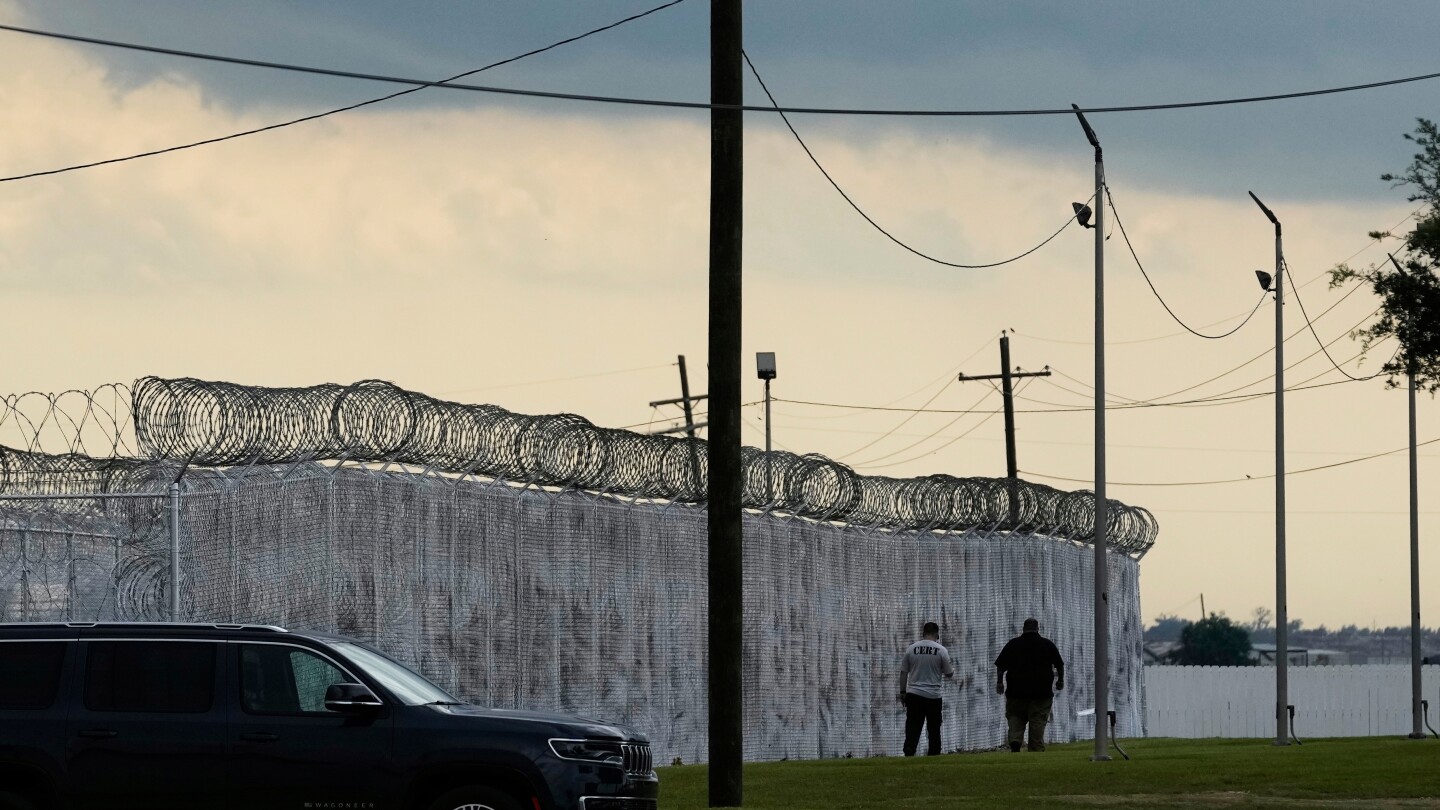
In a controversial move, U.S. Immigration and Customs Enforcement (ICE) deported Chanthila “Shawn” Souvannarath, a 44-year-old Alabama resident, to Laos despite a federal court order halting his removal. Souvannarath, who claims U.S. citizenship, was born in a Thai refugee camp but has lived in the U.S. since infancy, holding lawful permanent resident status. U.S. District Judge Shelly Dick had issued a temporary restraining order last week, citing Souvannarath’s “substantial claim of U.S. citizenship” and the irreparable harm deportation would cause. However, ICE proceeded with the deportation, leaving his family devastated. Souvannarath’s wife, Beatrice, confirmed his arrival in Laos via a WhatsApp message. The ACLU of Louisiana, representing Souvannarath, condemned the action as a blatant violation of the court order, accusing the administration of prioritizing mass deportation over legal and constitutional obligations. This incident underscores ongoing tensions between the Trump administration and the judiciary over immigration enforcement, including previous cases of U.S. citizens being wrongfully deported.
-

Ex-Bank of Communications VP Investigated
Hou Weidong, the former vice-president of the Bank of Communications, is currently under investigation for suspected severe breaches of Party discipline and national laws. The announcement was made on Tuesday by China’s top anti-corruption authorities, the Communist Party of China Central Commission for Discipline Inspection and the National Commission of Supervision. The investigation was disclosed online, though no additional details were provided. Hou, a 65-year-old native of Shandong province, joined the Communist Party in 1986 and is a graduate of Peking University. With decades of experience in China’s banking sector, he assumed the role of vice-president at the Bank of Communications in late 2010. This investigation underscores the ongoing efforts by Chinese authorities to combat corruption within the financial sector and maintain the integrity of its institutions.
-

Tabby announces completion of secondary share sale
Tabby, the Riyadh-based financial technology company, has successfully concluded a secondary share sale, solidifying its valuation at an impressive $4.5 billion. The transaction, announced on Tuesday, involved the acquisition of shares by HSG, Boyu Capital, and other investors from existing shareholders. Notably, no new shares were issued, and the company did not receive any proceeds from the sale. This strategic move underscores the confidence of investors in Tabby’s growth trajectory and market potential. Tabby, renowned for its innovative financial services, empowers millions across the Middle East to manage their finances effectively. With over 40,000 global brands, including giants like Amazon, Adidas, and IKEA, leveraging its technology, Tabby has become a pivotal player in the region’s fintech landscape. The company’s CEO, Hosam Arab, expressed pride in welcoming new shareholders who align with Tabby’s vision. Rock Wang of HSG and Joey Chen of Boyu Capital lauded Tabby’s market acumen and product innovation, highlighting its leadership in the burgeoning fintech sector.
-
Educational exchanges to play a key role in strengthening China-US ties
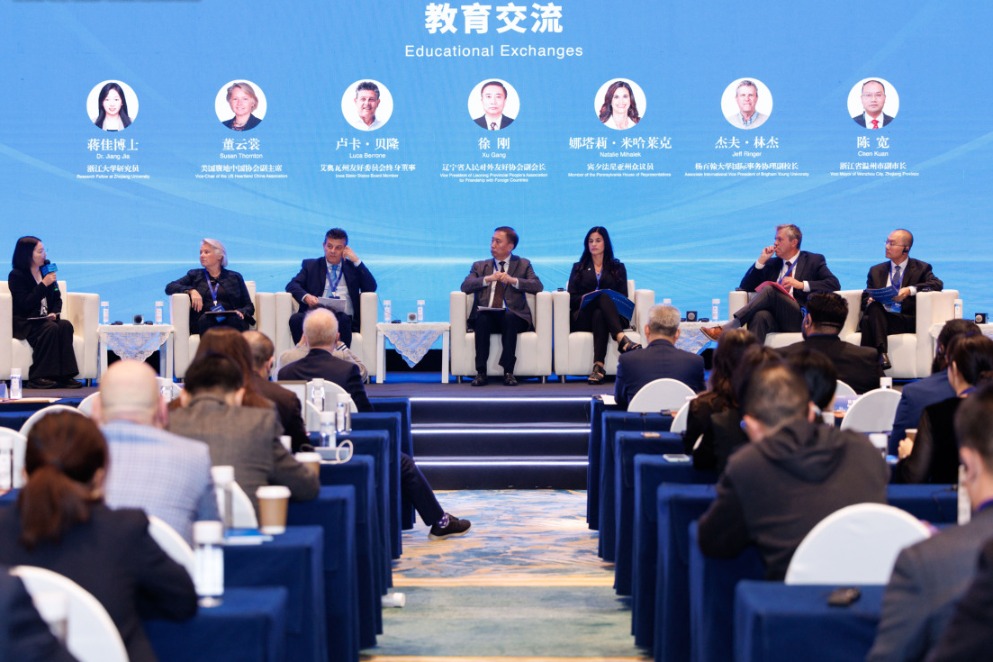
Educational exchanges between China and the United States are set to play a crucial role in fostering stronger bilateral ties, according to officials and experts. This sentiment was highlighted during a sub-forum at the 7th China-US Sister Cities Conference held in Hangzhou, Zhejiang province, on October 27, 2025. Natalie Mihalek, a member of the Pennsylvania House of Representatives, emphasized the importance of such exchanges in bridging cultural and ideological divides. ‘In a world that feels increasingly divided, a conference like this reminds us that knowledge knows no borders,’ she stated. Mihalek further noted that when students and teachers from different countries share classrooms, ideas, and experiences, they cultivate empathy, communication, and understanding. For decades, educational collaborations have enabled students from both nations to gain new skills and perspectives on each other’s history and culture, enriching local communities. Brigham Young University (BYU) serves as a prime example, having collaborated with China for over 40 years. In 1979, a group of BYU student performers visited China, marking one of the first Western performing arts groups to do so in years and establishing a foundation for regular exchanges. Since then, thousands of BYU students and faculty have studied, lived, and performed in China, according to Jeff Ringer, the university’s associate international vice-president. In 1989, BYU initiated the China Teachers Program, which has seen over 2,000 BYU teachers educate hundreds of thousands of Chinese students, fostering lifelong friendships and deepening cultural understanding. Another notable example is Wenzhou-Kean University, a joint project between Zhejiang province and the state of New Jersey, which offers an immersive Chinese cultural experience for international, particularly American, students. Despite these successes, challenges remain. Susan Thornton, vice-chair of the US Heartland China Association, pointed out that fewer American students are studying in China today, and communities across the US Midwest have limited opportunities to engage with Chinese culture. ‘If we are to sustain the foundation of trust and cooperation between our people, that has to change,’ she asserted. Additionally, Chinese students face obstacles such as visa processing when traveling to study in the US. Mihalek stressed the importance of keeping education at the center of the China-US partnership, stating, ‘The more we learn together, the more we grow together, and the more peaceful and prosperous the shared world will be.’