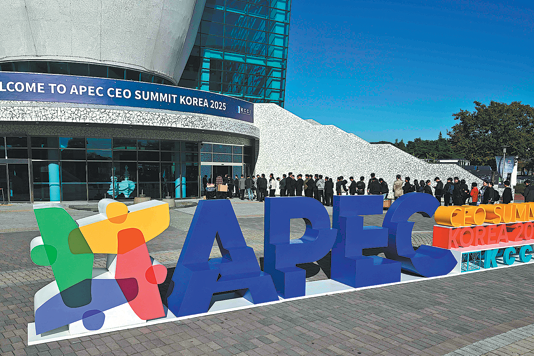
At the APEC CEO Summit held in Gyeongju, South Korea, leaders and business executives underscored the critical importance of fostering deeper partnerships to enhance trade, investment, and sustainable growth across the Asia-Pacific region. The event, attended by prominent figures from various nations, focused on addressing challenges such as supply chain resilience, digital trust, and regional cooperation. Thailand’s Prime Minister Anutin Charnvirakul emphasized the need for global collaboration to combat online scams and cybercrime, while Vietnam’s President Luong Cuong stressed the significance of maintaining a stable environment to facilitate free trade and investment. Thani bin Ahmed Al Zeyoudi, the UAE’s Minister of Foreign Trade, highlighted the nation’s commitment to openness as a cornerstone of its economic growth, advocating for increased global trade amidst rising protectionism. Eric Ebenstein, TikTok’s Senior Director of Public Policy, discussed the pivotal role of trust in the digital ecosystem, citing the economic impact of content creation, particularly the global influence of South Korean culture. He shared an example of a viral TikTok post about gimbap (seaweed rolls) that led to a nationwide sellout in the U.S. Other speakers, including Chang In-hwa, Chairman and CEO of Posco Group, called for multilateral partnerships to build resilient and green supply chains. Posco’s joint venture with Australia’s Hancock Prospecting, Japan’s Marubeni Corp, and China Steel Corporation was highlighted as a model of regional collaboration. Garry Korte, CEO of Hancock Prospecting, emphasized the high level of trust generated through such partnerships, while Paul Grimes, CEO of the Australian Trade and Investment Commission, described supply chains as the ‘lifeblood of modern economies,’ underscoring the need for sustainability and resilience. Masayuki Omoto, CEO of Marubeni, echoed the call for public-private partnerships to address global challenges effectively.
标签: Asia
亚洲
-

Japanese series that inspired Power Rangers to end after 50 years – reports
After five decades of captivating audiences, the iconic Japanese superhero series Super Sentai is set to conclude, marking the end of a cultural phenomenon that inspired the globally renowned Power Rangers franchise. Reports indicate that declining merchandise and event revenues have rendered the production unsustainable, prompting its broadcaster, TV Asahi, to halt the series. The Asahi newspaper confirmed the broadcaster’s reluctance to comment on future programming decisions. Since its debut in 1975, Super Sentai introduced a groundbreaking formula featuring five teenagers who transform into color-coded, masked fighters to combat alien threats. This blueprint not only shaped Power Rangers but also influenced numerous superhero shows across Asia. Beyond its television success, Super Sentai served as a marketing powerhouse, driving sales of toys, costumes, and collectibles. It also launched the careers of many Japanese actors and introduced international audiences to Japan’s vibrant superhero and comic culture. Shows like Choudenshi Bioman and Hikari Sentai Maskman, dubbed in English, garnered cult followings in countries like the Philippines. The series’ signature elements—martial arts, swordfights, and epic robot battles—remained consistent throughout its run, appealing to fans with its unique live-action animation style. The original Power Rangers, adapted from Super Sentai by producer Haim Saban, aired in the U.S. from 1993 to 1996 and spawned multiple spin-offs. Saban recalled the initial skepticism he faced, stating in a 2017 interview with the LA Times that networks initially dismissed the concept as ‘crazy.’ News of Super Sentai’s cancellation has sparked an outpouring of nostalgia and sadness among fans and celebrities. Actress Keiko Kitagawa expressed ‘despair’ in a widely viewed post on X, while actor Yasuhisa Furuhara, who starred in the series, reflected on its historical significance. Fans lamented the end of an era, with one noting the generational impact of the show. ‘Super Sentai is coming to an end, so what should boys watch from now on?’ another fan pondered. As the curtain falls on this legendary series, its legacy as a cultural and entertainment milestone remains indelible.
-
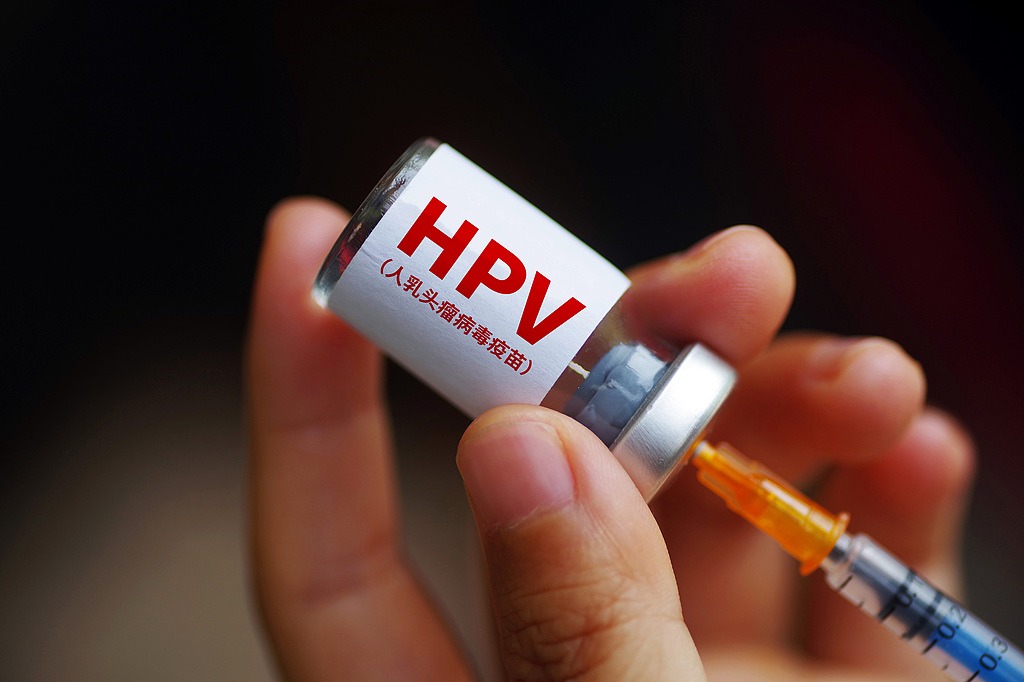
Girls will soon receive free HPV shots
China is set to introduce a groundbreaking public health initiative by including the Human Papillomavirus (HPV) vaccine in its national immunization program starting November 10, 2025. This policy, announced by the National Disease Control and Prevention Administration, will provide free HPV vaccinations to girls aged 13 and above, marking a significant step in the fight against cervical cancer, one of the most prevalent threats to women’s health globally. The initiative aims to reduce the burden of HPV-related diseases and enhance public health safeguards. HPV vaccination is recognized as the most cost-effective and efficient long-term strategy to mitigate the risk of cervical cancer, potentially preventing over 70% of cases. The bivalent HPV vaccine, chosen for its safety, efficacy, and availability, will be administered in two doses, six months apart, to girls born after November 10, 2011. This decision aligns with the World Health Organization’s recommendation to prioritize HPV vaccination for girls aged 9-14, tailored to China’s specific demographic and developmental context. The policy builds on earlier efforts, with 18 provincial-level regions already integrating HPV vaccination into local health programs. Local authorities will now focus on preparatory tasks, including assessing eligible populations, training vaccination staff, and updating immunization systems to ensure a smooth rollout. This initiative underscores China’s commitment to advancing public health and achieving the global goal of eliminating cervical cancer.
-

Australia wins the toss and fields against India after tribute to dead teenage cricketer
In a poignant start to the second Twenty20 international between Australia and India, both teams paid heartfelt tributes to Ben Austin, a 17-year-old cricketer who tragically passed away following a training accident earlier this week. The match, held at the Melbourne Cricket Ground, saw players from both sides wearing black armbands in memory of the young talent. A moment of silence was observed before the game, with Austin’s image displayed on stadium screens and his favorite song played as a tribute. The emotional atmosphere was further heightened by the presence of representatives from Austin’s club, as well as state and national cricket administrators. Australia’s captain, Mitch Marsh, won the toss and chose to field first, making one lineup change by replacing Josh Philippe with Matt Short. India, on the other hand, retained the same lineup from the washed-out first game of the five-match series. The match attracted a capacity crowd, underscoring the significance of the occasion. Earlier in the day, a similar tribute was held during the Sheffield Shield domestic first-class match between Victoria and Tasmania at Junction Oval in Melbourne, where players also wore black armbands and observed a moment of silence. The series continues with both teams aiming to secure a victory in honor of Austin’s memory.
-
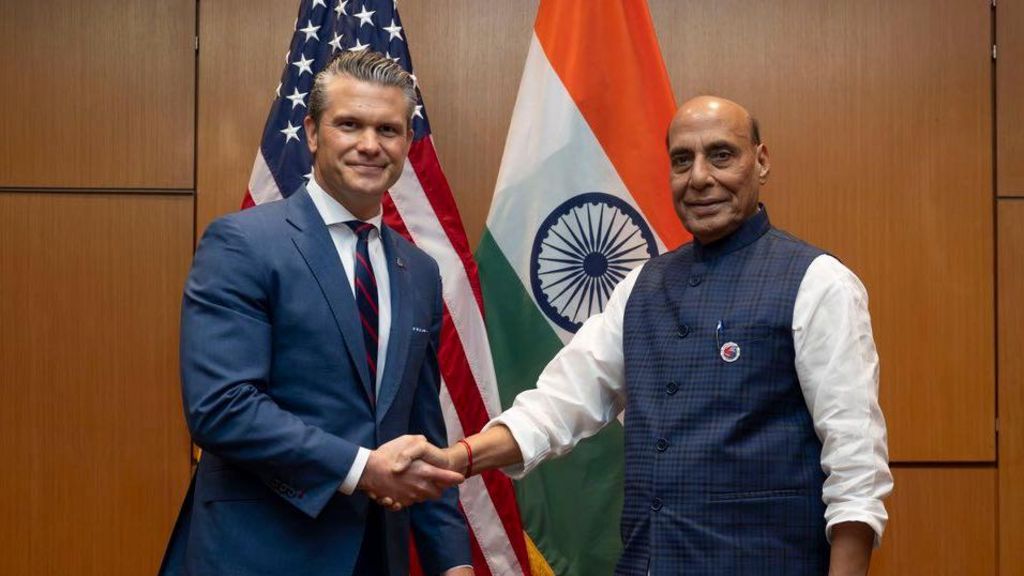
India-US sign 10-year defence pact amid tariff turmoil
India and the United States have inked a pivotal 10-year framework agreement to bolster defense cooperation, marking a significant step in their strategic partnership. The agreement was formalized following a high-level meeting between US Defense Secretary Pete Hegseth and Indian Defense Minister Rajnath Singh in Kuala Lumpur. The pact aims to enhance coordination, information sharing, and technological collaboration, while also advancing regional stability and deterrence, as highlighted by Hegseth in a post on X (formerly Twitter).
This development comes at a critical juncture, as the two nations navigate strained relations exacerbated by former US President Donald Trump’s imposition of 50% tariffs on Indian goods, including a 25% penalty for India’s purchases of Russian oil and arms. The agreement is expected to provide a comprehensive policy framework for the India-US defense relationship, signaling a growing strategic alignment.
Rajnath Singh emphasized the importance of the pact in a post on X, stating, ‘This agreement underscores our deepening strategic convergence and heralds a new decade of partnership. Defense will remain a cornerstone of our bilateral relations, crucial for ensuring a free, open, and rules-based Indo-Pacific region.’
According to Pramit Pal Chaudhuri of the Eurasia Group, the agreement was initially slated for completion in July-August but faced delays due to India’s displeasure over Trump’s comments regarding his role in resolving the conflict with Pakistan. Chaudhuri noted that the pact builds on previous agreements, facilitating greater interoperability between the two militaries, enhanced technology access for India, and closer collaboration between their defense sectors.
Despite India’s historical reliance on Russian arms, its defense imports from Russia have been declining as New Delhi seeks to diversify its sources and bolster domestic production. Recent months have seen India signal its willingness to increase energy and defense purchases from the US, potentially easing trade tensions.
The two nations are currently engaged in high-stakes trade negotiations, aiming to finalize a long-awaited deal by November. This defense pact underscores the evolving dynamics of the India-US relationship, with defense cooperation emerging as a key pillar of their strategic partnership.
-
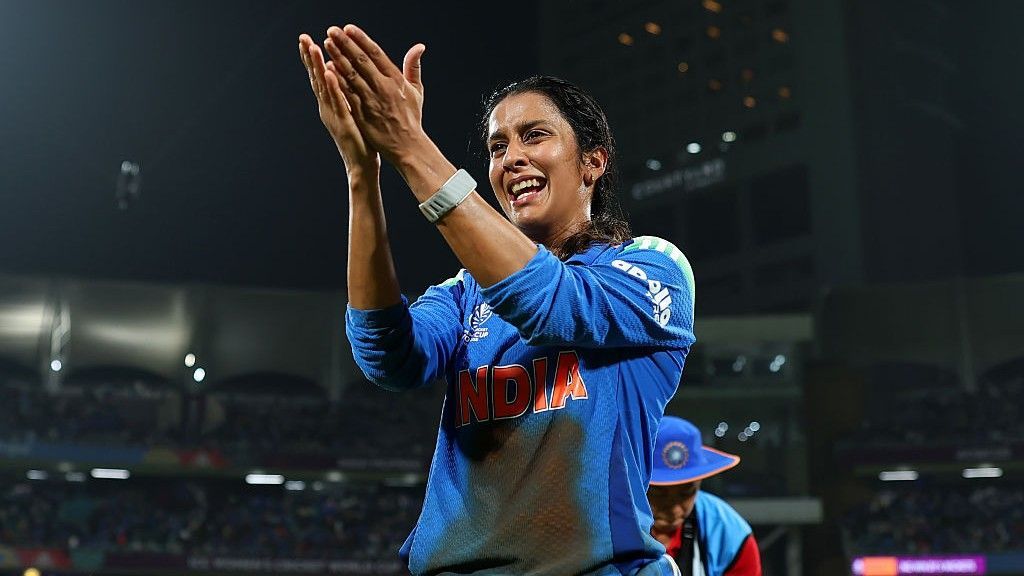
India women’s epic win over Australia fuels World Cup glory chase
In a breathtaking display of skill and determination, India’s women’s cricket team achieved a historic victory over Australia in the ICC ODI World Cup semi-final, securing their place in the final with a record-breaking chase. The match, held at the DY Patil Stadium in Navi Mumbai, saw India successfully chase down a daunting target of 338 runs, winning by five wickets with five balls to spare. This triumph marked the end of Australia’s 16-match unbeaten streak in World Cup tournaments, dating back to 2022. The star of the match was Jemimah Rodrigues, whose unbeaten 127-run innings was hailed as one of the greatest ODI centuries in women’s cricket. Rodrigues’ tactical brilliance, composure, and innovative strokeplay were instrumental in India’s victory, as she anchored the innings alongside captain Harmanpreet Kaur, who contributed a crucial 89 runs. The partnership of 167 runs between the two players turned the tide in India’s favor. Australia, despite a strong start with Phoebe Litchfield’s 119 and a 155-run partnership with Ellyse Perry, could not defend their total. India’s bowlers managed to restrict Australia’s momentum, preventing them from reaching an even higher score. The victory was particularly sweet for Rodrigues, who had faced personal struggles and uncertainty about her place in the team earlier in the tournament. Her resilience and faith helped her overcome anxiety and deliver a match-winning performance. India now faces South Africa in the final, with the opportunity to create history and elevate the profile of women’s cricket globally. The match promises to be a thrilling contest, as both teams have shown remarkable resilience and ambition throughout the tournament.
-
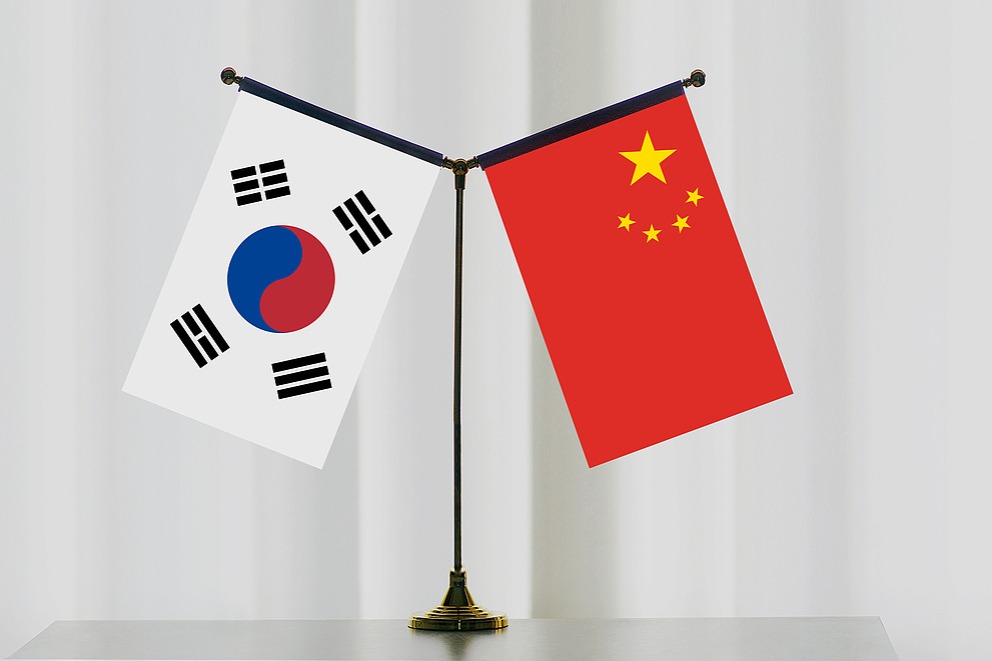
S. Korea’s ties with China to expand more
South Korean President Lee Jaemyung has expressed his commitment to deepening bilateral ties with China during President Xi Jinping’s state visit to South Korea. The visit, which coincides with the 32nd Asia-Pacific Economic Cooperation (APEC) Economic Leaders’ Meeting in Gyeongju, marks the first meeting between the two leaders since Lee’s administration took office. Lee emphasized the special significance of this visit for fostering mutual cooperation and addressing shared challenges.
In an exclusive interview with Xinhua News Agency, Lee highlighted the historical and philosophical alignment between himself and Xi, both of whom began their political careers at the local government level with a focus on improving people’s livelihoods. Lee underscored the importance of advancing the South Korea-China strategic cooperative partnership, particularly in light of the evolving global landscape since the two nations established diplomatic relations in 1992.
Lee outlined his expectations for Xi’s visit, including discussions on enhancing practical cooperation in areas such as trade, investment, and supply chain stability. He expressed optimism about accelerating negotiations on the South Korea-China Free Trade Agreement to include services and investment, thereby creating a robust institutional framework for economic collaboration. As major economies, both countries play a pivotal role in promoting regional development and prosperity, with China remaining South Korea’s largest trading partner.
Beyond economic cooperation, Lee emphasized the need to strengthen cultural and environmental ties, expand people-to-people exchanges, and work together to ensure peace and stability on the Korean Peninsula. He acknowledged China’s constructive role in addressing the Korean Peninsula nuclear issue and achieving denuclearization.
Lee also highlighted the broader significance of the APEC meeting, which focuses on fostering artificial intelligence innovation and managing demographic shifts. He stressed the importance of multilateralism in tackling global challenges and expressed South Korea’s support for China’s leadership in next year’s APEC meeting, particularly in advancing AI cooperation.
This visit and the discussions it entails are expected to lay the groundwork for a stronger, more dynamic partnership between South Korea and China, benefiting both nations and the broader Asia-Pacific region.
-
APEC evolutions: New outlooks for the gathering
China Daily Information Co (CDIC) holds exclusive rights to all content published on its platform, including text, photos, and multimedia materials. Unauthorized reproduction or use of this content in any form is strictly prohibited without prior written consent from CDIC. The website recommends using browsers with a resolution of 1024*768 or higher for optimal viewing. Additionally, China Daily provides various services such as advertising opportunities, job offers, and expatriate employment resources. Users can also stay connected through the platform’s social media channels. For inquiries, the site offers a dedicated contact section. The publication operates under the online multimedia publishing license number 0108263 and is registered under the number 130349.
-
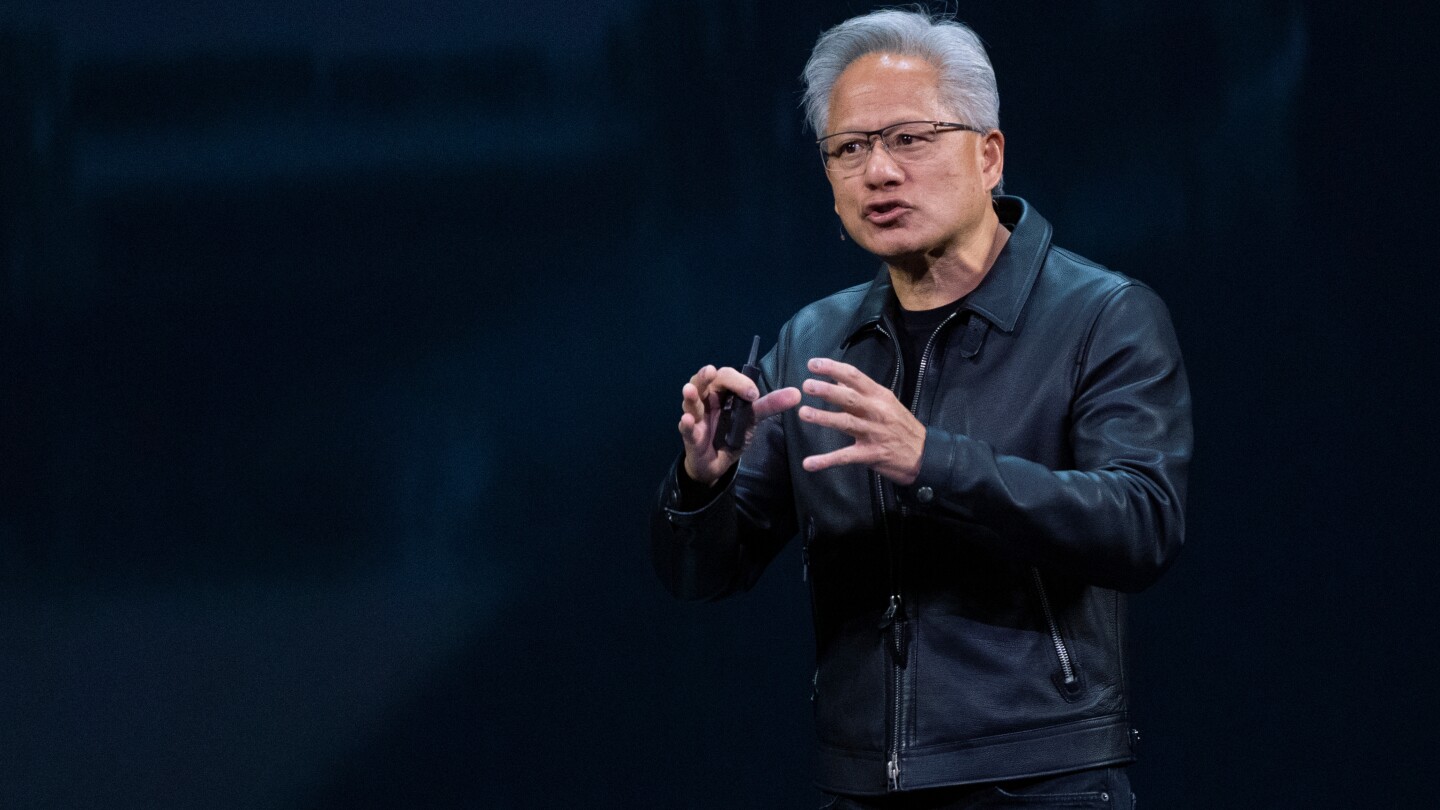
Nvidia partners with South Korean government, companies to boost AI development
In a landmark collaboration, Silicon Valley-based chipmaker Nvidia has announced plans to supply hundreds of thousands of its advanced graphics processing units (GPUs) to South Korea, aiming to bolster the nation’s artificial intelligence (AI) infrastructure and technological capabilities. The agreement, unveiled on Friday, involves key South Korean entities such as Samsung Electronics, SK Hynix, and Hyundai Motor, alongside the South Korean government. The announcement followed a high-profile meeting between South Korean President Lee Jae Myung and Nvidia CEO Jensen Huang, who has been receiving celebrity-like attention during his visit to the country. Huang’s presence in South Korea coincides with the Asia-Pacific Economic Cooperation (APEC) forum in Gyeongju, where the nation is showcasing its AI ambitions. According to the agreement, Nvidia will provide approximately 260,000 GPUs, with 50,000 units allocated to a government initiative to establish a national AI cloud computing center. Samsung and SK Hynix will each receive 50,000 GPUs to enhance their manufacturing processes and accelerate the development of cutting-edge semiconductors. Additionally, Hyundai and Nvidia will collaborate on self-driving cars, smart factories, and robotics, powered by 50,000 of Nvidia’s latest Blackwell GPUs. This partnership underscores Nvidia’s pivotal role in the global AI industry, as the company recently became the first to reach a $5 trillion valuation, driven by the AI boom. However, concerns about a potential AI bubble persist, with warnings from financial institutions about the sustainability of tech stock prices fueled by AI hype.
-
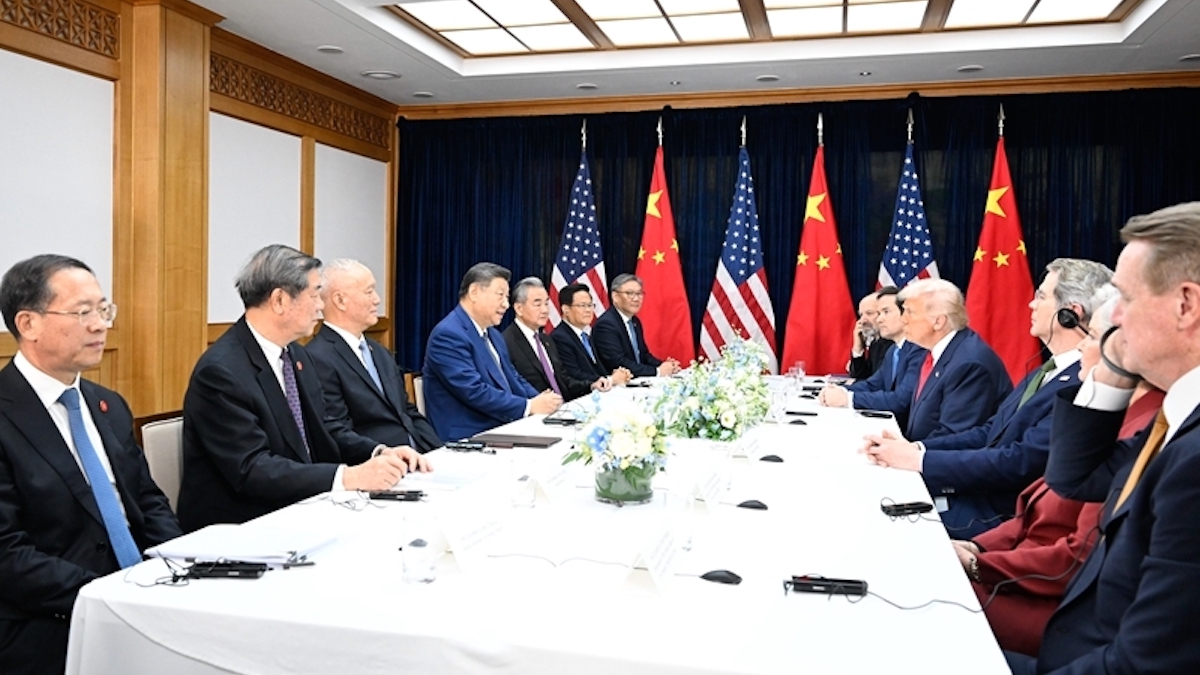
Chinese pundits claim victory after Trump’s trade concessions
The recent summit between Chinese President Xi Jinping and US President Donald Trump has led to significant trade concessions, sparking widespread celebration among Chinese media and commentators. Washington agreed to halve the 20% fentanyl-related tariff and extend the suspension of the 24% reciprocal tariffs by a full year, rather than the initially anticipated 90 days. This decision came after the two leaders met in South Korea on Thursday morning, marking a pivotal moment in the ongoing trade negotiations between the two economic giants. Chinese analysts hailed the compromises as substantial, particularly given the backdrop of the tariff war that began in 2018. Despite a de-escalation agreement in May, Chinese exporters still faced an average tariff rate of 55%, including a 20% fentanyl-related tariff, a 10% reciprocal tariff, and a 25% tariff from the 2018 trade war. The new concessions are expected to save Chinese exporters $43.5 billion annually, providing a much-needed boost to China’s export economy, which saw a 16.9% year-on-year decline in the first nine months of this year. The trade truce also highlighted China’s strategic use of its rare-earth dominance, with the US recognizing the critical role China plays in global rare-earth refining. This leverage has allowed Beijing to secure time for supply chain reforms and industrial upgrades. Meanwhile, the one-year tariff suspension has reignited optimism across China’s manufacturing hubs, with business leaders viewing it as a lifeline for stabilizing production and securing global orders. The US, facing its own industrial challenges, has softened its stance, acknowledging the need for cooperation. However, analysts caution that the US policy of suppressing China’s technological development remains unchanged. The truce also includes agreements to postpone new sanctions rules and reciprocal port fees, further easing trade tensions. As both nations navigate this fragile truce, the focus remains on leveraging the coming year to strengthen economic resilience and deepen bilateral cooperation.