
As the APEC Economic Leaders’ Meeting convenes in Gyeongju, Republic of Korea, China has emerged as a focal point of discussions. Amid significant economic challenges in the Asia-Pacific region, China’s role is increasingly pivotal. Experts highlight how China’s strategies and collaborations could drive regional recovery and sustainable growth. Herman Tiu Laurel, president of the Asian Century Philippines Strategic Studies Institute, emphasized China’s potential to revitalize APEC through free trade agreements, regional value chains, and investments in digital and green economies. He pointed to China’s zero-tariff policy for African exports and infrastructure projects in APEC nations as key initiatives enhancing economic resilience. Sourabh Gupta, a senior fellow at the Institute for China-America Studies, underscored the importance of China and APEC in defending trade multilateralism and regional development. He noted that the next three decades of Asia-Pacific cooperation will be more challenging, requiring a united effort to maintain the region’s economic dynamism. As APEC leaders strive to innovate and prosper, China’s active participation and collaboration with other members are seen as essential to addressing current challenges and fostering a sustainable future. The spirit of cooperation is crucial for building a resilient global economy and ensuring collective prosperity.
标签: Asia
亚洲
-
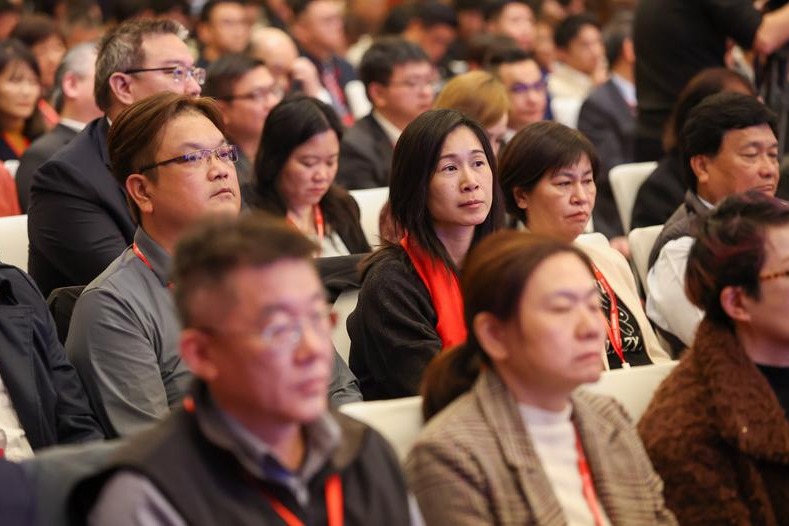
Officials from mainland and Taiwan pledge economic and trade cooperation
Officials from the Chinese mainland and representatives from Taiwan have reaffirmed their commitment to enhancing cross-Strait economic, cultural, and people-to-people exchanges, as well as deepening integrated development. This pledge was made during the closing ceremony of the four-day Tianjin-Taiwan Investment and Trade Fair, held in Tianjin. Since its inception in 2008, the fair has successfully facilitated over 350 projects, attracting intended investments totaling approximately 123.8 billion yuan ($17.2 billion). This year, 32 new projects with Taiwanese investment were established in Tianjin, with a total contractual investment of $31.78 million (230 million yuan), underscoring the robust vitality and vast potential of Tianjin-Taiwan economic and trade cooperation. Themed ‘Integrating for New Development, Creating a Shared Future,’ this year’s event focused on exploring cooperation in sectors such as medical and health care, the yacht economy, and catering and processing. Song Tao, head of both the Taiwan Work Office of the Communist Party of China Central Committee and the Taiwan Affairs Office of the State Council, emphasized the principle that the two sides of the Strait are one family, actively promoting cross-Strait economic and cultural exchanges and cooperation. Zhang Gong, deputy secretary of the Communist Party of China Tianjin Municipal Committee and mayor of Tianjin, extended a warm welcome to young people from Taiwan to pursue their dreams in the city. Before the opening ceremony, Song met with Hsiao Hsu-tsen, vice-chairman-designate of the Chinese Kuomintang party, and his delegation in Tianjin. Hsiao praised Tianjin for its unique charm, profound historical and cultural heritage, and spirit of inclusiveness, openness, and innovation. He encouraged young people from Taiwan to visit the Chinese mainland more often, emphasizing that the future of the Chinese nation depends on the cooperation and shared prosperity of the youth on both sides of the Strait.
-
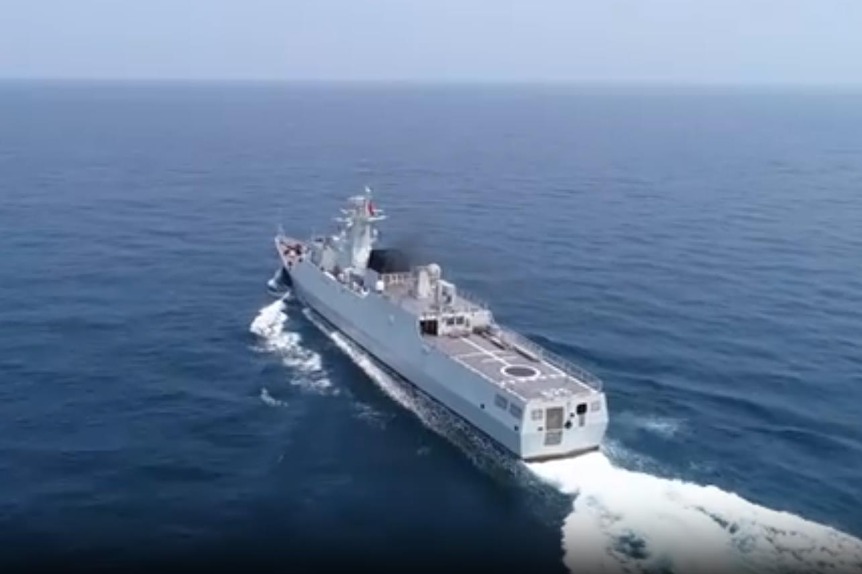
PLA operations counter infringements and provocations
The People’s Liberation Army (PLA) Southern Theater Command announced on Friday, October 31, 2025, that it has conducted extensive combat-readiness patrols in the territorial waters and airspace surrounding Huangyan Island and adjacent areas in the South China Sea. According to an official statement, these operations, which began in October, involved the deployment of naval and air forces to enhance surveillance and control over the region. The PLA emphasized that these measures were taken to effectively counter infringements and provocations, ensuring the protection of national sovereignty and security. The statement further highlighted that these actions contribute to maintaining peace and stability in the South China Sea. The intensified patrols underscore China’s commitment to safeguarding its territorial integrity amidst ongoing regional tensions.
-
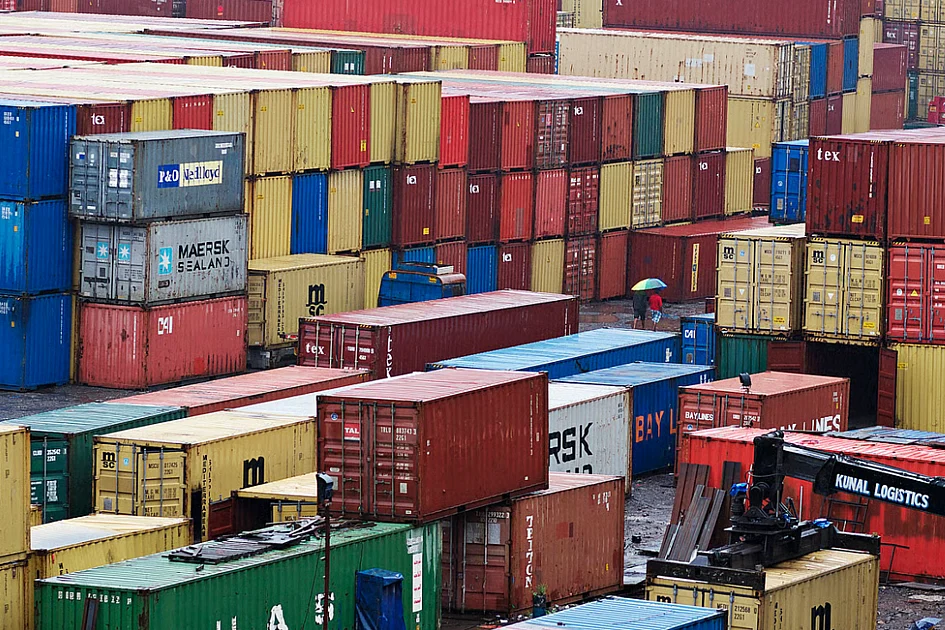
Dubai’s DP World to invest $5 billion in India’s logistics, port infrastructure
In a landmark announcement at India Maritime Week 2025 in Mumbai, Dubai-based global logistics giant DP World unveiled plans to invest $5 billion in India’s logistics and port infrastructure. This significant commitment builds on the company’s three-decade-long partnership with India, during which it has already invested $3 billion. The new funding aims to enhance supply chain efficiency, strengthen multimodal connectivity, and bolster both export and domestic trade capabilities. The announcement was made in the presence of Sarbananda Sonowal, India’s Minister of Ports, Shipping and Waterways, alongside the signing of five strategic Memorandums of Understanding (MoUs).
Sultan Ahmed bin Sulayem, Group Chairman and CEO of DP World, emphasized the company’s enduring commitment to India’s growth. ‘DP World has been a part of India’s growth story for nearly three decades,’ he stated. ‘This investment and our new partnerships reaffirm our dedication to advancing India’s maritime and logistics industry, solidifying its position as a global trade leader.’ Bin Sulayem highlighted the alignment of DP World’s initiatives with India’s national programs, including PM Gati Shakti, Sagarmala, and the Maritime Amrit Kaal Vision 2047, which aim to create a connected, self-reliant India.
The five MoUs cover diverse areas such as green coastal shipping, shipbuilding and repair, skill development, and advanced freight mobility. Key collaborations include Unifeeder’s partnership with Sagarmala Finance Corporation Limited to promote eco-friendly coastal shipping, Cochin Shipyard Limited’s agreement with Drydocks World to expand ship repair facilities, and a tripartite MoU to enhance skill development in shipbuilding. Additionally, DP World will collaborate with Cochin Port Authority to upgrade the International Container Transshipment Terminal (ICTT) in Kochi and work with Deendayal Port Authority and Nevomo to install a 750-meter MagRail Booster pilot track, a step toward automated, low-emission port operations.
With a network spanning over 200 locations in India and supporting more than 24,000 direct and indirect jobs, DP World’s latest investment is poised to significantly boost India’s maritime capabilities and create thousands of new employment opportunities.
-
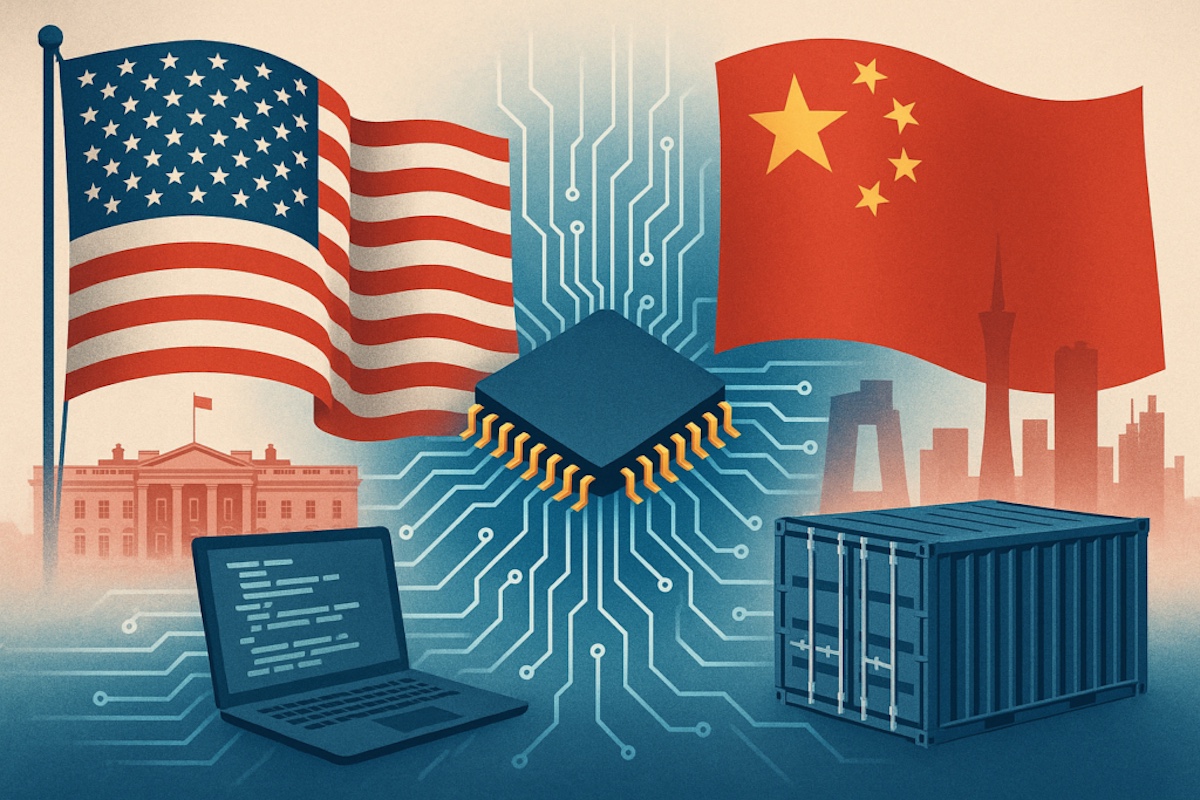
From concessions to conditions: Asia’s power is now programmable
In 1925, power in Asia was visibly exerted through gunboats on rivers, foreign police patrolling Chinese streets, and tram boycotts that could be photographed. Fast forward to 2025, and power has become programmable—manifested through licenses that renew automatically, standards embedded in software, and compliance tracked via dashboards. This transformation marks the most significant shift over the past century. The battleground, once drawn on maps, is now fought through systems—supply chains, export lists, and audit trails. The Trump-Xi Busan meeting exemplified this change. It wasn’t about physical barricades but about levers that could be adjusted: export controls, time-bound licenses, refinery disclosures, precursor chemicals, and chip supplies. The meeting wasn’t a morality play of capitulation or defiance but a calculated reciprocity—each side offering reversible cooperation in exchange for time and predictability. Key chokepoints illustrate this logic. China refines the majority of rare earths essential for magnets, motors, and missiles, allowing it to control throughput as a form of escrow. South Korea, now a manufacturing democracy, hosts negotiations and holds practical leverage, a stark contrast to its role in 1925. The Netherlands’ licensing grip on advanced lithography tools creates predictable pulses of capability. Regional customs and port enforcement on fentanyl precursors can be targeted quietly to elicit movement elsewhere without grand declarations. This new paradigm requires calendars, counters, and credible follow-through rather than slogans. License renewals, minerals throughput, targeted port seizures, and customs dwell times serve as behavioral meters. If these indicators move in the right direction, the truce holds. If they stall, officials can reverse the levers without disrupting supply chains. Two practical implications emerge: first, treat interdependence as a tool, not a trap, by structuring market access, licensing, and standards as reversible and measurable sequences. Second, publish a minimal dashboard to anchor expectations. A one-page, monthly scoreboard on license renewals, minerals throughput, targeted seizures, and median dwell times would be more effective than numerous press conferences. The continuity with 1925 lies in the fact that mobilization still shapes outcomes—but today, it’s the mobilization of firms, insurers, and investors. Local nodes, such as a packaging line in Icheon or a refinery in Shandong, can alter the cost of escalation, much like a strike in Guangzhou once forced London and Tokyo to recalculate. Busan’s significance lies not in its language but in its quiet recoding of power in Asia as a sequence of programmable conditions. China can escrow minerals instead of weaponizing them outright. The United States can license chips in short cycles instead of banning them indefinitely. South Korea can pace advanced packaging and materials flows to maintain honesty. Regional authorities can apply surgical enforcement to signal seriousness without inviting spectacle. A century ago, power was made legible through street and port shutdowns by students and stevedores. Today, engineers, auditors, and logistics managers wield power by moving—or pausing—ones and zeros, parts, and permits. The stakes remain unchanged: who sets the terms of Asia’s future. Busan’s quiet dials—not its adjectives—will determine whether Asia becomes a supplicant, a spectator, or, finally, a system architect.
-
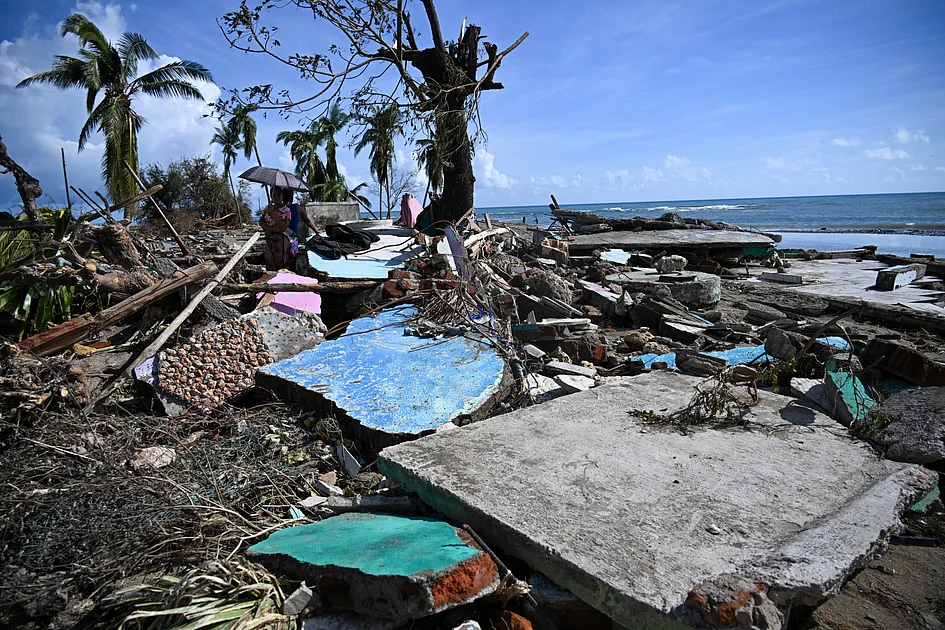
UAE swiftly responds to aid people affected by hurricane Melissa
In a swift and decisive move, the United Arab Emirates (UAE) has mobilized emergency relief efforts to assist communities devastated by Hurricane Melissa, which recently wreaked havoc across Jamaica, Haiti, and Cuba. Through the UAE Aid Agency and in collaboration with the Caribbean Disaster Emergency Management Agency (CDEMA), the UAE has dispatched critical supplies, including food, shelter materials, and infrastructure support, to aid recovery efforts. This initiative underscores the UAE’s commitment to global humanitarianism and its dedication to assisting vulnerable populations during times of crisis. Dr. Tareq Ahmed Al Ameri, Chairman of the UAE Aid Agency, emphasized the nation’s proactive approach to disaster response, highlighting its role in providing essential resources such as food, medicine, and shelter to those in need. The UAE’s efforts reflect its longstanding tradition of solidarity with nations facing natural disasters, wars, and conflicts, reinforcing its ethical and international responsibilities.
-
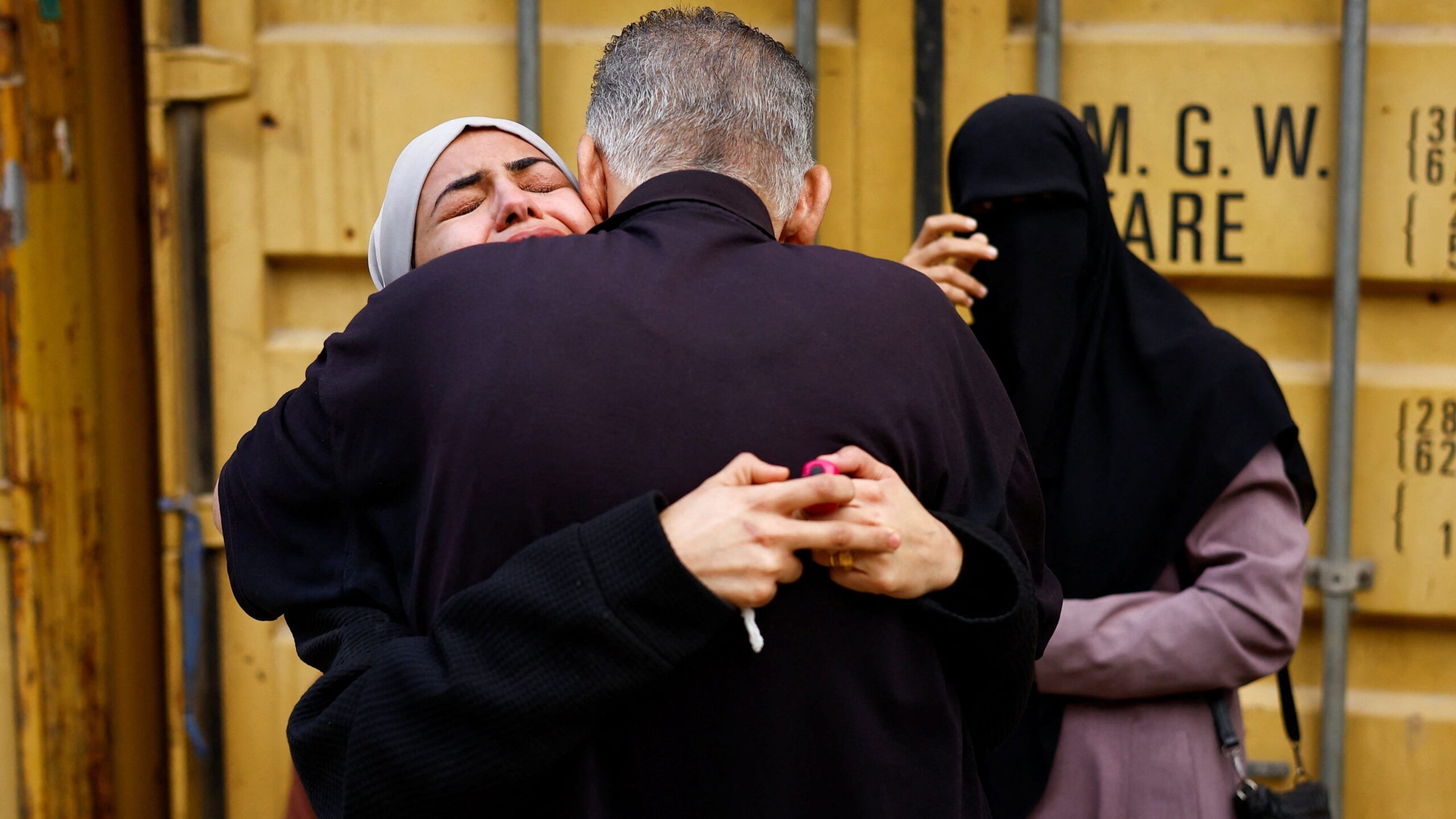
Israel once again violates Gaza ceasefire in fresh attacks and killings
The Gaza Strip witnessed renewed violence on Friday as Israeli military operations resulted in the deaths of at least five Palestinians, despite earlier announcements of a ceasefire resumption. Local media reported that Israeli forces carried out demolitions, artillery shelling, and aerial bombardments across the region, with the highest casualties recorded in Gaza City and Khan Younis. Among the victims was a young man killed in an air strike on his home in Abasan al-Kabira, east of Khan Younis, while another succumbed to injuries from a prior attack. Israeli troops also opened fire in the Shujaiya neighborhood, east of Gaza City, killing one and injuring another. A fourth fatality occurred near al-Jalaa Street, and a fifth Palestinian was killed in Jabalia, north Gaza, after Israeli forces targeted civilians. These assaults have exacerbated the humanitarian crisis affecting over two million people in the besieged enclave. Since October 11, Israel has committed at least 125 ceasefire violations, with the death toll surpassing 100 Palestinians and dozens more injured. Displaced families in Khan Younis expressed fears of a return to full-scale conflict, citing sleepless nights and dwindling supplies. Health officials have raised alarms over the severe shortage of necessities, with only a limited number of food aid trucks entering Gaza through the Kissufim crossing. Al Jazeera reported that Israel’s blockade continues to restrict humanitarian efforts, despite agreements to allow aid. Over 1,000 Palestinians in need of medical treatment have died due to Israel’s restrictions on essential supplies. Since October 2023, Israeli forces have killed nearly 70,000 Palestinians and wounded over 170,000. In a related development, the bodies of 30 Palestinians were handed over to the Palestinian Ministry of Health as part of a prisoner exchange deal with Hamas. The ministry confirmed that some bodies showed signs of severe torture, with missing organs and limbs. Hamas has released 20 Israeli captives in exchange for approximately 2,000 Palestinian prisoners and has returned 15 out of 28 deceased Israeli captives, with the remainder expected to be handed over once recovered.
-

Regulator strengthens IP protection in Greater Bay Area
In a significant move to enhance intellectual property (IP) protection, China’s National Intellectual Property Administration (CNIPA) has intensified its efforts in the Guangdong-Hong Kong-Macao Greater Bay Area (GBA). This initiative aims to foster high-quality regional development by optimizing public services and supporting innovation across key industries such as high-end equipment manufacturing, new energy, and next-generation information technology. Heng Fuguang, CNIPA’s spokesperson, announced these developments at a recent press conference, highlighting the establishment of six national-level IP protection centers, eight rapid IP protection stations, and six platforms to assist entities in resolving overseas IP disputes. A priority examination channel has also been implemented, expediting the review of 16,000 patents in the first half of 2025. Additionally, the GBA has seen the formation of an IP mediation center, with over 60 mediators from Hong Kong and Macao successfully resolving more than 1,700 disputes. To cultivate IP talent and support high-level international cooperation, CNIPA has partnered with Peking University to establish an international IP academy and collaborated with the Ministry of Justice to train lawyers specializing in foreign-related matters. Internship opportunities for Hong Kong patent examiners and technical training for Macao IP officials have also been provided. As of June 2025, the GBA boasts 817,000 valid invention patents and over 8.52 million registered trademarks, accounting for one-sixth of the national total. The Hong Kong-Guangzhou-Shenzhen innovation cluster, ranked first globally in the 2025 Global Innovation Index, underscores the region’s growing prominence in the global innovation landscape.
-

‘I’m not a terrorist’: Mumbai filmmaker held 17 kids hostage, killed in rescue operation
A tense hostage situation unfolded in Mumbai on Thursday, resulting in the death of a 50-year-old filmmaker, Rohit Arya, during a police rescue operation. Arya had held 19 people, including 17 children aged between 10 and 12, hostage in a studio in Powai. The incident began when Arya, who was conducting auditions for a short film, extended the sessions and refused to release the children, causing panic among parents. Mumbai Police responded to distress calls and launched a rescue operation, forcing entry through the studio’s bathroom. All hostages, including a senior citizen and another individual, were safely rescued. However, Arya was seriously injured during the confrontation and later pronounced dead at the hospital. Reports indicate that Arya fired an air gun at the police, prompting them to return fire, which struck his chest. In a video released prior to the incident, Arya admitted to taking the children hostage, claiming he wanted to speak with certain individuals and have his ‘questions answered.’ He denied being a terrorist or seeking financial gain, stating his demands were ‘moral and ethical.’ Authorities described Arya as mentally unstable. Investigations revealed that Arya had been involved in a government-funded urban sanitation project, Project Let’s Change, through his company, Apsara Media Entertainment Network. He allegedly demanded Rs 2 crore (approximately Dh828,895) for the project, but the government identified discrepancies in his claims and paperwork. Maharashtra Education Secretary Ranjit Singh Deol clarified that no such payment agreement existed. The incident has raised concerns about mental health and the vetting process for government-funded initiatives.
-
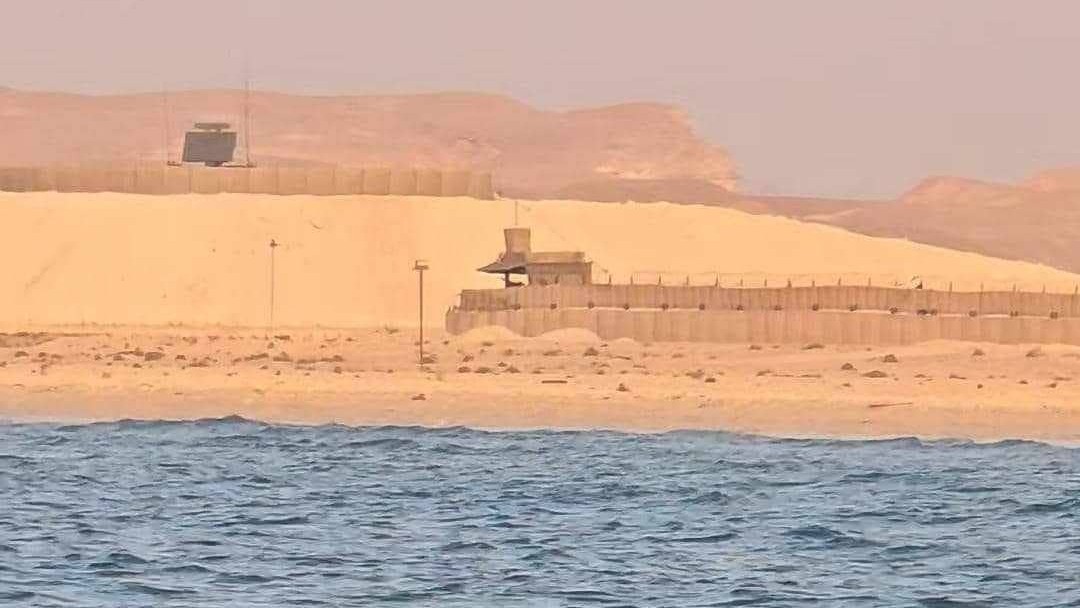
Exclusive: Inside the UAE’s secret Sudan war operation at Somalia’s Bosaso
At Bosaso Airport in Somalia’s Puntland state, the roar of heavy cargo planes has become a familiar sound. These aircraft, identified as IL-76 transport planes, are part of a clandestine operation that has raised eyebrows among local residents and international observers alike. According to multiple sources, including flight tracking data and satellite imagery, these planes originate from the United Arab Emirates (UAE) and are destined for Sudan’s Rapid Support Forces (RSF), a paramilitary group accused of committing atrocities in the ongoing conflict in Darfur. The logistics materials transported are immediately transferred to standby aircraft, ensuring swift delivery to the RSF. The operation is shrouded in secrecy, with heavy security measures in place during loading and offloading. Local authorities, including the Puntland Maritime Police Force (PMPF), have expressed concerns over the nature of these shipments, which are not for domestic use but rather serve as a covert transit point. The UAE has long funded the PMPF to combat piracy, but the recent influx of weapons and logistical support has strained relations between Mogadishu and Abu Dhabi. The presence of Colombian mercenaries at Bosaso Airport further complicates the situation, as they are reportedly involved in the conflict in Sudan. The UAE’s expanding influence in the region, driven by strategic interests and financial leverage, has drawn criticism from analysts who warn of the potential for broader geopolitical rivalries. Despite the concerns, Mogadishu has been unable to challenge the UAE’s activities in Puntland, highlighting the complex dynamics at play in the Horn of Africa.