
In Burlington, Vermont, Terry Precision Cycling, a company specializing in women’s cycling gear, finds itself at the heart of a legal battle with far-reaching implications. President Donald Trump’s sweeping tariffs, first announced in April, have placed immense financial strain on small businesses like Terry Precision Cycling. The company, which has navigated thin profit margins and pandemic-era challenges over its 40-year history, now faces existential threats due to the increased costs of imported materials.
标签: Asia
亚洲
-
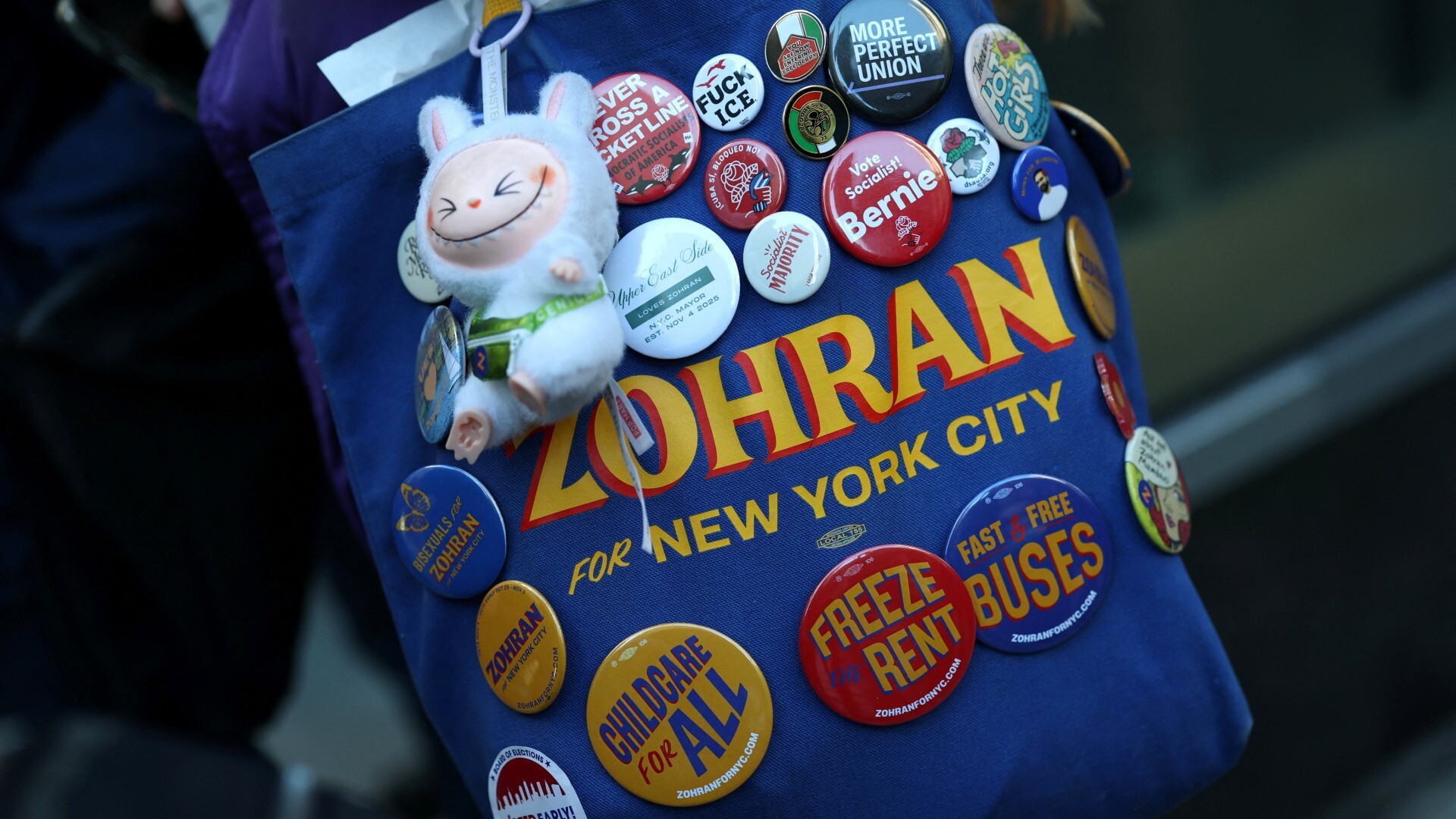
Why so many Jews are campaigning for Zohran Mamdani in New York City
New York City, home to the largest Jewish population outside of Israel, has become a focal point in the ongoing mayoral election. With nearly a million Jewish residents, the community’s diverse political and cultural perspectives are shaping the race. Zohran Mamdani, a candidate in the Democratic primary, has garnered significant support from younger Jewish voters, with 67% of Jews under 44 voting for him. Overall, Mamdani secured 43% of the Jewish vote, according to recent polls. A subgroup of his supporters, known as ‘Jews for Zohran,’ has emerged, comprising individuals and organizations like Jews for Racial and Economic Justice and Jewish Voice for Peace. These groups have mobilized to engage both Jewish communities and New Yorkers at large. Despite being labeled as antisemitic by some critics, Mamdani has attracted Jewish voters who believe in his vision for affordable housing, healthcare, and social equity. Jacob Bloomfield, a canvasser for Mamdani, emphasized the candidate’s commitment to addressing systemic inequalities, stating that ‘everyone in our society should have access to a basic standard of living.’ Actor and comedian Matt Ketai, another supporter, praised Mamdani’s energy and principles, while criticizing Islamophobic narratives perpetuated by opponents like Andrew Cuomo. Journalist Caleb Espiiritu-Bloomfield highlighted the generational divide within the Jewish community over Israel, noting that younger Jews are less tied to traditional views. While Mamdani’s stance on Israel remains a point of contention, many Jewish voters see him as a unifying figure who understands the challenges faced by minorities in a Christian-majority society. As the election approaches, Mamdani’s campaign continues to resonate with Jewish voters who prioritize social justice and inclusivity.
-

China’s Shenzhou XXI crewed spaceship docks with space station combination
In a significant achievement for China’s space program, the Shenzhou XXI crewed spaceship successfully docked with the country’s space station combination in the early hours of Saturday morning. The China Manned Space Agency confirmed the successful maneuver, which underscores China’s growing capabilities in space exploration. This mission is part of China’s broader strategy to establish a permanent presence in space and conduct advanced scientific research. The docking marks a critical step in the ongoing development of the space station, which is expected to play a pivotal role in future space missions. The Shenzhou XXI astronauts are set to embark on a series of tasks, including scientific experiments and maintenance activities, further solidifying China’s position as a major player in the global space race.
-
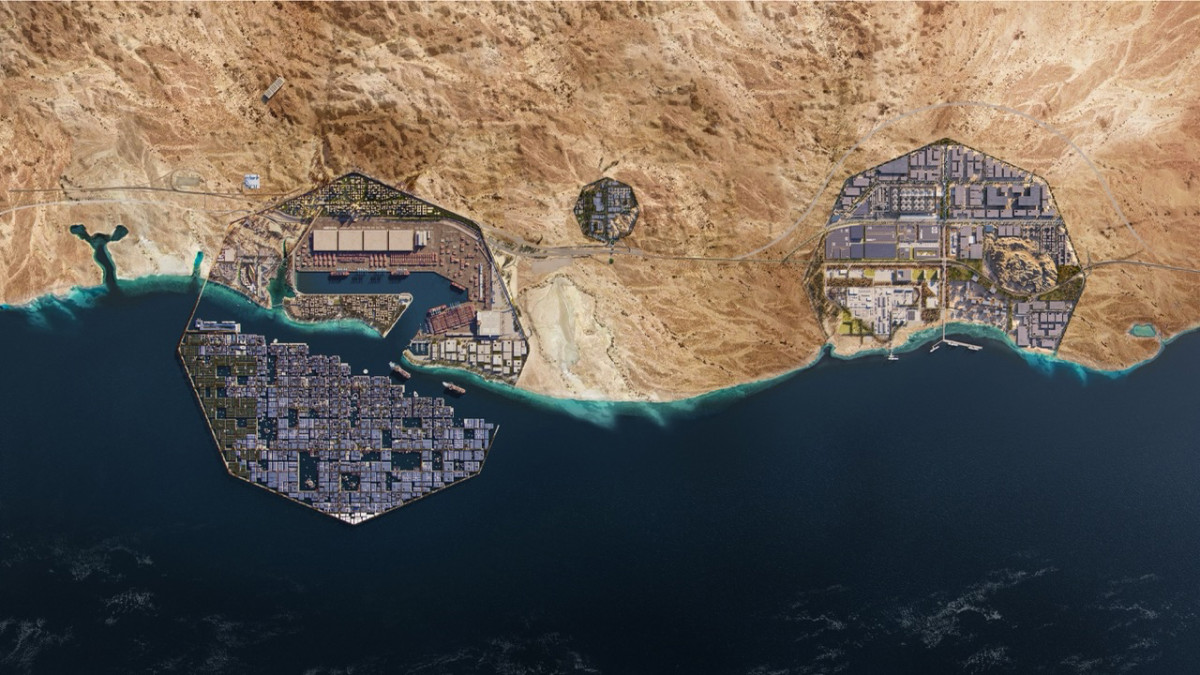
Saudi Arabia’s unbeatable AI pitch? Having oil and gas to burn
Saudi Arabia is positioning itself as a global hub for artificial intelligence (AI) by leveraging its abundant and inexpensive energy resources. Amid rising energy costs in the US, partly driven by data center demands, the Kingdom is enticing global investors with the promise of low-cost electricity to power AI infrastructure. Greg Priddy, an energy expert at the Center for the National Interest, emphasized that Saudi Arabia’s primary competitive edge in AI lies in its cheap electricity, largely derived from fossil fuels. While other metrics may favor alternative locations, the Kingdom’s ultra-affordable energy costs give it a unique advantage in the race to become an AI powerhouse. This ambition was prominently showcased at the Future Investment Initiative (FII) conference in Riyadh, where Saudi executives outlined plans to establish the country as the third-largest player in AI, alongside China and the US. Major projects, such as Datavolt’s $5 billion data center on the Red Sea coast and Humain’s expansive data center network, underscore the Kingdom’s commitment to AI development. However, experts caution that Saudi Arabia must significantly expand its electrical grid to meet the colossal energy demands of these facilities. The Kingdom’s reliance on fossil fuels, particularly natural gas and crude oil, provides a cost-effective solution for now, but investments in renewable energy and shale gas extraction are also underway. Saudi Aramco’s recent acquisition of a minority stake in Humain highlights the strategic link between energy and AI. With electricity prices 30-50% cheaper than the global average, Saudi Arabia offers a compelling proposition for data center operators. Crown Prince Mohammed bin Salman’s Vision 2030 initiative further supports this push, aiming to diversify the economy beyond oil exports. While challenges such as skilled labor shortages and geopolitical concerns over semiconductor exports persist, Saudi Arabia’s energy wealth and government-driven pricing policies position it as a formidable contender in the global AI landscape.
-
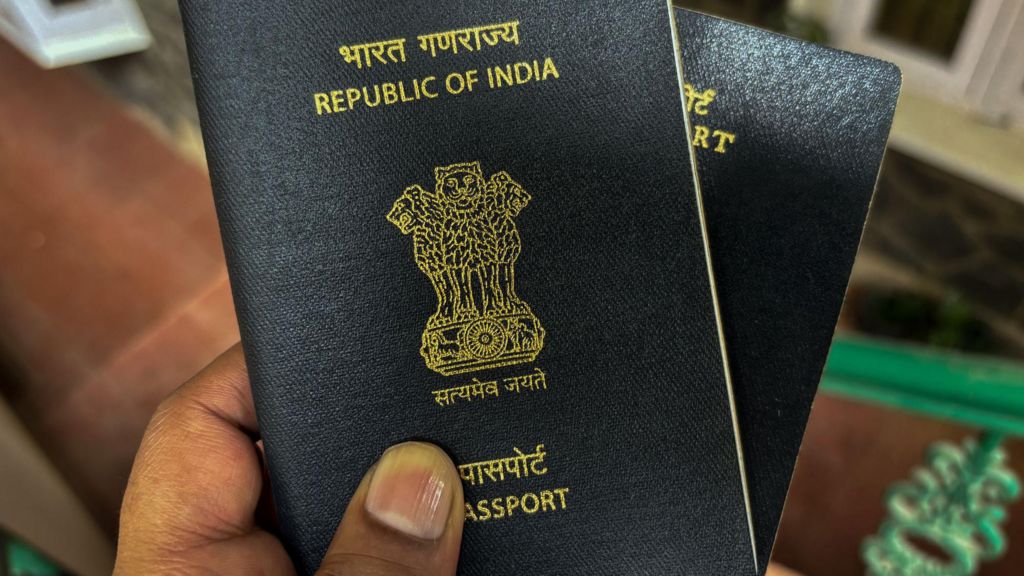
Why the Indian passport is falling in global ranking
India’s passport has been ranked 85th out of 199 countries in the 2025 Henley Passport Index, a global ranking system based on visa-free travel access. This marks a slight decline from its previous position, highlighting ongoing challenges for Indian citizens seeking international mobility. While the number of visa-free destinations for Indians has increased from 52 in 2015 to 57 in 2025, the country’s ranking has remained stagnant, reflecting a more competitive global landscape in travel partnerships and visa policies. For comparison, Singapore, South Korea, and Japan continue to dominate the index, offering their citizens visa-free access to 193, 190, and 189 countries, respectively. Meanwhile, India shares its 85th rank with Mauritania, an African nation with a significantly smaller economy. Experts attribute India’s stagnant ranking to factors such as political instability, immigration concerns, and cumbersome visa procedures. Achal Malhotra, a former Indian ambassador, notes that India’s historical political upheavals, including the Khalistan movement in the 1980s, have tarnished its global image. Additionally, issues like passport fraud and slow visa processing further hinder its progress. Despite these challenges, India has introduced technological advancements, such as the e-passport, which incorporates biometric data to enhance security. However, experts emphasize that diplomatic outreach and travel agreements remain crucial for improving India’s passport strength and global mobility.
-
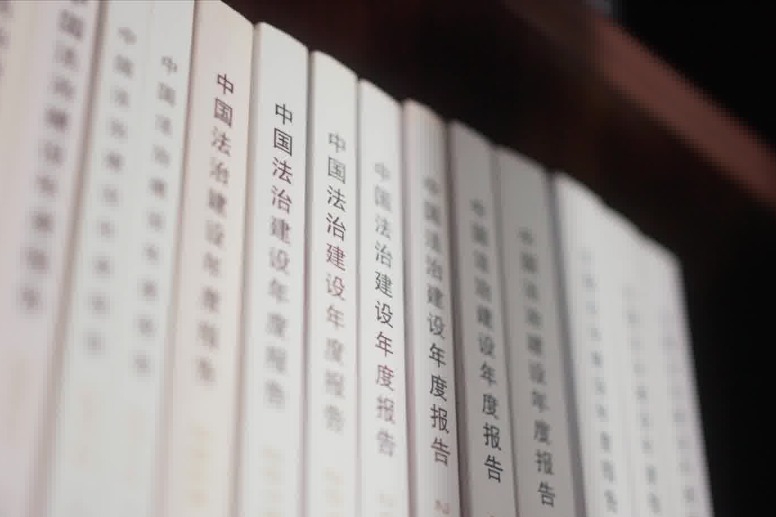
Annual report on rule of law in China released
China Daily Information Co (CDIC) holds exclusive rights to all content published on its website, including text, photos, and multimedia materials. Unauthorized reproduction or use of this content in any form is strictly prohibited without prior written consent from CDIC. The site recommends using browsers with a resolution of 1024*768 or higher for optimal viewing. Additionally, the platform provides essential information about China Daily, advertising opportunities, contact details, job offers, and expatriate employment resources. Users can also follow the organization through various channels to stay updated.
-
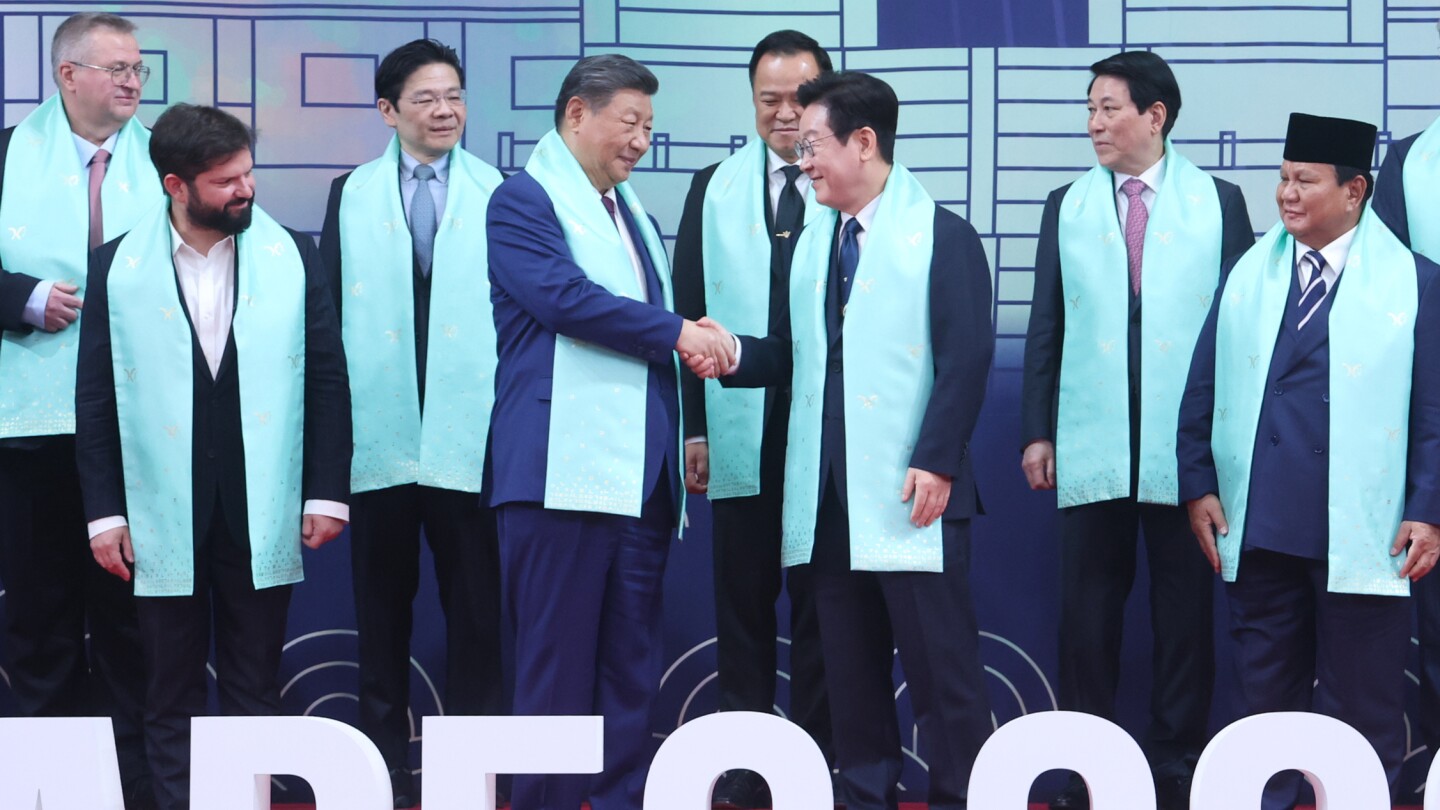
South Korea calls for greater Chinese efforts to bring North Korea back to talks
In a significant diplomatic engagement, South Korean President Lee Jae Myung and Chinese President Xi Jinping convened in Gyeongju, South Korea, to discuss pressing regional issues and bolster bilateral relations. The meeting, held on the sidelines of the Asia-Pacific Economic Cooperation (APEC) summit, focused on North Korea’s denuclearization and expanded economic cooperation between the two nations. President Lee urged Xi to play a more active role in persuading North Korea to return to negotiations, emphasizing the importance of peace on the Korean Peninsula for regional prosperity. Xi, in response, pledged continued efforts to promote stability and resolve issues concerning the Korean Peninsula. The discussions also highlighted China’s strategic position as North Korea’s traditional ally, though questions remain about Beijing’s influence over Pyongyang. Meanwhile, North Korea’s Vice Foreign Minister Pak Myong Ho criticized South Korea’s denuclearization efforts as unrealistic. Beyond North Korea, the two leaders signed agreements to combat online scams, expand a bilateral free trade deal, and renew a currency swap agreement. The APEC summit concluded with a joint statement reaffirming the importance of trade and investment for regional growth, despite ongoing U.S.-China trade tensions. The leaders also addressed emerging challenges such as artificial intelligence, demographic shifts, and urbanization, underscoring the need for multilateral cooperation in a rapidly changing global landscape.
-

Israel and UAE influencers target Sudan army online as RSF massacres el-Fasher
In a coordinated social media campaign, Emirati influencers and an official Israeli state X account have targeted the Sudanese Armed Forces (SAF) while the Rapid Support Forces (RSF), their paramilitary rival, have been accused of massacring hundreds of civilians in Sudan’s el-Fasher. The RSF seized control of el-Fasher, the last city in Darfur to fall under their control, after a 500-day siege. Satellite imagery and RSF fighters’ own documentation corroborate the mass killings and abuses committed during the takeover. As criticism mounted against the United Arab Emirates (UAE) for its well-documented support of the RSF, Emirati influencers and Israeli accounts, including the official Arabic language account of Israel, have shifted focus to the SAF, linking them to the Muslim Brotherhood and Hamas. Amjad Taha, a prominent Emirati analyst, led the charge by comparing the SAF to Hamas, posting images of an Israeli family and a Sudanese family, claiming both were victims of ‘Muslim Brotherhood-led forces.’ However, Middle East Eye found that the Sudanese family image dates back to at least September, with no evidence linking their deaths to the SAF. Israeli and Emirati accounts have also made unverified claims about the SAF targeting Christian minorities, despite the war not being fought along religious lines. The conflict, which erupted in April 2023, has killed tens of thousands and displaced over 13 million people. The UAE and Israel have strengthened ties since normalizing relations in 2020, with recent reports indicating UAE’s increased supply of weapons to the RSF, aided by Israel.
-
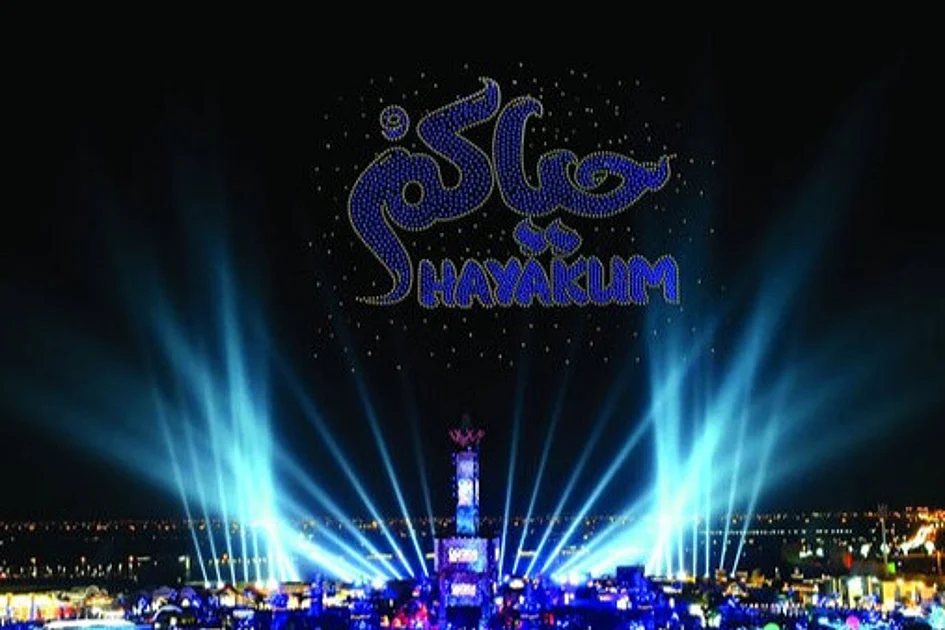
UAE: Sheikh Zayed Festival opening date, timings announced
The Sheikh Zayed Festival, one of the UAE’s most celebrated cultural and heritage events, is set to return to Al Wathba, Abu Dhabi, from November 1, 2025, to March 22, 2026. Under the theme “Hayyakum” (Welcome), this year’s edition promises to be a spectacular showcase of Emirati traditions and global cultures. The festival will host over 4,000 cultural events and 750 large-scale public shows, featuring more than 20,000 participants from the UAE and abroad. Visitors can enjoy daily access from 4pm to 12 midnight, with extended hours until 1am on weekends and public holidays. A highlight of the festival will be the 54th UAE Union Day celebrations, complete with traditional performances, raffles, fireworks, laser and drone displays, and musical concerts. The Heritage Village will remain a key attraction, offering insights into traditional Emirati life through heritage pavilions, markets, and live folk performances. New additions for 2025 include the Rare Animals Reserve, promoting environmental awareness, and the Family Entertainment City, designed for all age groups. The festival will also feature traditional and sporting competitions, such as Dhow Sailing Races, Falconry Competitions, and the Zayed Grand Camel Race. Culinary enthusiasts can explore a variety of dining zones offering global cuisines, including the popular Emirati Traditional Food Corner. The event will also highlight sustainability initiatives, with the Sheikh Mansour bin Zayed Agricultural Excellence Award Pavilion showcasing innovative farming practices. International pavilions and global markets will further enrich the festival, emphasizing the UAE’s role as a cultural exchange hub. The festival will conclude with a grand New Year’s Eve celebration, featuring fireworks, laser shows, and a drone display involving over 6,000 drones.
-
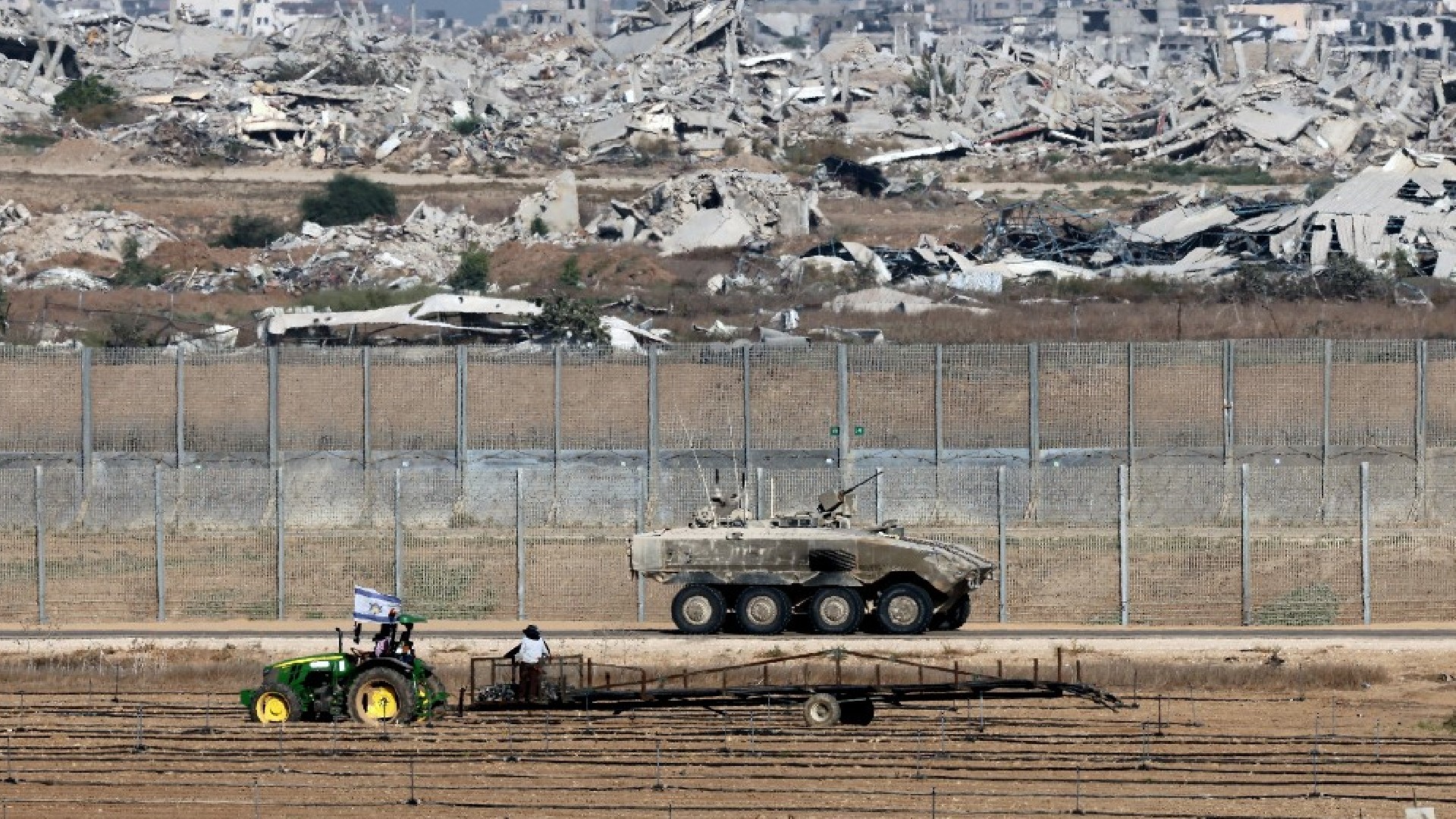
‘Almost wiped out’: Israeli restrictions stifle recovery of Gaza’s farmlands
Naim Abu Amra, a Palestinian farmer from Deir al-Balah in central Gaza, once cultivated a thriving 11-dunam (one hectare) plot of land. His greenhouses, powered by solar panels and a small diesel pump, yielded tomatoes, cucumbers, peppers, and courgettes, sustaining his family of eight and providing seasonal employment. However, the onset of Israel’s military campaign in October 2023 turned his life upside down. The area was declared a ‘no-go zone,’ and his greenhouses were obliterated, irrigation systems destroyed, and wells filled with debris. ‘Military bulldozers leveled the land to bare soil; even the plastic and metal structures melted under the bombing,’ Abu Amra recounted to Middle East Eye. His once-fertile fields are now littered with rubble and unexploded ordnance, rendering them unusable. Despite the devastation, Abu Amra and his sons have begun clearing debris by hand, planting small patches of okra and molokhia using collected rainwater. ‘The war didn’t just take our crops. It took our future,’ he lamented. The destruction of Gaza’s agricultural sector is staggering. A joint assessment by the Food and Agriculture Organization (FAO) and the United Nations Satellite Centre (UNOSAT) revealed that over 95% of Gaza’s agricultural land is now inaccessible, with 80% of cropland damaged and 77.8% of it unusable. The sector, which once contributed 11% to Gaza’s GDP and supported 560,000 livelihoods, now accounts for less than 2%. Bahaa Zaqout of the Palestinian Agricultural Development Association (PARC) described the destruction as ‘deliberate and carefully planned.’ Israel’s blockade has long restricted agricultural inputs, but since October 2023, the policy has intensified, aiming to eradicate the sector entirely. The World Bank estimates that restoring Gaza’s agriculture will cost $8.4 billion, with one of the biggest challenges being the clearance of 61 million tonnes of debris, 15% of which contains toxic substances like asbestos. Israel has barred the entry of heavy equipment needed for cleanup, further complicating recovery efforts. Mariam Al-Jaajaa of the Arab Group for the Protection of Nature (APN) highlighted the weaponization of seeds, which Israel deems ‘dual use’ and blocks from entering Gaza. Despite these obstacles, APN has supported over 700 farmers in cultivating 13,000 dunams of land, producing seven million kilograms of vegetables. However, the cost of cultivation has skyrocketed from $5,000 to $25,000 due to the siege. Jaajaa criticized international NGOs for focusing on food aid rather than supporting agricultural recovery, emphasizing the political implications of Palestinians regaining control over their land. ‘You can’t have a sustainable resolution without having justice,’ she asserted. The road to recovery is long and fraught with challenges, but for farmers like Abu Amra, restoring their land is not just about livelihoods—it’s about reclaiming their future.