标签: Asia

亚洲

  • Timeless wisdom: Chinese classic novel delights South Koreans

    Timeless wisdom: Chinese classic novel delights South Koreans

    The enduring allure of the Chinese classic novel, *Romance of the Three Kingdoms* (RTK), continues to captivate South Korean audiences, transcending centuries and cultural boundaries. Written by Luo Guanzhong in the 14th century, the novel delves into the power struggles of the late Han Dynasty and the Three Kingdoms period, weaving together themes of loyalty, strategy, and political intrigue. Its timeless relevance has made it a cultural cornerstone in South Korea, where the saying goes, ‘Don’t associate with someone who hasn’t read RTK three times.’

    Professor Her Woo-bum, a South Korean scholar, has dedicated decades to studying and popularizing RTK. His work, *The Three Kingdoms Made Easy*, published in 2021, condenses the original 10-volume novel into two accessible volumes, enriched with commentary from Qing Dynasty critic Mao Zonggang and comparative analyses of South Korean translations. Her attributes RTK’s enduring popularity in South Korea to its alignment with traditional values like ‘righteousness’ and ‘loyalty,’ its compelling characters, and its adaptability to modern media such as games, films, and webtoons.

    RTK’s influence extends beyond literature, permeating South Korean culture through over 2,000 related publications spanning history, economics, psychology, and leadership. The novel has also inspired a thriving market of derivative content, including webcomics, animations, and video games. Notably, the *Romance of the Three Kingdoms* game series by Japanese company Koei and mobile games like *The Blade of the Three Kingdoms* have garnered millions of downloads in South Korea.

    Her’s journey with RTK began in childhood, evolving from comic books to in-depth academic exploration. Over two decades of research and field investigations have deepened his understanding of the novel, shifting his focus from heroic figures like Guan Yu and Zhuge Liang to the broader themes of ‘era’ and ‘human nature.’ His recent publication, *An Abridged Translation of the Records of the Three Kingdoms*, aims to guide middle-aged readers in navigating life’s challenges through the wisdom of RTK.

    RTK’s introduction to South Korea dates back to the late Goryeo period, with its popularity peaking during the Joseon Dynasty. Today, it remains a cultural symbol, inspiring new translations and interpretations. As Her aptly puts it, ‘RTK is not just a historical novel; it is a literary work that embodies human nature, wisdom, and strategy.’
  • Pakistan partially reopens Torkham border crossing to allow Afghan refugees to leave

    Pakistan partially reopens Torkham border crossing to allow Afghan refugees to leave

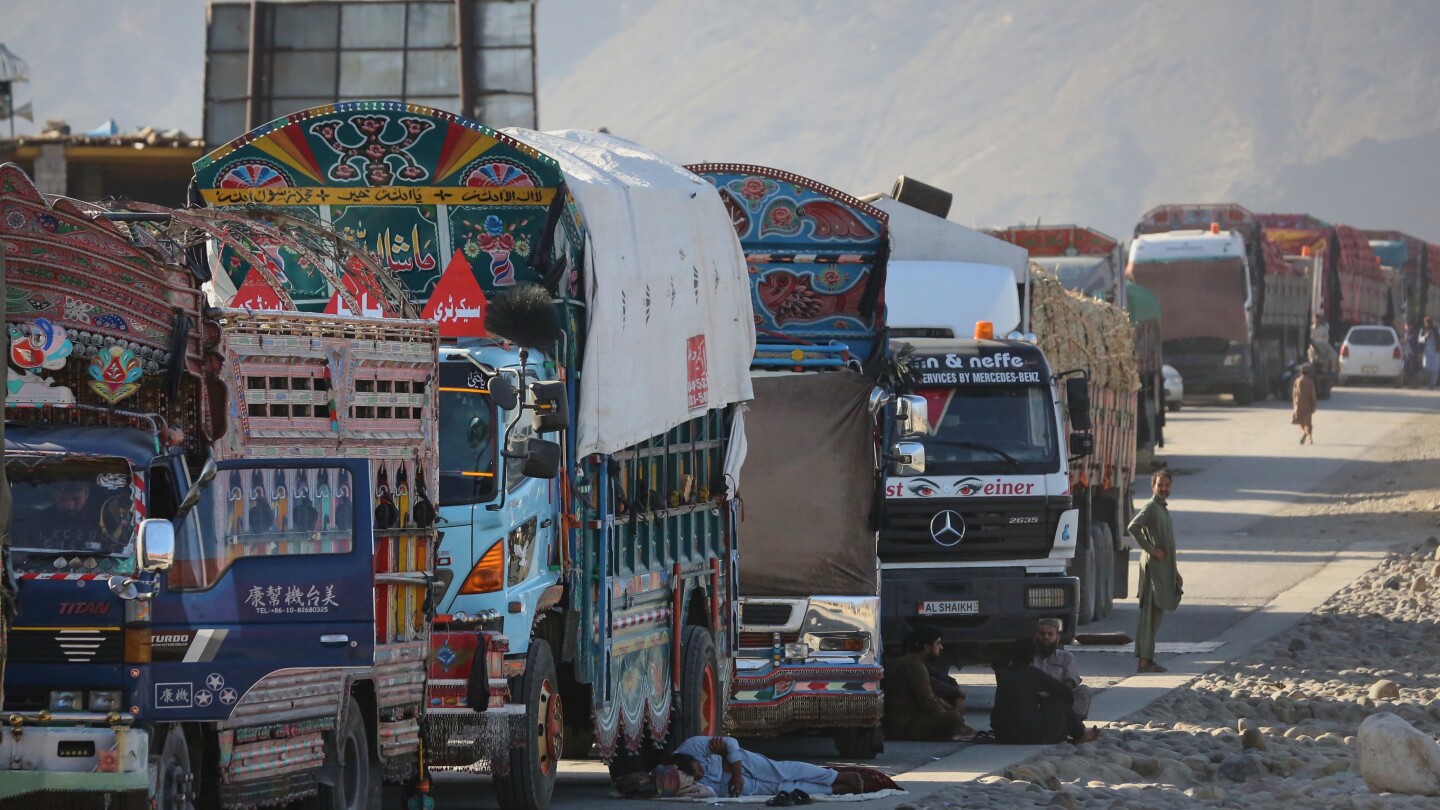
    Pakistan has partially reopened the Torkham border crossing with Afghanistan, allowing thousands of stranded Afghan refugees to return home, officials confirmed on Saturday. However, restrictions on all other cross-border movements, including trade, remain in place. The border was closed on October 12 following deadly clashes between the two nations, which claimed dozens of lives on both sides. The nearly three-week closure left thousands of refugees and hundreds of trucks carrying goods stranded, disrupting vital trade routes. The reopening follows a ceasefire agreement reached after negotiations facilitated by Turkey and Qatar, aimed at preventing further escalation in the region. Since the ceasefire along the 2,611-kilometer Durand Line—a border Afghanistan has never formally recognized—no new exchange of fire has been reported. Thousands of refugees had been relocated to a temporary camp near the border, with many more waiting along the roadside. Despite the partial reopening, trade remains suspended. Local Afghan officials confirmed the gate was opened exclusively for refugees, with thousands expected to cross back into Afghanistan. The reopening comes amid heightened tensions, including Pakistan’s recent airstrikes on Pakistani Taliban hideouts in Afghanistan, which Afghan officials claim killed civilians. The ceasefire agreement, finalized in Istanbul on Thursday, follows a sharp rise in militant attacks in Pakistan, many claimed by the Pakistani Taliban, a group emboldened by the Afghan Taliban’s 2021 takeover of Kabul.

  • Supreme beauty that creates connections, bridges culture

    Supreme beauty that creates connections, bridges culture

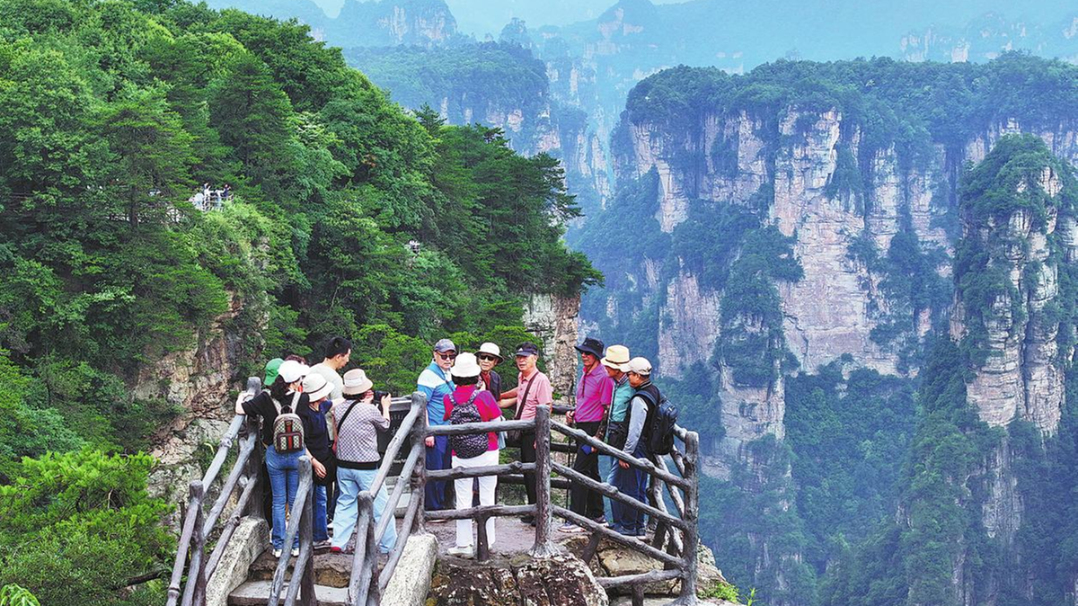
    Zhangjiajie, a UNESCO World Heritage Site in Hunan Province, China, has become a symbol of cultural connection between China and South Korea. Known for its stunning sandstone pillars and peaks, the Wulingyuan Scenic Area has captivated South Korean tourists, with over 340,000 visitors from South Korea in 2024 alone—a 21% increase from the previous year. The city’s unique appeal was further amplified by a popular South Korean drama, ‘When Life Gives You Tangerines,’ which featured a heartfelt promise to visit Zhangjiajie, sparking widespread interest on social media. To cater to this growing demographic, Zhangjiajie has introduced tailored services, including Korean restaurants and language training for local staff. The city’s efforts to attract young travelers include collaborations with influencers and enhanced online marketing. Beyond tourism, Zhangjiajie and Hadong County in South Korea have maintained a sister-city relationship since 2006, fostering cultural exchanges and mutual understanding. A recent exchange program saw a South Korean civil servant, Choi Sin-young, spend six months in Zhangjiajie, deepening her appreciation for Chinese culture and strengthening bilateral ties. The city’s commitment to fostering international friendships was highlighted by Chinese Foreign Minister Wang Yi, who praised a local bus driver’s heroic act in saving South Korean tourists as a testament to the enduring bond between the two nations.

  • Genuine human connections foster friendship between China, South Korea

    Genuine human connections foster friendship between China, South Korea

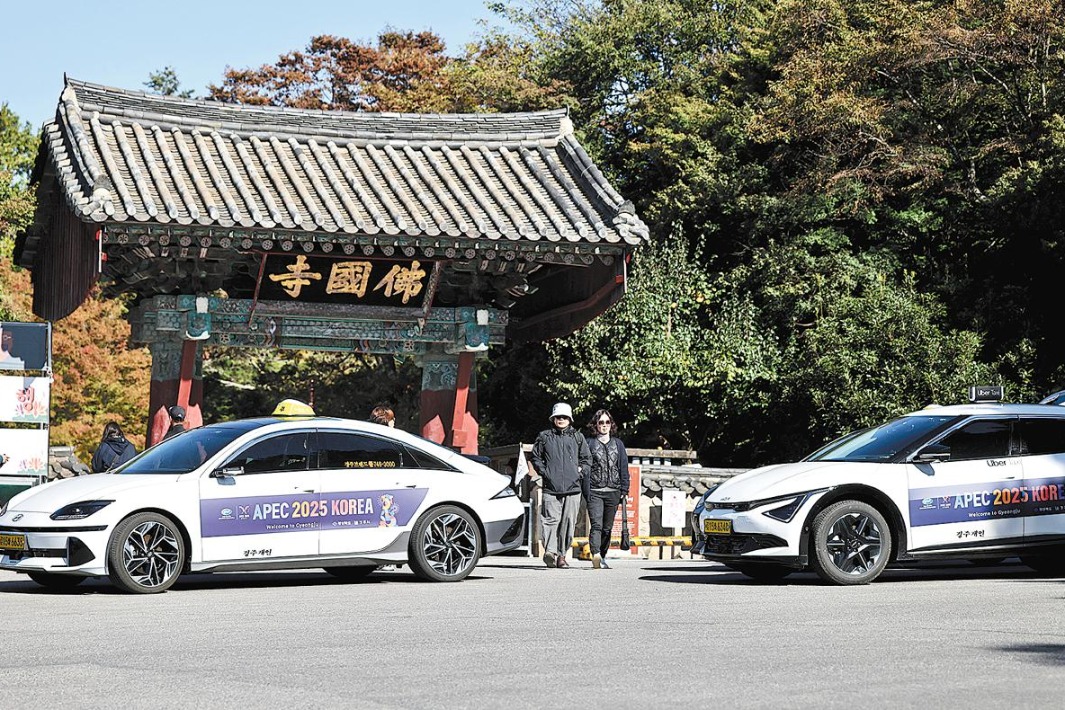
    Amid the bustling backdrop of the Asia-Pacific Economic Cooperation (APEC) meetings in Gyeongju, South Korea, the enduring friendship between China and South Korea is being nurtured through genuine human connections. Beyond the often divisive online narratives, the warmth of personal interactions tells a more profound story of bilateral ties. This sentiment was palpable during the APEC Economic Leaders’ Meeting, hosted by South Korea for the first time in 20 years, where discussions ranged from economic cooperation to cultural exchanges. Chinese President Xi Jinping’s state visit, his first in 11 years, further underscored the significance of this relationship. Local residents, like Park Jun-young and Kim Chang-soo, expressed hope that increased media coverage during APEC would help dispel misconceptions about China and foster regional peace. The cultural ties between the two nations were evident in everyday life, from Mandarin-speaking staff at Incheon Airport to the popularity of Chinese cuisine and TV dramas in Seoul. Economic collaboration also took center stage, with South Korean business leaders closely monitoring China’s advancements in AI and green technology. As South Korea prepares to pass the APEC chairmanship to China in 2026, the event symbolizes not just a diplomatic handover but a deepening of mutual understanding and shared aspirations for a united Asia-Pacific community.

  • Shenzhou XXI crew begins space mission

    Shenzhou XXI crew begins space mission

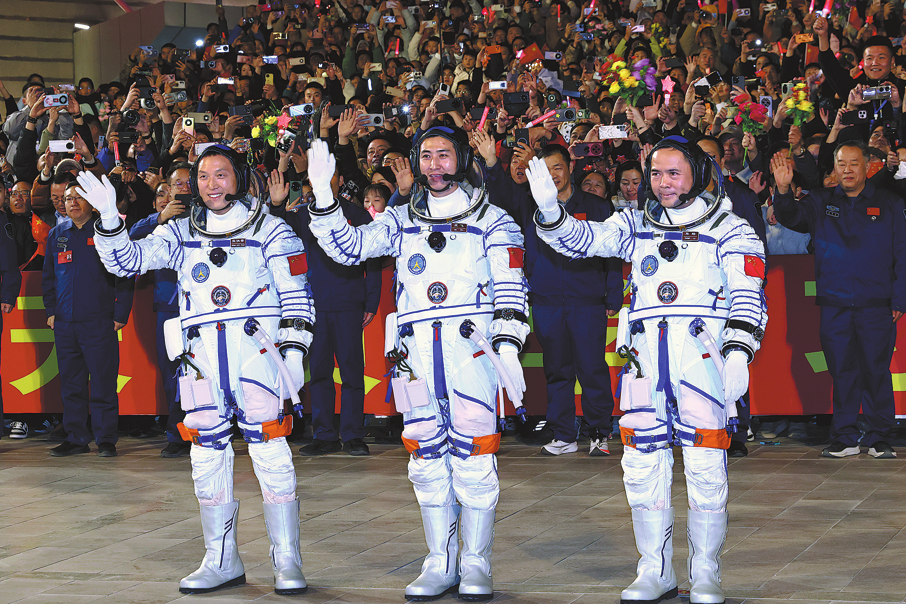
    The Shenzhou XXI mission has officially commenced, marking a significant milestone in China’s space exploration endeavors. The three-member crew, consisting of Senior Colonel Zhang Lu, Major Wu Fei, and payload specialist Zhang Hongzhang, launched from the Jiuquan Satellite Launch Center in the Gobi Desert at 11:44 PM on Friday. Their journey began aboard a Long March 2F rocket, which propelled them into orbit, setting the stage for a six-month stay at the Tiangong space station. The spacecraft successfully docked with the Tianhe core module early Saturday morning, following a rapid autonomous rendezvous process. Upon arrival, the crew will transition from their pressure suits to intravehicular workwear, preparing to join the outgoing Shenzhou XX team for a brief overlap period. During their mission, the Shenzhou XXI astronauts will undertake 27 scientific projects, spanning fields such as space life sciences, biotechnology, space medicine, and microgravity physics. Additionally, they will conduct spacewalks to install equipment and retrieve external devices, further enhancing the station’s capabilities. This mission represents China’s 16th manned spaceflight and underscores the nation’s growing expertise in independent space station operations.

  • Hye-Jin Choi maintains her tournament-long lead at LPGA Malaysia heading into the 4th round

    Hye-Jin Choi maintains her tournament-long lead at LPGA Malaysia heading into the 4th round

    KUALA LUMPUR, Malaysia — South Korean golfer Hye-Jin Choi continues to dominate the Maybank Championship, maintaining a commanding four-stroke lead after an impressive 5-under 67 in the third round on Saturday. The 26-year-old, who has yet to secure her first LPGA Tour victory, now holds a 54-hole total of 19-under 197 at the Kuala Lumpur Golf and Country Club. Choi, a seasoned player with 28 career top-10 finishes, including a runner-up spot at the 2017 U.S. Women’s Open as an amateur, started the day with a five-stroke advantage and solidified her position as the frontrunner. China’s Liu Yan trails in second place after a stellar 65, while Australia’s Hannah Green, fresh off her team’s victory at the International Crown, sits in third after a 67. A Lim Kim made significant strides with a 64, tying for fourth place, six strokes behind Choi. Kim’s round featured a remarkable 25-foot eagle putt on the 18th hole and six birdies. World No. 1 Jeeno Thitikul, a two-time runner-up in Malaysia, also tied for fourth after a 65, crediting her strong finish and the enthusiastic support of her fans. Defending champion Yin Ruoning shot a 69, placing her in seventh place, seven strokes behind Choi. The LPGA’s five-week Asian swing concludes next week with the Japan Classic at Shiga.

  • ‘King of K-pop’ Lee Soo Man on his career, a global industry and what’s next

    ‘King of K-pop’ Lee Soo Man on his career, a global industry and what’s next

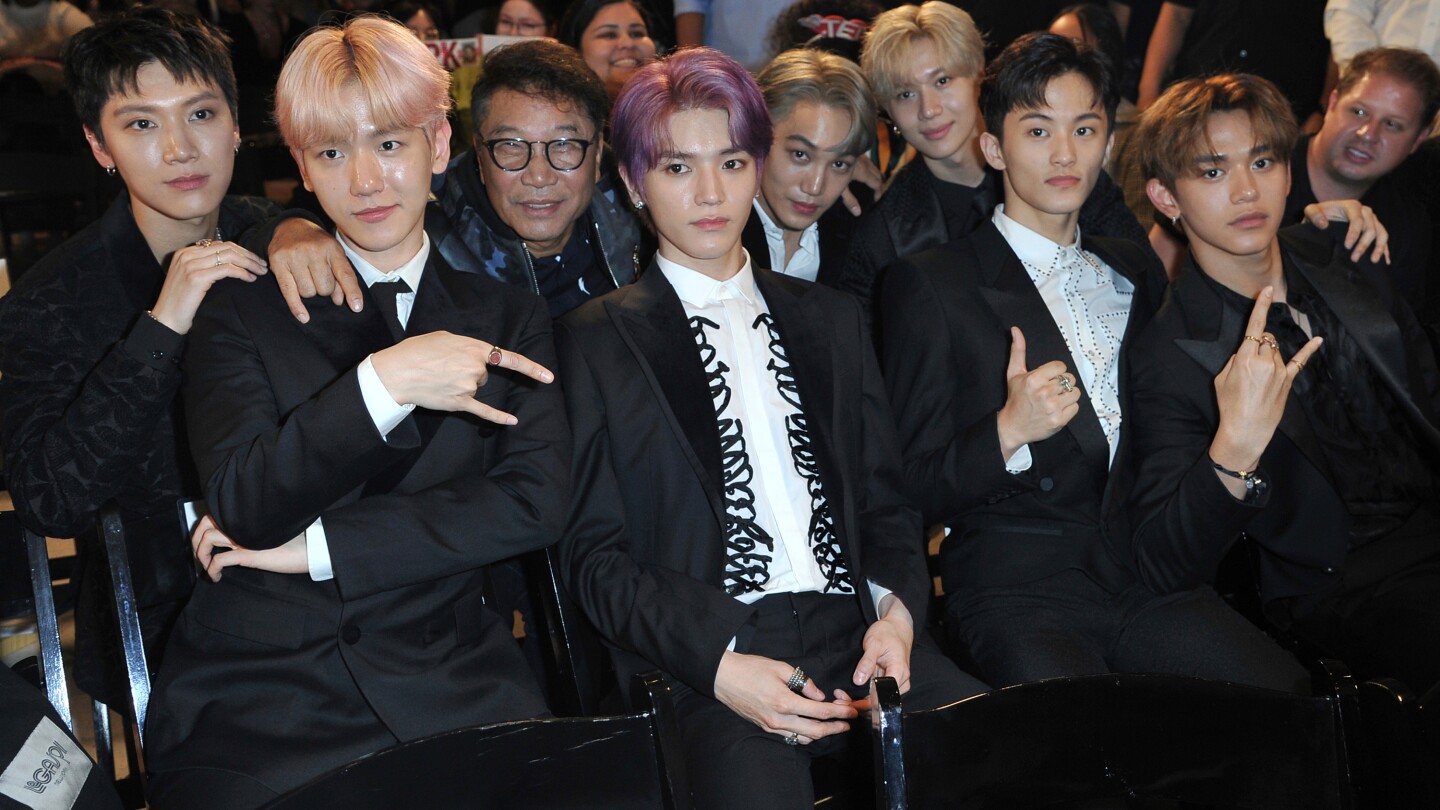
    SEOUL, South Korea — Lee Soo Man, the 73-year-old founder of SM Entertainment, initially hesitated to embrace the title ‘King of K-pop.’ During a recent interview with The Associated Press, he revealed that he preferred the more modest ‘Father of K-pop.’ However, the producers of an Amazon Prime documentary about his career insisted on the bolder title, believing it would resonate more with American audiences. Lee eventually relented, showcasing his pragmatic approach to breaking South Korean acts into the U.S. mainstream—a three-decade journey marked by resilience and innovation. On Saturday, Lee will be inducted into the Asian Hall of Fame alongside luminaries like Yao Ming, Michelle Kwan, and Yoshiki, cementing his legacy as the architect of K-pop’s global expansion. Lee’s career has been both celebrated and contentious. As the pioneer of K-pop’s intensive training system, he recruited performers as young as elementary school age, subjecting them to years of rigorous preparation. This approach has sparked debates about industry practices, with some artists challenging their contracts as unfair. Lee’s recent reemergence follows a high-profile departure from SM Entertainment, the agency he founded in 1995, which involved a public feud with his nephew-in-law and a bidding war over his shares. Since then, he has launched a new band, A2O MAY, and invested in cutting-edge production technologies in China. Born in South Korea, Lee’s technical background in computer engineering has profoundly influenced his approach to K-pop, from pioneering elaborate ‘worldviews’ for groups like EXO and aespa to integrating virtual avatars and cinematic storytelling. His vision has transformed K-pop into a global phenomenon, blending music, visuals, and narrative into a cohesive art form. Despite K-pop’s global success, Lee remains focused on Asia’s potential, envisioning South Korea as a creative hub for international talent. His latest venture with A2O MAY aims to navigate China’s restrictive entertainment landscape while elevating South Korea’s cultural influence. Lee’s journey has not been without challenges. He recalls the $5 million investment in BoA’s 2009 American debut, which failed to gain traction due to the market’s unpreparedness for Asian artists. This setback taught him the importance of maintaining creative control while sourcing global talent. Lee’s relentless pursuit of the perfect tracks took him worldwide, culminating in the creation of iconic songs like ‘Dreams Come True’ for S.E.S. Lee also addressed the darker aspects of K-pop, including the suicides of SM Entertainment artists, attributing the issue to malicious online comments. He advocates for international cooperation to establish user verification standards and mediation systems to protect victims. Despite these challenges, Lee remains optimistic about K-pop’s future, viewing it as a new language of communication that transcends cultural barriers. ‘What you can’t stop is culture,’ he said, encapsulating his enduring belief in the power of music to unite and inspire.

  • China to loosen chip export ban to Europe after Netherlands row

    China to loosen chip export ban to Europe after Netherlands row

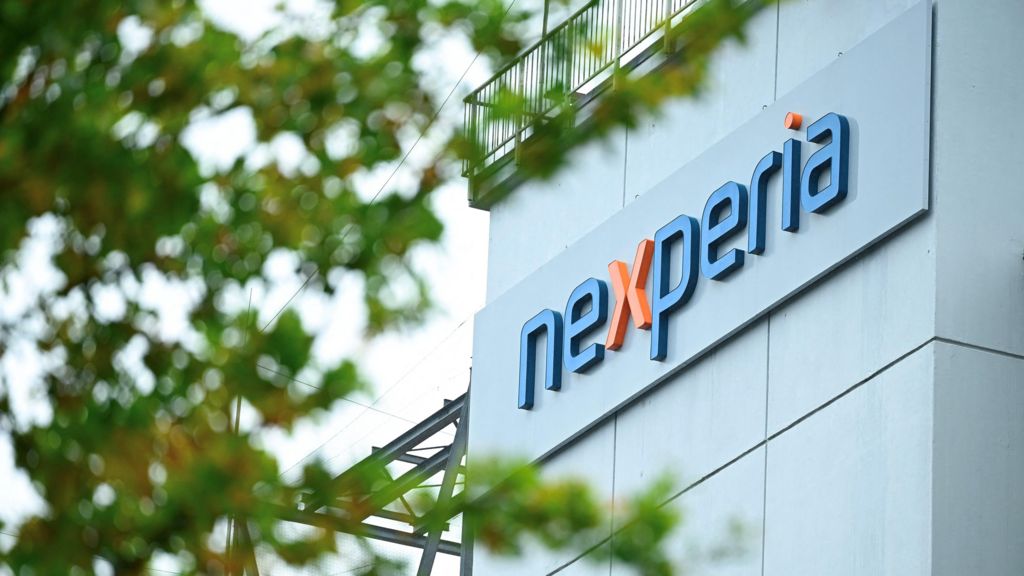
    In a significant policy shift, China has announced plans to relax its ban on chip exports, a measure initially imposed in response to the Netherlands’ takeover of Nexperia, a Chinese-owned semiconductor manufacturer based in the Netherlands. The Dutch government invoked a Cold War-era law in September to seize control of the company, citing ‘serious governance shortcomings’ and concerns over chip availability during emergencies. This move prompted China to halt the re-export of completed Nexperia chips to Europe, sparking alarm among automotive manufacturers, who rely heavily on these components. Approximately 70% of chips produced in the Netherlands are sent to China for final processing before being re-exported globally. In a statement released on Saturday, China indicated it would ‘comprehensively consider the actual situation of enterprises and grant exemptions to exports that meet the criteria,’ though specific details remain unclear. Beijing also criticized the Dutch government for ‘improper interference in the internal affairs of enterprises,’ attributing the disruption of global supply chains to these actions. Nexperia, now under Dutch control, has informed customers it will cease sending chips to China for processing, according to a recent letter obtained by Reuters. The European Automobile Manufacturers’ Association (ACEA) had previously warned that Nexperia chip supplies would dwindle within weeks unless the Chinese ban was lifted, potentially halting vehicle production. The decision to ease export controls follows a meeting between US President Donald Trump and Chinese President Xi Jinping in South Korea, where semiconductor trade was reportedly discussed. The White House is expected to release a fact sheet detailing a new trade agreement with China, including the resumption of Nexperia exports. This development comes amid broader geopolitical tensions, including the US government’s 2024 decision to place Chinese chipmaker Wingtech on its ‘entity list’ over national security concerns. In the UK, Nexperia was compelled to sell its Newport silicon chip plant due to similar security apprehensions, though it retains a facility in Stockport.

  • Trump-Xi talks didn’t change Beijing’s priority: flagging economy

    Trump-Xi talks didn’t change Beijing’s priority: flagging economy

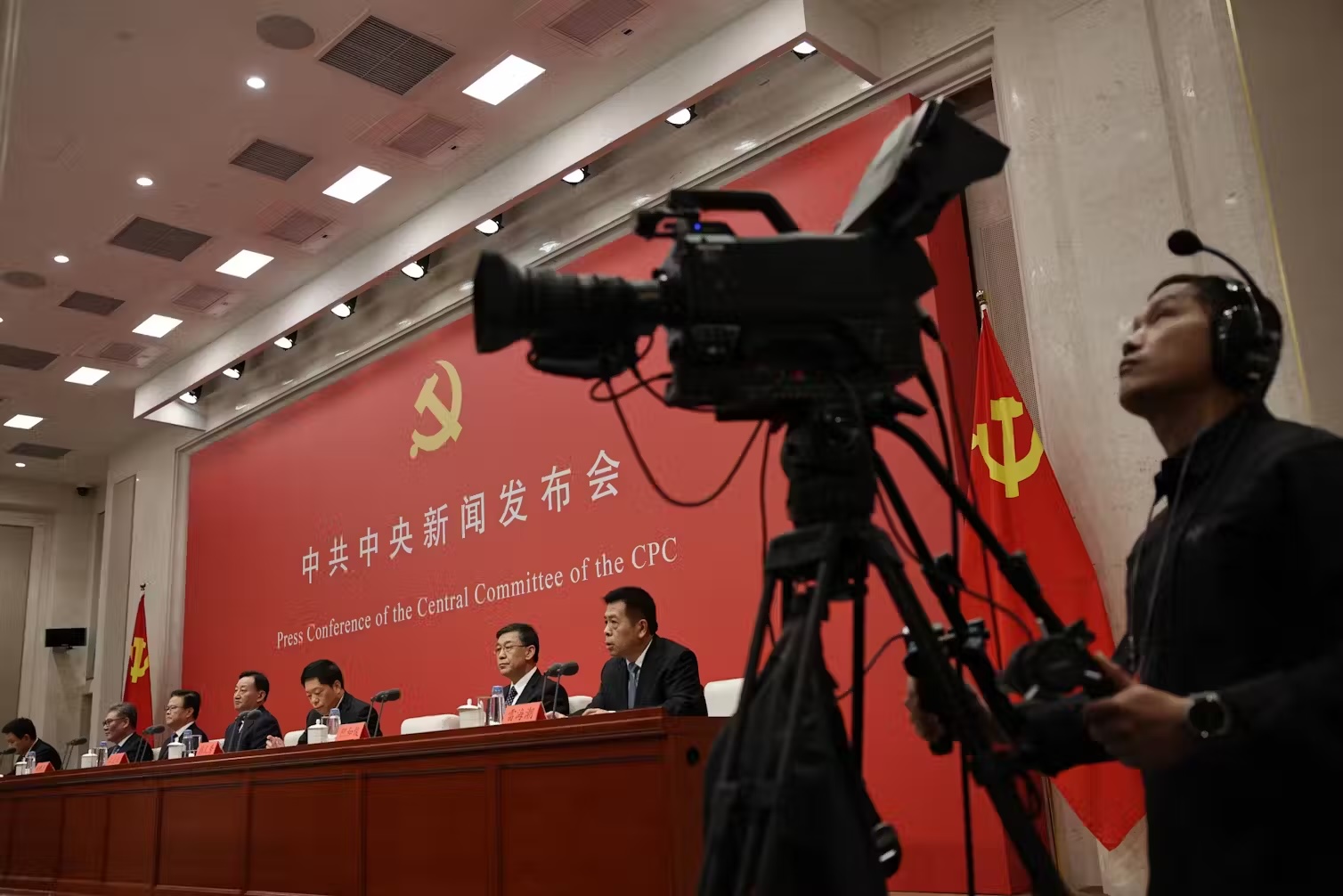
    In a significant diplomatic engagement, Chinese President Xi Jinping and U.S. President Donald Trump convened for their first face-to-face meeting in six years during talks in South Korea. President Trump emerged from the discussions expressing exceptional optimism, rating the encounter a “12 on a scale of 1 to 10” and announcing forthcoming reductions in U.S. tariffs on Chinese imports. In reciprocal arrangement, China committed to enhanced American access to rare earth minerals—critical components in high-technology manufacturing.

    The Chinese response, conveyed through a foreign ministry statement, struck a more measured tone, noting that both leaders had “exchanged views on important economic and trade issues” while expressing Xi’s willingness to “continue working with Trump to build a solid foundation for China and the US.” This diplomatic caution reflects Beijing’s ongoing concerns about the Trump administration’s unpredictability and its potential impact on China’s economy.

    The summit occurred against the backdrop of China’s fundamental economic recalibration, following the Chinese Communist Party’s Fourth Plenum which established self-reliance as the nation’s primary development priority. This strategic shift responds to multiple challenges: a pronounced economic slowdown, a devastating 2021 property market collapse that wiped out wealth for millions of citizens, and persistent trade tensions with the United States that have disrupted China’s export-dependent growth model.

    Historically, China’s economic miracle relied on two pillars: massive infrastructure and real estate investment, and manufactured goods exports. Both engines have now stalled. Investment has plateaued while the trade war with America—China’s largest export market—has created sustained uncertainty, exacerbated by Trump’s imposition of 145% tariffs on most Chinese goods upon returning to office in January 2025.

    In response, Chinese officials are attempting to pivot toward domestic consumption-driven growth through improved job opportunities, healthcare, and social benefits. However, this transition faces substantial obstacles including weak social safety nets that encourage precautionary savings, and heavily indebted local governments with limited capacity to fund public services.

    Concurrently, China pursues technological leadership in AI and advanced computing by 2035—another domain where self-reliance has become imperative due to sweeping U.S. technology restrictions. Despite the recent diplomatic engagement, American limitations on semiconductor exports remain largely intact, with Trump explicitly excluding China from accessing Nvidia’s most advanced Blackwell chips.

    The rare earth minerals concession represents a strategic victory for Beijing, which had imposed export restrictions in October apparently to strengthen its negotiating position. For Xi Jinping, whose political legitimacy rests heavily on economic performance and nationalist sentiment, such tangible successes are crucial amid growing economic challenges that threaten even his considerable authority.

  • China’s new gateway into South America: the Port of Chancay

    China’s new gateway into South America: the Port of Chancay

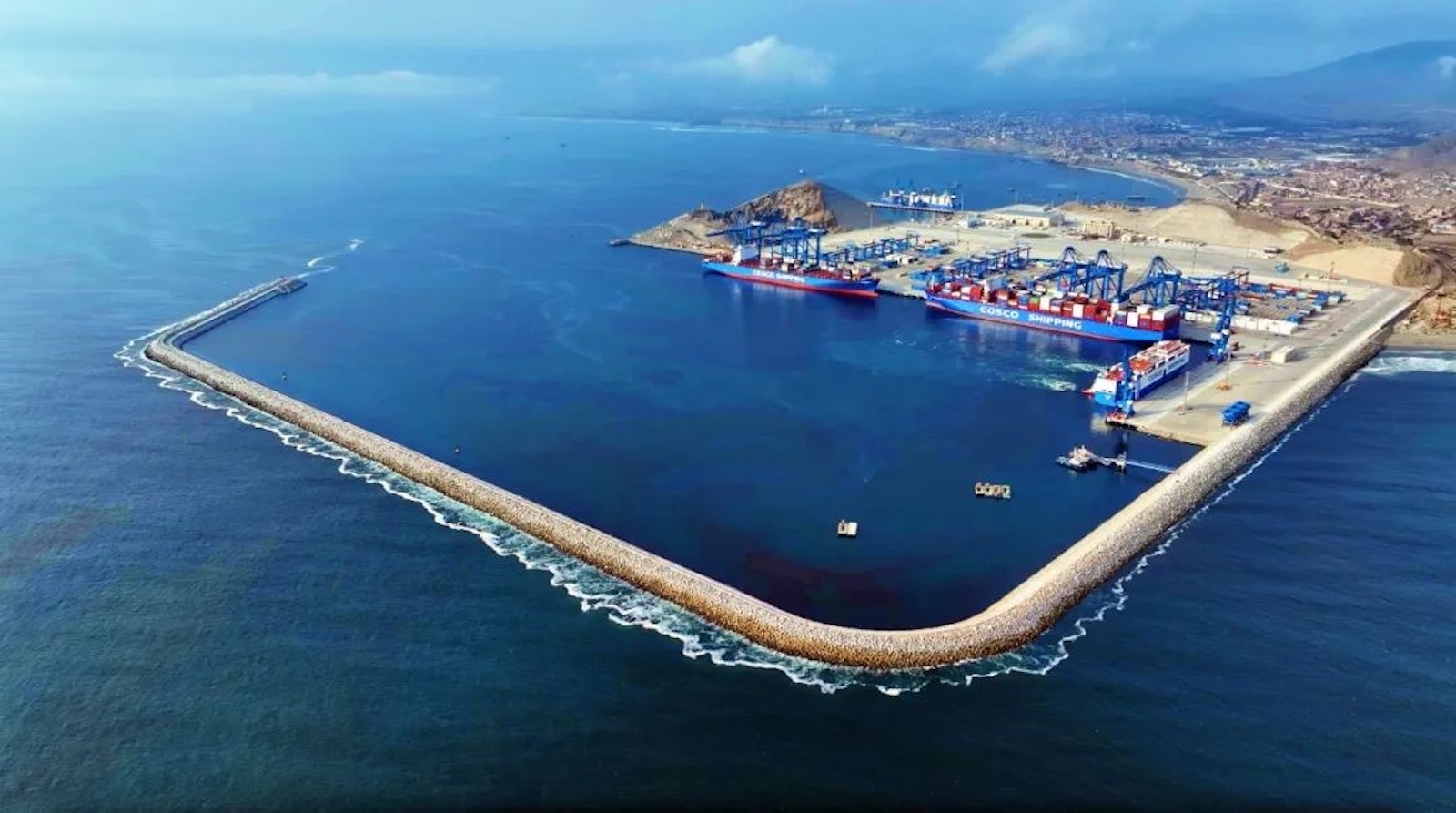
    China has solidified its position as a formidable economic and strategic competitor to the United States in South America, particularly through its significant investments in the region’s infrastructure. A prime example of this is the $1.3 billion investment in the Port of Chancay, a state-of-the-art deepwater facility in Peru that became fully operational in November 2024. This port, majority-owned by the Chinese state-owned conglomerate COSCO Shipping, is the first on South America’s West Coast capable of handling ultra-large container vessels (UCLVs), which can carry between 18,000 to 24,000 shipping containers and require a depth of at least 16-17 meters. The Port of Chancay is expected to process 1-1.5 million shipping containers in its first year, with full capacity projected to reach 3.5 million in the coming years. This development not only deepens the trade relationship between South America and China but also reorients Pacific shipping networks away from traditional US ports like Los Angeles, Long Beach, and Oakland. The port’s strategic location and advanced technologies, such as fully autonomous cranes, reduce shipping times and costs significantly. For instance, the new corridor will cut the 35-day trip between China and Peru by 10 days, slashing costs by up to 20%. This shift has already begun to impact trade dynamics, with China announcing its first major shipping lane from Guangzhou directly to Chancay, bypassing North American ports entirely. The Port of Chancay is expected to enhance China’s influence over the region’s trade and infrastructure, further sidelining the US, which has increasingly isolated itself from the region. The US has been criticized for its insufficient response to China’s growing influence, offering little in terms of investment or viable alternatives to South American countries. The Trump administration’s implementation of tariffs has only pushed the region closer to China, which has established free trade agreements with major trading partners like Chile, Ecuador, and Peru. The Port of Chancay is not just a logistical hub but a symbol of China’s expanding economic and strategic footprint in South America, positioning Peru as the new focal point of Chinese trade in the region. As South American countries grow increasingly dependent on China for trade and infrastructure, the US must re-engage economically to counterbalance China’s influence, focusing on shoring up trade relationships and committing to impactful infrastructure investments.