
In a significant development marking a thaw in strained relations, over 2,100 Indian Sikh pilgrims crossed into Pakistan on Tuesday, the first major border crossing since deadly clashes in May. The pilgrims were granted visas to attend a 10-day festival celebrating the 556th birth anniversary of Guru Nanak, the founder of Sikhism. The Wagah-Attari border, the only active land crossing between the two nuclear-armed neighbors, had been closed to general traffic following the May conflict, which saw over 70 casualties in missile, drone, and artillery exchanges. AFP journalists observed pilgrims queuing on the Indian side, some carrying luggage on their heads, before being welcomed by Pakistani officials with flowers and rose petals. The pilgrims will visit sacred sites, including Nankana Sahib, Guru Nanak’s birthplace, and Kartarpur, where he is buried. Pakistan’s High Commission in New Delhi emphasized that the visa issuance aligns with efforts to promote inter-religious harmony. However, the Kartarpur Corridor, a visa-free route opened in 2019, remains closed since the conflict. The May clashes erupted after India accused Pakistan of backing an attack on tourists in Kashmir, a claim Pakistan denied. Sikhism, a monotheistic religion originating in the 15th century in Punjab, has its most revered shrines in Pakistan, a legacy of the 1947 partition that divided British India into Hindu-majority India and Muslim-majority Pakistan.
标签: Asia
亚洲
-

Chinese vice-premier stresses new significant development opportunities for Hong Kong
Chinese Vice-Premier He Lifeng has underscored the pivotal role Hong Kong is set to play in China’s next phase of development, as outlined in the country’s 15th Five-Year Plan (2026-30). Speaking via video at the Global Financial Leaders’ Investment Summit in Hong Kong, He emphasized that the special administrative region will benefit from significant new opportunities under the national strategy. The 20th CPC Central Committee recently adopted recommendations for the plan, which includes targeted measures to bolster Hong Kong’s growth and stability. He highlighted Hong Kong’s unique position as a global financial hub and urged it to actively engage in global financial governance reforms. Additionally, he pledged China’s commitment to expanding high-standard institutional openness, collaborating with other nations to address global economic challenges, and fostering a stable international economic order. This, he noted, would inject momentum into the global economy amid ongoing uncertainties.
-

Salman Khan flaunts his ripped body after a workout session
Bollywood icon Salman Khan, renowned for his dedication to fitness, recently shared a glimpse of his rigorous workout routine on Instagram. The actor, who was last seen in the film ‘Sikandar’, posted shirtless pictures flaunting his chiseled six-pack abs and muscular biceps. Accompanied by a philosophical Hindi caption, ‘Kuch haasil karne ke liye kuch chhodna padta hai.. Yeh bina chhode hai’ (To achieve something, one needs to let go of some things… this is without letting go), the post quickly garnered attention from fans and fellow celebrities alike. Actor Varun Dhawan responded with a playful comment, ‘bhai bhai bhai,’ adding to the buzz. Salman Khan is set to star in Apoorva Lakhia’s upcoming film ‘Battle of Galwan’, where he will portray an Indian Army officer. The film is based on the 2020 Galwan Valley clashes between India and China, a significant event that resulted in the loss of 20 Indian soldiers and heightened tensions between the two nations. Actress Chitrangada Singh will play his co-star in the project. Known for his disciplined fitness regimen, Salman continues to inspire fans with his commitment to health and wellness.
-

Illegal gold panning resurfaces in Gansu river amid soaring prices
In a recent resurgence of illegal gold panning, dozens of individuals were spotted wading into the Yanzi River in Kangxian county, Gansu province, despite repeated warnings from local authorities. The activity, captured in a now-deleted video circulating on Chinese social media, showed people braving the cold temperatures of around 4°C at 1 am, with some reportedly finding over 5 grams of gold in a single basin. This illegal practice has been ongoing since the start of the year, despite previous efforts by local authorities to halt it. The recent dredging work in the riverbed has seemingly reignited the activity, according to nearby shop owners. The Kangxian county government has reiterated that individual gold panning is strictly prohibited, with police patrolling the area to disperse those entering the river at night. In July, the county’s natural resources bureau issued a public notice banning illegal gold panning and set up a hotline for reporting violations. The Chengguan township government also warned in June that unauthorized mining was damaging the river’s ecology and threatening waterway safety. Under China’s Mineral Resources Law, all mineral resources are owned by the State, and no individual or organization may explore or extract them without official permission.
-

Philippines: Typhoon Kalmaegi kills at least 5, strands hundreds of thousands
Typhoon Kalmaegi has wreaked havoc in the central Philippines, claiming at least five lives and displacing hundreds of thousands of residents. The storm, which made landfall on Tuesday, brought torrential rains that flooded entire towns on the island of Cebu. Videos verified by AFP show cars, trucks, and even massive shipping containers being swept away by muddy floodwaters. In the 24 hours preceding the typhoon’s arrival, Cebu City received 183 millimetres of rain, far exceeding its monthly average of 131 millimetres. Provincial governor Pamela Baricuatro described the situation as ‘unprecedented,’ emphasizing that floodwaters posed the greatest danger. Local disaster official Ethel Minoza reported the recovery of two children’s bodies in Cebu City, where rescue operations are ongoing. Three other fatalities were confirmed, including an elderly resident who drowned in Leyte province and a man struck by a falling tree in Bohol. Don del Rosario, a 28-year-old Cebu City resident, recounted the rapid rise of floodwaters, calling it the worst disaster he has experienced in his lifetime. Scientists attribute the increasing intensity of storms like Kalmaegi to human-driven climate change, which warms oceans and increases atmospheric moisture. Hundreds of residents still living in tent cities following a 6.9-magnitude earthquake in September were forcibly evacuated for their safety. Nearly 400,000 people were pre-emptively relocated from the typhoon’s path, according to Rafaelito Alejandro of the Office of Civil Defense. As of 2:00 pm local time, Kalmaegi was moving westwards through the Visayan island chain with winds of 130 kilometres per hour. The Philippines, which faces an average of 20 storms annually, has already reached that number this year, with three to five more storms expected by December’s end. Miriam Vargas, a 34-year-old single mother in Dinagat Islands, described the terrifying experience of enduring the storm in darkness after losing electricity. The country was previously hit by two major storms in September, including Super Typhoon Ragasa, which caused significant damage and fatalities in Taiwan.
-
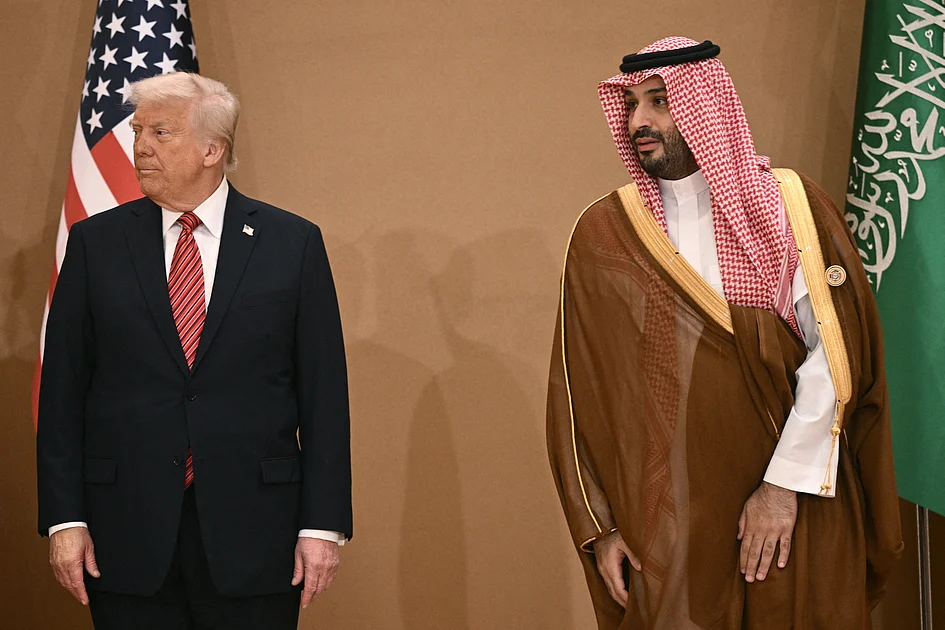
Saudi Crown Prince Mohammed bin Salman to meet Trump at the White House on Nov 18
Saudi Arabia’s Crown Prince Mohammed bin Salman is scheduled to meet US President Donald Trump at the White House on November 18, 2025, for an official working visit. The meeting is expected to focus on strengthening bilateral ties, particularly through a potential US-Saudi defense agreement. This visit comes as the Trump administration continues to encourage Saudi Arabia to join the Abraham Accords, a series of agreements aimed at normalizing relations between Israel and several Arab nations, including the UAE, Bahrain, Sudan, and Morocco. Despite Saudi Arabia’s reluctance to join the accords without progress toward Palestinian statehood, Trump expressed optimism in a recent CBS ’60 Minutes’ interview that the kingdom would eventually sign on. Additionally, discussions may include enhanced US security guarantees for Saudi Arabia and access to advanced American weaponry. Saudi Arabia remains one of the largest buyers of US arms, with a $142 billion arms deal agreed upon during Trump’s visit to Riyadh in May 2025. The Financial Times recently reported that a defense agreement could be signed during the crown prince’s visit, though details remain under negotiation.
-
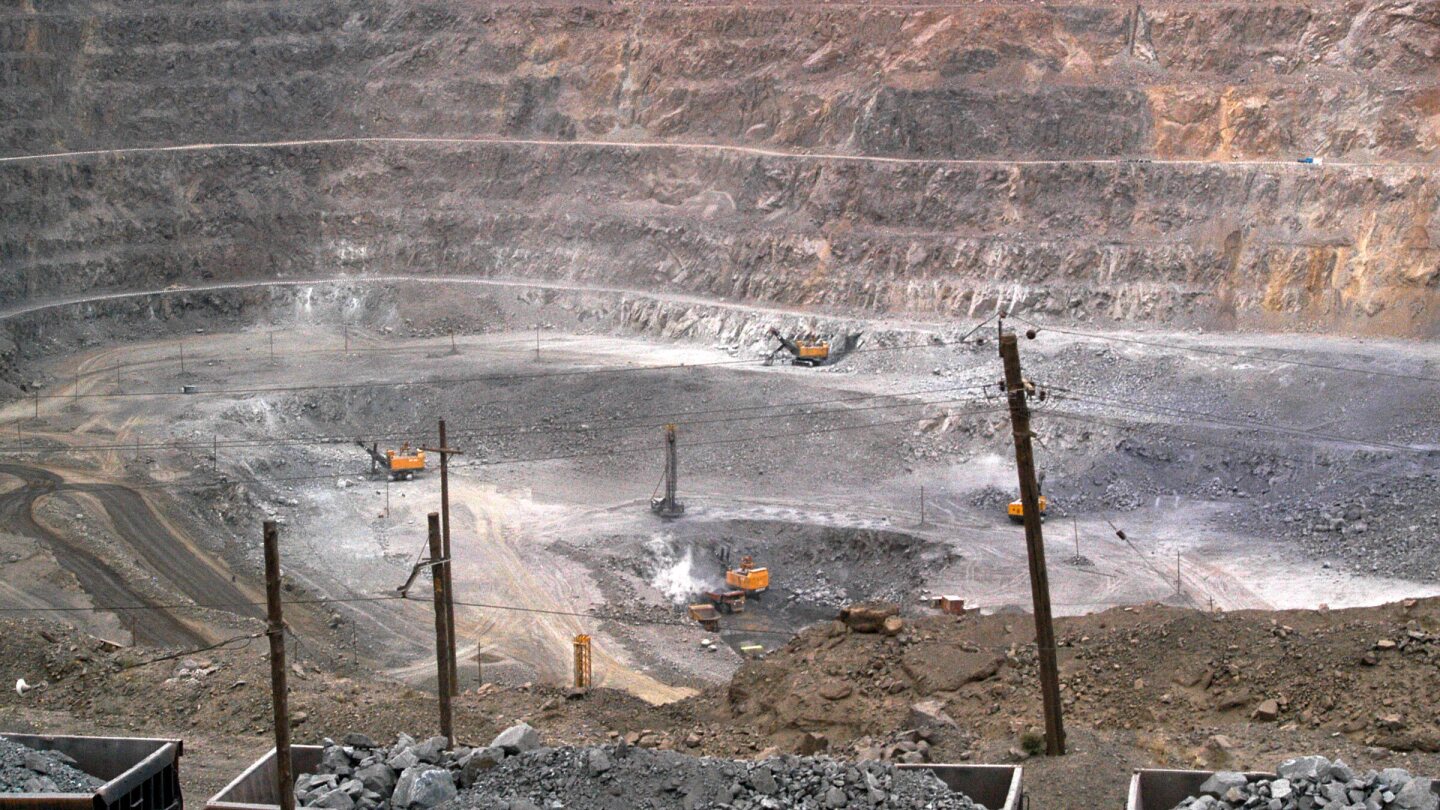
European Union welcomes suspension of China’s rare earth controls
In a significant move to secure the global supply chain of critical materials, the European Union (EU) and China have reached an agreement to stabilize the trade of rare earth materials and products. These elements are indispensable for high-tech and military applications, making their steady flow crucial for both economies. The agreement follows a series of discussions between EU Trade Commissioner Maroš Šefčovič and Chinese Commerce Minister Wang Wentao in Brussels last Friday. The talks centered on China’s export controls on rare earths, implemented in April and October, and the EU’s regulations on semiconductor sales. Olof Gill, a spokesperson for the European Commission, highlighted the EU’s reliance on China for rare earth materials, which are essential for manufacturing magnets used in automobiles and household appliances. The EU welcomed China’s recent 12-month suspension of rare earth export controls and emphasized the need for a stable trade system. Both parties are collaborating on an export licensing mechanism to ensure a consistent supply of these critical minerals. Šefčovič noted that Brussels and Beijing are committed to further discussions on trade measures, aiming to enhance the implementation of export control policies. With China being the EU’s second-largest trading partner, bilateral trade remains a cornerstone of the global economy, valued at approximately 2.3 billion euros ($2.7 billion) daily. The agreement underscores the shared interest of both regions in maintaining stable trade relations and advancing mutual climate goals.
-
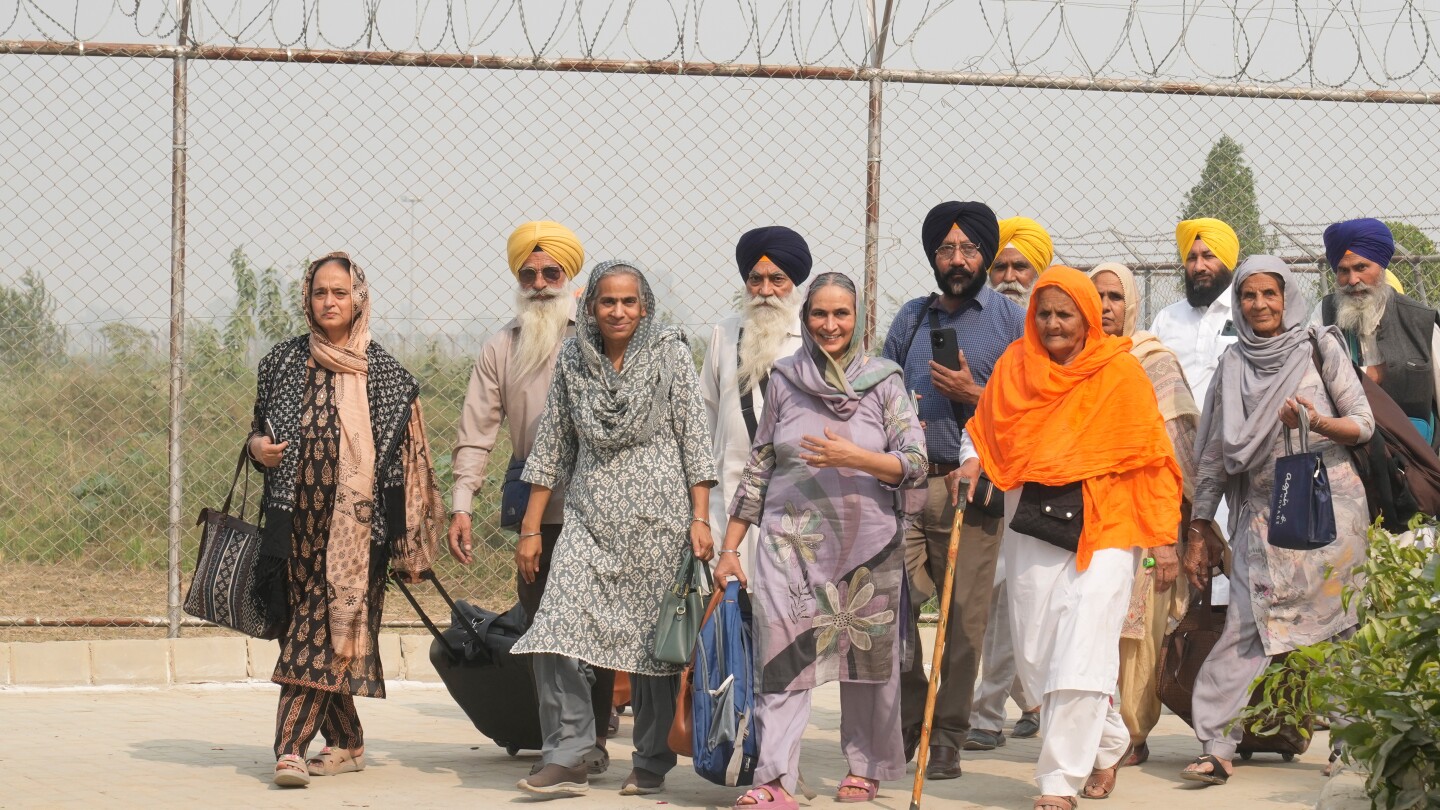
Nearly 2,100 Indian Sikhs arrive in Pakistan for annual religious festivities
In a significant gesture of goodwill, more than 2,000 Sikh pilgrims from India crossed into eastern Pakistan on Tuesday to participate in the annual commemoration of the birth of Guru Nanak, the founder of Sikhism. This marks the first people-to-people interaction between the two nations since a brief but intense conflict in May. The Wagah border crossing, which had been closed for months due to heightened tensions, was reopened by Pakistani authorities specifically to facilitate this pilgrimage. Government official Nasir Mushtaq emphasized that the decision to grant visas and reopen the border underscores Pakistan’s respect for religious minorities and its commitment to fostering cultural ties, despite ongoing political disputes with India. The pilgrims arrived in Lahore before proceeding to Nankana Sahib in Punjab, the site of Guru Nanak’s shrine. Sikhs constitute a small minority in predominantly Muslim Pakistan, making this event particularly noteworthy. The relationship between India and Pakistan has been fraught with hostility, especially after India accused Pakistan of supporting militants responsible for a deadly attack in Indian-administered Kashmir in April, which claimed 26 lives. Pakistan denied the allegations and called for an international investigation. Following the incident, diplomatic relations deteriorated, border crossings were sealed, and both nations engaged in cross-border military strikes. The conflict was temporarily halted after U.S. President Donald Trump mediated a ceasefire, but full diplomatic, trade, and people-to-people ties remain unresolved.
-
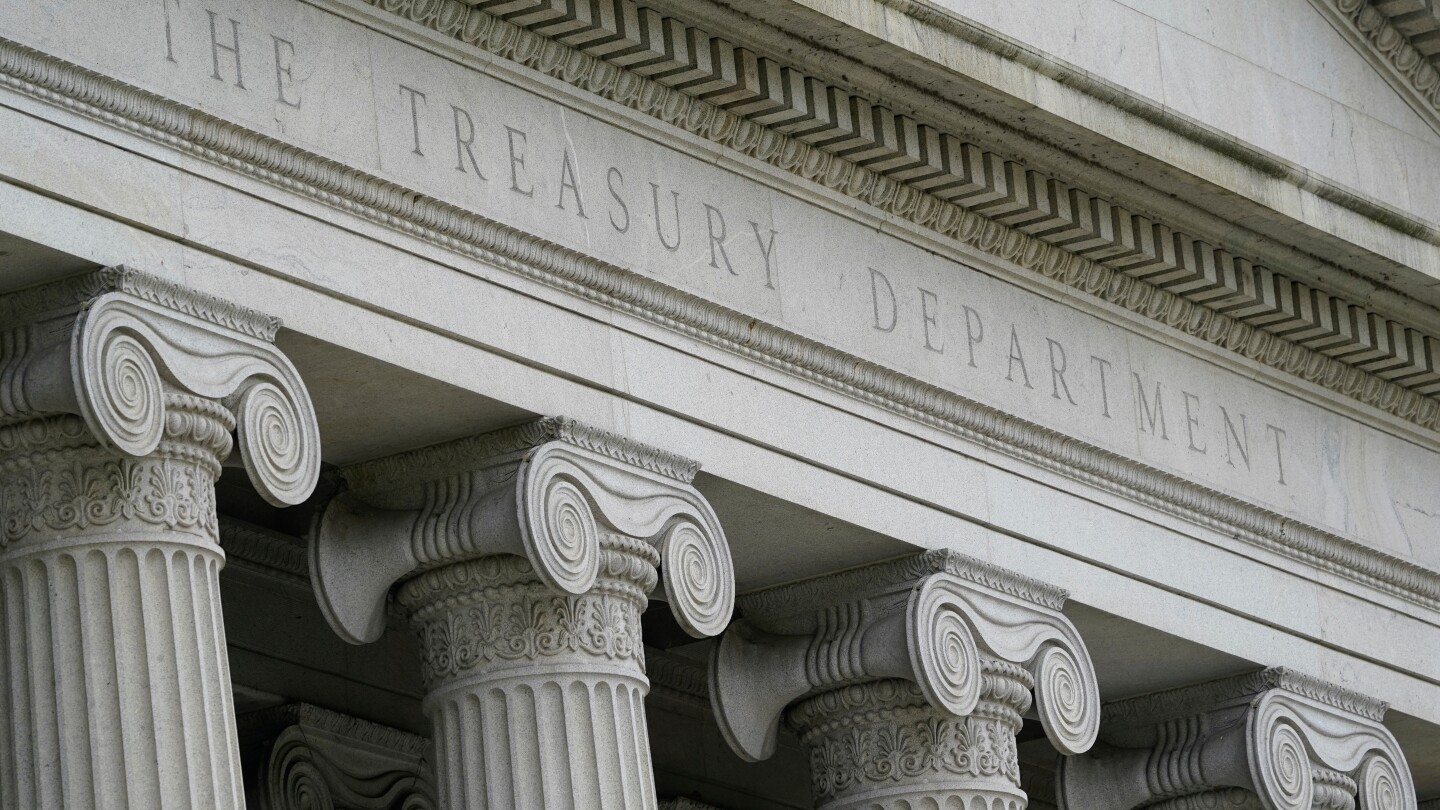
US sanctions North Korean bankers accused of laundering stolen cryptocurrency
In a significant move to curb illicit financial activities, the United States announced on Tuesday a series of sanctions targeting individuals and entities involved in laundering money from cybercrime schemes, which allegedly fund North Korea’s nuclear weapons program. The Treasury Department’s Office of Foreign Assets Control (OFAC) revealed that North Korean state-sponsored hackers have siphoned over $3 billion in digital assets over the past three years, a sum unparalleled by any other foreign actor. This revelation was further supported by a comprehensive 138-page international report published last month. Treasury Under Secretary for Terrorism and Financial Intelligence, John K. Hurley, emphasized that these cybercriminal activities are directly linked to financing North Korea’s nuclear ambitions. The sanctioned network includes banking representatives, financial institutions, and shell companies spread across North Korea, China, Russia, and other regions, which facilitate money laundering through IT worker fraud, cryptocurrency heists, and sanctions evasion. Among those targeted are eight individuals and two firms, including North Korean bankers Jang Kuk Chol and Ho Jong Son, accused of managing funds, including $5.3 million in cryptocurrency, for the sanctioned First Credit Bank. The Treasury Department had previously warned U.S. firms in 2022 about hiring highly skilled North Koreans who disguise their identities to infiltrate financial networks, often posing as remote IT workers.
-
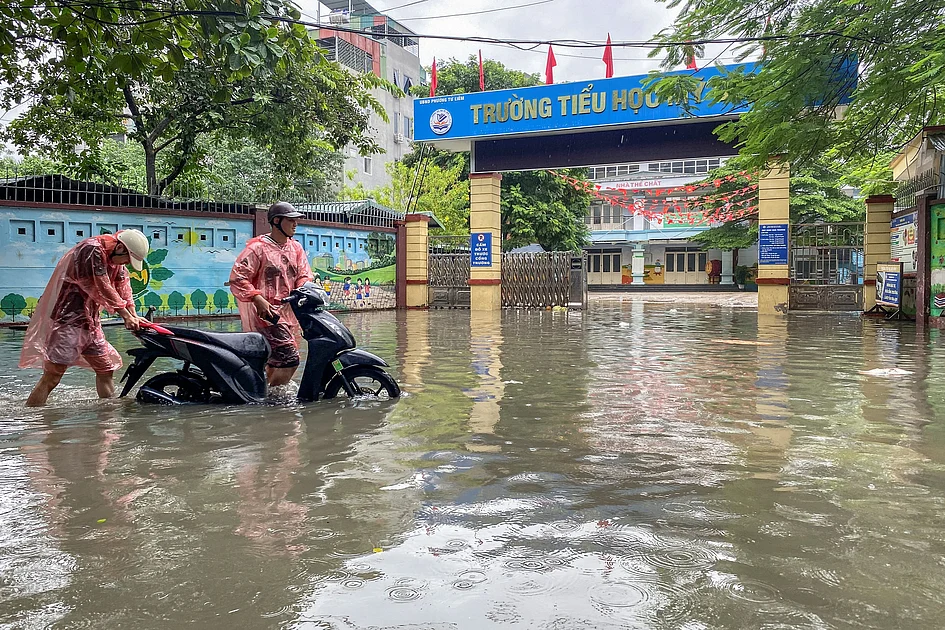
Vietnam flood death toll hits 40 as Typhoon Kalmaegi looms
Central Vietnam is grappling with the devastating aftermath of relentless torrential rains, which have claimed 40 lives and left six people missing. The catastrophic flooding has transformed streets into waterways, breached riverbanks, and submerged some of the nation’s most cherished historical landmarks. In a particularly severe 24-hour period, rainfall reached an unprecedented 1.7 meters (5 feet 6 inches), setting a national record. The provinces of Hue, Da Nang, Lam Dong, and Quang Tri have borne the brunt of the disaster. The region now faces an additional threat as Typhoon Kalmaegi, currently battering the Philippines, is expected to make landfall in Vietnam by Friday. With wind speeds potentially reaching 166 kilometers per hour (100 miles per hour), the typhoon could exacerbate the already dire situation. The floods have destroyed over 10,000 hectares of crops, killed more than 68,000 livestock, and inundated nearly 80,000 homes. Remote areas remain cut off due to landslides, further complicating relief efforts. Vietnam, which typically experiences ten typhoons or tropical storms annually, is witnessing its 13th such event in 2025, underscoring the intensifying impact of climate change on extreme weather patterns.