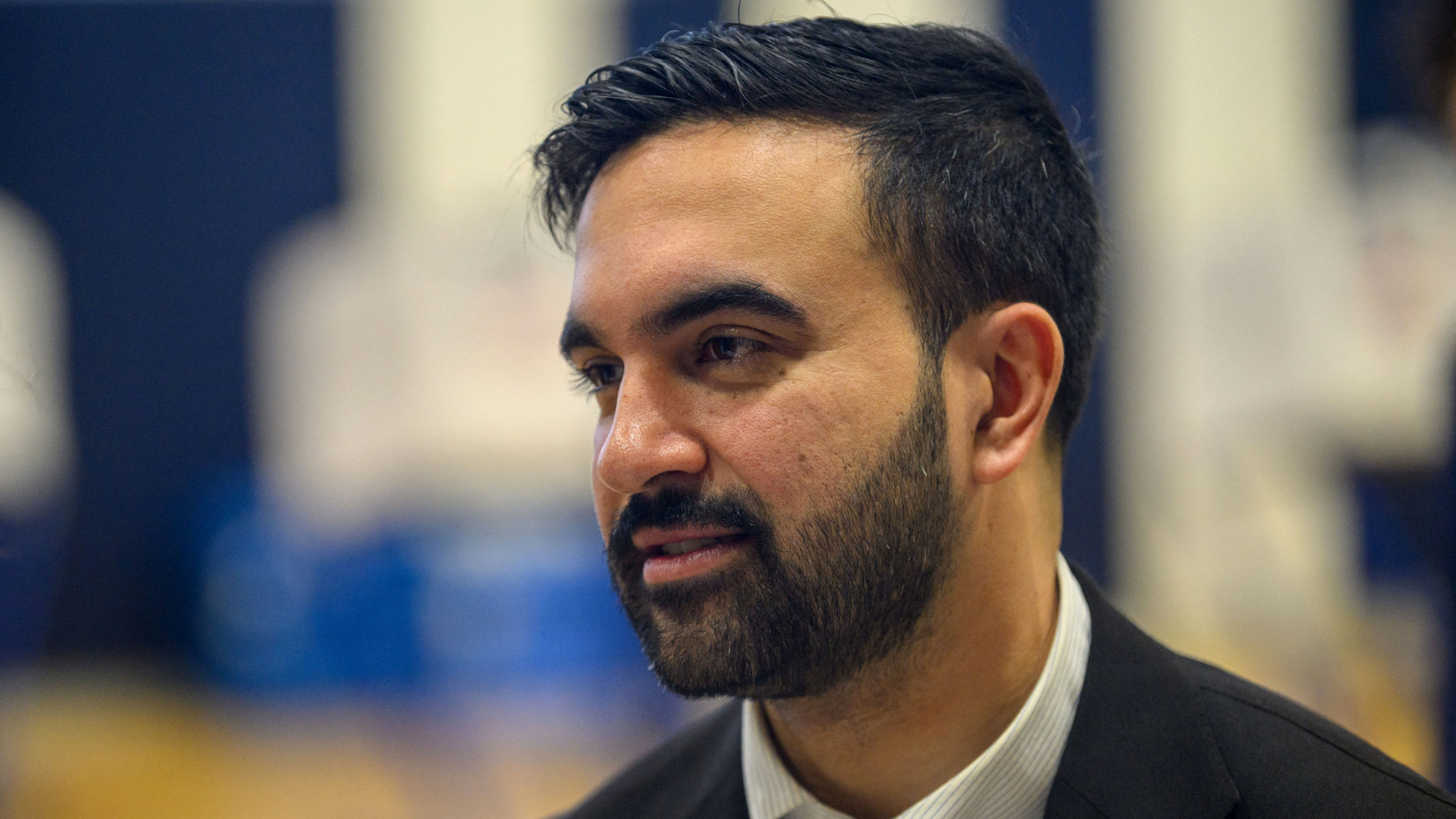
In a controversial statement, Israeli Minister for Diaspora Affairs Amichai Chikli has called on Jewish Americans in New York to consider relocating to Israel following the election of Zohran Mamdani as the city’s first Muslim mayor. Chikli described Mamdani’s victory as a pivotal moment that threatens the historical sanctuary New York has provided to Jewish refugees. He labeled Mamdani, a Democratic Socialist and assemblyman from Queens, as a “Hamas supporter” and drew parallels between his views and those of extremist groups, referencing the 9/11 attacks. Chikli’s remarks have sparked widespread debate, particularly given his past controversial stances on ethnic cleansing and settlements in Gaza and southern Lebanon. Mamdani, who immigrated to the U.S. from Uganda as a child, ran a left-wing campaign with a strong pro-Palestinian stance, which he maintained despite accusations of antisemitism. His victory was bolstered by his position on Israel’s actions in Gaza, which he has termed genocide. Although he later retracted a statement about arresting Israeli Prime Minister Benjamin Netanyahu, Mamdani’s views resonated with many voters. In his victory speech, he pledged to combat antisemitism and Islamophobia, receiving support from prominent Orthodox Jewish leader Rabbi Moishe Indig. The election has highlighted deep divisions and the growing influence of progressive politics in New York.
标签: Asia
亚洲
-
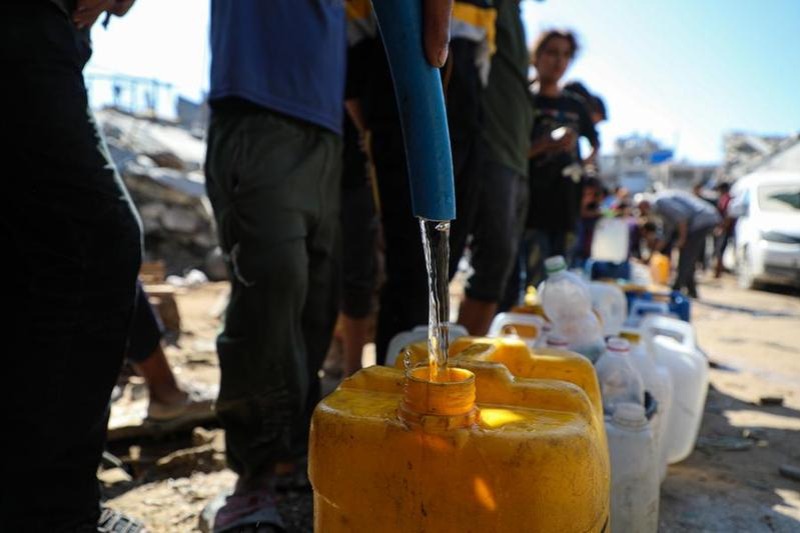
UN chief demands halt to truce violations amid violence, Israeli aid restrictions
United Nations Secretary-General Antonio Guterres has issued a stern call for an immediate halt to ceasefire violations in Gaza, as reports of ongoing violence and restricted humanitarian aid continue to surface. Speaking at the Second World Summit for Social Development in Doha, Qatar, and via a post on X (formerly Twitter), Guterres emphasized the urgent need for all parties to adhere to the terms of the peace agreement. Despite a U.S.-brokered ceasefire that took effect three weeks ago, daily incidents of violence, including drone strikes, raids, and home demolitions, persist, according to Palestine’s Wafa News Agency and other sources. The UN and international aid organizations have repeatedly appealed for unimpeded access to deliver essential aid to Gaza, where famine was declared in August. Abeer Etefa, senior spokesperson for the World Food Programme (WFP), highlighted the dire situation, noting that hundreds of thousands of displaced Palestinians face severe food shortages and inadequate shelter. The WFP has distributed food parcels to approximately one million people, but this falls short of the target of 1.6 million. Etefa stressed the need for more border crossings and improved access to key roads within Gaza to address the escalating humanitarian crisis. The Norwegian Refugee Council (NRC) also raised concerns about the impending winter, warning that thousands of families lack adequate protection from the cold and rain. Israeli authorities have reportedly rejected numerous requests from aid agencies to bring in essential shelter supplies, leaving over 260,000 families exposed to worsening conditions. Humanitarian partners have underscored the necessity of heavy machinery to clear the estimated 55 to 60 million tons of rubble, which is critical for installing temporary shelters. Angelita Caredda, NRC’s Middle East and North Africa regional director, emphasized the urgency of the situation, stating that every day of delay puts lives at risk as winter approaches.
-

BRIDGE Summit 2025 to spotlight 7 tracks shaping the future of media, content, entertainment
The BRIDGE Summit 2025, set to take place at the Abu Dhabi National Exhibition Centre (ADNEC) from December 8 to 10, is poised to be the world’s largest event in media, content, and entertainment. This groundbreaking summit will explore seven interconnected tracks—Media, Creator Economy, Music, Gaming, Technology, Marketing, and Picture—that collectively represent the full spectrum of the contemporary media ecosystem. With 400 global speakers and 300 exhibitors, the event aims to map the future of content as a driver of cultural and economic growth, uniting creative industries under one roof to accelerate innovation, creativity, and technology. Dr. Jamal Al Kaabi, Vice Chairman of BRIDGE, emphasized the summit’s mission to create value through connection, fostering an integrated ecosystem where ideas evolve into projects and stories become engines of economic and cultural impact. The summit is expected to attract over 60,000 participants across a 1.65 million square-foot exhibition area, establishing itself as the largest platform of its kind. Registration is now open at www.bridgesummit.com/en.
-
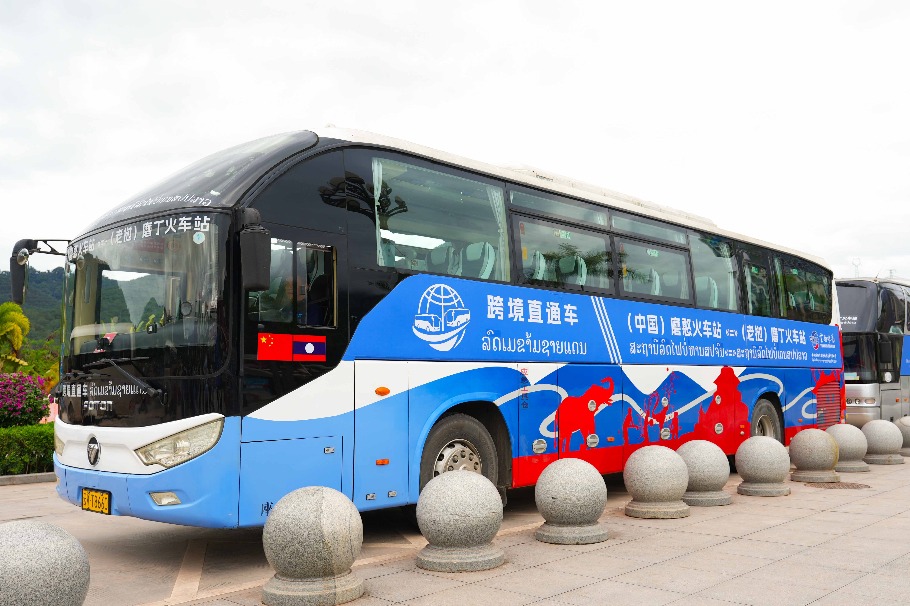
China-Laos international passenger line launched
A groundbreaking international passenger rail service linking Mohan Railway Station in China’s Yunnan Province and Boten Railway Station in Laos commenced trial operations on November 3. This marks the first commuter-style international rail link between the two nations, offering five daily round-trips in each direction. The 16-kilometer journey, which takes approximately 50 minutes, includes stops at border ports for passenger boarding and customs clearance. Operated by Yunnan Tourism Co Ltd, the service aims to provide a seamless and efficient travel experience, integrating directly with the China-Laos Railway for enhanced road–rail intermodal transport. Xia Mo, deputy general manager of Yunnan Tourism Co Ltd, emphasized the company’s commitment to safety, professionalism, and dedication, ensuring travelers experience the convenience and warmth of this ‘road of friendship.’ The new rail line is expected to significantly improve cross-border travel convenience and strengthen regional connectivity, fostering closer ties between China and Laos.
-

From Japan to Colombia and beyond: Dubai-born dancer has taken ‘bhangra’ to 57 countries
Hardy Singh, a Dubai-born bhangra artist, has transformed the traditional Punjabi dance into a global phenomenon, performing in 57 countries across six continents. His journey began with childhood mimicry of family members dancing at celebrations, eventually evolving into a professional career that defied his academic background in business and finance. Hardy’s passion for bhangra led him to form a dance troupe, which started with university competitions and expanded to international stages, including sold-out workshops in Colombia and Japan. His teaching philosophy emphasizes joy, simplicity, and inclusivity, making bhangra accessible to diverse audiences. Despite challenges like financial instability and being undervalued as performers, Hardy has built a brand that transcends cultural barriers. His ultimate goal is to perform in Antarctica, completing his mission to dance on every continent. Hardy’s story is a testament to the universal language of dance and the power of cultural exchange.
-
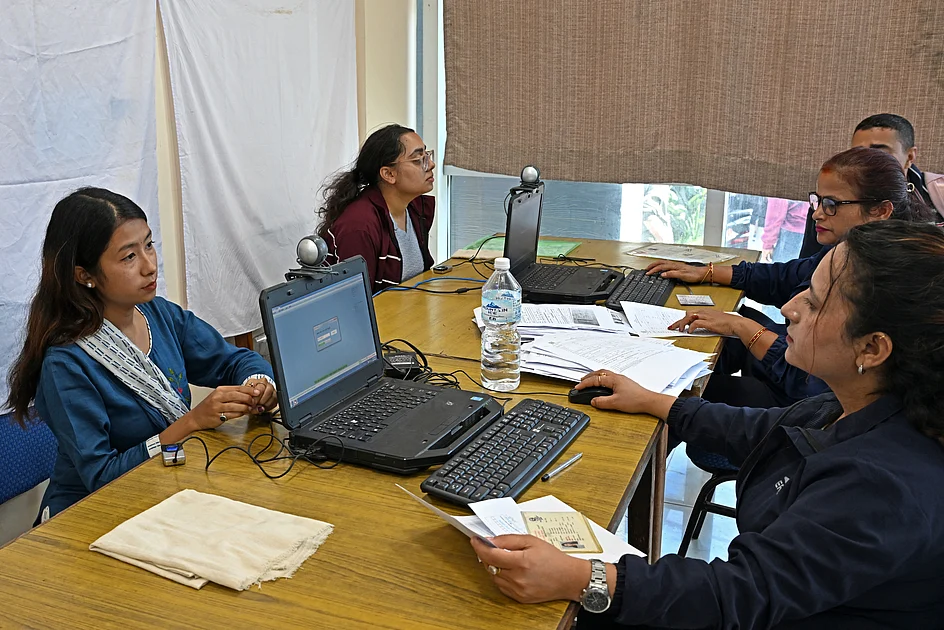
Nepal registers 125 parties for post-uprising polls
Nepal’s Election Commission announced on Wednesday that 125 political parties have registered to participate in the country’s first parliamentary elections since a mass uprising in September 2025 toppled the government. The polls, scheduled for March 2026, mark a critical juncture for the Himalayan nation as it seeks to rebuild its political landscape. While many established parties are in the fray, the election also sees the emergence of new movements, particularly those spearheaded by youth activists who played a pivotal role in the anti-corruption protests earlier this year. Registration remains open until November 18, after which the final list of participating parties will be released. The September protests, initially sparked by a temporary social media ban, quickly escalated into a nationwide outcry against economic hardship and government corruption. The unrest resulted in violent clashes, claiming at least 73 lives and causing significant damage to government institutions. In the aftermath, former chief justice Sushila Karki was appointed interim prime minister to oversee the transition until elections. Despite the commission’s commitment to ensuring a peaceful and impartial election, deep public distrust of established parties poses a significant challenge to the credibility of the process. The political instability has further strained Nepal’s fragile economy, with the World Bank warning of a projected economic growth decline to 2.1 percent in 2026. With 82 percent of the workforce engaged in informal employment and a GDP per capita of $1,447 in 2024, the stakes for Nepal’s political and economic future remain high.
-
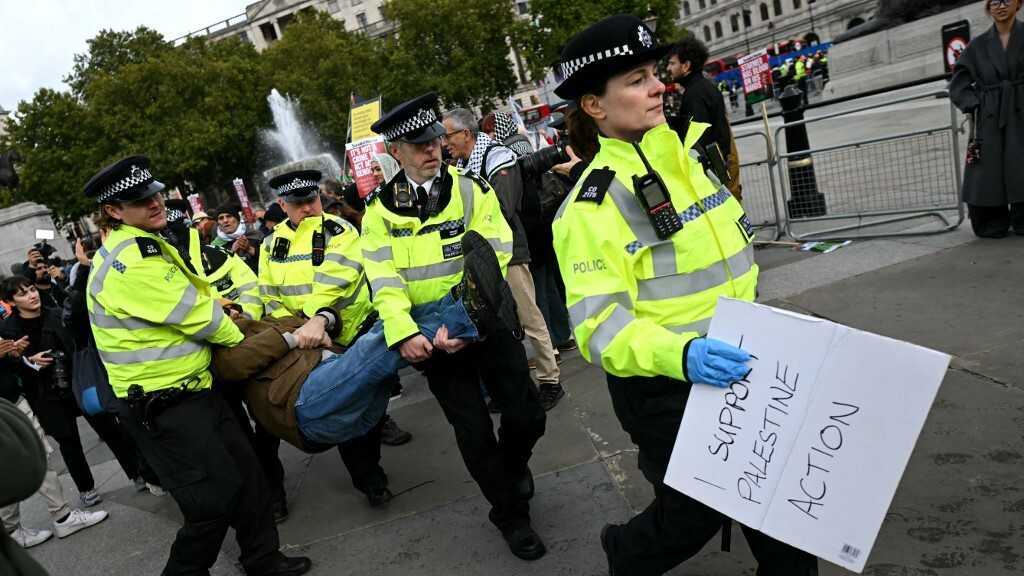
PR boss embroiled in Palestine Action ‘placed story’ row is Labour councillor
Georgia Pickering, a Labour Party councillor and managing director of CMS Strategic, has been embroiled in controversy following allegations that she claimed involvement in placing a story in *The Times* suggesting Iran was funding Palestine Action. The claims, reported by *Private Eye*, were vehemently denied by both CMS Strategic and the Labour Party. The article, published in June 2025, coincided with the UK government’s decision to proscribe Palestine Action as a terrorist organization after activists targeted an RAF base and CMS Strategic’s office. Pickering, who chairs the Bracknell Forest Council’s Overview & Scrutiny Commission and co-chairs the Labour in Communications’ defence and aerospace policy network, has been a Labour councillor since May 2023. The controversy has raised questions about potential conflicts of interest, given CMS Strategic’s ties to Israeli arms firm Elbit, a frequent target of Palestine Action protests. A Labour Party spokesperson dismissed the allegations as “categorically untrue,” emphasizing that all relevant declarations had been made in accordance with council rules. Meanwhile, Palestine Action dismissed the *Times* article as “baseless” and “ridiculous,” while three prisoners linked to the group launched a hunger strike over alleged mistreatment in custody.
-
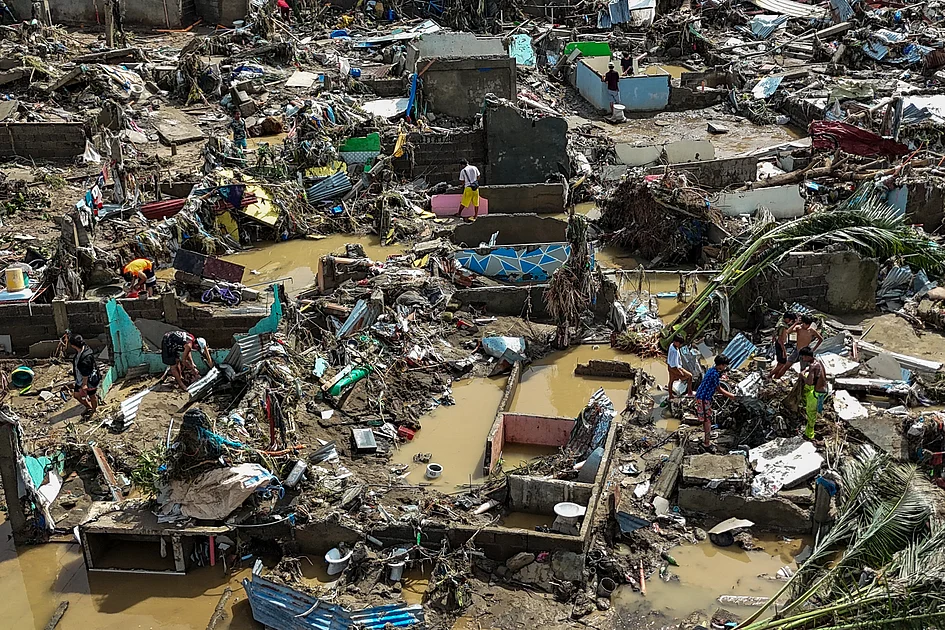
Death toll tops 100 as Philippines digs out after typhoon
The Philippines is reeling from the catastrophic aftermath of Typhoon Kalmaegi, which has claimed over 100 lives and left a trail of destruction in its wake. The central province of Cebu bore the brunt of the storm, experiencing the worst flooding in recent memory. Unprecedented floodwaters swept through towns and cities, carrying away vehicles, riverside shanties, and even massive shipping containers. Cebu spokesman Rhon Ramos reported that 35 bodies were recovered from Liloan, a town within Cebu City’s metro area, bringing the death toll in Cebu alone to 76. On Negros Island, at least 12 people perished, and 12 remain missing after volcanic mudflows triggered by the typhoon buried homes in Canlaon City. The disaster has exposed vulnerabilities exacerbated by climate change, with scientists warning that warmer oceans and a moisture-laden atmosphere are intensifying storms. The tragedy has also reignited public outrage over a corruption scandal involving ‘ghost’ flood-control projects, which allegedly siphoned billions of dollars meant for disaster mitigation. As the Philippines braces for more storms, the nation faces an uphill battle in rebuilding and addressing systemic issues that amplify the impact of such natural disasters.
-

Beijing receives climate award at COP30 Local Leaders Forum
Beijing has been recognized for its outstanding contributions to climate resilience by receiving the 2025 Bloomberg Philanthropies Local Leaders Climate Award. The prestigious accolade was presented on Tuesday during the COP30 Local Leaders Forum held in Rio de Janeiro, Brazil. The award, jointly organized by Bloomberg Philanthropies, C40 Cities, and other partners, highlights local governments that have achieved significant, impactful, and people-centered climate breakthroughs. Beijing’s efforts in ‘building a climate-resilient Beijing municipal administrative center’ were specifically commended by the organizers. This recognition underscores the city’s commitment to addressing climate challenges and fostering sustainable urban development. The COP30 Local Leaders Forum serves as a global platform for cities and local governments to share innovative solutions and strategies for combating climate change. Beijing’s achievement not only highlights its leadership in climate action but also sets a benchmark for other cities worldwide to follow. The award ceremony was attended by representatives from various cities, international organizations, and climate experts, who gathered to discuss collaborative efforts in tackling the global climate crisis.
-
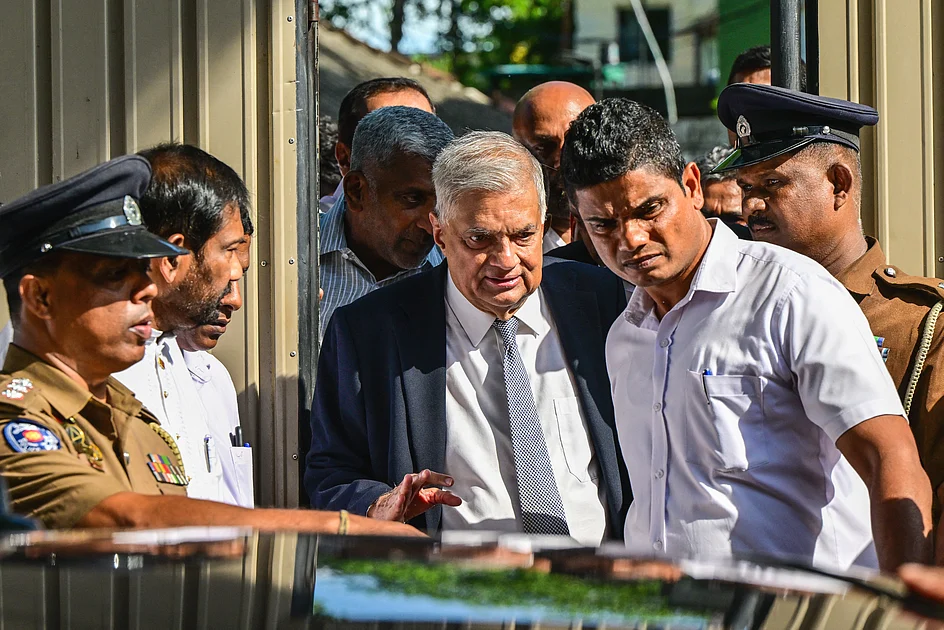
Sri Lanka targets big fish in anti-corruption push
Sri Lanka is making significant strides in its battle against corruption, targeting some of the nation’s most influential figures. The campaign, which gained momentum after the economic collapse of 2022, has seen former President Gotabaya Rajapaksa, ex-ministers, and top officials from the police, prisons, and immigration departments face legal scrutiny. The Commission to Investigate Allegations of Bribery or Corruption (CIABOC), led by Ranga Dissanayake, has been granted extensive powers to recover stolen assets, even without criminal convictions. Although official data on state corruption losses is unavailable, activists estimate the figure to be in the billions of dollars over several decades. The International Monetary Fund (IMF) has emphasized the urgency of anti-graft measures, urging accelerated recruitment to CIABOC. President Anura Kumara Dissanayake has made tackling corruption a cornerstone of his administration, addressing systemic delays in justice and the misuse of power. Public outrage over shortages of essential goods in 2022 led to widespread protests and the ousting of then-President Gotabaya Rajapaksa. Despite a $2.9 billion IMF bailout secured by his successor, Ranil Wickremesinghe, the latter was arrested in August for allegedly misusing state funds. Sri Lanka’s ranking of 121 out of 180 in Transparency International’s 2024 Global Corruption Index underscores the severity of the issue. The Rajapaksa family, once untouchable, is now under intense pressure, with several members facing legal consequences. The nation’s economic collapse, marked by inflation nearing 70% and a mass exodus of citizens, has been attributed to rampant corruption. As Sri Lanka seeks to rebuild, the anti-corruption drive represents a pivotal moment in its governance.