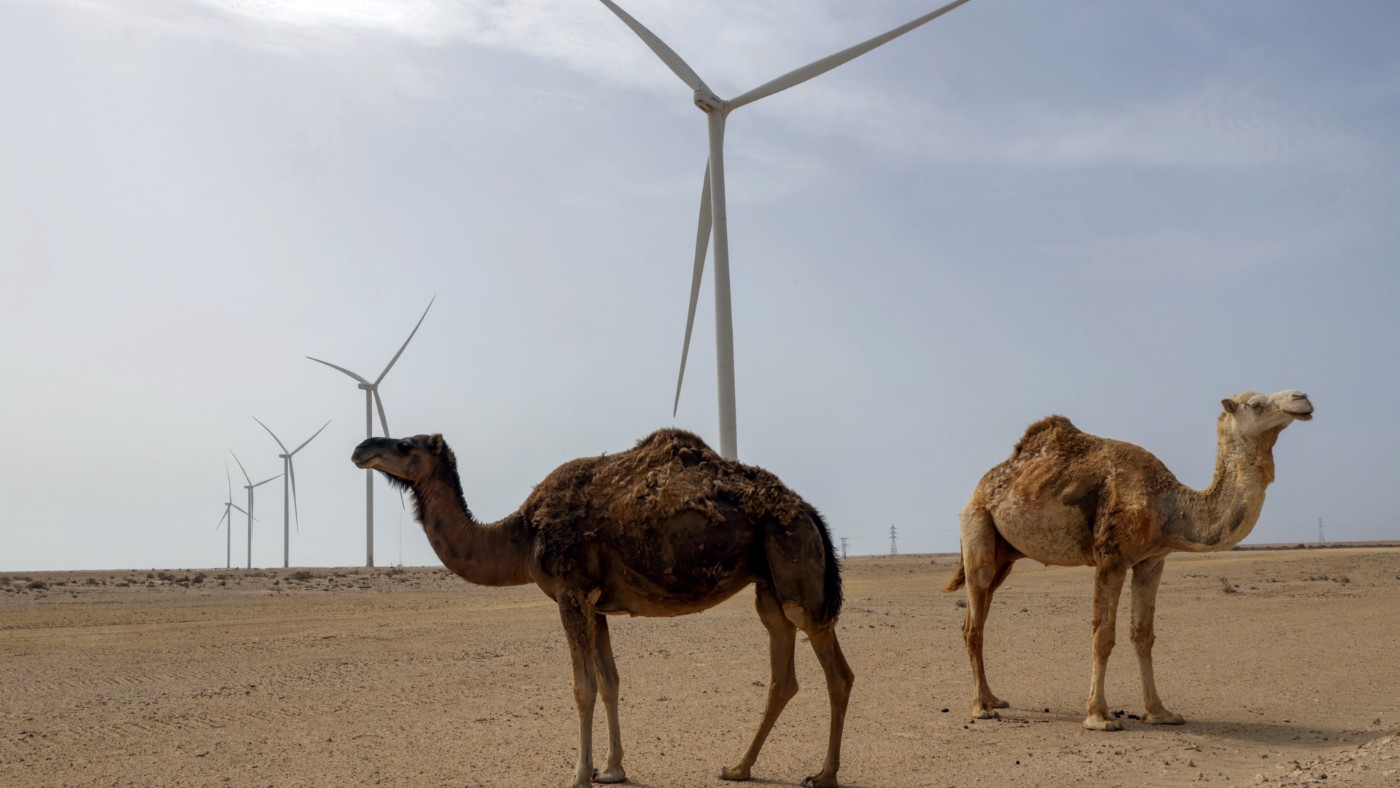
In late October 2020, Minatu Ljatat, a Sahrawi refugee from the Awserd camp in southwestern Algeria, joined a group of 200 activists to protest at the Guerguerat crossing in occupied Western Sahara. Known as the “plunder corridor,” this area is the primary route for Morocco to export resources from the territory it has controlled since 1975. The activists aimed to block traffic, including trucks transporting fish from Moroccan-occupied waters, in a peaceful demonstration for Sahrawi independence. However, on November 13, Morocco forcibly removed the protesters, prompting the Polisario Front to end a ceasefire that had held since 1991. This marked a turning point in the decades-long conflict, as foreign companies from France, Spain, Israel, and the U.S. intensified their exploitation of Western Sahara’s resources, often under the guise of renewable energy projects. Despite legal challenges in the European Court of Justice, Sahrawis feel increasingly marginalized, with many advocating for a return to armed struggle. The international community’s complicity in Morocco’s occupation has further complicated efforts for self-determination, leaving the Sahrawi people in a precarious position. Ljatat, who fled her homeland in 1976, remains hopeful for a free Western Sahara but laments the lack of progress. The conflict, often referred to as Africa’s last colonial struggle, continues to draw global attention as the Sahrawis fight for their right to exist on their ancestral land.
标签: Asia
亚洲
-

Large dolomite deposit discovered in Gansu
A significant discovery of a magnesium-rich dolomite deposit has been made in Pingliang city, Gansu province, marking a pivotal moment in China’s mineral exploration efforts. The Gansu Provincial Department of Natural Resources announced on Wednesday that the deposit, located in the Zhuanmatai area of Kongtong district, boasts an estimated resource of 700 million metric tons. This find is characterized by five layered ore bodies, each with an average magnesium oxide (MgO) content of 20.67%, indicating high-quality reserves suitable for magnesium smelting. The deposit’s attributes—large scale, shallow depth, gentle dip angle, and stable thickness—make it particularly conducive to open-pit mining. Beyond the 700 million tons of magnesium-smelting dolomite, an additional 300 million tons of construction-grade dolomite have been identified. Dolomite’s versatility extends to various industries, including refractories, metallurgy, glassmaking, and ceramics, promising substantial opportunities for integrated resource utilization and industrial advancement.
-
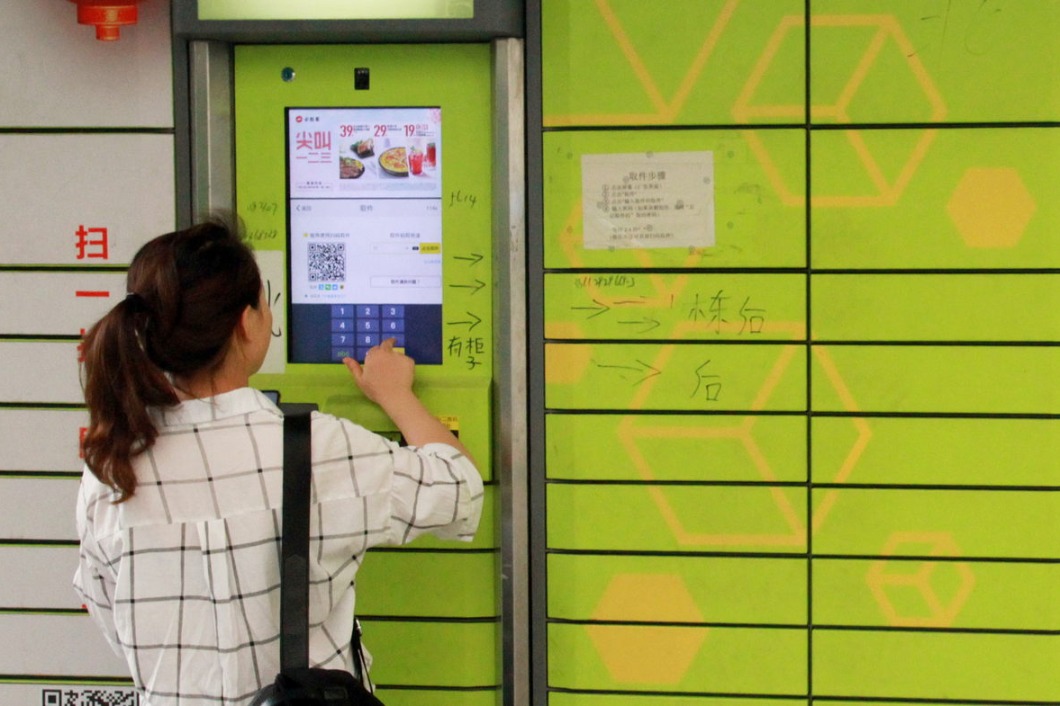
Smart technology-aided delivery aiding China’s online shoppers
China is leveraging cutting-edge smart technology to address one of the most persistent challenges in the logistics sector: the ‘last mile’ of package delivery. This critical phase, which involves transporting goods from local distribution centers to consumers’ doorsteps, has been significantly streamlined through innovations such as smart parcel lockers and neighborhood service stations. According to a report unveiled at a national delivery industry conference in Beijing, these smart solutions now account for over 55 percent of all deliveries in the country. The findings are based on a comprehensive survey of more than 35,000 individuals across the delivery ecosystem. Zhang Ping, the lead researcher, emphasized that the focus is on meeting customer needs, whether in urban apartments or rural villages. Companies like Fengchao have installed electronic lockers in residential communities nationwide, expanding their services beyond package delivery to include offerings like laundry collection. Rural areas have also seen remarkable progress, with 78 percent of villages now equipped with package service stations, ensuring equal convenience for rural residents. Liao Jinrong, deputy head of the State Post Bureau of China, highlighted the growing use of drones and delivery robots, particularly in hard-to-reach areas. China’s delivery industry, already one of the most advanced globally, continues to innovate, driven by the annual ‘last mile’ conference that has been held since 2015. This event brings together experts to explore new ways to enhance efficiency for the nation’s vast online shopping population.
-

Fans, fellow creators mourn Dubai influencer Anunay Sood after sudden death at 32
The Dubai travel and social media community is reeling from the sudden and tragic passing of Anunay Sood, a beloved travel influencer, who died at the age of 32 while in Las Vegas. Known for his cinematic storytelling and inspiring travel content, Anunay had made Dubai his creative hub, deeply influencing fellow creators and fans across the region. His unexpected death has left many in shock, with tributes pouring in from friends, fans, and colleagues who remember him as a humble and passionate individual. Kaunain, a UAE-based travel influencer, shared how Anunay’s work inspired her to create travel content, recalling his generosity in helping her plan a trip to Kashmir. Parikshit Balochi, a popular RJ and influencer, expressed his disbelief, calling the loss heartbreaking. Ashish Sharma, a Dubai-based real estate agent, highlighted how Anunay’s adventurous spirit resonated with many, representing freedom and the pursuit of experiences. The community now rallies to support his family during this difficult time, remembering Anunay’s legacy as a true inspiration.
-
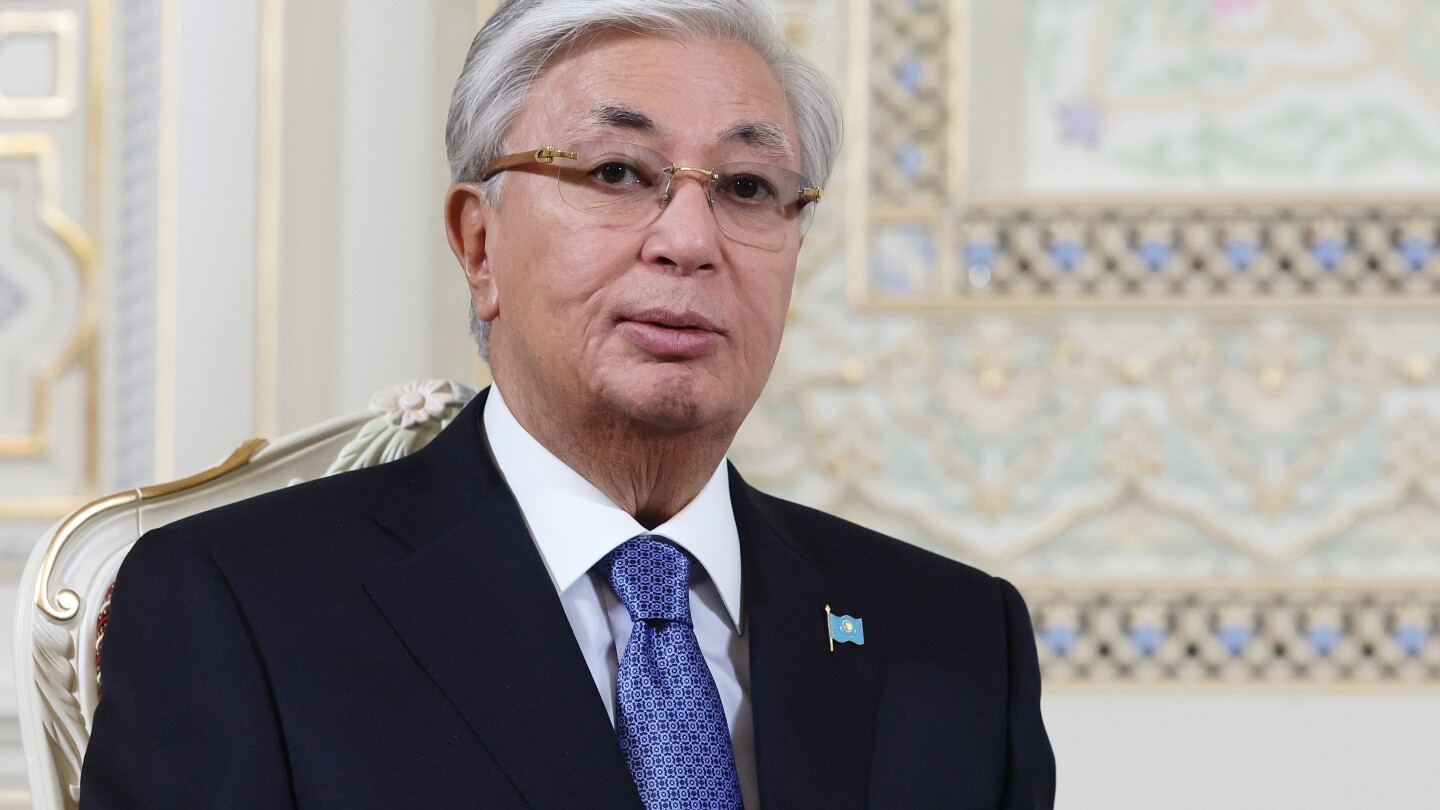
Kazakhstan will join the Abraham Accords with Israel in symbolic move to boost the Trump initiative
In a significant diplomatic development, Kazakhstan has announced its participation in the Abraham Accords, a landmark initiative established during the first administration of former U.S. President Donald Trump. The move, described by U.S. officials as largely symbolic, underscores Kazakhstan’s long-standing diplomatic relations with Israel, which date back to 1992. Unlike other signatories such as Bahrain, Morocco, Sudan, and the United Arab Emirates, Kazakhstan’s geographical distance from Israel makes its inclusion unique. The announcement was made during a summit hosted by Trump, who gathered leaders from five Central Asian nations, including Kazakhstan, to discuss regional cooperation and strategic partnerships. While Kazakhstan’s formal ties with Israel have existed since the collapse of the Soviet Union, its participation in the Abraham Accords is expected to bolster bilateral trade, defense, cybersecurity, energy, and food technology collaborations. The decision also signals Israel’s growing international acceptance, particularly amid ongoing criticism of its actions in the Gaza conflict. U.S. officials emphasized that Trump’s nascent peace plan for Gaza has reshaped global perceptions, encouraging more nations to align with the ‘circle of peace.’ The summit also highlighted broader U.S. efforts to strengthen ties with Central Asia, particularly in areas such as rare earth metals, as part of a strategy to counter China’s influence in the region. Secretary of State Marco Rubio’s meeting with Kazakh President Kassym-Jomart Tokayev further underscored the focus on expanding trade, investment, and technological cooperation, though discussions on Israel were notably absent from official statements.
-
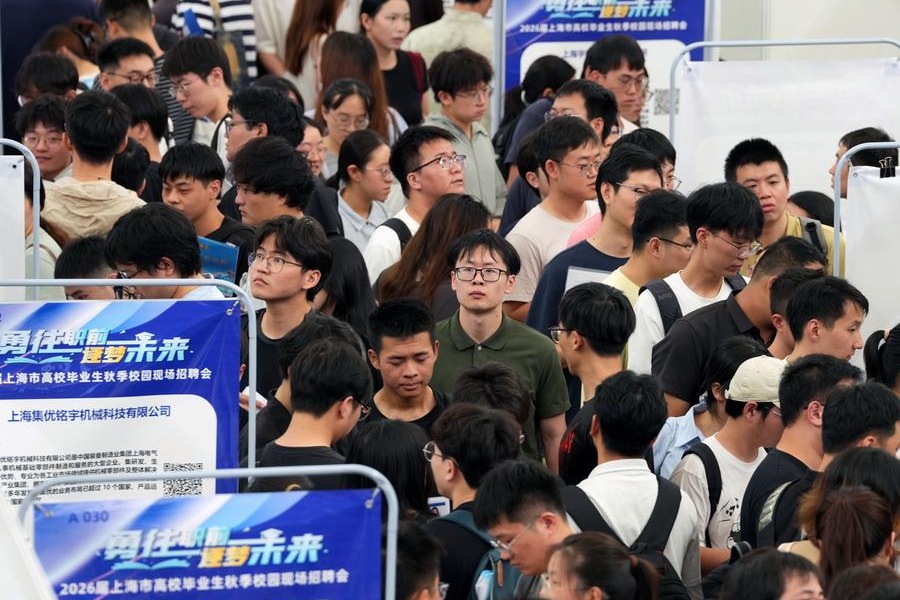
China focused on creating high-quality jobs for university graduates
China is intensifying efforts to ensure high-quality employment opportunities for university graduates, building on recent successes in job creation. Minister of Education Huai Jinpeng highlighted this initiative during a national meeting on Wednesday, emphasizing that graduates are vital talent resources whose employment reflects the broader goal of delivering education that meets societal expectations and enhances public welfare.
-
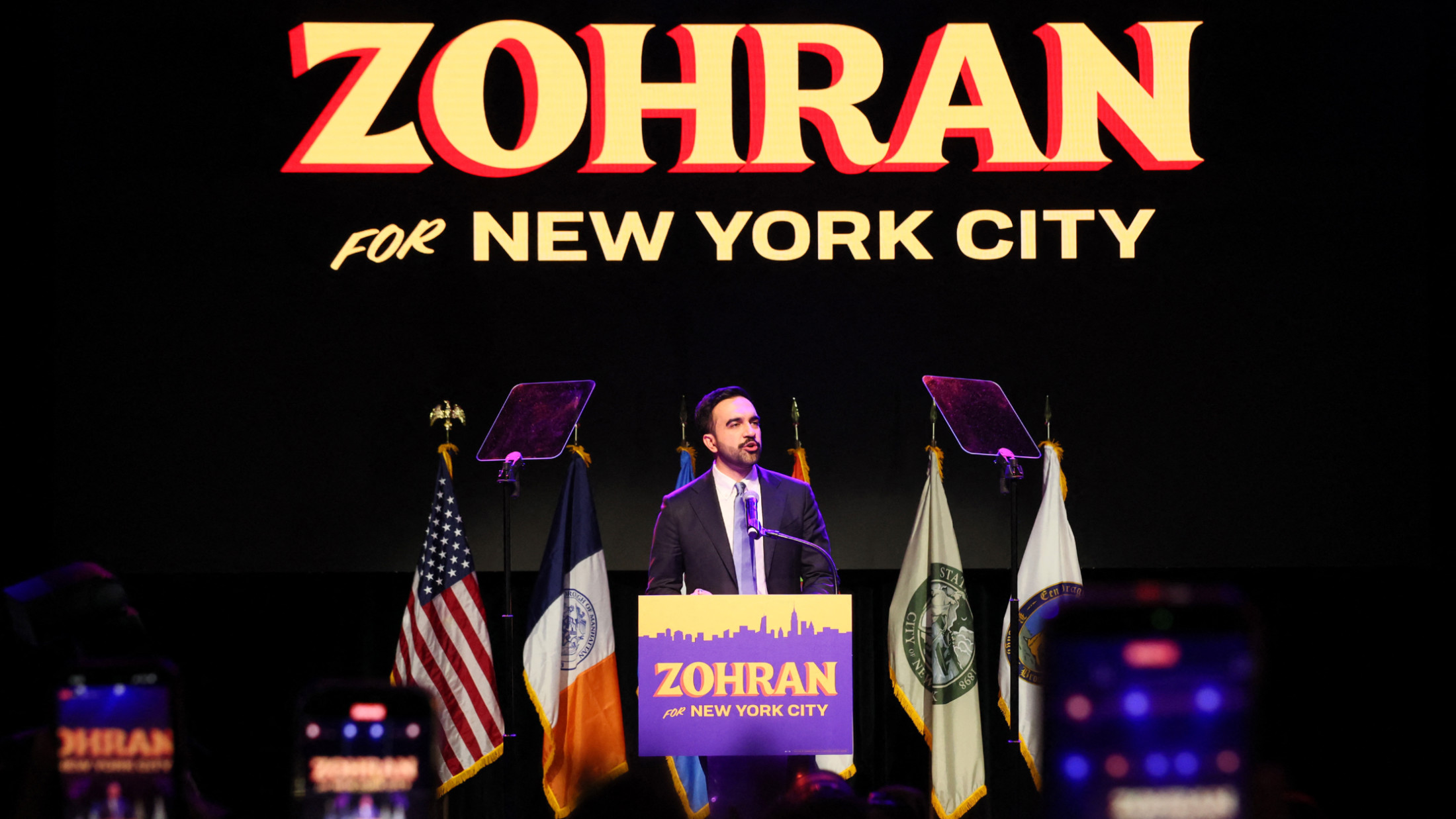
Iranian press review: Mamdani’s New York victory stirs debate
The election of Zahran Mamdani as mayor of New York has sparked varied reactions in Iran, with Tehran celebrating the rise of a Muslim Shia politician in the US as a symbolic victory. However, the event has also been used by critics to highlight systemic issues within Iran’s political structure. Hossein Derakhshan, a former political prisoner, drew parallels between Mamdani’s election and the hypothetical scenario of a young Sunni Afghan woman becoming mayor of Tehran, emphasizing the deep-seated racism and sexism in Iran. Conservative figures, including Ali Bahadori Jahromi, spokesperson for the late former president Ebrahim Raisi, criticized the entrenched power dynamics in Iran, questioning the opportunities for younger generations to lead. Meanwhile, the rising number of executions in Iran continues to draw international condemnation. On November 4, at least 12 people were executed across several cities, with charges ranging from murder to drug trafficking. This year has seen a sharp increase in executions, with over 1,100 carried out so far, often used as a tool to suppress political dissent. The Independent International Fact-Finding Mission on Iran has warned that such executions could constitute crimes against humanity. Additionally, the arrests of several academics, including economist Parviz Sedaghat and sociologist Mahsa Asadollahnejad, have raised concerns about the government’s crackdown on independent voices. The Iranian Sociological Association has called for the release of these researchers, highlighting the troubling implications for the academic community. Amid these developments, Iran’s position as a major player in cryptocurrency mining has also come under scrutiny, with unauthorized mining exacerbating the country’s electricity shortages.
-
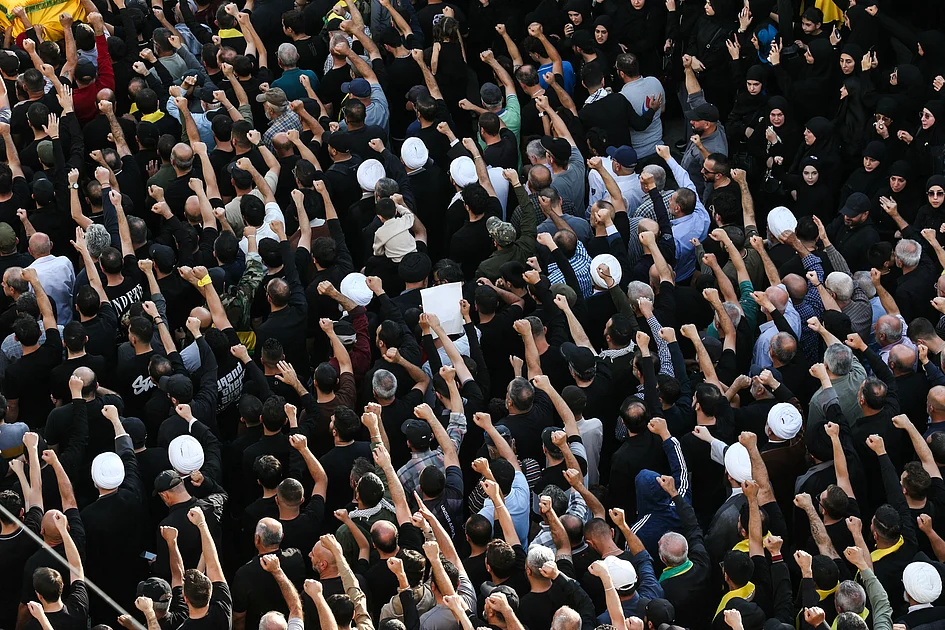
Hezbollah rejects any negotiations between Lebanon and Israel
Hezbollah, the Iran-backed militant group in Lebanon, has firmly rejected any potential political negotiations between Lebanon and Israel, asserting its right to self-defense. This declaration comes amid increasing pressure from the United States and Egypt on Lebanese leaders to engage in direct talks with Israel. Despite a ceasefire agreement reached in November 2024, tensions remain high, with Israel maintaining troops in southern Lebanon and continuing military strikes against Hezbollah positions. Hezbollah, which has refused to disarm since the Lebanese Civil War, criticized the Lebanese government’s efforts to dismantle its military capabilities, calling the disarmament push a ‘hasty decision’ that Israel has exploited. The group also reaffirmed its commitment to the ceasefire but warned against any threats to its sovereignty. Meanwhile, Israel has accused Hezbollah of attempting to rearm and has intensified its operations in Lebanon. The Lebanese government, under international pressure, is set to discuss the progress of its disarmament efforts, though Hezbollah and its allies remain staunchly opposed to such measures.
-
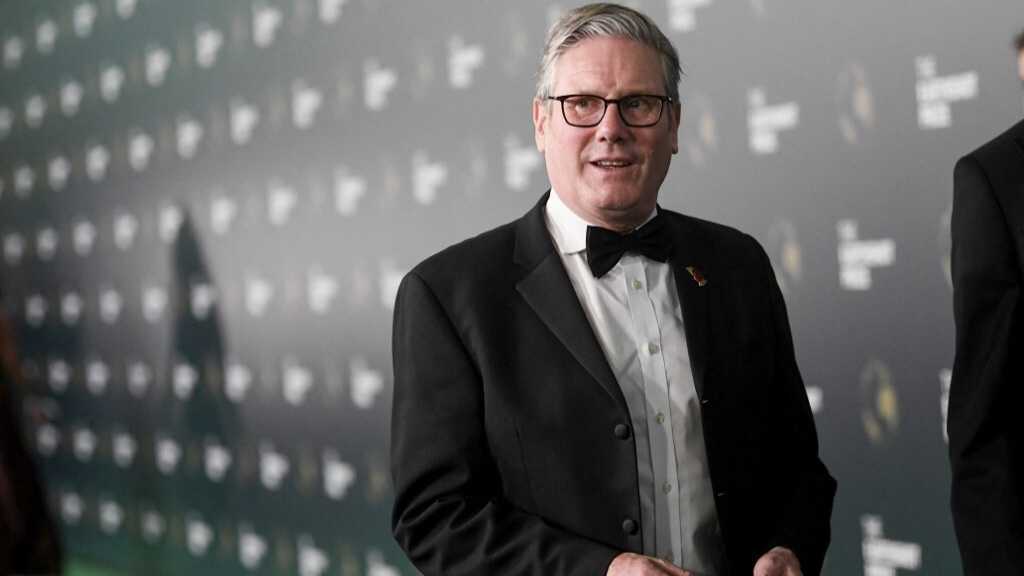
Labour pushed to allow Maccabi fans despite police warning on threat to Muslims
A decision by West Midlands Police to ban Maccabi Tel Aviv fans from attending a football match in Birmingham has ignited a political storm and raised concerns about community safety. The ban, initially criticized by the British government as antisemitic, was based on a police assessment that identified significant risks to public order. Documents obtained by Middle East Eye reveal that authorities concluded there was a ‘medium risk to local Muslim communities’ and a ‘high risk to away supporters,’ citing a history of violent and racist behavior among some Maccabi fans. The police also noted fears expressed by various communities about potential attacks and the impact on social cohesion. The controversy deepened when Dutch police informed West Midlands Police that over 200 Maccabi fans involved in violent incidents in Amsterdam were linked to the Israel Defense Forces (IDF) and were ‘highly organized’ and ‘intent on causing serious violence.’ Despite government criticism, the ban was upheld, with over 700 officers deployed to manage the match and planned pro-Palestine protests. Critics, including MP Jeremy Corbyn, accused the government of distorting facts for political gain, while independent MP Iqbal Mohamed defended the ban as a necessary measure for public safety. The incident highlights the complex interplay between sports, politics, and community relations in a tense geopolitical climate.
-
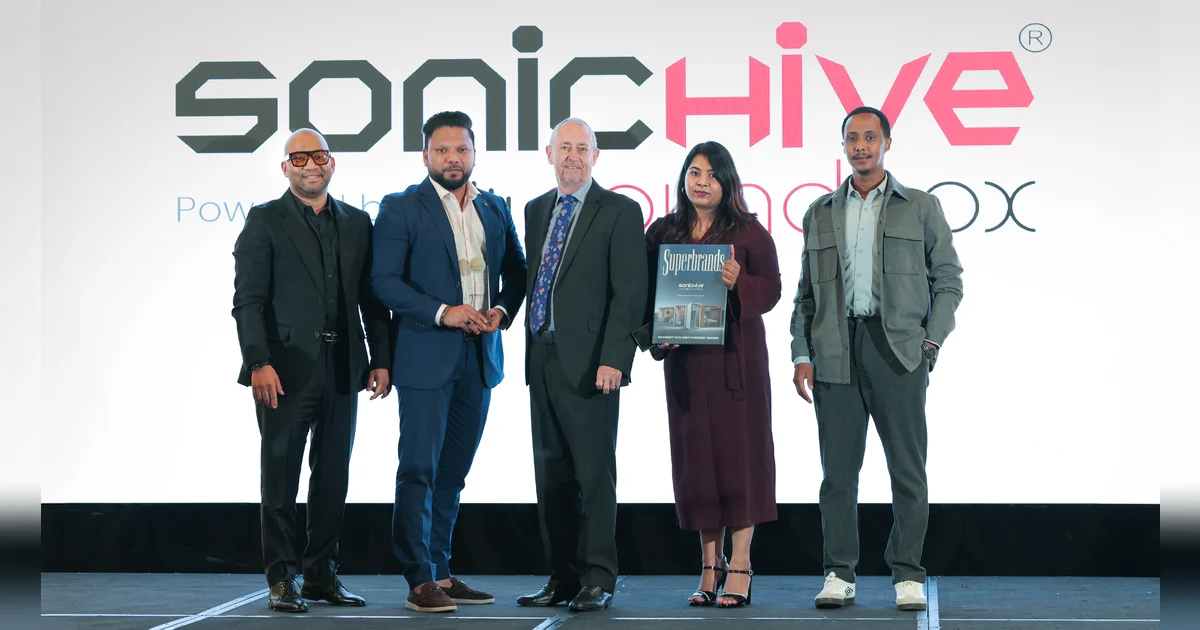
Sonichive wins Superbrands 2025 award
Sonichive, a trailblazer in modern workplace design, has been awarded the prestigious Superbrands 2025 accolade, cementing its status among the UAE’s most iconic brands. Known for its innovative, eco-friendly soundproof office pods, Sonichive has revolutionized workplace environments across the Middle East. The Superbrands Awards, a globally recognized program celebrating brand excellence, hosted its 2025 UAE edition on November 5, bringing together industry leaders from aviation, retail, technology, real estate, F&B, and lifestyle sectors. This year, Sonichive joined the ranks of esteemed brands like Emirates, ADNOC, and Starbucks, recognized for its exceptional reputation, performance, and consumer trust. Sonichive’s soundproof pods, crafted from aviation-grade aluminum and low-carbon polymers, combine sustainability, durability, and mobility. Designed to foster focus and creativity, these pods cater to private work, meetings, content creation, and collaborative activities, eliminating the need for structural renovations. As the world’s leading soundproof pod supplier, Sonichive provides tailored acoustic solutions to corporates, startups, co-working spaces, malls, and public venues. The award was accepted by Sonichive’s Directors, Aneez Arakkal and Abbas Thirunavaya, alongside Operations Manager Bernadine Kamdin and Abdi Rahman Nooh. This recognition underscores Sonichive’s commitment to enhancing workplace wellness, productivity, and sustainability. With plans for continued innovation and regional expansion, Sonichive is redefining the future of adaptable, eco-conscious workspaces in the UAE and beyond.