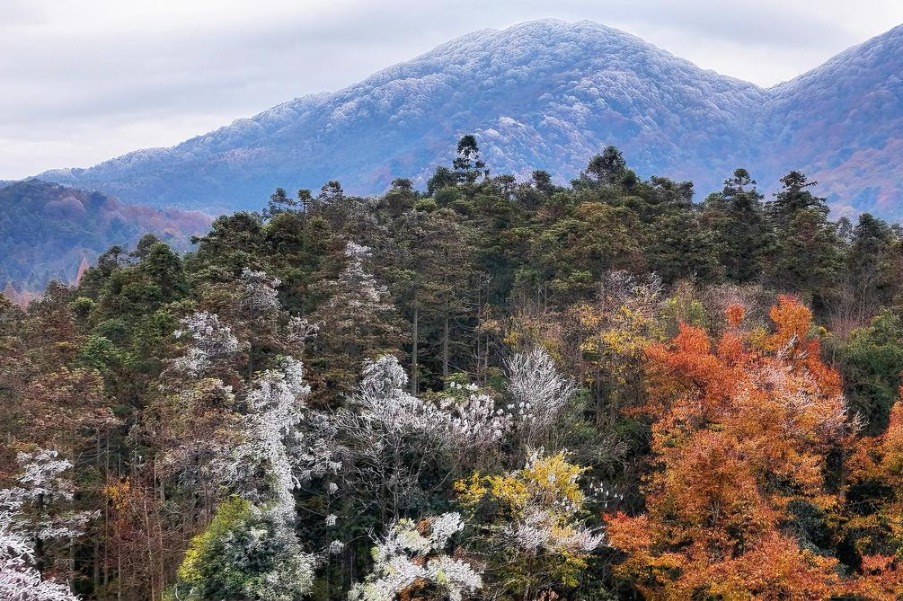
The recent plunge in temperatures around Ziyun Mountain, nestled within the Shunhuang Mountain National Nature Reserve in Xinning, Hunan province, has transformed the landscape into a breathtaking winter wonderland. The forest canopy, now adorned with delicate rime formations, has become a magnet for nature enthusiasts and photographers alike. This natural phenomenon, coupled with the vibrant hues of autumn foliage, creates a surreal visual spectacle that captivates all who visit. The Shunhuang Mountain area, renowned for its rich biodiversity and unspoiled subtropical forest ecosystem, forms a vital part of the Nanling Mountain Range. It serves as a critical water-conservation forest for the Yangtze River basin, underscoring its ecological significance. Visitors to this pristine sanctuary are treated to a living canvas of nature’s artistry, where the interplay of frost and foliage paints a dynamic and ever-changing masterpiece.
标签: Asia
亚洲
-
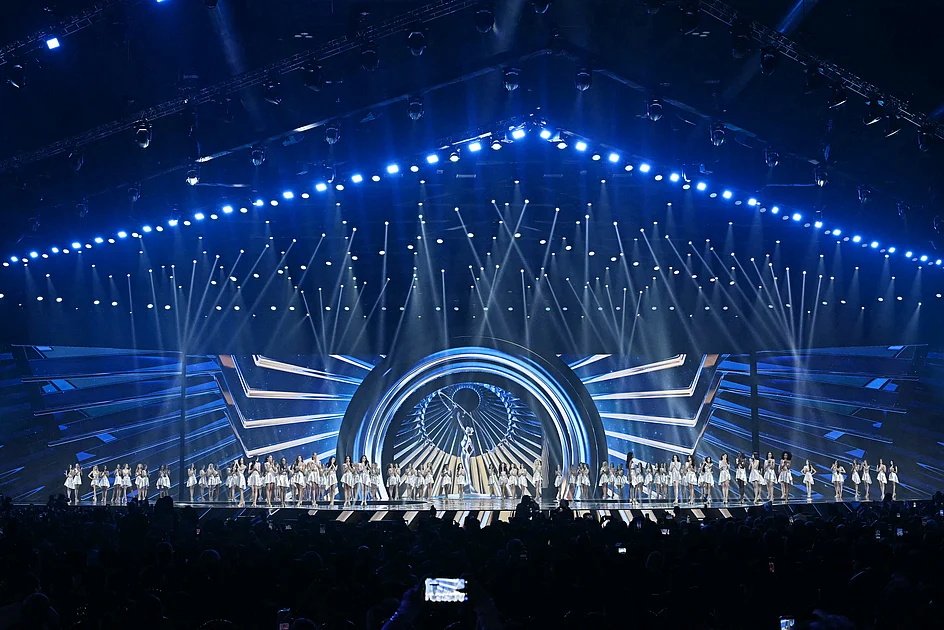
Miss Universe President ‘fed up’ after controversies, looking to sell organisation
Raul Rocha, the president of the Miss Universe Organization, has expressed his intention to sell his 50% stake in the organization, citing exhaustion from the recent controversies surrounding the 2025 pageant. In an interview uploaded to the YouTube channel La Saga, Rocha revealed his frustration with the ongoing drama, including allegations of a rigged judging process and corruption. Despite these claims, Rocha firmly denied any wrongdoing, emphasizing his commitment to fairness and transparency. The 2025 Miss Universe pageant was marred by accusations from former judge Omar Harfouch, who publicly stated that the competition was manipulated to favor Miss Mexico, allegedly due to Rocha’s business ties with her father. The finalists included contestants from Thailand, Philippines, Venezuela, and Cote d’Ivoire. Rocha also hinted that Miss Cote d’Ivoire, a fan favorite, did not win because her visa requirements for 175 countries would hinder her ability to fulfill the global responsibilities of the Miss Universe title. This decision has sparked further debate about the criteria and integrity of the competition. As Rocha moves forward with his plans to sell his stake, the future of the Miss Universe Organization remains uncertain, leaving fans and participants questioning the legacy of this iconic pageant.
-
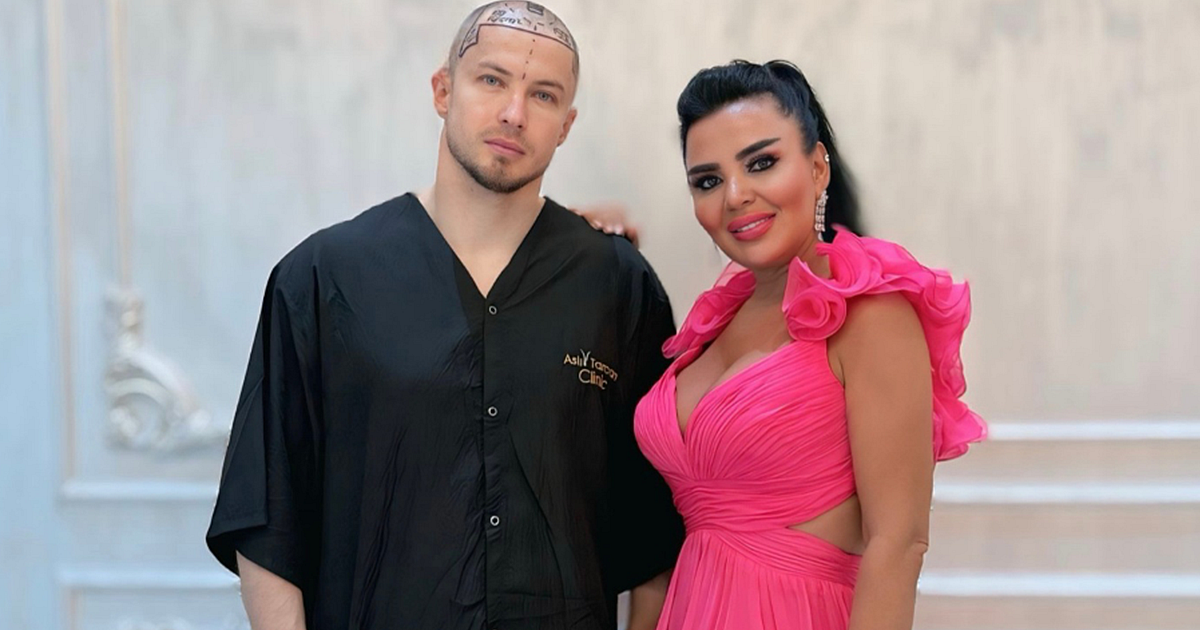
Hair transplant costs in Turkey: What’s included and what to expect
Turkey has emerged as a premier destination for hair transplantation, offering a unique blend of affordability, quality, and comprehensive care. With costs ranging from $2,500 to $6,500, Turkish clinics provide a cost-effective alternative to Western countries like the UK, Europe, and the US. Renowned clinics such as Asli Tarcan Clinic employ experienced surgeons and utilize advanced techniques, ensuring natural results and a seamless recovery process.
What sets Turkey apart is its all-inclusive packages, which typically cover accommodation, airport transfers, surgery, and aftercare. Patients can enjoy stays in 4- or 5-star hotels, private airport transfers, and access to specialized medical expertise. The competitive pricing is driven by factors such as affordable living costs, a robust medical tourism industry, and shorter waiting times.
Turkish clinics also prioritize aftercare, offering virtual consultations, wound care instructions, medication guidance, and more. The success rate of hair transplants in Turkey exceeds 95%, making it a reliable choice for international patients. Additionally, the country’s convenient tourism arrangements, from arrival to departure, enhance the overall experience.
Choosing the right clinic and understanding the inclusions in the package are crucial for a successful treatment. With proper research and planning, patients can achieve long-lasting results and enjoy a comfortable, cost-effective medical tourism experience in Turkey.
-
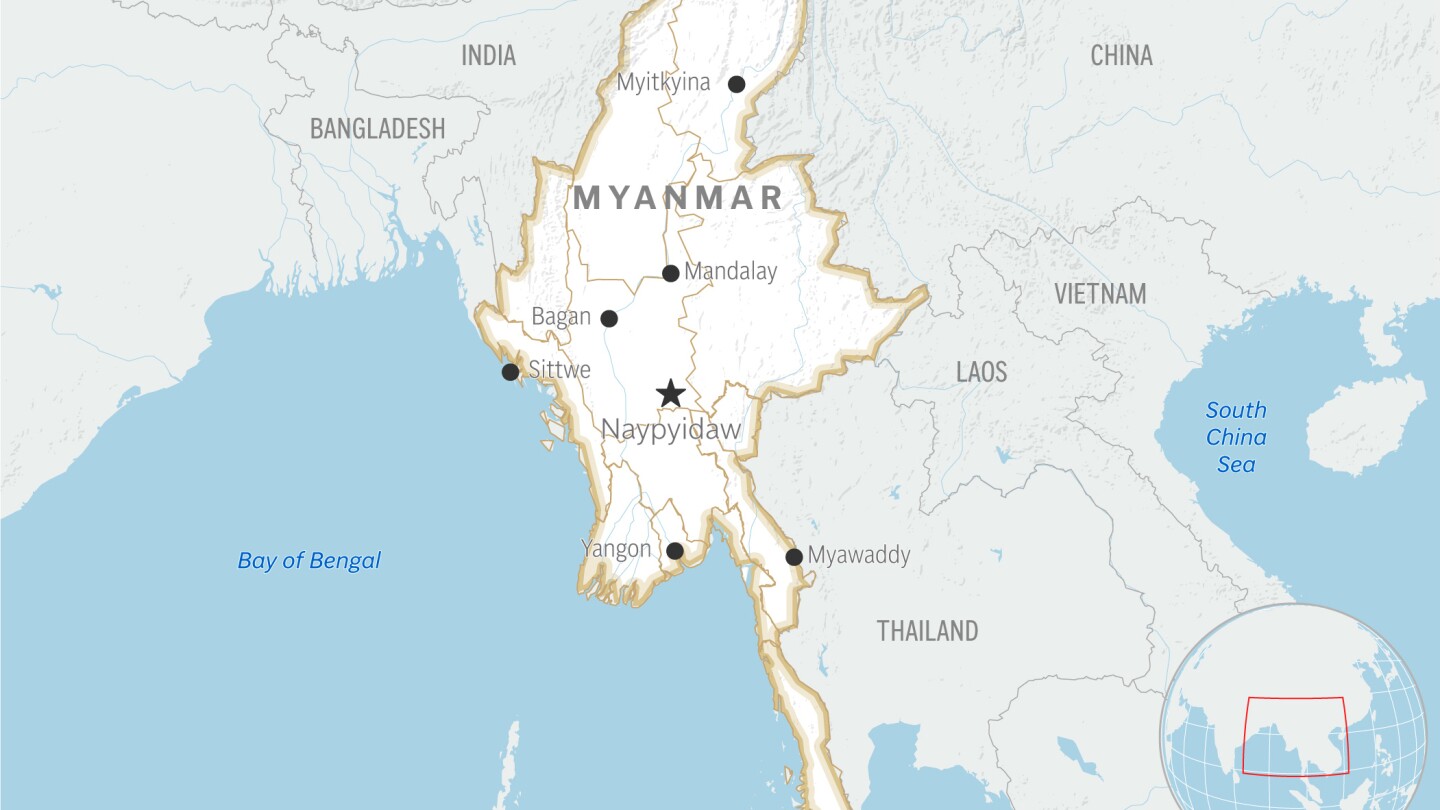
Myanmar’s military rulers grant a mass amnesty ahead of election
In a significant move ahead of next month’s election, Myanmar’s military junta has announced the release of over 3,000 political prisoners and the dismissal of charges against more than 5,500 individuals. State media reported on Wednesday that the amnesty aims to ensure eligible voters can participate freely and fairly in the December 28 multi-party democratic general election. An official from Yangon’s Insein Prison, speaking anonymously, confirmed that releases began on Thursday, though specific details about the inmates were not disclosed. Outside Insein Prison, which has long been a detention center for political dissidents, crowds gathered to welcome freed relatives and friends. It remains unclear whether former leader Aung San Suu Kyi, who has been held incommunicado since the 2021 military coup, is among those released. The amnesty, granted by Myanmar’s State Security and Peace Commission, covers prisoners convicted under Section 505(A) of the penal code, which criminalizes incitement to public unrest or fear. Critics argue the election will lack fairness due to the absence of free media and the imprisonment of key opposition leaders. According to the Assistance Association for Political Prisoners, over 22,700 political detainees, including Suu Kyi, remain in custody. Suu Kyi, 80, is serving a 27-year sentence following what supporters describe as politically motivated prosecutions. The 2021 military takeover sparked widespread nonviolent resistance, which has since escalated into an armed struggle.
-
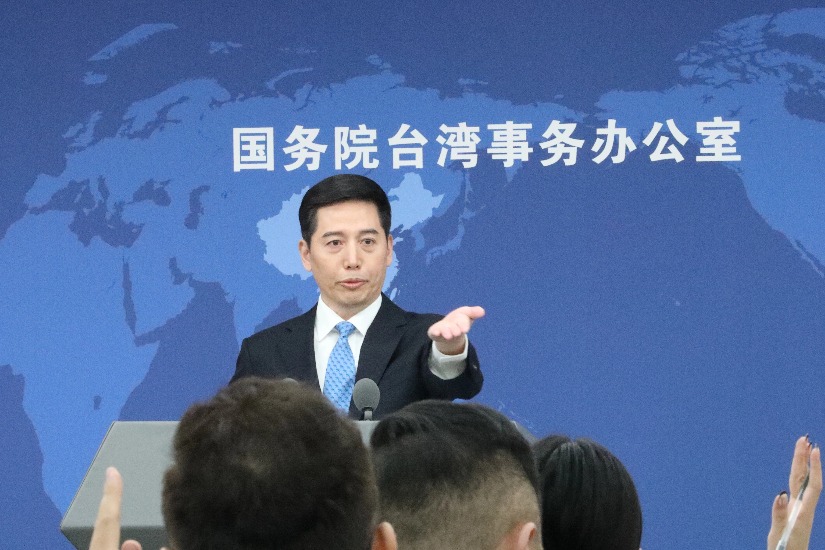
Mainland slams Lai Ching-te for ‘disgusting’ support of Japanese PM’s Taiwan remarks
The Chinese mainland has strongly criticized Taiwan’s leader Lai Ching-te for his public endorsement of Japanese Prime Minister Sanae Takaichi’s recent remarks on Taiwan, labeling his actions as ‘disgusting.’ During a press conference, Peng Qing’en, spokesperson for the State Council’s Taiwan Affairs Office, accused Lai of ‘courting Japan’s favor and betraying Taiwan.’ Peng emphasized that Lai’s behavior revealed his ‘shameful betrayal of the motherland and disregard for heritage.’ He further warned the Democratic Progressive Party (DPP) authorities that any reliance on external forces would lead to disgrace and that traitors would face justice. Peng’s comments came in response to Takaichi’s statements, which have sparked widespread protests in Taiwan. Lai defended Takaichi and shared a photo of himself enjoying Japanese cuisine on social media, claiming it symbolized the ‘strong friendship’ between Taiwan and Japan. Peng asserted that Takaichi’s remarks constituted gross interference in China’s internal affairs, violated international law, and undermined the post-war international order. He urged Japan to reflect on and correct its mistakes, demanding the withdrawal of all ‘erroneous statements’ regarding Taiwan.
-
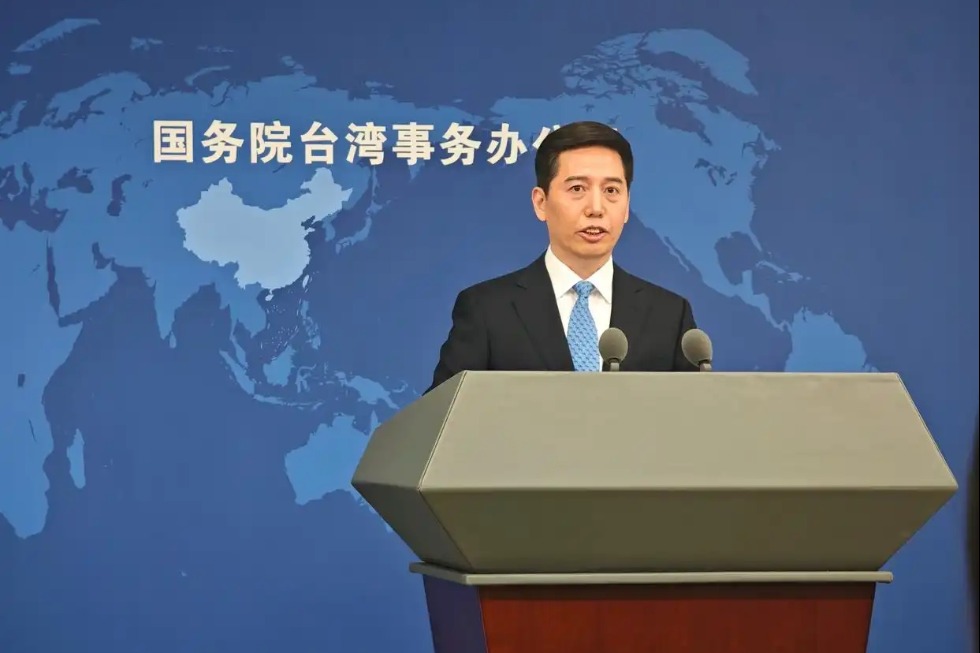
DPP warned against self-destructive military pursuit of ‘independence’
A spokesperson from mainland China issued a stern warning on Wednesday, cautioning that the Democratic Progressive Party (DPP) authorities in Taiwan are heading toward self-destruction by pursuing ‘independence’ through military means. Peng Qing’en, spokesman for the State Council Taiwan Affairs Office, made these remarks in response to an opinion piece by Lai Ching-te, published in The Washington Post. In the article, Lai outlined plans to increase Taiwan’s ‘defense’ budget to 3.3% of its GDP next year and to 5% by 2030, alongside a proposed $40 billion supplementary ‘defense’ package. Peng criticized the DPP for diverting resources that could otherwise improve livelihoods and economic development, instead allocating funds to arms purchases aimed at ‘currying favor with external forces.’ Lai’s article also emphasized investments in cutting-edge technologies, expansion of Taiwan’s ‘defense’ industrial base, and strengthened collaboration with international partners. Peng reiterated that such actions would only push Taiwan toward disaster, emphasizing that the trend toward reunification is unstoppable. He warned that relying on the United States for ‘independence’ is doomed to fail, and pursuing it through military means would result in self-destruction.
-
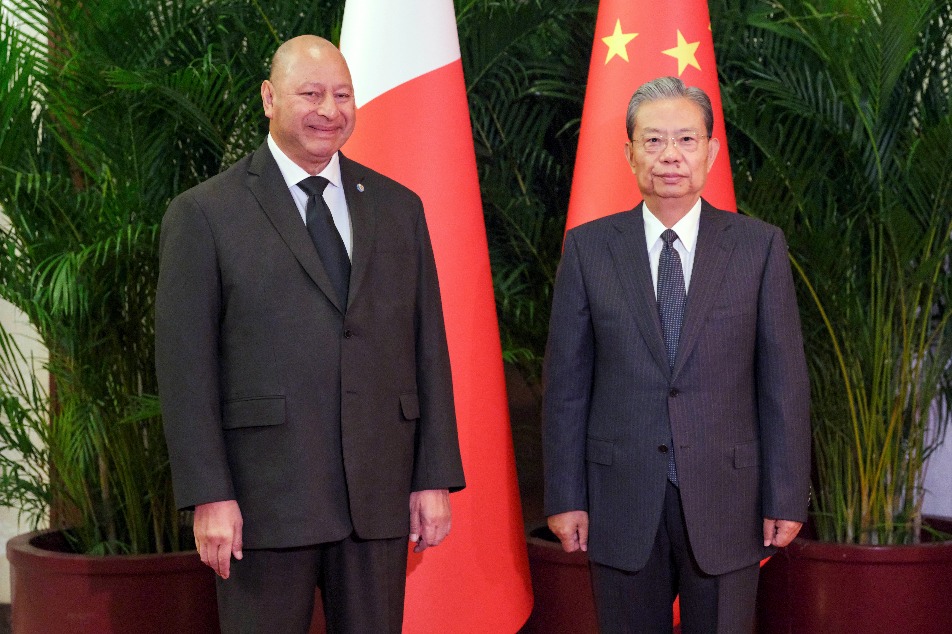
China’s top legislator meets Tonga’s king
In a significant diplomatic engagement, Zhao Leji, Chairman of the National People’s Congress (NPC) Standing Committee, met with King Tupou VI of Tonga in Beijing on Wednesday. The meeting underscored the commitment of both nations to deepen their bilateral relations and enhance cooperation across various sectors. Zhao emphasized China’s readiness to work closely with Tonga to implement the key agreements reached by their respective leaders. He highlighted the importance of mutual support on core issues, advancing high-quality and mutually beneficial cooperation, and fostering cultural and people-to-people exchanges to ensure the steady growth of China-Tonga relations. Zhao also expressed the NPC’s willingness to strengthen multi-level exchanges with Tonga’s parliament, providing legal frameworks to support practical collaboration between the two countries. King Tupou VI reaffirmed Tonga’s steadfast adherence to the one-China policy and expressed eagerness to expand pragmatic cooperation with China. He emphasized the need to deepen legislative exchanges and further develop the comprehensive strategic partnership between Tonga and China. The meeting reflects the enduring and robust friendship between the two nations, setting a positive trajectory for future collaboration.
-
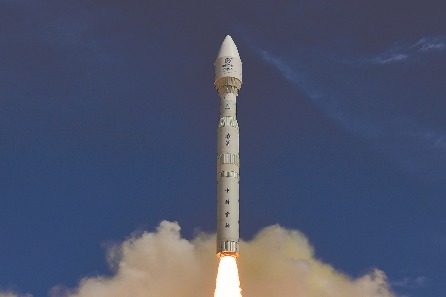
China’s space agency unveils plan to boost commercial growth, international cooperation
In a groundbreaking move, the China National Space Administration (CNSA) has unveiled a comprehensive action plan aimed at accelerating the growth of the commercial space sector and fostering international cooperation over the next two years. The initiative, announced on Tuesday, underscores China’s commitment to integrating commercial space enterprises into its broader space exploration and development agenda. The CNSA has called on domestic commercial space firms to expand their global footprint, particularly by assisting developing nations in establishing satellite-application industries. To facilitate this, the agency has pledged to incorporate commercial space projects into China’s international cooperation framework. A key component of the plan is the expansion of commercial access to China’s national network of civilian tracking, telemetry, and control (TT&C) stations, data-receiving sites, calibration ranges, and validation fields. Additionally, commercial entities will gain access to large-scale test assets, including rocket-engine test stands and space-environment simulation facilities. The CNSA will also establish a national commercial space development fund and broaden government procurement to include commercial capabilities such as launch vehicles, satellites, launch sites, and TT&C facilities in national missions. Local governments are encouraged to set up technology-innovation centers focused on reusable rockets and smart satellites, and to create open platforms for advanced manufacturing, final assembly, and testing. The plan also includes measures to build commercial launch sites, unify space standards, and open space-debris data to enhance collision warnings for commercial spacecraft. Furthermore, commercial firms are urged to pioneer new frontiers in space resource utilization, on-orbit servicing, debris removal, space tourism, and in-space biomanufacturing. The overarching goal of the plan is to achieve high-quality development of the commercial space sector by 2027, aligning with the recommendations for China’s 15th Five-Year Plan (2026-30), which lists the aerospace sector among its strategic emerging industries.
-
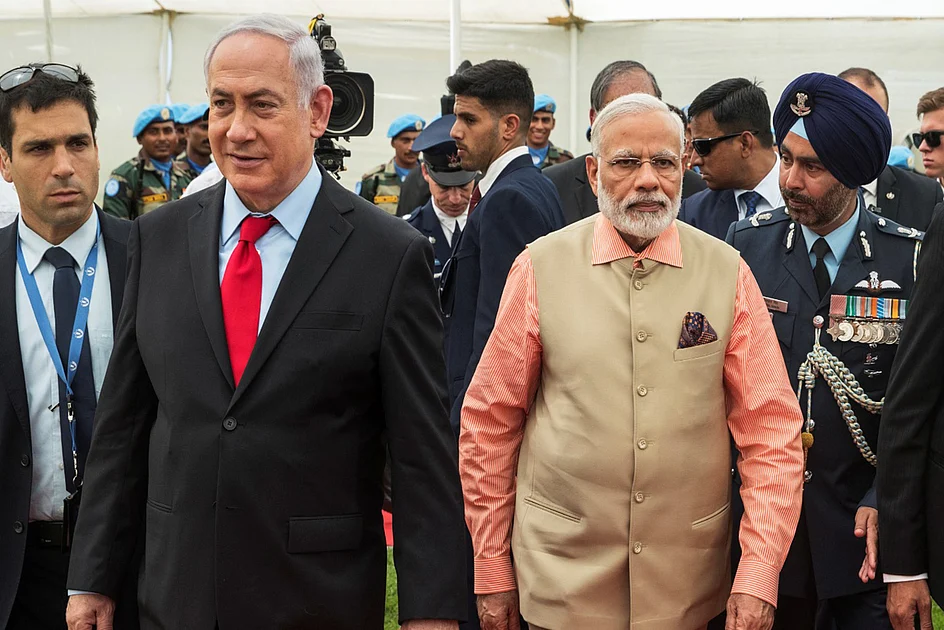
India-Israel relations ‘very strong’, Netanyahu’s office says as new visit date planned
The diplomatic relationship between India and Israel remains robust, with both nations actively working to reschedule Israeli Prime Minister Benjamin Netanyahu’s visit to India. Originally planned for December, the trip was postponed following a tragic blast in Delhi two weeks ago. Netanyahu’s office confirmed the strong bilateral ties and expressed full confidence in India’s security measures under Prime Minister Narendra Modi. In a statement on X, the Israeli PM’s office emphasized the deep bond between the two leaders and their nations, highlighting ongoing coordination for a new visit date. Netanyahu had previously visited India in 2018, marking the second visit by an Israeli Prime Minister, following Modi’s historic trip to Israel in 2017. The relationship has since expanded, with recent discussions focusing on enhancing cooperation in trade, technology, and strategic sectors. Union Commerce and Industry Minister Piyush Goyal recently met with Netanyahu, conveying Modi’s warm wishes and updating him on progress in bilateral trade and innovation initiatives. The two nations are also advancing negotiations for a Free Trade Agreement (FTA), which is expected to further boost economic and technological collaboration. The partnership between India and Israel continues to grow, with both countries committed to deepening their engagement across multiple domains, including agriculture, water, defense, and science.
-

Israeli army announces new operation in northern West Bank
The Israeli military has initiated a fresh counterterrorism operation in the northern region of the occupied West Bank, as announced on Wednesday. This new campaign, distinct from the ongoing operation launched in January 2024, focuses on areas referred to as ‘northern Samaria’ in Israeli terminology. The joint statement from the military and internal security services emphasized the broad scope of this initiative, aimed at addressing security threats in the region. Unlike the previous operation, which primarily targeted Palestinian refugee camps, this new effort appears to have a wider geographical focus. The announcement comes amid heightened tensions in the West Bank, where Israeli forces have been actively engaged in counterterrorism activities. The move underscores Israel’s continued commitment to addressing security challenges in the region, though it is likely to draw mixed reactions from both local and international stakeholders.