
In a dramatic turn of events, London police arrested protesters outside the High Court on Wednesday as they demonstrated against the UK government’s decision to designate Palestine Action as a terrorist organization. The protest, marked by placards reading ‘I oppose genocide, I support Palestine Action,’ saw dozens gather behind the Royal Courts of Justice in Central London. The demonstration coincided with the commencement of a judicial review into the government’s controversial ban on the direct-action group. Among those detained was a pensioner affiliated with Defend Our Juries, who struggled to walk to a police van after being apprehended. Other protesters resorted to passive resistance, forcing officers to physically carry them away. Inside the court, lawyers representing Huda Ammori, co-founder of Palestine Action, argued that the ban had a chilling effect, citing numerous arrests across the UK in opposition to the proscription. Raza Husain KC, representing Ammori, emphasized that Palestine Action’s tactics of civil disobedience aimed to prevent serious violations of international law by targeting premises linked to Israeli and British arms companies. Husain also noted that the government’s own security assessments found no evidence of the group advocating violence against individuals. The Home Office, represented by James Eadie KC, defended the ban as a necessary measure to disrupt the group’s activities, which include damaging property to hinder the supply chain of weapons to Israel. The trial is set to continue on Thursday, with Defend Our Juries vowing to persist in their opposition to the ban.
标签: Asia
亚洲
-
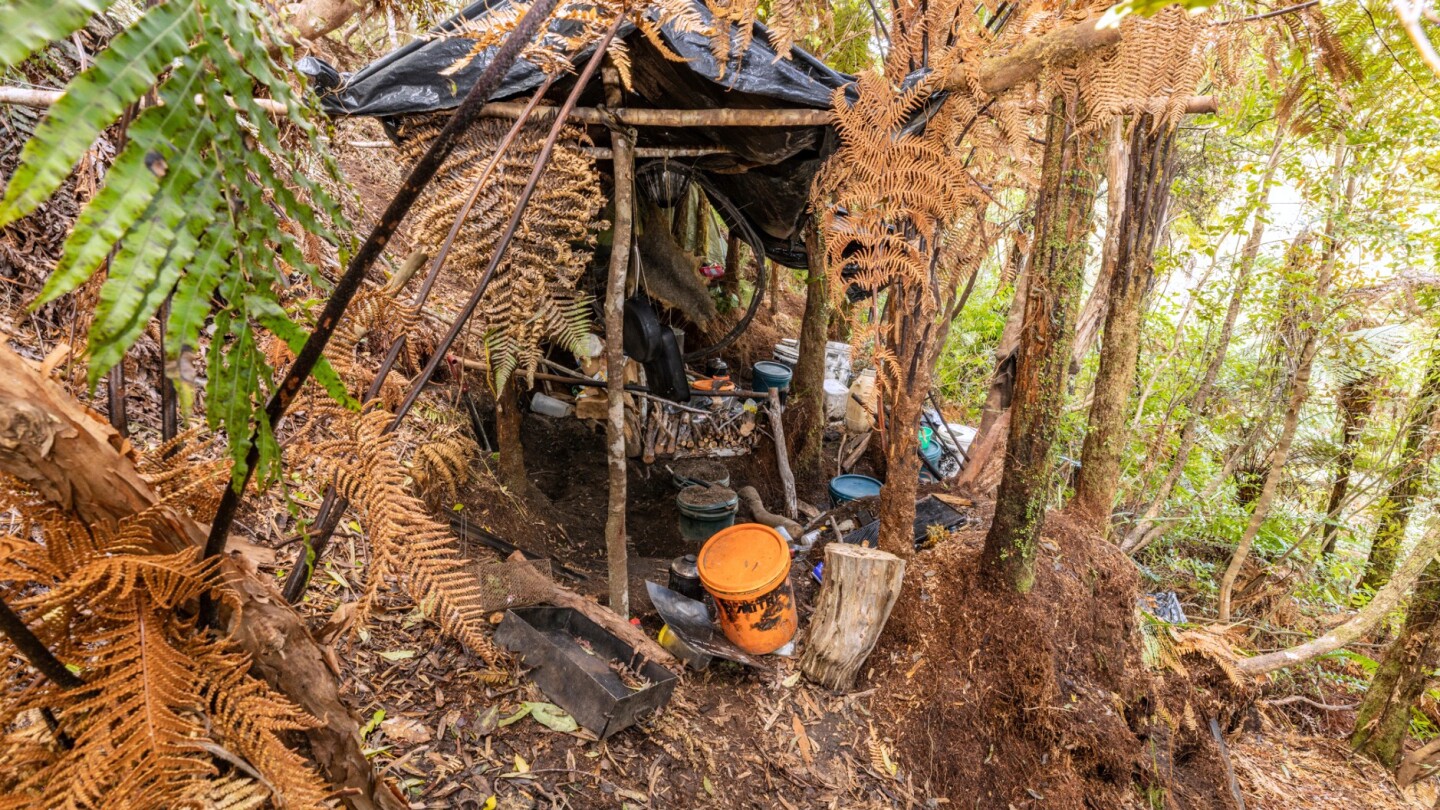
New Zealand launches major inquiry into case of father who hid his children in a forest for years
The New Zealand government has initiated a comprehensive public inquiry into the handling of a high-profile case involving a father who disappeared with his three children into the wilderness for several years before being fatally shot by police. The inquiry, announced by Attorney General Judith Collins, will scrutinize whether government agencies took all necessary steps to ensure the safety and welfare of the children, who were subjected to harsh living conditions without access to healthcare or education. Tom Phillips vanished with his children, aged 5, 7, and 8, from Marokopa in December 2021. The children were discovered at a makeshift campsite in September 2023, hours after Phillips was killed during a confrontation with police following a robbery. The incident, which left a police officer critically injured, has sparked widespread outrage and raised questions about the effectiveness of law enforcement efforts during the family’s prolonged disappearance. The inquiry, led by prominent lawyer and former High Court judge Simon Moore, will examine the actions of officials and deliver its findings by July 2026. The case has gripped New Zealand, prompting debates about the handling of family court proceedings and the adequacy of search efforts. The inquiry will also address concerns about the secrecy surrounding the case and the potential involvement of accomplices in aiding Phillips during his years in hiding.
-
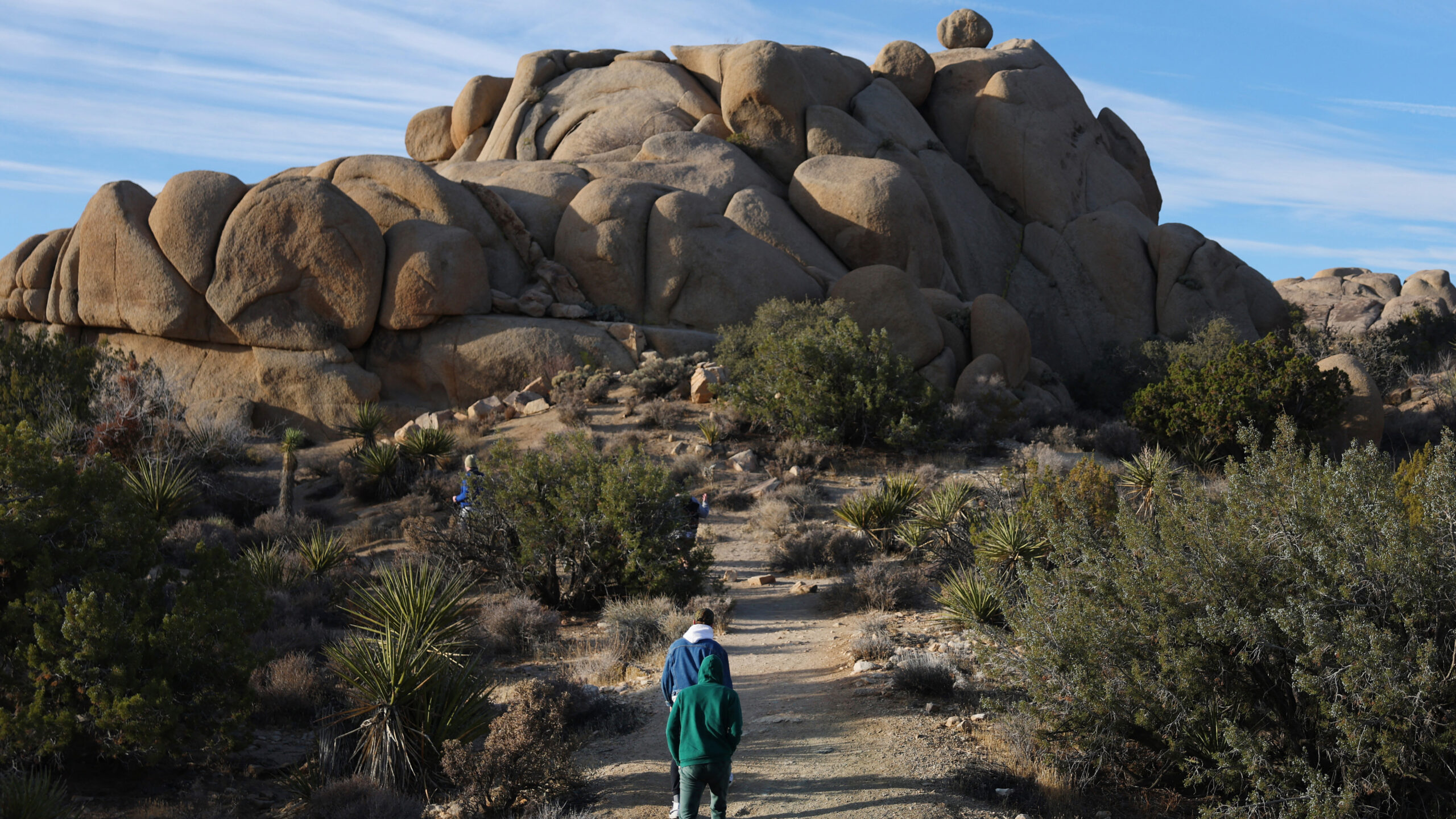
Foreign visitors will now pay a lot more to visit US national parks
Starting January 1, international visitors to US national parks will face a significant fee hike as part of the Department of the Interior’s ‘America First’ policy. The annual pass, now rebranded as ‘America the Beautiful,’ will remain at $80 for US residents but will skyrocket to $250 for nonresidents. Additionally, visitors without an annual pass will be charged an extra $100 per person to enter 11 of the most popular national parks, on top of the standard entrance fee. This means a family of four from abroad will pay $480 to visit the Grand Canyon National Park, up from the current $80. The affected parks include iconic destinations such as Yellowstone, Yosemite, and Zion National Parks. Furthermore, the 10 annual fee-free days, which previously allowed all visitors free entry, will now be exclusive to US citizens and permanent residents. These days include Presidents’ Day, Flag Day, and President Trump’s birthday. The policy aims to prioritize US taxpayers, who already fund the National Park System, while ensuring international visitors contribute more to park maintenance and improvements. The fee restructuring follows layoffs of thousands of national park employees earlier this year and proposed budget cuts, raising concerns about the future of park preservation. Critics, including Athan Manuel of the Sierra Club, argue that these changes favor corporate interests over environmental protection, potentially jeopardizing the nation’s natural heritage.
-

Most Mena hospitals up to 18 months away from AI readiness, reveals expert
Hospitals across the Middle East and North Africa (MENA) region are still six to 18 months away from achieving full readiness for large-scale artificial intelligence (AI) implementation, according to industry experts. Despite significant enthusiasm and rapid investments in AI, most institutions lack the essential foundational processes, governance frameworks, and leadership awareness required for safe and effective deployment. Brian de Francesca, Special Envoy for AI and Synthetic Workforce Development at the Arab Hospitals Federation, highlighted this gap during the DATE summit in Dubai, emphasizing that AI adoption is not merely a software purchase but a comprehensive organizational transformation. He noted that many leaders are unaware of AI’s current capabilities, limitations, and associated risks. Sid Ahmed Benraouane, an advisor to the Dubai Government, stressed the importance of visionary leadership in harnessing AI’s potential, warning that without proper safeguards, organizations risk deploying poorly understood systems. Aditya Balaraman, AI innovation lead at Magure, echoed these concerns, pointing out that while ambition is abundant in the region, a clear roadmap is essential for sustainable AI integration. He emphasized that AI could serve as a levelling technology, enabling lower-income markets to catch up if the right investments are made.
-
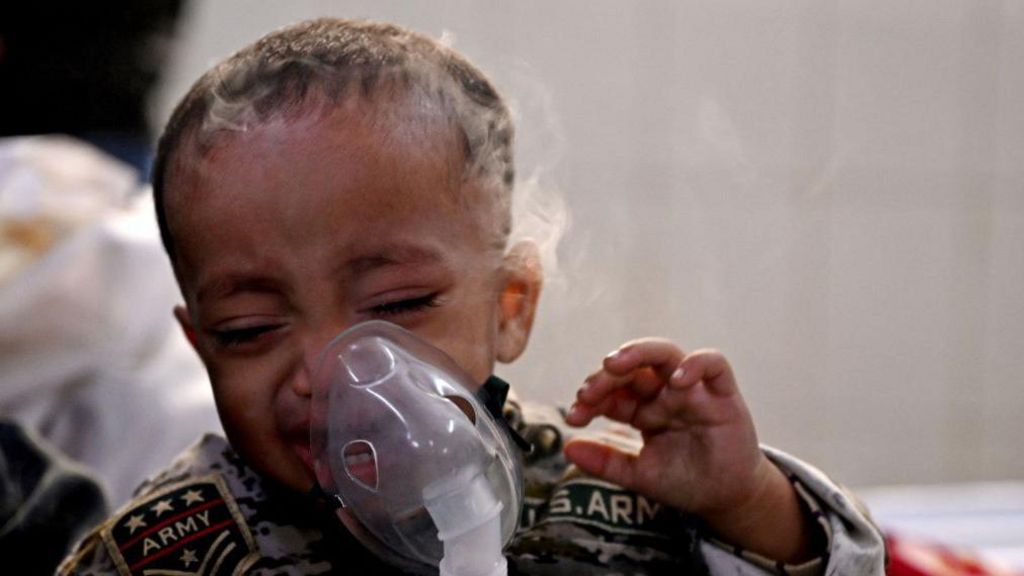
‘I panic every time she coughs’ – Delhi’s toxic air is making its children sick
Delhi, the Indian capital, is grappling with a severe air pollution crisis, with children emerging as the most vulnerable victims. Hospitals across the city are witnessing a surge in young patients suffering from respiratory issues, a direct consequence of the hazardous air quality. The situation has reached alarming levels, with the Air Quality Index (AQI) consistently hovering between 300 and 400, far exceeding the World Health Organization’s recommended limit. Fine particulate matter (PM2.5), which can penetrate deep into the lungs, is a major contributor to the health crisis. Pediatric clinics are overwhelmed, with doctors reporting a tenfold increase in pollution-related illnesses among children. Dr. Shishir Bhatnagar, a pediatrician in Noida, noted that 50-70% of his patients during the pollution season suffer from breathing difficulties, compared to 20-30% in normal times. The government has implemented emergency measures, including halting construction and banning polluting vehicles, but these efforts have failed to curb the smog. Parents like Khushboo Bharti, whose one-year-old daughter Samaira was hospitalized with pneumonia, are living in constant fear. Research underscores the long-term health risks for children, including stunted development, weakened immunity, and cognitive impairments. A recent study from the University of Cambridge linked air pollution to a higher risk of dementia. Many families are considering relocating to safer environments, but for the economically disadvantaged, escape is not an option. Dr. A Fathahudeen, a pulmonologist, warns that chronic exposure to pollution can lead to irreversible lung damage in children. While schools have shifted to hybrid learning and outdoor activities have been curtailed, parents question how long they can keep their children indoors. The crisis has sparked protests and calls for urgent action to protect the health of Delhi’s youngest residents.
-
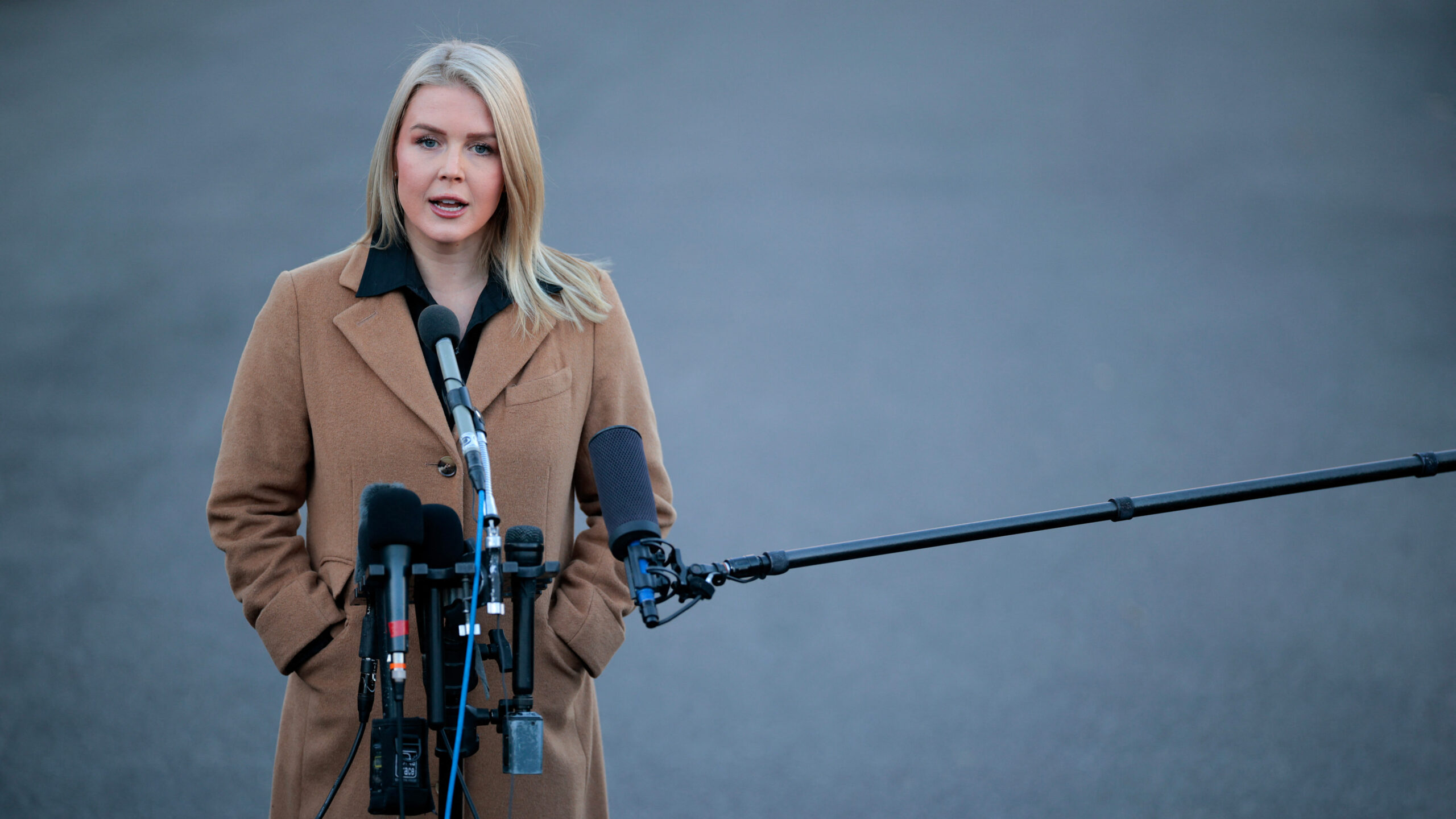
US: ICE detains mother of press secretary Karoline Leavitt’s nephew
Immigration and Customs Enforcement (ICE) has detained Bruna Ferreira, the mother of White House press secretary Karoline Leavitt’s nephew, according to multiple media reports. The 33-year-old Brazilian national was taken into custody in Revere, Massachusetts, earlier this month and is currently held at an ICE facility in Louisiana. The exact date of her detention remains unclear, though initial reports suggest it occurred in early November. Ferreira was initially transferred to a women’s prison in Vermont before being moved to South Louisiana. She is now facing removal proceedings due to allegations that her family overstayed a tourist visa that expired in 1999, as confirmed by Department of Homeland Security spokeswoman Tricia McLaughlin. Ferreira, who arrived in the U.S. as a child in 1998, has an 11-year-old son with Michael Leavitt, Karoline’s brother. The couple was engaged in 2014 but later separated, and they currently share custody of the child. Ferreira’s sister, Graziela Dos Santos Rodrigues, revealed that Ferreira was detained while en route to pick up her son from school in New Hampshire. Ferreira had previously benefited from the Deferred Action for Childhood Arrivals (DACA) program, which provides temporary protection from deportation and work authorization, but was unable to renew her legal status. Her attorneys are reportedly seeking permanent residence for her. Karoline Leavitt, a prominent advocate of the Trump administration’s stringent immigration policies, has not publicly commented on the matter. Dos Santos Rodrigues expressed disappointment, stating that Leavitt has not reached out to offer assistance, despite their familial ties. She also criticized suggestions from Michael Leavitt and his father that Ferreira should self-deport, emphasizing that Brazil is not her home. The Department of Homeland Security has yet to respond to requests for comment.
-
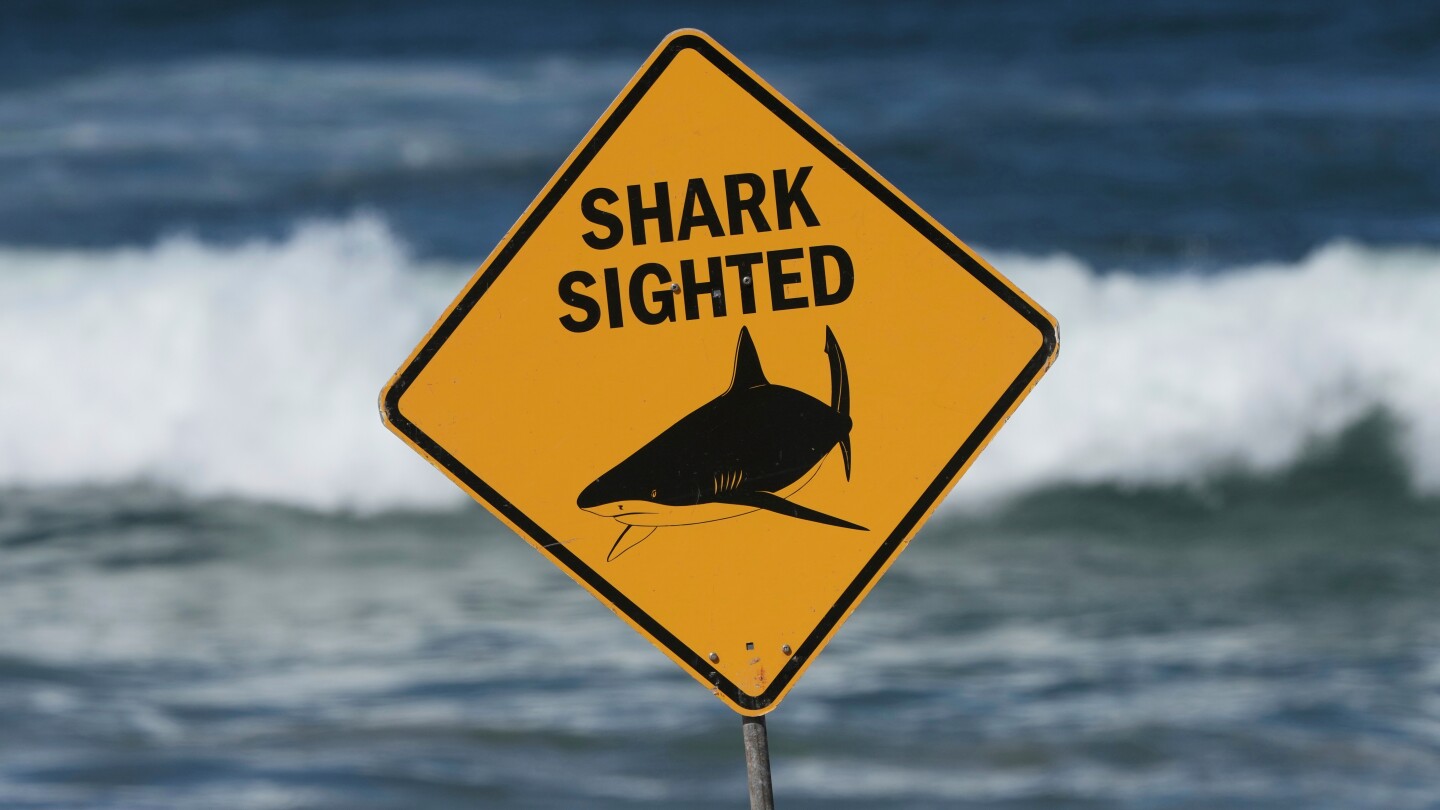
Shark attack in Australia leaves woman dead, man critically injured
A tragic shark attack occurred off the east coast of Australia on Thursday, resulting in the death of a woman and severe injuries to a man, according to police reports. The incident took place at Crowdy Bay, located 360 kilometers (224 miles) north of Sydney, at approximately 6:30 a.m. Emergency services were swiftly dispatched to the scene after receiving reports of the attack. Witnesses provided immediate assistance to the victims before paramedics arrived. Despite their efforts, the woman succumbed to her injuries at the scene. The man, who sustained critical injuries, was airlifted by helicopter to a nearby hospital for urgent medical attention. Authorities have not yet disclosed specific details about the circumstances surrounding the attack. Police have announced plans to collaborate with marine experts to identify the species of shark involved. Following the incident, the beach within Crowdy Bay National Park was closed to swimmers as a precautionary measure. The park is renowned for its beach camping, fishing spots, and hiking trails. This incident follows a similar tragedy in September, when a man in his 50s was fatally attacked by a shark off Sydney’s Long Reef Beach, with sections of his surfboard recovered from the scene.
-
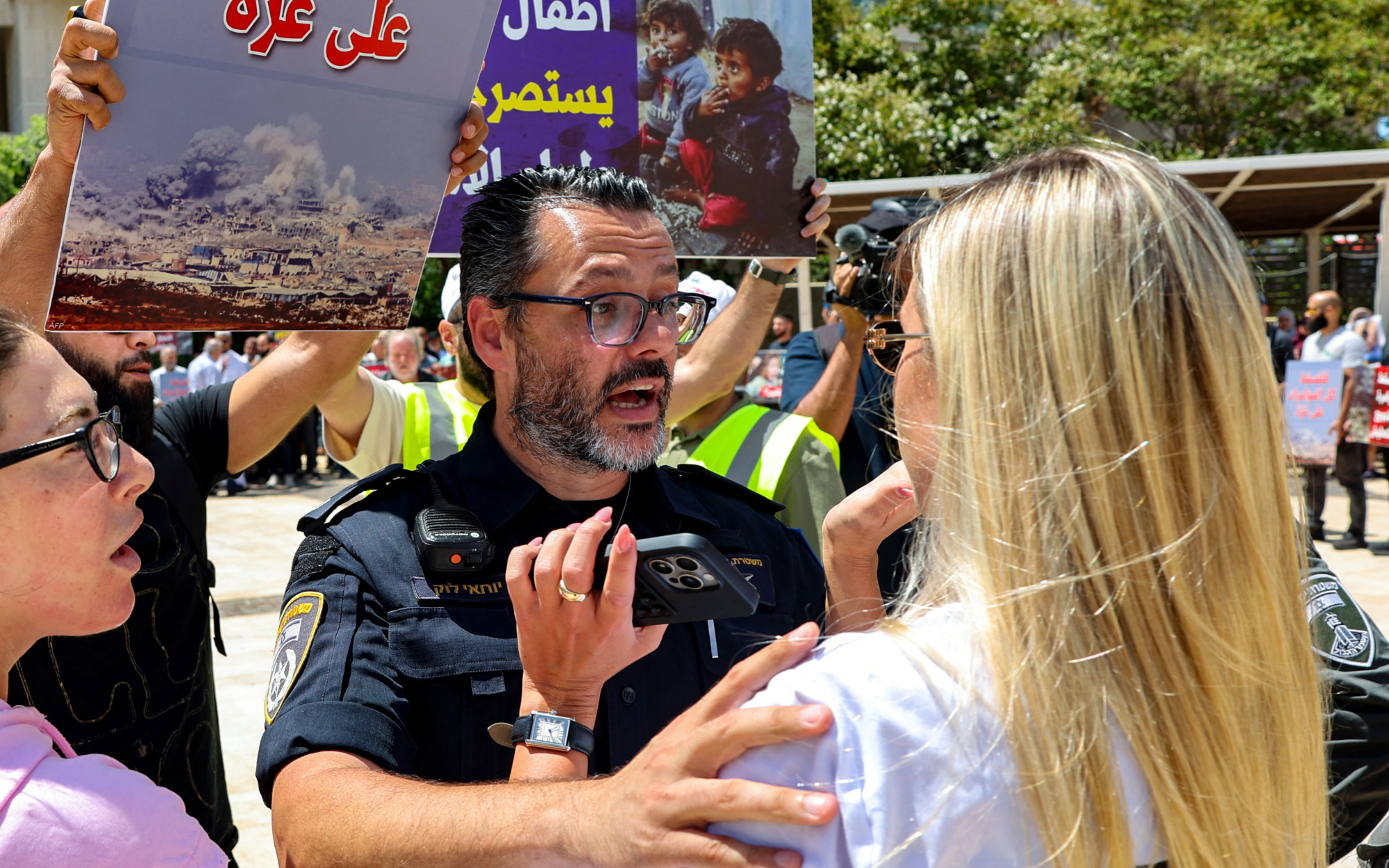
Israel passed 30 laws ‘deepening apartheid’ since 7 October, legal centre says
Since October 2023, Israel has enacted over 30 laws that deepen systemic apartheid and repression against Palestinians, according to a new report by the legal center Adalah. These laws, passed between October 7, 2023, and July 27, 2025, target a wide range of political and civil rights, including freedom of expression, protest, citizenship, family life, equality, and the rights of detainees and prisoners. Adalah asserts that these measures fundamentally violate Palestinian human rights. The report highlights several legislative trends, including the expanded use of counterterrorism laws, which are disproportionately applied to Palestinian citizens of Israel and residents of occupied East Jerusalem. The vague definitions of ‘terrorist act’ and ‘terror organisation’ in the 2016 Counter-Terrorism Law have become tools to suppress Palestinian freedom of expression. Another trend involves channeling state resources to Jewish Israeli reservists, explicitly excluding Palestinian citizens from benefits such as tax relief, welfare, higher education, and employment support. The report also notes the institutionalization of temporary emergency measures, which have been repeatedly renewed or made permanent, enabling widespread violations of detainees’ rights and punitive conditions for Palestinian prisoners. Adalah links these laws to Israel’s constitutional framework, which prioritizes ‘Jewish ethno-national supremacy,’ as reflected in the 2018 ‘Nation State’ Basic Law. The government’s guiding principles, adopted in December 2022, assert exclusive Jewish rights over all areas between the Mediterranean Sea and the Jordan River. The report examines five key themes: denial of freedom of expression, thought, criticism, and protest; denial of citizenship, family life, and community ties; systematic denial of fair trial guarantees and assaults on prisoners’ rights; denial of social rights and deepening inequalities in resource allocation; and the termination of UNRWA operations in occupied Palestine. Laws criminalize the consumption of media produced by designated ‘terrorist organizations,’ ban statements denying the events of October 7, 2023, and allow the education ministry to dismiss teachers and defund schools for alleged support of terrorism. Foreign nationals can be barred from entering Israel for critical speech or appeals to international courts, and critical media broadcasts may be restricted on claims of ‘harm to state security.’ Palestinian lawyer Amal Orabi argues that these laws aim to ‘silence and suppress’ Palestinian citizens of Israel, preventing them from participating in global discourse or exposing violations. Adalah has documented a total of 100 discriminatory laws, which criminalize political expression, authorize deportations of Palestinian families, block family unification, permit the dismissal of Palestinian teachers, revoke social welfare benefits for families of children convicted of ‘security offences,’ expand detention powers, restrict access to legal counsel, and close independent media outlets. Miriam Azem, Adalah’s international advocacy coordinator, states that these laws ‘overwhelmingly and systematically’ target Palestinians, using counterterrorism and security frameworks as a proxy. She notes that the legislative campaign against Palestinians shows no signs of slowing, with multiple bills advanced in the current parliamentary session, including the death penalty bill and the extension of the offence of consuming ‘terrorist publications.’
-

Lebanese living abroad seek hope as they return for pope visit
Pope Leo XIV’s upcoming three-day visit to Lebanon has ignited a wave of hope among Lebanese citizens, both at home and abroad, as the nation grapples with persistent crises and conflict. The pontiff, who will arrive in Beirut on Sunday after a stop in Turkey, is set to lead an open-air mass at the city’s waterfront, expected to attract 120,000 attendees. The visit also includes a special meeting with young people aged 16 to 35 in Bkerke, the seat of Lebanon’s Maronite Church. For many, the papal visit symbolizes a beacon of reassurance and unity for a country battered by economic collapse, political instability, and ongoing regional tensions. Rachelle Mazraani, a 23-year-old Lebanese-Australian, expressed her optimism, stating that the visit reminds the Lebanese of their enduring spiritual identity and mission in the region. Lebanon, a multi-confessional nation with a Christian head of state, has seen its Christian population dwindle due to emigration and crises. The pope’s message of peace and interfaith dialogue is particularly poignant as the country faces regular Israeli strikes and fears of renewed conflict. Billboards across Lebanon featuring the pope with the slogan ‘Blessed are the peacemakers’ reflect the nation’s yearning for stability. The visit has also drawn significant international attention, with delegations from countries like Syria and Nigeria participating in the youth meeting. For many, the event represents a historic moment to inspire unity and rebuild a fractured nation. Lebanon has declared a two-day official holiday to encourage public participation, while hotels are offering special deals to accommodate visitors. Despite the challenges, the pope’s visit is seen as a catalyst for hope and renewal in a region grappling with turmoil.
-

Dubai’s AI officer in every govt department is ‘leading by example’, says top official
Dubai’s strategic early adoption of artificial intelligence (AI) has positioned the emirate as a global leader in digital innovation. According to Marwan Al Zarouni, CEO of AI at Dubai’s Department of Economy and Tourism (DET), the city’s ‘lead by example’ approach has been instrumental in integrating AI across public services and regulatory systems. Speaking at the Care for Sustainability MENA event in Dubai, Al Zarouni emphasized the importance of appointing an AI officer in every government department to ensure alignment, ownership, and swift execution of AI initiatives. This unified vision has enabled Dubai to stay ahead of international competitors in the AI race. Dubai’s journey with AI began long before many other cities, with the UAE appointing the world’s first Minister of AI in 2017 and launching dedicated education programs as early as 2012. This early start allowed Dubai to build the necessary skills, structures, and regulations to support AI’s rapid evolution. Al Zarouni highlighted the D33 economic agenda, which aims to double Dubai’s GDP by 2033, with AI expected to contribute Dh100 billion annually. Additionally, Dubai is striving to become one of the top three global cities within the next decade, supported by initiatives like the Dubai 500 School, which fosters startups and investors through talent, capital, and mentorship. Policy development remains a cornerstone of Dubai’s innovation ecosystem, with frameworks like the Virtual Asset Regulatory Authority (VARA) designed to provide legal clarity for businesses. Al Zarouni described Dubai’s approach as ‘intelligent infrastructure,’ focusing on agility, safety, and real-world outcomes. The city’s commitment to AI is not theoretical but practical, with AI deeply integrated into its operations. The event also showcased the commercial opportunities created by Dubai’s AI strategy. Alex Pavan, Founder and CEO of Emtribe, noted that the UAE’s focus on sustainability and digital transformation has made it an ideal location for AI-driven businesses. Emtribe’s platform, entirely built using AI, exemplifies the potential of Dubai’s AI ecosystem. Pavan emphasized the importance of automation and digitalization in achieving sustainability goals, particularly in decarbonization and energy optimization. Dubai’s leadership in AI and sustainability continues to attract global attention, solidifying its position as a hub for innovation and technological advancement.