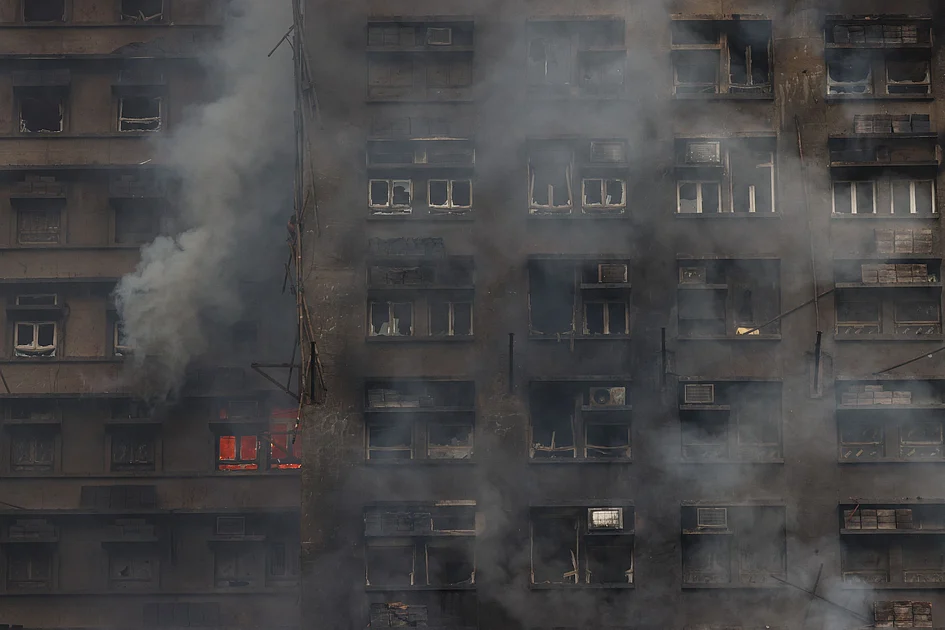
A devastating fire at the Wang Fuk Court housing complex in Hong Kong has claimed at least 44 lives, with nearly 300 people still unaccounted for. The blaze, which began on Wednesday afternoon, continues to rage, with firefighters struggling to reach residents trapped on upper floors due to intense heat and thick smoke. Hong Kong police have arrested three individuals from a construction firm—two directors and an engineering consultant—on suspicion of manslaughter, citing gross negligence in the use of unsafe materials. The buildings were covered with protective mesh sheets and plastic that may not meet fire safety standards, and windows on one unaffected building were sealed with foam material. The construction company, responsible for year-long maintenance work, has not yet commented on the allegations. The densely populated complex in Tai Po district houses over 4,600 residents in 2,000 apartments, highlighting Hong Kong’s ongoing affordable housing crisis. Authorities have partially controlled the fire in four of the seven blocks, but flames persist in three blocks. The death toll marks the highest in Hong Kong since a 1948 warehouse fire that killed 176 people. Hong Kong leader John Lee emphasized the priorities of extinguishing the fire, rescuing trapped residents, supporting the injured, and conducting a thorough investigation.
标签: Asia
亚洲
-

6.3-magnitude earthquake jolts waters off Indonesia’s Aceh, no tsunami warning issued
A 6.3-magnitude earthquake shook the waters off Indonesia’s Aceh province on Thursday morning, according to the country’s Meteorology, Climatology, and Geophysical Agency (BMKG). The seismic event occurred at 11:56 am local time, with its epicenter located 62 kilometers northwest of Sinabang town on the east coast of Simeulue Island. The quake struck at a depth of 10 kilometers. BMKG confirmed that the earthquake posed no risk of triggering a tsunami. A shakemap released by the agency indicated light to moderate tremors in parts of Simeulue Island and surrounding areas. As of now, there have been no reports of casualties or significant damage. Indonesia, situated on the Pacific ‘Ring of Fire,’ is highly susceptible to seismic activity due to the convergence of multiple tectonic plates.
-
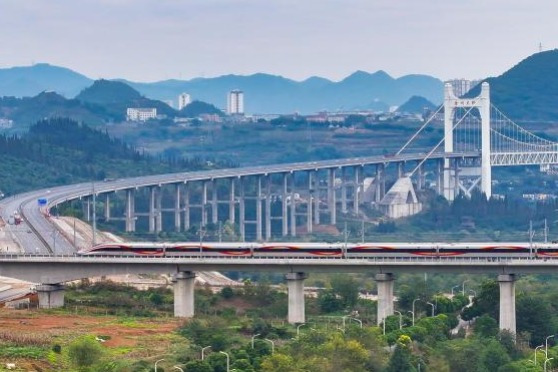
Guizhou’s new high-speed rail set to boost tourism, development
A transformative high-speed railway in Guizhou province, set to launch on November 28, is poised to unlock the region’s tourism potential and spur economic development. Spanning 99 kilometers between Panzhou and Xingyi cities, the railway will operate at speeds of 250 kilometers per hour, with seven daily bullet train services. The journey from Xingyi South Station to Panzhou Station will now take just 33 minutes, while travel to Guiyang North Station will be reduced to approximately 1 hour and 56 minutes. This enhanced connectivity is expected to significantly boost tourism and foster high-quality regional economic and social development. The railway, which traverses challenging karst terrain, was constructed with a focus on green development principles. Major engineering feats, such as the Xiangshui Town Grand Bridge and the Tuole Tunnel, were completed despite geological difficulties. The new line integrates into the national high-speed network via a connection with the Shanghai-Kunming High-Speed Railway at Panzhou Station, passing by scenic areas like the Wanfenglin (Forest of Peaks). The inauguration of this railway marks a historic moment for Xingyi city, bringing it into the ‘high-speed rail era’ and signaling a new chapter of growth for this picturesque region of Guizhou.
-

Magnitude 6.6 earthquake hits western Indonesia: USGS
Western Indonesia was struck by a powerful 6.6 magnitude earthquake, as reported by the United States Geological Survey (USGS). This seismic event adds to the ongoing natural calamities in the region, where northern areas are already reeling from the devastating impacts of floods and a tropical cyclone. The recent earthquake occurred amidst a backdrop of severe weather conditions that have claimed at least 28 lives in North Sumatra province due to landslides and flooding caused by relentless heavy rains. Rescue operations are significantly hindered by the complete disruption of road access and communication networks, as described by local officials. Earlier in the week, a rare tropical cyclone swept across Sumatra, exacerbating the situation by flooding the Malacca Strait and triggering further landslides. This series of natural disasters has left large parts of Southeast Asia struggling with the aftermath of deadly floods. Just days prior, a 5.2 magnitude earthquake had already shaken the eastern part of Indonesia, highlighting the region’s vulnerability to such frequent and intense geological and meteorological events.
-
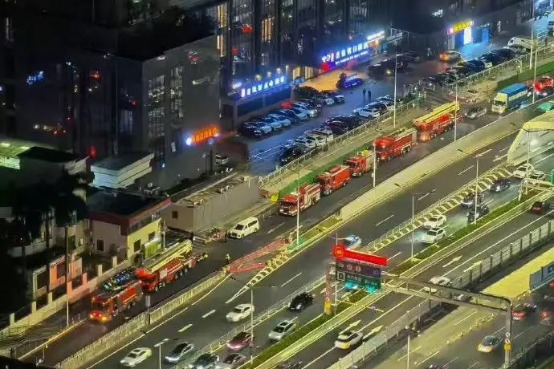
Shenzhen Fire Department dismisses speculation about cross-border assistance
The Shenzhen Fire Department has officially addressed rumors surrounding the deployment of fire vehicles near Liantang Port, confirming that the activity was part of a standard readiness drill. This clarification, reported by the Shenzhen Evening News on Thursday morning, comes in response to widespread speculation on social media that the fire engines were mobilized to assist with a severe residential fire in Hong Kong’s Tai Po district. The incident at Wang Fuk Court, which tragically claimed 44 lives, occurred on Wednesday night, coinciding with the sighting of the fire vehicles. Both the Shenzhen and Hong Kong Fire Services Departments have confirmed that no cross-border assistance was requested or provided. The Shenzhen Fire Department emphasized that such drills are routine and essential for maintaining operational preparedness. This incident highlights the importance of accurate information dissemination, particularly during emergencies, to prevent unnecessary panic and misinformation.
-

Hong Kong fire may speed up moves to end use of iconic bamboo scaffolding
A devastating fire that engulfed a high-rise residential complex in Hong Kong’s Tai Po district has left at least 55 people dead, raising critical questions about the safety of bamboo scaffolding, a centuries-old construction technique still prevalent in the city. While the exact cause of the inferno remains under investigation, flammable materials such as plastic netting and Styrofoam panels used in renovations have been identified as key contributors to the fire’s rapid spread. The blaze, which began in one of Wang Fuk Court’s eight 32-story towers, quickly consumed seven buildings, incinerating much of the bamboo scaffolding enveloping the structures. Authorities have arrested three individuals—directors and an engineering consultant of a construction company—on suspicion of manslaughter, citing potential non-compliance with fire resistance standards. Bamboo scaffolding, a lightweight and cost-effective method imported primarily from Guangdong, Guangxi, and Guilin provinces, has long been favored in Hong Kong’s densely packed urban environment. However, the city is gradually shifting toward metal scaffolding, as highlighted in a March memo from Hong Kong’s secretary for development. Despite its historical significance, bamboo scaffolding has been linked to 23 fatalities since 2018, prompting calls for its phase-out. This tragic incident underscores the urgent need for stricter safety regulations and modernization in construction practices.
-
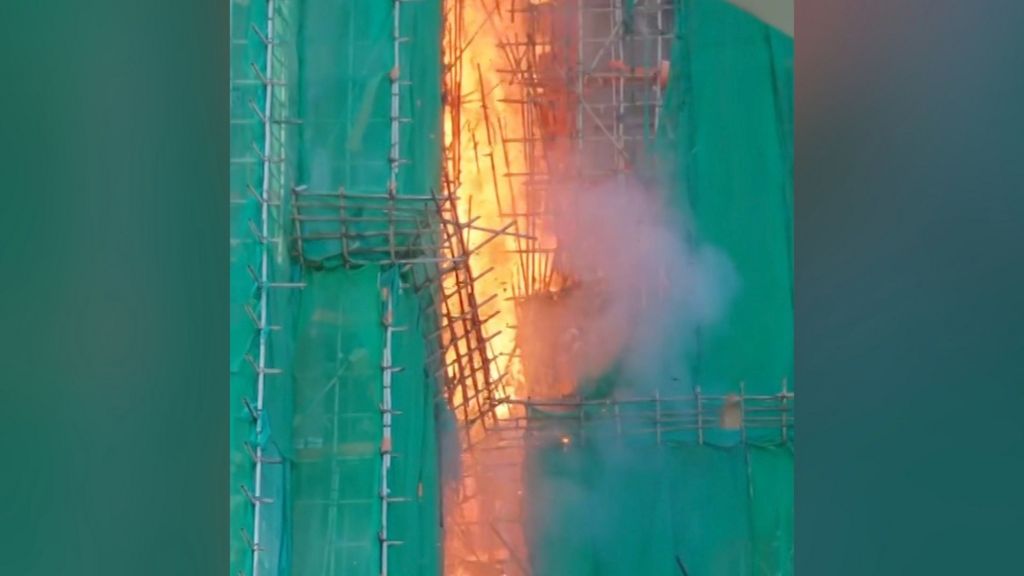
Video shows speed fire spreads in Hong Kong tower block
A dramatic video has surfaced, revealing the alarming speed at which a fire engulfed Wang Cheong House, a residential tower block in Hong Kong. The footage, meticulously geolocated and verified by BBC Verify, captures the moment the blaze rapidly intensified, sending plumes of smoke billowing into the sky. The incident has raised significant concerns about fire safety measures in high-rise buildings, particularly in densely populated urban areas. Authorities are now investigating the cause of the fire, while residents and local officials are calling for stricter enforcement of safety regulations to prevent such disasters in the future. The video serves as a stark reminder of the potential dangers posed by fires in high-rise structures and the importance of preparedness and swift emergency response.
-
UAE pledges $1 billion investment in electricity for government-held Yemen
The United Arab Emirates has announced a major $1 billion investment initiative to revitalize the electricity infrastructure in government-controlled areas of Yemen, marking a significant development in the war-torn nation’s recovery efforts. The commitment was formally declared by Emirati ambassador Mohammed Hamad al-Zaabi during an energy forum in Aden, the interim capital where Yemen’s internationally recognized government is based.
The comprehensive investment package will fund the construction of diverse power generation facilities, incorporating solar and wind renewable energy sources alongside traditional oil-fired power stations. This strategic diversification aims to create a more resilient energy grid capable of meeting the substantial power deficits that have plagued Yemen for years.
Yemeni Prime Minister Salem ben Brik confirmed the substantial support from the UAE, characterizing electricity supply as ‘a chronic problem accumulated over many years’ that requires immediate addressing. The energy crisis has been particularly severe in Aden, where residents frequently endure prolonged blackouts that force them to rely on candlelight for both living and working conditions.
Separately, Ali Alshimmari, representing Abu Dhabi-based Global South Utilities, announced parallel projects valued at $1 billion, emphasizing that the investment strategy encompasses not merely energy production but also critical transmission and distribution infrastructure. This announcement was made through channels associated with the Southern Transitional Council (STC), which participates in Yemen’s power-sharing government.
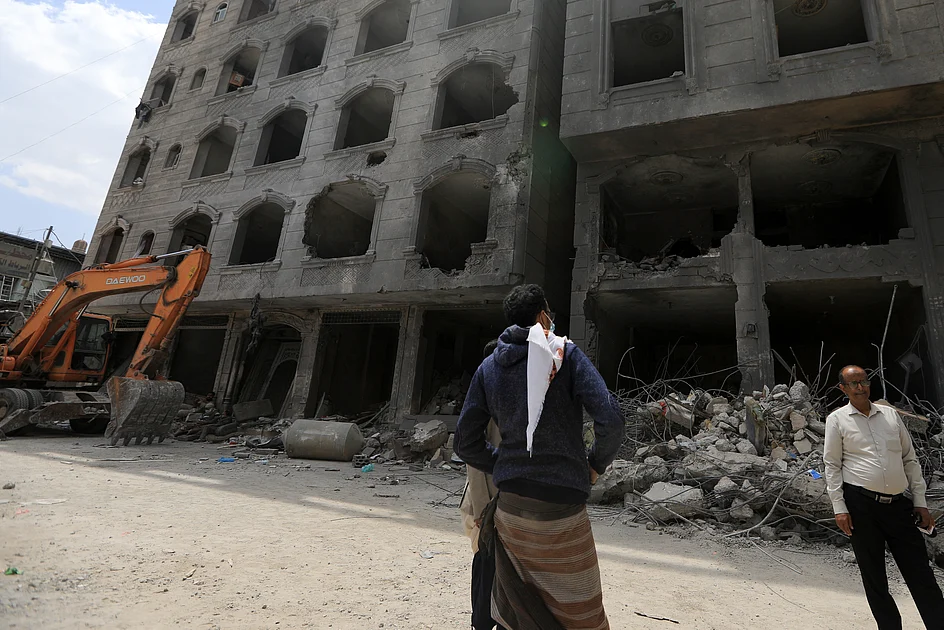
The current administration in Aden was established in late 2020 through Saudi-brokered negotiations that unified ministers loyal to former president Abedrabbo Mansour Hadi and the STC. Yemen’s infrastructure, including hospitals and power facilities, has suffered catastrophic damage during the prolonged conflict between government forces and Iran-backed Houthi rebels, who control Sanaa and most major population centers.
Even before the conflict began in 2014, Yemen’s energy infrastructure was inadequate, with only approximately two-thirds of the population having access to the public electricity grid. The civil war has resulted in hundreds of thousands of casualties and created one of the world’s most severe humanitarian crises, though hostilities have largely been frozen since a 2022 ceasefire took effect.
-
Watch: Hong Kong fire still burning almost 20 hours later; death toll at 44
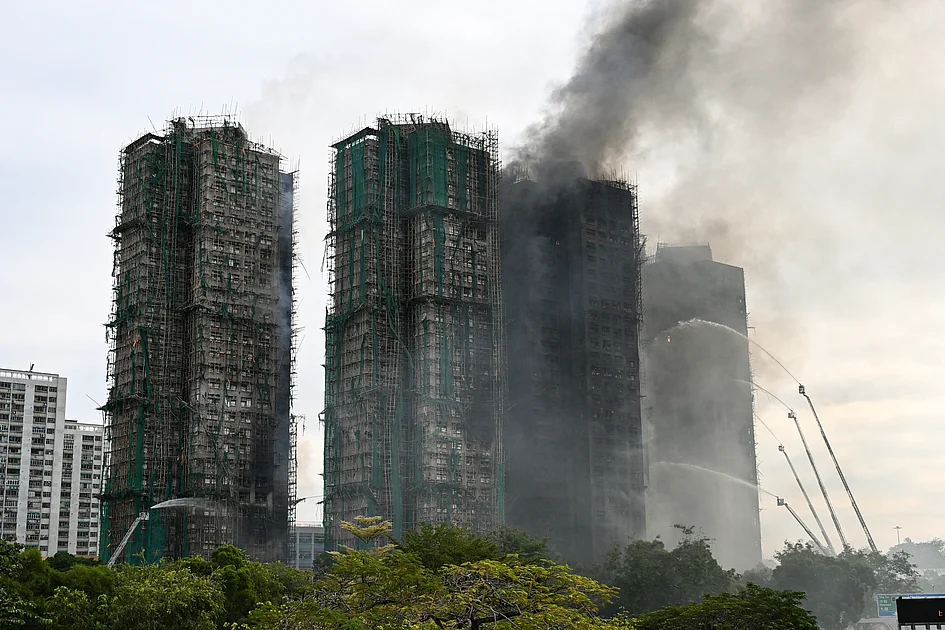
A devastating high-rise fire in Hong Kong has claimed at least 44 lives, with hundreds still unaccounted for, marking the city’s deadliest blaze in decades. The fire, which broke out on Wednesday afternoon in the Wang Fuk Court complex in Tai Po, engulfed an eight-building residential area housing over 2,000 apartments. Despite ongoing efforts, the fire continued to smolder nearly 20 hours later, with authorities struggling to contain the inferno. Three suspects have been arrested on suspicion of manslaughter, though details of their alleged involvement remain undisclosed. The fire department reported that the death toll rose from 36 to 44 during an early morning press briefing. The blaze, fueled by bamboo scaffolding and strong winds, spread rapidly, with flames and thick smoke visible for miles. Over 900 residents sought refuge in temporary shelters, while rescue teams faced extreme challenges due to high temperatures and inaccessible floors. Chinese President Xi Jinping expressed condolences to the victims, including a firefighter who lost his life in the line of duty. Hong Kong’s leader, Lee, pledged full government support for affected residents, as investigations into the cause of the fire and the materials used in the buildings’ exteriors were launched. The tragedy has reignited concerns about fire safety in one of the world’s most densely populated cities, despite significant improvements in recent decades.
-
Flooding death toll in southern Thailand rises to more than 80 as water levels fall
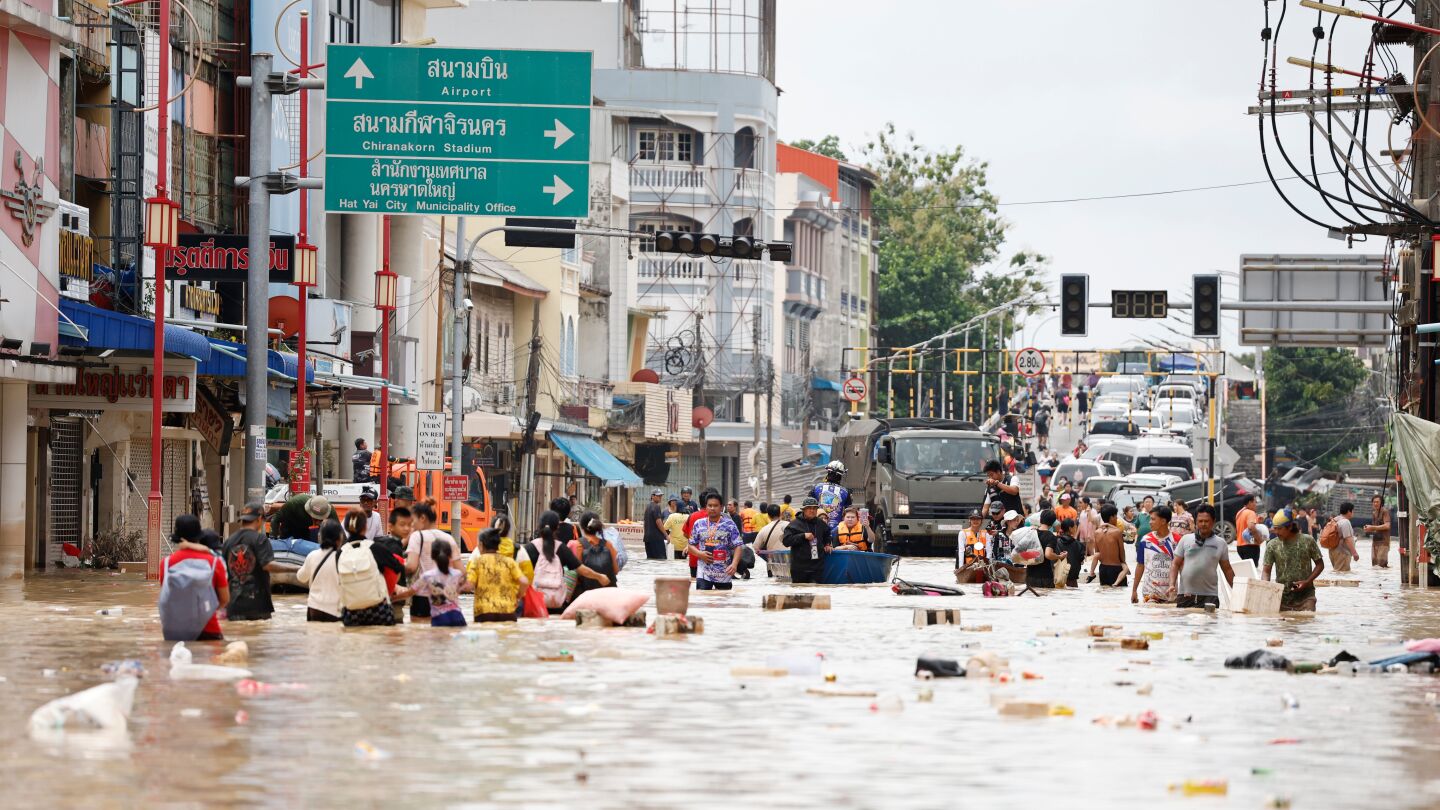
The devastating floods in southern Thailand have claimed the lives of at least 82 people, officials reported on Thursday, as floodwaters started to recede. The disaster, triggered by relentless torrential rains, has impacted over 1 million households and more than 3 million residents across 12 provinces. The affected regions include Nakhon Si Thammarat, Patthalung, Songkhla, Trang, Satun, Pattani, and Yala. While water levels have subsided in many areas, regions like Pattani and Nakhon Si Thammarat continue to grapple with high floodwaters. Government spokesperson Siripong Angkasakulkiat announced that the death toll in Songkhla province alone surged from six to 55, significantly contributing to the overall fatalities. Prime Minister Anutin Charnvirakul declared a state of emergency in Songkhla earlier this week, highlighting the unprecedented severity of the flooding. Hat Yai, southern Thailand’s largest city, faced severe disruptions, with thousands trapped, essential services cut, and communication lines disrupted. Video footage revealed extensive damage as water levels dropped. To address the crisis, eight field hospitals were set up to support Hat Yai Hospital, which remains partially operational. The Public Health Ministry airlifted 20 critical patients and delivered additional food supplies to medical staff and patients.