标签: Asia

亚洲

  • China successfully breeds third-generation Chinese sturgeon artificially

    China successfully breeds third-generation Chinese sturgeon artificially

    In a landmark achievement for wildlife conservation, Chinese scientists have successfully bred the third filial generation of Chinese sturgeon entirely through artificial propagation techniques. The breakthrough was announced on November 27, 2025, by the China Three Gorges Corporation (CTGC), representing a critical advancement in the preservation of this endangered species.

    The historic breeding occurred at CTGC’s Yangtze River Rare Fish Conservation Center, where researchers utilized second-generation captive-bred sturgeon as parent fish. The selected specimens—a 13-year-old female and 14-year-old male—underwent meticulous preparation beginning early this year. This involved specialized nutritional enhancement and carefully controlled environmental simulations to replicate natural breeding conditions.

    The actual artificial induction and fertilization procedures were conducted during November 6-7, coinciding with the species’ optimal reproductive window. The scientific team recorded an extraordinary fertilization rate exceeding 95 percent. Following a five-day incubation period, approximately 112,000 third-generation fry emerged, demonstrating the program’s remarkable success.

    According to Jiang Wei, Deputy Director of CTGC’s Yangtze River Biodiversity Research Center, this achievement proves that second-generation sturgeon can reach full maturity and reproduce under controlled conditions. This milestone enables a significant transition where the more numerous second-generation population will replace the first generation as the primary breeding group, establishing a sustainable model for large-scale conservation.

    The Chinese sturgeon, endemic to China and often described as a ‘living fossil,’ represents one of the world’s most ancient migratory fish species. Conservation efforts began decades ago, with the first generation successfully bred from wild parents in the 1980s, followed by the second generation in 2009. The new breakthrough paves the way for developing comprehensive ‘artificial-plus-natural’ protection systems that could ultimately support the restoration of wild sturgeon populations.

  • Scores killed as floods sweep several Asian nations

    Scores killed as floods sweep several Asian nations

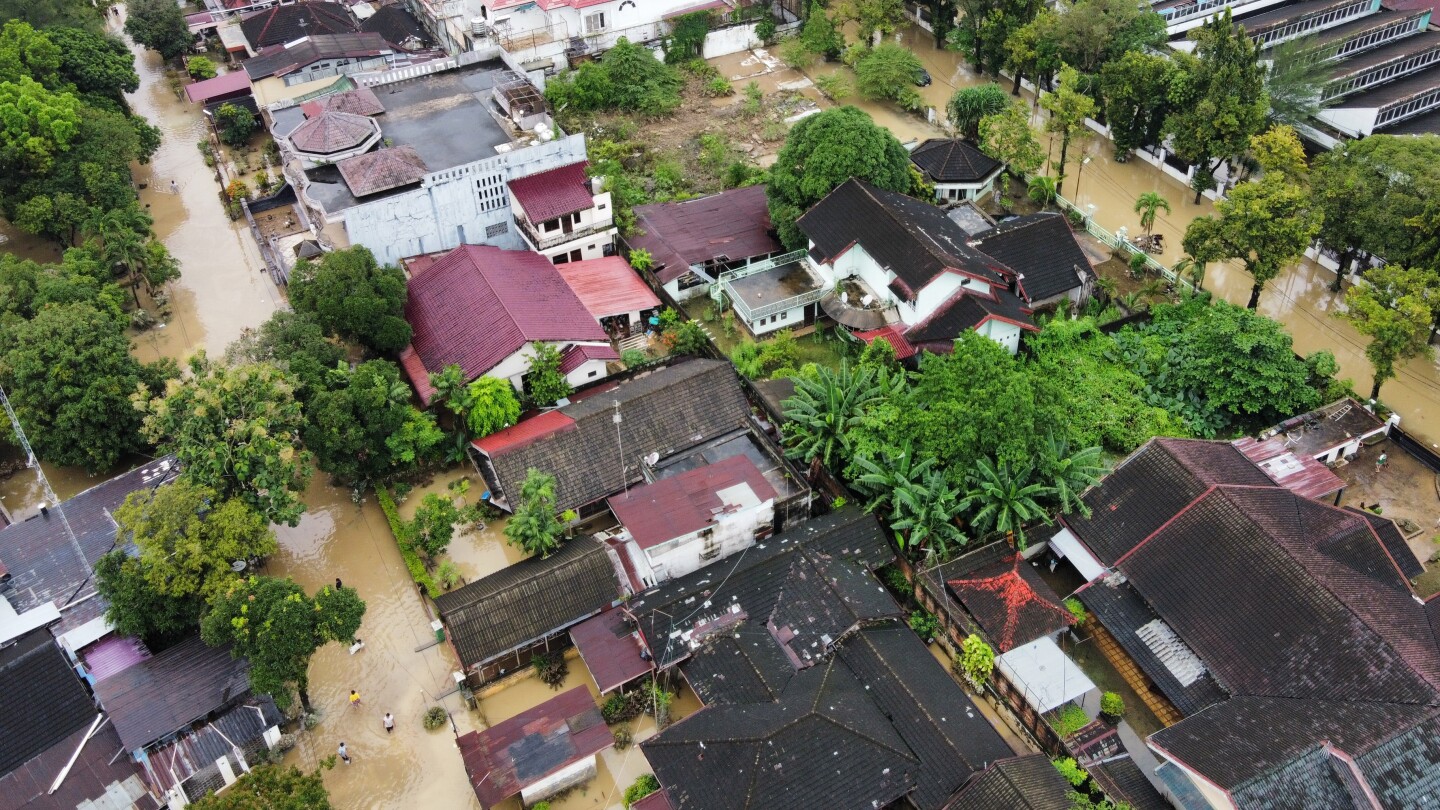
    A devastating wave of extreme weather has unleashed catastrophic flooding across multiple Asian nations, resulting in a mounting humanitarian crisis with significant loss of life. The archipelago nation of Indonesia has borne the heaviest toll, with official reports confirming at least 80 fatalities. Concurrently, the island nation of Sri Lanka has suffered profound casualties, recording 56 deaths according to emergency response officials. The severe weather system, characterized by torrential, unrelenting rainfall, has triggered widespread flooding and destructive landslides over the past week. These events have submerged entire communities, severed critical transportation networks, and displaced thousands of residents from their homes. Emergency services in both countries are engaged in extensive search and rescue operations, battling challenging conditions to reach isolated populations. The scale of the destruction points to a severe regional disaster, overwhelming local infrastructure and response capabilities. This event underscores the increasing vulnerability of densely populated regions to intense climatic phenomena, raising urgent questions about disaster preparedness and climate resilience strategies in South and Southeast Asia.

  • Japan’s same-sex marriage ban is constitutional, says Tokyo court

    Japan’s same-sex marriage ban is constitutional, says Tokyo court

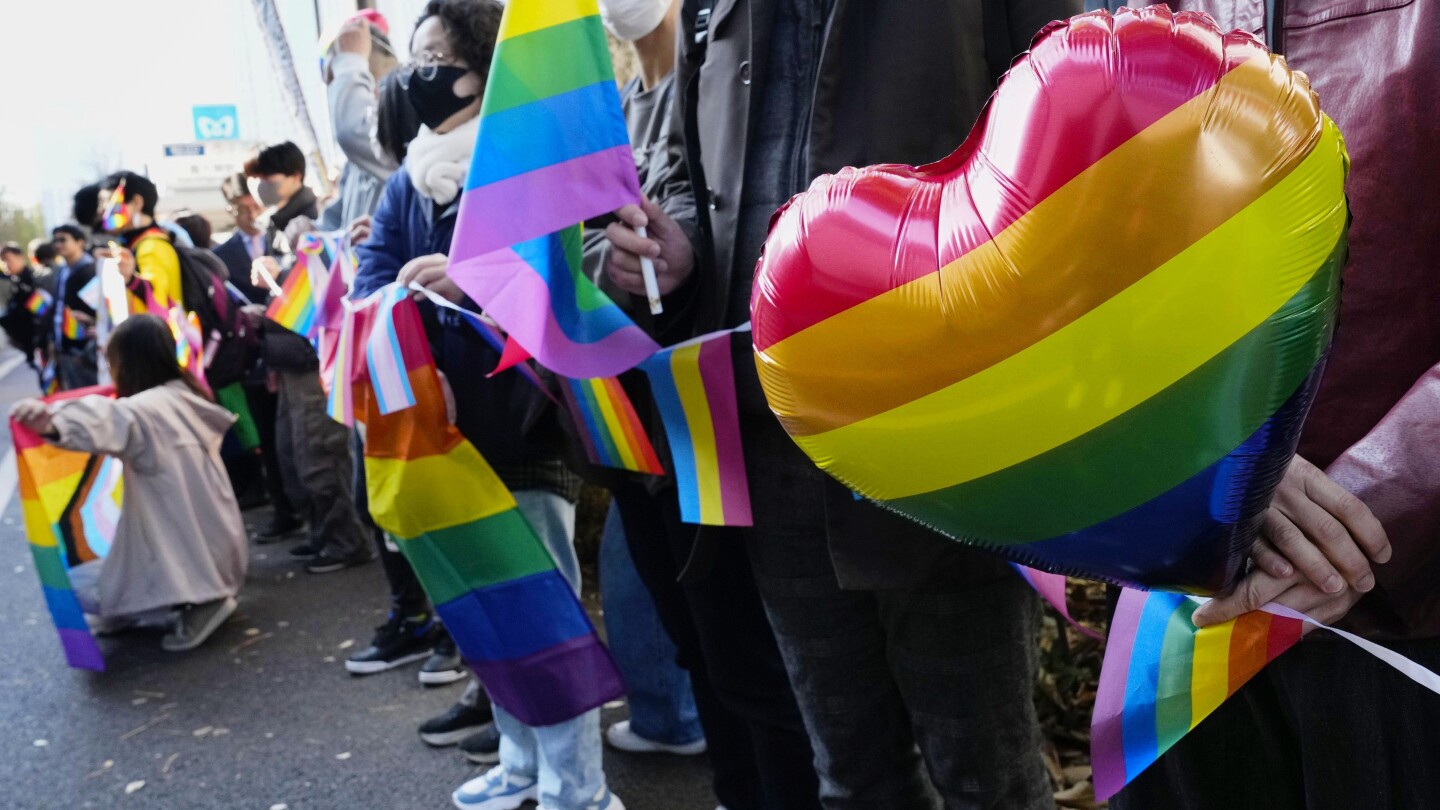
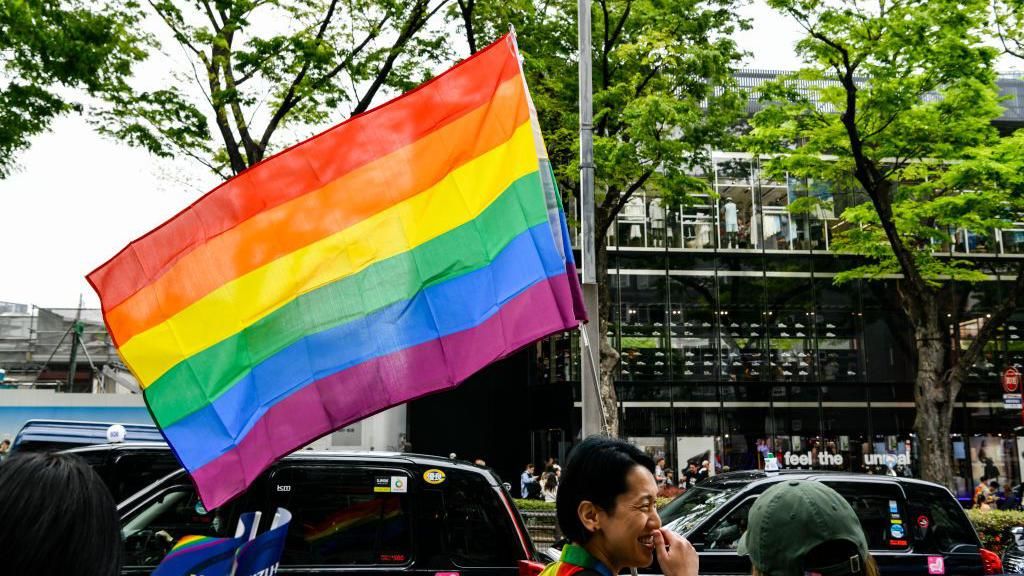
    In a landmark decision that defies recent judicial trends, Tokyo’s High Court has declared Japan’s prohibition of same-sex marriage constitutional. This verdict stands in stark contrast to five previous high court rulings across the nation that had found the ban unconstitutional, creating significant disappointment among marriage equality advocates.

    The ruling emerged from the final batch of six same-sex marriage lawsuits filed between 2019 and 2021 in various Japanese cities including Sapporo, Osaka, and Fukuoka. Presiding Judge Ayumi Higashi asserted that the matter should first undergo parliamentary deliberation rather than judicial determination, according to Mainichi newspaper reports.

    Plaintiffs and their legal representatives gathered outside the courthouse expressed profound dismay, displaying signs declaring the verdict “unjust.” Shino Kawachi, one of the plaintiffs, questioned the judiciary’s perspective: “What is justice? Was the court even watching us? Were they considering the next generation?” Her partner, Hiromi Hatogai, conveyed extreme outrage while vowing to continue their legal battle.

    Amnesty International’s East Asia researcher Boram Jang condemned the decision as a “damaging step backwards,” urging the Japanese government to proactively work toward legalization so same-sex couples can enjoy equal marriage rights. Japan remains the only G7 nation without full recognition or clear legal protections for same-sex couples, though it aligns with most Asian countries where only Taiwan, Thailand, and Nepal currently permit same-sex marriages.

    The cases are expected to advance to Japan’s Supreme Court for final adjudication, setting the stage for a definitive national ruling on marriage equality.

  • Sons of Virginia Giuffre, who accused Andrew and Epstein of abuse, seek control of her estate

    Sons of Virginia Giuffre, who accused Andrew and Epstein of abuse, seek control of her estate

    A contentious legal proceeding unfolded in Australia’s Supreme Court on Friday as multiple parties vied for control of the estate belonging to Virginia Giuffre, the prominent accuser in the Jeffrey Epstein sexual abuse scandal. The hearing marked the beginning of what promises to be an extended legal battle over Giuffre’s assets, which include real estate holdings in Western Australia and potential royalties from her recently published memoir.

    Giuffre, who died by suicide in April at age 41 without leaving a will, had achieved international recognition for her allegations against Epstein and Britain’s Prince Andrew. Her two adult sons, Christian (19) and Noah Giuffre (18), have petitioned the court to be appointed administrators of their mother’s estate. Their application faces opposition from two unexpected quarters: Giuffre’s former housekeeper and caregiver Cheryl Myers, and her Perth-based attorney Karrie Louden, both of whom are seeking administrative control.

    The court has appointed a temporary administrator to oversee the estate pending resolution of the case. During Friday’s proceedings, legal representatives debated whether Giuffre’s minor daughter (whose identity remains protected by court order) and her estranged husband Robert Giuffre should be included as formal parties to the litigation.

    Complicating the matter further are revelations about Giuffre’s personal circumstances prior to her death. Court documents indicate she had separated from her family earlier this year and faced pending charges for violating a family violence restraining order related to a February incident. The case will resume with additional hearings scheduled for next year, as the court seeks to determine the most appropriate stewardship of assets connected to one of the most high-profile figures in the Epstein scandal.

  • Separatist plans of Lai slammed

    Separatist plans of Lai slammed

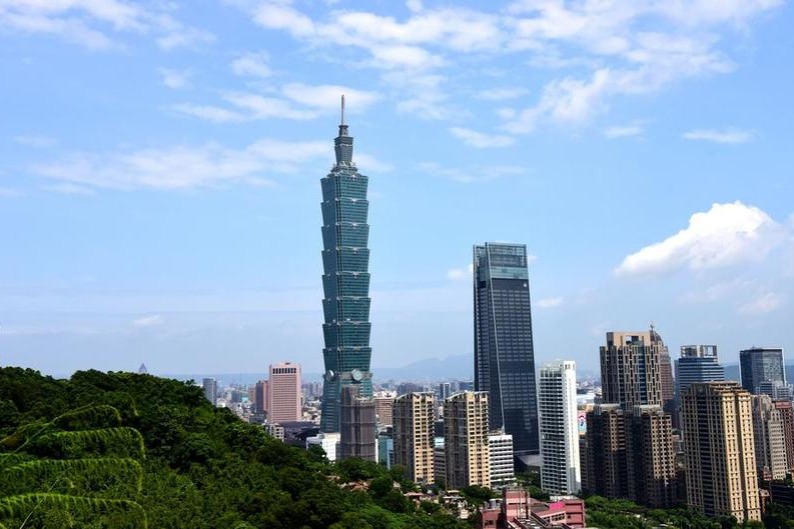
    The Chinese mainland has issued a stern condemnation of Taiwan’s newly announced security measures, characterizing them as provocative steps toward independence that endanger regional stability. Chen Binhua, spokesperson for Beijing’s Taiwan Affairs Office, denounced Taiwanese leader Lai Ching-te’s recently unveiled defense strategy during a press briefing on Thursday.

    The strong rebuke came in response to Lai’s address at a high-level security conference where he revealed an ambitious NT$1.25 trillion (approximately $40 billion) special defense allocation spanning eight years. The Democratic Progressive Party administration additionally committed to elevating military expenditure to 3.3% of GDP by next year, with ambitions to reach 5% by 2030.

    Chen characterized these developments as evidence of a “warmongering nature” that threatens to plunge Taiwan into what he described as an “abyss of war and danger.” The spokesperson accused Lai of deliberately exaggerating external threats while pursuing independence through military buildup and foreign alliances, actions that Chen asserted directly undermine cross-Strait relations.

    The criticism has found echoes within Taiwan’s political landscape. Cheng Li-wun, chairwoman of the opposition Kuomintang party, warned that Lai’s policies are transforming the Taiwan Strait into a “powder keg” and converting the island into an “arms factory.” Former Taiwan leader Ma Ying-jeou similarly expressed concern through social media channels, noting the absence of reconciliation efforts in Lai’s approach.

    Reiterating Beijing’s longstanding position, Chen emphasized the principle of a single China encompassing both the mainland and Taiwan. He reaffirmed commitment to “peaceful reunification and one country, two systems” as the preferred framework for national unity, promising that any resolution would consider Taiwan’s specific circumstances and protect the interests of its residents.

  • Death toll rises to 94 in Hong Kong residential building fire: fire department

    Death toll rises to 94 in Hong Kong residential building fire: fire department

    Hong Kong authorities confirmed Thursday that the death toll from a devastating residential building fire has climbed to 94, marking one of the deadliest fire incidents in the city’s recent history. The fire department continues rescue operations at the scene amid growing concerns about building safety standards in densely populated urban areas.

    The blaze, which erupted in a multi-story residential complex, prompted an extensive emergency response involving hundreds of firefighters and medical personnel. Despite their efforts, the rapid spread of flames and dense smoke created extremely challenging rescue conditions, resulting in the staggering casualty count.

    Chinese President Xi Jinping has expressed profound condolences over the tragic incident and called for maximum efforts in rescue operations to minimize further losses. The statement emphasized prioritizing people’s lives and safety while mobilizing all available resources for the emergency response.

    Local authorities have launched a comprehensive investigation into the fire’s cause, with preliminary reports suggesting possible electrical faults or structural safety issues as potential contributing factors. The tragedy has sparked immediate discussions about fire safety regulations and building maintenance standards in Hong Kong’s aging residential infrastructure.

    Survivors and families of victims are receiving government support services as the community grapples with the scale of the tragedy. The incident has drawn attention to urban safety challenges in high-density living environments across Asian metropolises.

  • Court’s ruling against same-sex marriage sets up a Japan Supreme Court decision

    Court’s ruling against same-sex marriage sets up a Japan Supreme Court decision

    In a significant legal setback for marriage equality advocates, Tokyo’s High Court declared Japan’s prohibition of same-sex unions constitutional on Friday, marking the first defeat at this judicial level among six parallel cases challenging the nation’s marital laws.

    The ruling overturned a previous lower court decision from 2023 and established that Japan’s legal framework rationally defines family as a unit comprising heterosexual couples and their children. Presiding Judge Ayumi Higashi asserted that excluding same-sex partnerships from marital recognition remains legally valid under this interpretation. The court additionally rejected damage claims of 1 million yen (approximately $6,400) per plaintiff sought by eight LGBTQ+ individuals demanding equal marriage rights.

    This decision represents only the second judicial finding supporting the constitutionality of Japan’s current policy since the 2022 Osaka District Court ruling. With all six high court cases now concluded, attention turns to the Supreme Court, which is anticipated to consolidate appeals and deliver a definitive verdict potentially as early as next year.

    Plaintiffs expressed profound disappointment outside the courthouse. ‘Rather than sorrow, I’m outraged and appalled by the decision,’ stated Hiromi Hatogai, one of the claimants. Another participant, Rie Fukuda, emphasized their determination: ‘We only want to be able to marry and be happy, just like anyone else. I believe society is changing. We won’t give up.’

    Despite this judicial setback, recent years have witnessed rapidly growing public support for marriage equality and increasing backing from Japan’s business community. The nation remains the sole G7 country that neither recognizes same-sex marriage nor provides legally binding protections for LGBTQ+ couples, with Prime Minister Sanae Takaichi’s conservative Liberal Democratic Party maintaining strong opposition to marital rights expansion.

    More than 30 plaintiffs have participated in marriage equality lawsuits filed across Japan since 2019, arguing that current civil law provisions violate constitutional guarantees of equality and marriage freedom. The government maintains that civil marriage fundamentally concerns heterosexual unions and places importance on natural reproduction.

  • Damage and more rain hamper search for flood and landslide victims in Indonesia

    Damage and more rain hamper search for flood and landslide victims in Indonesia

    Rescue operations across Indonesia’s Sumatra island face significant challenges as damaged infrastructure and continuing severe weather compound a growing humanitarian crisis. The death toll has risen to 79 with dozens more reported missing following devastating flash floods and landslides triggered by Tropical Cyclone Senyar.

    In North Sumatra province, where the most severe impact occurred, torrential monsoon rains on Tuesday caused rivers to overflow their banks. The resulting deluge swept through mountainous villages, carrying away residents and submerging over 3,200 homes and buildings. Provincial police spokesperson Ferry Walintukan reported Friday that at least 48 fatalities had been confirmed with 88 individuals still unaccounted for across 12 affected cities and districts.

    The disaster response has been severely hampered by multiple factors including widespread mudslides, power outages, compromised telecommunications, and critical damage to transportation networks. Rescue teams are struggling to access isolated communities where bridges and roads have been completely washed out, preventing the delivery of heavy excavation equipment necessary for search operations.

    West Sumatra province has reported similarly catastrophic damage, with flash floods across 15 cities and districts claiming 22 lives and leaving 10 people missing. The provincial disaster mitigation agency confirmed that more than 17,000 homes have been completely submerged, forcing approximately 23,000 residents to evacuate to government-operated temporary shelters. Agricultural losses include extensive damage to rice fields and livestock, with public facilities throughout the region rendered inoperable.

    In Aceh province, three villages in Central Aceh district suffered particularly severe landslides triggered by the torrential rains, resulting in at least nine confirmed fatalities with two individuals still missing.

    Meteorological authorities attribute the extreme weather conditions to Tropical Cyclone Senyar, which formed in the Strait of Malacca. Achadi Subarkah Raharjo, Director of Aviation Meteorology at Indonesia’s Meteorology, Climatology, and Geophysical Agency, warned that the cyclone system continues to create unstable atmospheric conditions that may persist for several days. The agency has extended its extreme weather warning due to strong water vapor supply and shifting atmospheric dynamics affecting multiple regions including Aceh, North Sumatra, West Sumatra, and Riau.

    The current disaster highlights Indonesia’s particular vulnerability to seasonal weather events. The archipelago nation of 17,000 islands has millions of inhabitants living in mountainous regions or near fertile flood plains that are increasingly susceptible to climate-related disasters.

  • Ten photos from across China: Nov 21 – 27

    Ten photos from across China: Nov 21 – 27

    A captivating visual narrative unfolded across China from November 21-27, 2025, showcasing the nation’s rich cultural heritage and contemporary advancements. The photographic collection, released by official sources, provides a multifaceted glimpse into China’s regional diversity and traditional practices.

    In Southwest China’s Yunnan province, the ancient tie-dye technique of the Bai ethnic group demonstrated remarkable preservation efforts. Artisans in Zhoucheng village of Dali Bai Autonomous Prefecture meticulously created intricate knots on fabrics using methods dating back over a millennium. This traditional folk art, recognized for its cultural significance, earned placement on China’s first national intangible cultural heritage list in 2006, ensuring its protection for future generations.

    The photographic series extended beyond cultural preservation to highlight various aspects of Chinese society including technological innovation, environmental initiatives, and urban development. Each image told a distinct story of regional characteristics while collectively portraying China’s balanced approach to maintaining cultural traditions while embracing modernization.

    These visual documents serve as both artistic expression and historical record, capturing moments that reflect the government’s commitment to cultural conservation. The collection provides international audiences with accessible insights into China’s diverse ethnic traditions and their continued relevance in contemporary society.

    The timing of this release coincides with increased global interest in indigenous craftsmanship and sustainable practices, positioning China’s cultural heritage within broader international conversations about preserving traditional arts in the modern world.

  • Military-run Myanmar plays host to goodwill visit by Belarusian leader

    Military-run Myanmar plays host to goodwill visit by Belarusian leader

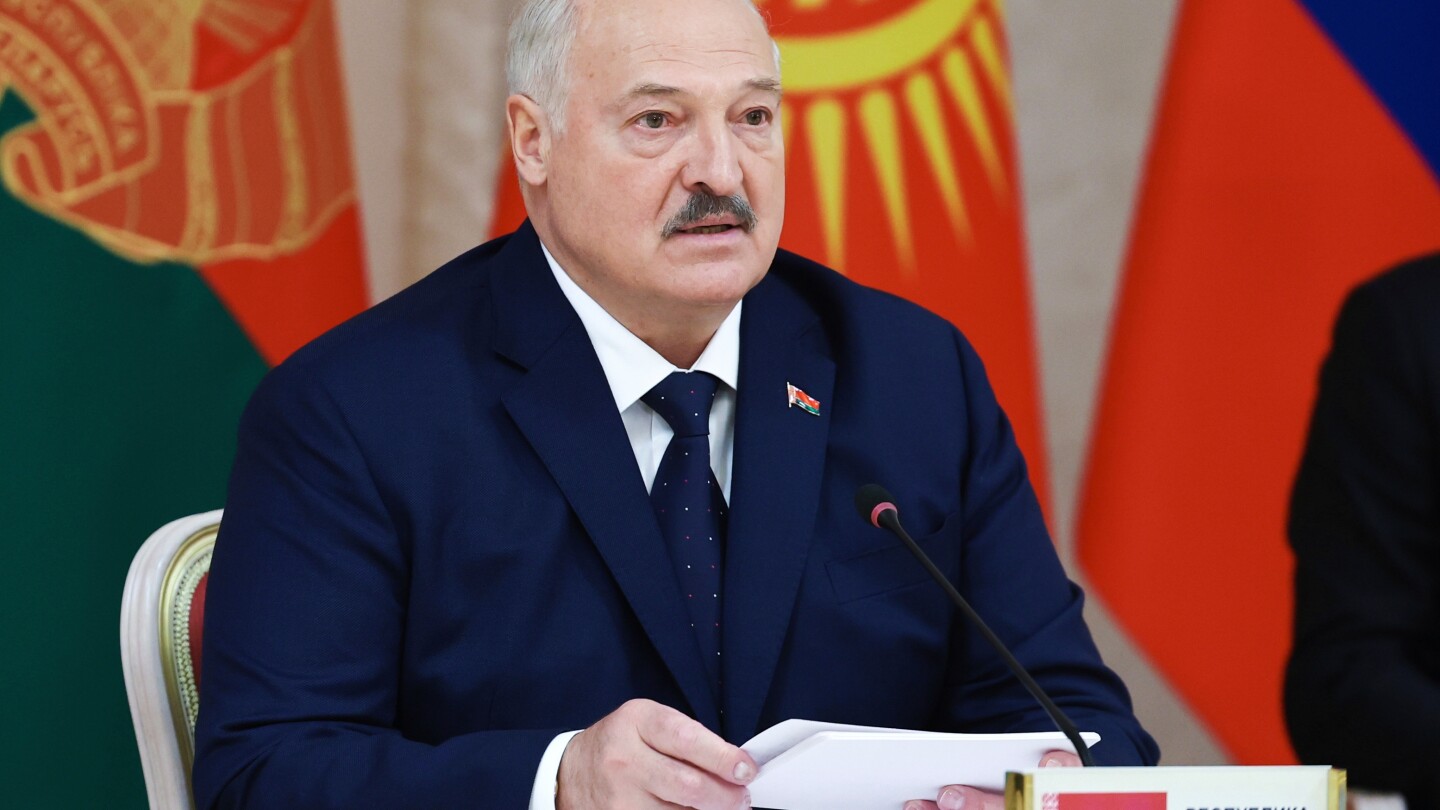
    In a significant diplomatic development, Belarusian President Alexander Lukashenko arrived in Myanmar’s capital Naypyitaw on Thursday, marking only the second visit by a foreign head of state since the country’s military seized power in February 2021. The arrival, extensively covered by Myanmar’s state media, featured ceremonial welcomes with full state honors presided over by Prime Minister Nyo Saw and cabinet members.

    The timing of Lukashenko’s goodwill mission carries substantial political weight, occurring merely one month before Myanmar’s scheduled election—a process widely criticized by international observers as neither free nor fair. The visit is perceived by human rights advocates as providing implicit validation to the military government’s electoral proceedings.

    Belarus has emerged as a crucial ally to Myanmar’s military regime alongside China and Russia, establishing itself among the limited nations maintaining diplomatic engagement with Senior General Min Aung Hlaing’s administration. The Myanmar military leader previously visited Belarus twice in 2023—in March and June—strengthening bilateral ties between the two governments, both of which face widespread international condemnation for authoritarian practices.

    The strategic partnership between these nations extends beyond diplomatic support to encompass substantial military cooperation. According to Justice For Myanmar, a prominent rights advocacy organization, Belarus has supplied Myanmar’s military with advanced weapons systems, technical training, and equipment that enhances the army’s operational capabilities and domestic arms production infrastructure. Documented transfers include comprehensive air defense command systems, sophisticated radar technology, and ground-based missile platforms.

    This visit occurs against the backdrop of severe Western sanctions imposed on Myanmar’s military government following its overthrow of Aung San Suu Kyi’s democratically elected administration and subsequent human rights violations. The only previous comparable diplomatic engagement came from Cambodia’s then-Prime Minister Hun Sen in 2022 during his ASEAN leadership tenure.

    During scheduled meetings with Senior General Min Aung Hlaing, the leaders are expected to formalize additional agreements and memorandums of understanding across multiple sectors, further cementing their strategic alignment. Lukashenko had previously committed during Min Aung Hlaing’s March visit to provide election observers for the upcoming polls, a move criticized by opposition groups as legitimizing what they describe as a sham election designed to perpetuate military control.