标签: Asia

亚洲

  • Hong Kong tower blocks fire death toll rises to 128

    Hong Kong tower blocks fire death toll rises to 128

    Hong Kong is grappling with its most catastrophic fire incident in over seven decades, with the death toll now standing at 128 individuals. The inferno, which erupted in the northern suburb of Tai Po’s Wang Fuk Court residential complex, has also left 79 people injured while dozens remain unaccounted for.

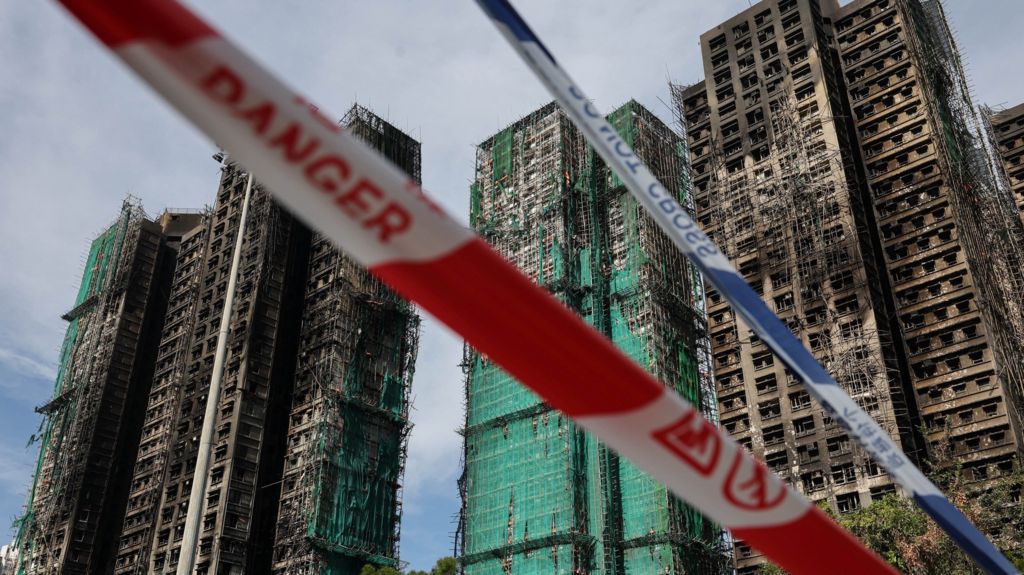
    The tragedy unfolded on Wednesday afternoon at 14:51 local time, rapidly escalating into a Category 5 blaze—the highest emergency rating—within hours. The conflagration spread with terrifying speed across seven of the eight high-rise apartment blocks, propelled by highly flammable Styrofoam insulation and construction netting that covered the buildings’ exteriors during ongoing renovations.

    Firefighting efforts reached unprecedented scale, with 2,311 emergency personnel deployed to combat flames that reached peak temperatures of 500°C (932°F). The extreme heat caused repeated reignitions even after areas were doused, complicating rescue operations. The fire was officially declared extinguished at 10:18 local time on Friday, though smoldering debris continued to pose challenges.

    Among the victims was 37-year-old firefighter Ho Wai-ho, who collapsed at the scene after losing contact with his team. Twelve additional firefighters sustained injuries during the grueling 40-hour operation. The tragedy also claimed the lives of at least two Indonesian migrant workers, with many foreign nationals among those still missing.

    Authorities have arrested three renovation supervisors on manslaughter charges and launched a corruption investigation amid growing public outrage. Preliminary findings reveal that fire alarms across all eight buildings were non-functional during the emergency, with reports suggesting construction workers had deactivated them. Residents’ previous complaints about questionable renovation practices and non-compliant materials have gained renewed attention across social media platforms.

    The Wang Fuk Court estate, constructed in 1983, housed approximately 4,600 residents across 1,984 apartments, with nearly 40% of occupants aged 65 or older. The community represents one of Hong Kong’s subsidized housing developments, home to many long-term residents since its establishment.

    This tragedy now stands as Hong Kong’s second-deadliest fire incident, surpassed only by the 1948 warehouse explosion that claimed 176 lives. Police evidence collection teams began their thorough examination of the disaster site on Friday, with a comprehensive investigation expected to span the next three to four weeks.
  • 3D crime scene glasses, drug-detecting patches: UAE students display forensic tech at forum

    3D crime scene glasses, drug-detecting patches: UAE students display forensic tech at forum

    Dubai became the epicenter of forensic science innovation as UAE university students unveiled cutting-edge technological solutions at the Forensic Evidence Forum on Thursday. The event, hosted by the Dubai Police General Department of Forensic Science and Criminology in celebration of World Science Day, demonstrated how emerging technologies are poised to transform criminal investigations and public safety protocols.

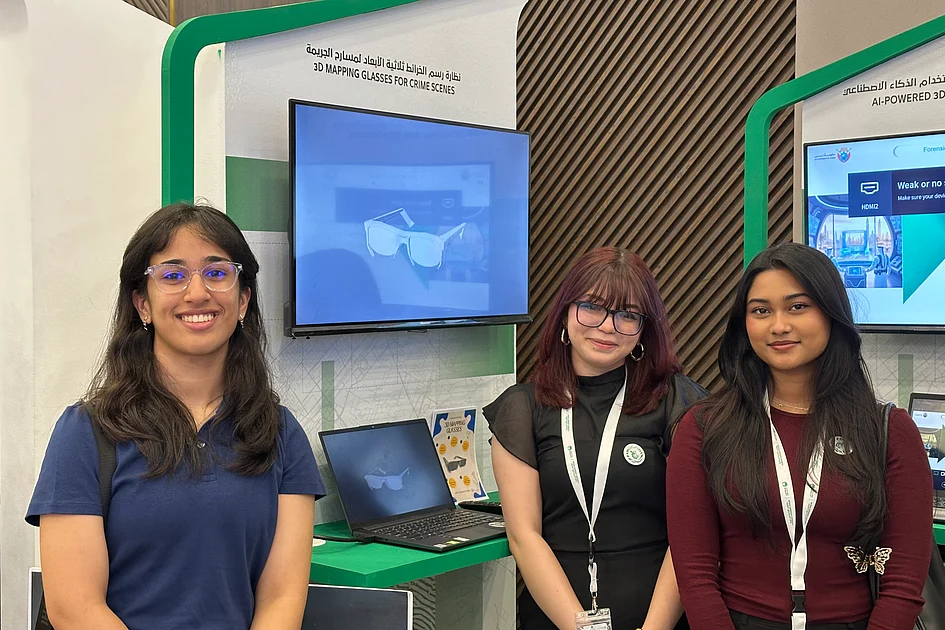
    Under the theme ‘Innovate. Connect. Solve.’, the forum showcased remarkable advancements including AI-enhanced 3D mapping glasses developed by Amity University Dubai students. The team of Khadija Ashraf, Cerusha Pereira, Neola D’Souza, and Rim Issa created eyewear equipped with LiDAR sensors that generate instant three-dimensional crime scene replicas, eliminating traditional sketching and photographic methods. The intelligent system incorporates artificial intelligence to automatically identify and tag evidence such as weapons, shell casings, and footprints through voice command recognition. A groundbreaking ‘twin live viewing’ feature enables real-time collaboration between field investigators and headquarters-based experts, with future iterations planned to include virtual reality reenactments for courtroom presentations.

    Concurrently, Amity University student Farhana Shaju presented a revolutionary Smart Wearable Biosensor Patch designed for rapid narcotics detection. The innovative patch analyzes sweat samples to identify substances of abuse within five minutes, dramatically accelerating the screening process for law enforcement officers. This technology offers particular utility in identifying impaired drivers and conducting preliminary cadaver examinations, providing crucial initial results while maintaining laboratory confirmation as the definitive standard.

    Beyond crime scene applications, Al Ain University software engineering students demonstrated iCare—an AI-driven mobile application addressing medication management challenges for elderly and disabled individuals. Developed by Abrar Hamdi, Mohammed Tariq, Shahd Adel, and Umama Binte Sayed, the system employs optical character recognition to interpret medical prescriptions, incorporates an intelligent chatbot for user assistance, and delivers customized reminder notifications to prevent missed doses with automatic rescheduling capabilities.

    The forum highlighted Dubai Police’s strategic commitment to academic partnerships and technological innovation in forensic sciences. By engaging directly with the next generation of forensic specialists, the event provided a compelling vision of how digital transformation will continue to revolutionize justice administration and public safety mechanisms across the UAE and potentially global law enforcement communities.

  • Flag that wouldn’t fall: The story of sacrifice behind UAE Commemoration Day

    Flag that wouldn’t fall: The story of sacrifice behind UAE Commemoration Day

    Across the United Arab Emirates, November 30th stands as a sacred date marked by profound national reverence. Commemoration Day represents far more than ceremonial observance—it embodies the very spirit of sacrifice that forged the nation’s identity. This annual tribute finds its origins in a defining moment of courage that occurred mere days before the UAE’s formal establishment in 1971.

    The narrative centers upon Salem Suhail bin Khamis Al Dahmani, a 20-year-old policeman stationed on Greater Tunb Island, then under the jurisdiction of Ras Al Khaimah. On November 30, 1971, Iranian military forces attempted to seize strategic islands in the Gulf, including Greater Tunb. Their demand was straightforward yet symbolically devastating: lower the Ras Al Khaimah flag from the police outpost. Salem’s refusal to surrender the banner cost him his life, transforming him into the nation’s first officially recognized martyr and establishing an enduring legacy of sovereignty and valor.

    This act of ultimate sacrifice became institutionalized in 2015 through a presidential decree by the late Sheikh Khalifa bin Zayed Al Nahyan, permanently designating November 30 as Commemoration Day. The nation’s remembrance rituals follow precisely orchestrated protocols: flags descend to half-mast nationwide at 8:00 AM, followed by a complete national standstill at 11:30 AM for a minute of silent contemplation. The ceremony culminates with the raising of the flag and the national anthem at 11:31 AM.

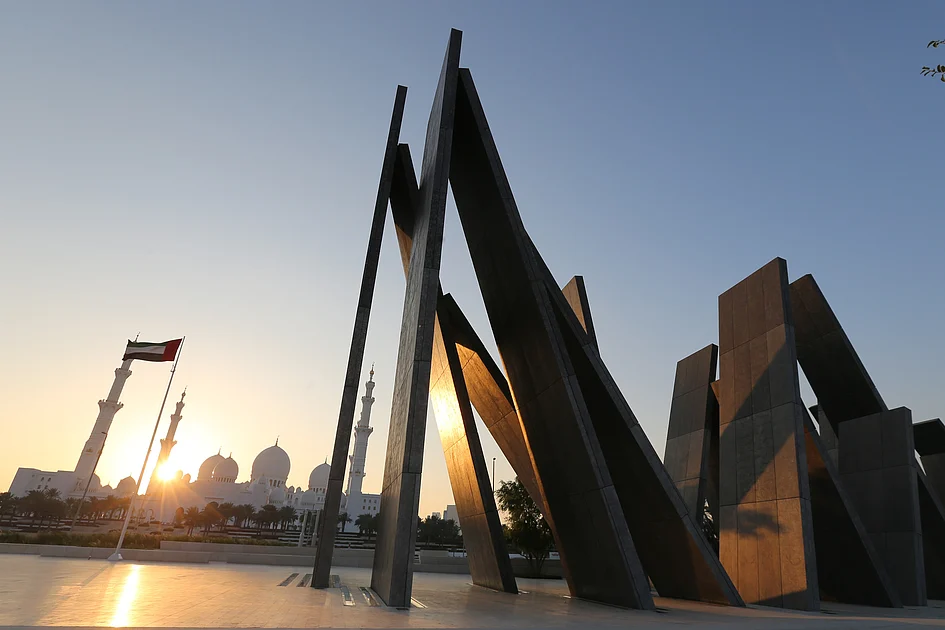
    The physical embodiment of this national memory exists at Wahat Al Karama (Oasis of Dignity) in Abu Dhabi. This monumental memorial features 31 interconnected aluminum tablets symbolizing unity between leadership and citizens, inscribed with poetic verses from UAE leaders. The Pavilion of Honor forms the emotional core, where Salem’s name leads the roll call of martyrs engraved on panels crafted from recycled military vehicle aluminum—a powerful metaphor for transformation from conflict to peace.

    Through these layered traditions and physical monuments, the UAE perpetuates the values demonstrated by Salem Suhail: unwavering loyalty, national unity, and the eternal price of sovereignty.

  • UAE: Why India’s billionaire ‘Rolls-Royce man’ is bringing his Phantoms to Dubai

    UAE: Why India’s billionaire ‘Rolls-Royce man’ is bringing his Phantoms to Dubai

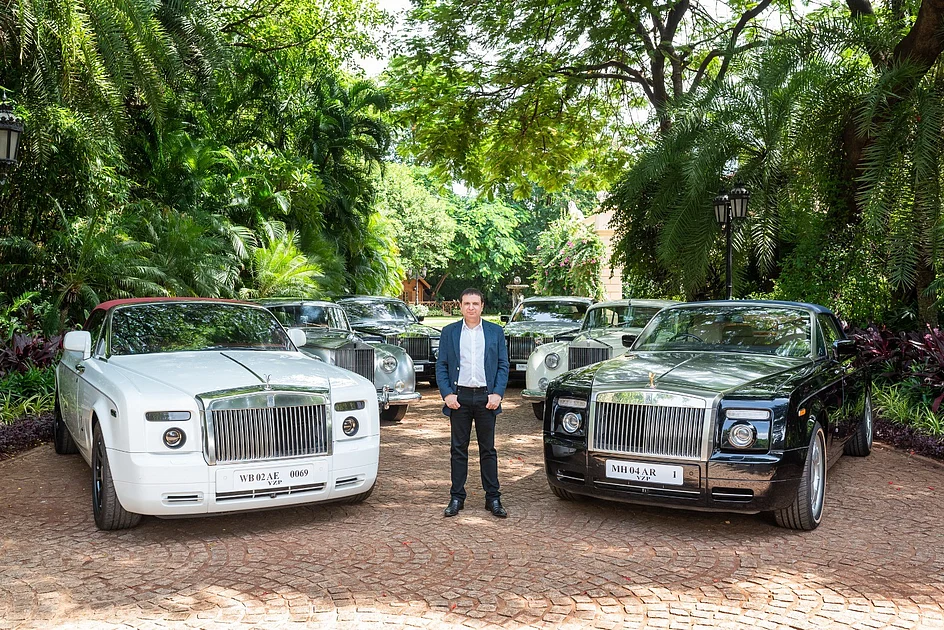
    Dubai is set to host an extraordinary automotive spectacle as Indian industrialist Yohan Poonawalla, renowned as the ‘Rolls-Royce Man,’ brings his exceptional collection of vintage Phantom models to the 1000 Miglia Experience UAE rally. The event, scheduled from November 30 to December 4, 2025, will showcase seven historically significant vehicles from Poonawalla’s collection of 22 Rolls-Royce automobiles.

    The highlight of this exhibition celebrates the centenary anniversary of the Rolls-Royce Phantom, featuring vehicles with remarkable provenance including a 1928 Phantom I previously owned by the Maharaja of Kashmir and a 1979 Phantom VI that once belonged to Queen Elizabeth II. Poonawalla described these vehicles as “living expressions of history, art and legacy” rather than mere transportation.

    This marks the fourth consecutive year that Poonawalla represents India at the prestigious UAE rally, which will feature approximately 120 collector cars traversing 1,600 kilometers across iconic locations including Sharjah Safari Park, Jebel Jais, and Hatta Fort. The event will also display the world’s most expensive car, a Mercedes 300 SLR valued at $140 million, specially transported from the Mercedes-Benz Museum in Germany.

    The Poonawalla family, with an estimated net worth of $27 billion, sees this participation as significant recognition of India’s growing presence in global motoring circles. Two of Poonawalla’s Phantoms will actively participate in the rally while the entire collection forms part of a curated ‘Phantom Centenary Exhibition’ commemorating 100 years of the iconic model series.

  • Institute to build space data centers

    Institute to build space data centers

    Beijing’s aerospace technology sector is pioneering an innovative solution to the global computing power shortage exacerbated by artificial intelligence’s exponential growth. The Beijing Astro-future Institute of Space Technology, under director Zhang Shancong’s leadership, is developing orbital data centers that leverage the unique advantages of space environment to overcome terrestrial limitations.

  • China expands state-level job services markets to boost labor allocation

    China expands state-level job services markets to boost labor allocation

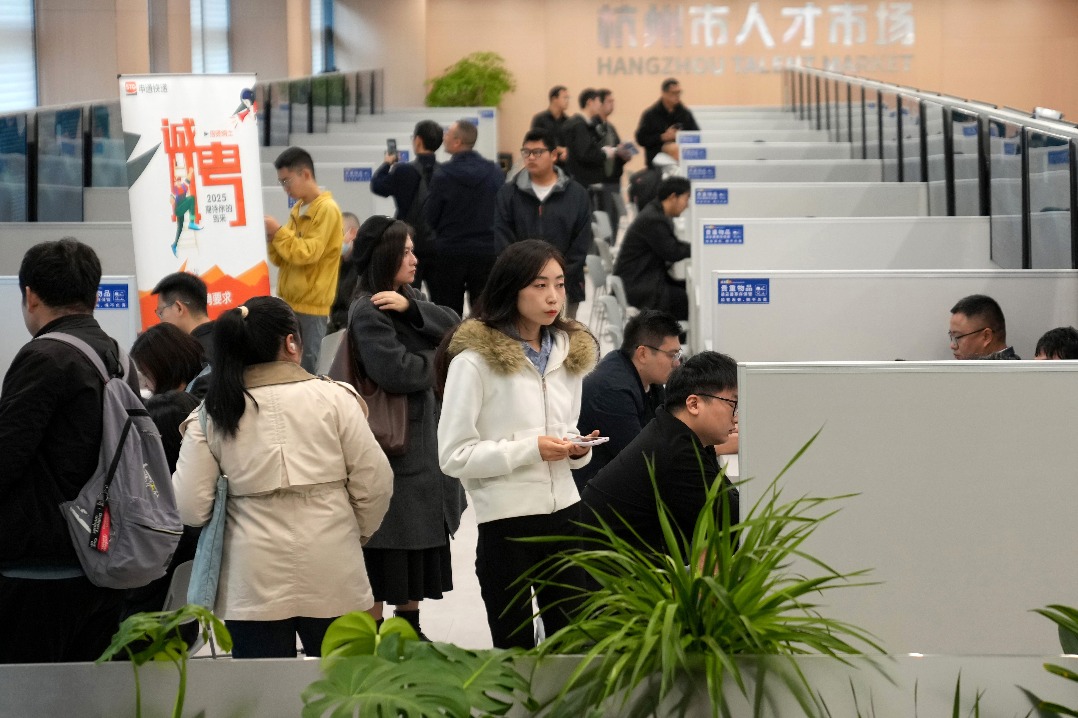
    China has strategically developed an extensive national infrastructure of talent markets and human resource service centers to enhance labor allocation across key economic sectors. Official data released Thursday reveals the establishment of 36 national talent markets alongside 29 specialized human resource industrial parks, creating a comprehensive framework aimed at addressing employment challenges and workforce distribution.

    The announcement came during a press briefing preceding the third National Human Resource Services Industry Development Conference in Wuhan, Hubei Province. This network of national facilities, complemented by regional specialized parks, constitutes an integrated service system specifically designed to optimize employment services and industrial talent allocation nationwide.

    Since the commencement of the 14th Five-Year Plan period (2021-2025), China’s employment services sector has experienced substantial growth, now providing essential services to approximately 300 million workers and over 50 million employers annually. This expansion reflects the government’s concerted effort to modernize labor market mechanisms and improve workforce mobility.

    Authorities are particularly focused on aligning human capital with critical economic drivers, including advanced manufacturing capabilities, digital economy initiatives, and modern service industries. This strategic approach aims to bridge persistent gaps between talent availability and sector-specific requirements, thereby mitigating labor shortages in vital industries.

    The upcoming Wuhan conference (November 28-29) will demonstrate these initiatives through practical application, featuring a large-scale recruitment drive offering more than 40,000 positions targeting university graduates and overseas students. Opportunities will concentrate on emerging fields such as artificial intelligence development and the burgeoning low-altitude economy sector, highlighting China’s commitment to future-oriented workforce development.

  • Asian alliance to preserve cultural heritage draws global attention

    Asian alliance to preserve cultural heritage draws global attention

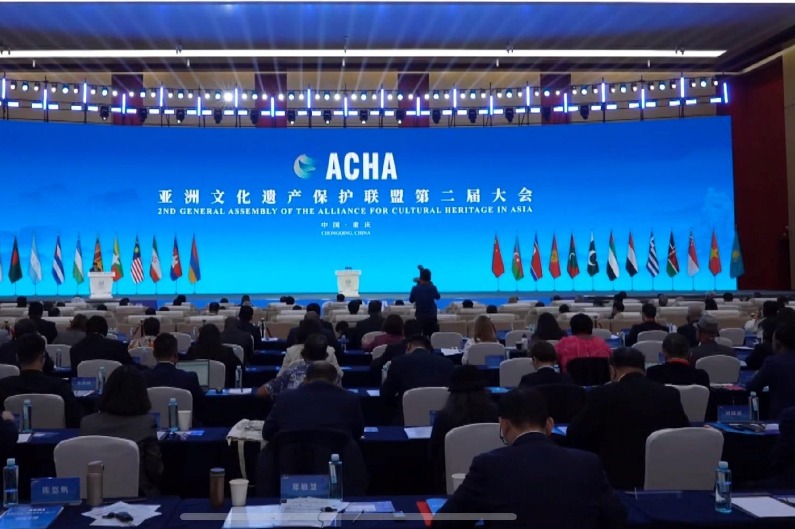
    A transnational initiative dedicated to safeguarding Asia’s cultural treasures is capturing worldwide interest as it expands its global footprint and deepens international collaboration. The Alliance for Cultural Heritage in Asia, initially established in 2021, has evolved into a significant force in heritage conservation, attracting participation from diverse nations beyond the Asian continent.

    During its recent second general assembly and third council meeting in Chongqing, the alliance convened over 200 specialists and representatives from 33 countries and international organizations. The gathering served to evaluate progress and chart future directions for the collaborative framework.

    Rao Quan, Director of China’s National Cultural Heritage Administration, emphasized the alliance’s growing influence: “We are pleased to observe how the alliance has transcended geographical limitations and amplified its global impact. It facilitates not only intra-Asian cultural exchange but also fosters genuine dialogue between Asia and other world regions.”

    The alliance has generated substantial practical outcomes since its inception, enabling advancements in ancient civilization research, collaborative archaeological excavations, historical site rehabilitation, and museum professional development. China alone has implemented 11 heritage preservation and restoration initiatives with nations including Cambodia, Uzbekistan, Myanmar, Nepal, Kyrgyzstan, and Kenya, while conducting 49 joint archaeological investigations with 28 countries internationally.

    Notable projects include the Sino-Uzbek collaboration restoring Khiva’s ancient city to its former vitality and ongoing archaeological research between China and Saudi Arabia at al Serrian, a port ruin site near Mecca that reveals new insights about the ancient Maritime Silk Road.

    Myanmar’s Vice-Minister of Religious Affairs and Culture, Nu Mra Zan, highlighted the tangible benefits of international cooperation, citing Chinese assistance following earthquake damage to Mandalay’s historical monuments. “This demonstrates how international collaboration helps address our challenges,” she noted. “Our experiences confirm that cooperative efforts yield optimal outcomes.”

    The Chongqing Consensus emerged from the assembly, advocating enhanced regional cooperation to address shared risks, increased application of scientific and technological solutions, and mutual learning to advance collaborative development.

    Significantly, the alliance welcomed new participants including Greece, Kenya, Cuba, and Malaysia, bringing total membership to 16 member states, four partner states, and four observer states. Despite its European location, Greece recognizes shared values with the alliance, as articulated by Despoina Zernioti of Greece’s Corfu Museum of Asian Art: “Greece—a culture with global influence—shares the alliance’s commitment to protecting, understanding, and promoting cultural heritage.”

    Concurrently, Egypt and China signed agreements strengthening collaboration in world heritage nomination, management, and conservation, signaling deeper future cooperation in heritage documentation, artifact preservation, site management, capacity building, and risk mitigation.

  • S. Korea’s 4th rocket launch successful

    S. Korea’s 4th rocket launch successful

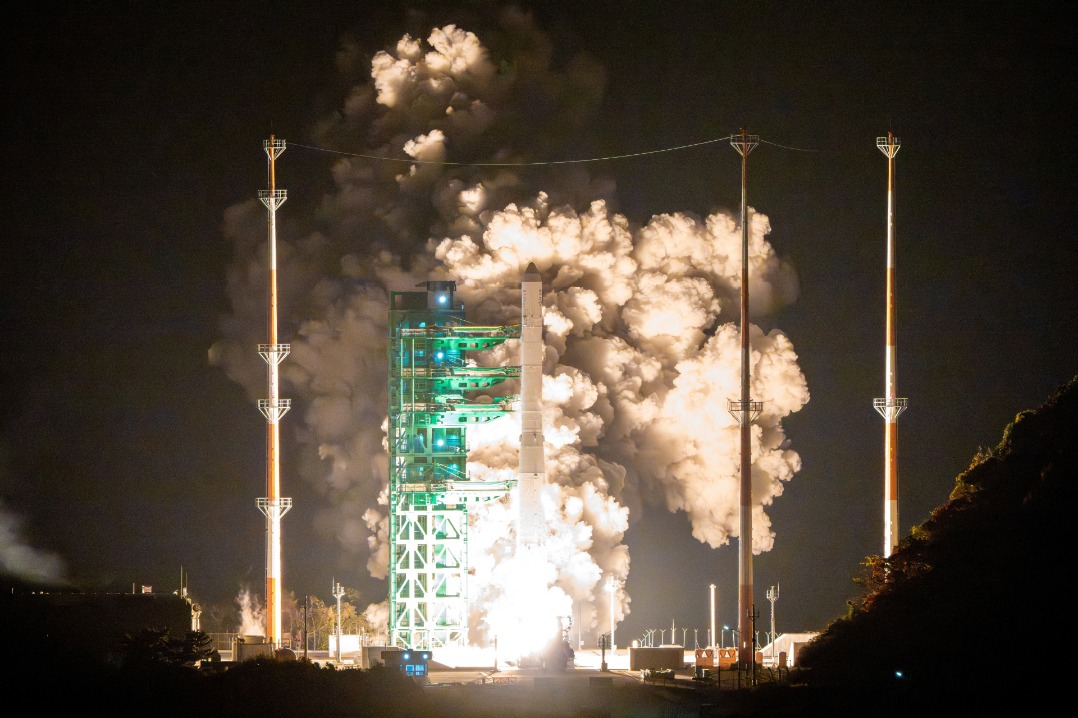
    South Korea has triumphantly entered a new chapter in its space exploration journey with the successful fourth launch of its domestically developed Nuri space rocket on Thursday. The landmark event, which occurred at 1:13 AM from the Naro Space Center in Goheung, represents a significant milestone in the nation’s aerospace capabilities and marks a strategic shift toward private sector integration in space technology development.

    The 200-metric-ton launch vehicle, carrying a 516-kilogram primary satellite and twelve secondary payloads, achieved orbital insertion despite experiencing a minor delay due to abnormal pressure sensor readings prior to liftoff. President Lee Jae-myung celebrated the achievement as demonstrative of South Korea’s technological self-reliance and a foundation for future generations, pledging continued government support for scientific innovation and space sector investment.

    This launch distinguishes itself as the first to feature comprehensive private sector participation throughout the entire process. Hanwha Aerospace spearheaded the manufacturing and assembly operations using government-transferred technology, under the supervision of the Korea Aerospace Research Institute. This collaboration signals a deliberate transition from government-led to private-driven space industry development, which Deputy Prime Minister Bae Kyung-hoon characterized as a crucial turning point for the nation’s space ecosystem.

    The primary satellite will conduct advanced space science research, including detailed observations of Earth’s auroras. According to Professor Shin Dong-hyuk from the Korea Advanced Institute of Science and Technology, this research will significantly enhance GPS accuracy in South Korea by improving space weather monitoring capabilities.

    The Nuri program, initiated in 2021, has demonstrated remarkable progress following an initial unsuccessful launch. The current mission represents increased payload capacity compared to previous launches. With additional launches planned for 2026 and 2027, and potential expansion into 2028, South Korea is positioning itself as an emerging force in the global space industry.

  • Death toll from floods in Thailand reach 145 as receding water reveals widespread damage

    Death toll from floods in Thailand reach 145 as receding water reveals widespread damage

    BANGKOK — Catastrophic flooding across twelve southern Thai provinces has resulted in at least 145 confirmed fatalities, according to official statements released Friday. The devastating deluge, triggered by torrential rainfall, has impacted approximately 1.2 million households and 3.6 million residents throughout the region.

    Government spokesperson Siripong Angkasakulkiat confirmed during a Bangkok news conference that the majority of casualties occurred in Songkhla province, which alone recorded 110 deaths. The death toll saw a significant increase as receding floodwaters enabled rescue teams to access previously submerged residential areas, particularly in Hat Yai, the south’s largest urban center.

    While flood levels have subsided across most affected zones, certain locations continue to experience elevated water levels. The Meteorological Department reported decreased rainfall but issued ongoing thunderstorm warnings for specific areas.

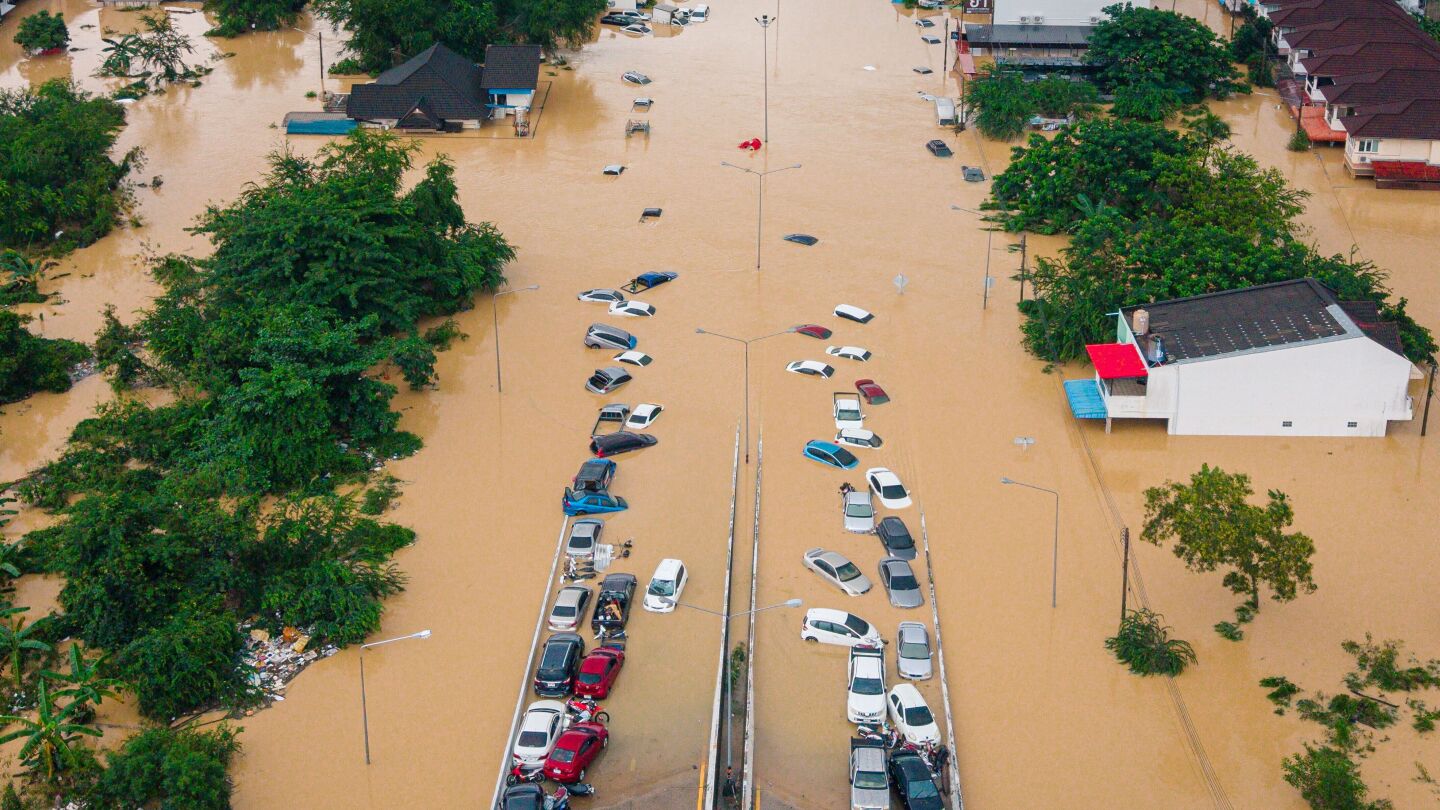
    The scale of destruction became increasingly visible as waters retreated, revealing overturned vehicles, collapsed infrastructure, and extensive debris accumulation. Powerful currents had swept away automobiles, leaving them stacked atop one another, while damaged roads and fallen power poles rendered many areas inaccessible. Household appliances and personal belongings lay scattered throughout flooded neighborhoods, illustrating the overwhelming force of the floodwaters that stranded thousands of residents and submerged low-rise buildings.

  • Epic tales and star power: How Tollywood is reshaping Indian cinema

    Epic tales and star power: How Tollywood is reshaping Indian cinema

    HYDERABAD, India — While Bollywood has long dominated perceptions of Indian cinema internationally, a powerful cinematic movement from South India has emerged as a formidable global competitor. The Telugu-language film industry, colloquially known as Tollywood, has captured worldwide attention through its distinctive blend of mythological storytelling, high-octane action sequences, and spectacular visual effects.

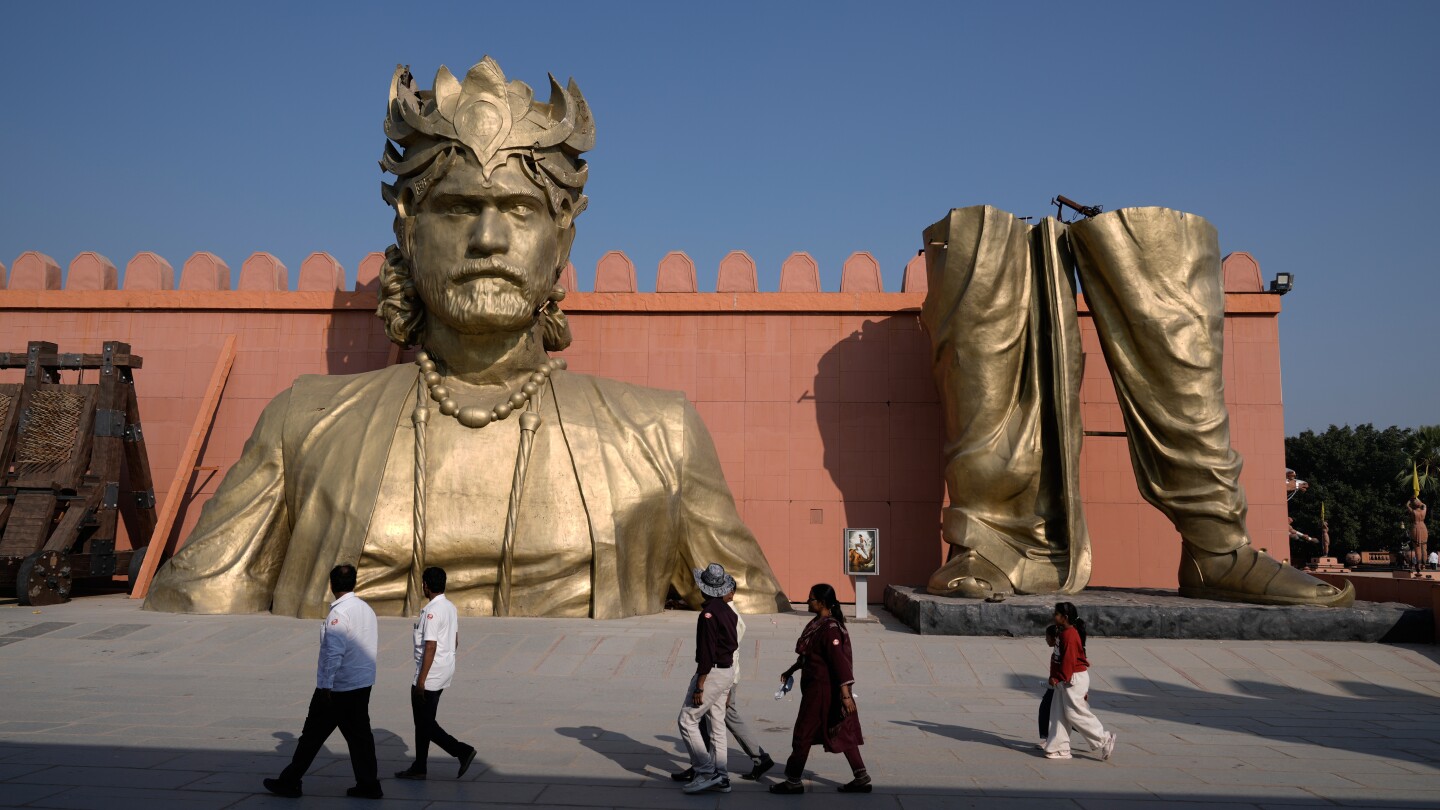
    Operating primarily from Hyderabad, Tollywood benefits from the massive infrastructure of Ramoji Film City—the world’s largest film studio complex according to Guinness World Records. This 1,666-acre production hub enables the industry to generate approximately 300 films annually, establishing itself as India’s second-largest film industry after Bollywood.

    The pandemic-era expansion of streaming services proved transformative for Tollywood, providing regional films unprecedented access to international audiences. This digital revolution coincided with Bollywood’s creative challenges, allowing Telugu cinema to fill a void with its unique formula of star-driven spectacles and large-scale epics.

    Tollywood’s signature approach combines family drama, action, and mythology into what industry marketers now term ‘pan-India’ releases—films deliberately crafted for cross-cultural appeal and routinely dubbed into multiple languages. While the industry produces smaller, culturally-rooted films addressing social issues and regional themes, its global breakthroughs have come primarily from big-budget productions like the ‘Baahubali’ series and the Oscar-winning ‘RRR’.

    The industry’s cultural impact extends beyond entertainment, with its stars commanding near-religious devotion from fans. Male actors particularly enjoy godlike status, with followers performing ritualistic worship of their idols’ images and organizing charitable events in their names. This fandom culture frequently translates into political influence, with several Tollywood actors successfully transitioning into political leadership roles.

    Much of Tollywood’s recent international success is attributed to visionary filmmaker S.S. Rajamouli, whose imaginative storytelling and preference for larger-than-life heroes have redefined Indian cinema’s global potential. His upcoming project ‘Varanasi,’ blending time-travel with Hindu mythology, anticipates continued international interest in Telugu cinema.

    Financially, Tollywood operates through theatrical releases, television rights, overseas distribution, and brand partnerships. Despite being controlled by influential regional families, strategic marketing campaigns and cross-industry collaborations have positioned Tollywood releases as national events across India and beyond.