标签: Asia

亚洲

  • Camels trek through snow in Ningxia’s Helan Mountains

    Camels trek through snow in Ningxia’s Helan Mountains

    In a striking convergence of natural beauty and cultural heritage, camels were documented traversing snow-blanketed slopes within Ningxia Hui Autonomous Region’s Helan Mountains this Wednesday. This majestic scene, featuring the dark silhouettes of camels against pristine white snow, highlights one of Northwest China’s most captivating winter phenomena.

    The Helan Mountains serve as a crucial ecological barrier, protecting the region from desert encroachment and cold air masses while sustaining the agriculturally rich Yinchuan Plain. The camels, historically indispensable to Silk Road trade routes, now symbolize Ningxia’s enduring cultural exchange traditions.

    Contemporary tourism initiatives have transformed these desert-adapted animals into ambassadors of regional heritage. Camel trekking experiences and educational tours centered on Silk Road history have emerged as signature attractions within Ningxia’s cultural economy, drawing visitors nationwide seeking immersive historical encounters.

    This particular seasonal spectacle—known as ‘Helan Mountain in Clear Snow’—ranks among Ningxia’s Eight Famous Sceneries. The phenomenon derives its name from the persistent snow accumulation on western peaks despite clear weather conditions, creating a visually dramatic contrast that has been observed for centuries.

  • Fashion show highlights the diverse ethnic cultures of Yunnan

    Fashion show highlights the diverse ethnic cultures of Yunnan

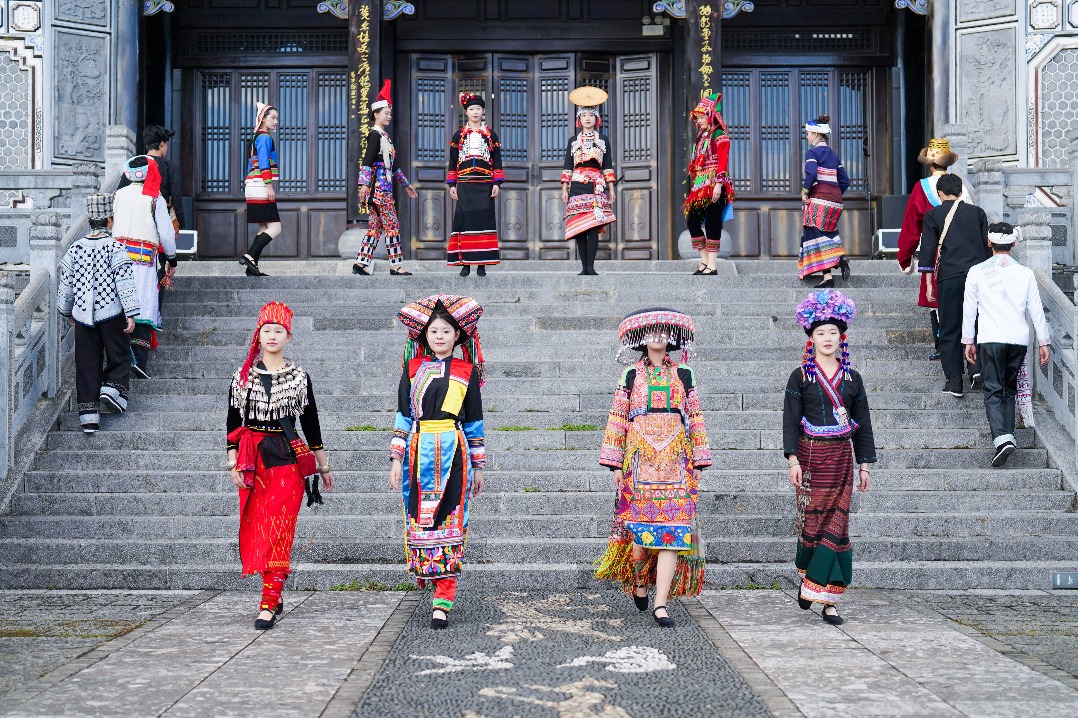
    The ancient city of Dali in Yunnan province transformed into a living museum of cultural heritage on November 23rd as it hosted an extraordinary intangible cultural heritage fashion exhibition. This sartorial celebration brought together the province’s rich ethnic traditions through an immersive display of craftsmanship and contemporary design.

    The event presented a comprehensive visual narrative of Yunnan’s diverse cultural landscape, featuring more than 30 complete sets of traditional ethnic attire alongside over 100 modern interpretations. Representatives from all 16 prefectures and cities across the province contributed to this panoramic showcase, demonstrating the remarkable preservation and evolution of indigenous textile techniques.

    Audiences experienced an unprecedented interactive opportunity, being invited to examine the intricate details of the garments at close range and engage directly with the models. This tactile approach created what organizers termed as ‘wearable history’ – allowing participants to physically connect with centuries-old cultural expressions through contemporary fashion medium.

    The exhibition particularly highlighted the Bai autonomous prefecture’s distinctive heritage while embracing the collective cultural wealth of Yunnan’s 25 recognized ethnic groups. Each ensemble told a story of ancestral craftsmanship, from the elaborate silversmith work of the Miao people to the sophisticated batik techniques of the Dai community and the exquisite embroidery traditions preserved by the Yi people.

    This fashion presentation transcended conventional runway shows by creating an educational platform that bridges generational and cultural divides. It demonstrated how traditional motifs and techniques continue to inspire modern design while maintaining their cultural authenticity and significance in contemporary society.

  • Israel-Lebanon ceasefire on the edge of a breakdown

    Israel-Lebanon ceasefire on the edge of a breakdown

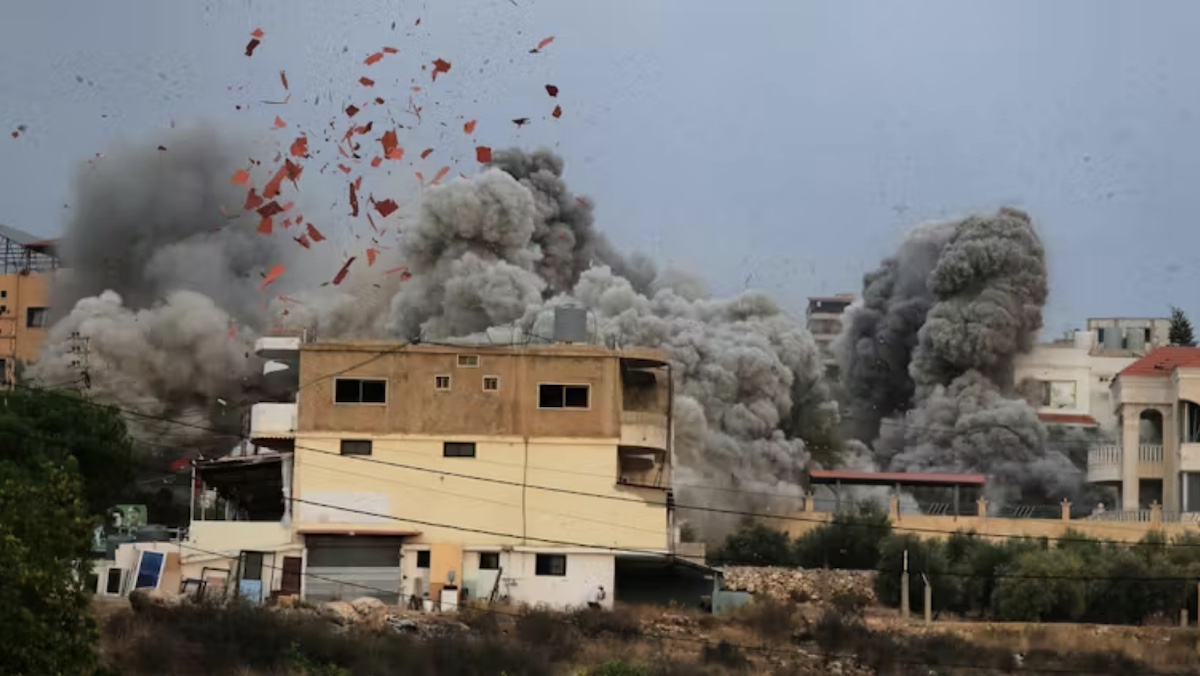
    The November 2024 ceasefire agreement between Israel and Lebanon stands on increasingly precarious ground as violations mount and diplomatic efforts stall. According to UNIFIL’s latest report, Israeli forces have conducted over 10,000 air and ground incursions into Lebanese territory since the truce took effect, significantly undermining the agreement’s stability.

    The situation deteriorated further with recent Israeli strikes across the northern border, resulting in the assassination of Hezbollah’s top military commander and deadly attacks on Palestinian refugee camps. Israel maintains these operations target Hezbollah’s rearmament efforts, with Israeli military sources indicating preparations to ‘finish the job’ against the militant group.

    From a historical perspective specializing in Israeli-Lebanese relations, Israel’s emergence as regional military hegemon has failed to translate into Middle Eastern stability or constructive change. The deteriorating ceasefire demonstrates that military power alone cannot substitute for diplomatic engagement and long-term stabilizing agreements.

    The ceasefire originally aimed to conclude the latest Israel-Hezbollah conflict that escalated following Hamas’ October 7, 2023 attack on Israel. The agreement stipulated Lebanon’s disarmament of nonstate military forces south of the Litani River, with the Lebanese army remaining the sole armed authority. In exchange, Israel committed to withdrawing from occupied southern territories within 60 days and participating in US-brokered border delineation negotiations.

    One year later, none of these objectives have materialized. Israel continues occupying five border posts inside Lebanon while conducting daily raids, some of which have endangered UNIFIL peacekeeping forces. The February 2025 formation of a new Lebanese government—the first since 2008 without Hezbollah veto power—initially presented opportunity for state sovereignty reclamation and economic recovery following Lebanon’s 2019 financial collapse.

    However, disarming Hezbollah remains profoundly challenging given the group’s military dominance and political entrenchment. The Lebanese army lacks sufficient capacity, political influence, or will to coercively disarm Hezbollah without risking civil conflict. Complicating matters, U.S. pressure on Lebanon to disarm Hezbollah has created diplomatic friction, including the canceled November 25 trip of Lebanon’s army chief to the United States.

    Meanwhile, reports indicate Iran channeled approximately $1 billion to Hezbollah despite its weakened regional position, providing critical support while Lebanon struggles to secure foreign aid. These dynamics create continued friction between Israel and Hezbollah, with Israel adopting a zero-tolerance security doctrine post-October 7.

    Domestic Israeli politics further complicate matters, as Prime Minister Benjamin Netanyahu faces accusations of prolonging conflicts to deflect from legal troubles and governmental deficiencies. Border disputes remain unresolved due to deep mistrust and active conflict, despite being a constant source of tension since 2000.

    The current trajectory suggests a return to the vicious cycle characterizing Israel-Lebanon relations since the 1960s: nonstate actors respond to Israeli incursions, triggering further retaliation that weakens the Lebanese state. Breaking this cycle requires strengthened Lebanese state capacity as sole arms holder and foreign policy authority. Ultimately, sustainable resolution depends primarily on internal Lebanese political processes rather than Israeli military pressure, potentially facilitated by US diplomacy that applies balanced pressure to all parties.

  • One Filipina worker still missing after deadly Hong Kong high-rise fire

    One Filipina worker still missing after deadly Hong Kong high-rise fire

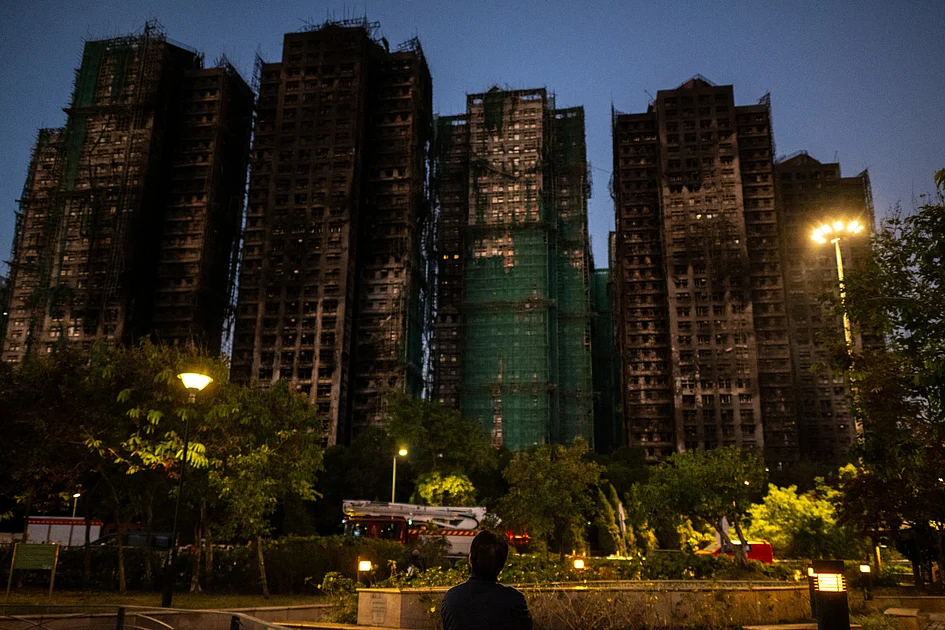
    Authorities in Hong Kong and the Philippines are continuing search operations for one overseas Filipino worker (OFW) who remains unaccounted for following a devastating high-rise fire that engulfed multiple buildings on November 26. The Department of Migrant Workers (DMW) confirmed the ongoing efforts to locate the missing individual, whose precise whereabouts at the time of the incident remain undetermined.

    DMW Secretary Hans Leo Cacdac stated that investigators are working to establish whether the Filipina national was present within any of the eight affected structures when the massive blaze erupted. “That is the report. But we don’t know for sure about her exact whereabouts. So the search continues. I don’t want to speculate as to where she is exactly,” Cacdac told ABS-CBN News. The DMW has established communication with the missing worker’s family in the Philippines to provide support and updates.

    Official reports from the Overseas Workers Welfare Administration (OWWA) and the Department of Foreign Affairs (DFA) indicate that at least 23 overseas Filipino workers were affected by the catastrophic incident, which resulted in numerous fatalities. One hospitalized OFW is reported to be in stable condition after being rescued alongside her employer and an infant.

    Beyond the immediate physical dangers, the fire has created significant administrative challenges for survivors. OWWA Administrator Patricia Caunan revealed that many affected workers lost crucial documentation, including passports and employment contracts, in the blaze. In response, DMW officials have committed to providing replacement contract copies and coordinating with Hong Kong authorities to resolve documentation issues. The Department of Foreign Affairs and Philippine Consulate General in Hong Kong will facilitate the restoration of travel documents.

    Secretary Cacdac assured that there would be no employment barriers for affected workers wishing to continue their positions in Hong Kong once their documentation is restored. Emergency assistance, including food packs and support services, has been distributed to victims, while dedicated teams are contacting families in the Philippines who have lost communication with relatives in Hong Kong.

  • Beijing zookeeper helps birds thrive with specialized care methods

    Beijing zookeeper helps birds thrive with specialized care methods

    At the forefront of avian conservation, Beijing Zoo’s dedicated ornithological specialist Mo Xiao has pioneered groundbreaking methodologies in bird care through two decades of meticulous observation and innovation. Her species-specific approach has transformed avian management practices, focusing on individualized behavioral patterns, dietary requirements, and temperamental characteristics.

    Mo’s revolutionary work with Huahua, a wreathed hornbill, demonstrates her scientific precision. She developed an advanced training protocol incorporating real-time heart-rate monitoring to assess physiological responses during health examinations. This non-invasive technique has enabled the bird to become remarkably cooperative during veterinary procedures, setting new standards for avian medical care.

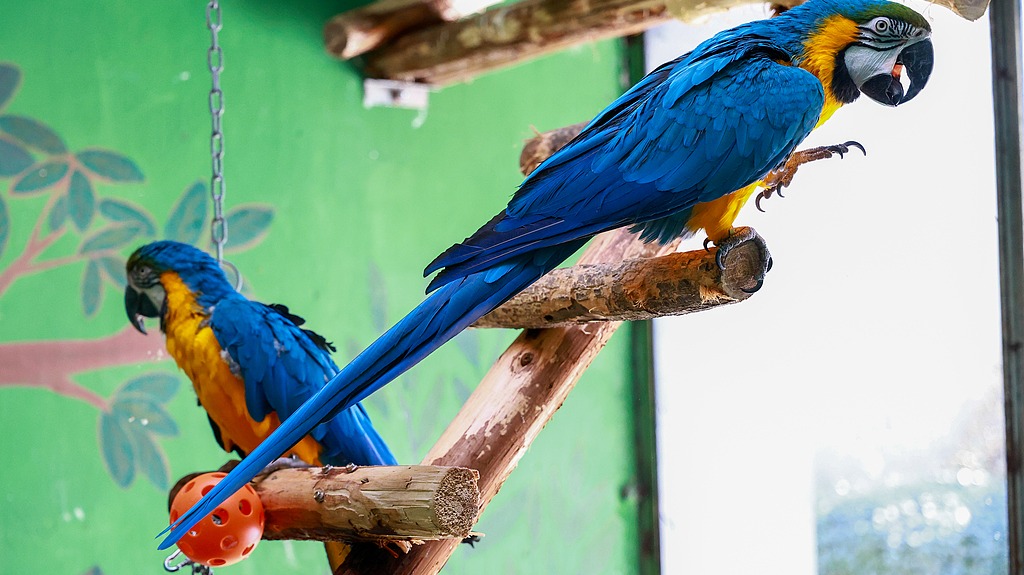
    Perhaps her most ingenious achievement involves the creation of an unconventional parrot triad. Mo successfully integrated three physically impaired parrots—one flightless, one mobility-challenged, and one without biting capability—into a harmonious social unit. “Their complementary disabilities established a natural equilibrium in size and ability,” Mo explained. “This unique balance prevents the territorial conflicts that would inevitably occur in mixed-ability groups.”

    Addressing medical challenges, Mo implemented innovative solutions for ground hornbills suffering from gout. She redesigned their nutritional program and introduced mudfish feeding techniques that stimulate natural water consumption, effectively alleviating arthritic symptoms and improving mobility.

    Her reproductive success with toucans represents another milestone. After three years of habitat replication research, Mo perfected nesting conditions that mirror natural environments, resulting in successful breeding cycles during both spring and autumn seasons—a rare accomplishment in captive breeding programs.

    “Each bird embodies a unique life deserving individualized respect,” Mo emphasizes. “True conservation extends beyond mere survival—it requires protecting their inherent nature through professional expertise and profound respect.”

  • UAE launched ‘lobbying blitz’ on European Parliament over Sudan war resolution

    UAE launched ‘lobbying blitz’ on European Parliament over Sudan war resolution

    A concerted lobbying campaign by the United Arab Emirates successfully pressured the European Parliament to remove any mention of its involvement in the Sudan conflict from a final resolution calling for an end to the violence, according to a Politico report.

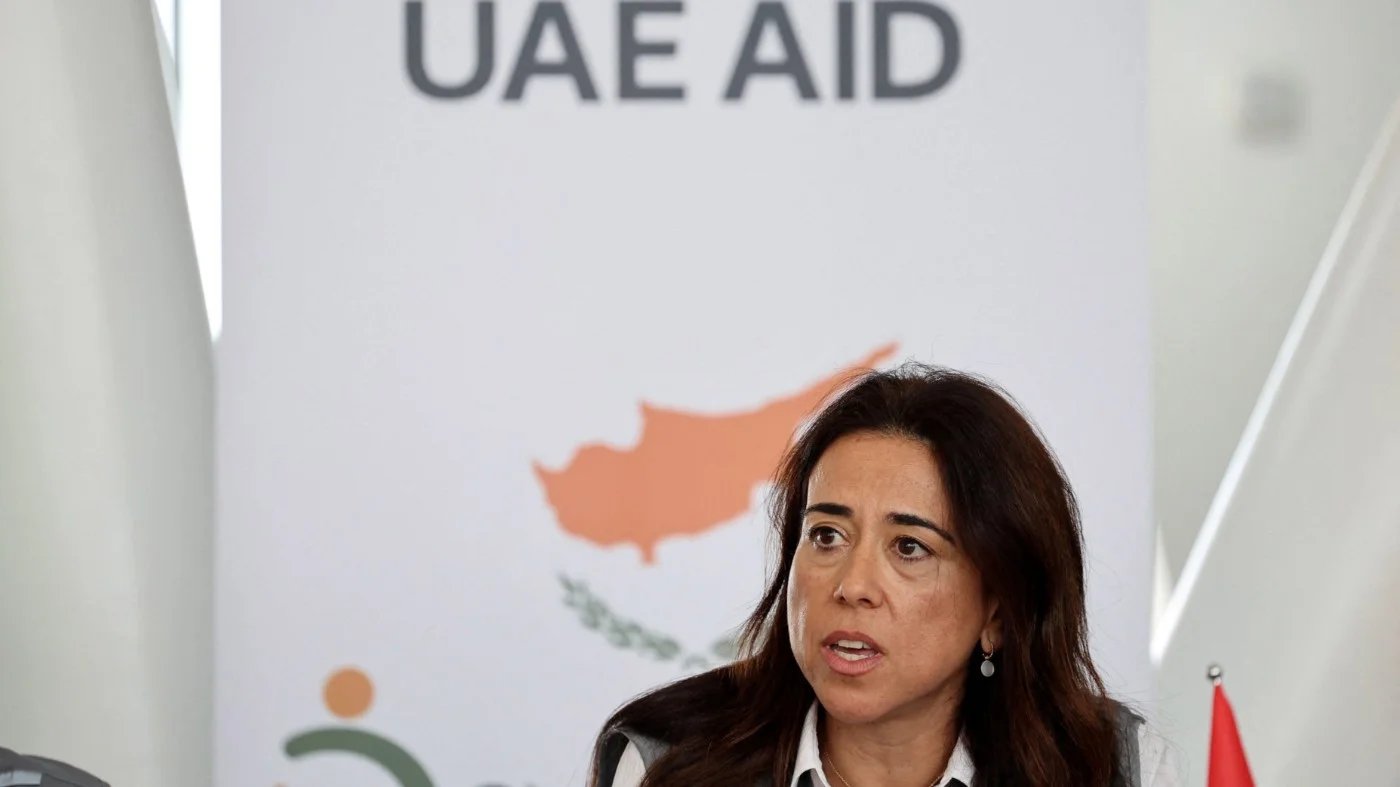
    The development follows revelations that an Emirati delegation, led by envoy Lana Nusseibeh, engaged in a vigorous lobbying effort in Strasbourg this week. Their actions came in response to initial drafts of the resolution that referenced the UAE’s alleged role in supplying advanced weaponry to Sudan’s paramilitary Rapid Support Forces (RSF).

    Earlier, Dutch MEP Marit Maij had announced intentions to formally call on the European Commission to suspend trade negotiations with the UAE amid evidence that weapons were transiting through Emirati territory to reach the RSF. This paramilitary group stands accused of committing widespread atrocities during its siege and capture of el-Fasher, the capital of North Darfur.

    Multiple investigative reports, including from Middle East Eye and Amnesty International, have documented the UAE’s use of complex supply routes through Somalia, Libya, and Chad to arm the RSF. These weapons have enabled a campaign marked by mass killings, rape, ethnic cleansing, and torture.

    Despite these well-documented allegations and a formal accusation of complicity in genocide brought by the Sudanese government to the International Court of Justice, the final EU resolution passed on Thursday contained no specific references to UAE involvement. Instead, it broadly condemned the RSF’s atrocities and called for sanctions against unspecified ‘financiers and external enablers.’

    The resolution’s dilution occurred after the Emirati delegation circulated communiques vehemently denying any material or political support for the RSF. During voting procedures, conservative political groups including the European People’s Party and European Conservatives and Reformists bloc rejected amendments that would have specifically outlined the UAE’s role and called for greater accountability.

    The only remaining reference to the UAE was the parliament’s affirmation of a September 12 joint resolution issued by the Quad—comprising Egypt, Saudi Arabia, the UAE, and the United States—which called for an end to the war.

    Following the vote, Envoy Nusseibeh issued a statement welcoming the resolution and affirming the UAE’s ‘unwavering commitment to support all endeavours to address this catastrophic civil war.’ This stands in stark contrast to accusations from Sudanese Armed Forces General Yasser al-Atta, who claimed that ‘this silence was bought by the power of the UAE’s money.’

  • Quttainah Hospital earns JCI re-accreditation, reinforcing its leadership in ethical elective care

    Quttainah Hospital earns JCI re-accreditation, reinforcing its leadership in ethical elective care

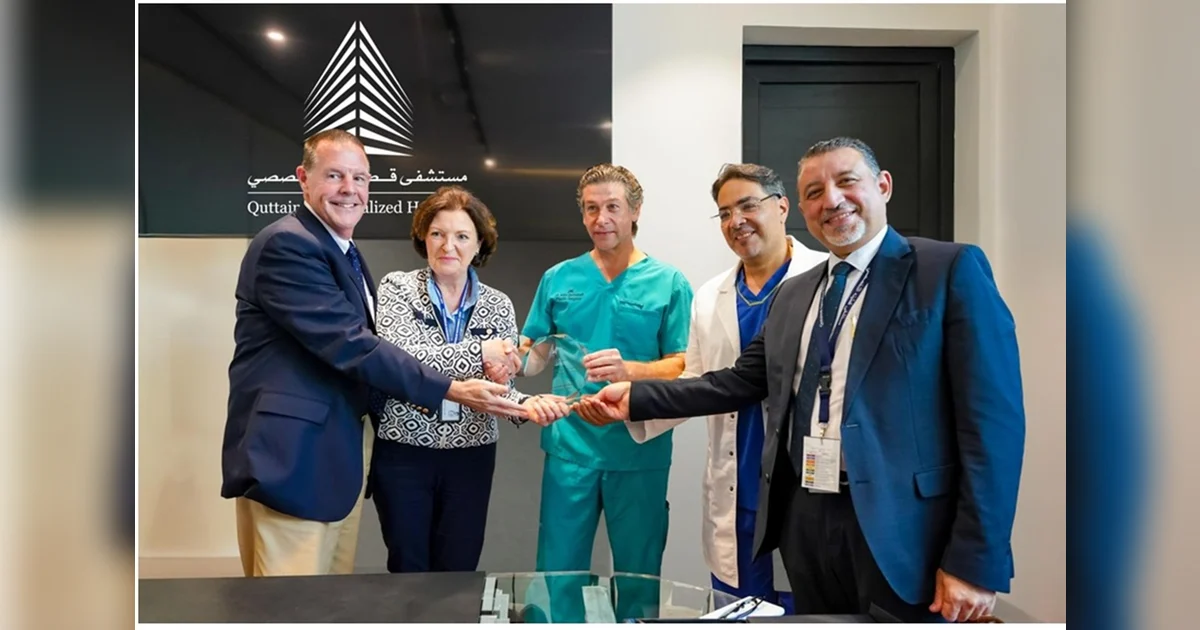
    Dubai’s Quttainah Medical Center has once again achieved the coveted Joint Commission International (JCI) re-accreditation, solidifying its status as a premier institution for ethical elective and aesthetic healthcare in the Middle East. This distinguished recognition, awarded following an exhaustive evaluation process, validates the hospital’s unwavering dedication to exceptional patient safety protocols, clinical excellence, and organizational integrity.

    The JCI Gold Seal represents the highest global standard in healthcare quality, with accreditation demanding strict adherence to over 1,300 measurable criteria spanning clinical outcomes, infection prevention, facility management, and staff credentialing. Quttainah Hospital’s successful renewal demonstrates not merely compliance but consistent exceeding of these rigorous international benchmarks.

    This accomplishment carries substantial implications for both the institution and Dubai’s expanding medical tourism sector. The re-accreditation enhances patient confidence in selecting ethically-grounded elective procedures, supports Dubai’s strategic vision to become a world-class medical destination, and establishes new quality standards for regional healthcare providers.

    Hospital leadership emphasized the cultural significance behind this achievement. Founder and Chairman Dr. Adel Quttainah stated, ‘This accreditation transcends ceremonial recognition—it embodies our daily commitment to patient-centered care. While aesthetic excellence remains our trademark, creating an environment where patients feel secure, valued, and comprehensively supported defines our fundamental philosophy.’

    Chief Medical Officer Dr. Mohamed Omran elaborated on operational excellence: ‘Reattaining the JCI Gold Seal reflects meticulous attention to detail across every care continuum—from initial consultation through postoperative recovery. Our integrated systems prioritize patient protection while delivering treatments that meet stringent international protocols, a responsibility we embrace with profound seriousness.’

    The re-accreditation positions Quttainah Hospital at the forefront of Dubai’s medical landscape, potentially influencing broader healthcare standards while reinforcing the emirate’s growing reputation as a trusted global destination for medical tourism.

  • UAE Lottery hints at weekly Lucky Day draws this December in Instagram post

    UAE Lottery hints at weekly Lucky Day draws this December in Instagram post

    A dual-crisis scenario has emerged across Asia, with Indonesia reeling from catastrophic flooding while India takes unprecedented aviation safety measures. According to Indonesia’s national disaster management agency, devastating floods have resulted in more than 200 fatalities, marking one of the deadliest natural disasters in the region this year. The flooding, triggered by torrential rainfall, has caused widespread destruction across multiple provinces, submerging entire communities and displacing thousands of residents. Emergency response teams are conducting massive rescue operations amid challenging conditions, with limited access to remote areas complicating relief efforts. Meanwhile, in a separate development impacting regional transportation safety, India’s aviation regulatory authority has issued a directive temporarily prohibiting airlines from operating Airbus A320 family aircraft until specific modifications are completed. The grounding order affects one of the most widely used aircraft families in commercial aviation and reflects heightened safety vigilance following recent technical concerns. Aviation experts indicate the mandated modifications address critical systems that require urgent attention to ensure passenger safety. The simultaneous occurrence of these events highlights different facets of disaster management and preventive safety measures across Southeast Asia.

  • Hong Kong charities provide assistance to migrant domestic workers

    Hong Kong charities provide assistance to migrant domestic workers

    Hong Kong’s charitable organizations have launched comprehensive emergency response initiatives to assist migrant domestic workers impacted by the recent catastrophic fire in Tai Po. Multiple aid groups have established specialized help desks and 24-hour hotlines to provide critical support services to the affected community.

    Edwina A. Antonio, Executive Director of Migrant Women’s Refuge, confirmed her organization is implementing extensive outreach efforts to connect with workers displaced or otherwise affected by the devastating Wang Fuk Court blaze. “We’re deploying all available resources to ensure migrant workers receive the assistance they need during this difficult time,” Antonio stated.

    The emergency response includes temporary housing arrangements, psychological counseling services, legal assistance, and basic necessities distribution. Community centers across Hong Kong have been converted into temporary support hubs where affected workers can access multiple services in centralized locations.

    Local humanitarian organizations are coordinating with government agencies to streamline aid distribution while respecting the unique cultural and linguistic needs of Hong Kong’s diverse migrant worker population. The collaborative effort represents one of the most comprehensive non-governmental responses to a residential disaster affecting the territory’s migrant community in recent years.

  • Emirates Gold and Public Gold launch the world’s first fintech-enabled gold ATM in the UAE

    Emirates Gold and Public Gold launch the world’s first fintech-enabled gold ATM in the UAE

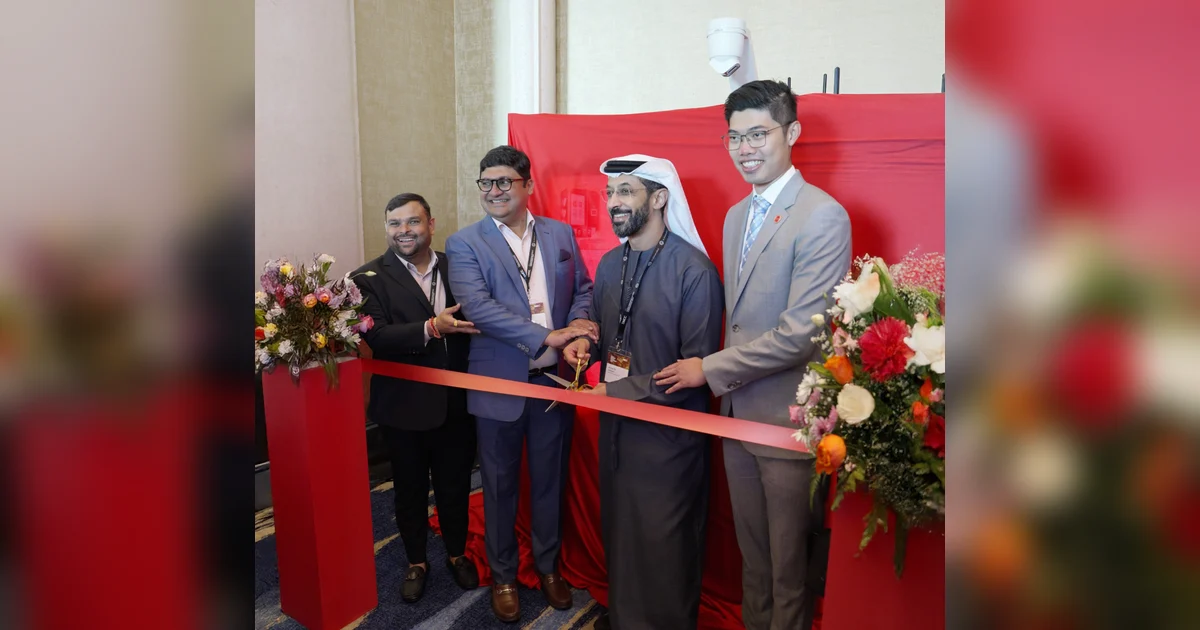
    In a groundbreaking development for the precious metals industry, Emirates Gold and Public Gold have unveiled the world’s first fintech-integrated gold ATM at the Dubai Precious Metals Conference 2025. This revolutionary installation at Atlantis, The Palm represents a significant advancement in digital-to-physical gold infrastructure, merging cutting-edge financial technology with traditional bullion accessibility.

    The landmark launch was ceremoniously inaugurated by Ahmed Bin Sulayem, Executive Chairman and CEO of DMCC, alongside Abhijit Shah of Emirates Gold and Jerry Ng from Public Gold. This strategic collaboration combines Emirates Gold’s refinery expertise with Public Gold’s technological capabilities, creating a seamless platform that transforms how consumers interact with precious metals.

    Operating 24/7, these sophisticated ATMs can store over 70 distinct designs of gold and silver bars, enabling users to purchase bullion using digital payment methods including e-wallets and credit cards. The machines feature advanced security systems and offer multiple functionalities beyond simple transactions, with future enhancements planned for cryptocurrency conversion and tokenized gold redemption from secure vault facilities.

    The initial installation at Almas Tower will serve as the prototype for an extensive network of 35-40 units scheduled for deployment across high-traffic locations throughout the UAE by 2026. This expansion will establish the region’s most comprehensive gold ATM infrastructure, reinforcing the UAE’s position as a global leader in both traditional gold markets and financial innovation.

    Abhijit Shah emphasized the transformative nature of this development: “As the UAE maintains its status as the world’s most trusted physical gold hub, this innovation establishes new global standards for secure and transparent bullion accessibility.” Jerry Ng added that this technological breakthrough “eliminates traditional barriers, making physical gold ownership fundamentally more accessible and secure for everyone.”

    This initiative aligns perfectly with the UAE’s broader objectives of economic diversification and technological advancement, while simultaneously addressing evolving investor preferences for digital-physical asset integration. The ATMs maintain Emirates Gold’s rigorous standards for purity and security while offering curated selections suitable for investment, collection, or gifting purposes.