标签: Asia

亚洲

  • French, Chinese artists revive industrial heritage in Hunan

    French, Chinese artists revive industrial heritage in Hunan

    In an extraordinary cross-cultural initiative, French and Chinese artists are jointly transforming the industrial legacy of Ningxiang’s former coal mining hub into a vibrant cultural destination. The collaborative effort between Avignon Higher School of Art and Chinese partners focuses on the Wumuchong International Art Zone, located in Meitanba—a town once dominated by coal extraction until the last mine closed in 2014.

    The project, launched in 2016, represents a conscious shift from industrial decline to cultural rejuvenation. Since cooperation began earlier this year, teams have been working to restore nine historical structures while maintaining their authentic materials and character. According to Hervé Giocanti, a conservation professor at ESAA, the approach goes beyond physical restoration: “First, we need to understand the history of this mine and its people.”

    This philosophical commitment led artists to conduct interviews with retired miners, weaving personal narratives and emotional connections into the restoration process. The French team also introduced innovative ecological solutions, including biochar technology that processes abandoned materials through anaerobic combustion, reducing pollution while creating outputs useful for both agriculture and art.

    French artist Sarah Venturi exemplified this sustainable approach by developing a unique pigment called “Meitanba Black” from recycled coal dust found on site. Professor Liu Ke of the Guangzhou Academy of Fine Arts, one of the project’s initiators, revealed that restoration will focus on two to three buildings annually. The vision includes integrating new constructions with preserved heritage, all utilizing advanced ecological technologies.

    Concurrently, efforts are underway to attract international artists for residencies lasting one to two months, fostering deeper cultural exchanges and collaborative relationships with local artists. This extended engagement aims to create genuine bonds between visiting artists and the Chinese community, transforming Meitanba into an internationally recognized eco-art zone.

  • New engineering academicians vow to advance scientific innovation

    New engineering academicians vow to advance scientific innovation

    In a significant ceremony held in Beijing on Friday, 71 newly elected members of the Chinese Academy of Engineering (CAE) formally received their certificates and committed to advancing scientific innovation and transforming research into practical applications. The event marked a pivotal moment in China’s scientific landscape, emphasizing the critical role of engineering excellence in national development.

    CAE President Li Xiaohong addressed the gathering, highlighting how this year’s academician selection process specifically aligned with national strategic priorities. ‘This election cycle emphasized driving the development of new quality productive forces through technological innovation, in keeping with contemporary requirements,’ Li stated. He encouraged the new academicians to take leadership roles in scientific innovation, contribute to strategic national research, and serve as exemplary figures in advancing China’s journey toward high-quality scientific self-reliance.

    The new members represent diverse engineering disciplines and shared their specialized commitments. Zhang Pengju from the Civil, Hydraulic and Architecture Engineering Division pledged to ‘promote the spirit of scientists and break through key core technologies,’ focusing on transforming engineering science into practical solutions that improve living environments in grassland regions and promote green urban-rural transformation.

    Lu Zhanyuan from the Agriculture Division emphasized the honor as recognition for all technological workers in frontier regions. He outlined pressing challenges including ‘ensuring food security, promoting green agricultural development, and overcoming bottlenecks in agricultural development in northern China’s farming-pastoral ecotone.’ Lu committed to focusing on farmland protection, water conservation, seed industry revitalization, and cultivating young scientific talents.

    A notable breakthrough in this year’s election was the inclusion of three researchers from private enterprises, signaling China’s commitment to cross-sector collaboration. Huang Xianbo, chief engineer at global advanced materials supplier Kingfa and member of the Chemical, Metallurgical and Materials Engineering Division, noted that ‘the primary concern for researchers in private enterprises is transitioning technological achievements into productive forces.’ He pledged enhanced cooperation with university and research institute scientists to conduct cutting-edge research, contributing to China’s development as a science and technology powerhouse.

    The ceremony followed last month’s announcement by both the Chinese Academy of Sciences and Chinese Academy of Engineering of their expanded ranks, adding 144 new domestic academicians and 51 international members.

  • Mainland says Taiwan’s Lai a ‘peace breaker’ and ‘troublemaker’

    Mainland says Taiwan’s Lai a ‘peace breaker’ and ‘troublemaker’

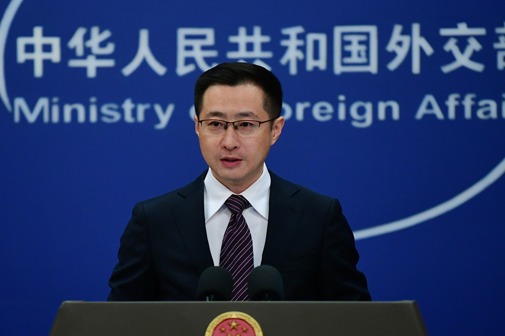
    The Chinese Foreign Ministry has formally characterized Taiwan’s leader Lai Ching-te as a ‘peace breaker’ and ‘troublemaker’ during a press briefing on Friday. Spokesperson Lin Jian issued the stern condemnation following Lai’s participation in The New York Times DealBook Summit, where he delivered pre-recorded remarks addressing the Taiwan Strait situation.

    Lin asserted that certain US media platforms have facilitated the dissemination of what he described as false ‘Taiwan independence’ narratives by providing a stage for Taiwanese authorities. This action, according to the ministry, constitutes a serious violation of both the one-China principle and the three foundational China-US joint communiques that have historically governed Sino-American relations.

    The spokesperson emphasized that such platforming sends dangerously misleading signals to separatist factions within Taiwan. Lin reiterated China’s firm opposition to these developments, characterizing Lai’s statements and actions as revealing his fundamental nature as an advocate for ‘Taiwan independence’ and his strategic attempts to pursue separation through American support.

    ‘Regardless of Lai’s rhetoric or maneuvers, these efforts represent futile attempts destined for failure,’ Lin stated categorically. The Foreign Ministry simultaneously called upon Washington to comprehensively honor commitments previously made by US leadership regarding the Taiwan question, highlighting the extremely sensitive nature of what China considers an internal matter.

  • New materials reinforce Nanjing war truth

    New materials reinforce Nanjing war truth

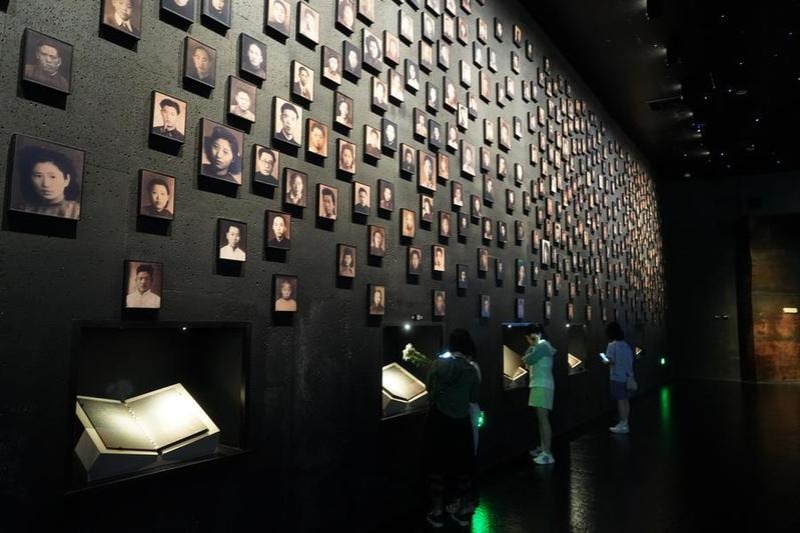
    In a significant development for historical documentation, the Memorial Hall of the Victims in Nanjing Massacre by Japanese Invaders has publicly revealed thirteen previously undisclosed sets of cultural artifacts and archival materials. This revelation coincides with the 88th anniversary commemorations of the tragic events that unfolded in Nanjing during 1937-1938.

    The comprehensive collection includes multiple categories of evidentiary materials: personal correspondence from Japanese military personnel, photographic documentation of post-occupation Nanjing, archival records of a Chinese military physician killed during the defense operations, an Imperial Japanese Army photographic album, and international publications in English and French detailing wartime atrocities.

    Among the most compelling evidence are two letters written by Japanese soldiers that provide firsthand perpetrator accounts of systematic executions. One particularly disturbing document, dated January 8, 1938, describes in graphic detail the daily execution of Chinese prisoners at a riverside location, with bodies disposed of in the Yangtze River. The soldier’s casual description of these acts as ‘very interesting’ and ‘so satisfying’ offers chilling insight into the psychological mindset of the perpetrators.

    Historical researchers have verified the authenticity of these documents through cross-referencing with previously published materials, including address information matching records in Japanese historical publications. According to Wang Weixing, research fellow at the Jiangsu Provincial Academy of Social Sciences, these letters constitute ‘ironclad evidence’ of Japanese military operations during the massacre period.

    The collection also features eight photographic images donated by Chinese citizens from Henan province, documenting key locations and events during the occupation period. These include images of architectural damage from artillery bombardment, the Japanese military’s formal entry ceremony, and engineering operations conducted during the siege.

    International perspectives are represented through publications including the November 22, 1938 edition of American magazine LOOK, which featured a exposé titled ‘Killing for Fun’ with photographic evidence of Japanese military conduct. Additional evidentiary value comes from French and English publications that document demographic information contradicting revisionist claims about Nanjing’s population at the time of occupation.

    Academic experts emphasize that these materials provide crucial third-party verification of historical events, particularly significant given ongoing attempts by certain factions to deny or minimize the scale of atrocities. The evidence directly counters arguments regarding population figures that have been used to question the established historical record.

    The memorial hall’s expanded collection strengthens the historical narrative through multiple evidentiary streams, ensuring that the memory of victims is preserved with factual accuracy and that future generations may access comprehensive documentation of these historical events.

  • Beijing court launches a groundbreaking initiative by appointing 21 retired judges as mediators

    Beijing court launches a groundbreaking initiative by appointing 21 retired judges as mediators

    In an innovative move for China’s judicial system, the Beijing Chaoyang District People’s Court has established a pioneering mediation unit composed entirely of retired legal professionals. On December 5, 2025, the court formally appointed 21 former judges to spearhead this groundbreaking initiative aimed at leveraging decades of judicial expertise for community dispute resolution.

    The newly formed team, drawing retired judges from Beijing and multiple provinces including Shandong, Guizhou, Hunan, Hubei, and Heilongjiang, represents the nation’s first specialized mediation corps of its kind. These legal veterans bring collective experience spanning hundreds of years in adjudication to their new roles as mediators.

    Their primary mission focuses on intercepting disputes before they escalate into formal litigation, addressing conflicts across diverse areas including employment disagreements, family property distribution, child support arrangements, and public utility concerns such as heating disputes. The court recently highlighted the team’s effectiveness by showcasing eight successfully mediated cases that demonstrated their capability in resolving complex community issues.

    Among the appointees is Hou Chunying, a retired judge from the very court now launching this initiative, who expressed enthusiasm about continuing her service to the community. ‘I’m delighted to have a new platform to continue my passion for serving the community with my legal expertise,’ Hou stated. ‘As a mediator, I can leverage my over 30 years of adjudication experience to assist the public in resolving disputes from a fresh perspective.’

    Complementing the judicial expertise, the team also incorporates two retired community committee leaders, enhancing its ability to connect with citizens and understand grassroots legal needs. This strategic combination of legal acumen and community insight aims to both address immediate disputes and foster broader public legal awareness.

    This initiative marks a significant evolution in China’s approach to judicial resource utilization and community governance, representing a novel model for engaging retired professionals in social conflict prevention and the promotion of rule-of-law principles at the grassroots level.

  • US firms continue to ‘grow, invest in China’

    US firms continue to ‘grow, invest in China’

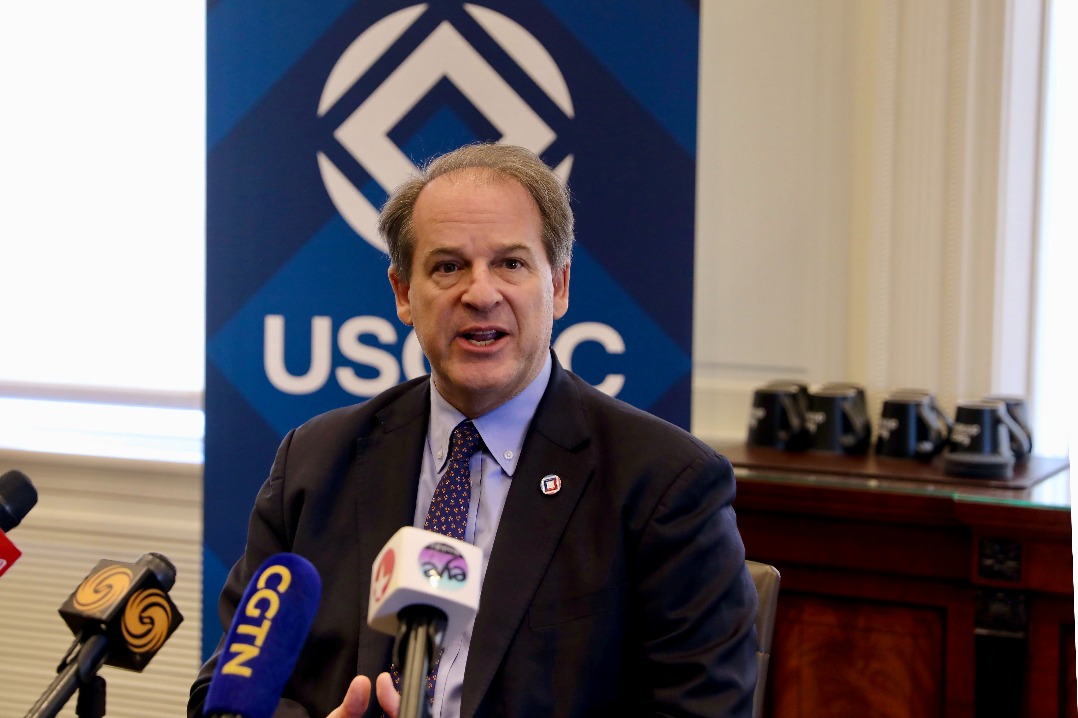
    Contrary to prevailing narratives of economic decoupling, American corporations are not only maintaining but expanding their substantial presence in China, according to Sean Stein, President of the US-China Business Council. Speaking to journalists in Washington on Wednesday during a meeting with a Chinese business delegation, Stein directly challenged what he termed the ‘myth’ of US corporate withdrawal from the Chinese market.

    Stein emphasized that despite media reports and political rhetoric suggesting otherwise, the reality on the ground reveals continued commitment to China operations. ‘American companies are somehow leaving the China market or stepping away from it. That is absolutely not the case,’ Stein stated unequivocally.

    The business leader’s comments come amid conflicting media narratives. While some outlets including The Wall Street Journal, Reuters and Forbes have documented instances of companies reducing exposure or reconsidering China strategies due to cost pressures, tariff implications and geopolitical risks, other publications such as Bloomberg, Politico and the New York Post have reported sustained US corporate engagement driven by market scale, supply chain depth and persistent consumer demand.

    Stein highlighted that many US companies have maintained operations in China for half a century and show no signs of departure. Rather than disengaging, these firms are implementing sophisticated ‘China-plus-one’ strategies—maintaining Chinese operations while simultaneously developing additional supply chain options elsewhere in Asia and beyond. This approach allows companies to benefit from China’s established manufacturing ecosystem while building resilience through regional diversification.

    Supporting Stein’s assessment, the US-China Business Council’s 2025 Member Survey released in July revealed that over 80% of American companies continue to invest in China to serve the local market. Notably, nearly all surveyed firms indicated that maintaining China operations remains essential for global competitiveness. The survey did acknowledge that some companies are recalibrating supply chains with expansions into Southeast Asia, India and Mexico—adjustments driven primarily by tariff considerations, rising input costs and the pursuit of operational resilience rather than wholesale departure from China.

  • ’10-hour wait’: UAE-India flights impacted by IndiGo’s massive cancellations

    ’10-hour wait’: UAE-India flights impacted by IndiGo’s massive cancellations

    India’s largest carrier IndiGo faces mounting operational challenges as massive flight cancellations and severe delays continue to disrupt travel between the United Arab Emirates and India for the fourth consecutive day. The airline canceled over 500 flights on Friday alone, creating a backlog that may require weeks to fully resolve.

    Passengers traveling between Dubai and Mumbai have borne the brunt of these disruptions, with some experiencing delays extending up to ten hours. Dubai resident Mohammed reported his brother’s 12:15 PM Thursday flight to Mumbai ultimately departed at approximately 10:00 PM that evening. Another traveler, Satish, arrived at Dubai International Airport Terminal 1 before 5:00 PM for a 7:00 PM flight only to face eventual cancellation, leaving him with limited rebooking options and visa complications.

    The scale of disruptions extends beyond the Mumbai route. A Dubai-Kozhikode flight scheduled for 3:20 AM Friday departed over eight hours late at 11:29 AM. Similarly, a Dubai-Ahmedabad flight originally set for 5:15 AM Friday was rescheduled for 3:00 PM—a nearly ten-hour delay.

    IndiGo issued a public apology on social media platform X, acknowledging ‘widespread disruption across IndiGo’s network and operations’ over the previous two days. The airline expressed regret to affected customers and industry stakeholders.

    The crisis stems primarily from new Flight Duty Time Limitations implemented by India’s Directorate General of Civil Aviation (DGCA). These regulations mandate 48 hours of weekly rest for pilots and cap weekly night landings at two, significantly reduced from the previous allowance of six. The changes respond to growing concerns about pilot fatigue but have created immediate operational challenges.

    In response to the ongoing disruptions, Indian media reports indicate the DGCA has issued notices to relax weekly rest requirements for crew members, suggesting regulatory flexibility to address the airline’s operational crisis.

  • Abu Dhabi Grand Prix: Over 1,600% spike in hotel rates, limited parking on F1 weekend

    Abu Dhabi Grand Prix: Over 1,600% spike in hotel rates, limited parking on F1 weekend

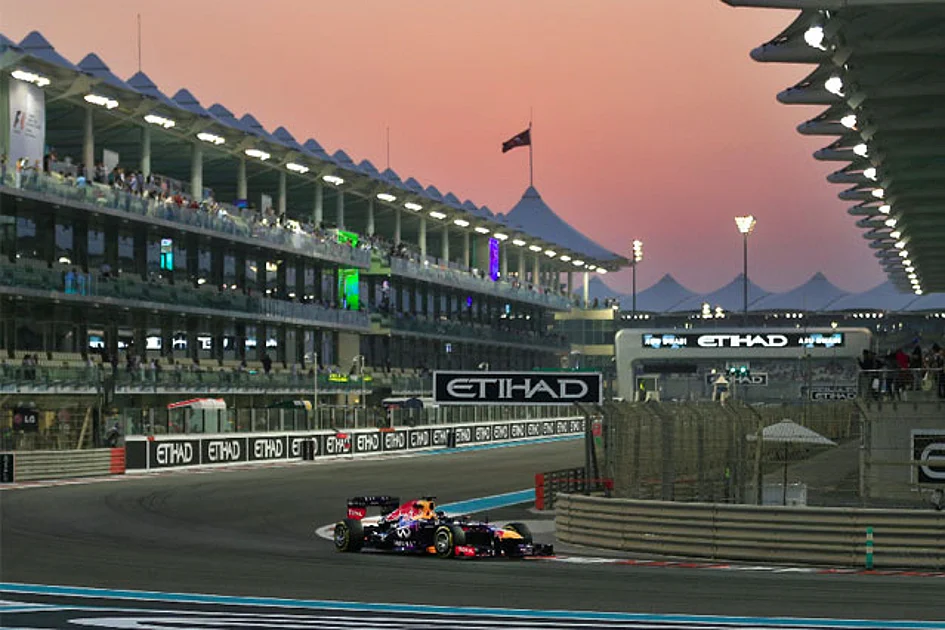
    The Formula 1 Etihad Airways Abu Dhabi Grand Prix has unleashed an unprecedented hospitality crisis, with hotel rates experiencing astronomical increases exceeding 1,600% and severe parking restrictions transforming Yas Island into a logistical challenge for thousands of attendees.

    Premium accommodations have reached extraordinary price points. The W Abu Dhabi – Yas Island is offering its ‘Spectacular Room’ at Dh90,000 for single occupancy and Dh92,000 for double occupancy during the race weekend. The property’s ‘Fantastic Suite’ commands Dh110,000 and Dh112,000 respectively. These packages include complimentary after-race concert access for up to three guests per room and race viewing privileges that typically eliminate the need for separate race tickets.

    Even non-luxury accommodations reflect the severe price inflation. Hilton Yas Island listings start from Dh48,020 plus taxes, while an overnight superyacht experience costs Dh32,464. The Marriott Hotel Al Forsan and Aloft Abu Dhabi are charging Dh18,855 and Dh13,405 respectively for three-night stays, excluding substantial additional fees.

    This pricing landscape represents a dramatic departure from normal rates. Comparative analysis reveals that identical three-night stays at the same hotels in February would cost merely Dh3,145 at W Hotel Yas Island, Dh5,267 at Hilton Yas Island, and Dh3,537 at Aloft Abu Dhabi including all taxes.

    The parking situation has compounded visitor challenges. Yas Island implemented tiered parking fees reaching Dh3,500 during peak evening hours, with many familiar parking spots restricted even for non-race activities. Residents reported being unable to access regular facilities like gyms due to widespread parking limitations.

    Event organizers have directed attendees to utilize Yas Mall parking with complimentary shuttle services. The Integrated Transport Centre has deployed 82 public buses shuttling from Yas Mall and Warner Bros. car parks, supplemented by approximately 3,000 taxis and 15 autonomous vehicles operating on designated island routes.

    Despite the logistical and financial hurdles, dedicated fans like petroleum engineer Nasser consider the premium justified. ‘I was keen to be here tonight—it’s the place to be during F1,’ he stated, having secured a discounted room at Dh15,000 for a single night, still dramatically above typical pricing.

  • Bestselling author RF Kuang withdraws from Dubai festival over Sudan war

    Bestselling author RF Kuang withdraws from Dubai festival over Sudan war

    Prominent American author Rebecca F Kuang has publicly withdrawn from the Emirates Airline Festival of Literature in Dubai, aligning herself with the Palestinian-led Boycott, Divestment and Sanctions (BDS) movement’s call to boycott the United Arab Emirates. The decision stems from the UAE’s alleged involvement in the ongoing conflict in Sudan.

    In an Instagram story posted Monday, Kuang shared her formal communication with event organizers, stating she is ‘no longer able to travel to Dubai’ for the festival. The author emphasized her consistent respect for ‘organized calls for cultural boycotts against genocide from communities affected.’ She specifically referenced her adherence to ‘the Palestinian BDS National Committee’s recent call given the mass atrocities in Sudan.’

    The literary festival receives sponsorship from multiple government-affiliated entities, including the Investment Corporation of Dubai (identifying as the government’s ‘principal investment arm’), the Dubai Culture and Arts Authority, and Abu Dhabi’s Department of Culture and Tourism.

    Kuang’s announcement followed significant social media criticism highlighting the apparent contradiction between her literary focus on colonial themes and her planned participation in the UAE-based event. Critics questioned the authenticity of her written works concerning colonization, forced labor, and displacement given her initial acceptance to headline the January festival.

    Middle East Eye has documented the UAE’s alleged role in supplying arms to Sudan’s Rapid Support Forces (RSF) paramilitary group, which stands accused of ethnic cleansing and mass killings. In April 2025, the Sudanese government filed an International Court of Justice case against the UAE, alleging complicity in genocide.

    This development coincides with growing global attention on the UAE’s foreign policy actions. In November, the Palestinian BDS National Committee issued a statement drawing parallels between tactics used in Gaza and Sudan, specifically calling for boycotts of Emirati institutions. The movement has previously successfully pressured international artists, including American rapper Macklemore in 2024, to cancel UAE appearances.

    On Tuesday, academic and cultural workers formally launched the ‘Cultural and Academic Boycott of the UAE’ campaign (TAGATU3), gaining signatures from prominent figures like Angela Davis and Hatem Bazian. The initiative urges rejection of funding and collaborations with Emirati government entities and complicit institutions.

  • China again urges Japan to destroy the abandoned chemical weapons

    China again urges Japan to destroy the abandoned chemical weapons

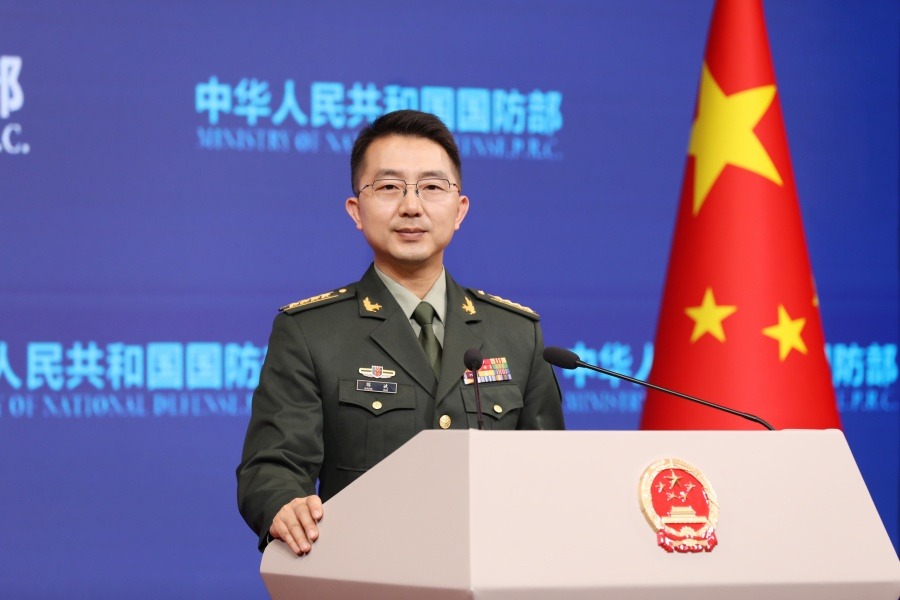
    China has intensified its diplomatic pressure on Japan, demanding the immediate and comprehensive destruction of chemical weapons abandoned on Chinese territory during World War II. The Chinese Ministry of National Defense issued a formal statement through Senior Colonel Jiang Bin, highlighting Japan’s ongoing responsibility under international law.

    Historical records indicate that Imperial Japanese forces deployed chemical weapons in violation of international conventions during their occupation of China, resulting in approximately 200,000 military and civilian casualties. In their retreat, Japanese forces concealed evidence of these violations by abandoning massive stockpiles of chemical agents across Chinese territory. These remnants continue to pose severe threats to public safety and environmental health, with over 2,000 documented poisoning cases attributed to accidental encounters with the weapons.

    Despite Japan’s ratification of the Chemical Weapons Convention, which mandates the secure disposal of such hazardous materials, progress has been critically delayed. Chinese officials attribute this delay to insufficient commitment and resource allocation from Japanese authorities. The Defense Ministry emphasized that toxin elimination represents both a historical obligation and a binding international legal requirement for Japan.

    The Chinese government has called for enhanced Japanese cooperation in several critical areas: expedited information sharing regarding weapon locations, comprehensive assistance in identification and recovery operations, and assuming full responsibility for environmental remediation of contaminated sites. China’s statement concludes by urging Japan to reflect sincerely on its wartime aggression and fulfill its promises of creating ‘a world free of chemical weapons.’