标签: Asia

亚洲

  • Vice president of China’s PICC under probe

    Vice president of China’s PICC under probe

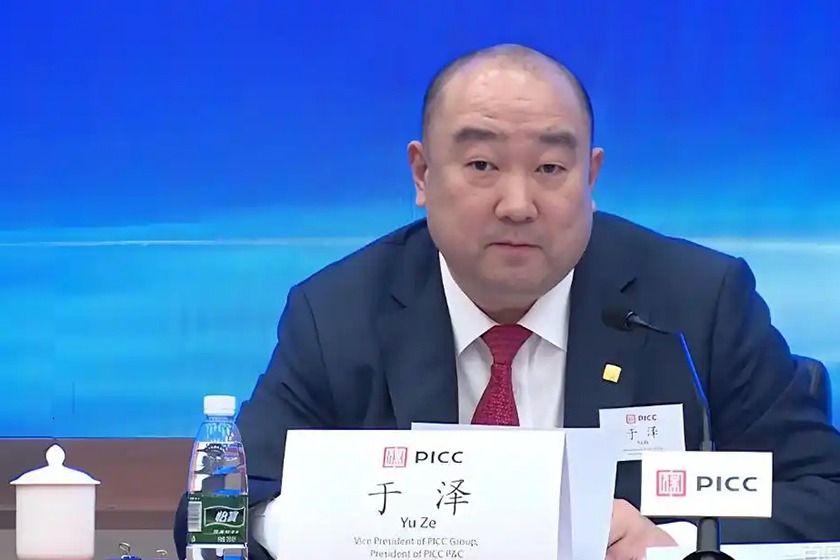
    China’s financial sector faces another integrity test as Yu Ze, vice president of state-owned insurance conglomerate People’s Insurance Company (Group) of China Limited (PICC), has been placed under formal investigation for suspected serious legal and disciplinary violations.

    The investigation, jointly conducted by the Communist Party of China Central Commission for Discipline Inspection and the National Commission of Supervision, was announced through an official statement released on Saturday, December 6, 2025. The probe targets alleged breaches of discipline regulations and laws, though specific details regarding the nature of the violations remain undisclosed.

    Yu’s investigation represents the latest development in China’s ongoing anti-corruption campaign that has consistently targeted high-ranking executives within state-owned enterprises. PICC, as one of China’s largest insurance providers with significant government backing, plays a crucial role in the country’s financial services ecosystem.

    The timing of this announcement coincides with increased regulatory scrutiny across China’s financial industry, where authorities have been emphasizing compliance and governance standards. Such investigations typically involve comprehensive reviews of the subject’s professional conduct, financial dealings, and adherence to party discipline requirements.

    This development may potentially impact investor confidence in Chinese financial institutions and could signal broader enforcement actions within the insurance sector. The case continues to unfold under the supervision of China’s top disciplinary bodies.
  • IndiGo cancels over 200 flights across Delhi, Mumbai as disruptions enter Day 5

    IndiGo cancels over 200 flights across Delhi, Mumbai as disruptions enter Day 5

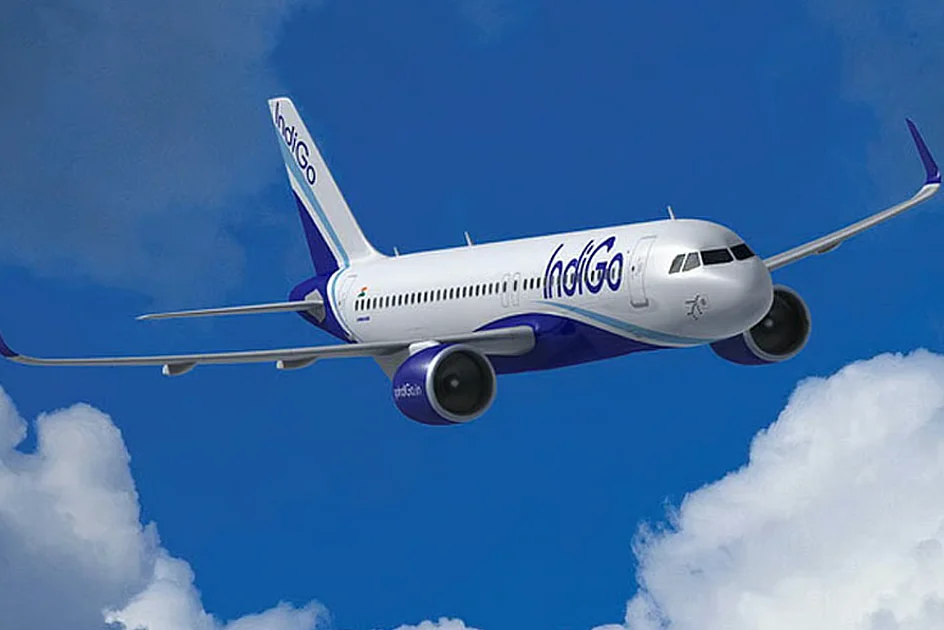
    India’s aviation sector faces mounting operational challenges as IndiGo, the nation’s largest carrier, entered its fifth consecutive day of severe flight disruptions. Major aviation hubs including Delhi, Mumbai, and Hyderabad reported extensive cancellations totaling hundreds of flights, creating widespread travel chaos and passenger inconvenience.

    Delhi’s Indira Gandhi International Airport witnessed 106 cancelled IndiGo operations—comprising 54 departures and 52 arrivals—according to official advisories released early Saturday. Mumbai’s Chhatrapati Shivaji Maharaj International Airport reported even more significant disruptions, with 109 flights (51 arrivals and 58 departures) cancelled by 9:00 AM local time.

    The southern hub of Hyderabad experienced substantial ripple effects, with GMR Hyderabad International Airport confirming 69 IndiGo cancellations involving 26 incoming and 43 outgoing flights. This operational meltdown persists despite the airline’s earlier assurances that services were ‘steadily resuming’ following what industry analysts identify as an acute pilot shortage crisis.

    Aviation authorities have issued updated advisories urging passengers to verify flight statuses before proceeding to airports. While Delhi Airport officials noted that IndiGo’s operations are ‘getting back to normal,’ the continued scale of disruptions suggests deeper systemic challenges within the carrier’s operational framework. The situation highlights the fragile nature of airline operations and their vulnerability to staffing crises, affecting both domestic connectivity and potentially international travel circuits.

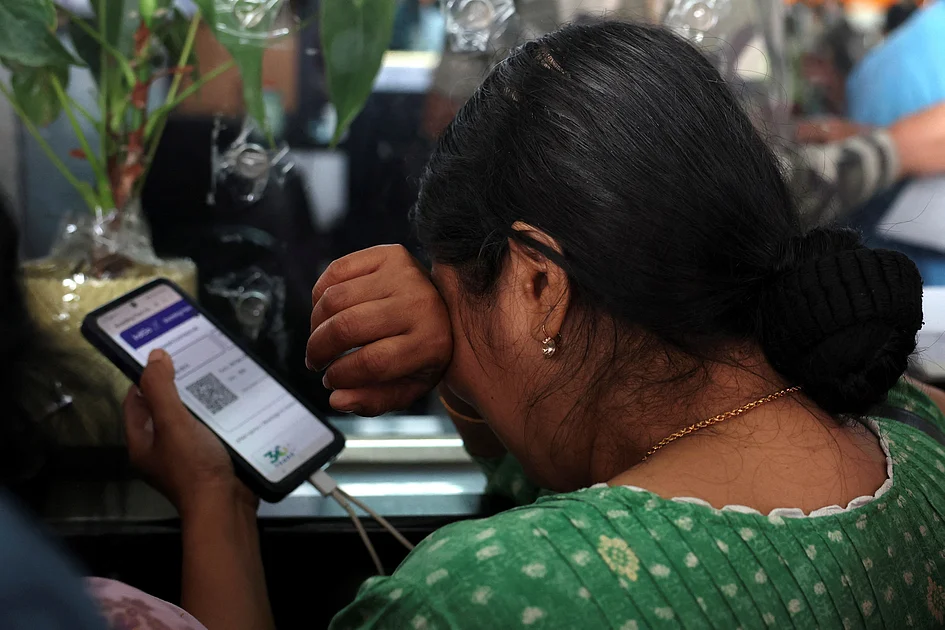
  • IndiGo passengers left in tears as massive flight cancellations cost some their jobs

    IndiGo passengers left in tears as massive flight cancellations cost some their jobs

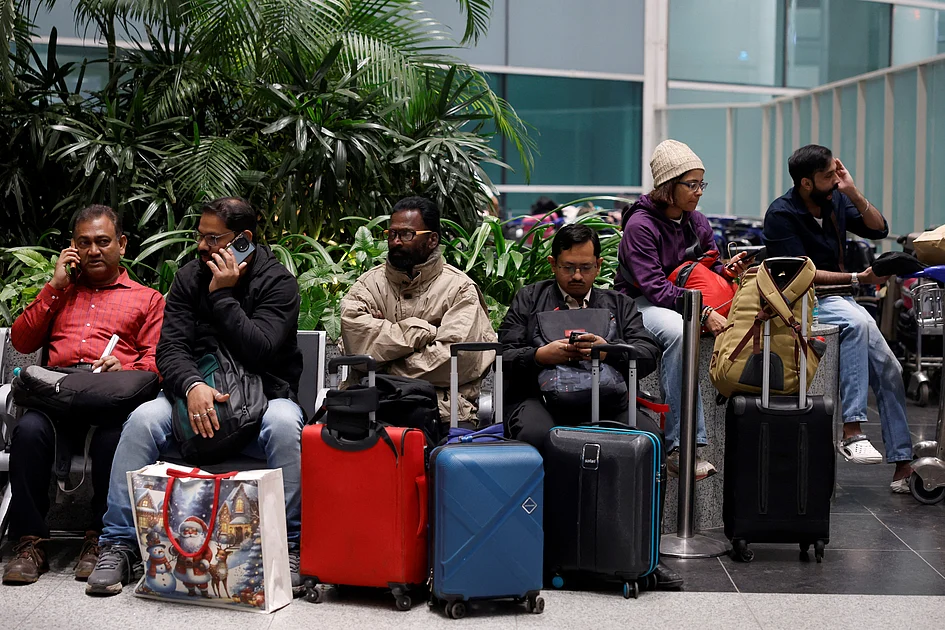
    Ahmedabad’s Sardar Vallabhbhai Patel International Airport descended into chaos on December 6, 2025, as IndiGo’s nationwide operational collapse triggered emotional scenes among stranded passengers. The airline cancelled 19 flights between midnight and 6 AM alone, creating unprecedented congestion and despair among travelers facing irreversible professional consequences.

    The human impact became starkly evident through Mahrishi Jani’s devastating account. His six-member team, selected for the prestigious Smart India Hackathon 2025 after months of preparation, saw their opportunity vanish due to flight cancellations. ‘Our hard work of 6-7 months is now wasted,’ Jani lamented to reporters, highlighting the absence of alternative transportation to reach Guwahati in time for the competition.

    International traveler Ikhlaq Hussain echoed the frustration, stranded for two days despite having completed his journey from Jeddah. The crisis extended across multiple airports, with Bengaluru-bound passengers from Jodhpur reporting complete communication breakdowns with the airline. One distressed traveler noted, ‘No one from IndiGo is providing any answers. I have been standing here since morning.’

    The regulatory landscape complicated matters as India’s Directorate General of Civil Aviation (DGCA) suspended its Flight Duty Time Limitations (FDTL) orders indefinitely. This unprecedented move followed days of escalating disruptions within IndiGo’s operations.

    In response, the Ministry of Civil Aviation issued urgent directives mandating immediate stabilization measures. Airlines must now guarantee automatic refunds for cancelled flights, provide hotel accommodations for stranded passengers, and ensure special provisions for elderly travelers. A 24/7 government control room has been established to monitor the situation, with officials promising full normalization within coming days.

    The ministry emphasized that ‘the Central Government is fully alert to the woes of air passengers,’ implementing rule exemptions and constant stakeholder consultations to resolve the crisis.

  • IndiGo flights ‘steadily resuming’ after over 1,000 cancellations

    IndiGo flights ‘steadily resuming’ after over 1,000 cancellations

    Aviation operations for India’s largest carrier IndiGo are progressively returning to normalcy after experiencing one of its most severe operational crises in recent history. The airline confirmed Friday, December 5th, 2025, marked its worst disruption day with well over 1,000 flight cancellations, creating widespread travel chaos across Indian airports.

    Delhi International Airport issued an official advisory confirming that IndiGo’s services are ‘steadily resuming’ and ‘getting back to normal.’ The airport authority strongly recommended that passengers verify their flight status through official channels before proceeding to airport terminals. Real-time flight updates remain accessible via the airport’s website and direct communication with airlines.

    The unprecedented cancellations prompted intervention from India’s Civil Aviation Ministry, with Minister Ram Mohan Naidu identifying the root cause as IndiGo’s inadequate handling of crew scheduling during the implementation of new Flight Duty Time Limitations (FDTL) regulations. Notably, competing carriers including Air India and SpiceJet had successfully adapted to the revised aviation guidelines issued by the Directorate General of Civil Aviation (DGCA).

    In response to the crisis, IndiGo CEO Peter Elbers issued a video apology acknowledging the severe inconvenience caused to passengers. Elbers projected a full operational normalization timeline between December 10-15, indicating several more days of residual disruption might affect travel plans. The ministry has granted IndiGo temporary regulatory flexibility regarding FDTL compliance to facilitate smoother recovery operations.

    The massive disruption highlighted systemic vulnerabilities in airline crew management and regulatory adaptation processes, raising questions about operational preparedness within India’s rapidly expanding aviation sector.

  • China voices support for Palestine as UN adopts new resolutions

    China voices support for Palestine as UN adopts new resolutions

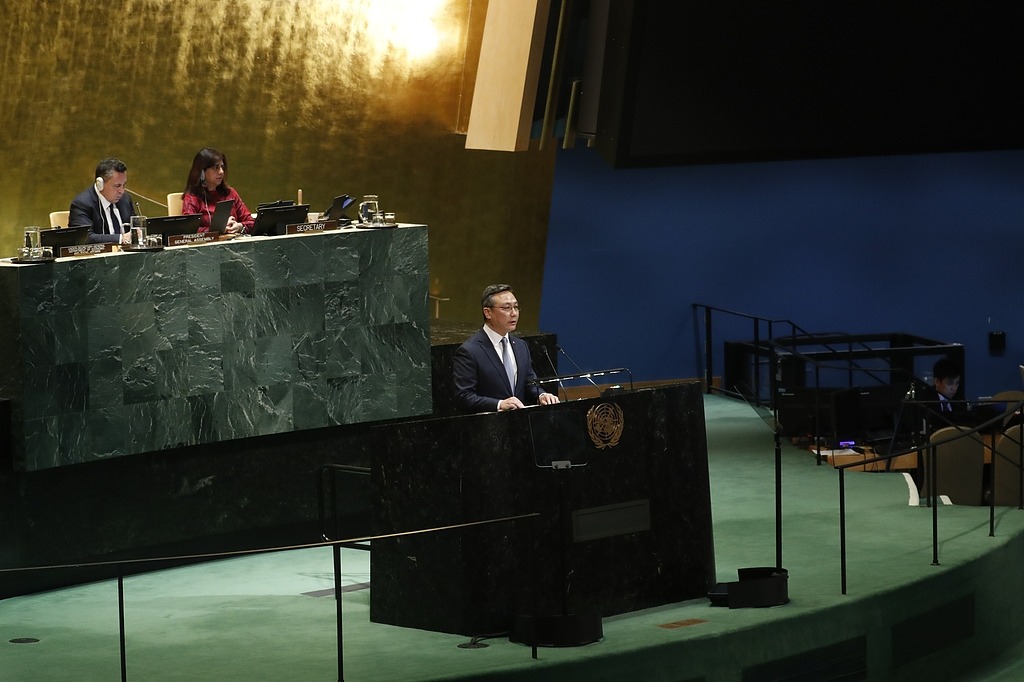
    In a significant diplomatic move at the United Nations, China has positioned itself as a staunch advocate for Palestinian rights while committing substantial humanitarian assistance. During Friday’s General Assembly session that adopted five resolutions concerning Palestine, Chinese Deputy Permanent Representative Sun Lei delivered a powerful address emphasizing historical injustices faced by the Palestinian people.

    Sun Lei reaffirmed China’s unwavering support for what he characterized as “the just cause of the Palestinian people in restoring their legitimate national rights.” This diplomatic stance was substantiated by Beijing’s announcement of a $100 million assistance package destined for Palestine, specifically aimed at alleviating the humanitarian crisis in Gaza and supporting recovery and reconstruction efforts.

    The substantial aid commitment, initially disclosed by President Xi Jinping during Thursday’s meeting with French President Emmanuel Macron, will be channeled through multiple avenues including the United Nations, Egypt, and Jordan. Foreign Ministry spokesperson Lin Jian confirmed the logistical arrangements for delivering this critical humanitarian support.

    China’s diplomatic engagement extended beyond unilateral action, with Beijing and Paris issuing joint statements addressing multiple international issues including the situations in both Palestine and Ukraine. This coordinated approach underscores China’s growing role in global conflict resolution efforts.

    Sun Lei articulated China’s position that the Palestinian question represents the core conflict in the Middle East, directly impacting regional stability and international fairness. The Chinese envoy outlined a comprehensive framework for addressing the crisis, advocating for an immediate and lasting ceasefire, urgent humanitarian improvements, and post-conflict governance based on the principle of Palestinian self-determination.

    The adopted UN resolutions encompassed diverse aspects of the Palestinian situation, including humanitarian assistance for refugees, renewal of the UN Relief and Works Agency’s mandate, protection of refugee property rights, monitoring of Israeli practices in occupied territories, and assessment of settlement legality. These measures received overwhelming support, with several resolutions garnering more than 150 affirmative votes from member states.

    This development follows Tuesday’s General Assembly adoption of two additional resolutions calling for Israeli withdrawal from territories occupied since 1967, further highlighting the international community’s renewed focus on addressing the protracted Israeli-Palestinian conflict through multilateral diplomatic channels.

  • Fire relief allowance doubled to HK$100,000 for affected families in Hong Kong

    Fire relief allowance doubled to HK$100,000 for affected families in Hong Kong

    The Hong Kong Special Administrative Region (HKSAR) government has significantly enhanced its support measures for families devastated by the recent Tai Po district fire, announcing a substantial increase in financial assistance. Secretary for Home and Youth Affairs Alice Mak Mei-kuen confirmed on Thursday that the living allowance for affected households has been doubled from HK$50,000 to HK$100,000 (approximately US$12,848) per family.

    This enhanced relief effort comes as part of a comprehensive government response that has already provided immediate emergency subsidies of HK$10,000 to each of the 1,929 impacted families. Social Welfare Department personnel have established contact with over 1,700 households, delivering crucial emotional support while coordinating essential supplies and practical daily assistance.

    The housing situation for displaced residents has seen substantial progress, with 1,241 individuals currently accommodated in hostels or hotels as of Thursday morning. An additional 2,235 residents have successfully transitioned into transitional housing or Housing Society units, providing more stable medium-term solutions.

    Financial support for recovery efforts has been bolstered by considerable community generosity. The specially established ‘Support Fund for Wang Fuk Court in Tai Po’ has received external donations totaling HK$2.5 billion, supplemented by HK$300 million in seed funding from the HKSAR government. This creates a substantial recovery fund of approximately HK$2.8 billion dedicated to helping residents rebuild their homes and lives.

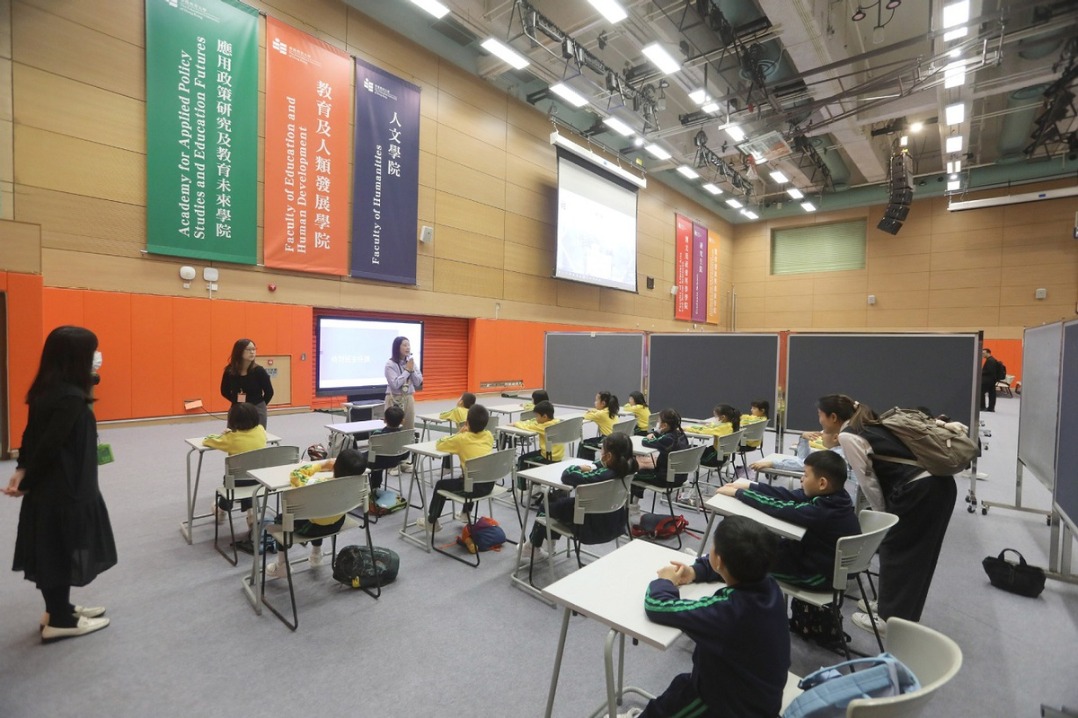
    Complementing government efforts, the Education University of Hong Kong has activated its emergency response mechanism to support affected students and community members. The institution has opened indoor sports facilities and campus amenities while recruiting retired teachers, psychologists, and specialists to provide temporary learning spaces and emotional support services for families navigating the aftermath of the tragedy.

  • Canada drops terror sanctions on Syria, following US lead

    Canada drops terror sanctions on Syria, following US lead

    In a significant foreign policy reversal, Canada has formally removed Syria from its list of state sponsors of terrorism and revoked the terrorist entity designation of Hayat Tahrir al-Sham (HTS). This decision, announced by Canada’s Foreign Ministry on Friday, aligns with similar measures recently implemented by key allies including the United States and United Kingdom.

    The policy shift comes precisely one year after HTS ousted former Syrian leader Bashar al-Assad and assumed control of the government in December 2024. Canadian officials emphasized that these determinations followed careful deliberation and reflect the evolving political landscape in Syria.

    Canada initially designated Syria as a state supporter of terrorism in 2012 during the early stages of the country’s civil war, which erupted when Assad’s regime violently suppressed pro-democracy protests. HTS, previously sanctioned for its connections to Al-Qaeda, has undergone substantial transformation according to Western assessments.

    The Foreign Ministry statement noted that these changes acknowledge ‘the efforts by the Syrian transitional government to advance Syria’s stability.’ Despite these modifications, Canada will maintain sanctions against 56 Syrian individuals, including former officials from the Assad regime and members of the Assad family.

    Since assuming power, Syria’s new leadership under President Ahmed al-Sharaa—a former jihadist—has actively worked to distance itself from its militant origins and present a more moderate governance approach to both the Syrian population and international community.

  • Putin and Modi meet in New Delhi

    Putin and Modi meet in New Delhi

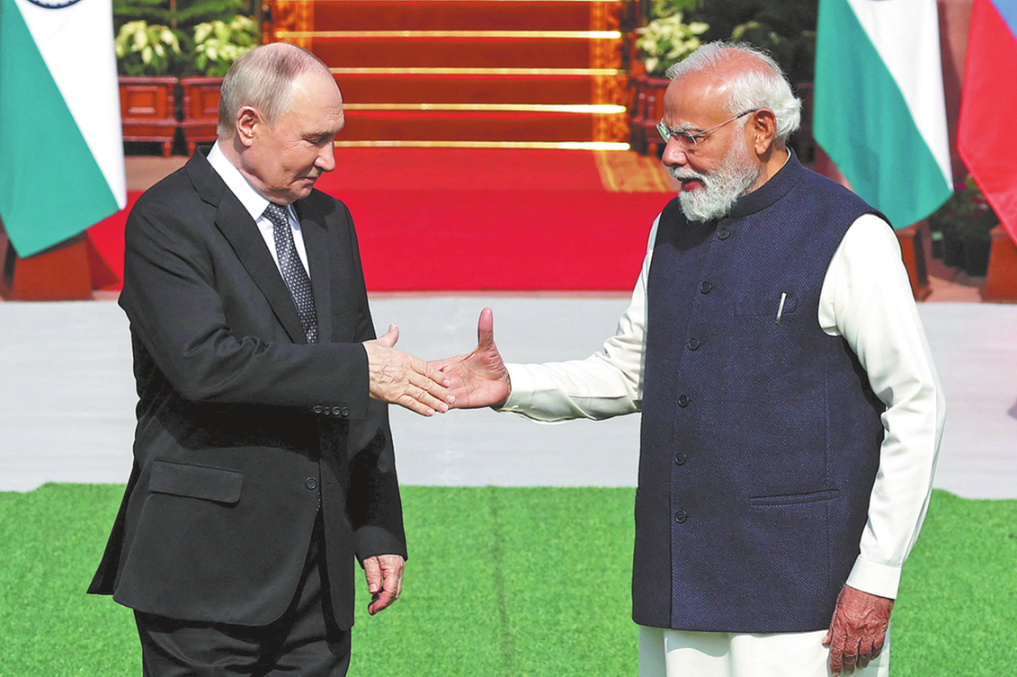
    In a significant diplomatic engagement, Russian President Vladimir Putin received a ceremonial welcome in New Delhi on Friday, marking his first visit to India in four years. The meeting between Putin and Indian Prime Minister Narendra Modi at Hyderabad House focused on critical issues including Ukraine peace initiatives, energy security, and defense cooperation.

    Prime Minister Modi explicitly stated India’s position on the Ukraine conflict, declaring: “India is not neutral—India has a position, and that position is for peace. We support every effort for peace, and we stand shoulder to shoulder with every initiative taken for peace.” President Putin acknowledged India’s mediation efforts, noting the detailed discussions about potential peaceful settlement of the crisis involving multiple partners, including the United States.

    The energy partnership formed a cornerstone of the bilateral talks, with Putin committing to “uninterrupted shipments” of fuel for India’s rapidly growing economy. “Russia is a reliable supplier of oil, gas, coal, and everything that is required for the development of India’s energy,” the Russian leader affirmed. This commitment comes despite ongoing pressure from US tariffs imposed due to India’s Russian oil purchases.

    In a pre-meeting interview with India Today, Putin challenged US criticism of India’s energy imports, questioning: “If the US has the right to buy our fuel, why shouldn’t India have the same privilege?” He highlighted that the United States continues to purchase nuclear fuel from Russia for its own power plants.

    The defense relationship, traditionally a pillar of India-Russia relations, is undergoing transformation. Both nations agreed to reorient their defense partnership toward joint research, development, and production of advanced defense platforms, aligning with India’s push for self-reliance in defense manufacturing.

    The summit yielded multiple agreements across sectors including employment, healthcare, shipping, and chemicals. Notably, Russia’s Uralchem signed a memorandum of understanding with three Indian firms to establish a joint venture for constructing a urea plant in Russia.

    Both leaders expressed commitment to expanding bilateral trade to $100 billion by 2030, addressing the current trade imbalance skewed by India’s substantial energy imports from Russia.

  • Cambodia’s economic growth faces challenges

    Cambodia’s economic growth faces challenges

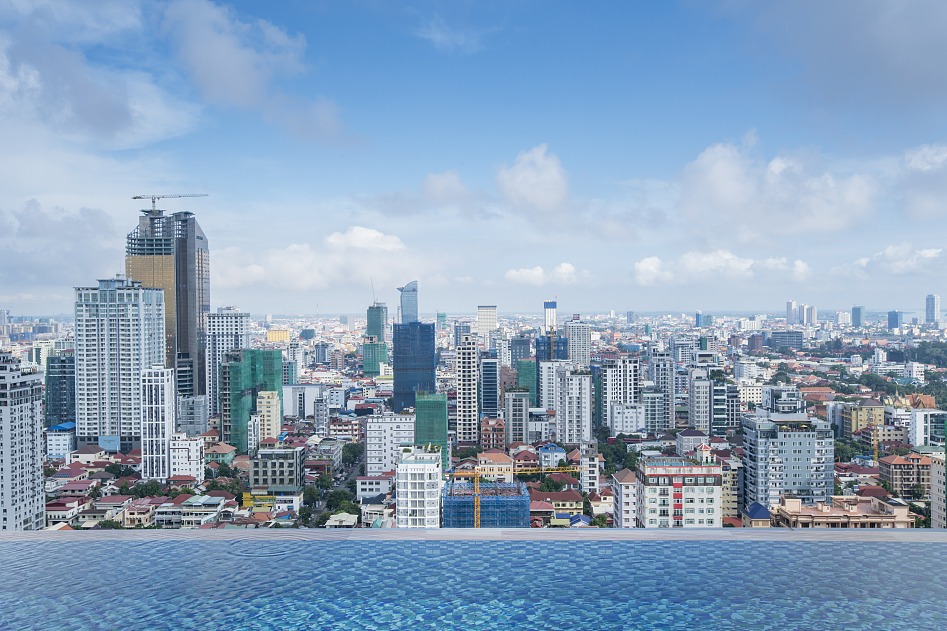
    Cambodia’s economic outlook for 2025-2026 shows moderated growth projections amid external pressures, though analysts characterize the disruptions as temporary rather than structural. The Southeast Asian kingdom now anticipates 5.2% GDP growth for 2025, a notable downward revision from the previously projected 6.3%, according to Finance Minister Aun Pornmoniroth.

    The economic headwinds stem primarily from two significant challenges: heightened border tensions with neighboring Thailand and substantial tariff impositions by the United States. Cambodia currently faces a 19% tariff on all exports to the American market, creating substantial pressure on the nation’s export-oriented sectors.

    Despite these challenges, Cambodia maintains robust economic fundamentals supported by strong domestic consumption and a growing trend of domestic product utilization. The government has responded with strategic fiscal measures, increasing the 2026 national budget to $10 billion—a 7.8% rise from 2025 expenditures—to bolster economic resilience.

    International economic institutions have adjusted their forecasts accordingly. The International Monetary Fund projects Cambodia’s growth to moderate to 4.8% in 2025 and further to 4% in 2026, citing export volatility, reduced remittances, tourism sector slowdown, and tempered domestic demand as contributing factors.

    Private sector leaders like Arnaud Darc, CEO of Thalias Hospitality, emphasize that current disruptions represent short-term adjustments rather than fundamental weaknesses. The Cambodia-Thailand border closure has particularly impacted regional trade, with bilateral commerce dropping over 90% during the closure period and forcing exporters to absorb 8-12% increased logistics costs through alternative routes.

    Looking forward, Cambodia is leveraging international partnerships through mechanisms like the Regional Comprehensive Economic Partnership and the Cambodia-China Free Trade Agreement to enhance economic integration. A significant tourism initiative—a visa-free pilot program for Chinese visitors scheduled from June to October 2026—offers potential to revitalize the services sector and provide counterbalance to external pressures.

    Academic experts including Thong Mengdavid of the Royal University of Phnom Penh note that while immediate challenges highlight structural vulnerabilities, strategic investments in productivity, infrastructure, human capital, and governance reform position Cambodia for more resilient and diversified long-term growth.

  • US-China Business Council chief: US firms committed to China

    US-China Business Council chief: US firms committed to China

    In a significant demonstration of continued economic engagement, the US-China Business Council has reinforced American corporate commitment to the Chinese market during high-level trade discussions this week. The council’s leadership hosted a delegation led by Ren Hongbin, Chairman of the China Council for the Promotion of International Trade, for a comprehensive roundtable dialogue on bilateral trade relations.

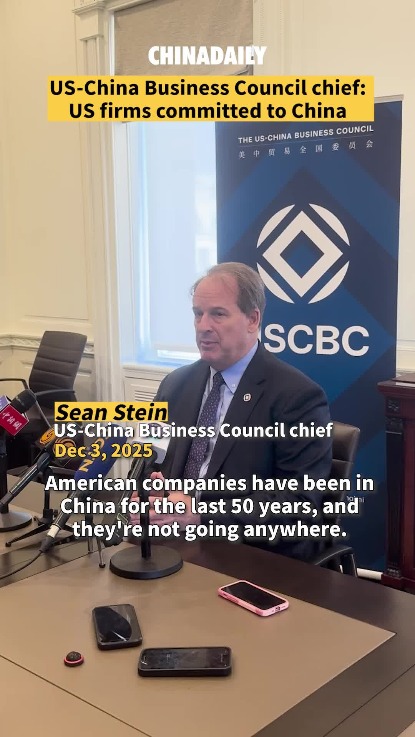
    Prior to the closed-door meeting, US-China Business Council President Sean Stein addressed media inquiries, directly countering narratives about American corporate withdrawal from China. “US firms are not leaving China,” Stein emphatically stated, adding that “more US multinational companies are actually deepening their engagement through collaborative ventures with Chinese partners.”

    The discussions occurred against the backdrop of ongoing economic diplomacy between the world’s two largest economies. Stein’s remarks highlight a contrasting narrative to recent geopolitical tensions, suggesting that business realities on the ground continue to drive cooperation despite political headwinds.

    The roundtable itself focused on practical business concerns and opportunities, with both sides exploring mechanisms to facilitate smoother commercial operations and joint innovation initiatives. This meeting represents the latest in a series of engagements between American business representatives and Chinese trade officials seeking to maintain productive economic ties.

    Industry analysts note that such business-to-business diplomacy often paves the way for more formal governmental agreements, with private sector commitments frequently preceding policy developments in US-China economic relations.