标签: Asia

亚洲

  • SOEs do their part in HKSAR’s post-fire recovery

    SOEs do their part in HKSAR’s post-fire recovery

    In the aftermath of Hong Kong’s catastrophic Wang Fuk Court fire in Tai Po that resulted in at least 159 fatalities, state-owned enterprises have emerged as pivotal responders in the region’s recovery operations. These corporations have demonstrated exceptional commitment to supporting affected residents during this profound tragedy.

    China Overseas Holdings, a subsidiary of China State Construction Engineering Corporation with deep roots in Hong Kong since 1979, has initiated substantial relief measures. The company has contributed HK$20 million (approximately $2.56 million) – marking its most significant single charitable donation in recent history. This corporate contribution has been further amplified by employee generosity, with staff members collectively raising an additional HK$2.08 million.

    Shi Yong, assistant general manager of China Overseas, expressed the company’s solidarity: “With sincere heartfelt care, we stand together with Hong Kong residents in overcoming the difficulties.”

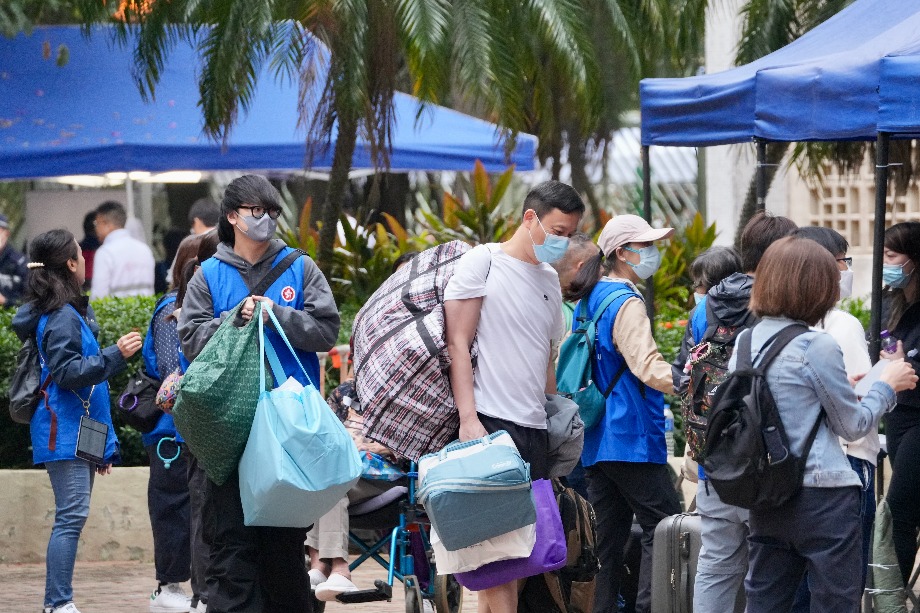
    The relief efforts extend beyond financial support. China Overseas Property Holdings, one of the group’s five subsidiaries, has assumed responsibility for managing four temporary shelters operating 24/7. These facilities provide essential supplies including instant noodles, drinking water, daily necessities, and secure resting spaces for displaced individuals.

    The corporation has additionally mobilized 504 volunteers who have collectively contributed over 1,806 service hours. These volunteers deliver specialized services including professional facility maintenance, environmental cleaning and disinfection, on-site秩序 maintenance, emergency material transport, and crucially, psychological support for trauma-affected residents.

  • India aviation regulator issues show-cause notice to IndiGo CEO over flight disruptions

    India aviation regulator issues show-cause notice to IndiGo CEO over flight disruptions

    India’s aviation authority has taken formal action against the country’s largest carrier following days of operational chaos that stranded thousands of passengers nationwide. The Directorate General of Civil Aviation (DGCA) issued a show-cause notice to IndiGo CEO Pieter Elbers on December 6, demanding an explanation within 24 hours regarding widespread flight cancellations and delays.

    The regulatory body identified systemic failures in the airline’s preparedness for newly implemented Flight Duty Time Limitations (FDTL) requirements as the primary cause of the disruptions. According to the DGCA’s findings, IndiGo demonstrated ‘significant lapses in planning, oversight and resource management’ that constitute apparent violations of Aircraft Rules (Rule 42A) and Civil Aviation Requirements governing crew duty periods and rest provisions.

    Beyond operational shortcomings, the regulator cited passenger care deficiencies, noting the airline failed to provide mandated information and facilities to affected travelers following cancellations and delays. The notice specifically references violations of passenger rights regulations under CAR provisions.

    The aviation crisis emerged following the implementation of revised FDTL norms established by DGCA last year, which triggered an unexpected shortage of available pilots and cabin crew. Operational data from major airports reveals the scale of disruptions: Hyderabad recorded 69 cancellations, Delhi’s GMR-operated facility saw 86 IndiGo flights canceled, while Ahmedabad and Kolkata airports reported 59 and 41 cancellations respectively.

    In response to the mounting crisis, IndiGo issued a public apology on Sunday, acknowledging operational challenges while emphasizing recovery efforts. The airline stated it had operated approximately 700 flights connecting 113 destinations recently and was progressing toward operating over 1,500 daily flights. The carrier claims to have restored 95% of network connectivity, serving 135 of its 138 destinations.

  • India: Tourists among at least 23 killed in Goa nightclub fire

    India: Tourists among at least 23 killed in Goa nightclub fire

    A devastating fire erupted at a nightclub in India’s popular coastal state of Goa, resulting in at least 23 fatalities including several foreign tourists. The tragedy occurred shortly after midnight at the Birch nightclub in Arpora, North Goa district, marking one of the deadliest nightlife incidents in recent memory.

    Goa Chief Minister Pramod Sawant confirmed the catastrophic death toll in an early Sunday statement, characterizing the event as ‘a very painful day for all of us in Goa.’ Sawant personally visited the disaster site and immediately ordered a comprehensive investigation, vowing that ‘those found responsible will face most stringent action under the law.’

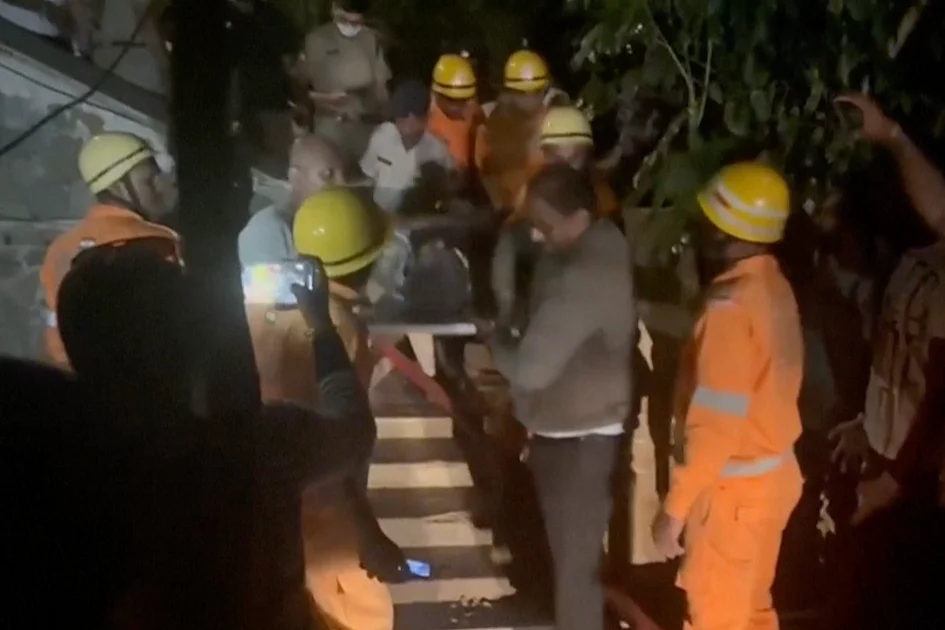
    Preliminary reports from local authorities indicate three victims succumbed to burn injuries while the majority died from suffocation in the chaotic blaze. Distressing video footage captured by Press Trust of India showed emergency personnel carrying injured and deceased patrons down the establishment’s narrow stone staircase as police, paramedics, and horrified onlookers crowded the streets.

    The Chief Minister revealed the nightclub had been operating without proper permissions, stating unequivocally that ‘this tragic incident should never have happened.’ While initial speculation points to a possible cylinder blast as the ignition source, police officials emphasize that definitive conclusions await thorough investigation.

    Local legislator Michael Lobo confirmed that rescue operations continued throughout the night, with firefighters and police working tirelessly at the scene. In response to the catastrophe, officials have announced immediate fire safety audits at all similar entertainment venues across the region.

    This incident represents the latest in a series of deadly fires that have plagued India due to widespread non-compliance with safety regulations, inadequate building standards, and chronic overcrowding. The tragedy strikes particularly hard in Goa, a former Portuguese colony renowned for its vibrant nightlife, pristine beaches, and relaxed coastal atmosphere that attracts millions of international visitors annually.

    The disaster echoes similar recent fire catastrophes across India, including a May blaze in Hyderabad that killed 17 people, a April hotel fire in Kolkata claiming 15 lives, and last year’s amusement park inferno in Gujarat that resulted in 24 fatalities—all incidents attributed to insufficient safety measures and regulatory failures.

  • The heroes of Tai Po

    The heroes of Tai Po

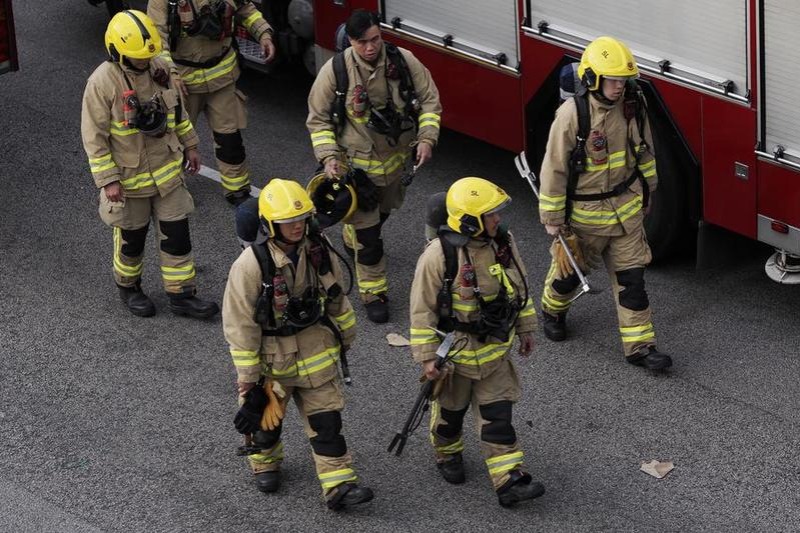
    In the face of Hong Kong’s most devastating blaze that engulfed the Wang Cheong House residential complex in Tai Po on November 26, 2025, firefighters demonstrated extraordinary courage and professionalism. Among them, Fireman Lee Ho-wah emerged as a symbol of bravery when he charged into what witnesses described as a ‘sea of fire’ to save trapped residents.

    The inferno presented unprecedented challenges with falling bamboo scaffolding, concrete debris, and intense heat creating life-threatening conditions. Lee recounted the critical moment when he discovered an injured civilian collapsed during escape attempts. While shielding the victim from raining debris, Lee maintained constant communication to prevent the man from losing consciousness, repeatedly assuring him that ‘They are coming for us’ – a mantra that served both the victim and the rescuer.

    The structural integrity of the building complex became increasingly compromised as flames consumed multiple levels, creating what firefighters characterized as an ever-deteriorating situation. Despite the visible strain and obvious dangers, Lee and his team from Tai Po Fire Station persisted in their rescue operations, ultimately successfully extracting multiple residents from the inferno.

    This incident has highlighted the exceptional training and preparedness of Hong Kong’s emergency services when confronting urban fire disasters. The coordinated response involved specialized units including the Disaster Victims Identification Team, which subsequently conducted thorough investigations at the scene beginning November 28th. The tragedy has sparked renewed discussions about fire safety protocols in high-density residential areas and the extraordinary sacrifices made by first responders.

  • 9 killed, 7 injured in expressway collisions in Xinjiang

    9 killed, 7 injured in expressway collisions in Xinjiang

    A devastating chain-reaction collision on an expressway in China’s northwestern Xinjiang region has resulted in nine fatalities and left seven others injured. The tragic incident occurred under challenging weather conditions that significantly reduced visibility and compromised road safety.

    Local authorities responded immediately to the emergency, deploying comprehensive rescue operations to the accident site. Emergency personnel worked diligently to extract victims from the wreckage and provide critical medical attention to the injured. Those requiring hospitalization were promptly transported to nearby medical facilities where they received appropriate treatment.

    The investigation into the precise circumstances surrounding the collision is currently underway, with traffic police and relevant departments examining multiple contributing factors. Preliminary assessments indicate that adverse weather conditions, including possible low visibility and slippery road surfaces, may have played a significant role in the multi-vehicle accident.

    This tragic event highlights the ongoing challenges of road safety in regions prone to rapidly changing weather patterns. Transportation officials have reiterated the importance of adaptive driving practices and heightened caution when navigating expressways during periods of limited visibility or precipitation. The incident has prompted renewed discussions about emergency response protocols for highway accidents in remote regions and the implementation of advanced warning systems for hazardous driving conditions.

  • Operatic ambition

    Operatic ambition

    Amidst venue closures and an aging audience demographic threatening its survival, Cantonese opera is experiencing a remarkable transformation in Hong Kong through innovative fusion with contemporary culture and cutting-edge technology. This centuries-old performance art form is being reimagined by a new generation of artists, educators, and enthusiasts who are determined to secure its future.

    The recently opened Xiqu Centre in 2019 set a global precedent as a purpose-built venue dedicated to Chinese traditional theater. This commitment continues with the December 19 inauguration of FutureScope, Hong Kong’s first large-scale art dome at Kai Tak Sports Park, which will feature Cantonese opera in its inaugural programming.

    A groundbreaking collaboration titled ‘Waving Script’ exemplifies this new approach. Created by new-media artist Chris Cheung (h0nh1m), the immersive experience brings together Chinese calligrapher Xu Jing and Cantonese opera performer Leung Fei-tung within a 360-degree sensory environment. The production explores the artistic resonance between traditional brush strokes and the fluid movements of water-sleeve dancing intrinsic to Cantonese opera.

    Leung Fei-tung describes the art form as ‘living, breathing’ and constantly evolving, noting how it ‘absorbs the characteristics of each generation and the spirit of each era.’ She draws surprising parallels between the symbolic language of Cantonese opera and modern programming codes, suggesting inherent compatibility with contemporary digital experiences.

    Despite an overall audience decline, educational institutions report unprecedented interest. The Hong Kong Academy for Performing Arts (HKAPA) received record applications for its Bachelor of Fine Arts in Chinese Opera—the world’s only accredited program of its kind. Dean Martin Lau attributes this success to their ‘innovative, interdisciplinary, and globally focused’ approach that integrates advanced technologies to modernize pedagogy.

    The challenge of audience development remains critical following the closure of the iconic Sunbeam Theatre in March. Professor Leung Bo-wah of the Education University of Hong Kong emphasizes that ‘audience-building is the first and most important issue,’ particularly among younger demographics.

    Various initiatives are addressing this challenge. The Ina Ho Cantonese Opera Research Centre, led by Kelly Chan Kar-yue, is developing digital archives and general education courses that combine traditional knowledge with contemporary experiences. Their Cantonese Opera Repository digitizes memorabilia, scripts, and stage props while making them accessible through online applications.

    Students and professionals are exploring creative innovations while respecting tradition. Performance major Cao Xiulin advocates for maintaining traditional instruments like the gaohu while incorporating electronic synthesizers for atmospheric enhancement. Music student Lam Wai-hung sees potential in incorporating magic elements to make performances more accessible to youth.

    Technology plays a crucial role in preservation and innovation, from AI-assisted restoration of historical recordings to virtual reality recreations of historical scenes. As alumnus and lecturer Zhao Riwei observes, ‘Traditional culture is no longer remote; it is within reach. Through the fusion of tradition and technology, Cantonese Opera in Hong Kong will gain enduring vitality.’

    This multifaceted revival effort represents a significant cultural moment where ancient art forms meet digital innovation, creating new possibilities for cultural preservation and contemporary relevance in an increasingly technological world.

  • Forever, in code

    Forever, in code

    The emerging field of ‘digital immortality’ is transforming how humans process grief and preserve memories through artificial intelligence. Companies like Nanjing-based Superbrain Studio are pioneering services that create interactive digital replicas of deceased individuals, enabling real-time video conversations that mimic their appearance, voice, and thought patterns.

    This technological breakthrough offers profound emotional support for those coping with loss. Zhang Xinyu, a 47-year-old who lost her father to cancer in 2021, describes how her digital father agent has helped her rebuild emotional stability. ‘I feel like dad’s still here, accompanying me as I get older,’ she says, noting that the nightly video chats provide comfort through simulated warmth and understanding.

    The creation process involves multidisciplinary collaboration between AI specialists, data organizers, psychologists, and computer vision engineers. Clients provide photos, audio clips, and detailed memories, which are processed through large language models to reconstruct not just physical attributes but consciousness patterns. The resulting agents undergo Turing test-like evaluations to ensure human-like responsiveness, with over 90% of clients finding the mental replication convincing.

    Superbrain Studio founder Zhang Zewei describes the service as ‘a business ahead of the law,’ acknowledging the limited regulatory framework governing this nascent industry. His company has fulfilled over 20,000 orders, capturing approximately 30% of China’s domestic market by June 2025. Basic services start at around 2,000 yuan ($283) with annual maintenance fees.

    Beyond personal use, applications include partnerships with cemeteries where QR codes on tombstones allow interaction with digital replicas, and commercial uses where knowledge influencers employ clones as avatars for paid consultations.

    However, significant ethical concerns emerge from recent research published in the Conference on Human Factors in Computing Systems. The study reveals public apprehension about emotional manipulation, data privacy, and legal accountability. Participants expressed concerns about poorly simulated agents causing additional trauma, potential data misuse, and questions about whether digital entities could legally represent individuals.

    Researchers Lei Ying of Simon Fraser University and Ma Shu of Aalto University emphasize the need for regulatory frameworks before broader commercialization. They recommend oversight mechanisms to prevent emotional overdependence and suggest regulatory bodies rather than private companies should manage these sensitive digital entities.

    The technology also challenges cultural beliefs, particularly in Chinese traditions where some view digital immortality as disrupting natural cycles of life and death. Long-term sociological studies are needed to understand the psychological impacts of interacting with digital clones of departed loved ones.

  • Carving out dreams

    Carving out dreams

    In the operating theaters of Shenzhen, Dr. Guo Shuzhong practices what can only be described as medical artistry. The 62-year-old chief plastic surgeon at Shenzhen United Family Hospital has dedicated three decades to perfecting the complex craft of ear reconstruction, bringing hope to thousands affected by microtia—a congenital condition affecting approximately 1 in 2,500 Chinese newborns that results in malformed or absent external ears.

    Dr. Guo’s approach blends surgical precision with artistic sensibility. Using carefully carved rib cartilage harvested from patients, he sculpts intricate ear frameworks during procedures that demand both technical mastery and aesthetic judgment. ‘The ear is one of the most complex organs in the human body in terms of shape,’ explains Guo. ‘It demands careful observation and a deep understanding of the material.’

    His innovative two-phase technique involves initially inserting a tissue expander under the skin to create space for the future ear framework. After several months of expansion, the second stage sees Guo removing the expander and implanting the meticulously crafted cartilage structure. His refinements have streamlined the process, reducing the overall surgical cycle to just three to four months while introducing new devices that allow patients to manage expander maintenance at home.

    Beyond technical innovations, Guo emphasizes psychological healing. His team organizes communication workshops, language classes, and creative activities to support children through their transformation. ‘Doctors need to understand how to heal both the body and the heart,’ he notes.

    Having established his career across multiple Chinese cities and international exchanges, Guo now sees Shenzhen as the ideal platform for global outreach. The Greater Bay Area’s unique advantages—including Shenzhen’s medical equipment manufacturing prowess and Hong Kong’s international connectivity—position the region to become a world-class center for ear reconstruction.

    International interest is growing, with surgeons from New Zealand, India, and South America seeking training opportunities. Guo’s patients already include expatriates from Hong Kong, Mongolia, and Latin America, validating his vision of China becoming a destination for medical innovation rather than just a source of patients seeking treatment abroad.

    As he trains the next generation of surgeons—still insisting they practice with vegetables and pork ribs as he once did—Guo remains driven by the profound satisfaction of restoring both form and confidence. His office filled with paintings from grateful young patients stands testament to the life-changing impact of his work, with dreams of eventually establishing a museum to preserve these precious tokens of transformation.

  • Watch: BBC reports from scene of deadly Goa nightclub fire

    Watch: BBC reports from scene of deadly Goa nightclub fire

    A devastating fire at a popular nightclub in India’s coastal resort state of Goa has resulted in a tragic loss of 25 lives, according to on-the-ground reporting by BBC News. The incident, which occurred during peak nightlife hours, has sent shockwaves through the popular tourist destination known for its vibrant entertainment scene.

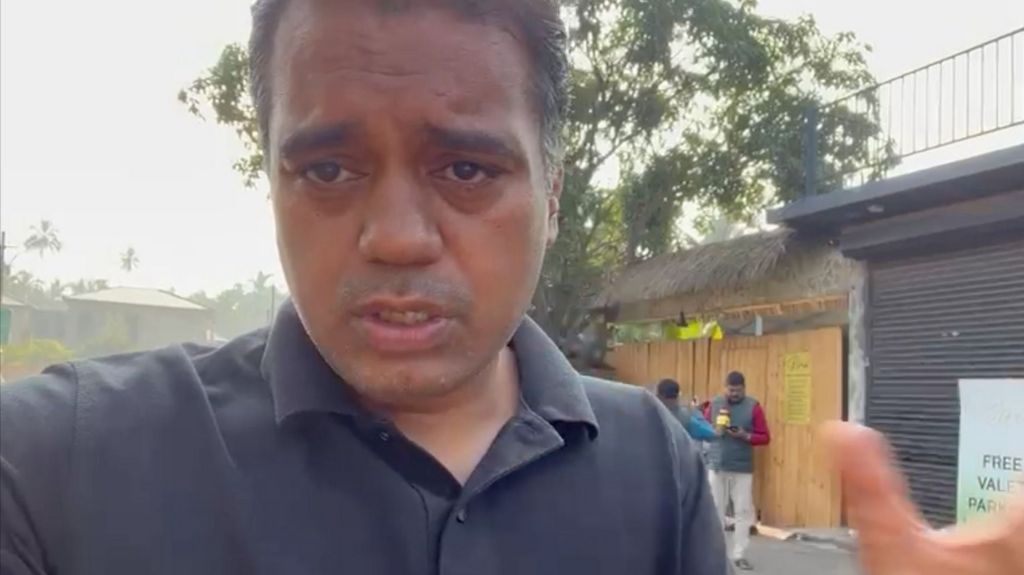
    BBC India Editor Vikas Pandey provided exclusive coverage from the scene of the catastrophe, documenting the aftermath of the blaze that engulfed the entertainment venue. Emergency responders worked through the night battling the flames and conducting rescue operations amid chaotic scenes. Preliminary investigations suggest the fire spread rapidly through the establishment, trapping patrons inside and creating a deadly bottleneck at exits.

    Local authorities have launched a comprehensive investigation into the cause of the fire, with initial reports pointing to possible electrical faults or flammable interior materials that may have accelerated the blaze. The tragedy has raised serious questions about safety protocols and regulatory compliance at entertainment venues across the region, particularly regarding maximum occupancy limits, emergency exit accessibility, and fire prevention infrastructure.

    The state government of Goa has announced compensation for victims’ families and ordered immediate safety inspections of all nightlife establishments. This incident represents one of the deadliest nightclub fires in India in recent years, echoing similar tragedies globally where inadequate safety measures have led to mass casualties in entertainment venues.

  • Voting for HKSAR’s 8th-term LegCo election kicks off

    Voting for HKSAR’s 8th-term LegCo election kicks off

    Hong Kong commenced voting for its eighth Legislative Council election on Sunday morning, marking a significant democratic exercise in the Special Administrative Region. The election will determine 90 legislative members who will shape Hong Kong’s governance framework for the coming term.

    The voting process initiated at 7:30 AM across numerous polling stations established throughout Hong Kong. Electoral authorities reported comprehensive preparations to ensure smooth electoral operations, with stringent health protocols implemented amid ongoing public health considerations.

    This electoral event represents the first LegCo election conducted under Hong Kong’s revamped electoral system, which underwent substantial structural reforms following the 2021 electoral overhaul. The reformed system introduces new constituency divisions and voting mechanisms designed to enhance governance stability while maintaining representative democracy.

    International observers and local monitoring groups are closely watching the electoral proceedings, which conclude with vote counting immediately following polling station closures. The newly elected legislature is expected to address pressing legislative matters including economic recovery initiatives, housing policies, and social welfare reforms.

    Electoral officials confirmed robust security arrangements and contingency measures to address any potential disruptions, emphasizing the importance of this electoral process in upholding Hong Kong’s constitutional order under the ‘one country, two systems’ framework.