标签: Asia

亚洲

  • Asian shares are mixed ahead of Fed interest rate decision

    Asian shares are mixed ahead of Fed interest rate decision

    Financial markets across Asia exhibited a mixed performance as investors adopted a guarded stance ahead of a pivotal interest rate decision by the U.S. Federal Reserve. The prevailing caution was further compounded by escalating geopolitical friction between Japan and China.

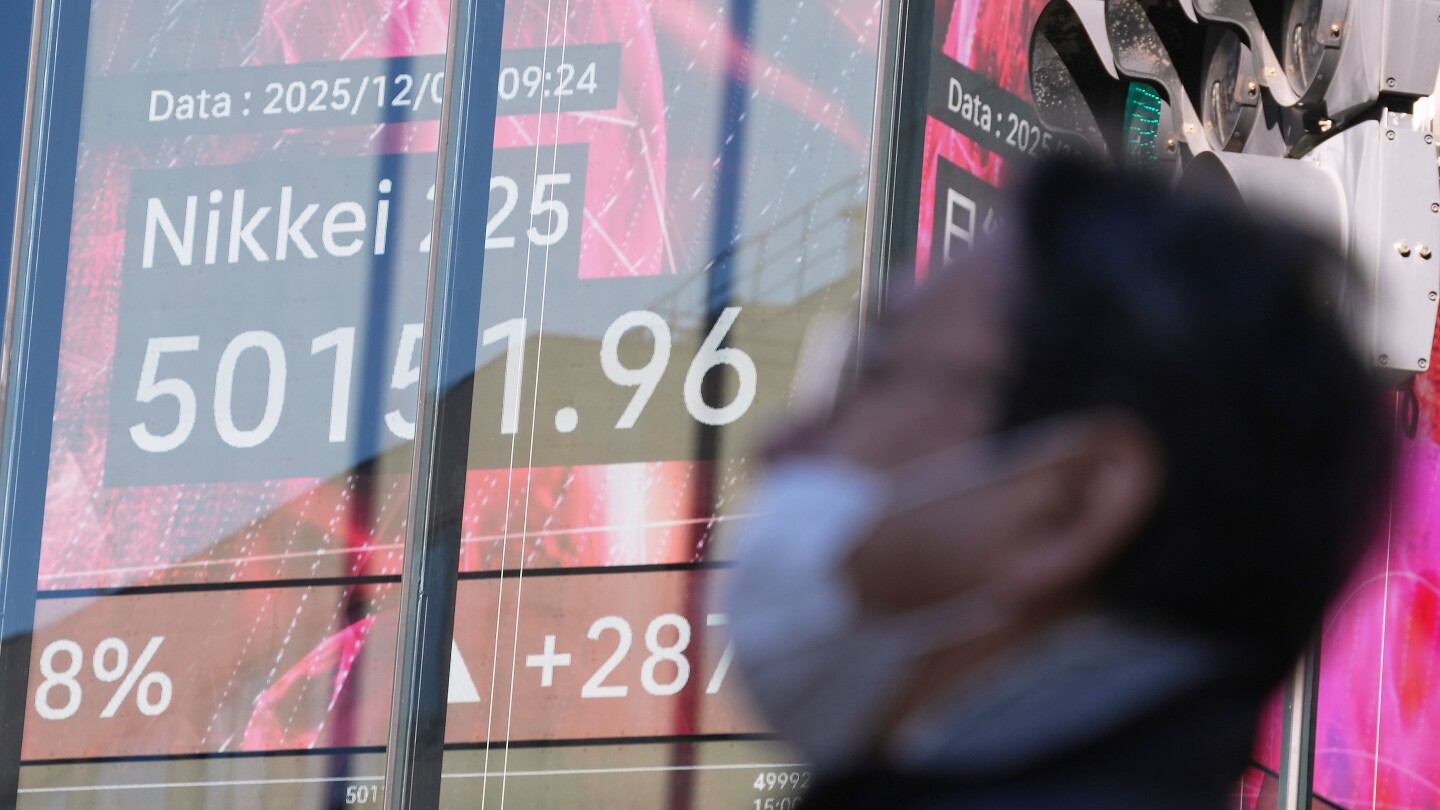
    Market indices reflected this uncertainty. Tokyo’s Nikkei 225 remained virtually flat, closing at 50,491.53. In a contrasting movement, South Korea’s Kospi edged up 0.2%, while Taiwan’s benchmark index saw a more substantial gain of 0.8%. Australia’s S&P/ASX 200 retreated by 0.3%. Chinese markets presented a divergent picture: the Shanghai Composite index advanced 0.6%, whereas Hong Kong’s Hang Seng declined by 1%.

    The economic landscape was clouded by revised data from Japan, revealing a deeper-than-expected economic contraction. The nation’s economy shrank at an annualized rate of 2.3% in the July-September quarter, a significant downward revision from the initially reported 1.8% decline. This downturn was attributed to the adverse effects of U.S. tariffs on Japanese exports and a reduction in public investment.

    Geopolitical tensions intensified following a concerning military incident. Japanese Defense Minister Shinjiro Koizumi formally protested after Chinese military aircraft locked radar on Japanese fighter jets—an act he described as ‘extremely regrettable’ and a ‘dangerous’ escalation. This event occurred amidst existing strain prompted by recent remarks on Taiwan from Japanese Prime Minister Sanae Takaichi, prompting calls for calm from both Japan and Australia.

    In the U.S., futures and oil prices registered modest gains. This followed a quiet yet positive end to the previous week on Wall Street, where the S&P 500 closed just below its record high. Corporate movements also captured attention, with Netflix’s announcement of a $72 billion acquisition of Warner Bros. sending ripples through related stocks.

    All eyes are now fixed on the Federal Reserve’s upcoming meeting. The widespread market expectation is for an interest rate cut, which would be the third of the year, aimed at bolstering a slowing U.S. job market. Recent inflation data, showing the Fed’s preferred core measure at 2.8%, aligned with economist forecasts, reinforcing these anticipations. However, the persistent risk remains that lower rates could potentially re-ignite inflationary pressures.
  • Thailand launches airstrikes along border with Cambodia as tensions reignite

    Thailand launches airstrikes along border with Cambodia as tensions reignite

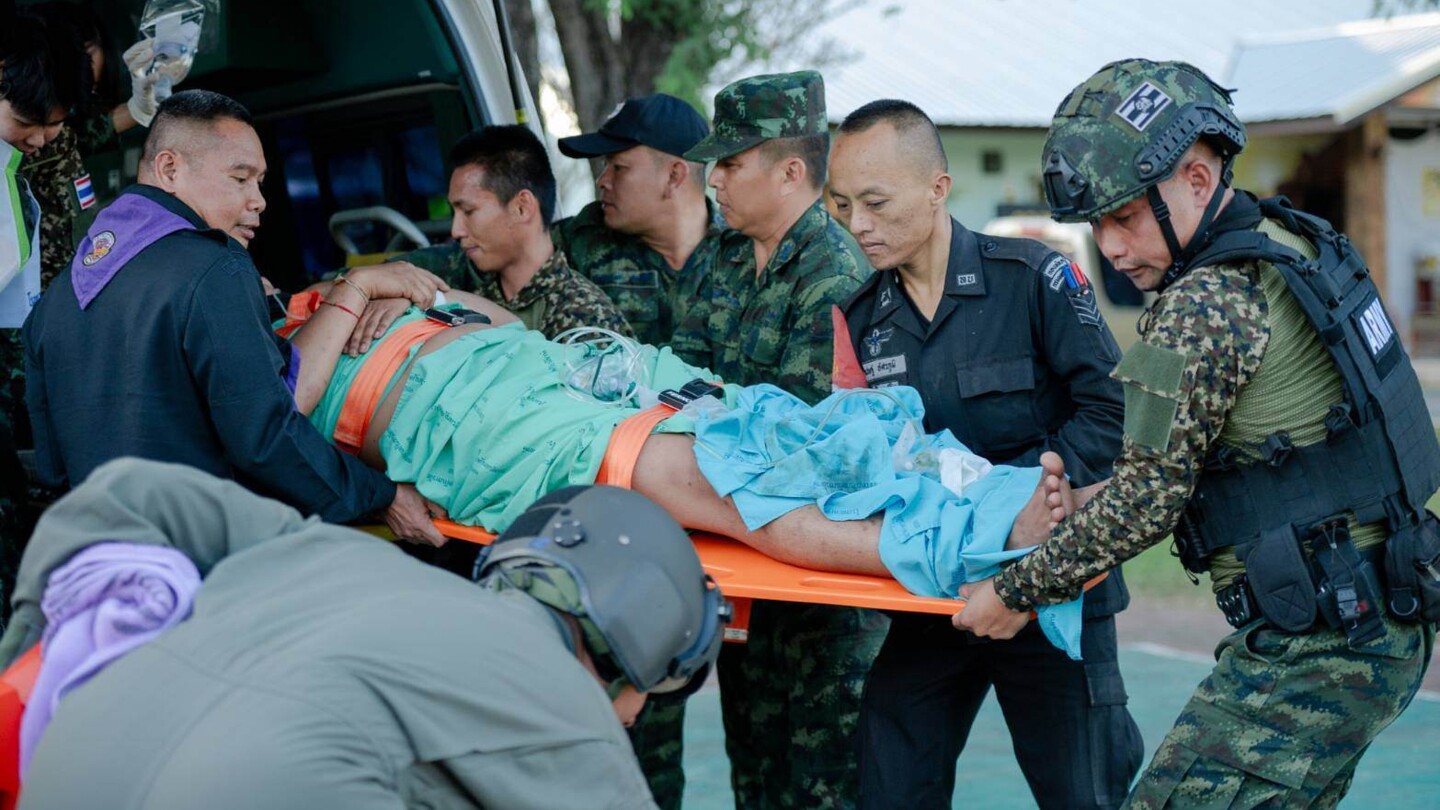
    BANGKOK — Military tensions reignited along the Thailand-Cambodia border on Monday as both nations exchanged airstrikes and artillery fire while mutually accusing each other of initiating hostilities. The escalation represents a significant breach of the U.S.-mediated ceasefire agreement established in October following deadly clashes in July that resulted in dozens of military and civilian casualties.

    Thai military authorities reported one soldier killed and four wounded, claiming Cambodian forces initiated the conflict with cross-border attacks. In response, Thailand deployed aircraft to strike what it identified as Cambodian military positions. “Our forces conducted aerial operations against multiple military targets to suppress Cambodian supporting fire attacks,” stated Thai Army spokesperson Major General Winthai Suvaree, adding that civilian evacuations were underway in affected border regions.

    Cambodia’s Defense Ministry provided a contradictory account, with spokesperson Maly Socheata asserting that Thai military forces launched the initial assault. “Cambodia did not retaliate during the Monday morning attacks,” Socheata emphasized, while urging Thailand to “immediately cease all hostile activities threatening regional peace and stability.”

    The Cambodian Education Ministry implemented emergency measures, closing several border-area schools. Social media documentation showed students being hurriedly evacuated, with many transported via motorcycles as families sought safety from the renewed violence.

    This latest outbreak follows Sunday’s border skirmish that both sides similarly attributed to the other nation. The fragile U.S.-brokered truce, negotiated through President Donald Trump’s administration, had already been jeopardized last month when Thai troops sustained injuries from landmine explosions, prompting Thailand to indefinitely suspend its implementation of the ceasefire agreement.

    The current confrontation draws upon centuries of historical enmity between the neighboring nations, with modern territorial disputes originating from a 1907 French colonial-era map that Thailand contests. The International Court of Justice’s 1962 ruling granting Cambodia sovereignty over the Preah Vihear temple area remains a particularly sensitive issue in bilateral relations.

    Despite the October ceasefire agreement, the fundamental border demarcation disputes remain unresolved, continuing to fuel tensions between the Southeast Asian neighbors.

  • Wildfires destroy 40 homes and kill a firefighter in Australia

    Wildfires destroy 40 homes and kill a firefighter in Australia

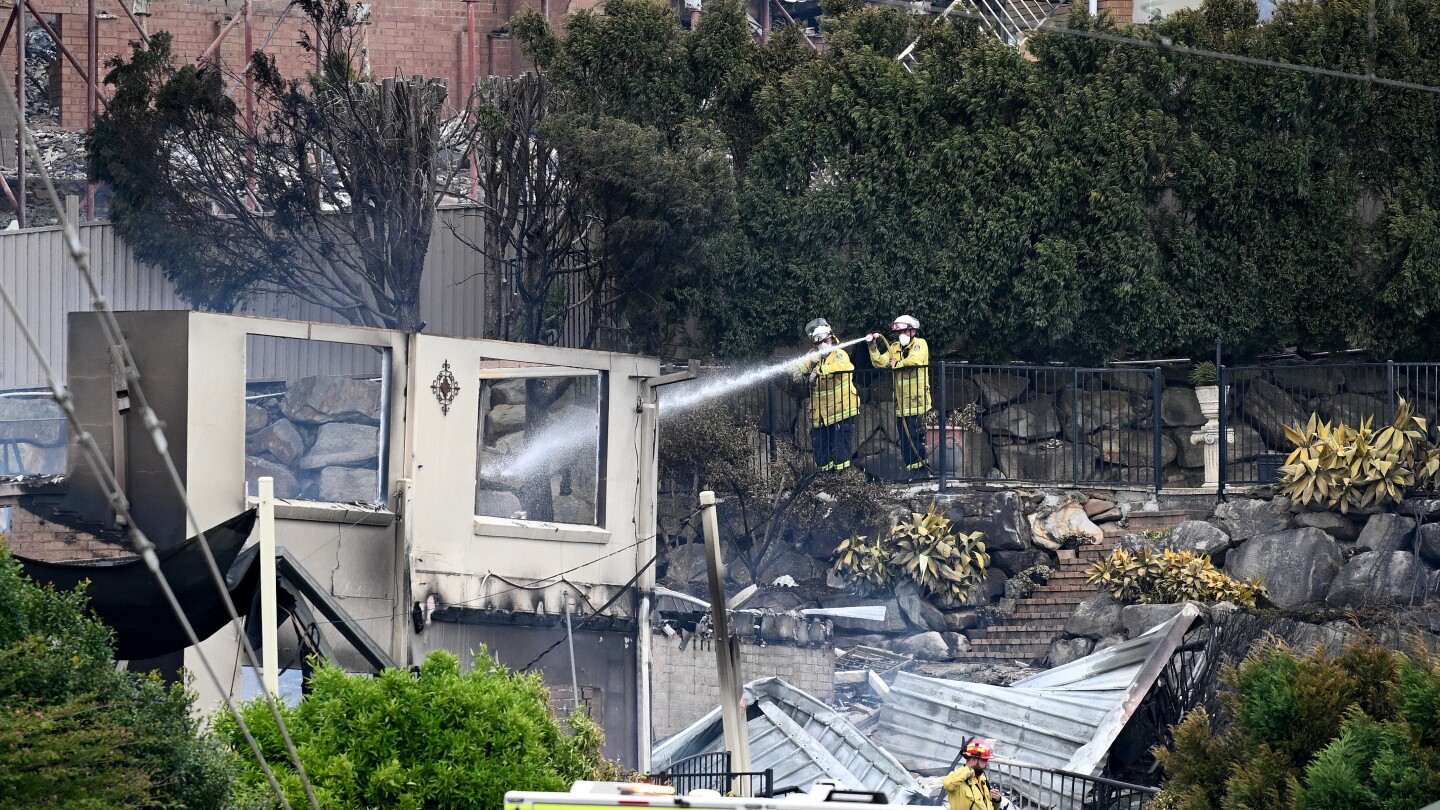
    A veteran firefighter has tragically lost his life while combating devastating wildfires that have swept through Australia’s New South Wales and Tasmania, resulting in the destruction of approximately 40 residential properties. The 59-year-old emergency responder was fatally injured on Sunday evening when a falling tree struck him during fire suppression operations near the town of Bulahdelah, approximately 115 kilometers north of Sydney.

    According to Rural Fire Service Commissioner Trent Curtin, the experienced firefighter could not be resuscitated following the accident. The Bulahdelah blaze has already consumed approximately 3,500 hectares (8,650 acres) of woodland and destroyed four homes over the weekend, with officials anticipating the firefighting efforts would require several more days to contain the inferno completely.

    The crisis extends far beyond this single incident, with 52 separate wildfires actively burning across New South Wales as of Monday. Among these, nine fires remain classified as uncontrolled, posing continued danger to communities. Commissioner Curtin confirmed that wildfires in New South Wales alone had destroyed 20 homes during the weekend.

    Meanwhile, on the island state of Tasmania, emergency officials reported another 19 homes were lost to wildfires in the coastal community of Dolphin Sands. Local government representative Dick Shaw informed the Australian Broadcasting Corporation that while firefighters had successfully contained the Tasmanian blaze by Monday, critical access roads remained closed due to safety concerns. Authorities have advised residents that returning to their properties is not yet safe despite the improved fire conditions.

    The tragic death of the firefighter underscores the extreme dangers emergency personnel face during Australia’s increasingly intense wildfire seasons, which have been exacerbated by climate change and drought conditions across the continent.

  • Former Australian deputy PM joins anti-immigration party One Nation

    Former Australian deputy PM joins anti-immigration party One Nation

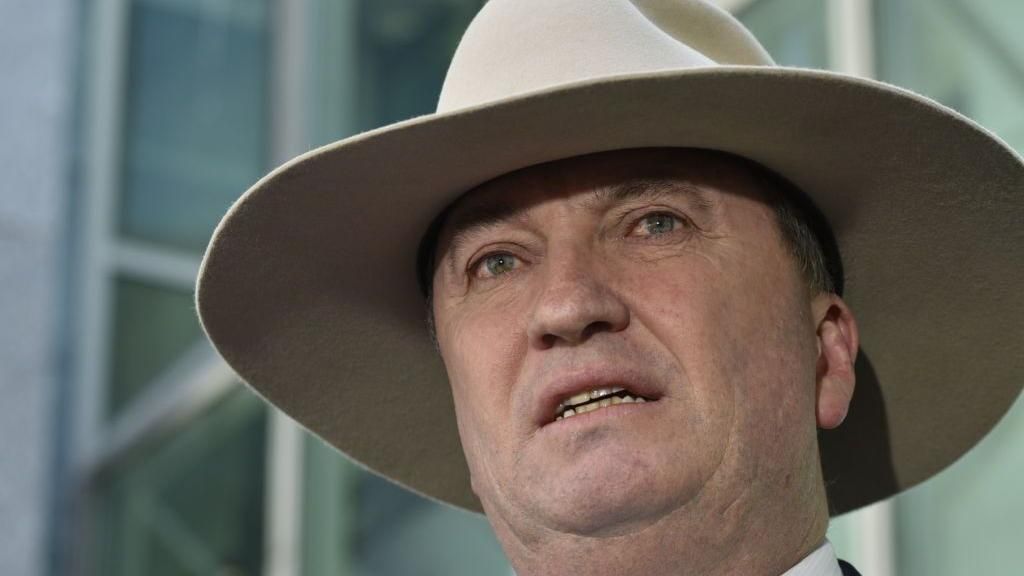
    In a significant political realignment, former Australian Deputy Prime Minister Barnaby Joyce has formally joined the anti-immigration One Nation party, marking a dramatic departure from the Nationals party he previously led. The controversial politician announced his defection during a Monday broadcast on his local Tamworth radio station, acknowledging his decision would likely “hurt” certain individuals.

    Joyce’s move concludes months of speculation about his political future and represents a substantial coup for One Nation leader Pauline Hanson, whose party has experienced growing popularity in recent polls. Hanson welcomed Joyce’s defection, emphasizing his “experience, advice and determination to get a fair go for farmers and regional Australia.” The party founder announced Joyce would represent One Nation in the lower house until the next federal election before transitioning to a Senate candidacy.

    The veteran politician justified his decision through a detailed Facebook post criticizing multiple government policies. Joyce condemned Australia’s energy platform as “eviscerated” in pursuit of “a ludicrous quest to change the weather” and argued that population growth through immigration had undermined housing affordability and natural population increase. He further articulated his cultural vision, stating that while Australia could embrace multiple faiths and races, it must unite under a singular Australian culture to navigate an increasingly uncertain world.

    Nationals leader David Littleproud expressed disappointment with Joyce’s alignment with what he characterized as a “party of protest which is never able to achieve anything other than headlines.” The criticism highlights the deepening divide between Joyce and his former colleagues in the conservative coalition.

    The defection follows a carefully orchestrated courtship between Joyce and Hanson, culminating in a steak dinner in Hanson’s parliamentary office exactly two weeks prior. Notably, this meal occurred hours after Hanson sparked controversy by wearing a burqa into Parliament as part of her longstanding campaign to ban the Muslim garment—an action condemned as “blatant racism” by colleagues and formally censured by the Senate.

    Joyce’s political career has been marked by both significant achievements and controversies. After serving as a Queensland senator from 2004-2013, he secured the New England seat in New South Wales. His tenure as Nationals leader and deputy prime minister (2016-2018) ended abruptly following public outrage over his extramarital affair with a staffer, which prompted the implementation of strict rules regarding relationships between politicians and staff.

    The politician has frequently captured international attention, most notably in 2015 when he threatened to euthanize Johnny Depp and Amber Heard’s Yorkshire Terriers after the celebrities attempted to smuggle them into Australia aboard their private jet in violation of quarantine laws.

    Hanson herself has consistently courted controversy throughout her political career. Her 2016 maiden speech to the Senate warning that Australia risked being “swamped by Muslims” echoed similar sentiments expressed in 1996 about being “swamped by Asians.”

  • Japan revises economic data to show bigger contraction in July-September period

    Japan revises economic data to show bigger contraction in July-September period

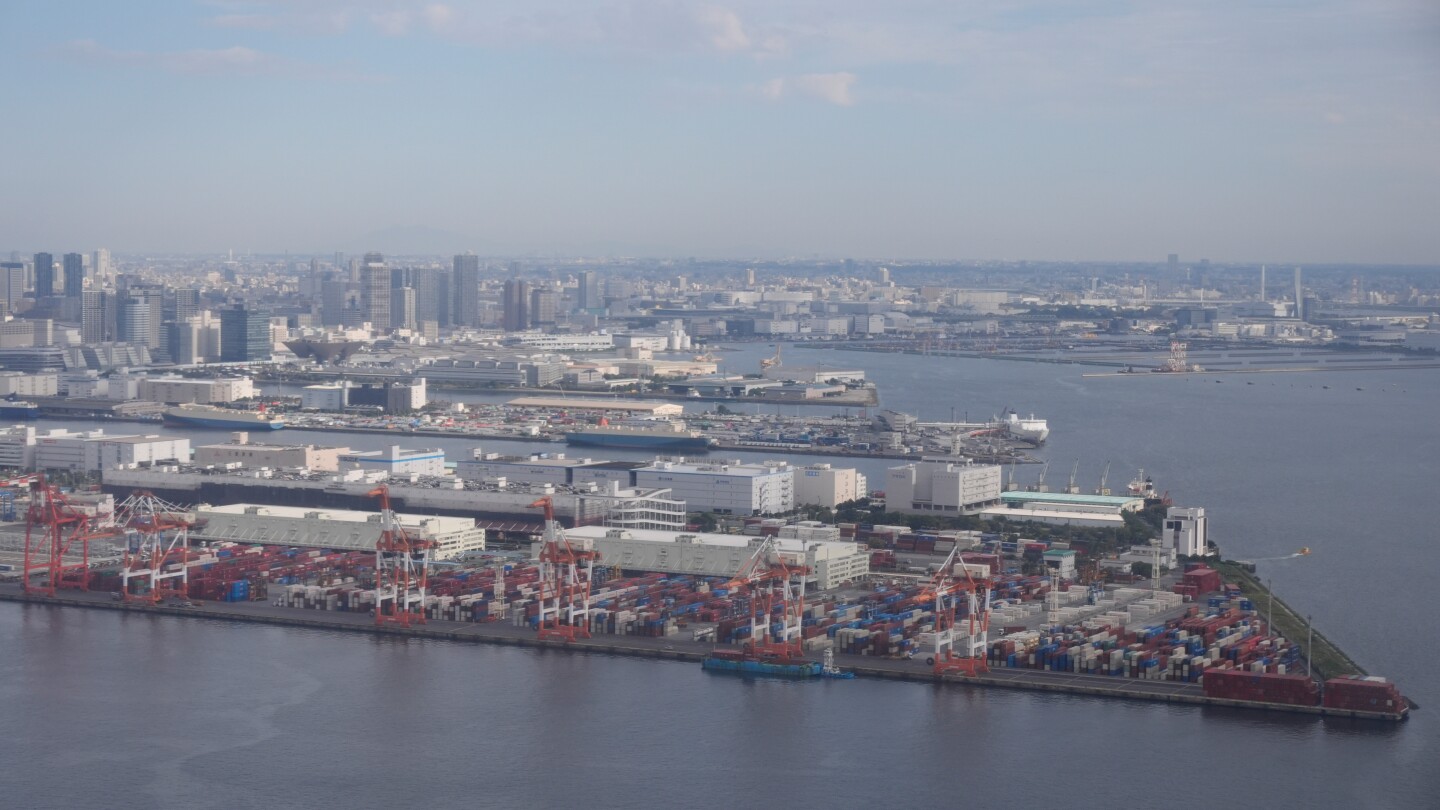
    TOKYO — Japan’s economic performance deteriorated more severely than initially projected during the third quarter, with revised data revealing an annualized contraction of 2.3% between July and September. This downward revision from the previously reported 1.8% decline underscores the mounting challenges facing the world’s third-largest economy.

    The Cabinet Office’s updated figures indicate a quarter-on-quarter GDP reduction of 0.6%, exceeding preliminary estimates. The economic downturn has been primarily driven by declining exports, which fell by 1.2% during the quarter, and a significant 8.2% plunge in private residential investment.

    Trade tensions initiated by the Trump administration have substantially impacted Japan’s export sector. Although the United States subsequently reduced planned tariff increases on Japanese imports from 25% to 15% in September, the automotive sector—a cornerstone of Japan’s economy—continues to face considerable pressure.

    In response to these economic headwinds, Japan has committed to a substantial $550 billion investment package in the United States, a strategic move announced during bilateral tariff negotiations. This commitment reflects the complex economic diplomacy between the two nations amid strained trade relations.

    The residential investment decline has been attributed primarily to regulatory changes in Japan’s building code, which triggered a significant reduction in housing starts earlier this year. Meanwhile, modest positive trends emerged in consumer spending, with private consumption edging up 0.2%, while imports decreased by 0.4%.

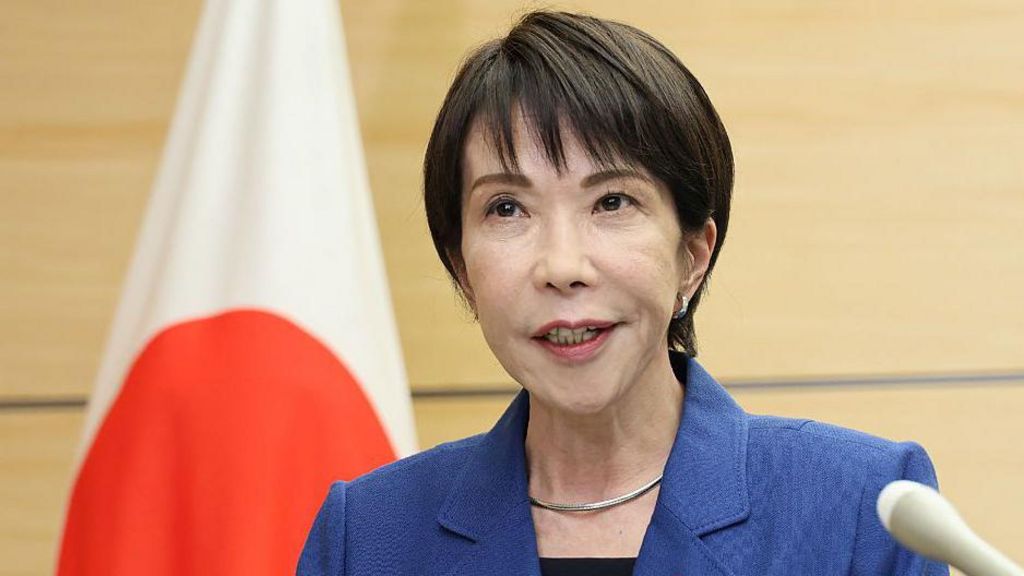
    Political leadership under Prime Minister Sanae Takaichi, Japan’s first female premier, faces mounting pressure to stimulate economic recovery. Despite maintaining popularity through assertive nationalist rhetoric, the administration’s ability to engineer a robust economic turnaround remains uncertain amid these challenging macroeconomic conditions.

  • UN calls on Taliban to lift ban on Afghan women in its offices

    UN calls on Taliban to lift ban on Afghan women in its offices

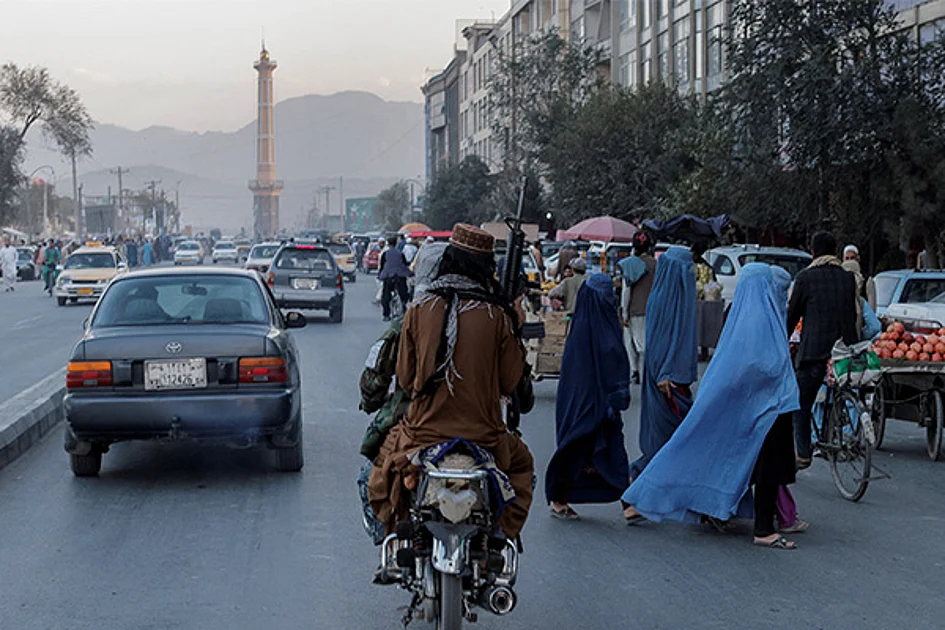
    The United Nations issued a formal appeal to Taliban authorities on Sunday, demanding the immediate reversal of restrictions prohibiting Afghan women from working within UN offices throughout Afghanistan. Susan Ferguson, UN Women’s special representative in the country, emphasized that these measures jeopardize critical humanitarian operations and violate fundamental human rights principles.

    Since assuming power in 2021, the Taliban regime has systematically excluded women from most professional sectors, including education beyond age 12, access to public spaces, and employment opportunities. The specific ban on female UN staff, implemented in September, has forced hundreds of women to work remotely for three consecutive months despite their crucial role in delivering emergency assistance.

    These female professionals have been instrumental in coordinating relief efforts for earthquake victims and supporting Afghan migrants forcibly returned from Pakistan and Iran. Ferguson stressed that their physical presence remains essential for providing culturally appropriate aid to women and girls, who often cannot be reached by male colleagues due to cultural constraints.

    The UN refugee agency has already suspended cash assistance programs for returned migrants, acknowledging that without female staff, they cannot adequately interview or assist the over 50% of returnees who are women. The Taliban administration has not responded to international requests for commentary regarding these restrictions.

  • Can Japan get more female business leaders?

    Can Japan get more female business leaders?

    Japan’s political landscape witnessed a historic milestone in October with the election of Sanae Takaichi as the nation’s first female prime minister. While this achievement symbolizes a shattered glass ceiling, it unfolds against a backdrop of deep-rooted gender disparities that continue to challenge Japanese society.

    The nation presents a perplexing contradiction: despite boasting one of the highest female labor participation rates among developed economies—surpassing 77% for women aged 15-64, exceeding even the United States—Japan simultaneously ranks a dismal 118th on the World Economic Forum’s Gender Gap Index. This positioning makes it the worst performer among all 38 OECD countries, highlighting a significant disparity between women’s workforce presence and their advancement into leadership roles.

    Corporate leadership reveals particularly stark inequalities. Although the government initially set an ambitious target of 30% female representation in leadership positions by 2020, this goal was quietly postponed by a decade when the deadline proved unattainable. Current figures show merely 11.1% of business leadership roles are held by women, underscoring the immense gap between policy aspirations and reality.

    Yumiko Murakami, co-founder of Japan’s first female-led venture capital firm MPower Partners, acknowledges the progress in female labor participation while highlighting persistent challenges. ‘Japan has done a really good job increasing female labor market participation,’ she notes, attributing this growth to both economic necessities—driven by an aging population and labor shortages—and policy interventions such as reducing nursery waiting lists to facilitate mothers’ return to work.

    However, significant obstacles remain. A 2024 government survey revealed that Japanese women earn only 70-80% of their male counterparts’ wages, a disparity that extends into the entrepreneurial ecosystem. Murakami’s WPower fund, half-funded by the Tokyo Metropolitan Government, focuses exclusively on supporting female founders and women-empowerment businesses to address the capital access gap.

    The venture capital environment itself presents barriers. Murakami describes Japan’s VC community as a ‘clubby male environment’ where insiders enjoy privileged access to information and networks. This exclusivity disproportionately affects female entrepreneurs, who struggle to secure funding and face alarming rates of sexual harassment—more than half reported such experiences in a 2024 survey.

    In response to these challenges, support organizations like Startup Lady have emerged to create safe spaces for female entrepreneurs. Co-founder Moeko Suzuki explains their mission: ‘We wanted to create somewhere very, very safe for female entrepreneurs in Japan, even if they’re not Japanese.’ Their programs now include lectures, workshops, and mentoring sessions in collaboration with Tokyo local government.

    Educational institutions also reflect persistent gender gaps. Japan has one of the lowest percentages of female students in STEM fields among OECD nations, and at prestigious Tokyo University, only 20% of undergraduates are women. The university has launched the UTokyo Gender Equity #WeChange initiative, aiming to increase female faculty members from 16% to 25% by 2027 through subsidies and outreach programs that counter early-stage gender bias.

    Professor Kaori Hayashi, executive vice president leading the initiative, acknowledges progress while noting the limited candidate pool. The university now sends female students back to their high schools as role models to counteract cultural discouragement of girls pursuing STEM fields or elite education.

    Amid these complex challenges, Prime Minister Takaichi’s election represents both a symbolic breakthrough and a point of contention. While some celebrate her achievement as evidence of progress, others note her conservative viewpoints—including opposition to separate surnames after marriage—and question whether her leadership will advance gender equality policies.

    Youth activist Momoko Nojo expresses cautious skepticism: ‘I understand that some people are encouraged by the idea that a woman can become prime minister, but I don’t think it will lead to the realization of gender equality policies.’

    Nevertheless, Takaichi’s precedent-setting election underscores Japan’s gradual, complex journey toward gender parity—a transformation occurring across multiple sectors despite persistent cultural and structural barriers. As Japan continues to navigate this path, the significance of having a woman in the highest office remains undeniable, even as the nation confronts the substantial work still required to achieve true gender equality.

  • UAE weather tomorrow: Cloudy day ahead as temperatures rise

    UAE weather tomorrow: Cloudy day ahead as temperatures rise

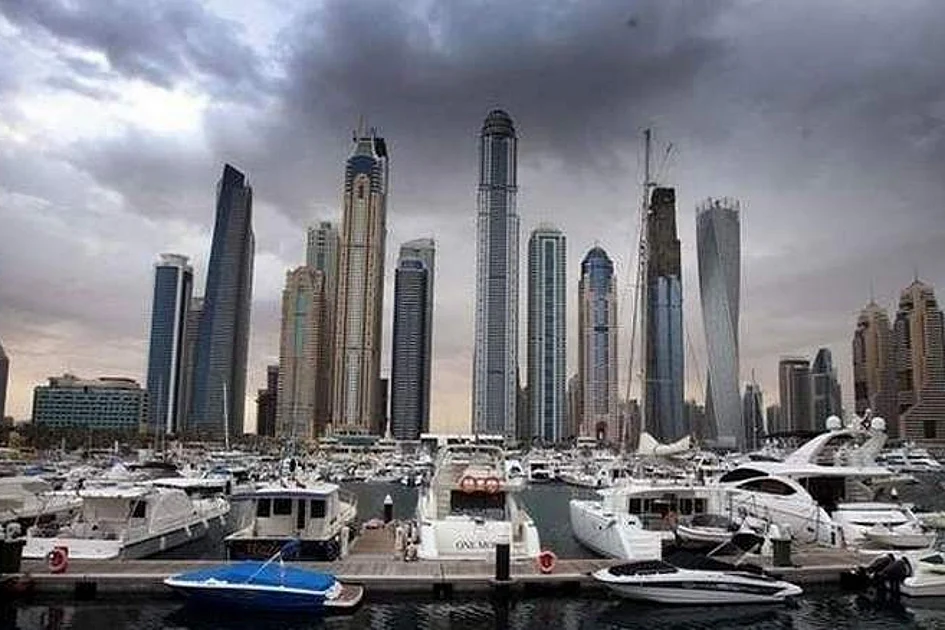
    Meteorological authorities project a shift in weather patterns across the United Arab Emirates this week, with residents preparing for warmer conditions and increased humidity along western coastal regions. The National Centre of Meteorology (NCM) forecasts predominantly fair to partially overcast skies for Monday, December 8, 2025, with low cloud formations expected particularly around offshore islands and western territories.

    Temperature readings indicate a noticeable upward trend, with Abu Dhabi anticipated to reach daytime highs of 30°C while Dubai and Sharjah may experience slightly warmer conditions at 31°C. Nighttime temperatures will provide some relief, dropping to 19°C, 21°C and 18°C in the respective emirates.

    Weather patterns will feature light to moderate winds shifting between southeasterly and northeasterly directions throughout the day. Maritime conditions remain generally calm, with slight to moderate waves in the Arabian Gulf and tranquil waters prevailing in the Oman Sea.

    Of particular note is the humidity forecast, with western coastal areas expected to experience noticeably humid conditions during nighttime hours extending into Tuesday morning. This meteorological development may affect residents in these regions, though no severe weather advisories have been issued at this time.

    The comprehensive weather briefing comes from the UAE’s official meteorological authority, providing residents with accurate forecasting to facilitate daily planning and preparedness.

  • Netanyahu expects Gaza truce to move to second phase ‘shortly’

    Netanyahu expects Gaza truce to move to second phase ‘shortly’

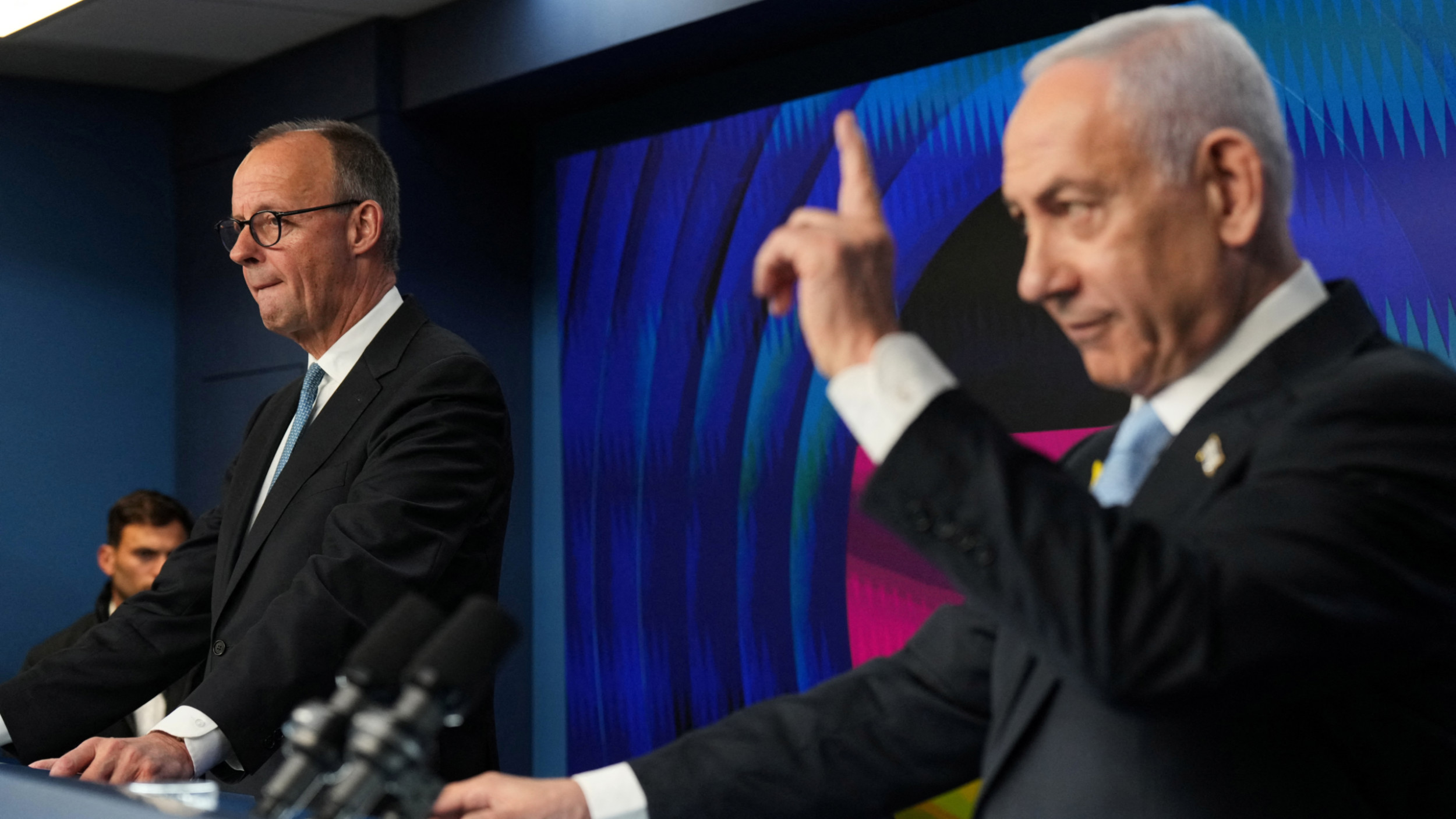
    Israeli Prime Minister Benjamin Netanyahu has indicated that the implementation of the second phase of a US-backed proposal to conclude the Gaza conflict is nearing, though critical obstacles remain unresolved. Speaking at a joint press conference in Jerusalem with German Chancellor Friedrich Merz, Netanyahu emphasized that substantial discussions with US President Donald Trump scheduled for the end of this month would be pivotal for advancing the plan’s next stage.

    The Prime Minister characterized the upcoming phase as inherently more challenging, acknowledging that while a tenuous ceasefire has reduced active combat since October 10th, persistent hostilities continue. Israeli military operations have reportedly resulted in over 373 fatalities and approximately 900 injuries due to hundreds of documented ceasefire violations.

    Central to Netanyahu’s conditions for progression is Hamas’s compliance with both the ceasefire and its stipulated commitments under the agreement, which encompass full disarmament and the demilitarization of the Gaza Strip. The initial phase, which saw Israel maintain control over 53% of Gaza territory, concluded with the exchange of 47 captives—both living and deceased—though one Israeli police officer’s remains have not been recovered.

    The envisioned second phase anticipates further Israeli military withdrawal concurrent with the establishment of a transitional governing authority in Gaza, the deployment of an international security force, and the initiation of reconstruction efforts. While a multinational coordination center has been set up in Israel, the absence of binding deadlines has resulted in stalled implementation, according to officials.

    Netanyahu also revealed that his forthcoming dialogue with President Trump would explore broader regional peace opportunities, specifically referencing US-led initiatives to normalize relations between Israel and Arab and Muslim nations. He articulated a dual-path approach: pursuing comprehensive peace with Arab states while working toward a pragmatic arrangement with Palestinian neighbors, simultaneously reaffirming Israel’s intention to retain security control over the occupied West Bank.

    The Prime Minister addressed the politically sensitive matter of West Bank annexation, confirming it remains under active consideration. This follows the Israeli parliament’s recent preliminary approval of legislation seeking to extend sovereignty to two West Bank settlements.

    When questioned about potential retirement from politics should he receive a pardon in his ongoing corruption trial, Netanyahu offered a definitive denial. Last month, his legal team formally sought presidential clemency, arguing that the judicial proceedings impair his governance capabilities and that a pardon would serve the national interest.

  • UAE-India IndiGo flights returning to normal after weekend disruptions

    UAE-India IndiGo flights returning to normal after weekend disruptions

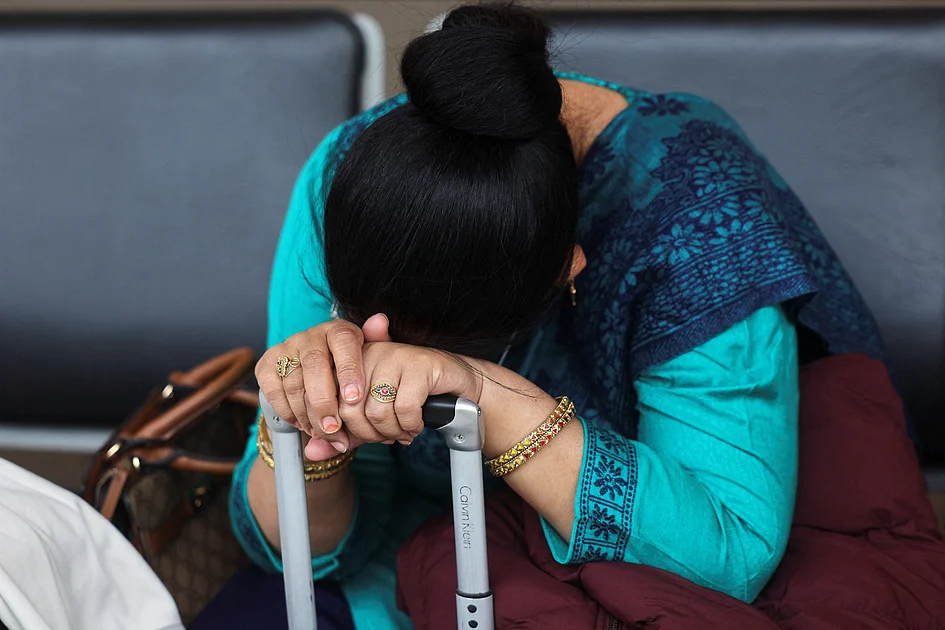
    IndiGo’s flight operations between the UAE and India showed significant signs of recovery on Sunday following a weekend of severe disruptions that had left passengers facing delays exceeding 10 hours. The airline’s performance improved markedly with many flights departing and arriving on schedule, while others experienced manageable delays ranging from 15 to 90 minutes.

    Key routes demonstrated this stabilization: the Ras Al Khaimah to Hyderabad flight departed precisely at its scheduled 2:30 AM time, while the Sharjah-Lucknow service took off as planned at 2:00 AM. The Dubai-Chennai route also operated according to its timetable. Minor delays affected some services, including the Dubai-Mumbai flight (15 minutes late) and the Delhi-Dubai route (17 minutes behind schedule). However, one notable exception was the Dubai-Kozhikode flight, which departed nearly ten hours late at 12:44 PM instead of its original 3:20 AM scheduled time.

    Domestically within India, the situation showed progressive improvement. On the sixth day of operational challenges, IndiGo canceled 500 domestic flights—a substantial reduction from Saturday’s 700 cancellations and Friday’s 1,000 grounded flights. The airline announced it was operating approximately 1,650 flights on Sunday, up from 1,500 the previous day. Most impressively, on-time performance surged from 30% to 75% within a single day.

    The crisis originated when India’s Directorate General of Civil Aviation implemented new Flight Duty Time Limitations (FDTL) on Tuesday, mandating 48 hours of weekly rest for pilots and limiting night landings to two per week instead of the previous six. These regulations, initially introduced in 2024 to address pilot fatigue concerns, created immediate staffing challenges.

    In response to the escalating situation, India’s Ministry of Civil Aviation suspended the new FDTL directives on Friday while emphasizing that safety standards would remain uncompromised. The government additionally imposed airfare caps to protect consumers from price gouging during the disruption period.

    The widespread cancellations had generated significant public outrage throughout the week, with numerous passengers missing critical events including weddings, funerals, and professional opportunities. One entrepreneur publicly shared her distress after relatives couldn’t attend her father’s funeral due to the cancellations.

    Accountability measures are now underway, with a committee formed to investigate the root causes of the disruptions. A parliamentary panel is scheduled to question IndiGo’s senior management about the operational crisis. The airline has committed to full waivers for cancellation and rescheduling requests for bookings through December 15 as it processes approximately Rs6,100 million in passenger refunds.