标签: Asia

亚洲

  • Former executive of Chinese financial firm executed for bribery

    Former executive of Chinese financial firm executed for bribery

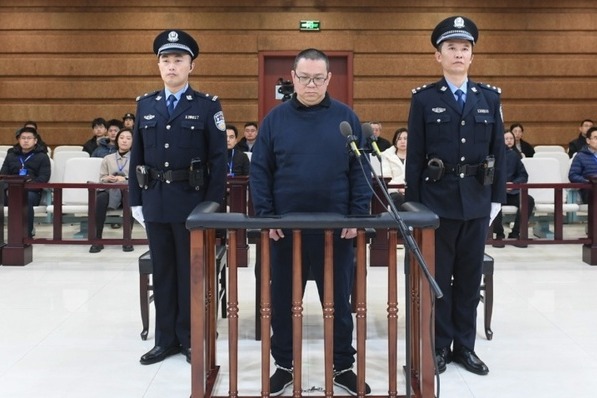
    In a landmark demonstration of China’s intensified anti-corruption campaign, former China Huarong International Holdings general manager Bai Tianhui was executed on Tuesday, December 9, 2025. The execution followed the Supreme People’s Court’s final validation of his death sentence for accepting bribes exceeding 1.1 billion yuan ($156 million).

    The Tianjin No. 2 Intermediate People’s Court carried out the sentence after formally notifying Bai of the supreme court’s decision and granting him a final meeting with family members. This concludes a legal process that began with his initial conviction on May 28, 2024, when he received the death penalty, lifetime deprivation of political rights, and confiscation of all personal assets.

    According to judicial authorities, between 2014 and 2018, Bai systematically exploited his executive positions to illicitly benefit certain entities in project acquisitions and corporate financing operations. The Supreme People’s Court characterized the case as exceptionally severe, noting the ‘extremely large’ bribe amounts, ‘extremely serious’ offense circumstances, ‘extremely negative’ social impact, and ‘extremely huge’ losses to national and public interests.

    The case represents the second major execution within China Huarong Asset Management’s leadership, following the 2021 execution of former chairman Lai Xiaomin for accepting 1.78 billion yuan in bribes. China’s legal framework requires all death sentences to undergo mandatory review by the Supreme People’s Court before execution, ensuring judicial oversight of capital punishment cases.

    This development occurs amidst heightened judicial scrutiny of corruption cases, with top courts recently demanding severe penalties for grassroots corruption offenses, signaling continued commitment to anti-graft measures across all levels of society.
  • Fire breaks out after explosion in S. Korea’s thermal power plant

    Fire breaks out after explosion in S. Korea’s thermal power plant

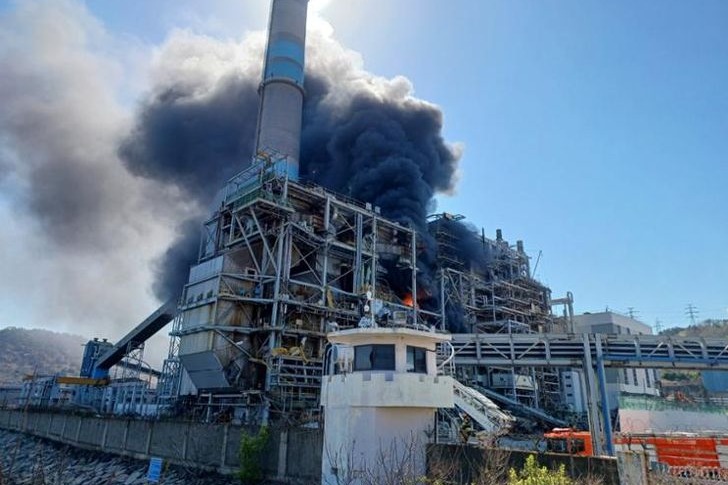
    A significant industrial incident unfolded in South Korea’s southwestern region on Tuesday when a powerful explosion ignited a major fire at a thermal power plant in Taean. The emergency was reported to local fire authorities at approximately 2:43 PM local time (0543 GMT), according to coverage by Yonhap News Agency.

    The facility, located approximately 150 kilometers southwest of the capital city Seoul, experienced the blast accompanied by a loud audible detonation that signaled the beginning of the emergency. Initial reports indicate that the explosion preceded the rapid development of the fire within the plant’s infrastructure.

    Emergency response units immediately mobilized to address the critical situation. Firefighting personnel and specialized equipment were dispatched to the scene following standard protocol for industrial accidents of this magnitude. An unnamed fire official confirmed the deployment of resources, though the exact scale of the response and specific number of units involved remains undisclosed at this early stage.

    The Taean thermal power plant represents a significant component of South Korea’s energy infrastructure, though specific operational details regarding capacity and output remain unverified in the immediate aftermath of the incident. Thermal power plants typically generate electricity through combustion of fossil fuels, presenting inherent fire risks that require sophisticated safety systems and protocols.

    Authorities have not yet released information regarding potential casualties, structural damage assessments, or the impact on regional power supply. The investigation into the root cause of the explosion and subsequent fire will likely involve multiple governmental agencies and industry experts once the immediate emergency is contained.

  • Chinese academic wisdom continues to inspire global universities

    Chinese academic wisdom continues to inspire global universities

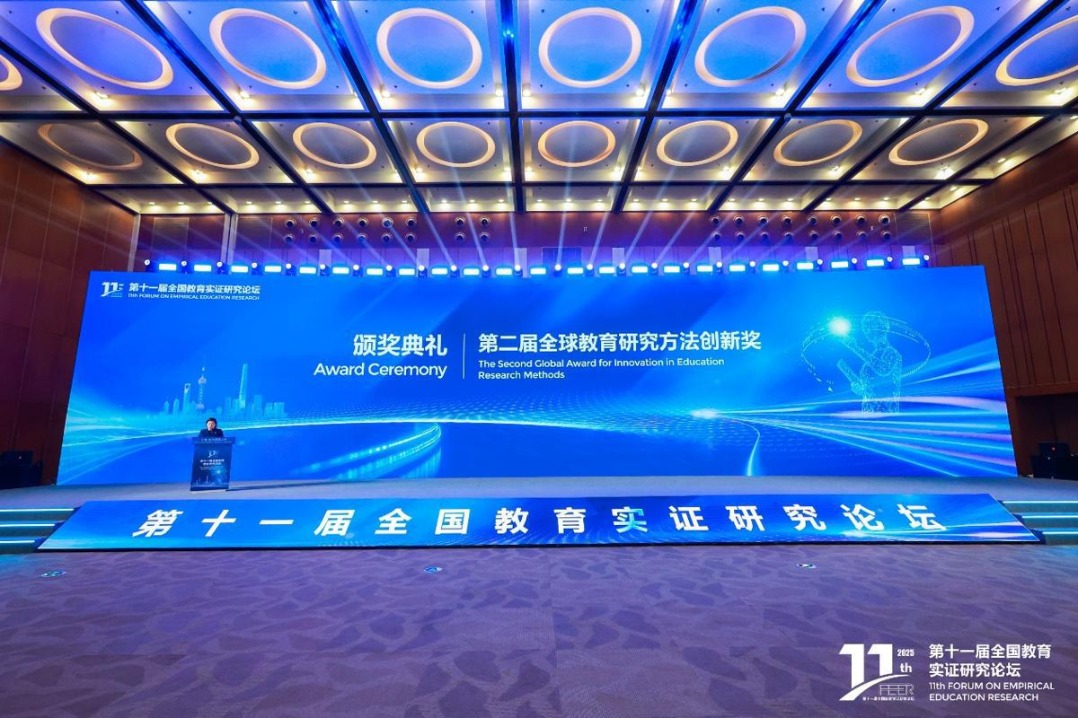
    At the recent 11th Forum on Empirical Education Research in Shanghai, renowned Canadian educator Ruth Hayhoe from the University of Toronto advocated for the global adoption of Chinese educational principles rooted in traditional culture. The event, hosted by East China Normal University, highlighted how China’s educational wisdom offers transformative insights for universities worldwide.

    Professor Hayhoe emphasized the Confucian concept of ‘harmony without conformity’ (和而不同) as particularly valuable for contemporary higher education systems. This philosophy, she argued, provides a framework for creating inclusive learning environments that celebrate diversity while maintaining social cohesion. She called for a fundamental shift from a global knowledge economy toward a global knowledge society that prioritizes public good over commercial interests.

    Hayhoe’s distinguished career spans over five decades, beginning as a teacher in Hong Kong in 1967 and evolving through roles as scholar, diplomat, and university administrator. This unique background has positioned her as one of the few Western scholars capable of bridging Eastern and Western educational philosophies with deep cultural sensitivity.

    The forum recognized Hayhoe’s contributions with the Global Award for Innovation in Education Research Methods for her groundbreaking ‘dialogue among civilizations’ research paradigm. This methodology requires deep immersion in other cultures’ historical, philosophical, and value systems, moving beyond binary oppositions between Eastern and Western approaches to education.

    Four other distinguished scholars received the same honor: Stephen Raudenbush (University of Chicago), Manabu Sato (University of Tokyo), Wang Shanmai (Beijing Normal University), and Rupert Wegerif (University of Cambridge). The award, inaugurated in 2024, represents the world’s first recognition program specifically dedicated to innovation in educational research methodology.

    Professor Yuan Zhenguo, head of East China Normal University’s Faculty of Education and key architect of the award, stated the initiative aims to foster international exchange and advance empirical education research. ‘We hope to guide China’s empirical education research to better engage with the world,’ Yuan remarked, highlighting China’s growing role in shaping global educational discourse.

  • Global leaders plant Juncao grass, symbolize China ties

    Global leaders plant Juncao grass, symbolize China ties

    In a distinctive display of international diplomacy, ten state leaders including the King of Tonga have personally participated in Juncao grass planting ceremonies at Fujian Agriculture and Forestry University. The symbolic gestures represent growing friendship and cooperation between China and partner nations through agricultural technology exchange.

    Professor Lin Zhanxi, the pioneering inventor of Juncao technology, confirmed these diplomatic planting activities have become a significant tradition at the university. The ceremonies typically involve foreign dignitaries planting Juncao grass—a hybrid plant developed through Chinese innovation that serves both ecological and agricultural purposes.

    Juncao technology, which literally means “fungus grass,” represents one of China’s notable agricultural exports, particularly to developing countries. The technology enables mushroom cultivation using grass instead of traditional timber substrates, providing sustainable livelihood opportunities while addressing environmental conservation concerns.

    These planting ceremonies have evolved into diplomatic rituals that symbolize deepening bilateral relationships. The participation of monarchs, presidents, and prime ministers underscores the international recognition of China’s technological contributions to sustainable development. Each planting event is documented as both a scientific exchange and a milestone in international relations.

    The university has become an unexpected diplomatic hub where agricultural technology serves as a bridge for international cooperation. These events typically include technical demonstrations and discussions about implementing Juncao technology in the visitors’ home countries, creating practical partnerships beyond symbolic gestures.

  • China issues wanted notices of 100 telecom fraud fugitives

    China issues wanted notices of 100 telecom fraud fugitives

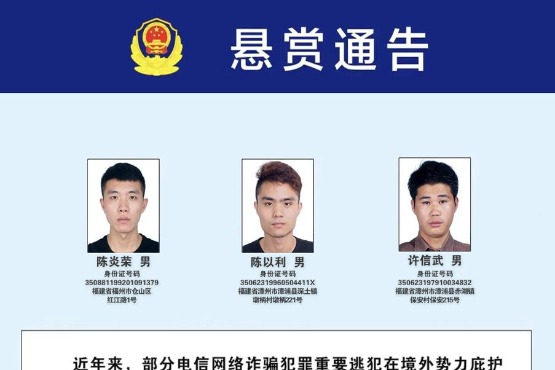
    In a sweeping crackdown on transnational organized crime, China’s Ministry of Public Security has launched an international manhunt for 100 high-profile fugitives allegedly orchestrating massive telecom and internet fraud operations. The unprecedented operation, announced on December 9, 2025, targets the masterminds and key operatives behind sophisticated criminal networks that have preyed upon Chinese citizens through elaborate financial scams.

    Among the most sought individuals are four family-based syndicate leaders operating from northern Myanmar: Wu Qiping, Wu Qingzheng, Fu Xiaobin, and Ou Changhua. These criminal enterprises have allegedly established sophisticated operations beyond China’s borders, leveraging foreign sanctuaries to coordinate long-term fraudulent activities targeting mainland citizens.

    According to investigative findings, these networks have orchestrated complex financial deception schemes resulting in enormous monetary losses for victims. The ministry characterized these operations as particularly malicious in nature, with evidence indicating systematic organization and recruitment of personnel specifically for fraudulent activities.

    Multiple municipal public security bureaus across China—including those in Hangzhou, Wenzhou, Quanzhou, Longyan, Pingdingshan, Shenzhen, Kunming, and Chongqing—have jointly issued reward notices for information leading to captures. The coordinated effort demonstrates the national priority being placed on combating cross-border financial crimes.

    Authorities are simultaneously pursuing a dual approach: encouraging voluntary surrender with promises of lenient treatment while mobilizing public assistance through financial incentives for information. The ministry emphasized that individuals providing credible intelligence or assistance in apprehending suspects will receive legal protection and monetary rewards, signaling a comprehensive strategy combining law enforcement action with community engagement.

  • China launches new remote sensing satellite

    China launches new remote sensing satellite

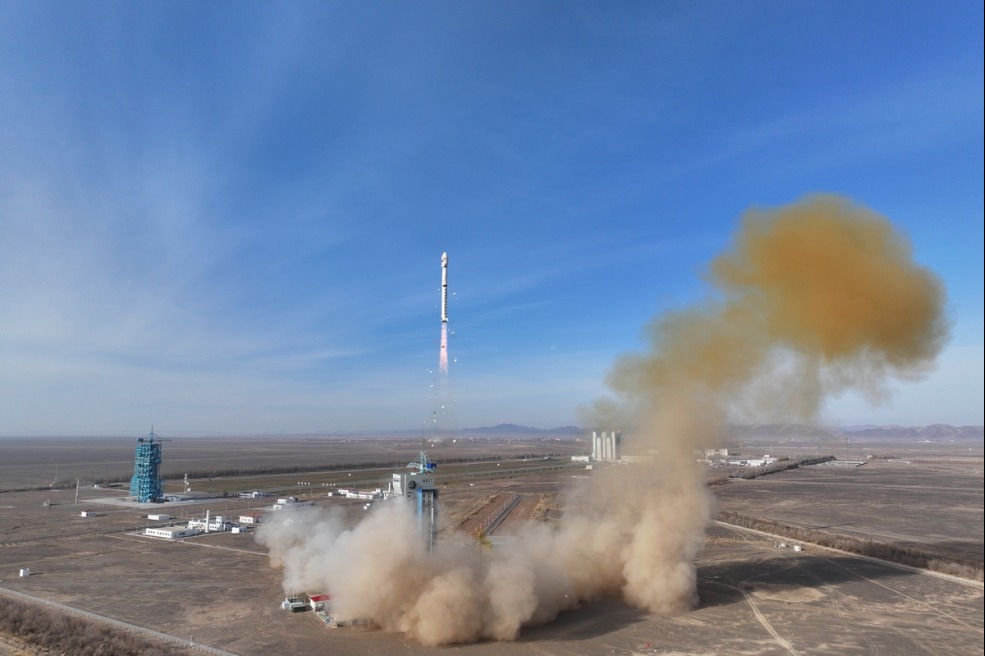
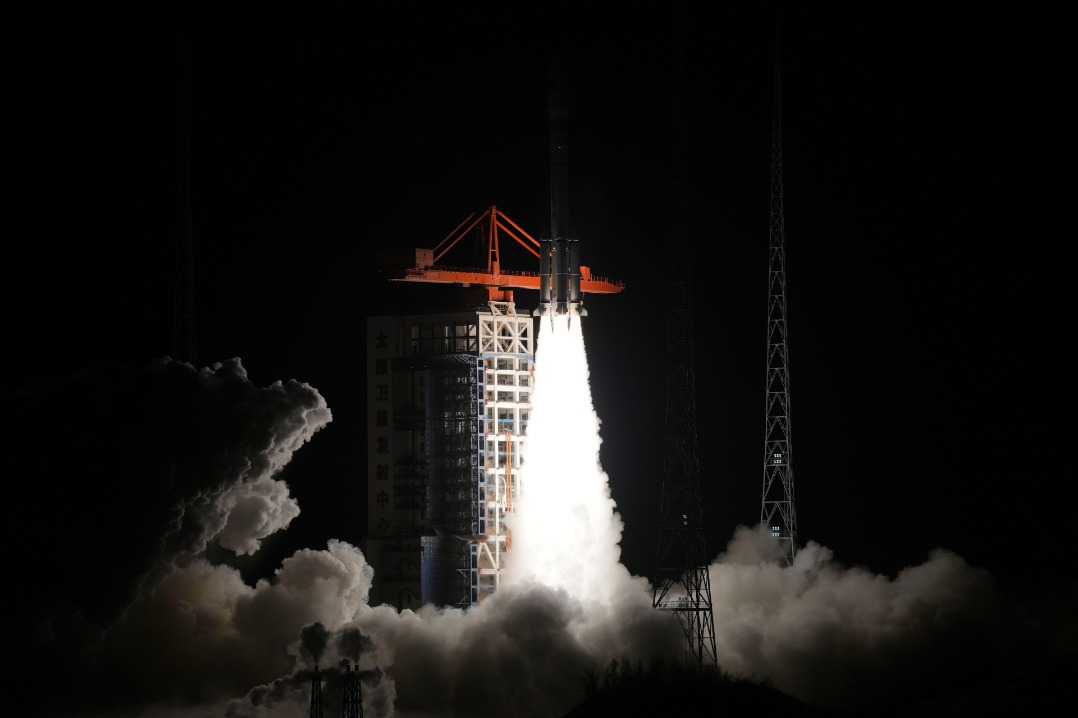
    China has successfully deployed a new Earth observation satellite into orbit, marking another significant advancement in the nation’s space capabilities. The Yaogan-47 remote sensing satellite was launched aboard a Long March-4B carrier rocket from the Jiuquan Satellite Launch Center in northwest China at 11:41 a.m. Beijing Time on December 9, 2025.

    The satellite achieved its predetermined orbit following a flawless launch operation, according to official reports. This mission represents the 614th flight of China’s Long March rocket series, demonstrating the country’s growing expertise and reliability in space launch technology.

    The newly deployed satellite is designed to serve multiple civilian purposes including comprehensive land resource surveys, urban development planning, transportation infrastructure design, and agricultural production assessment. Additionally, the satellite’s advanced sensing capabilities will contribute to environmental monitoring and disaster management programs, providing valuable data for natural disaster prediction and mitigation efforts.

    China’s expanding constellation of remote sensing satellites enhances the nation’s ability to monitor Earth’s surface with increasing precision and frequency. The successful launch continues China’s pattern of regular space missions that support both scientific research and practical applications for sustainable development and resource management.

  • Does Japan’s megaquake warning mean the ‘big one’ is coming?

    Does Japan’s megaquake warning mean the ‘big one’ is coming?

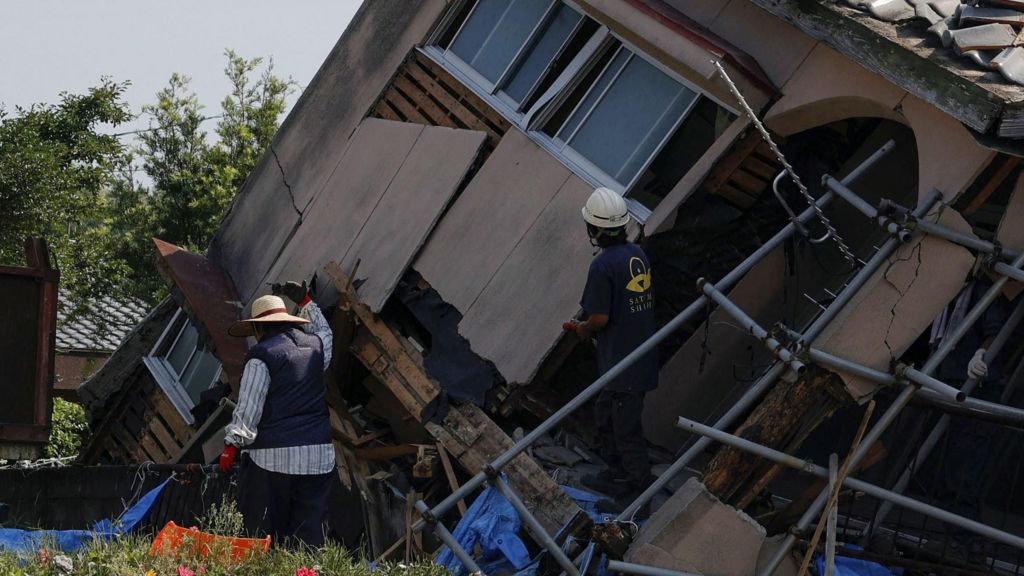
    Japanese authorities have escalated warnings about a potential catastrophic earthquake following Monday’s magnitude 7.5 tremor that struck northeastern Japan. This alert marks the second such warning in under two years, reviving concerns about the anticipated ‘big one’—a seismic event projected to occur once every century.

    According to Japan’s earthquake investigation panel, there is a 60-90% probability that a megaquake could originate from the Nankai Trough within the next three decades. This seismic zone extends along Japan’s Pacific coastline and has historically generated devastating earthquakes. Officials have projected worst-case scenarios including tsunamis exceeding 20 meters (66 feet) that could inundate Tokyo and surrounding prefectures, potentially resulting in approximately 300,000 fatalities and trillions of dollars in economic devastation.

    Residents across seven prefectures—from Hokkaido in the north to Chiba in central Japan—have been instructed to maintain heightened preparedness. While no formal evacuation orders have been issued, authorities are urging citizens to verify evacuation routes, secure household furniture, and assemble emergency supplies including food, water, and portable sanitation facilities.

    Government seismologists indicate that there is approximately a 1% chance that Monday’s earthquake could trigger a subsequent magnitude 8.0 or larger event. Takashi Yokota, Japan’s director for disaster management, emphasized during a press briefing that current global seismic data suggests a possibility rather than a prediction of an imminent major tremor.

    The Nankai Trough’s seismic history provides sobering context. This subduction zone between Suruga Bay and the Hyuganada Sea has generated catastrophic earthquakes approximately every century, often occurring in pairs. The most recent events in 1944 and 1946 resulted in significant destruction, while the 1707 rupture along the trough’s entire 600-kilometer length triggered Japan’s second-largest recorded earthquake and subsequent Mount Fuji eruption.

    Seismological experts remain divided on prediction capabilities. Geologists Kyle Bradley and Judith Hubbard describe the Nankai Trough’s historical pattern as ‘convincingly scary,’ while University of Tokyo Professor Emeritus Robert Geller maintains that earthquake warnings have ‘almost nothing to do with science,’ noting that only about 5% of earthquakes are preceded by detectable foreshocks.

    Japan’s current warning system, developed after the catastrophic 2011 magnitude 9.0 earthquake that killed over 18,000 people, was first implemented in August 2024. The Japan Meteorological Agency continues to balance public awareness with caution, stating that while earthquake probability is elevated, ‘this is not an indication that a major earthquake will definitely occur.’

  • Jakarta office fire kills at least 22, police confirm

    Jakarta office fire kills at least 22, police confirm

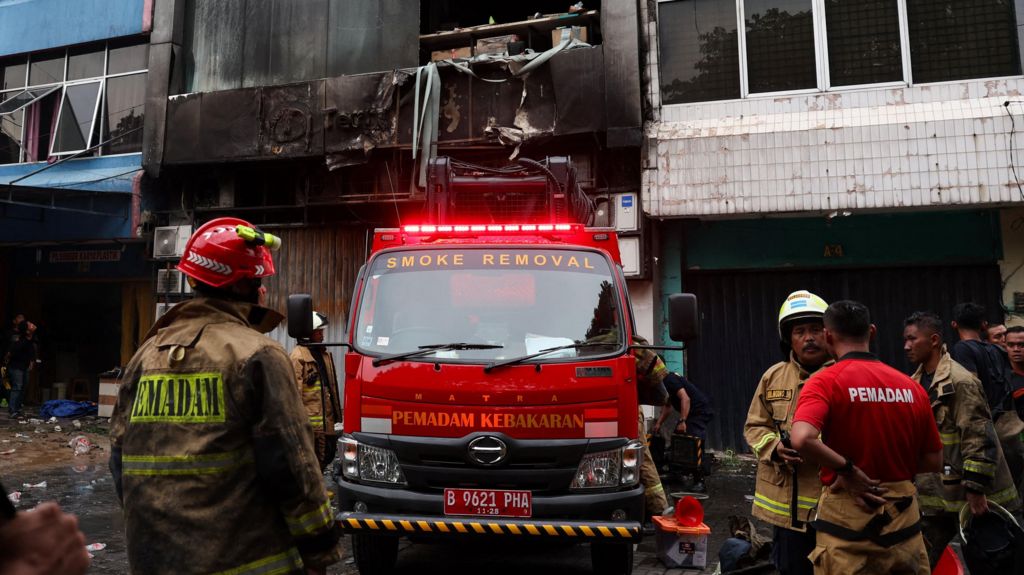
    A devastating fire erupted at a seven-story commercial building in central Jakarta on Tuesday afternoon, resulting in at least 22 fatalities as rescue operations continue. The tragedy struck during lunch hour when numerous employees were present inside the structure.

    Jakarta Police Chief Susatyo Purnomo Condro confirmed the blaze originated from a lithium battery explosion on the ground floor before rapidly ascending through the building’s upper levels. The property housed a drone manufacturing and services company that specializes in aerial surveying, mapping, and industrial inspections.

    Authorities reported a disproportionate number of female victims among the deceased, including one pregnant woman. Preliminary investigations suggest smoke inhalation rather than burns caused most fatalities, as thick toxic fumes quickly filled the upper floors where many workers became trapped.

    Fire and rescue services deployed 28 fire engines and approximately 100 personnel to combat the intense blaze. Dramatic rescue operations unfolded as firefighters used aerial ladders to evacuate stranded employees from smoke-engulfed windows. Despite extinguishing the flames, emergency teams face significant challenges accessing the sixth floor where structural integrity remains compromised.

    The Jakarta Globe reported rescue teams have completed initial sweeps of lower floors and are now concentrating search efforts on upper levels. Identification procedures for recovered victims are underway while authorities continue gathering comprehensive casualty data.

    The incident highlights growing concerns about lithium battery safety in commercial settings, particularly in buildings housing technology companies. This represents one of Jakarta’s deadliest office building fires in recent years, raising questions about emergency preparedness and safety protocols in Indonesian commercial structures.

  • China deploys 15th batch of internet satellites into orbit

    China deploys 15th batch of internet satellites into orbit

    China has successfully launched its fifteenth cluster of low-orbit internet satellites, marking another significant advancement in its ambitious space-based connectivity initiative. The deployment occurred at 6:11 am Beijing Time on December 9, 2025, utilizing a modified Long March 6A carrier rocket from the Taiyuan Satellite Launch Center in Shanxi province.

    The China Aerospace Science and Technology Corp (CASC), the nation’s primary state-owned space contractor, confirmed the satellites successfully reached their predetermined orbital trajectories shortly after launch. This latest batch of satellites was engineered and manufactured by the China Academy of Space Technology, a Beijing-based subsidiary of CASC.

    With this successful mission, China’s state-operated mega constellation now exceeds 110 satellites in orbit, substantially enhancing the network’s coverage and capacity for global internet services. The Long March 6A medium-lift launch vehicle, developed by the Shanghai Academy of Spaceflight Technology, features a sophisticated design incorporating a 50-meter liquid-propelled core booster augmented by four solid-fuel side boosters. Weighing 530 metric tons at liftoff, this versatile rocket platform is capable of delivering payloads to various orbital configurations including sun-synchronous, low-Earth, and intermediate circular orbits.

    This launch represents multiple milestones: the 81st Chinese space mission of the year and the 613th overall flight for the Long March rocket series. Notably, this mission marks the fifth utilization of the Long March 6A variant specifically dedicated to expanding China’s orbital internet infrastructure, demonstrating the country’s growing proficiency in frequent and reliable space deployments.

  • Baotou bets on digitized carbon ticket

    Baotou bets on digitized carbon ticket

    The industrial city of Baotou in Inner Mongolia Autonomous Region has emerged as an unexpected pioneer in climate innovation through its groundbreaking digital carbon ticket system. This homegrown environmental program represents a significant evolution in carbon market mechanisms, combining blockchain verification with ecological conservation to create a transparent, efficient carbon trading ecosystem.

    At the core of this initiative is a digital platform launched in 2021 that transforms traditional carbon credits into blockchain-verified digital assets. The system certifies carbon sequestration achieved by local forests and grasslands, creating tradeable digital tokens that provide real-time tracking and verification capabilities unavailable in conventional paper-based carbon credit systems.

    The program’s practical impact became evident in June 2023 when Guyang county successfully monetized 150,000 metric tons of carbon credits generated from a 1,500-hectare state forest. This transaction, valued at over 2 million yuan ($281,754), demonstrated the economic potential of carbon trading while funding continued ecological development.

    Unlike traditional corporate-focused carbon markets, Baotou’s system actively engages citizens through a mobile application that converts everyday eco-friendly activities—such as walking, cycling, and conservation efforts—into redeemable carbon credits. Residents like Qin Dan report widespread community participation, with neighbors earning carbon points that can be exchanged for merchant discounts or traded on the platform.

    According to Feng Xiaodong, Director of Reform Development and Science Technology at Baotou’s Forestry and Grassland Bureau, the city has established a comprehensive carbon neutrality mechanism that uploads all critical operational data to blockchain for certification. This ensures unprecedented transparency throughout the carbon ticket development, trading, and application process.

    The model’s success has attracted national attention, with enterprises from Zhejiang, Shandong, and Fujian provinces purchasing Baotou’s carbon credits to offset their emissions. The program reached a significant milestone when its credits were used to neutralize emissions during the 14th National Winter Games in 2024, marking the first application of regional carbon products at a national sporting event.