标签: Asia

亚洲

  • String of celebrity scandals renews debate on South Korea’s ‘cancel culture’

    String of celebrity scandals renews debate on South Korea’s ‘cancel culture’

    South Korea’s entertainment landscape faces significant turmoil as three prominent figures—comedians Park Na-rae and Cho Sae-ho, alongside veteran actor Cho Jin-woong—simultaneously confront career-threatening allegations that have prompted their departure from television screens.

    Park Na-rae, celebrated as one of the nation’s most accomplished female comedians, faces serious accusations from former managers alleging verbal abuse, physical assault, and demands for personal errands. Despite her denial and counter-allegations of blackmail against the accusers, Park has voluntarily suspended all broadcasting activities. Additional reports of illegal at-home IV drip administrations, violating local medical laws, have further complicated her situation, triggering police investigations.

    Parallel controversies engulf comedian Cho Sae-ho, who faces scrutiny over alleged connections with a local gang member and accusations of accepting payments to promote gang-affiliated businesses. Though his agency denied involvement in criminal activities, Cho resigned from his high-profile hosting roles on ‘You Quiz on the Block’ and ‘Two Days and One Night,’ acknowledging he ‘should have been more careful’ in his associations.

    The most consequential scandal involves actor Cho Jin-woong, who announced his retirement from acting following revelations about his juvenile detention in the 1990s for robbery and sexual assault allegations. While admitting to youthful misconduct, he denied sexual assault charges. Broadcasters have swiftly removed his content, including re-recording narration for documentary series and reconsidering sequel plans for his hit TV show ‘Second Signal.’

    These incidents have ignited intense public debate regarding celebrity accountability, past transgressions, and South Korea’s stringent standards for public figures. Cultural critic Kim Sung-soo observes that celebrities become ‘easy targets’ due to their reputation-dependent careers, while online discourse reflects growing fatigue with cancel culture cycles and calls for societal reflection on how public figures are treated.

  • Japanese urge retraction by Takaichi

    Japanese urge retraction by Takaichi

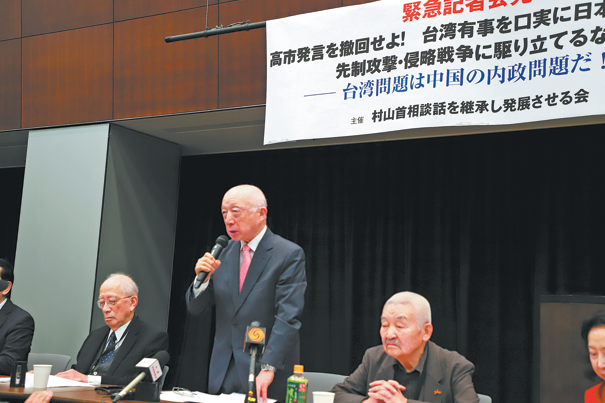
    Prominent Japanese academics, former diplomats, and legal experts have issued a forceful demand for Prime Minister Sanae Takaichi to immediately retract her controversial statements regarding Taiwan, warning that her rhetoric risks reviving militaristic tendencies in Japan. The collective condemnation emerged during a press conference organized by the Association for Inheriting and Propagating the Murayama Statement, a civic group dedicated to preserving Japan’s postwar pacifist values.

    The scholars asserted that Takaichi’s parliamentary comments represent a fundamental departure from Japan’s longstanding diplomatic position on Taiwan and directly violate both postwar international agreements and the 1972 China-Japan Joint Statement. Particularly alarming to the group was the Prime Minister’s suggestion that Japan might assume a wartime posture in response to potential Taiwan contingencies—a stance they characterize as unprecedented and dangerously reminiscent of prewar militarism.

    International relations scholar Kazuhiko Togo, a former diplomat, emphasized that the Taiwan-related commitments in the 1972 agreement resulted from meticulous bilateral negotiations and remain foundational to Sino-Japanese relations. Political economist Kazuhiko Uekusa criticized the Prime Minister’s contradictory explanations of her remarks, noting that she initially claimed they didn’t represent the government’s unified view before asserting they aligned with Japan’s traditional diplomatic position.

    Takakage Fujita, secretary-general of the association, highlighted that his organization has consistently advocated for reflection on Japan’s wartime aggression and adherence to peaceful principles since its establishment in 2013. Professor Emeritus Masakatsu Adachi of Kanto Gakuin University warned that Takaichi’s approach effectively strengthens domestic information control and foreign intelligence gathering—measures that traditionally precede conflict engagement.

    The collective statement concluded that current tensions stem primarily from Japanese provocations, yet the government has adopted an unjustified ‘victim’ posture that hinders resolution. They urged immediate retraction and acknowledgment that Taiwan matters represent China’s internal affairs.

  • Courts target child abuse done under guise of ‘strict parenting’

    Courts target child abuse done under guise of ‘strict parenting’

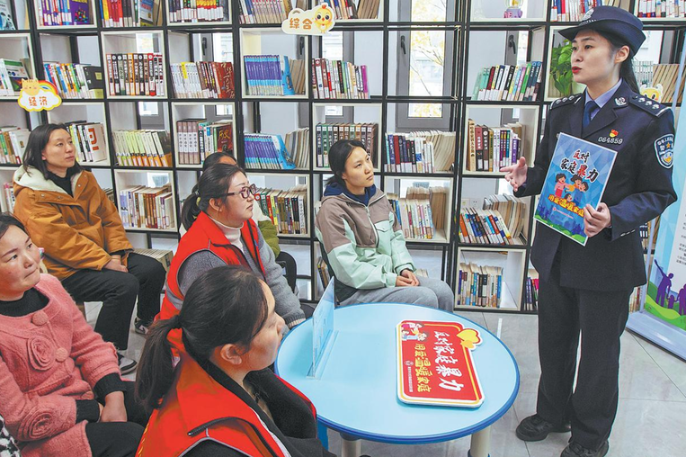
    China’s Supreme People’s Court has issued groundbreaking judicial guidance redefining physical discipline of children as potential domestic violence, marking a significant shift in the country’s approach to child protection. The national top court recently highlighted eight landmark cases demonstrating its zero-tolerance position toward family violence, particularly emphasizing protection for minors.

    Legal experts confirm that Chinese courts will now prioritize children’s wellbeing in case deliberations, with parents or guardians who employ violent disciplinary methods facing potential domestic violence charges. The judiciary has further clarified that courts will support custody modifications when violence causes minors to develop distorted understanding of family relationships, psychological issues, or imitative behavioral patterns.

    Tong Lihua, director of the Beijing Children’s Legal Aid and Research Center, emphasized that ‘parents do not possess any extralegal privilege to commit domestic violence against their children.’ He urged judges to evaluate whether severe abuse was intentional, considering methodology and frequency, while fully utilizing legal measures to penalize perpetrators and ensure societal safety.

    This judicial development challenges persistent traditional beliefs that physical discipline produces obedient children, despite research demonstrating such methods frequently cause psychological trauma, behavioral issues, and physical injuries. The guidance represents a substantial advancement in China’s ongoing efforts to combat domestic violence and protect children’s rights within family environments.

  • Shenzhou XXI astronauts conduct first spacewalk, install debris shields

    Shenzhou XXI astronauts conduct first spacewalk, install debris shields

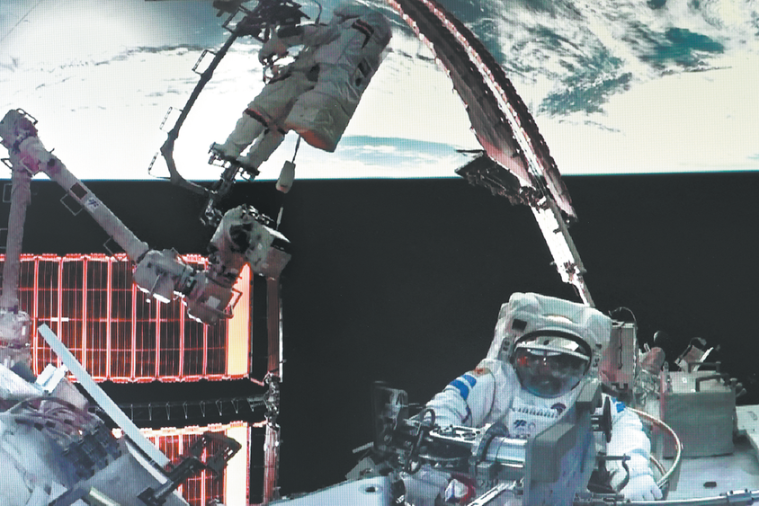
    In a significant milestone for China’s space program, the three-member crew of the Shenzhou XXI mission has successfully executed their first extravehicular activity outside the Tiangong space station. The operation, which lasted approximately eight hours, represents the 25th spacewalk conducted by Chinese taikonauts since the nation began its manned spaceflight endeavors.

    Mission Commander Senior Colonel Zhang Lu and Spaceflight Engineer Major Wu Fei ventured into the vacuum of space at 11:45 AM Beijing Time on Tuesday, while Payload Specialist Zhang Hongzhang provided crucial support from within the station’s pressurized modules. The astronauts worked in concert with ground control teams and utilized the station’s sophisticated robotic arm to complete a series of complex tasks.

    The primary objective involved the installation of enhanced protective shielding designed to mitigate risks from space debris impacts—a growing concern in increasingly congested orbital pathways. Additionally, the team replaced aging external instruments with upgraded scientific equipment and conducted thorough inspections of the station’s exterior components.

    Of particular significance was their examination of the Shenzhou XX spacecraft’s reentry capsule, specifically documenting damage sustained by one of its windows from a micro-debris strike. This previously undisclosed incident had reportedly delayed the return of the previous crew, highlighting the very real dangers posed by orbital debris.

    Notably, 32-year-old Major Wu Fei made history as the youngest Chinese astronaut to perform a spacewalk, surpassing the previous record held by 34-year-old Lieutenant Colonel Tang Shengjie.

    The current mission marks China’s 16th manned spaceflight and the 10th expedition crew to inhabit Tiangong—presently the only space station operated independently by a single nation. Having resided aboard the orbital complex for nearly 40 days since their November 1 arrival, the crew has conducted extensive system checks, emergency preparedness drills, and robotic arm operations.

    Future mission activities may include additional spacewalks and potential repairs to the damaged Shenzhou XX spacecraft viewport, contingent upon technical feasibility and mission priorities.

  • Openness, cooperation highlighted at dialogue

    Openness, cooperation highlighted at dialogue

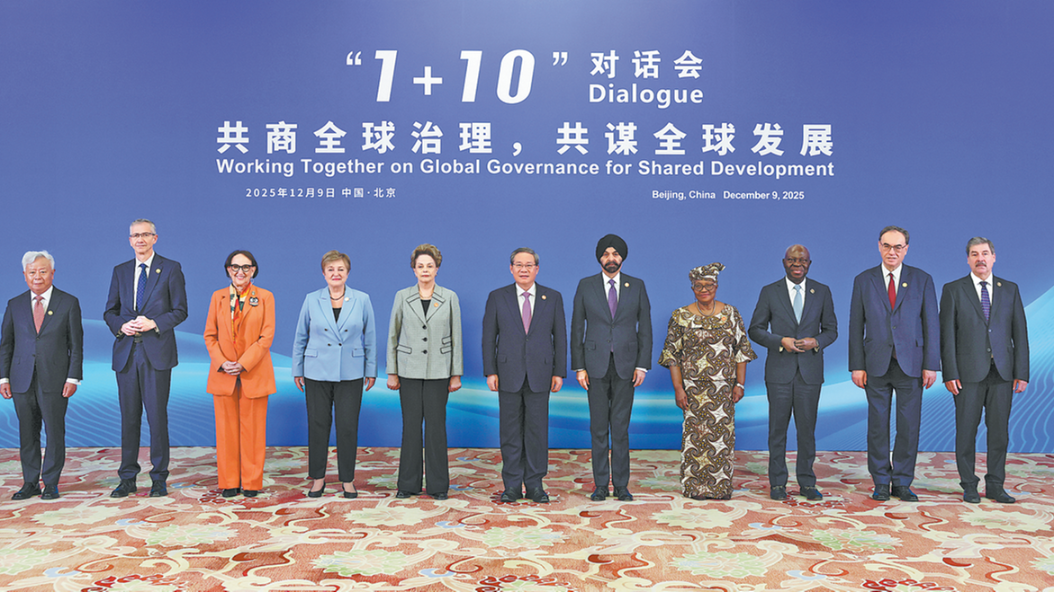
    In a significant diplomatic engagement, Chinese Premier Li Qiang convened with leaders of ten major international economic institutions in Beijing on Tuesday, advocating for enhanced global economic cooperation and warning against the politicization of trade issues. The “1+10” Dialogue brought together heads of organizations including the World Bank, International Monetary Fund, and World Trade Organization to address mounting challenges in global economic governance.

    Premier Li emphasized the urgent need for mutual market openness among nations, cautioning against the weaponization of national security concepts to justify trade restrictions. Against the backdrop of a volatile global economy facing protectionist headwinds, Li asserted that only through collaborative efforts can nations create growth opportunities, stabilize supply chains, and accelerate technological advancement.

    The Chinese leader presented a confident assessment of China’s economic trajectory, revealing that the country’s GDP grew by 5.2% year-on-year during the first three quarters of 2025 despite external pressures. New tax data showing revenues exceeding 29 trillion yuan ($4.1 trillion) for the January-November period further indicated steady growth momentum, characterized by rising consumption, resilient exports, and advances in technological innovation.

    Li positioned China as a steadfast advocate for multilateralism, referencing President Xi Jinping’s Global Governance Initiative proposed in September as offering “Chinese wisdom and solutions” to international challenges. The Premier committed to China continuing to open its markets wider to foreign companies and actively fulfilling international obligations commensurate with its capabilities.

    International organization representatives acknowledged China’s substantial contribution to global economic growth and expressed particular interest in the country’s upcoming 15th Five-Year Plan (2026-2030), which they believe aligns closely with international economic development objectives. Participants commended China’s support for Global South nations and its role in promoting a shared future for humanity.

    The dialogue concluded with commitments to strengthen cooperation across multiple domains including trade and investment, green development, artificial intelligence, and financial stability, signaling a collective determination to uphold multilateral frameworks amid growing geopolitical tensions.

  • India orders IndiGo to slash flights as airline says operations ‘normalised’

    India orders IndiGo to slash flights as airline says operations ‘normalised’

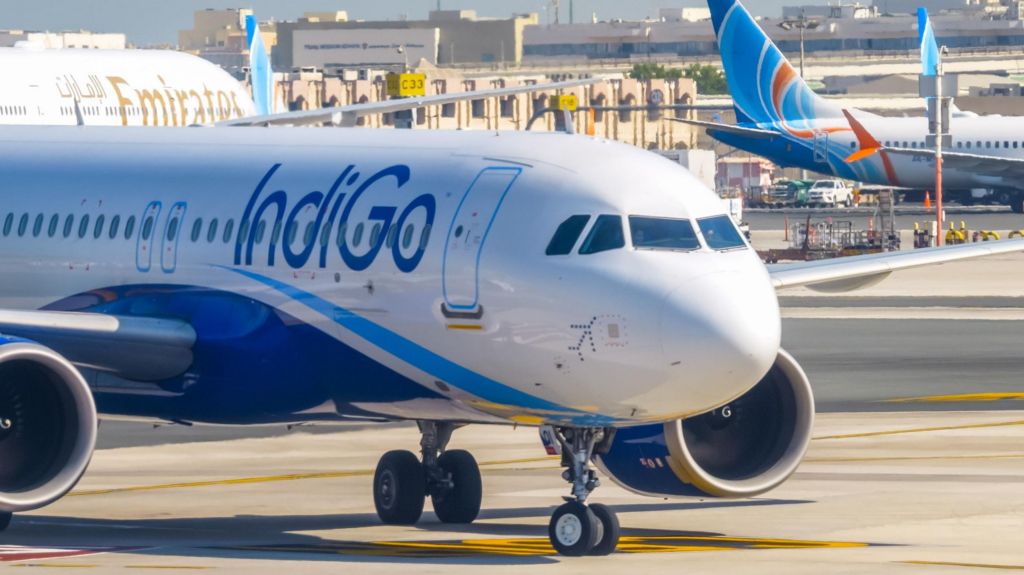
    India’s dominant carrier IndiGo has announced the stabilization of its operations following a severe disruption that resulted in over 3,000 flight cancellations last week. The crisis, attributed by company officials to inadequate pilot roster planning, stranded thousands of passengers nationwide.

    In response to the operational breakdown, Indian aviation authorities have mandated a 10% reduction in IndiGo’s winter flight schedule—doubling the initially proposed cuts. This directive could lead to the cancellation of more than 200 daily flights. Federal Aviation Minister Ram Mohan Naidu stated that the ministry ‘deems it necessary to curtail the overall IndiGo routes’ to restore operational stability, while assuring that the airline ‘will continue to cover all its destinations as before.’

    The airline, which commands over 60% of India’s domestic market with approximately 2,200 daily flights, has been ordered to submit its revised schedule to regulators by Wednesday. Additionally, the carrier must implement fare caps, expedite refund processes, and accelerate baggage handling for affected customers.

    Aviation analysts warn that reducing IndiGo’s daily capacity by 10% could exacerbate India’s ongoing aviation crisis. Sanat Kaul, an industry analyst, noted that while the government’s intervention might benefit passengers long-term, immediate consequences could include heightened fares due to constrained capacity across competitors like Air India and SpiceJet, which lack surplus capacity.

    The operational turmoil has triggered financial repercussions, with IndiGo’s shares declining 15% since December 1st. Investors express concerns over rising costs stemming from operational disruptions and increased crew expenses under new regulatory frameworks. Aviation expert Mark Martin anticipates further penalties for the carrier in coming days.

    IndiGo CEO Peter Elbers, summoned by India’s aviation ministry on Tuesday to address crisis management and passenger complaint handling, asserted in a video message on social media platform X that operations had ‘fully stabilized.’

  • US tells Thailand and Cambodia to stop fighting as clashes continue

    US tells Thailand and Cambodia to stop fighting as clashes continue

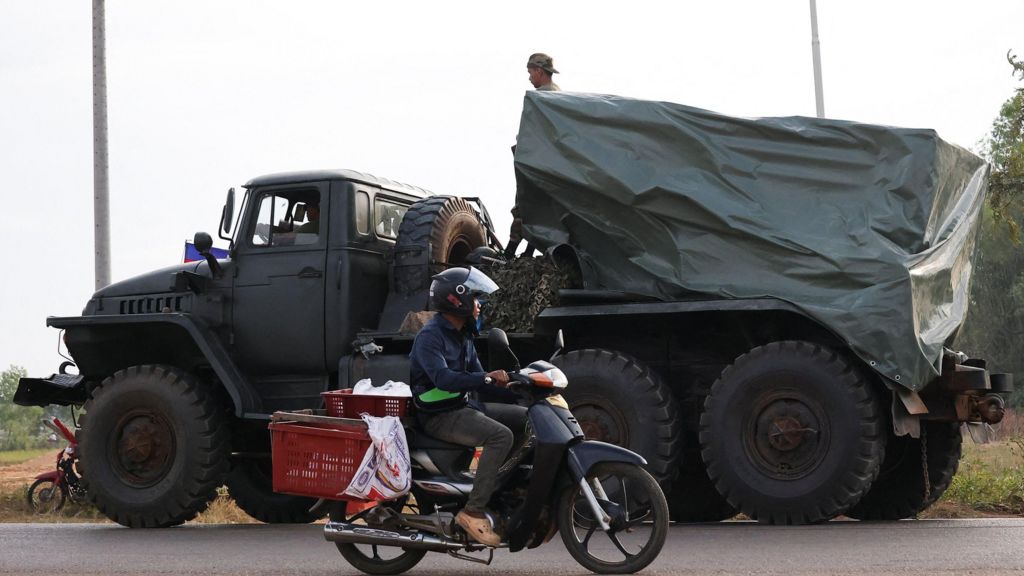
    The United States has issued a urgent call for Thailand and Cambodia to immediately cease hostilities following a severe escalation of border clashes that have now entered their third consecutive day. The conflict has resulted in a confirmed death toll of at least ten individuals and triggered the mass displacement of hundreds of thousands of civilians from border communities.

    Secretary of State Marco Rubio emphasized that both nations must adhere to de-escalation protocols established in a peace agreement brokered by President Donald Trump last October. In a notable statement, President Trump himself declared he would personally ‘make a phone call’ to mediate an end to the violence, marking the most serious military confrontation since July’s deadly clashes.

    The neighboring countries have exchanged accusations regarding responsibility for reigniting hostilities, which have involved aerial bombardments and sustained artillery exchanges. Official figures indicate seven Cambodian and three Thai casualties, while Thailand has evacuated over 400,000 people compared to Cambodia’s relocation of approximately 100,000 civilians to safety.

    Thailand’s Defense Ministry characterized its military actions as ‘limited in scope and employed as a last option,’ asserting that ‘peace must come with the safety and security of our citizens.’ Conversely, Cambodia has accused Thai forces of launching ‘aggressive military attacks’ allegedly targeting civilian infrastructure and culturally significant temples along the disputed frontier.

    The diplomatic fallout extended beyond military engagement as Cambodia announced its withdrawal from the Southeast Asian Games currently hosted by Thailand. The Cambodian National Olympic Committee cited ‘serious concerns and requests’ from athletes’ families as the primary reason for this decision.

    United Nations Secretary-General António Guterres has joined international calls for restraint, expressing particular concern over ‘significant civilian casualties, damage to civilian infrastructure, and displacement on both sides.’

    This recent violence represents the latest eruption in a century-old territorial dispute along the 800-kilometer border, originally demarcated following the French colonial occupation of Cambodia. The current clashes have expanded across multiple provinces in both nations, prompting travel advisories from several countries including the United Kingdom, United States, and Japan.

  • ‘It’s insulting they think we can’t handle it’: The Australian teens banned from social media

    ‘It’s insulting they think we can’t handle it’: The Australian teens banned from social media

    Australia’s groundbreaking social media prohibition for minors under 16 has taken effect, creating profound implications for teenage connectivity across the vast continent. The controversial legislation, implemented after year-long deliberations, represents one of the world’s most restrictive digital age barriers.

    In remote Queensland, 15-year-old Breanna Easton exemplifies the practical consequences of this policy shift. While mustering cattle on her family’s sprawling outback station, she previously maintained digital connections through Snapchat and TikTok despite geographical isolation. “Taking away our socials is just taking away how we talk to each other,” she laments, highlighting how visual communication platforms provided vital social lifelines when physical distances exceeded 100 kilometers between friends.

    The legislative measure has ignited polarized responses nationwide. Proponents, including educators and child safety advocates, argue that unchecked social media exposure subjects young people to unregulated pressures, cyberbullying, and predatory behavior. Iris Nastasi, principal at Rosebank College in Sydney, expresses strong support: “We should preserve the innocence that comes through childhood” rather than exposing children to overnight digital risks that damage real-world relationships.

    Conversely, critics question both the technological enforcement mechanisms and the policy’s potential to drive youth toward darker digital corners. Parental autonomy concerns emerge prominently, with Megan Easton (Breanna’s mother) noting that “government overstepping” undermines family-based digital education strategies. She emphasizes the importance of guided social media exposure during early adolescence, allowing supervised mistakes and corrective learning.

    The political impetus for this radical intervention came unexpectedly. South Australian Premier Peter Malinauskas pursued state-level legislation after his wife’s reaction to Jonathan Haidt’s book “The Anxious Generation,” which details smartphones’ neurological impacts on developing brains. The subsequent federal ban progressed with remarkable speed from conceptualization to implementation within eight months.

    However, significant concerns emerge regarding the ban’s impact on vulnerable communities. LGBTQ+ youth report 96% dependency on social platforms for connection and support according to Minus18 surveys. Autistic advocates similarly note that online spaces provide alternative socialization formats inaccessible in physical environments. For 13-year-old Sadie Angus, recently expelled from Instagram, anonymous sharing provided crucial emotional safety unavailable in her offline world.

    Tragic narratives underscore the policy’s moral foundation. Campaigner Emma Mason, whose 15-year-old daughter Tilly died by suicide after intense cyberbullying and image-based abuse, maintains that “agents of harm that are unregulated” necessitated government intervention. While acknowledging current teenagers might not be “clear winners,” she believes younger children will benefit from protected digital development.

    The Australian experiment continues amid pending High Court challenges, potential tech company resistance, and international scrutiny. As the nation navigates this unprecedented digital boundary, it balances protectionism against developmental autonomy, creating global precedent for how societies might reshape youth engagement with evolving technologies.

  • US annual defence budget seeks to bolster Israeli defences, remove Syria sanctions

    US annual defence budget seeks to bolster Israeli defences, remove Syria sanctions

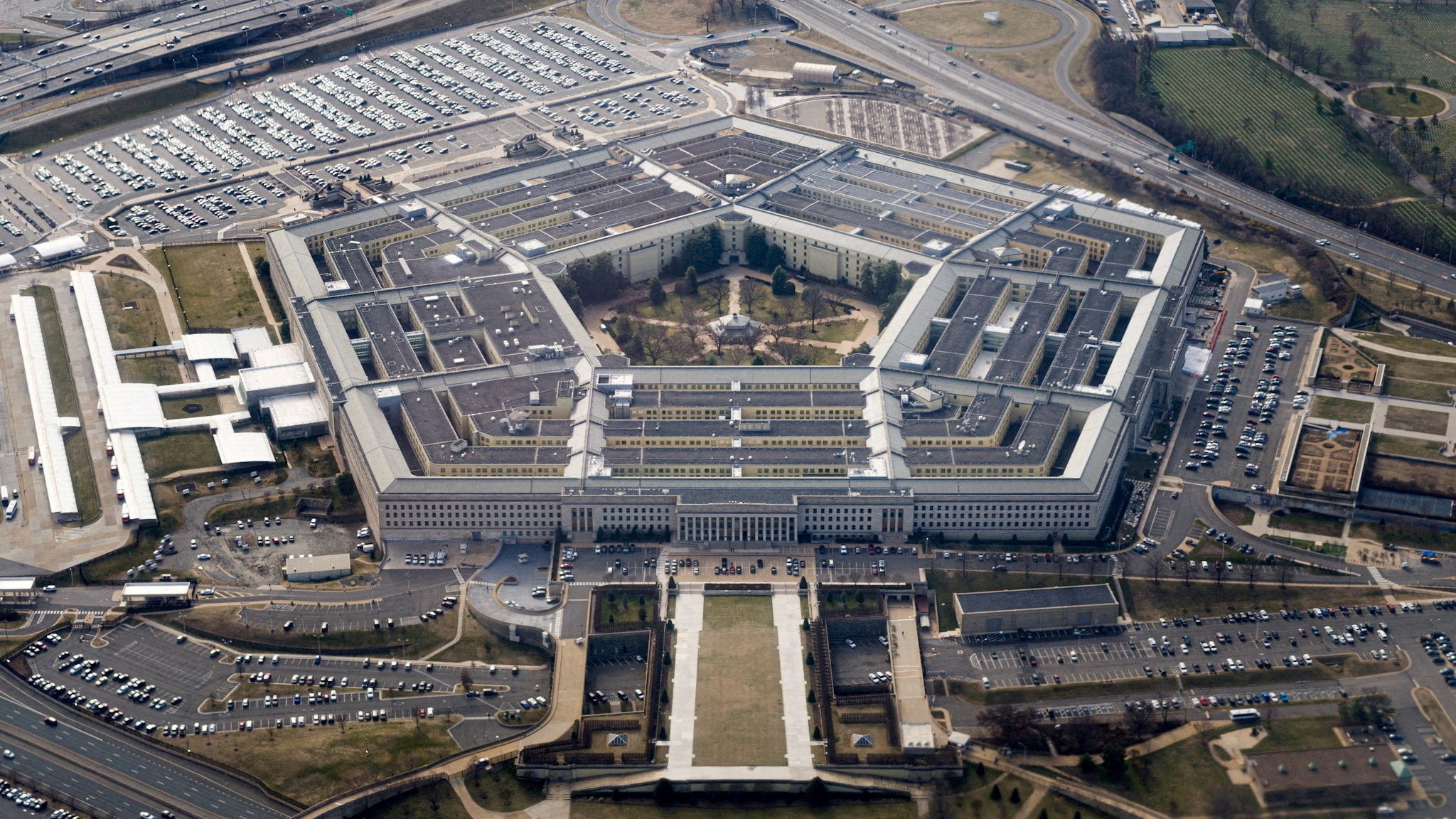
    The United States Congress is preparing for a decisive Wednesday vote on the National Defense Authorization Act (NDAA), the comprehensive annual legislation that sets the Pentagon’s budget and military policy for the upcoming fiscal year. This year’s bill, spanning over 3,000 pages, authorizes a historic discretionary spending level of $900.6 billion, marking a significant increase from the previous year’s $883.7 billion allocation. The funding encompasses a vast spectrum of defense priorities, including military operations, troop compensation, recruitment initiatives, technological innovation, and the modernization of the nation’s nuclear arsenal.

    A substantial portion of the NDAA is dedicated to security cooperation and policy in the Middle East and North Africa (MENA) region. The House Armed Services Committee has explicitly described the budget as providing “unprecedented levels of support for the security of Israel.” While the precise total for all Israel-related projects is not fully itemized, the bill mandates continued substantial funding, including $200 million for the Iron Dome, David’s Sling, and Arrow missile defense systems. An additional $80 million is allocated for the US-Israel Anti-Tunnel Cooperation Program, and $70 million is designated for countering drone attacks and other aerial threats. Furthermore, a new $35 million emerging-technology cooperative program will be established between the US, Israel, and other G7 allies to advance development in artificial intelligence, quantum computing, cybersecurity, robotics, and automation.

    The legislation also aims to bolster Israel’s defense industrial base, establishing a working group to deepen technological integration and consider including Israel in the exclusive US National Technology and Industrial Base (NTIB), a status currently held only by Canada, the UK, and Australia. In a significant policy directive, the bill prohibits the Department of Defense from participating in any international event where Israel is banned due to the Boycott, Divestment, and Sanctions (BDS) movement.

    Beyond Israel, the NDAA frames Iran as the “key driver of regional insecurity” and mandates intensified Pentagon monitoring and reporting to Congress on a range of threats. This includes details on Iran’s conventional weapons purchases from Russia, the status of its proxy forces like the Houthis and Hezbollah, its drone supply chain, and advancements in its ballistic missile and nuclear programs. The US intelligence community is specifically ordered to notify Congress if Iran enriches uranium beyond 60 percent or decides to produce a nuclear weapon.

    The bill extends US support for the Iraqi military through 2026 but attaches a critical condition: 75% of the funds will be withheld until the Pentagon certifies that the Iraqi government has taken credible, verifiable steps to disarm and demobilize Iran-aligned militia groups not integrated into the official security forces. An allocation of $212.5 million is specified for the Counter-ISIS Train and Equip Fund (CTEF) in Iraq, with continued funding assured for Peshmerga forces in the Kurdistan Region.

    A landmark provision within the NDAA is the repeal of the 2019 Caesar Act sanctions on Syria, which had devastating humanitarian consequences for the civilian population. The bill also requires the Pentagon to report on the status of ISIS detention camps, US force posture in Syria, and the feasibility of reopening the US embassy in Damascus.

    Conversely, the legislation has drawn criticism from refugee advocates for omitting funding for the Enduring Welcome Act, which was removed from the draft by House Republican leadership. Advocacy group #AfghanEvac condemned the move as an “abdication of responsibility” for Afghan allies awaiting relocation to the US.

    Finally, the NDAA repeals the 1991 and 2002 Authorizations for Use of Military Force (AUMFs) related to the Gulf War and Iraq invasion, which had been used to justify prolonged military operations. However, the 2001 AUMF underpinning the global war on terror remains in effect. The bill also explicitly prohibits the closure of the Guantanamo Bay detention facility, where 15 men remain held indefinitely without charge.

  • Man who grabbed Ariana Grande kicked out of Lady Gaga concert

    Man who grabbed Ariana Grande kicked out of Lady Gaga concert

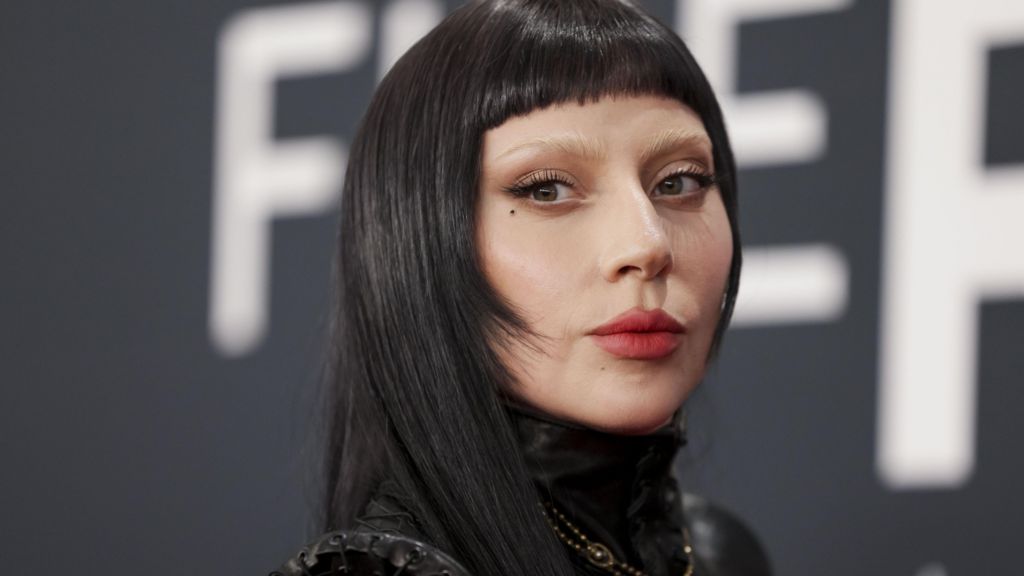
    An Australian man with a documented history of disrupting high-profile celebrity events has been forcibly removed from Lady Gaga’s concert in Brisbane, continuing a pattern of behavior that recently resulted in his imprisonment in Singapore. Johnson Wen, 26, was ejected from Suncorp Stadium on Tuesday evening prior to the commencement of the performance, despite not actively disrupting the show.

    The removal stems from Wen’s recent conviction in Singapore where he received a nine-day jail sentence for charging at pop star Ariana Grande during the Asian premiere of ‘Wicked: For Good’ last month. Despite his assurances to the Singaporean court that he would ‘not do it again,’ venue management identified Wen as a potential security threat based on his established pattern of public nuisance offenses.

    Social media footage captured the moment security personnel escorted Wen from the premises as audience reactions ranged from supportive cheers to disapproving boos. Stadium management confirmed to the Sydney Morning Herald that they had received advance intelligence regarding ‘a known serial offender’ potentially attempting to attend and disrupt the event, prompting preemptive action ‘in the interest of the artist’s safety.’

    Wen gained international notoriety following the Singapore incident, where Judge Christopher Goh characterized his actions as ‘attention-seeking’ and demonstrating disregard for public safety. The court subsequently imposed a ban preventing Wen from re-entering Singapore.

    His social media accounts document additional stage invasions during performances by major artists including Katy Perry and The Weeknd. The Grande incident provoked significant outrage among Singaporean fans who expressed concern about potentially ‘re-traumatizing’ the singer, who has publicly discussed experiencing PTSD following the deadly 2017 Manchester Arena bombing at her concert.