标签: Asia

亚洲

  • Cambodia-Thailand border clashes enter 2nd week

    Cambodia-Thailand border clashes enter 2nd week

    The military confrontation along the Cambodia-Thailand border has intensified dramatically as sustained hostilities entered their second consecutive week, creating a severe humanitarian crisis with mounting casualties and mass displacement.

    According to official reports from both nations, the conflict has resulted in more than two dozen fatalities and the forced evacuation of over 500,000 civilians from border regions. Thailand’s military command announced the implementation of a curfew in specific districts of Trat Province on Sunday, citing persistent security concerns along the contested frontier.

    Defense Ministry Spokesman Rear Admiral Surasant Kongsiri confirmed to journalists in Bangkok that continuous clashes have persisted since Saturday. While expressing Thailand’s theoretical openness to diplomatic resolution, Kongsiri emphasized that negotiations would require Cambodia to “cease hostility first.”

    The two neighboring countries have engaged in mutual accusations regarding the escalation. Cambodia’s Information Minister Neth Pheaktra condemned Thai forces for allegedly expanding operations to target civilian infrastructure and non-combatants. In response to the deteriorating situation, Phnom Penh officially suspended all border crossing operations with Thailand on Saturday.

    International mediation efforts have encountered significant obstacles. Malaysian Prime Minister Anwar Ibrahim conducted separate diplomatic conversations with Thai Caretaker Prime Minister Anutin Charnvirakul and Cambodian Prime Minister Hun Manet, proposing a ceasefire to commence Saturday evening. While Cambodia expressed support for this initiative, Thai leadership explicitly rejected the proposal.

    The situation became further complicated by contradictory statements regarding U.S. involvement. President Donald Trump claimed on Friday that the Southeast Asian neighbors had agreed to halt fighting, but Thai officials subsequently clarified that no ceasefire agreement had been established during their communication with the American administration.

    United Nations Secretary-General Antonio Guterres expressed readiness to support peace initiatives in the region, while China—as a regional power and neighbor to both nations—urged restraint and peaceful resolution through its Foreign Ministry spokesman Guo Jiakun.

    This recent outbreak continues a pattern of border tensions between the two countries, which previously witnessed significant clashes in July that resulted in hundreds of casualties. Although both parties reached a ceasefire agreement in August during a General Border Committee meeting in Kuala Lumpur and signed a joint peace declaration during October’s ASEAN Summit, the current violence represents a severe breakdown of these diplomatic achievements.
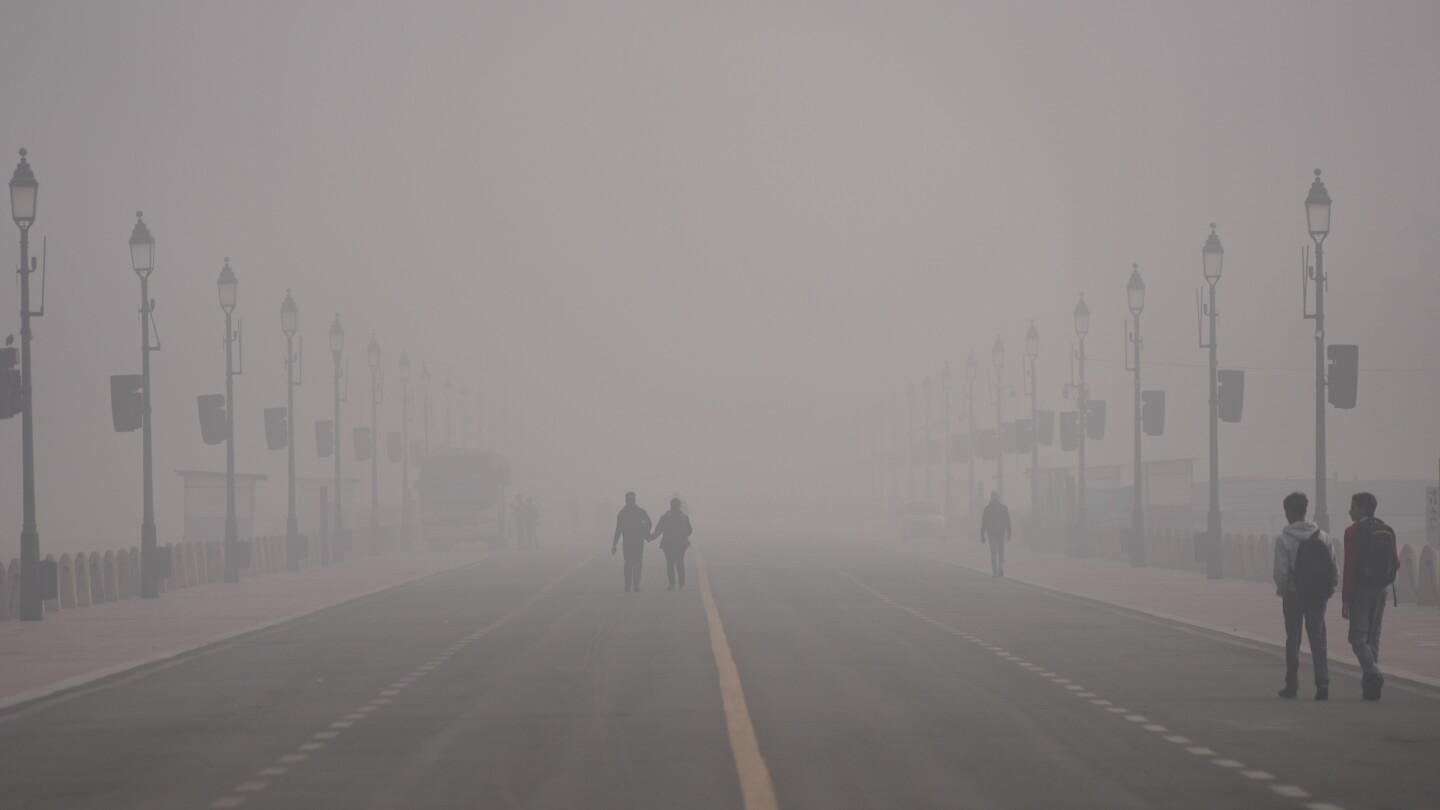
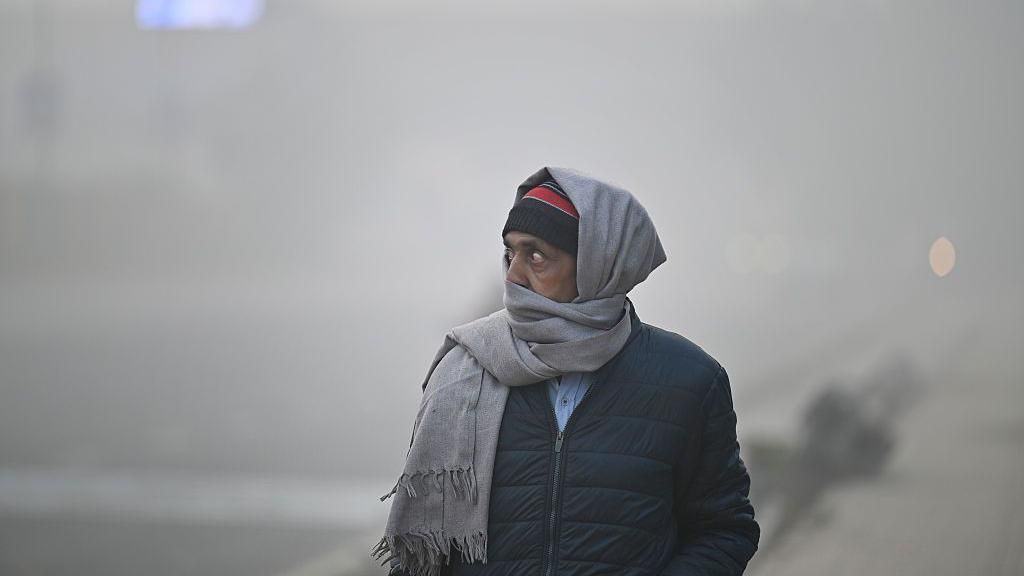
  • Toxic smog blankets New Delhi, disrupting travel and plunging air quality to hazardous levels

    Toxic smog blankets New Delhi, disrupting travel and plunging air quality to hazardous levels

    India’s capital region descended into a severe public health emergency as a thick blanket of toxic smog enveloped New Delhi, registering the winter’s worst air quality readings and prompting drastic containment measures. The crisis triggered massive travel disruptions with over 40 flight cancellations and significant delays affecting more than 50 train services in and out of the capital.

    Healthcare facilities reported surging numbers of patients complaining of respiratory distress and eye irritation, prompting medical experts to issue urgent advisories against outdoor activities. Physician Naresh Dang from Max Healthcare described conditions as critical: ‘New Delhi is a gas chamber right now. Air purifiers offer limited relief—this demands permanent governmental solutions.’

    Official monitoring data revealed alarming pollution levels, with the Central Pollution Control Board recording readings exceeding 450 at multiple stations—far beyond the 50-point threshold considered safe. Authorities responded with emergency protocols including construction bans, restrictions on diesel generators and vehicles, and deployment of water sprinklers to combat particulate matter.

    Environmental experts emphasize that this annual catastrophe stems from complex factors including agricultural residue burning in neighboring states, vehicular emissions, and industrial pollution, exacerbated by seasonal meteorological conditions. Despite short-term measures, activists like Vimlendu Jha argue that Delhi’s air remains dangerously polluted throughout the year, with winter months making the crisis visibly apparent.

    The situation has sparked public protests and renewed scrutiny on pollution-related mortality, following a Lancet study linking 1.5 million annual deaths in India to air pollution exposure. Recent unconventional attempts at cloud-seeding to induce rainfall and clear the smog proved unsuccessful, highlighting the persistent challenges in addressing this environmental emergency.

  • Online classes and ban on construction as toxic haze covers Delhi

    Online classes and ban on construction as toxic haze covers Delhi

    Delhi has activated its highest-level pollution emergency protocol as the capital city plunged into another severe air quality crisis. A dense toxic haze descended upon the metropolitan area, drastically reducing visibility and disrupting transportation networks with multiple flight and train delays reported.

    The city’s air quality index reached alarming levels, with government monitoring systems recording an average AQI of 471—far exceeding the World Health Organization’s recommended safety thresholds by more than thirtyfold. This measurement places Delhi’s air pollution firmly in the ‘severe’ category, representing immediate health risks to all residents, particularly vulnerable populations.

    In response to the escalating environmental emergency, India’s Commission for Air Quality Management implemented Stage IV of the Graded Response Action Plan. These stringent measures include comprehensive bans on construction activities, restrictions on older diesel vehicles entering the city, and mandatory school closures with transitions to online learning platforms. The Supreme Court of India has additionally advised virtual proceedings for legal matters.

    Meteorological conditions have significantly contributed to the current crisis, with elevated moisture levels and shifting wind patterns creating ideal circumstances for pollutant accumulation and smog formation. The seasonal practice of agricultural stubble burning in neighboring states, combined with industrial emissions and vehicular exhaust, has exacerbated the situation.

    Medical authorities have issued urgent health advisories recommending that residents, especially children and individuals with pre-existing respiratory or cardiovascular conditions, minimize outdoor exposure and utilize protective masks when ventilation is unavoidable. Historical data reveals the severe health impact, with over 200,000 cases of acute respiratory illnesses documented in Delhi’s government hospitals between 2022 and 2024 during previous pollution episodes.

    This environmental challenge represents a recurring public health emergency for northern India, particularly during winter months when atmospheric conditions trap pollutants close to the ground, creating persistent hazardous conditions for millions of inhabitants.

  • Volkswagen’s $3.5B gamble: Can it win back share in the competitive Chinese market

    Volkswagen’s $3.5B gamble: Can it win back share in the competitive Chinese market

    In a strategic pivot signaling the end of an era for foreign automakers in China, Volkswagen AG has deployed €3 billion ($3.5 billion) to establish its largest overseas research and development hub in Hefei, China. This monumental investment represents a fundamental departure from decades of conventional practice where international manufacturers imported overseas-developed vehicles and shared technology with local partners.

    The German automaker, which once commanded over 50% of the Chinese automotive market, now confronts fierce competition from domestic manufacturers like BYD and Geely that have dramatically eroded foreign brands’ market share. Volkswagen’s new strategy centers on developing vehicles specifically engineered for Chinese consumers—models that may never appear on European roads but could potentially expand to Middle Eastern and Southeast Asian markets.

    This paradigm shift, initiated in 2022, responds to China’s dramatic transformation into the world’s most competitive auto market, where electric vehicles constitute approximately half of new car sales. Chinese consumers now expect cutting-edge digital features, from expansive touchscreen interfaces to advanced autonomous driving capabilities—expectations that rendered Volkswagen’s traditional offerings increasingly obsolete in a market representing nearly one-third of its global sales.

    The critical question remains whether this massive investment can generate profitability in a hypercompetitive environment that has driven prices to near-bankruptcy levels. According to industry analysts, Volkswagen’s strategy may merely stabilize current market share rather than recapture lost dominance. The company’s Audi division has already pioneered this approach with its new AUDI brand, while Volkswagen prepares to launch China-developed models by 2026.

    China’s accelerated development cycle—12-18 months for new vehicles compared to the traditional 3-5 years for global automakers—has compelled Volkswagen to decentralize decision-making power to its Chinese operations. This move toward localized autonomy mirrors similar strategies adopted by competitors like Toyota, as foreign manufacturers increasingly recognize China not merely as a manufacturing base but as a source of innovation and technological advancement.

    Volkswagen’s collaboration with electric vehicle maker Xpeng exemplifies this new approach, focusing on rapid market entry and developing sophisticated electronic architecture systems. A recent German Chamber of Commerce survey in North China revealed that approximately half of responding companies anticipate Chinese competitors becoming innovation leaders within five years, with 9% believing they already hold that position.

  • Asian shares slip after Wall Street logs its worst day in 3 weeks

    Asian shares slip after Wall Street logs its worst day in 3 weeks

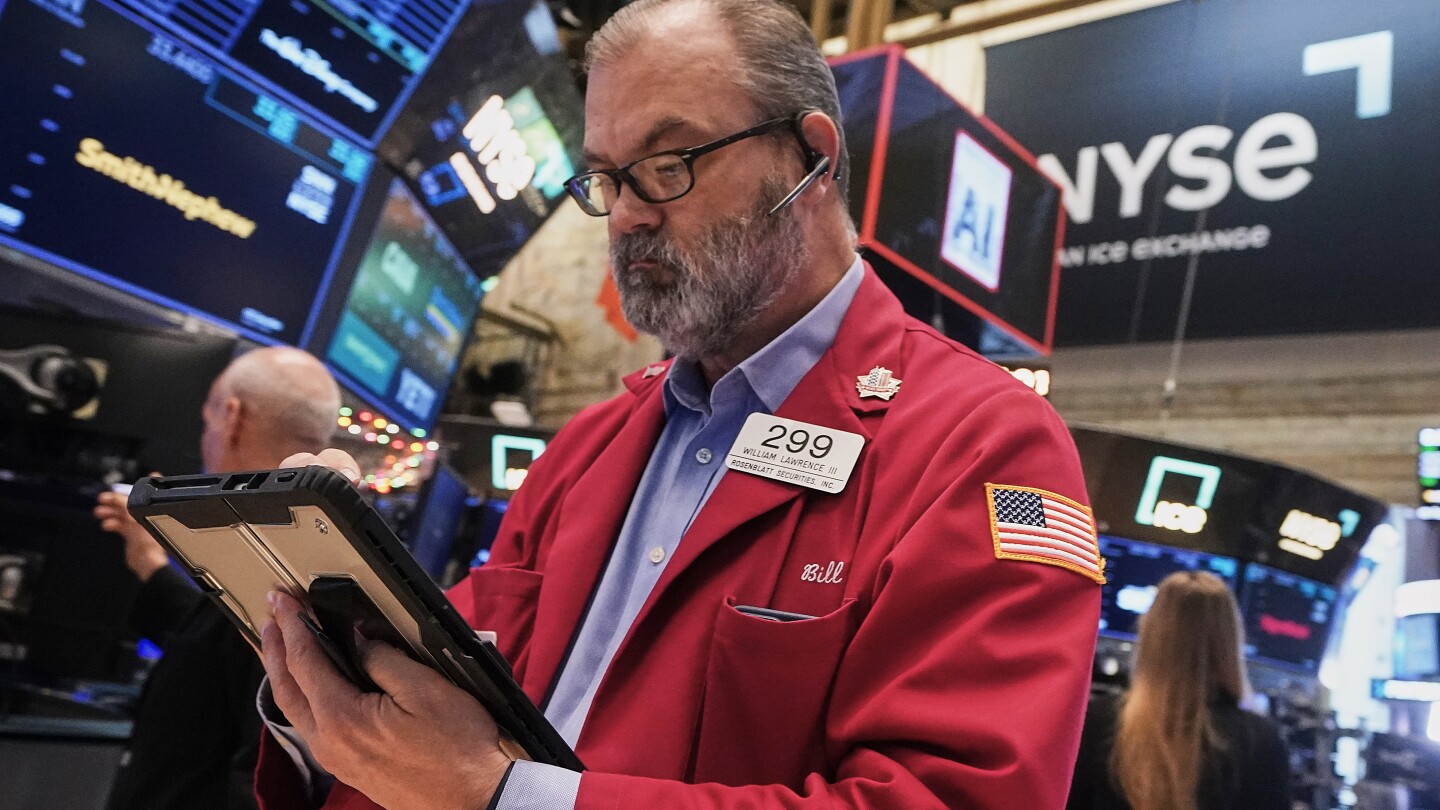
    Asian financial markets opened the week with significant declines as fresh economic indicators from China revealed persistent weakness in the world’s second-largest economy. The regional downturn extended last week’s disappointing performance on Wall Street, where artificial intelligence stocks experienced substantial corrections.

    Japan’s Nikkei 225 index led the regional retreat, dropping 1.5% to 50,092.10 points. Market participants remained cautious ahead of the Bank of Japan’s anticipated interest rate decision this week. Despite the market decline, the BOJ’s latest Tankan survey revealed a modest improvement in sentiment among major manufacturers, with the optimism index climbing to 15 from 14 in the previous quarter—marking the highest level in four years.

    The positive survey results contrasted with Japan’s recent economic contraction, which saw the economy shrink at a 2.3% annual pace in the July-September period—the first decline in six quarters. However, trade stability has been bolstered by the recent U.S.-Japan agreement that limits baseline import duties to 15%, providing relief for major automakers and electronics manufacturers.

    South Korea’s Kospi fell 1.2% to 4,117.68, while Hong Kong’s Hang Seng declined 0.7% to 25,786.45. China’s Shanghai Composite index managed a slight gain of 0.1% to 3,892.45, despite concerning economic data showing fixed-asset investment dropped 2.6% in November year-on-year. Cumulative data revealed an 11.1% decline in such investments through the first eleven months of 2023.

    Additional economic indicators showed retail sales growing 4% year-on-year in January-November, while factory output increased 4.8%. These figures followed China’s recent high-level policy meeting that produced no major economic shifts, maintaining the existing approach to stimulating consumer spending and domestic investment.

    Capital Economics analyst Zichun Huang commented, ‘Policy support should help drive a partial recovery in the coming months, but this probably won’t prevent China’s growth from remaining weak across 2026 as a whole.’

    The broader Asian region mirrored the downward trend, with Australia’s S&P/ASX 200 slipping 0.7% and Taiwan’s benchmark losing 1.1%. Meanwhile, U.S. futures indicated a potential rebound, with S&P 500 and Dow Jones Industrial Average futures both up 0.3%.

    The market weakness followed Friday’s significant tech selloff on Wall Street, where the S&P 500 fell 1.1% from its record high to 6,827.41—marking its worst performance in three weeks. The Nasdaq composite dropped 1.7% to 23,195.17, dragged down by AI-related stocks including Broadcom’s 11.4% plunge despite reporting stronger-than-expected quarterly profits.

    In commodity markets, U.S. benchmark crude oil gained 30 cents to $57.74 per barrel, while Brent crude rose 29 cents to $61.41. Currency markets saw the U.S. dollar slip slightly against the yen to 155.37, while the euro held steady at $1.1739.

  • 2 stabbed at entertainment complex in southern Japan, police arrest a 30-year-old suspect

    2 stabbed at entertainment complex in southern Japan, police arrest a 30-year-old suspect

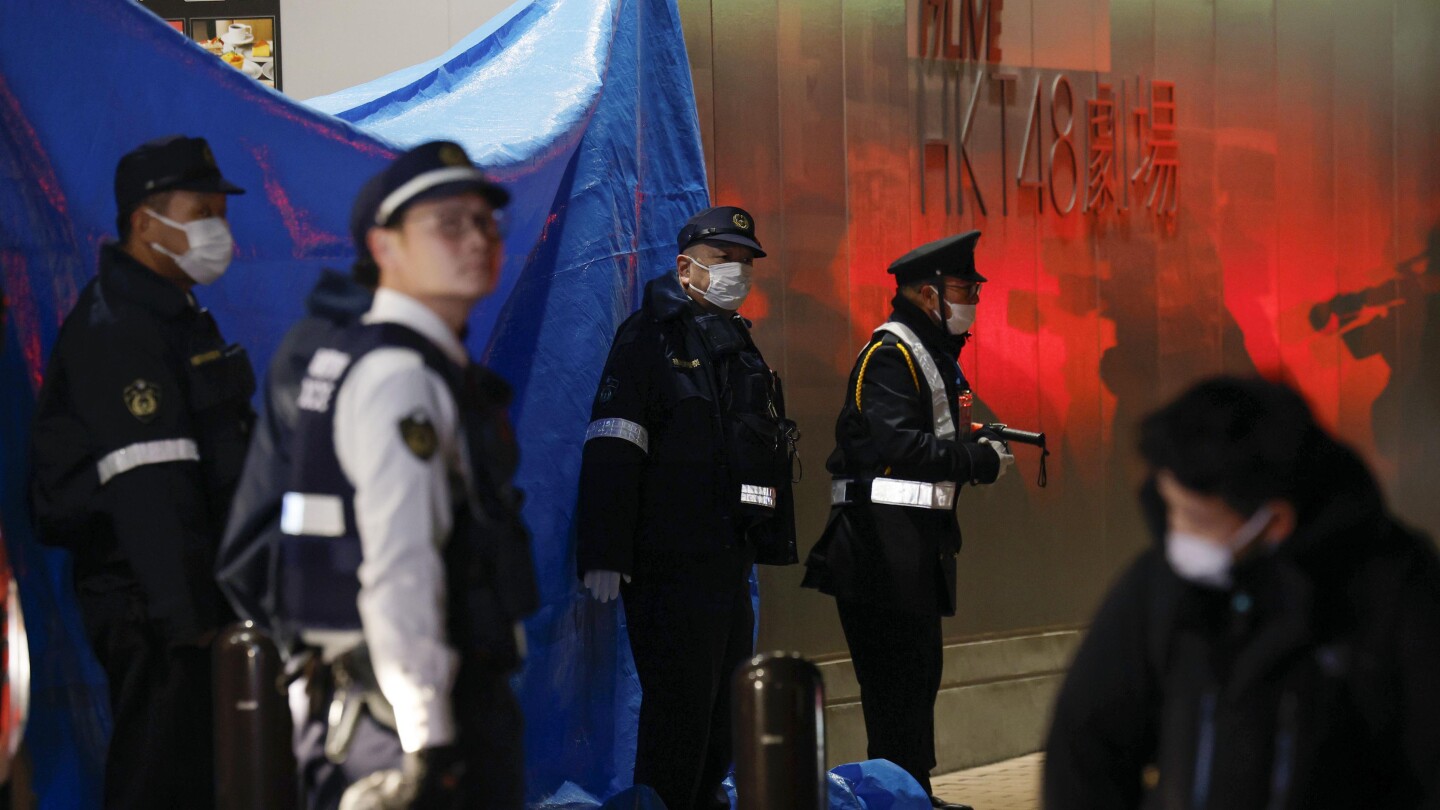
    Japanese authorities in Fukuoka have apprehended a 30-year-old male suspect following a violent incident at a pop culture entertainment venue that houses the renowned female idol group HKT48. The attack occurred on Sunday, resulting in two individuals sustaining non-fatal injuries.

    According to Fukuoka police reports, the suspect allegedly assaulted a 44-year-old male employee with what witnesses described as a kitchen knife, striking him in the chest. The confrontation reportedly began when the employee encountered the suspect in a restricted area and instructed him to leave. While authorities have made an arrest on suspicion of attempted murder, they have maintained discretion regarding potential motives and specific details of the ongoing investigation.

    Japanese media outlets, including Kyodo News, provided additional context indicating a second victim—a 27-year-old woman—was stabbed in the back within an elevator hall as the perpetrator attempted to flee the scene. Both injured parties received prompt medical attention and are expected to recover from their wounds.

    In response to the security breach and ensuing violence, HKT48 management immediately canceled a scheduled fan event that evening. The incident has drawn significant attention due to Japan’s generally low violent crime statistics and stringent weapon control regulations. Nevertheless, this event joins a concerning pattern of notable knife-related attacks and improvised explosive incidents that have emerged in recent years, challenging the nation’s reputation for public safety.

  • Australian Prime Minister Albanese proposes tougher national gun laws after mass shooting in Sydney

    Australian Prime Minister Albanese proposes tougher national gun laws after mass shooting in Sydney

    In response to Australia’s deadliest mass shooting in nearly three decades, Prime Minister Anthony Albanese has announced plans to strengthen national firearm regulations. The proposed reforms come after a father-son duo armed with six legally acquired weapons opened fire on a Hanukkah celebration at Sydney’s iconic Bondi Beach, resulting in 15 fatalities and 38 hospitalizations.

    The attack, which Albanese characterized as a terrorist incident, has triggered intense scrutiny of Australia’s gun licensing system. The prime minister revealed that new restrictions would include limiting the number of firearms a licensed owner can possess and implementing periodic license reviews rather than perpetual approvals. ‘People’s circumstances can change. People can be radicalized over a period of time,’ Albanese emphasized during a press conference.

    Investigations indicate the 50-year-old shooter, who was killed during the incident, legally accumulated his arsenal through a license obtained for target shooting or hunting purposes. His 24-year-old son, wounded in the attack, remains hospitalized and may face criminal charges.

    The victims spanned generations, including a 10-year-old girl, Rabbi Eli Schlanger (an event organizer), Holocaust survivors, and citizens of Israel and France. The tragedy has ignited fierce criticism from Jewish community leaders who question governmental inaction regarding rising antisemitism and security failures.

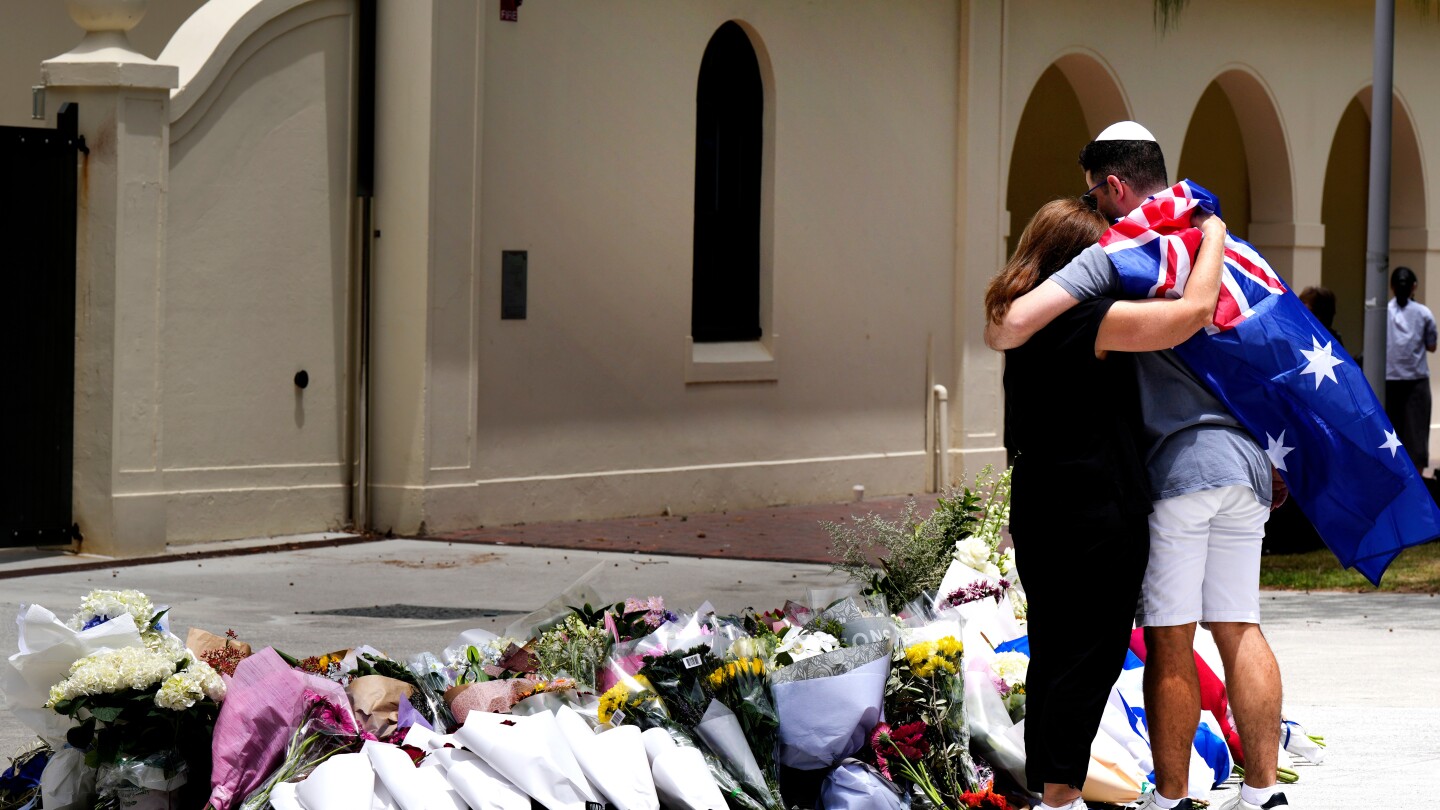
    Amid the grief, stories of heroism emerged, particularly concerning Ahmed al Ahmed, a fruit shop owner who confronted and disarmed one shooter despite being shot in the shoulder. As floral tributes accumulate at Bondi Beach, the nation grapples with balancing civil liberties with public safety in a country previously proud of its strict gun control legacy.

  • Syria arrests five suspects over shooting of US, Syrian troops in Palmyra

    Syria arrests five suspects over shooting of US, Syrian troops in Palmyra

    Syrian authorities have apprehended five individuals suspected of involvement in a deadly assault against a joint US-Syrian military convoy near the historic city of Palmyra. The coordinated security operation occurred just one day after a radicalized assailant killed two American soldiers and a civilian interpreter while wounding three additional US personnel and two Syrian service members.

    According to Syria’s Interior Ministry, the detained suspects are believed to have connections to the attacker, identified as an active member of Syrian security forces who allegedly maintained sympathies with Islamic State extremists. The ministry revealed that security assessments conducted prior to the attack had flagged the perpetrator’s potential extremist leanings, though no definitive action had been taken regarding his status.

    The operation was conducted through close coordination between Syrian General Intelligence and international coalition forces, demonstrating ongoing security cooperation despite political complexities. This incident represents a significant test for the recently strengthened US-Syria counterterrorism partnership, established barely a month earlier during President Ahmed al-Sharaa’s landmark White House visit.

    This attack underscores the persistent threat of ISIS resurgence in the region, despite the group’s territorial defeat between 2014-2019. Both nations have intensified counterterrorism operations in recent months, with Syria’s government reporting over 70 arrests during last month’s nationwide security campaign against suspected Islamic State affiliates.

    The United States maintains approximately 900 troops in northeastern Syria as part of the ongoing international mission to prevent terrorist regrouping. The current Syrian government, led by former rebels who overthrew Bashar al-Assad after a thirteen-year civil war, continues to navigate complex security challenges while establishing its counterterrorism credentials on the global stage.

  • Saudi authorities arrest expat for ‘indecent acts’ at massage centre

    Saudi authorities arrest expat for ‘indecent acts’ at massage centre

    Saudi law enforcement officials have apprehended a foreign national following allegations of immoral conduct at a body care establishment in Riyadh. The arrest operation, conducted on December 14, 2025, was executed through coordinated efforts between Riyadh Police and the General Directorate of Community Security and Combating Human Trafficking.

    Authorities confirmed the individual was taken into custody for engaging in activities deemed contrary to established public morality standards. Following initial detention procedures, the case has been formally transferred to the Public Prosecution office for judicial review and potential criminal proceedings.

    Concurrent with the arrest, municipal regulators imposed administrative penalties against the wellness facility where the incident occurred. The establishment now faces sanctions under local business regulations, though specific details regarding the nature of violations or imposed penalties remain undisclosed.

    This enforcement action demonstrates Saudi Arabia’s ongoing commitment to maintaining social order and upholding conservative moral values within commercial establishments. The case emerges amid the nation’s broader transformation under Vision 2030, which balances economic modernization with preservation of traditional cultural norms.

    Legal analysts note such cases typically involve violations of public decency laws, which can carry significant penalties including fines, imprisonment, and potential deportation for foreign nationals convicted of moral offenses.

  • Bondi beach was a laid-back haven before a mass shooting horror unfolded

    Bondi beach was a laid-back haven before a mass shooting horror unfolded

    SYDNEY — The iconic Bondi Beach, a symbol of Australia’s carefree coastal lifestyle, became the scene of horrific violence on Sunday evening when gunmen opened fire on families attending a Hanukkah celebration. The attack, which authorities describe as a targeted antisemitic assault, left multiple casualties and has profoundly shaken the nation’s sense of security.

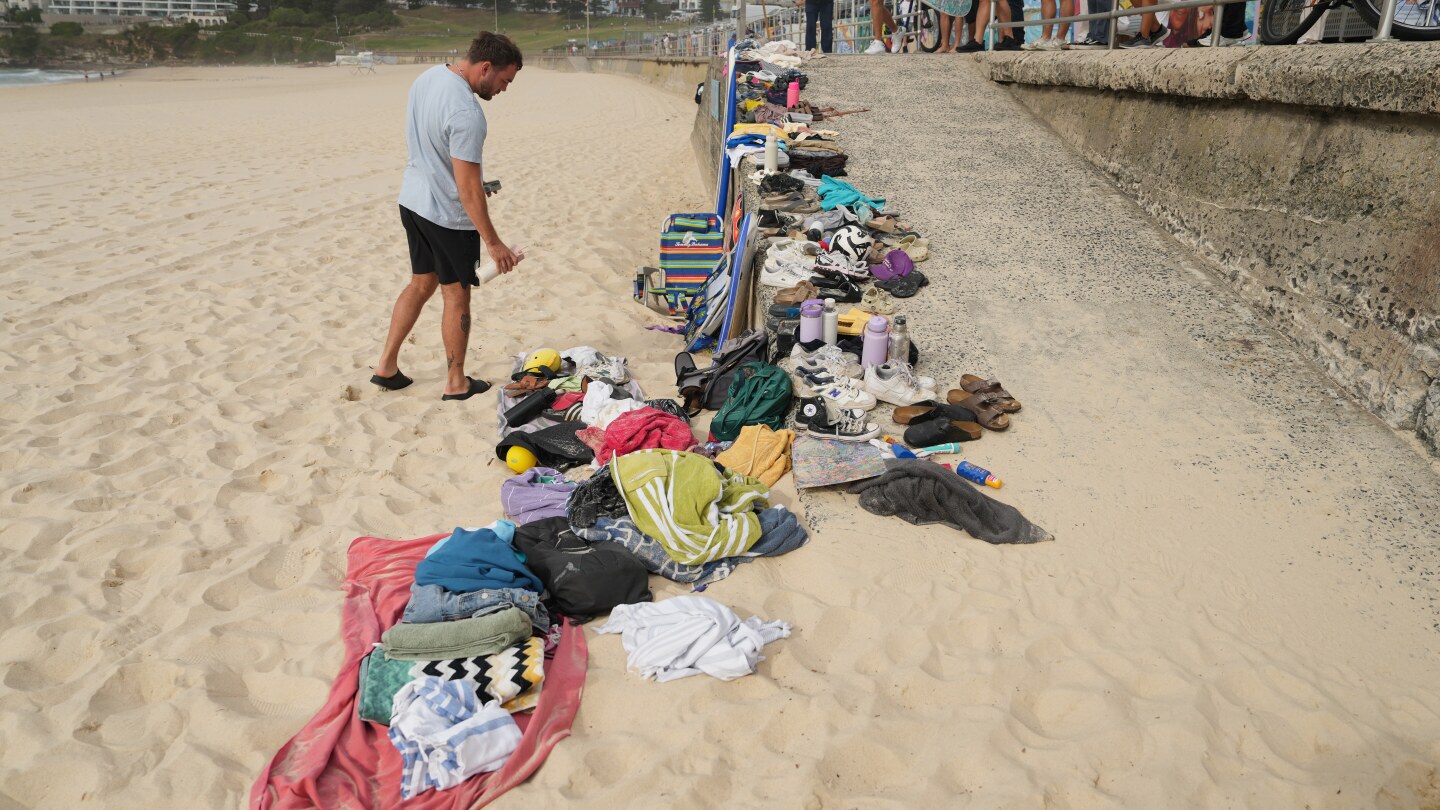
    The evening began as a typical summer gathering at Australia’s most famous beach, with thousands enjoying the warm weather and sunset views. The ‘Chanukah by the Sea’ event had drawn diverse families with children’s activities, ice cream, and entertainment. Without warning, the festive atmosphere shattered as sustained gunfire erupted, sending panicked crowds fleeing across the sand, abandoning belongings in their desperate search for shelter.

    Eyewitness accounts describe scenes of terror and heroism. Rebecca, a 33-year-old mother who withheld her surname for security reasons, recounted shielding her five-year-old son beneath a table while praying for their survival. She described watching a man shot fatally beside her and an elderly woman unable to take cover being targeted. The gunfire continued for approximately seven minutes according to audio evidence captured from nearby accommodations.

    The attack represents Australia’s deadliest mass shooting since the 1996 Port Arthur massacre that prompted sweeping gun reform. Authorities confirmed the recovery of six legally owned firearms from the primary shooter, a 50-year-old man fatally shot during the incident. His 24-year-old son remains hospitalized under police guard. Both perpetrators targeted Jewish attendees specifically during the holiday celebration, according to official statements.

    In the aftermath, stories of extraordinary bravery emerged alongside the grief. Local fruit vendor Ahmed al Ahmed was captured on video disarming one attacker, while Bondi’s famous surf lifeguards rushed toward the danger with medical kits rather than fleeing. The normally vibrant beach stood eerily quiet on Monday, with abandoned picnic items still scattered across the grass where families had gathered moments before the violence.

    The attack has ignited national conversations about rising antisemitism, gun control, and public safety. Prime Minister Anthony Albanese condemned the targeted violence against the Jewish community, while local residents expressed both shock and determination to resist responding to hatred with further division. The tragedy strikes particularly hard at Bondi’s identity as both a multicultural gathering place and the heart of Sydney’s Jewish community, coming just months after a separate deadly attack at nearby Bondi Junction.