标签: Asia

亚洲

  • China sees continued improvement in women’s health in 2024: statistical report

    China sees continued improvement in women’s health in 2024: statistical report

    China has demonstrated substantial progress in women’s healthcare during 2024, according to the latest statistical monitoring report released by the National Bureau of Statistics. The comprehensive data reveals notable improvements across multiple health indicators, particularly in maternal care and preventive health services.

    The maternal mortality rate has reached a record low of 14.3 per 100,000, representing a significant 5.3 percent reduction compared to 2023 figures. This achievement forms part of the ongoing implementation progress of the China National Program for Women’s Development (2021-2030), which establishes comprehensive targets for women’s welfare enhancement.

    Preventive healthcare measures have similarly shown positive trends, with the premarital health checkup rate climbing to 77.1 percent—an increase of 0.5 percentage points year-on-year. This upward trajectory indicates growing public engagement with proactive health management practices.

    A pivotal development in 2024 has been the introduction of a nationwide evaluation framework designed to optimize medical institutions’ capabilities in managing high-risk pregnancies. This initiative has facilitated the establishment of a tiered, efficiently coordinated emergency response system specifically tailored for pregnant women requiring critical care. The enhanced medical infrastructure ensures rapid intervention capabilities and comprehensive treatment protocols for obstetric emergencies, substantially strengthening safety measures for expectant mothers throughout the country.

    The systematic improvements reflect China’s continued commitment to advancing women’s healthcare standards through policy implementation, infrastructure development, and preventive health initiatives aligned with national development goals.

  • New Zealand’s Auckland kicks off 2026 celebrations with fireworks

    New Zealand’s Auckland kicks off 2026 celebrations with fireworks

    AUCKLAND, New Zealand — While Auckland became the world’s first major city to welcome 2026 with its traditional Sky Tower fireworks display, New Year’s Eve celebrations across the Asia-Pacific region unfolded under markedly subdued circumstances, with several nations scaling back festivities in response to recent tragedies.

    New Zealand’s largest city proceeded with its five-minute pyrotechnic spectacle despite rainy conditions, launching 3,500 fireworks from the 240-meter (787-foot) Sky Tower—the country’s tallest structure. The celebration positioned Auckland 18 hours ahead of New York’s Times Square ball drop. However, numerous smaller community events across New Zealand’s North Island were canceled due to forecasts predicting rain and potential thunderstorms.

    The most profound shift in celebration tone occurred in Sydney, Australia, where authorities implemented unprecedented security measures following the nation’s deadliest mass shooting in three decades. The December 14 attack at a Hanukkah celebration in Bondi Beach, which left 15 dead and 40 wounded, cast a pall over festivities. Thousands gathered at Sydney Harbor under the watch of heavily armed police—a first for the annual event—while officials projected menorah images onto bridge pylons and observed a minute of silence for victims. New South Wales Premier Chris Minns characterized the continued celebration as an act of defiance against terrorism.

    Elsewhere in the region, Indonesia significantly scaled back celebrations in solidarity with communities devastated by catastrophic floods and landslides that claimed over 1,100 lives on Sumatra island one month prior. Jakarta replaced its typical fanfare with prayer ceremonies, while Makassar officials urged residents to embrace reflection over revelry. Bali canceled concerts and fireworks in favor of traditional cultural performances.

    Hong Kong likewise abandoned its iconic Victoria Harbor fireworks display following a November factory fire that killed 161 people, opting instead for a musical performance and light projection countdown. Meanwhile, Japan and South Korea maintained their traditional bell-tolling ceremonies, providing continuity amid regional changes to New Year’s observances.

  • China puts two technology demonstration satellites into orbit

    China puts two technology demonstration satellites into orbit

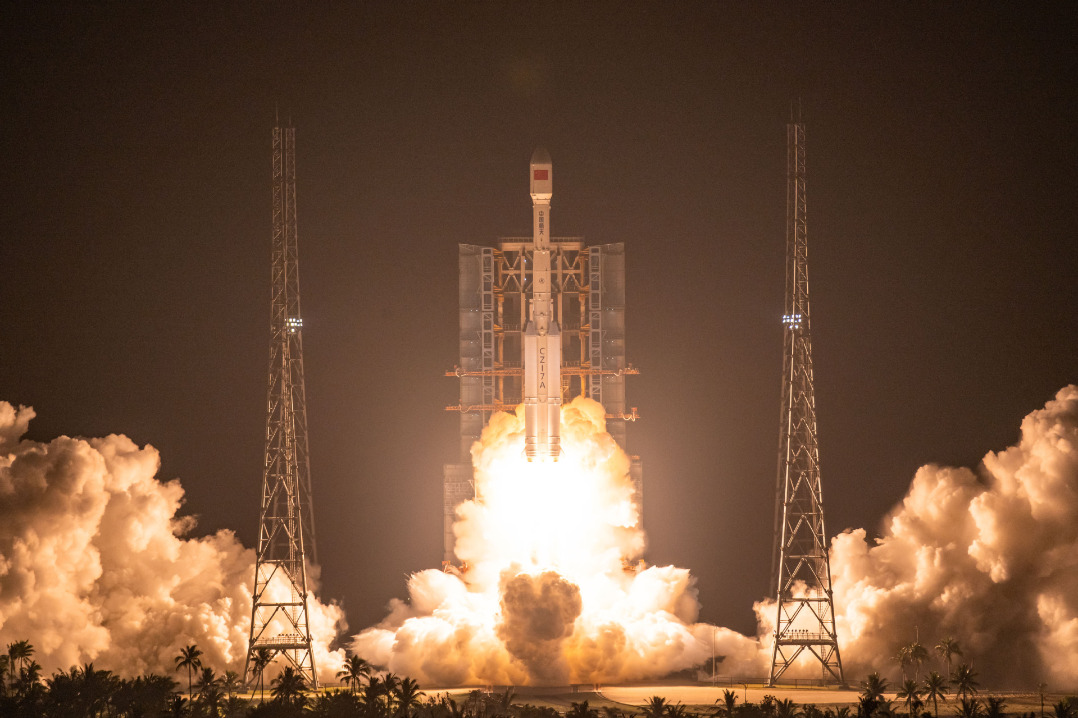
    China has marked a significant milestone in its space technology program with the successful deployment of two advanced demonstration satellites. The launch occurred at 6:40 AM on December 31, 2025, utilizing a Long March 7A carrier rocket that ascended from the Wenchang Space Launch Center in Hainan province.

    The mission, orchestrated by China Aerospace Science and Technology Corp (CASC), delivered the Shijian 29A and Shijian 29B satellites into their predetermined orbits. These sophisticated spacecraft represent cutting-edge advancements in space-based technology, with both satellites specifically designed to demonstrate innovative methodologies for space-based target detection systems.

    The Shijian 29A satellite was developed by the Shanghai Academy of Spaceflight Technology, a subsidiary of CASC, while its counterpart, Shijian 29B, was engineered by the Innovation Academy for Microsatellites, operating under the Chinese Academy of Sciences. This collaborative effort highlights China’s integrated approach to space technology development.

    The Long March 7A rocket, manufactured by the China Academy of Launch Vehicle Technology, boasts impressive technical specifications with a liftoff weight of 573 metric tons and a core-stage diameter of 3.35 meters. This launch vehicle demonstrates substantial payload capacity, capable of delivering spacecraft weighing up to 7 tons to geosynchronous transfer orbit.

    This mission represents China’s 93rd space endeavor of the year and the 623rd overall flight of the Long March rocket series, underscoring the nation’s consistent and growing presence in space technology development and orbital operations.

  • More Chinese cities add artificial hearts to medical insurance coverage

    More Chinese cities add artificial hearts to medical insurance coverage

    Tianjin has joined a growing number of Chinese cities implementing groundbreaking healthcare coverage for artificial heart implantation procedures, marking a significant advancement in cardiovascular treatment accessibility. The policy shift follows national guidelines issued by China’s National Healthcare Security Administration (NHSA) in March that established standardized pricing and coverage for ventricular assist devices.

    The transformative impact of this policy is exemplified by 69-year-old Sun Jucai, who became Tianjin’s first beneficiary after receiving an artificial heart implant in November. Diagnosed with dilated cardiomyopathy, Sun had endured severe heart failure symptoms that left him breathless during simple conversation. Following successful surgery at TEDA International Cardiovascular Hospital using a domestically developed device, Sun has experienced remarkable recovery and now describes the procedure as ‘a second chance at life.’

    Financially, the coverage represents a dramatic reduction in patient burden. Previously costing over 1 million yuan ($142,150), artificial heart implantation now costs approximately 700,000 yuan after insurance reimbursement. ‘The medical insurance covered most of the consumables and surgical expenses, greatly easing my financial burden,’ Sun confirmed after his recent discharge.

    This expansion addresses a critical healthcare challenge: China’s estimated 16 million chronic heart failure patients, with numbers continuing to rise. For advanced-stage patients, conventional treatments offer limited relief, and heart transplantation remains constrained by donor shortages. Artificial hearts have emerged as a viable alternative, though cost previously placed them beyond reach for most citizens.

    Notably, Tianjin’s policy eliminates regional barriers, allowing patients from across China to seek treatment and receive reimbursement within the city. This development follows similar implementations in other major regions including Beijing and Guangdong Province.

    Healthcare experts anticipate broader implications from this policy shift. Dr. Liu Xiaocheng, President of TEDA International Cardiovascular Hospital, notes that ‘approving reimbursement for this life-saving but costly technology will help speed up the development and wider use of artificial hearts in China.’

    The expansion reflects China’s ongoing commitment to healthcare system development, maintaining approximately 95% enrollment in basic medical insurance with some 20 billion reimbursements processed between 2021 and 2024 according to NHSA statistics.

  • China records continued improvement in child health in 2024

    China records continued improvement in child health in 2024

    China demonstrated marked progress across multiple child welfare indicators throughout 2024, according to an official statistical monitoring report released by the National Bureau of Statistics. The comprehensive assessment reveals substantial improvements in pediatric healthcare infrastructure, food safety standards, and early childhood education accessibility.

    Critical mortality metrics showed consistent decline, with the neonatal mortality rate dropping to 2.5 per thousand—a reduction of 0.3 points from 2023 figures. Similarly, infant mortality decreased to 4.0 per thousand (down 0.5 points), while the under-five mortality rate fell to 5.6 per thousand, representing a 0.6-point improvement over the previous year.

    The nation’s healthcare infrastructure expanded significantly, with 3,073 maternal and child health institutions and 162 specialized children’s hospitals operational by year’s end. Food safety achieved exceptional standards with infant formula milk powder passing safety inspections at a remarkable 99.88% rate.

    Educational access widened as preschool enrollment reached 92.0%, a 0.9 percentage point increase from 2023. Concurrently, digital protection efforts intensified with the removal of over 5.485 million instances of illegal and harmful online content that endangered young users.

    These developments reflect China’s ongoing implementation of the National Program for Child Development (2021-2030), demonstrating coordinated progress across healthcare, nutrition, education, and digital safety sectors.

  • China launches two new satellites into space

    China launches two new satellites into space

    China’s aerospace program has marked another significant achievement with the successful deployment of two advanced technology demonstration satellites. On Wednesday, December 31, 2025, at precisely 6:40 AM Beijing Time, a Long March 7A carrier rocket roared to life from the Wenchang Space Launch Site in Hainan province, carrying the Shijian-29A and Shijian-29B satellites into predetermined orbits.

    The newly launched satellites represent China’s continued advancement in space-based monitoring systems, specifically designed for experimental verification of cutting-edge space target detection technologies. This mission underscores China’s growing capabilities in space domain awareness and orbital monitoring applications.

    This launch constitutes the 623rd flight mission within the Long March rocket family, demonstrating the reliability and frequent launch cadence of China’s space transportation system. The coastal Wenchang facility continues to serve as a strategic launch site for China’s ambitious space program, leveraging its geographical advantages for orbital deployments.

    The successful mission adds to China’s expanding constellation of specialized satellites, enhancing the nation’s technological footprint in space while contributing to the development of next-generation space surveillance infrastructure. The experimental nature of these satellites suggests they will serve as testbeds for future operational systems in China’s comprehensive space strategy.

  • Hundreds of thousands mourn Bangladesh’s ex-PM at state funeral

    Hundreds of thousands mourn Bangladesh’s ex-PM at state funeral

    Dhaka witnessed an unprecedented outpouring of grief as hundreds of thousands of citizens converged on the capital Wednesday to honor former Prime Minister Khaleda Zia, who passed Tuesday at age 80 after battling prolonged illness. The nation’s first female premier received final tributes through streets lined with emotional supporters offering prayers and displaying photographs of the iconic leader.

    The solemn procession featuring Zia’s flag-draped cortege moved past parliamentary grounds under enhanced security deployment, with national flags flying at half-mast. The massive gathering transcended mere political demonstration, representing profound national reverence for a figure who shaped Bangladesh’s democratic trajectory.

    International dignitaries including India’s External Affairs Minister S. Jaishankar, Pakistan’s National Assembly Speaker Sardar Ayaz Sadiq, and Bhutan’s Foreign Minister Lyonpo DN Dhungyel attended funeral ceremonies, underscoring Zia’s regional significance.

    Personal testimonials highlighted Zia’s enduring legacy. BNP activist Setara Sultana traveled extensively “just to say goodbye,” while mother Sharmina Siraj credited Zia’s educational stipend programs for transforming her daughters’ opportunities, calling the late leader “an inspiration.”

    Zia’s political journey began tragically following her husband President Ziaur Rahman’s 1981 assassination. She subsequently led the Bangladesh Nationalist Party (BNP) through the nation’s first elections in two decades, earning recognition as an “uncompromising leader” for boycotting controversial polls during military rule.

    Her career featured intense rivalry with current Prime Minister Sheikh Hasina, with Zia emerging as the primary opposition symbol during what many consider Hasina’s increasingly authoritarian tenure. Despite recent illness, Zia had been nominated for three parliamentary constituencies in upcoming February elections—the first since last year’s popular revolution unseated Hasina.

    The political landscape now shifts significantly with Zia’s passing. Her son Tarique Rahman, who recently ended 17 years of London exile, recited Quranic verses beside his mother’s body and is positioned to assume party leadership should BNP return to power. Rahman memorialized his mother as “a guiding presence that shaped [Bangladesh’s] democratic aspirations.”

  • AS700 airship receives production certificate, readies for flight services

    AS700 airship receives production certificate, readies for flight services

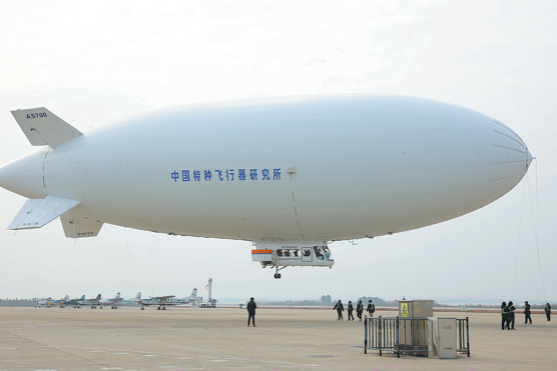
    China’s aviation sector has achieved a significant breakthrough with the AS700 airship receiving its official production certificate from the Civil Aviation Administration of China (CAAC) on December 31, 2024. This regulatory milestone, granted during a formal ceremony in Jingmen, Hubei province, authorizes the commencement of serial production and delivery operations for what represents China’s largest domestically developed airship.

    The certification marks the culmination of an extensive development program that began in August 2018 under the supervision of the Special Aircraft Research Institute, a subsidiary of state-owned Aviation Industry Corp of China (AVIC). The comprehensive testing phase involved 187 experimental flights accumulating over 600 flight hours, thoroughly validating the aircraft’s performance and safety parameters.

    Technically sophisticated, the AS700 features piston engine propulsion capable of achieving maximum speeds of 100 kilometers per hour with an operational ceiling of 3,100 meters. The airship boasts substantial payload capacity with a maximum takeoff weight of 4.15 metric tons, accommodating one pilot alongside nine passengers. Its design enables extended operational range up to 700 kilometers with endurance capabilities reaching 10 hours continuously.

    While initially conceived for aerial tourism applications, the AS700 demonstrates remarkable operational versatility across multiple sectors. Beyond passenger transportation, designers highlight its suitability for specialized missions including mineral exploration, maritime surveillance, law enforcement patrols, cargo transportation, and emergency response operations.

    The program has already secured substantial market validation with 42 confirmed orders, including the first delivery to Taicang Cultural Tourism Development Group, a state-owned enterprise in Jiangsu province. This initial transfer signals the commencement of commercial aerial sightseeing services, establishing new paradigms for low-altitude tourism experiences across China.

    This achievement represents the second major regulatory milestone for the program following the type certificate received in December 2023, collectively establishing the AS700 as China’s first fully certified manned airship developed through domestic aerospace capabilities.

  • Xinjiang sees record grain, cotton outputs

    Xinjiang sees record grain, cotton outputs

    China’s Xinjiang Uygur Autonomous Region has shattered production records in both cotton and grain harvests for 2025, marking a significant advancement in agricultural productivity. The remarkable yields have been propelled by comprehensive modernization initiatives including large-scale mechanization, enhanced farming techniques, and superior crop varieties.

    Official statistics reveal cotton production reached an unprecedented 6.17 million metric tons, surpassing the 6 million ton threshold for the first time and constituting 92.8% of China’s total output. Simultaneously, grain yields climbed to 8,291.9 kilograms per hectare, maintaining Xinjiang’s position as the national leader for the second consecutive year.

    Wei Fenghua, an official from the National Bureau of Statistics, attributed this agricultural success to multiple factors including extensive mechanized farming operations and sustained favorable cotton market prices that have encouraged continued cultivation expansion. The region’s cotton yield per hectare reached 2,379 kg, exceeding the national average by 150 kg, benefiting from optimal climatic conditions, abundant sunlight, sophisticated field management practices, and genetically improved seed varieties.

    The mechanization revolution has been particularly transformative. In Awat county, Aksu prefecture, the Yuhao Farmers’ Cooperative has automated over 80% of cotton operations from planting to harvesting. Cooperative manager Wang Hongwei explained how land leveling and adoption of high-yield, disease-resistant cotton varieties have enabled large-scale equipment deployment.

    Domestic agricultural machinery has played a crucial role in this transformation. Self-propelled cotton harvesters, predominantly manufactured domestically, can now process 10 hectares daily—equivalent to approximately 100 manual laborers. Local data indicates domestic machinery accounted for over 80% of cotton harvesters in Aksu’s Awat and Shaya counties.

    Agricultural equipment operators have increasingly embraced Chinese-made machinery, noting advantages in maintenance speed, warranty support, and training tailored to local conditions. Hao Jiangshan, who transitioned from imported to domestic harvesters after five years, exemplifies this shift. Yue Xingchun, manager at Shaya Boshiran Intelligent Agricultural Machinery Co, confirmed domestic equipment now matches imported models in performance while being specifically designed for Chinese field dimensions and operational requirements.

    Grain production similarly demonstrated robust growth, with total output reaching 24.32 million tons—an increase of 1.02 million tons from 2024. Over the past five years, Xinjiang’s annual grain output has expanded by 8.49 million tons, contributing 18.7% of China’s total growth during this period—the largest regional increase nationwide.

    Xinjiang’s agriculture department highlighted how approximately 4 million hectares of high-standard farmland have facilitated these achievements through technologies including rational dense planting and precision water-fertilizer regulation. Future plans involve concentrating cotton cultivation in mechanization-friendly zones, expanding local processing capabilities for wheat, corn, and cotton, and continuing yield optimization through technological innovation and improved farming practices.

  • China in elite global manufacturing club

    China in elite global manufacturing club

    China has achieved a historic milestone by entering the top tier of global manufacturing powers, according to a comprehensive report released on December 31, 2025. The nation’s manufacturing sector has surpassed Japan for the first time, positioning itself alongside Germany and the United States in the elite group of industrial leaders.

    The annual manufacturing development assessment, jointly published by the Chinese Academy of Engineering’s Centre for Strategic Studies, the China Academy of Machinery Science and Technology Group Co, and the China Industrial Control Systems Cyber Emergency Response Team, evaluates nine major economies across five critical indicators: scale development, quality and efficiency, structure optimization, innovation capacity, and sustainable development.

    Qin Hanjun, Chairman of the China Academy of Machinery Science and Technology Group Co, announced at a Beijing press conference that China’s manufacturing index has consistently exceeded 120 points for four consecutive years, firmly establishing the country within the second tier of manufacturing nations. The United States maintains a commanding lead with a score of 190.89, while Germany, China, and Japan form a competitive cluster scoring between 120 and 140.

    The report highlights innovation as the primary catalyst behind China’s manufacturing ascent. Research and development investment within the sector has more than doubled since 2012, rising from 0.85% to 1.82% in 2024. This sustained commitment to innovation has yielded tangible results, with China leading globally in Patent Cooperation Treaty applications for both 2023 and 2024.

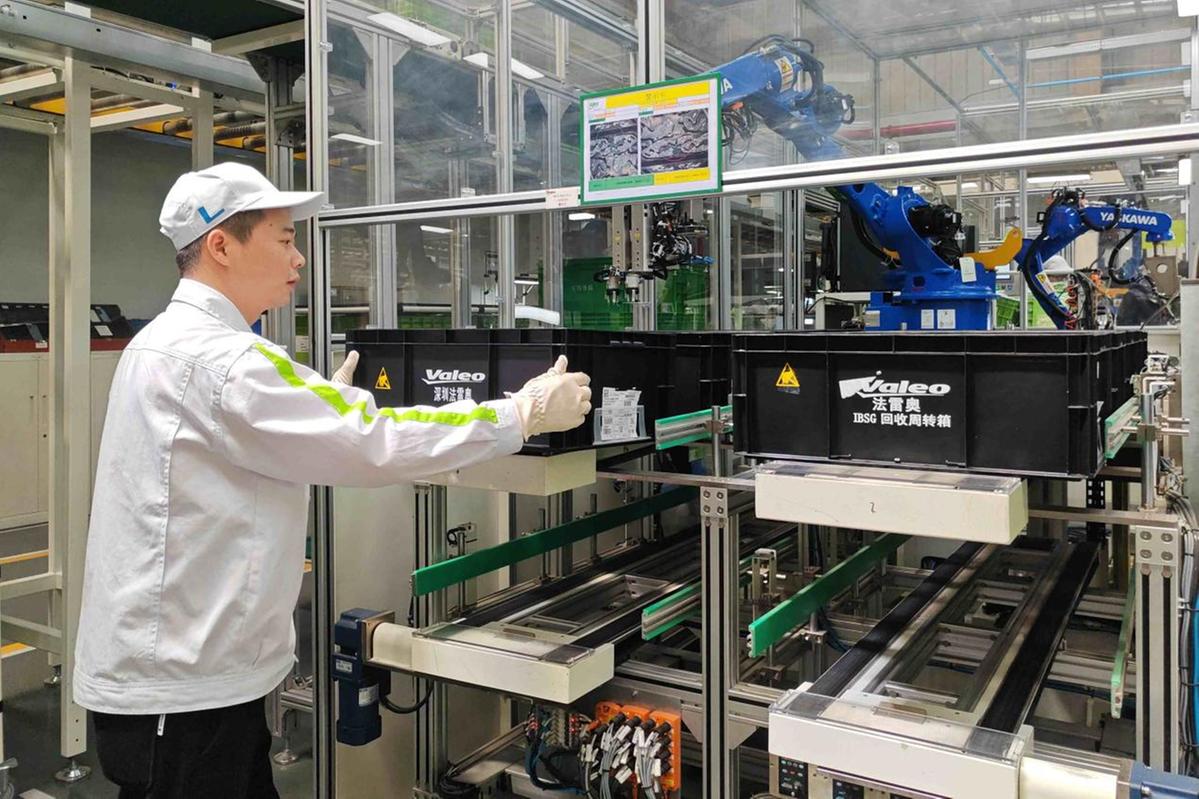
    China has achieved world leadership in several advanced manufacturing sectors, including information and communication equipment, advanced rail transit systems, electrical power infrastructure, and new energy vehicles. Professor You Zheng, President of Huazhong University of Science and Technology and Chinese Academy of Engineering academician, identified key global trends reshaping manufacturing, including a strategic shift from efficiency-focused to security-focused supply chains, accelerated green transformation, and intensifying technological competition.

    Looking toward 2030, China anticipates maintaining world-leading positions in seven core industries while achieving breakthrough innovations in original technologies. By 2035, six additional sectors including new display equipment, robotics, and energy storage systems are projected to join China’s portfolio of globally competitive manufacturing capabilities.