标签: Asia

亚洲

  • Israel’s arms manufacturers benefit from EU funding for cutting edge civilian research

    Israel’s arms manufacturers benefit from EU funding for cutting edge civilian research

    The European Union has systematically channeled millions in civilian research funding to Israeli defense manufacturers despite explicit prohibitions against military and dual-use applications, according to financial records and policy analysis. Public documentation reveals that Israeli military contractors have consistently participated in EU-backed research initiatives, including the Horizon Europe and Horizon 2020 programs, which are ostensibly dedicated to civilian innovation.

    Between 2014 and 2025, these programs allocated over $15 million to projects involving Israel Aerospace Industries (IAI), a state-owned defense conglomerate manufacturing drones, missile systems, and surveillance technology deployed in Gaza and the West Bank. The EU’s Framework Programmes, which pool research funding from member states, have historically maintained strict restrictions against research that could be repurposed for military applications. However, Israel’s research ecosystem operates without such civilian-military separation, creating structural vulnerabilities in the funding system.

    The scale of involvement is substantial: EU databases indicate approximately 2,500 projects with Israeli partners receiving roughly $2.55 billion in total funding. Even seemingly benign research in data analysis, pharmaceuticals, or environmental technology risks being utilized by Israel’s defense sector due to this institutional integration.

    In a significant policy shift, the European Commission has recently dismantled long-standing dual-use restrictions that were foundational to previous Framework Programmes. High-level policy reviews in 2024 argued that European research should more directly serve defense objectives, leading to the abandonment of the civilian-only ethos. When the next Framework Programme launches in 2028, an entire pillar will be dedicated to military research, while remaining sectors will no longer exclude projects based on potential dual-use applications.

    European Parliament members have raised serious concerns about this trajectory. A parliamentary question revealed that between October 2023 and October 2024 alone, Horizon Europe funded 130 Israeli-involved projects worth approximately $147 million, without adequate screening for military implications. The Commission has declined to disclose how many projects have direct or indirect military applications or whether screening procedures were enhanced during the Gaza conflict.

    The policy shift contrasts sharply with the EU’s treatment of Russia, whose research participation was immediately frozen following the invasion of Ukraine. Critics argue the changes effectively accommodate Israel’s integrated military-civilian research model while creating complicity in human rights abuses. As the EU moves toward normalizing dual-use research, academics may lose control over how their work is ultimately deployed in military contexts, with Israel positioned to disproportionately benefit from the blurred distinctions between civilian and military innovation.


  • BTS announces March comeback date, putting an end to a nearly four-year hiatus

    BTS announces March comeback date, putting an end to a nearly four-year hiatus

    The global music landscape is set for a seismic shift as K-pop phenomenon BTS officially confirms their long-awaited group comeback scheduled for March 20, 2026. This announcement marks the end of an unprecedented nearly four-year hiatus during which all seven members—RM, Jin, Jimin, V, Suga, Jung Kook, and j-hope—fulfilled South Korea’s mandatory military service requirements.

    The confirmation came through an official social media communiqué from BigHit Music, the group’s entertainment company, posted on platform X (formerly Twitter). The completion of military obligations concluded with rapper Suga’s discharge in June 2025 from his role as a social service agent, an alternative military service option he reportedly pursued due to a shoulder injury. The remaining six members completed their service through conventional military channels.

    The strategic staggering of enlistments enabled BTS members to pursue individual creative endeavors while maintaining the group’s structural integrity. This carefully orchestrated approach has now culminated in preparations for their first collective project since the hiatus began.

    Initial plans for the comeback emerged during summer 2025 when the group hinted at both a new album and accompanying world tour. The forthcoming spring 2026 release will represent their first studio album since 2020’s ‘Be,’ following the 2021 Japanese compilation ‘BTS, the Best’ and 2022’s anthology project ‘Proof.’ In official statements, the group emphasized their collaborative approach to the new material, noting the album will incorporate each member’s artistic perspectives while reconnecting with their original creative ethos.

  • Palestine Action-linked hunger striker hospitalised for fifth time

    Palestine Action-linked hunger striker hospitalised for fifth time

    A health emergency is unfolding within the British prison system as pro-Palestine activists on prolonged hunger strikes face severe medical deterioration. Kamran Ahmed, detained on charges related to the direct action group Palestine Action, has been hospitalized for the fifth time after refusing food for over 50 days.

    Ahmed is among eight activists who initiated their hunger strike last year after Home Secretary Shabana Mahmood failed to respond to their concerns regarding prison treatment. Their demands encompass immediate bail, cessation of interference with personal communications, and the removal of Palestine Action from the UK’s list of proscribed organizations. The group alleges UK complicity in Israel’s actions in Gaza, which they characterize as genocide.

    Medical conditions among the strikers have become critical. Ahmed’s sister, Shamina Alam, reported his body’s inability to heal properly, with developing sores at blood extraction sites and potential flu complications creating dangerous health combinations. Simultaneously, fellow striker Heba Muraisi, now 60 days without food, has reported losing coherent speech capabilities and suffering from constant body aches and bruising.

    The situation has drawn international concern, with seven independent UN human rights experts warning of imminent organ failure and death among the activists. The experts emphasized that hunger striking represents a “measure of last resort” for those believing their protest rights have been exhausted. The group included Francesca Albanese, UN special rapporteur for occupied Palestinian territories, and Gina Romero, special rapporteur on freedom of peaceful assembly.

    UN experts highlighted concerning allegations regarding prison practices, including delayed medical care, excessive restraint during hospital treatment, and restrictions on family and lawyer communications. They stressed that the state’s duty of care toward hunger strikers is “heightened, not diminished,” requiring authorities to ensure timely emergency care and refrain from retaliatory actions.

    The protests occur within a broader context of restricted pro-Palestine activism in Britain, including counterterrorism powers and the proscription of Palestine Action under terrorism legislation. While four strikers have paused their action, four others continue despite deteriorating health.

    The legal battle intensifies as prisoner representatives launch action against the UK government after Justice Secretary David Lammy refused urgent negotiation meetings. The eight detainees, held in five prisons, face charges related to break-ins at factories owned by Israeli arms company Elbit Systems and a Royal Air Force base in Oxfordshire, all of which they deny.

  • Watch: Cars crash due to distracted driving; Abu Dhabi police warn of Dh1,000 fine

    Watch: Cars crash due to distracted driving; Abu Dhabi police warn of Dh1,000 fine

    Abu Dhabi authorities have launched a stark public safety campaign highlighting the grave consequences of distracted driving through compelling visual evidence. The emirate’s police force released a gripping compilation of surveillance footage capturing multiple vehicular collisions at intersections, all stemming from driver inattention.

    The educational video demonstrates how momentary distractions cause sudden lane deviations and catastrophic accidents. Officials specifically identified mobile phone usage—including internet browsing, social media engagement, calling, and photography—as particularly dangerous behaviors that compromise road safety.

    Police emphasized that any activity diverting attention from driving is “extremely dangerous,” urging motorists to maintain constant vigilance toward pedestrians, road signage, and traffic conditions. The campaign reinforces the critical importance of obeying traffic police instructions to prevent avoidable accidents.

    The warning comes with serious legal ramifications: Running red lights under Abu Dhabi’s Vehicle Impoundment Law No. (5) of 2020 carries a Dh1,000 monetary penalty, 12 traffic points, and mandatory vehicle confiscation for 30 days. Additionally, drivers face a six-month license suspension from the date of revocation.

    Vehicle retrieval requires a substantial Dh50,000 release fee, with impounded automobiles held for up to three months pending payment. Failure to settle outstanding dues within this period results in the vehicle being referred for public auction.

    The initiative represents the latest effort by UAE authorities to enhance road safety through public education and stringent enforcement of traffic regulations.

  • Interest in Turkiye soars among Chinese tourists after introduction of visa-free entry

    Interest in Turkiye soars among Chinese tourists after introduction of visa-free entry

    A seismic shift in travel patterns is underway as Turkey’s newly implemented visa exemption policy for Chinese passport holders triggers an extraordinary surge in travel interest. Effective January 2, 2026, the landmark agreement permits Chinese citizens carrying ordinary passports to enter Turkey for tourism or transit purposes without visa requirements, allowing stays of up to 90 days within any 180-day period.

    The policy change has generated immediate and substantial market response. Leading Chinese travel platform Qunar reported remarkable spikes in flight searches within hours of the announcement. Istanbul-bound flights witnessed a staggering 630% increase in search volume compared to the previous week, while inquiries for Antalya and Izmir routes grew by 130% and 100% respectively. Competing platform Trip.com simultaneously recorded over 50% year-on-year growth in user engagement regarding Turkish travel options.

    This diplomatic development builds upon strengthened aviation connections established between the two nations. In May 2025, China and Turkey signed a memorandum of understanding that dramatically expanded flight capacity, increasing weekly passenger flights from 21 to 49. This enhanced connectivity provides the necessary infrastructure to support the anticipated tourism boom.

    Travel analytics expert Yang Han from Qunar’s Big Data Research Institute noted that Turkey had already established itself as an increasingly popular destination throughout 2025. ‘The visa-free entry policy effectively eliminates significant travel barriers,’ Yang explained. ‘When combined with the extended nine-day Spring Festival holiday in 2026, we anticipate substantially amplified demand for Turkish tourism during the peak travel period.’

    The convergence of simplified entry procedures, expanded flight availability, and favorable holiday scheduling creates ideal conditions for a transformative period in Sino-Turkish tourism relations, potentially establishing Turkey as a premier destination for Chinese travelers seeking international experiences.

  • Swiss ski resort fire: 17-year-old Dubai student reportedly among victims

    Swiss ski resort fire: 17-year-old Dubai student reportedly among victims

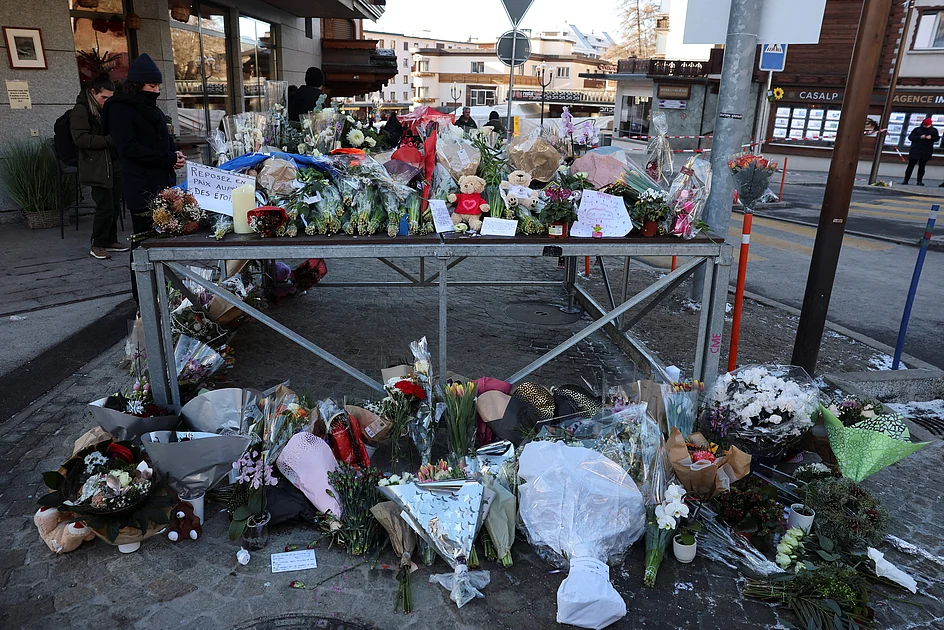
    A devastating fire that erupted at the Le Constellation bar in the renowned Crans-Montana ski resort of Switzerland during the early hours of New Year’s Day has resulted in a significant loss of life, with over 40 fatalities and more than 115 individuals injured. Among the victims is a 17-year-old student from Dubai, whose identity is being withheld by media outlets pending official confirmation and out of respect for the grieving family.

    The young man, described as a talented and passionate golfer who regularly participated in UAE golfing circuits, had recently competed in the UAE Cup in December. The Italian Golf Federation issued an official statement expressing profound condolences, honoring him as an athlete who embodied authentic values and genuine passion for the sport. Tributes have poured in from prominent figures within the UAE’s golf community, reflecting the profound impact of his loss.

    Authorities face a painstaking identification process that could extend for days or even weeks due to the severity of the injuries sustained. Witness accounts describe scenes of utter chaos as patrons, including many young people, attempted to escape the blaze by breaking windows. The bar’s popular basement nightclub was reportedly crowded at the time of the incident, though the exact number of attendees remains unverified.

    International casualties have been reported with Italy’s foreign ministry confirming 16 nationals missing and 12 injured, while France reported eight citizens unaccounted for, with potential fatalities among them. One Australian citizen was among the injured. The cause of the fire remains under investigation, with preliminary witness reports suggesting sparklers or flares in champagne bottles as potential ignition sources.

  • Seven people killed by Saudi air strikes in southern Yemen, say separatists

    Seven people killed by Saudi air strikes in southern Yemen, say separatists

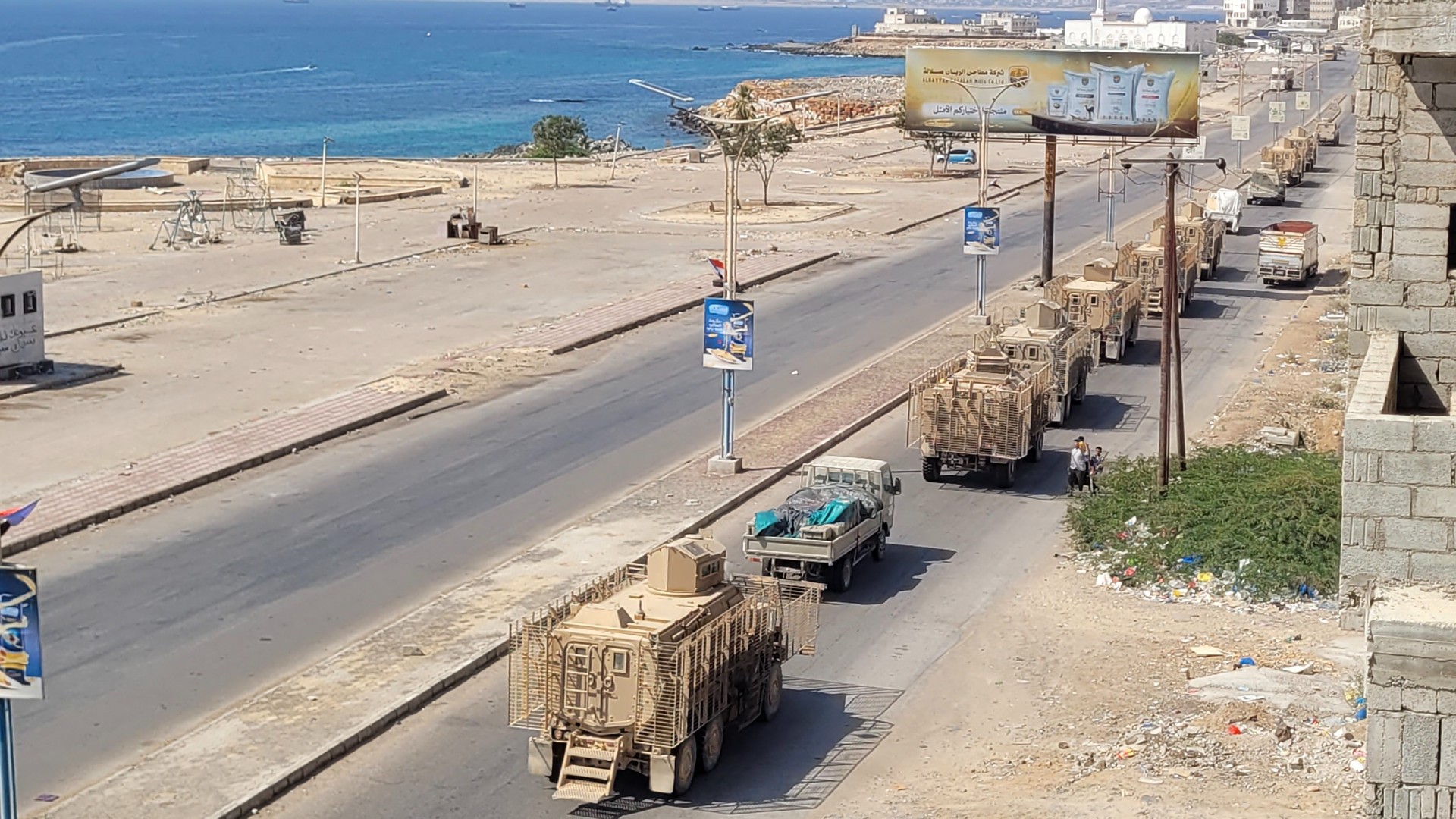
    Saudi Arabia has conducted a series of airstrikes against positions held by the Southern Transitional Council (STC) in southeastern Yemen, resulting in significant casualties and escalating tensions within the fragile coalition. According to STC officials, seven aerial assaults targeted a camp in al-Khasah, killing at least seven individuals and wounding more than twenty others.

    The military action follows the launch of what Saudi-backed authorities termed a “peaceful operation” to reclaim territory seized by the separatist group during its rapid offensive in December. Governor Salem al-Khanbashi of Hadhramout province, granted full military and administrative authority by Yemen’s internationally recognized Presidential Leadership Council (PLC), described the initiative as a “precautionary measure to protect security and prevent chaos” rather than a declaration of war.

    However, STC leadership has vehemently condemned Saudi actions as deceptive and contradictory. Amr al-Bidh, the STC’s special representative for foreign affairs, accused Riyadh of deliberately misleading the international community by announcing peaceful intentions while simultaneously preparing military strikes. “Their actions indisputably prove otherwise,” al-Bidh stated regarding Saudi claims of seeking de-escalation.

    The conflict emerges amid deepening fractures within the PLC, an eight-member governing body originally established with both Saudi and Emirati support. Half of the council’s members reportedly support the southern separatists, creating significant internal divisions.

    In a related diplomatic development, Saudi Arabia’s ambassador to Yemen publicly accused STC chairman Aidarus al-Zubaidi of refusing landing permission to a Saudi delegation seeking de-escalation talks at Aden’s airport. Ambassador Mohammed al-Jaber characterized Zubaidi’s unilateral decisions as “dangerous,” particularly his leadership of military operations in Hadhramout and al-Mahra provinces.

    The tensions reflect broader regional complexities, including recently strained relations between Saudi Arabia and the United Arab Emirates. Earlier this week, Saudi forces targeted an Emirati shipment in southern Yemen and explicitly criticized UAE support for the southern separatists—a notable escalation in rhetoric. Abu Dhabi rejected these accusations as containing “fundamental inaccuracies” while subsequently announcing the withdrawal of its limited forces from Yemen following a request from PLC leadership.

  • Yunnan e-bike fire probe identifies raft of failings

    Yunnan e-bike fire probe identifies raft of failings

    A comprehensive provincial investigation into a fatal electric bicycle fire in Kunming has revealed multiple systemic failures that led to the deaths of eight individuals last April. The official report, released Wednesday, details how illegal modifications, regulatory negligence, and improper building use converged to create the deadly conditions.

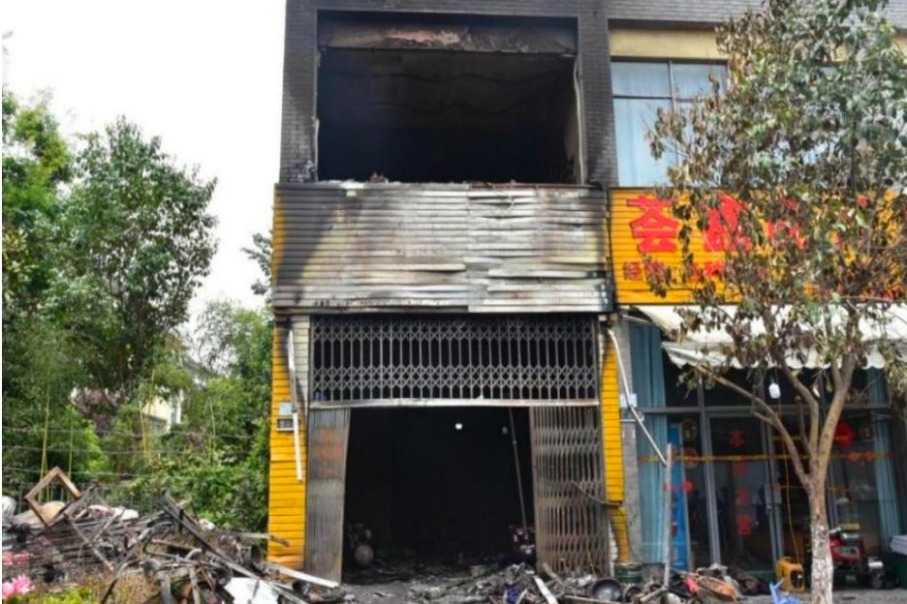
    The tragedy occurred on April 12, 2026, at a motorcycle parts store in Chenggong district where an illegally modified e-bike battery ignited while charging. The subsequent blaze resulted in 530,400 yuan ($75,839) in direct economic losses alongside the devastating human toll.

    Investigators determined the direct cause was a short-circuit in a modified battery that had previously shown signs of failure, including visible swelling. The shop operator, Yan Cai, had illegally replaced and added large-capacity lead-acid and lithium batteries to extend the vehicle’s range and increase speed, fundamentally compromising the original electrical safety design.

    The building’s dangerous configuration proved equally fatal. Yan had illegally converted the second floor into living quarters without proper fire safety separations. On the night of the incident, nine people—including family members and visiting relatives—were sleeping upstairs when the fire broke out on the cluttered first floor around 1:50 am. With only an ordinary staircase connecting the two levels, toxic smoke and flames rapidly ascended, blocking the only escape route. Most victims were elderly, women, or children.

    The property owner, He Wenjuan, faces proceedings for including an unauthorized ‘business and residential’ clause in the rental contract and failing to ensure mandatory fire separations or a separate evacuation staircase.

    The investigation also implicated the company that sold the substandard battery and identified widespread regulatory failures. Twenty-five officials from ten entities, including the Chenggong district government, are now facing disciplinary action for deficiencies in performing their duties.

    Yan Cai, deemed primarily responsible, has been placed under residential surveillance on suspicion of causing a fire by negligence and faces potential criminal charges.

  • Watch: How 6,500 drones took off on NYE to form stunning images of UAE leaders

    Watch: How 6,500 drones took off on NYE to form stunning images of UAE leaders

    The United Arab Emirates ushered in the New Year with an unprecedented technological and pyrotechnic marvel that captivated millions of spectators. Beyond the visible splendor, the Sheikh Zayed Festival’s celebrations represented a monumental achievement in precision engineering and coordinated execution.

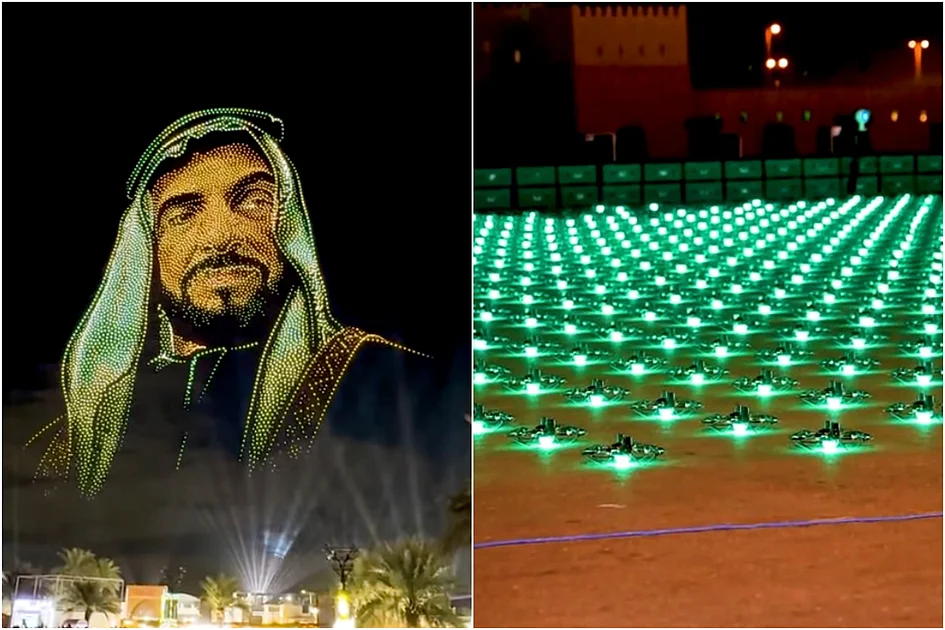
    The centerpiece of the evening featured 6,500 synchronized drones ascending into the Al Wathba night sky, forming intricate three-dimensional tributes to UAE leadership and cultural heritage. This record-setting performance operated in perfect harmony with a continuous 62-minute fireworks display—a logistical feat requiring thousands of shells, extensive wiring networks, and strategically positioned launch platforms.

    Mohammed Al Marzooqi, a key organizer, revealed the intricate planning behind the spectacle. “Our drone sequences were meticulously designed to complement the pyrotechnics while celebrating Emirati identity,” he explained. The production involved hundreds of specialists—from engineers and technicians to security personnel—all coordinated through a central command center with redundant power and communication systems.

    Preparations included extensive nighttime rehearsals conducted after public hours, focusing on timing precision and weather adaptation. In the critical hour before midnight, teams implemented final safety verifications and system checks. The entire performance operated through pre-programmed sequences with live monitoring capabilities for immediate intervention if required.

    The post-show phase commenced immediately after the final fireworks faded, with crews beginning equipment dismantlement while already planning future celebrations. This demonstration of technological artistry not only entertained global audiences but established new benchmarks for large-scale public spectacles.

  • Gaza enters 2026 with more deaths and Israeli attacks

    Gaza enters 2026 with more deaths and Israeli attacks

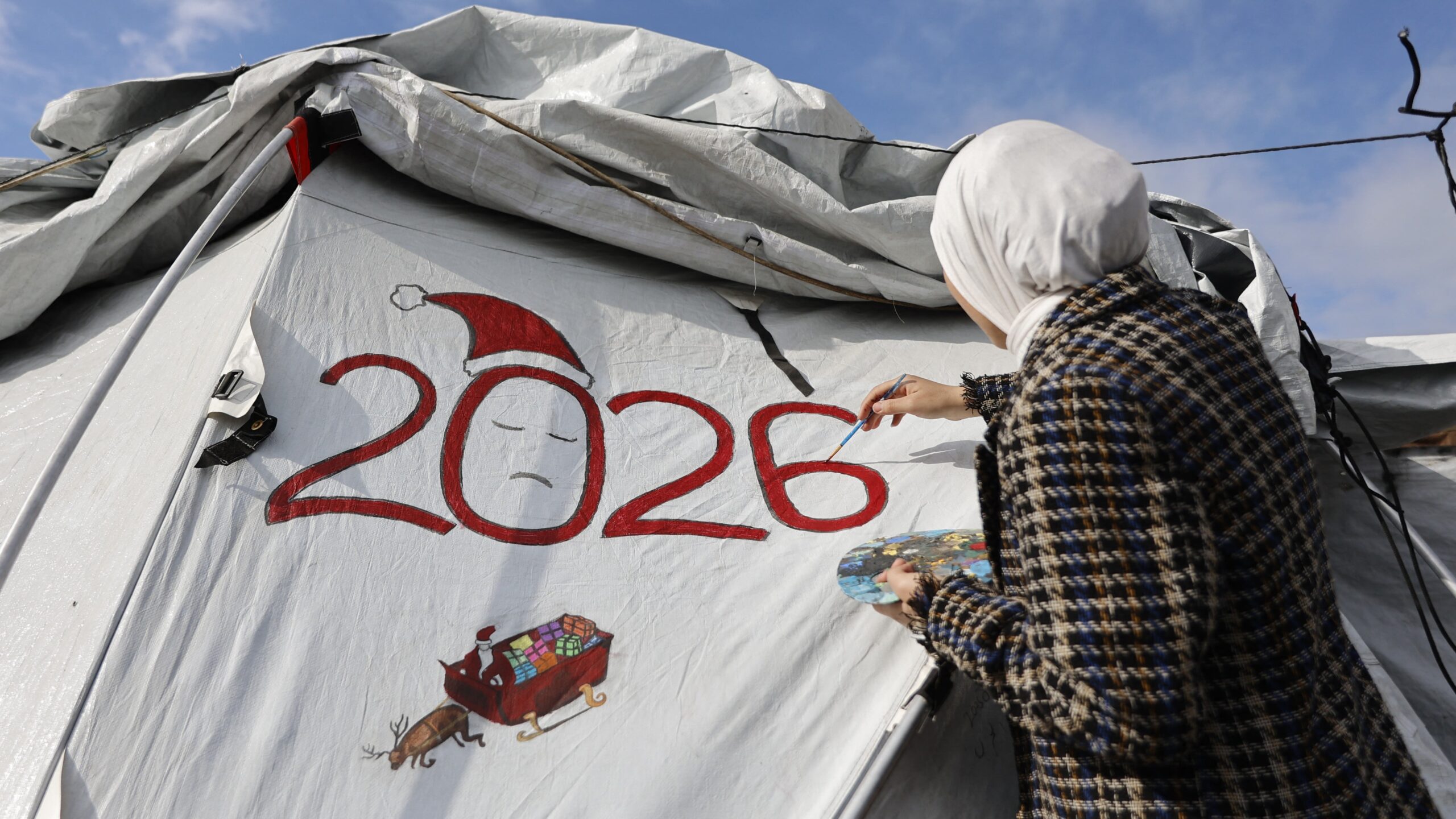
    The new year in Gaza has been marred by escalating tragedy as a combination of severe winter conditions and ongoing Israeli military operations exacerbates an already dire humanitarian crisis. Civil defence authorities reported multiple fatalities, including a five-year-old boy, Saud Muhammad Abu al-Khair, and his 65-year-old grandmother, Amal Hamed Abu al-Khair, who perished in a tent fire caused by a cooking accident amplified by strong winds near Gaza City. In a separate incident, a young child, Malak Rami Ghneim, succumbed to hypothermia in central Gaza’s Nuseirat camp, highlighting the lethal consequences of inadequate shelter during plummeting temperatures.

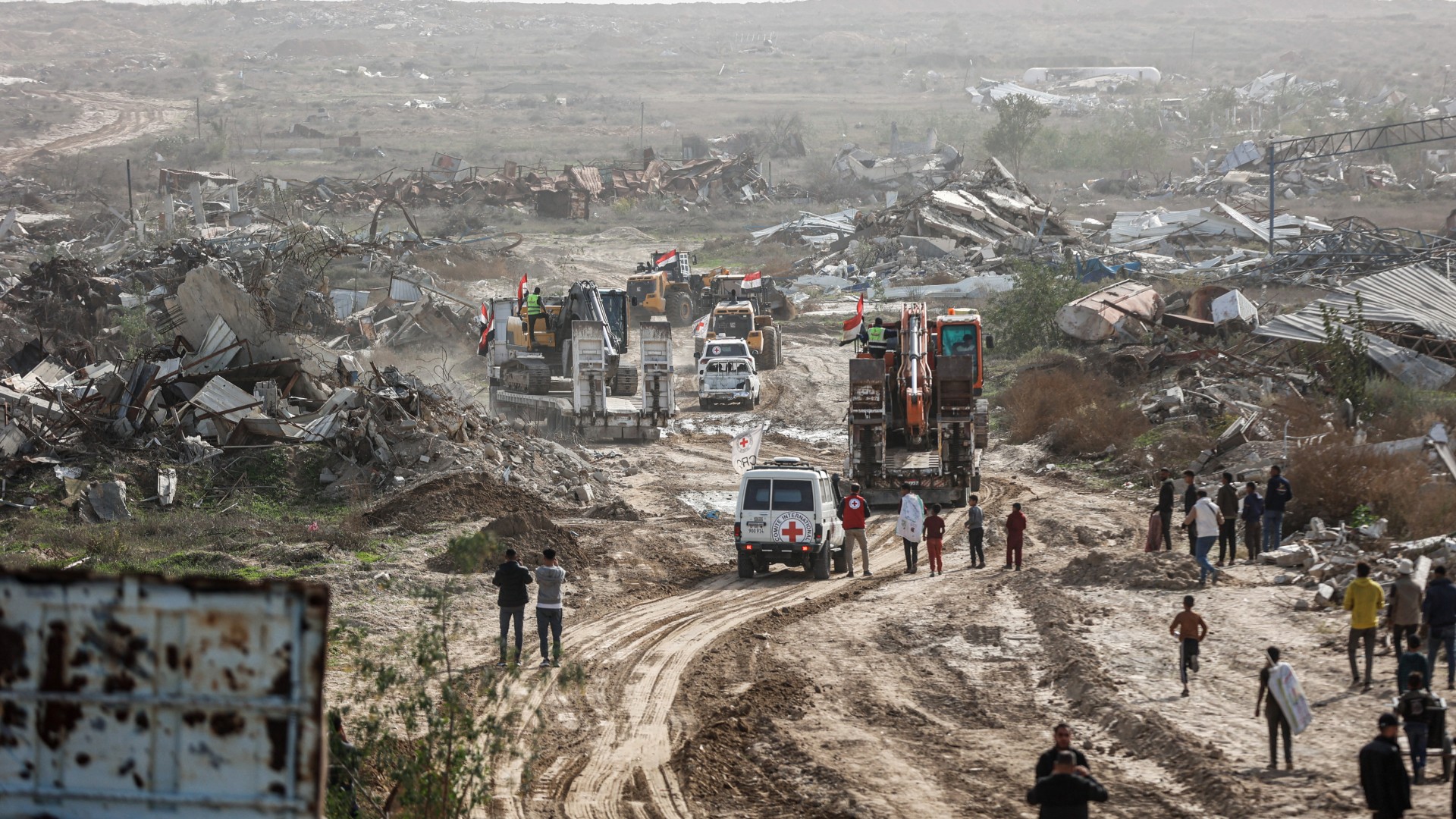
    These deaths occur against a backdrop of continued violence, with the Israeli military reported to have shot and killed a Palestinian man near Khan Younis, further violating a fragile ceasefire agreement that has been breached nearly a thousand times since its inception. The cumulative death toll from the two-year conflict now exceeds 71,271 Palestinians, with over 171,233 wounded.

    Compounding the disaster, a coalition of international aid organizations, including Doctors Without Borders (MSF), faces an operational ban imposed by Israeli authorities. MSF issued a stark warning that this decision would sever hundreds of thousands of Palestinians from essential medical care, emphasizing that the decimated health system and destroyed infrastructure necessitate more humanitarian services, not less. Philippe Lazzarini, Commissioner-General of UNRWA, condemned the new restrictions as part of a ‘troubling pattern of disregard for international humanitarian law,’ setting a ‘dangerous precedent’ that undermines the principles of neutral and impartial aid.

    The humanitarian response is further crippled by infrastructural collapse. Recent storms have damaged over 42,000 tents and makeshift shelters, displacing nearly a quarter of a million people. The Gaza-based Government Media Office accuses Israel of systematically evading its ceasefire obligations, allowing only approximately 20,000 aid trucks into the strip since October against an agreed-upon 48,000, a deficit it describes as instituting a ‘slow death’ for the population.

    Diplomatic pressure is mounting, with a joint statement from eight nations—Egypt, Qatar, Jordan, Saudi Arabia, the UAE, Indonesia, Pakistan, and Turkey—demanding Israel grant aid groups ‘sustainable, predictable and unrestricted access.’ This echoes earlier calls from a group of ten major countries, reflecting growing international alarm over the restrictions on life-saving assistance during a critical winter emergency.