标签: Asia

亚洲

  • Shandong apple pickers find new fame as influencers

    Shandong apple pickers find new fame as influencers

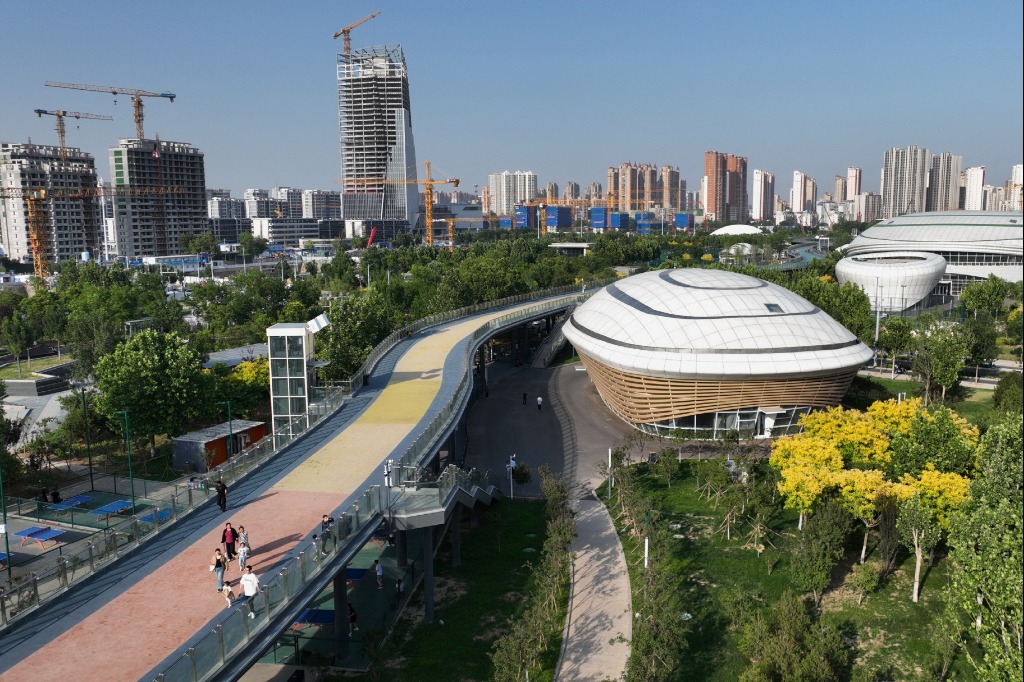
    In the mountainous orchards of Zhongzhuang township, Zibo city, a digital transformation is taking root alongside the apple trees. During peak harvest season, couples navigate through groves heavy with ripe fruit, but instead of traditional baskets, they carry smartphones and streaming equipment. These agricultural workers have embraced dual roles as both fruit growers and digital content creators, leveraging online platforms to revolutionize their sales approach.

    The regional government has actively fostered this evolution by establishing comprehensive support systems including e-commerce service centers and specialized training platforms. These initiatives guide local farmers in developing digital marketing skills and expanding their online commercial channels. Strategic partnerships have been formed with major e-commerce platforms, supermarket chains, and community group-buying services to create integrated sales networks.

    What distinguishes these agricultural influencers is their authentic approach: they conduct livestreams directly from the orchards, providing real-time demonstrations that allow consumers to virtually experience the apples’ growing environment. This transparency builds consumer confidence while showcasing product quality. The husband-and-wife teams particularly excel at creating engaging content that blends agricultural expertise with personal storytelling, making the fruit-buying experience both educational and entertaining.

    This innovative model represents a significant upgrade to traditional fruit industry practices, merging agricultural production with digital entrepreneurship. The success in Zhongzhuang township demonstrates how rural communities can leverage technology to create sustainable economic models while maintaining agricultural traditions.
  • Military-backed party leads in early election results in Myanmar

    Military-backed party leads in early election results in Myanmar

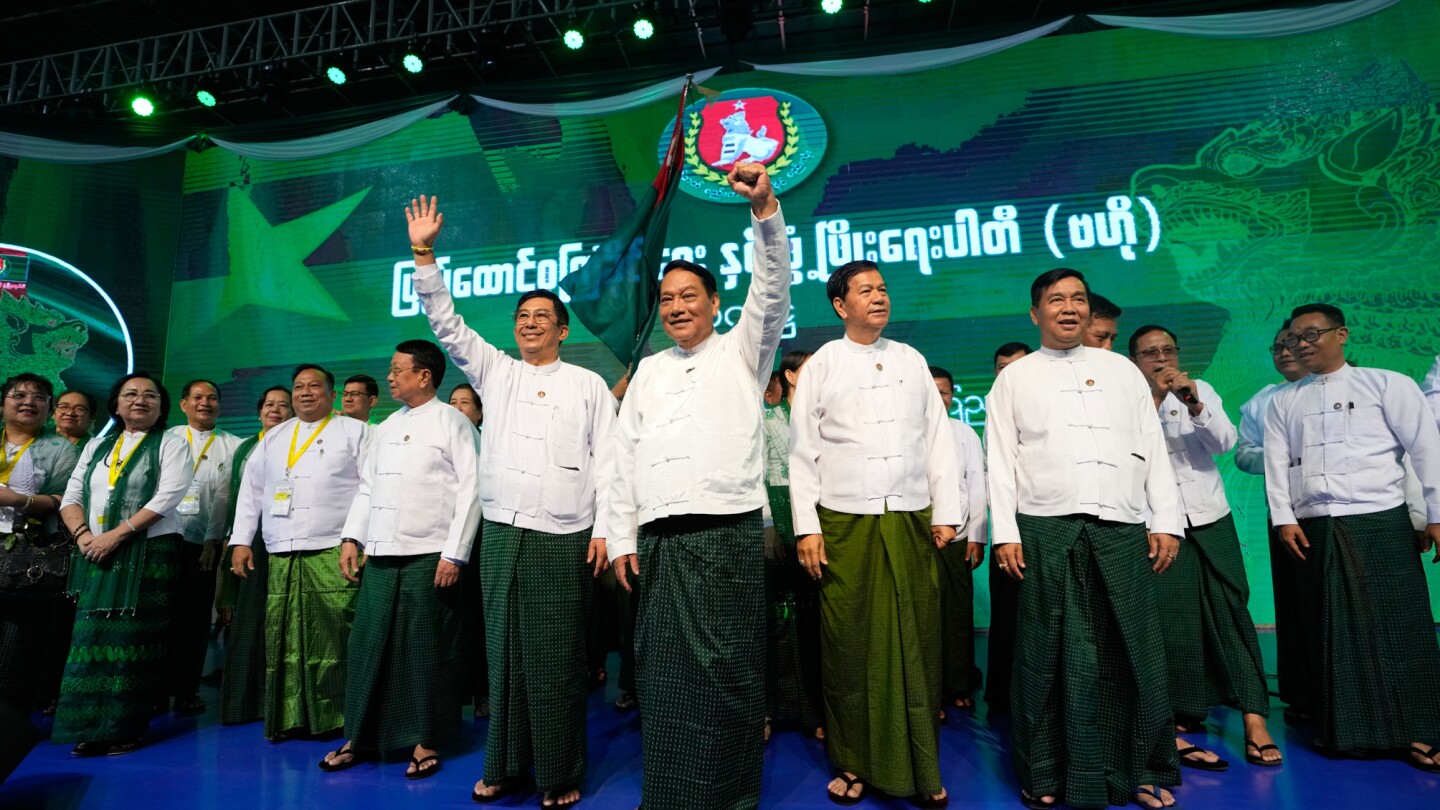
    BANGKOK (AP) — Myanmar’s military-appointed electoral authority has commenced announcing results from the initial stage of its three-phase general election, confirming widespread expectations that the junta-supported Union Solidarity and Development Party (USDP) has secured most declared seats.

    The electoral process, criticized by opposition groups as fundamentally flawed, faces allegations of being engineered to provide superficial legitimacy to military rule. Detractors emphasize the exclusion of major political factions and systematic suppression of dissent as evidence that the polls lack both freedom and fairness. Numerous opposition organizations have consequently advocated for voter boycotts.

    According to Wednesday’s government statement, approximately 52% of eligible voters—over 6 million individuals—participated in the December 28 first-phase elections, which the regime characterized as a resounding success.

    Saturday’s partial results published in the state-controlled Myanma Alinn newspaper revealed the USDP secured 38 seats in the 330-member Pyithu Hluttaw lower house, with numerous constituencies still awaiting declaration. A separate announcement confirmed USDP leader Khin Yi, former general and police chief regarded as a key ally of military ruler Senior General Min Aung Hlaing, won his Naypyitaw constituency with 49,006 of 68,681 votes.

    The Shan Nationalities Democratic Party and Mon Unity Party each gained one seat according to the Union Election Commission’s statement.

    Despite incomplete results, USDP leadership expressed confidence in their first-phase performance. A senior party official anonymously informed The Associated Press they had captured 88 of 102 contested seats, noting the party faced no opposition in 29 constituencies due to absent challengers.

    Myanmar’s political structure features a bicameral national legislature totaling 664 seats. The constitution guarantees the military 25% automatic representation in each chamber, meaning any party seeking governance must achieve a combined parliamentary majority to select the president and form a government.

    The USDP official additionally claimed victory in 85% of regional legislature contests, though complete outcomes await subsequent voting phases scheduled for January 11 and 25. Electoral proceedings occur in三个阶段 due to ongoing armed conflicts, with 65 townships excluded entirely from participation.

    While 57 parties fielded over 4,800 candidates for national and regional legislatures, only six organizations possess nationwide reach and potential parliamentary influence, with the USDP emerging as the dominant force.

    The current military regime originated from the February 2021 coup that ousted Aung San Suu Kyi’s democratically elected government, preventing her National League for Democracy (NLD) from serving a second term despite their landslide 2020 victory. The NLD was subsequently dissolved in 2023 alongside 39 other parties for refusing registration under new military regulations. The takeover ignited widespread resistance that has since evolved into full-scale civil war.

  • Ferry links mark 25-year travel milestone

    Ferry links mark 25-year travel milestone

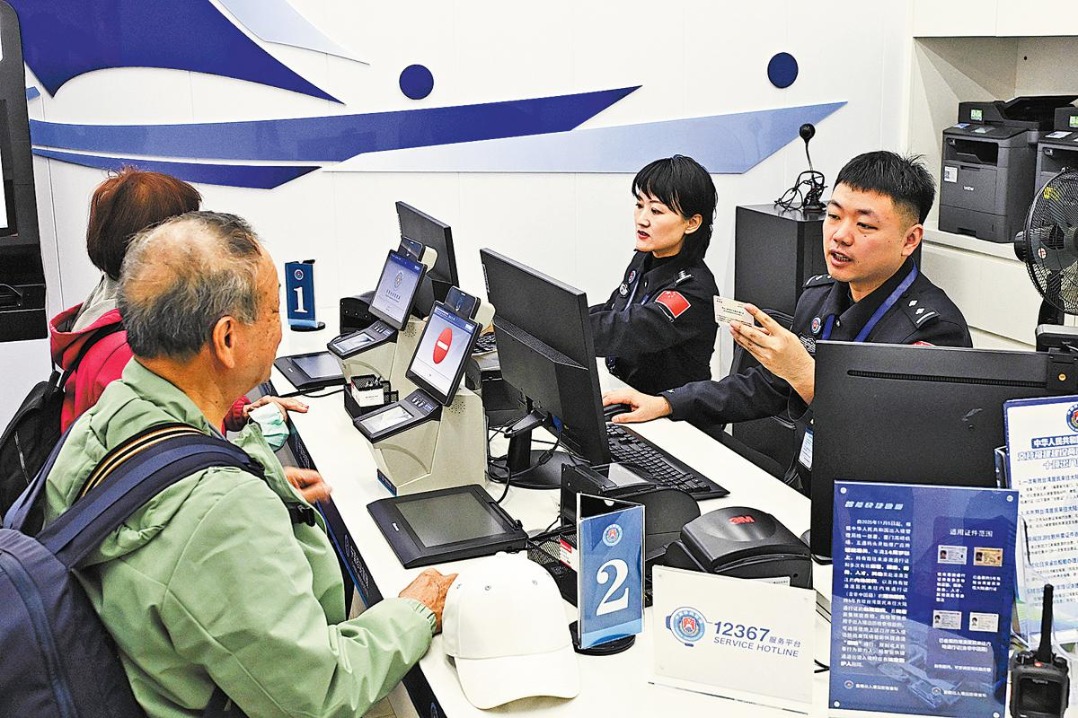
    Fujian immigration authorities have reported a significant milestone in cross-Strait transportation, with ferry services between mainland China and Taiwan’s offshore islands facilitating over 26 million passenger journeys throughout their 25-year operational history. These vital maritime connections, collectively known as the ‘Mini Three Links,’ have established themselves as fundamental channels for interpersonal and cultural exchanges across the Taiwan Strait.

    The inaugural voyage occurred on January 2, 2001, when two ferries transported 180 residents from Jinmen to Xiamen while simultaneously, a 507-member delegation from Matsu arrived at Fuzhou’s Mawei Port. This historic moment marked the resumption of direct transportation links after decades of separation between the two sides.

    Currently, four active ferry routes connect the mainland cities of Fuzhou, Xiamen, and Quanzhou with the islands of Jinmen and Matsu. These maritime connections have evolved into the most economical and frequently available transportation option for travelers crossing the Strait. The year 2025 witnessed record-breaking usage with over 1.43 million Taiwanese passengers utilizing the services.

    Passenger experiences highlight remarkable improvements in convenience and efficiency. Mr. Chang from Tainan noted the significantly streamlined customs process during his two trips to Xiamen last year before proceeding to his ancestral hometown in Quanzhou. Ms. Lin, traveling from Taipei via Jinmen in December, praised the implementation of facial recognition and fingerprint verification systems that made entry procedures ‘exceptionally fast and straightforward.’

    Chen Jinlai, Deputy Director of Xiamen’s Gaoqi Immigration Inspection Station, emphasized the transformative impact of these routes on regional mobility. ‘With ferries departing every thirty minutes and a crossing duration of merely 25 minutes, the experience parallels the convenience of urban bus transportation,’ Chen stated.

    The services particularly accommodate Taiwanese residents with ancestral connections to Fujian province, who frequently utilize the routes for family visits during traditional festivals like Qingming. The transportation network also supports cultural and sporting exchanges, including pilgrimages to Mazu temples and participation in mainland-based cycling and baseball events.

    Port authorities have implemented specialized facilities and optimized procedures to manage the substantial passenger volume efficiently, ensuring smooth transit experiences for all travelers.

  • Global experts hail Xi’s people-centered message

    Global experts hail Xi’s people-centered message

    International scholars and policy experts worldwide have applauded President Xi Jinping’s 2026 New Year message, recognizing it as a comprehensive articulation of China’s governance framework that prioritizes citizen welfare while pursuing sustainable, high-quality development. The address has drawn particular attention for its fusion of socialist principles with pragmatic policy implementation, offering what analysts describe as an increasingly influential model for global governance.

    Keith Bennett, co-founder of Friends of Socialist China, observed that the message demonstrates how socialism under Communist Party leadership is gaining renewed global prominence. Bennett highlighted how cultural manifestations—from humanoid robots performing traditional kung fu to grassroots football leagues in Guizhou province—reflect both improved quality of life for Chinese citizens and the growing appeal of Chinese civilization internationally.

    Brazil-China Research and Business Center executive director Ronnie Lins noted the speech’s effectiveness in connecting national objectives with daily lived experiences. “President Xi’s assertion that ‘no issue of the people is too small’ translates Chinese modernization and common prosperity into tangible, actionable measures that directly benefit citizens,” Lins told CGTN.

    The address also outlined China’s extension of its domestic governance philosophy to international engagement. President Xi emphasized China’s commitment to collaborative global problem-solving, stating: “China always stands on the right side of history, and is ready to work with all countries to advance world peace and development and build a community with a shared future for humanity.”

    Canadian Chinese Entrepreneurs Council secretary-general Zheng Xiaofeng interpreted this as a significant indicator of China’s policy direction, noting the message emphasizes resilience and patience amid global uncertainties rather than promising unrealistic growth. Zheng particularly welcomed concrete references to expanding openness, predicting enhanced policy predictability and rules-based international cooperation.

    The speech’s emphasis on the Global Governance Initiative received special attention from African analysts. Nairobi-based international relations scholar Adhere Cavince noted the initiative’s alignment with development cooperation opportunities between China and African nations. Citing the upgraded China-Kenya partnership, Cavince identified potential in agricultural modernization, infrastructure development, and green energy collaboration. “As Xi’s message calls for bold strides,” he remarked, “such partnerships could accelerate Africa’s development agenda while enhancing economic resilience and shared prosperity.”

  • Trump following Netanyahu playbook with new Iran threat: critics

    Trump following Netanyahu playbook with new Iran threat: critics

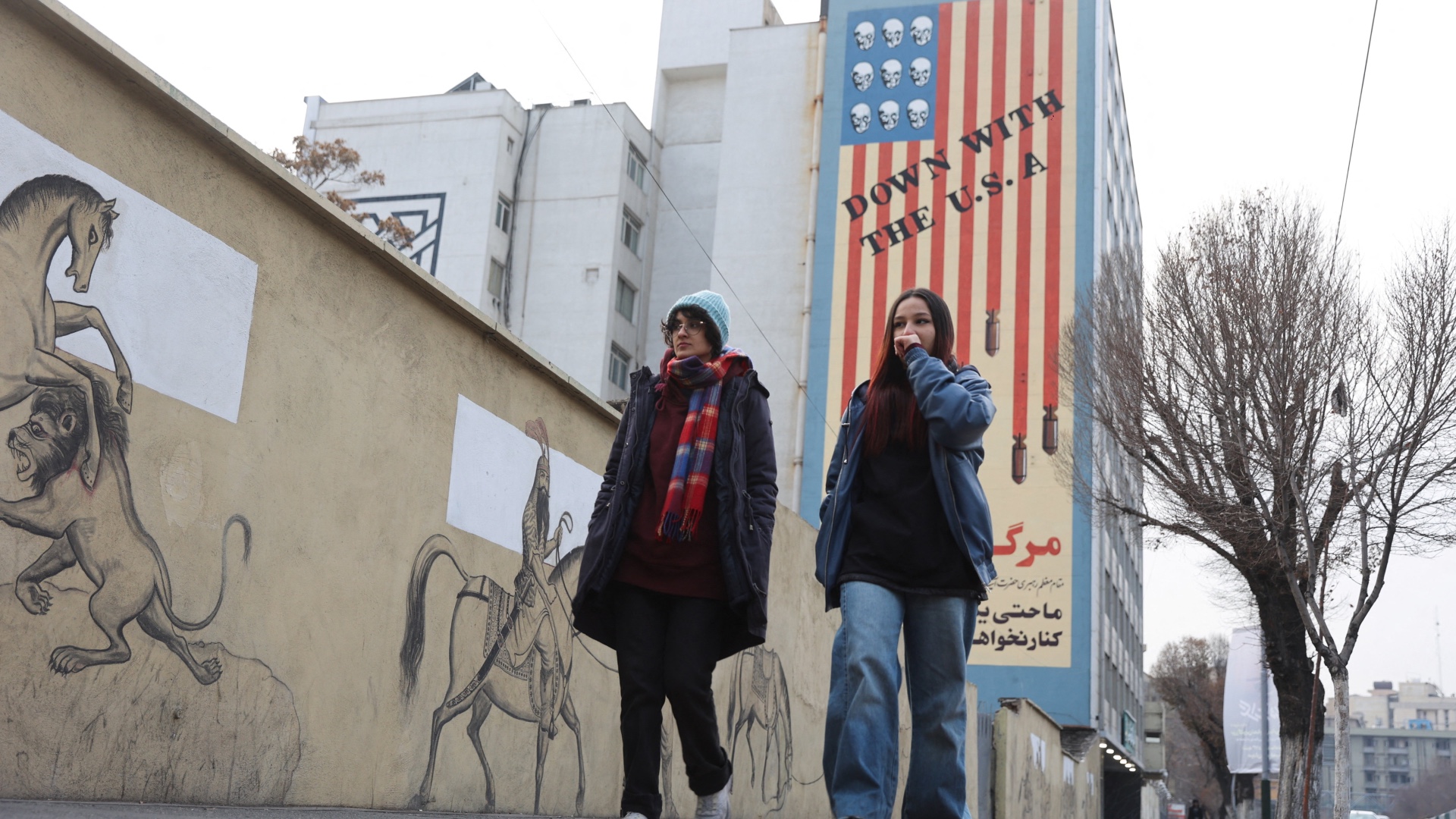
    Former U.S. President Donald Trump escalated geopolitical tensions on Friday by issuing a direct military threat against Iran through his Truth Social platform. The controversial statement warned that American forces stand “locked and loaded” to intervene if Iranian authorities intensify their crackdown on ongoing domestic protests.

    Trump’s social media post explicitly stated: “If Iran shots [sic] and violently kills peaceful protesters, which is their custom, the United States of America will come to their rescue.” This declaration came shortly after his meeting with Israeli Prime Minister Benjamin Netanyahu, during which Trump reportedly expressed openness to supporting additional military strikes against Iranian nuclear facilities.

    The Iranian government responded swiftly through Ali Larijani, secretary of Iran’s Supreme National Security Council, who cautioned that American interference would “destroy America’s interests” and create “chaos in the entire region.”

    Policy experts from the National Iranian American Council (NIAC) expressed grave concerns about Trump’s rhetoric. President Jamal Abdi characterized Netanyahu’s visit as strategically aimed at “moving the goalposts for military action on Iran” and warned that Trump’s comments represent “a dangerous signal” that could lead the United States into another Middle Eastern conflict.

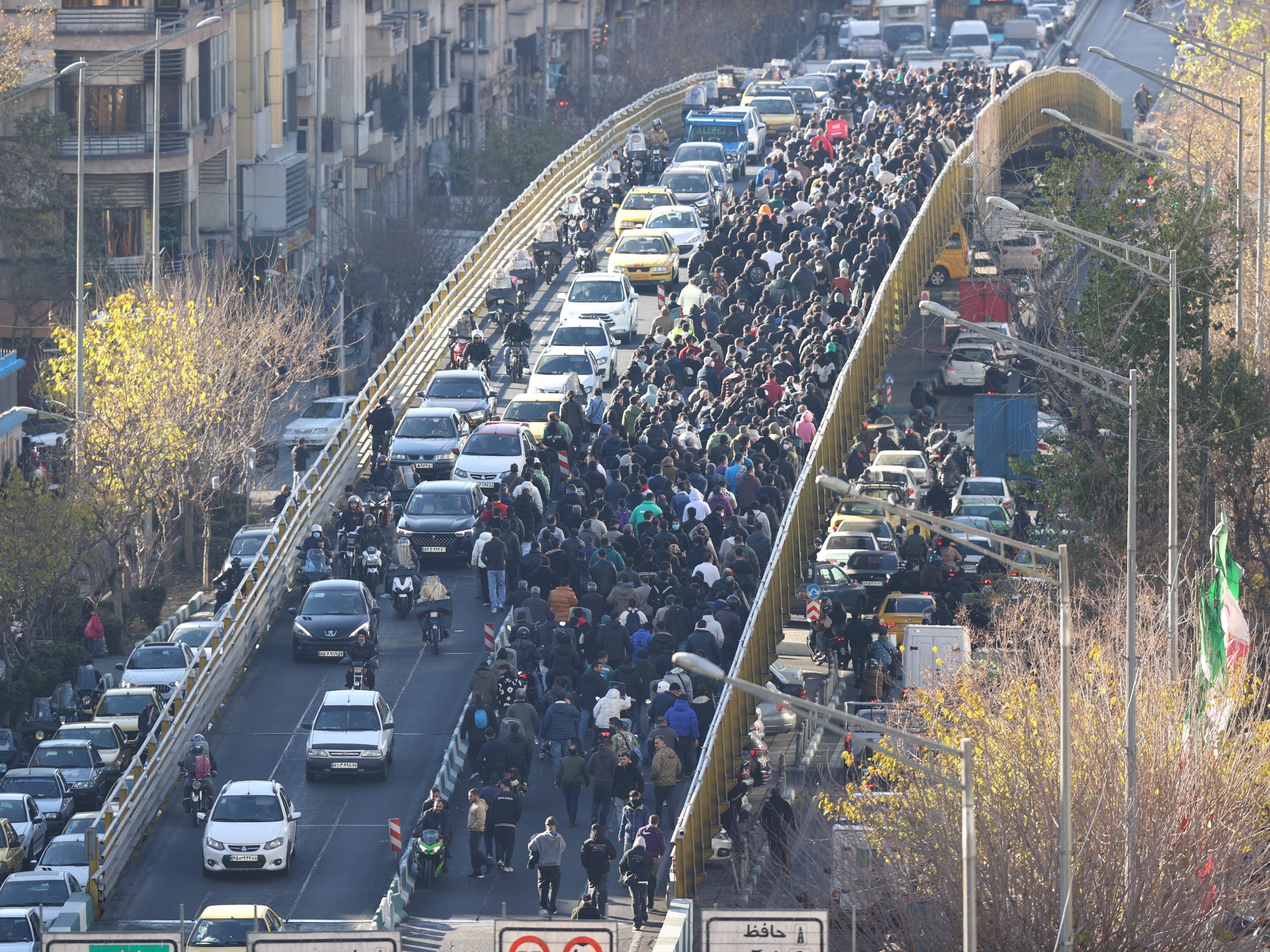
    The current protests in Iran originated from economic grievances, particularly the catastrophic collapse of the national currency. What began as strikes by technology merchants in Tehran has evolved into widespread demonstrations incorporating overt anti-government sentiments. Reports indicate several protesters have been killed by security forces during the unrest.

    NIAC analysts Etan Mabourakh and Ehsan Zahedani emphasized that the Iranian people’s struggle for economic justice and freedom deserves genuine solidarity rather than Western “salvation” through military intervention. They cautioned against external actors co-opting legitimate domestic grievances to advance agendas of militarism and regime change.

  • More fireworks at Meydan as Buick, Doyle and De Sousa spark 2026 Dubai Racing Carnival

    More fireworks at Meydan as Buick, Doyle and De Sousa spark 2026 Dubai Racing Carnival

    The 2026 Dubai Racing Carnival commenced with spectacular energy at Meydan Racecourse, setting an electrifying tone for the upcoming 30th anniversary Dubai World Cup. The opening night showcased elite jockey talent and emerging equine stars, generating widespread optimism for the season ahead.

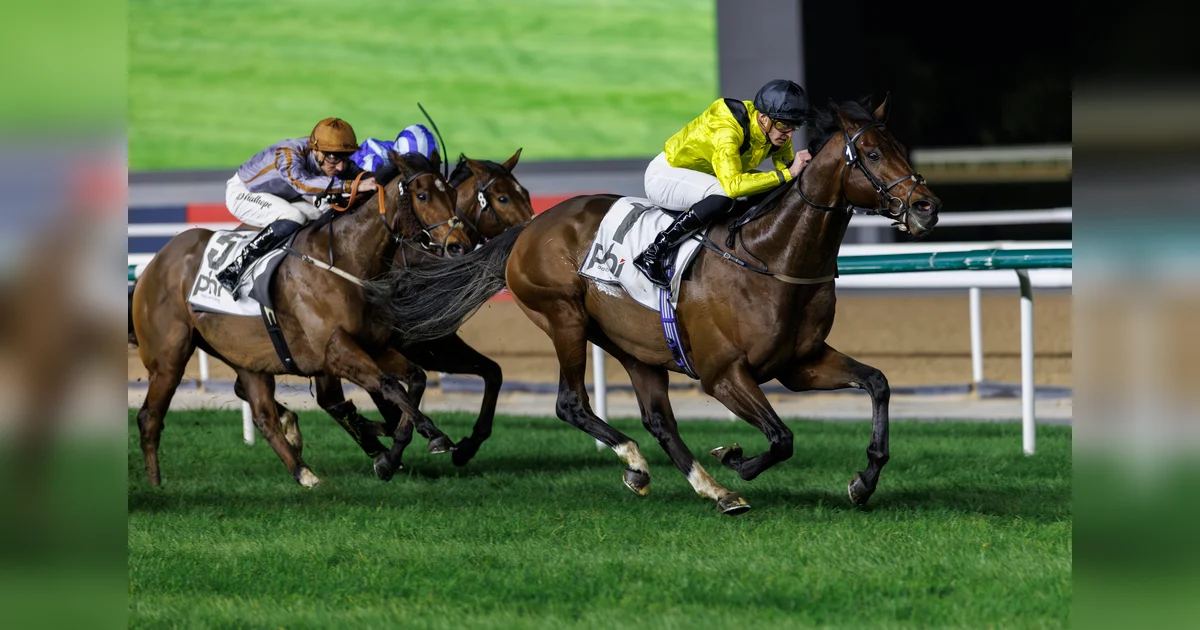
    Reigning UAE Champion Silvestre De Sousa and former Godolphin duo William Buick and James Doyle dominated the card, collectively securing six victories. Doyle expertly guided Quddwah to a commanding win in the featured Group 2 Zabeel Mile for trainers Simon and Ed Crisford, immediately sparking discussions about the horse’s potential to emulate his dam Sajjhaa’s 2013 Dubai Turf triumph.

    Trainer Ed Crisford expressed considerable confidence in Quddwah’s future prospects, noting the horse’s smooth adaptation to Meydan’s conditions. The Crisford-Doyle partnership achieved a double when Meydaan demonstrated powerful finishing in the Zoho Handicap over 2800 meters.

    De Sousa delivered a masterclass in timing aboard El Nasseeb, securing back-to-back victories in the Dubai Stakes (G3). Trainer Musabbeh Al Mheiri acknowledged the sprinter’s potential for World Cup night consideration while emphasizing the need for careful campaign planning.

    The evening featured several breakthrough moments, including Billy Loughnane’s inaugural Meydan victory aboard Two Tribes just days after breaking Kieren Fallon’s longstanding record of 222 winners in a calendar year. British trainer Richard Spencer celebrated this milestone while eyeing future international competitions.

    Additional international success came via Ed Walker’s first UAE training victory with Northern Champion, who displayed exceptional determination under jockey Kieran Shoemark. William Buick contributed significantly to the evening’s excitement with a double, including a impressive performance by Six Speed in the UAE 2000 Guineas Trial.

    With world-class competition established from the outset, the 2026 Carnival has positioned itself as a compelling precursor to the historic 30th Dubai World Cup celebration, promising exceptional racing action throughout the winter season.

  • UAE-India flights: Airline offers Dh2 discounted price for excess baggage

    UAE-India flights: Airline offers Dh2 discounted price for excess baggage

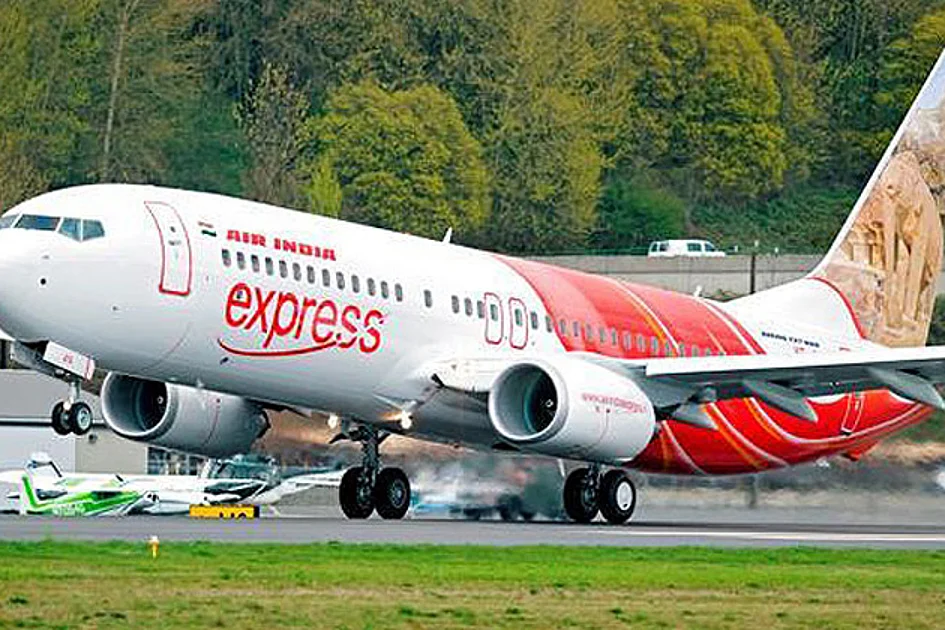
    In a groundbreaking move for budget-conscious travelers, Air India Express has unveiled an unprecedented excess baggage promotion for passengers traveling between the United Arab Emirates and India. The low-cost carrier is offering additional checked baggage at a remarkably reduced rate of just Dh2 for both 5kg and 10kg increments during a limited promotional period.

    The special offer, part of the airline’s New Year campaign, remains available for bookings made through January 31, 2026, with travel validity extending from January 16 to March 10, 2026. This discounted rate applies across all fare categories—Xpress Value, Xpress Lite, Xpress Flex, and Xpress Biz—representing substantial savings compared to standard excess baggage fees that typically range between Rs700 (Dh28.54) and Rs3,600 for international flights.

    The strategic pricing initiative comes during the traditional lean travel season when airlines typically introduce competitive fares and baggage allowances to boost seat occupancy on key routes. The UAE-GCC-India corridor ranks among the world’s busiest air travel routes, serving over nine million Indian nationals residing across Gulf Cooperation Council countries, including approximately four million in the UAE alone.

    Air India Express has extended similar discounted baggage rates across other GCC nations, with passengers from Bahrain, Kuwait, Oman, Qatar, and Saudi Arabia able to purchase additional baggage for the equivalent of Dh2 in local currencies. The airline operates direct flights between major Indian cities and UAE destinations, catering to the substantial diaspora population that frequently travels between the regions with family members.

    This pricing strategy demonstrates how budget carriers are increasingly using ancillary service discounts to attract price-sensitive travelers while maintaining competitive advantage against full-service airlines that typically charge higher rates for excess baggage.

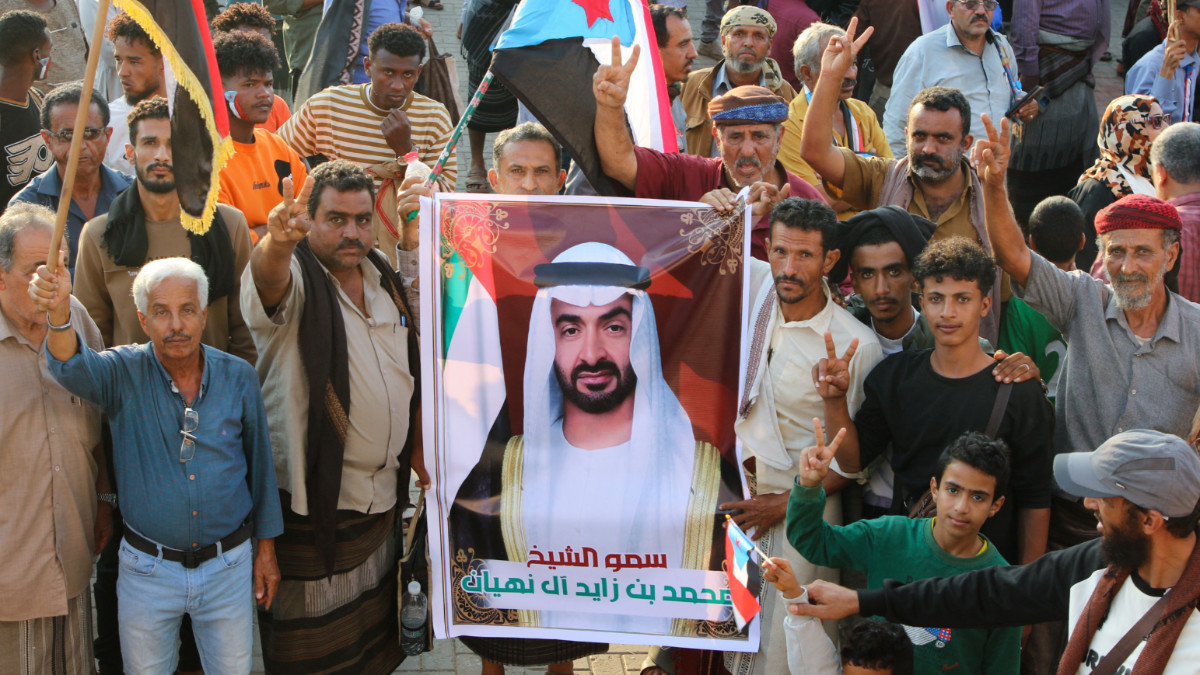
  • UAE-backed southern Yemen separatists to hold independence referendum

    UAE-backed southern Yemen separatists to hold independence referendum

    Yemen’s Southern Transitional Council (STC), a secessionist faction with backing from the United Arab Emirates, has declared plans to conduct a referendum on independence within two years, escalating tensions with Saudi Arabia and its allied Yemeni government forces. The announcement comes amid intensified military confrontations that have exposed deepening fractures between the Gulf powerhouses.

    STC President Aidaros Alzubidi proclaimed the commencement of a transitional period in a televised address Friday, urging international mediation for north-south dialogue while threatening immediate independence declaration if southern territories face further military aggression. “This constitutional declaration shall be considered immediately and directly effective if the people of the south, their land, or their forces are subjected to any military attacks,” Alzubidi warned.

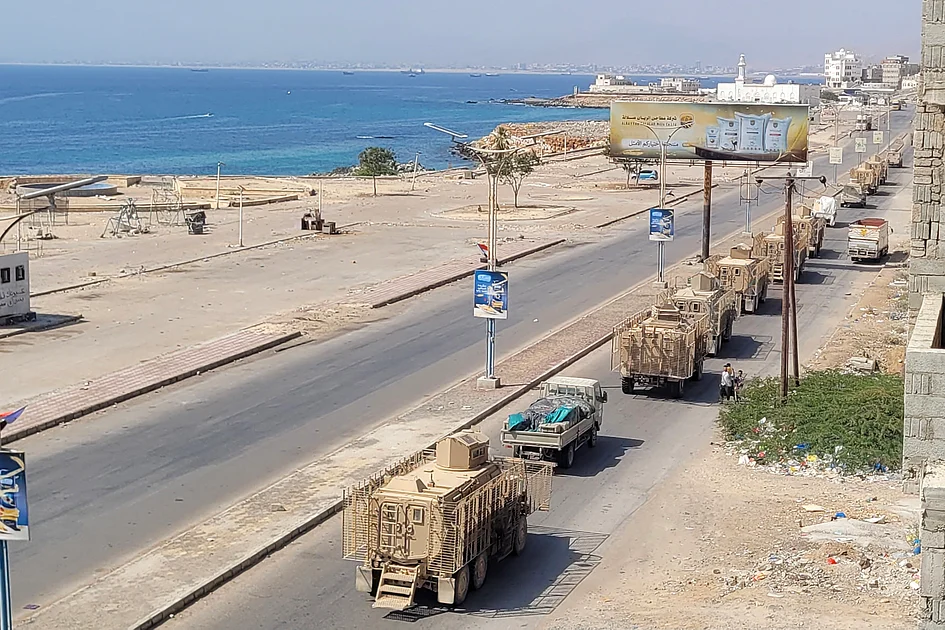
    The political maneuver coincides with lethal battlefield exchanges across southern Yemen. Saudi airstrikes targeted STC positions in Hadhramaut province Friday, resulting in 29 separatist fatalities according to STC officials. These operations supported government-aligned National Shield forces attempting to reclaim territory lost to the separatists in December.

    The conflict reveals deteriorating Saudi-Emirati coordination in Yemen, where both nations initially intervened against Houthi rebels a decade ago. Recent divergences extend beyond Yemen to include contrasting approaches toward Israel’s Gaza operations and Syrian normalization efforts. Notably, the UAE abstained from condemning Israel’s recognition of Somaliland independence—another breakaway region with Abu Dhabi ties—potentially establishing precedent for the STC’s self-determination push.

    Yemen’s internationally recognized government, backed by Riyadh, maintains opposition to southern secession. Hadhramaut Governor Salem al-Khanbashi echoed calls for peaceful dialogue Friday, stating: “We renew the emphasis on the justice of the southern cause, while rejecting the path of military control and confrontation.” The STC nevertheless asserts their constitutional declaration aligns with international law, as spokesperson Anwar al-Tamimi emphasized to Al Jazeera.

  • ‘Locked and loaded’: Trump threatens Iran over protester deaths

    ‘Locked and loaded’: Trump threatens Iran over protester deaths

    Former US President Donald Trump has issued a direct threat of military intervention against Iran, warning that American forces stand ready to “rescue” Iranian citizens if their government continues its violent suppression of ongoing protests. The declaration came via Trump’s TruthSocial platform, where he stated: “If Iran shoots and violently kills peaceful protesters, which is their custom, the United States of America will come to their rescue. We are locked and loaded and ready to go.

    The protests have emerged in response to a severe economic crisis that has seen Iran’s currency effectively collapse under the weight of US sanctions. Current exchange rates show one US dollar equivalent to over 42,000 Iranian Rial (IRR), with the unofficial daily currency, the Toman (equivalent to 10 IRR), driving basic living costs to unsustainable levels. A traditional meal now costs approximately 600 Toman, highlighting the economic pressure on citizens.

    Iran’s leadership responded swiftly to Trump’s threats. Ali Larijani, secretary of Iran’s Supreme National Security Council, warned on social media platform X that US intervention “corresponds to chaos in the entire region and the destruction of US interests,” likely referencing Iran’s capability to target US military bases in the region. Larijani further cautioned American citizens to “take care of their own soldiers,” accusing Trump of initiating “adventurism.”

    The exchange occurs against the backdrop of recent meetings between Trump and Israeli Prime Minister Benjamin Netanyahu, where Iran’s nuclear program featured prominently on their agenda. Trump claimed that US and Israeli actions had previously “obliterated” Iranian nuclear sites, though Iran disputes this assertion. The former president added that if Iran attempts to rebuild its nuclear capabilities, “we’re going to have to knock them down… We’ll knock the hell out of them,” while leaving open the possibility of diplomatic resolution.

    Netanyahu, during his US visit, continued his longstanding advocacy for military action against Iran, alleging Tehran’s involvement in “exporting terrorism” throughout the Middle East and even to Venezuela. His comments aligned with the Trump administration’s concurrent threats against Venezuelan President Nicolas Maduro, including multiple strikes on vessels in the Caribbean Sea that the US claims are drug boats originating from Venezuela.

  • Yemen: STC announce two-year transition towards independence in south

    Yemen: STC announce two-year transition towards independence in south

    The Southern Transitional Council (STC), a major secessionist force in Yemen, has formally declared the commencement of a two-year transitional process aimed at achieving full independence for the nation’s southern regions. The landmark announcement was delivered by STC leader Aidarus al-Zubaidi in a primetime televised address on Friday, January 2nd, 2026.

    This decisive move follows the STC’s military successes, wherein its forces have effectively seized and consolidated control over substantial territories across southern Yemen. The council’s strengthened position on the ground has provided the impetus for this political maneuver towards statehood.

    “Guided by the overwhelming desire and sovereign will of our southern people to reclaim and proclaim their independent state, we hereby announce the beginning of a transitional phase set to last for two years,” stated al-Zubaidi, framing the decision as a direct response to the populace’s aspirations.

    The proclamation signals a critical juncture in Yemen’s complex geopolitical landscape, potentially fracturing the country further and redrawing the map of a region already embroiled in a prolonged and devastating multi-party civil war. The STC’s roadmap challenges the existing framework of a unified Yemen and could significantly alter the dynamics of both the ongoing conflict and future diplomatic negotiations, presenting a new challenge to the internationally recognized government and other warring factions.