标签: Asia

亚洲

  • Co-founder Djokovic exits tennis players association over transparency concerns

    Co-founder Djokovic exits tennis players association over transparency concerns

    Tennis icon Novak Djokovic has announced his complete departure from the Professional Tennis Players Association (PTPA), the organization he co-established in 2020 with Canadian player Vasek Pospisil. The Serbian champion revealed his decision through a social media statement on Sunday, citing fundamental disagreements regarding the association’s operational transparency and governance standards.

    Djokovic expressed particular concern about how his personal image and advocacy had been represented within the organization’s recent activities. “While I remain proud of the original vision that Vasek and I shared when establishing the PTPA to empower players with an independent voice, it has become evident that my core values and strategic approach no longer align with the organization’s current trajectory,” Djokovic stated.

    The separation comes during a period of significant legal confrontation between the PTPA and tennis’s primary governing bodies. In March, the association initiated legal proceedings against the ATP, WTA, International Tennis Federation, and International Tennis Integrity Agency, alleging anti-competitive practices and insufficient player welfare protections. The lawsuit expanded in September to include all four Grand Slam tournament organizers.

    Notably, Djokovic had previously distanced himself from certain aspects of this legal action, indicating early divergences in strategic thinking. Both the ATP and WTA had vigorously denied the allegations when initially presented.

    The PTPA recently indicated progress in negotiations with Tennis Australia, coinciding with preparations for the upcoming Australian Open scheduled to commence in Melbourne on January 18. Djokovic confirmed his intention to now concentrate exclusively on his athletic career and family commitments following this organizational departure.
  • Over 200 Filipinos burn US flags, condemn capture of Venezuelan President Maduro

    Over 200 Filipinos burn US flags, condemn capture of Venezuelan President Maduro

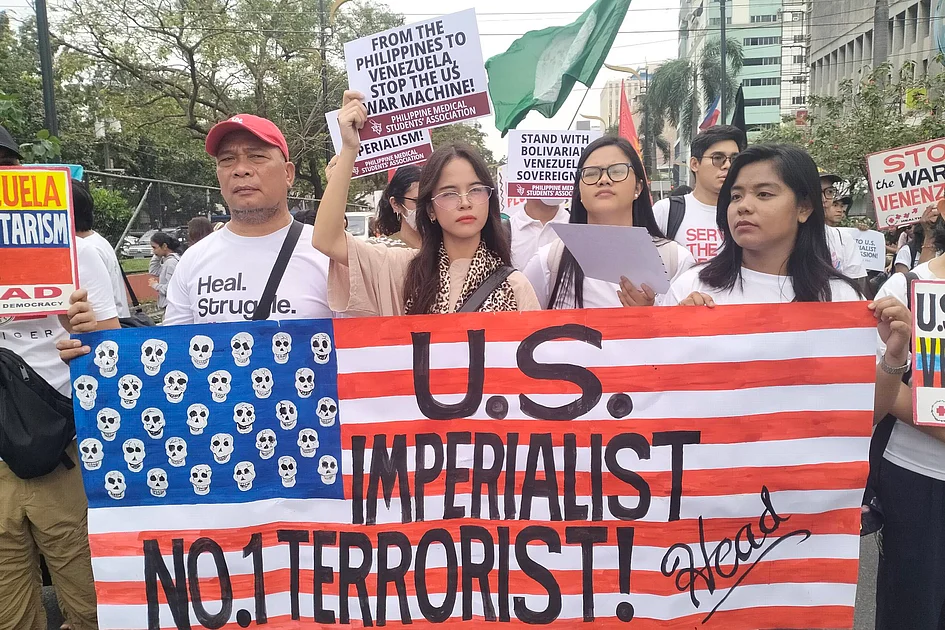
    MANILA – More than 200 activists assembled outside the US Embassy in Manila on Monday, staging a vehement protest against recent American military operations in Venezuela. The demonstration, organized by the Bagong Alyansang Makabayan alliance, featured the burning of US flags and strong condemnations of what participants labeled ‘US imperialist aggression’ and a ‘state-sponsored abduction’ of Venezuelan President Nicolás Maduro.

    Protesters carried banners reading ‘¡Manos fuera de Venezuela!’ (Hands off Venezuela!) and denounced Saturday’s US airstrikes on Venezuelan cities as violations of international law. The Philippines-Bolivarian Venezuela Friendship Association (PBVFA) characterized the military actions as ‘a show of brazen brutality by US imperialism’ that represents ‘the worst forms of oppression.’

    The rally garnered support from multiple sectors, including Gabriela, an alliance of women’s organizations that rejected US claims labeling Venezuela a terrorist state. Gabriela representatives asserted that Venezuela’s vast oil reserves—estimated at 300 billion barrels—represent the true motivation behind US aggression, stating the country ‘refuses US economic and political control.’

    Philippine political leaders joined the criticism, with Congressman Antonio Tinio leading the march and Rep. Leila de Lima warning that the US action ‘throws the global order back to a barbaric ‘might makes right’ regime.’ Cardinal Pablo Virgilio David, former president of the Catholic Bishops’ Conference, emphasized via social media that international law clearly prohibits the use of force against sovereign states, regardless of political disagreements.

    The Philippine Department of Foreign Affairs issued a separate statement urging both nations to ‘resolve disputes through peaceful means’ and exercise restraint to prevent further escalation. The Manila protest reflects growing international concern over the weekend’s military developments and their implications for global sovereignty norms.

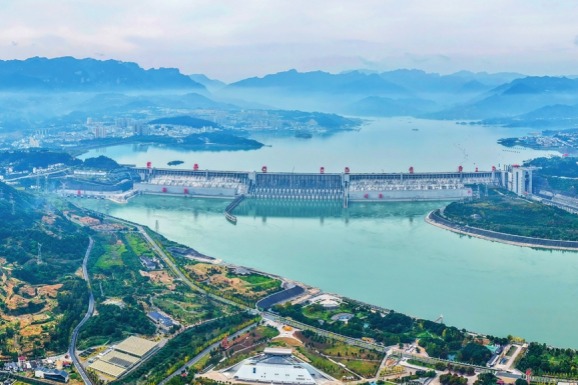
  • China reports economic growth and ecological gains in Yangtze River Economic Belt

    China reports economic growth and ecological gains in Yangtze River Economic Belt

    China’s Yangtze River Economic Belt has demonstrated remarkable progress in both economic expansion and environmental restoration over the past decade, according to official reports. National Development and Reform Commission Vice Chairman Wang Changlin revealed at a State Council Information Office briefing that the region’s economic output has more than doubled since 2015 while simultaneously achieving dramatic improvements in water quality.

    The comprehensive data shows water quality rated ‘fairly good’ (Grade III or above) surged from 67% in 2015 to an impressive 96.5% by 2025. This ecological transformation occurred alongside substantial economic growth, with the belt’s contribution to national GDP expanding from 42.2% to 47.3% during the same period.

    This progress coincides with the tenth anniversary of President Xi Jinping’s landmark 2016 Chongqing conference, where he established the principle of “prioritizing well-coordinated environmental protection and avoiding excessive development” along the vital waterway. President Xi emphasized the Yangtze’s unique ecosystem requires careful stewardship, stating that ecological restoration must take precedence over large-scale development projects.

    The economic belt encompasses nine of the eleven regions through which the Yangtze flows, plus additional provinces containing its tributaries. Through concerted efforts addressing industrial, agricultural, and shipping pollution, officials have essentially eliminated black and odorous water bodies in prefecture-level cities along the river.

    Most notably, the main stream of the Yangtze has undergone a complete transformation from containing sections of Grade V (lowest quality) water to maintaining consistent Grade II quality throughout its entire course—a testament to China’s successful integration of economic development and environmental conservation.

  • China’s Xinjiang nears full e-commerce coverage in rural areas

    China’s Xinjiang nears full e-commerce coverage in rural areas

    Northwest China’s Xinjiang Uygur Autonomous Region has achieved a groundbreaking milestone in digital inclusion, with e-commerce services now reaching approximately 99% of rural communities. This accomplishment stems from a comprehensive infrastructure network featuring fully operational county-level commercial service centers, logistics distribution hubs, and township-level logistics stations.

    According to official data from the regional commerce department, coverage rates have reached unprecedented levels with 96.56% of townships equipped with commercial centers and 98.92% of villages benefiting from convenience stores. This extensive network has effectively bridged the urban-rural divide, facilitating seamless movement of industrial goods to countryside areas while enabling efficient distribution of agricultural products to urban markets.

    The transformation follows China’s 2023 three-year national action plan for county-level commerce development, initiated by the Ministry of Commerce and eight supporting government agencies. From 2021 to 2025, Xinjiang secured 548 million yuan (approximately $78 million) in central government funding, supporting nearly 400 development projects. This investment resulted in the construction or modernization of 255 county-level comprehensive commercial service centers, representing a 45.7% increase compared to 2021 infrastructure levels.

    Li Xuan, Deputy Director of Xinjiang’s Regional Department of Commerce, emphasized the region’s commitment to further activating county-level markets and unlocking rural consumption potential. “Through continued policy guidance and financial support, we will enhance the county commercial system to boost integrated urban-rural development and comprehensive rural revitalization,” Li stated, highlighting the strategic importance of e-commerce infrastructure in regional economic planning.

  • China, ROK should strengthen economic ties, forge prospects for win-win cooperation: Chinese vice-premier

    China, ROK should strengthen economic ties, forge prospects for win-win cooperation: Chinese vice-premier

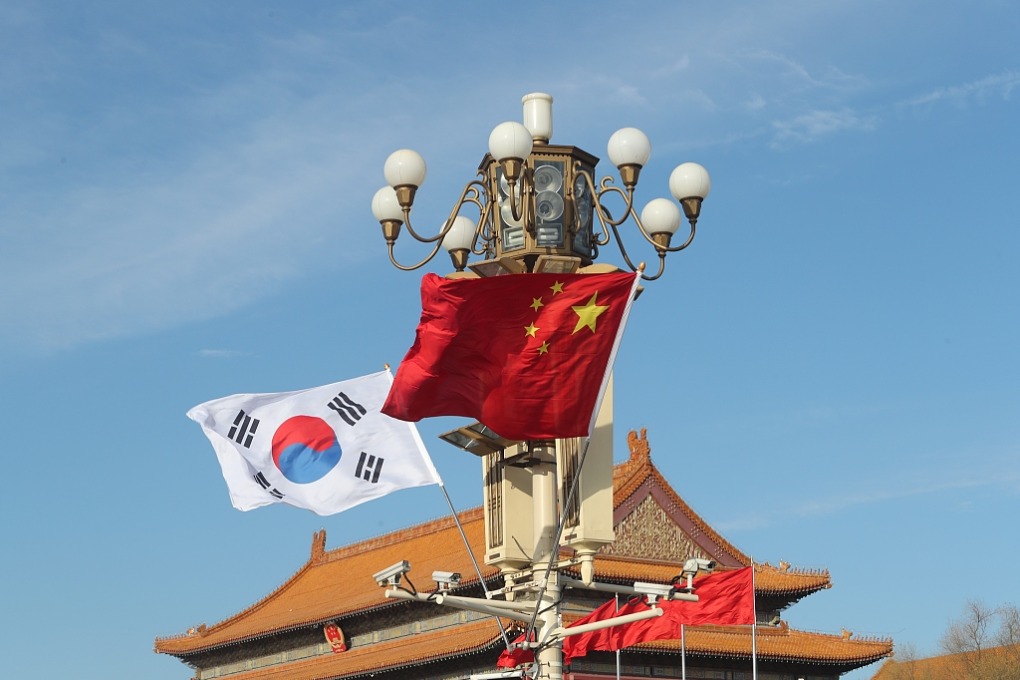
    Chinese Vice-Premier He Lifeng has called for strengthened economic collaboration between China and South Korea, emphasizing the creation of new win-win cooperation prospects. The senior official, who also serves on the Political Bureau of the Communist Party of China Central Committee, delivered these remarks while co-hosting a bilateral business forum in Beijing with South Korean President Lee Jae-myung.

    Speaking before approximately 400 government and business representatives from both nations, Vice-Premier He highlighted the importance of implementing the strategic consensus reached by both countries’ leadership. He articulated China’s commitment to advancing the quality and upgrading of mutual economic and trade cooperation under this guidance.

    ‘China will unswervingly pursue high-standard opening-up policies,’ He affirmed, extending welcomes to enterprises from South Korea and other nations to invest and establish operations within China’s market. He emphasized that such participation would enable international businesses to benefit from China’s ongoing development opportunities.

    In reciprocal remarks, President Lee acknowledged the substantial deepening of ROK-China cooperation across multiple sectors in recent years. The South Korean leader expressed his nation’s willingness to enhance mutually beneficial collaboration with China, noting that such strengthened ties would generate greater benefits for both countries’ populations.

    The high-level forum was jointly organized by the China Council for the Promotion of International Trade and the Korea Chamber of Commerce and Industry, representing a significant platform for bilateral economic dialogue. The event’s substantial attendance reflected the importance both nations place on their economic partnership amid evolving global economic dynamics.

  • NHC unveils 4th catalog of branded drugs to boost generic alternatives

    NHC unveils 4th catalog of branded drugs to boost generic alternatives

    China’s National Health Commission (NHC) has launched its fourth comprehensive catalog of reference brand-name drugs, marking a significant advancement in the nation’s healthcare strategy. Released on January 5, 2026, this initiative specifically targets the development of high-quality generic alternatives to address critical clinical gaps across multiple medical specialties.

    The newly published catalog, developed through collaboration between the NHC and three additional government agencies, features 21 innovative pharmaceutical products spanning oncology, neurology, reproductive medicine, and diagnostic imaging. The selection process prioritized medications demonstrating novel therapeutic mechanisms and targets, including groundbreaking treatments such as difelikefalin for chronic kidney disease-associated pruritus and four radiopharmaceutical therapies currently unavailable in domestic markets.

    Notably, the catalog incorporates internationally recognized first-line treatments like suvorexant for insomnia management, which demonstrates efficacy in sleep initiation and maintenance while reducing daytime impairment. In alignment with national population policies, the list also includes advanced reproductive health formulations designed as gels and suppositories to minimize adverse reactions during assisted reproduction procedures.

    The catalog further emphasizes medicines with established clinical utility within China’s healthcare system, such as deflazacort for managing Duchenne muscular dystrophy. Since initiating this program in 2019, Chinese health authorities have consistently released these catalogs to accelerate the availability of affordable, therapeutically equivalent generic medications, thereby enhancing treatment accessibility while maintaining pharmaceutical quality standards.

  • Macao sees tourism surge during New Year holiday

    Macao sees tourism surge during New Year holiday

    Macao’s tourism sector has demonstrated extraordinary resilience and appeal during the recent New Year holiday period, with official data revealing record-breaking visitor numbers that underscore the region’s growing popularity as a premier travel destination. According to statistics released by Macao’s Public Security Police Force, the special administrative region witnessed an extraordinary influx of travelers between December 31, 2025, and January 4, 2026. The border checkpoints processed a staggering 3,807,706 inbound and outbound movements during this five-day period, highlighting the massive scale of holiday travel activity. The data further revealed that inbound visitor arrivals reached 766,240, demonstrating robust travel demand despite global economic uncertainties. The most remarkable milestone occurred on January 1st, when Macao’s border crossings achieved an unprecedented single-day record of 866,603 inbound and outbound trips. That same day, visitor arrivals peaked at 188,036—the highest number ever recorded for New Year’s Day in Macao’s history. This exceptional holiday performance builds upon an already record-shattering year for Macao’s tourism industry. Preliminary annual figures for 2025 indicate total visitor arrivals reached 40.06 million, establishing a new benchmark for the region’s tourism sector and signaling a complete recovery from previous pandemic-related disruptions. The consistent growth trajectory positions Macao as one of Asia’s most dynamic and resilient tourism markets, with the New Year surge serving as a strong indicator of continued expansion in 2026.

  • ‘Freak accident’: Singer Chitra Iyer mourns death of sister Sharada in Oman

    ‘Freak accident’: Singer Chitra Iyer mourns death of sister Sharada in Oman

    In a devastating turn of events, Indian expatriate Sharada Iyer lost her life during a hiking expedition in Oman’s renowned Wadi Ghul canyon region. The incident, described by family as a “freak accident,” occurred at Jebel Shams, frequently dubbed the “Grand Canyon of Arabia” for its dramatic geological formations.

    Sharada, an Omani resident originally from Kerala, India, was participating in the outdoor adventure when tragedy struck. Her sister Chitra Iyer, an accomplished Indian playback singer, confirmed the heartbreaking news through emotional social media tributes that captured their deep sibling bond despite their playful rivalry.

    “What am I going to do? How will I ever carry on living without your annoying voice jabbering nonstop at the other end of the phone? Or screaming from the next room?” Chitra expressed in her moving online homage, accompanied by cherished photographs of her departed sister.

    Arrangements are currently underway to repatriate Sharada’s remains to her native Kerala, where final rites have been scheduled for January 7 at the family’s ancestral home. The Indian expatriate community across the Gulf region has expressed profound sympathy for the grieving family.

    The Wadi Ghul area, while offering spectacular vistas and challenging terrain for outdoor enthusiasts, presents significant safety considerations that adventure seekers must acknowledge. This incident serves as a sobering reminder of the unpredictable nature of wilderness expeditions, even in popular tourist destinations.

  • From vision to velocity: Dubai’s blueprint for future-ready government

    From vision to velocity: Dubai’s blueprint for future-ready government

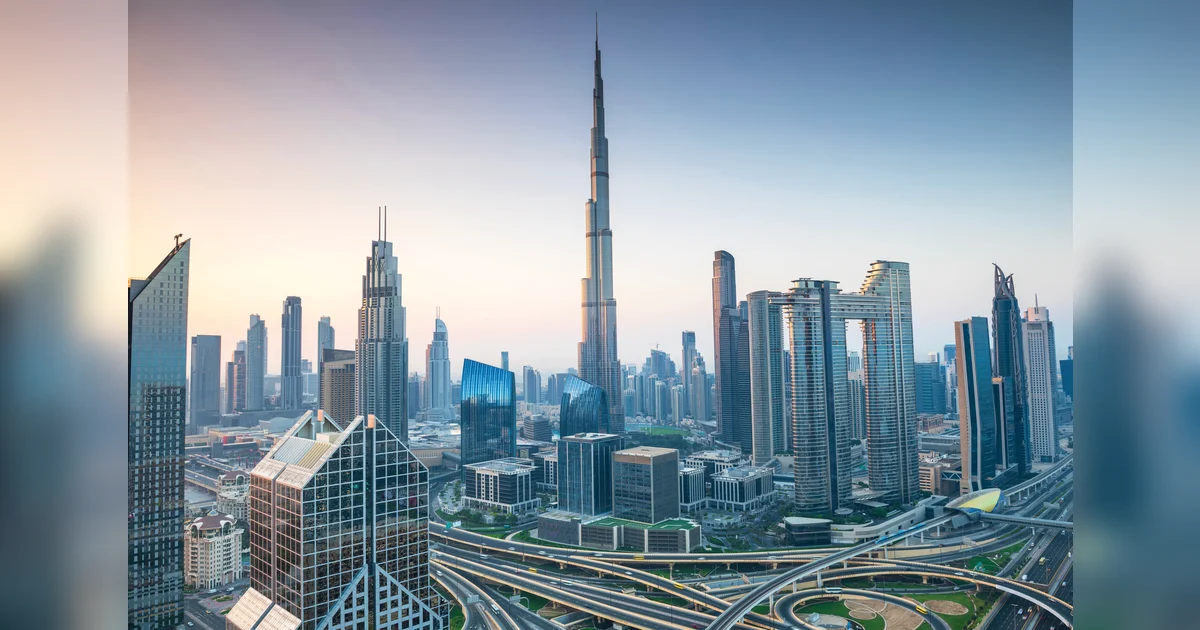
    As Dubai commemorates the 20-year leadership tenure of His Highness Sheikh Mohammed bin Rashid Al Maktoum as Ruler of Dubai and UAE Vice-President and Prime Minister, the emirate’s extraordinary governance transformation offers a compelling case study in strategic modernization. Since 2006, Dubai has evolved from a regional trading center into a globally recognized paradigm of agile, citizen-centric governance that balances technological innovation with human-centered development.

    The Dubai model distinguishes itself through its systematic institutional redesign prioritizing operational efficiency, transparency, and quality of service delivery. Public institutions have been fundamentally reengineered to serve citizens and businesses with unprecedented speed and accountability, creating governance systems now studied internationally as proven operational frameworks rather than theoretical concepts.

    Technological integration formed a cornerstone of this transformation, with the UAE embedding digital infrastructure into public services long before it became a global priority. From pioneering e-government initiatives to contemporary artificial intelligence applications in policy design and infrastructure resilience, innovation has become institutionalized while maintaining trust and responsibility as core principles.

    Beyond technological advancement, Dubai’s holistic approach emphasizes cultural development through institutions like the Museum of the Future and Louvre Abu Dhabi, recognizing cultural capital as essential to national progress. Concurrently, comprehensive social initiatives addressing family welfare, elderly care, and population development ensure inclusive advancement.

    Economically, Dubai’s forward-looking regulatory environment has attracted global enterprises while nurturing homegrown businesses and startups, creating a diversified, non-oil growth model that enhances economic resilience and accessibility.

    The UAE’s global talent attraction strategy, facilitated through long-term residency pathways and world-class education ecosystems, has established the nation as a stable environment for building complete lives rather than just careers. This stability has emerged as a strategic asset in an increasingly volatile global landscape.

    Internationally, the UAE has extended its leadership through platforms like the World Government Summit while demonstrating humanitarian commitment through crisis response and aid initiatives. Guided by a clear vision extending to the UAE Centennial 2071, the nation has established a roadmap anchored in sustainability, innovation, and societal wellbeing that ensures cumulative rather than episodic progress.

    According to Deloitte Middle East partners Muhannad Tayem and Shargil Ahmad, whose organization marks its centennial in the region this year, Dubai’s transformation demonstrates that enduring change requires partnership between bold leadership and disciplined execution. As Dubai progresses toward its next developmental chapter, its governance model provides a blueprint for future-ready administration worldwide.

  • China launches new round of applications for nationwide childcare subsidies

    China launches new round of applications for nationwide childcare subsidies

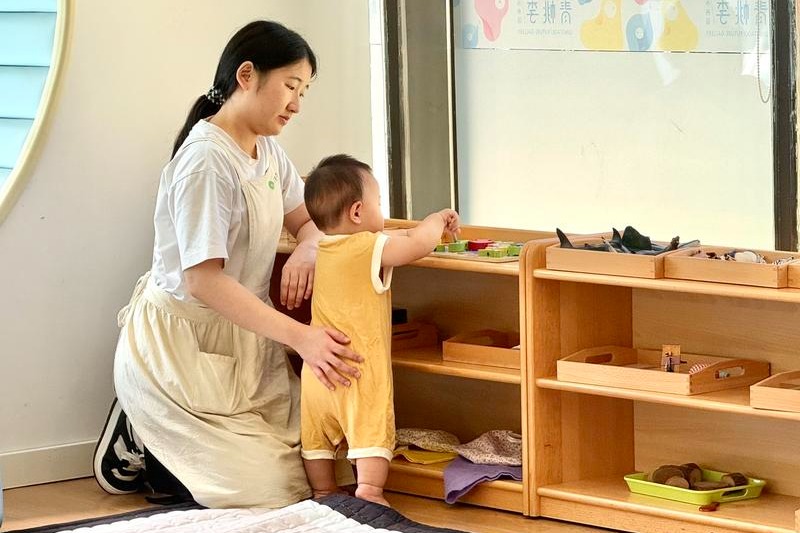
    China has initiated a fresh application cycle for its national childcare subsidy initiative, marking another significant step in the country’s comprehensive strategy to address demographic challenges. The program, which commenced in July 2025, provides eligible families with an annual tax-free allocation of 3,600 yuan (approximately $513) for each child under three years of age.

    According to official data released by the National Health Commission, the subsidy scheme has already extended benefits to over 24 million citizens nationwide, achieving a distribution rate nearing 80% for the 2025 allocation period. The Ministry of Finance disclosed that the central government had earmarked 90 billion yuan from its central budget to fund this ambitious social welfare program.

    Prospective beneficiaries can submit applications through multiple digital platforms including Alipay and WeChat, in addition to traditional offline channels. This multi-platform approach ensures broader accessibility and streamlined processing for families across China’s diverse socioeconomic landscape.

    This policy development occurs against the backdrop of China’s evolving demographic profile. Recent statistics indicate approximately 30 million children under three years old nationwide, while the population aged 60 and above reached 310 million by the end of 2024. After seven consecutive years of decline, the country witnessed a modest rebound in birth rates during 2024, signaling potential positive trends.

    The childcare subsidy represents just one component of China’s expanding framework of family support policies. Additional measures include enhanced income tax deductions for childcare and education expenses, with monthly deduction standards increased from 1,000 to 2,000 yuan per child. Future policy initiatives already in development aim to further alleviate financial pressures associated with childrearing, including plans to achieve nationwide insurance coverage for basic childbirth costs by 2026.

    The emphasis on fertility policy was notably reinforced during last year’s Central Economic Work Conference, where authorities emphasized maintaining birth rates at stable levels as part of China’s broader social and economic planning.