标签: Asia

亚洲

  • Prime Minister Mark Carney to visit China next week as Canada pivots away from the US

    Prime Minister Mark Carney to visit China next week as Canada pivots away from the US

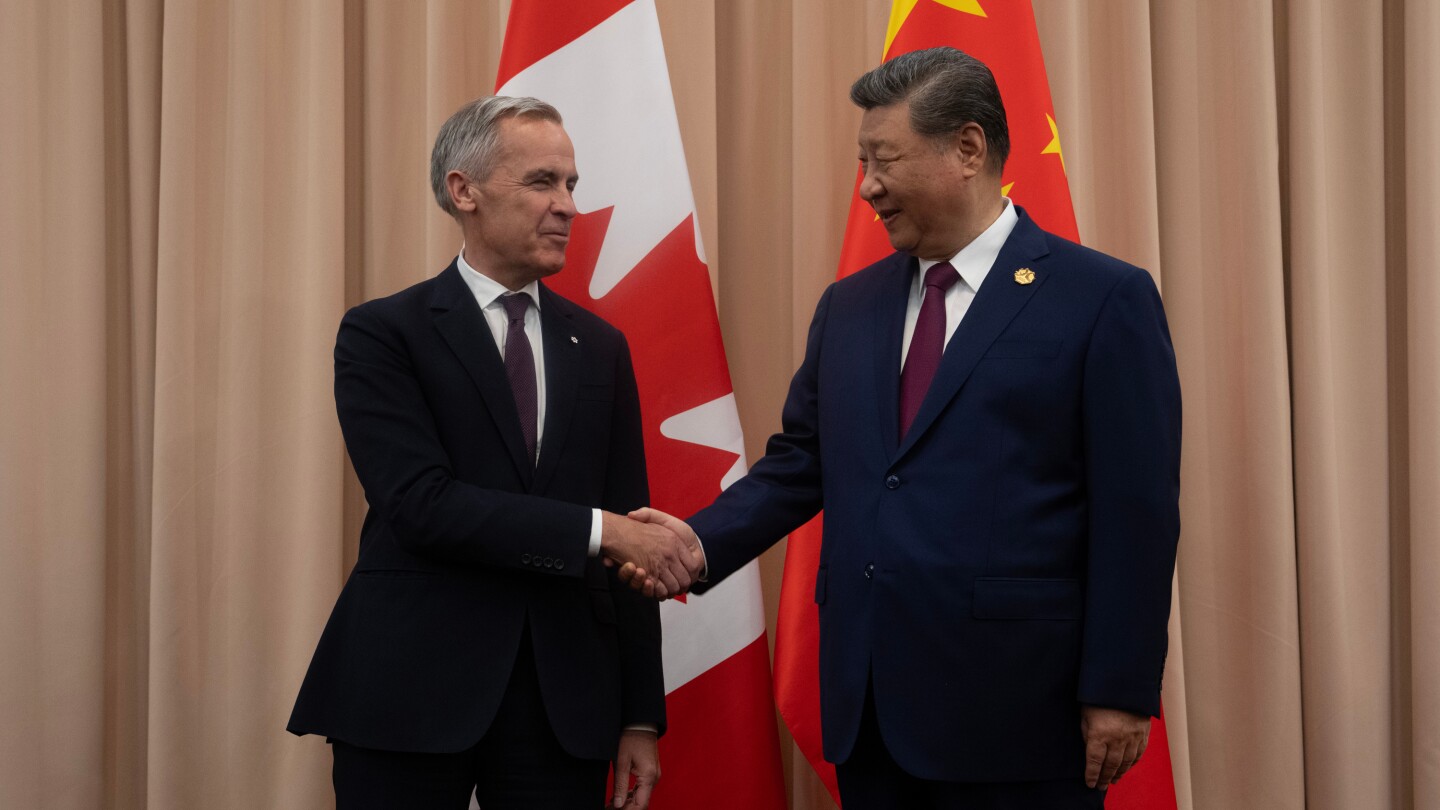
    In a significant diplomatic maneuver, Canadian Prime Minister Mark Carney will undertake an official state visit to China from January 13-17, marking the first such journey by a Canadian leader in over eight years. The visit comes at the invitation of Chinese President Xi Jinping, extending from their October encounter during the Asia-Pacific summit.

    This diplomatic initiative represents a strategic pivot in Canada’s foreign policy as the nation seeks to diversify its economic partnerships and reduce dependence on the United States. Prime Minister Carney articulated this strategic shift, stating, “We’re forging new partnerships worldwide to transform our economy from one reliant on a single trade partner to one that demonstrates greater resilience against global disruptions.”

    The timing of this rapprochement effort is particularly noteworthy given several contextual factors. Current trade tensions with the United States, including tariff threats and sovereignty concerns, have accelerated Canada’s pursuit of alternative markets. The North American free trade agreement undergoes review this year, while Canada simultaneously pursues ambitious targets to double non-U.S. exports within the coming decade.

    China currently stands as Canada’s second-largest trading partner, though the relationship has experienced significant turbulence. Bilateral relations deteriorated sharply in late 2018 following Canada’s arrest of a senior Huawei executive pursuant to its extradition treaty with the United States. China responded by detaining two Canadian citizens, creating a diplomatic standoff that lasted years.

    More recently, trade tensions have resurfaced through Canada’s imposition of 100% tariffs on Chinese electric vehicles, batteries, and related goods—a move coordinated with U.S. policy. China retaliated with targeted tariffs affecting Canadian canola, seafood, and pork producers. Beijing has proposed removing these import taxes should Canada reconsider its EV tariff policy.

    Following his China visit, Prime Minister Carney will attend the World Economic Forum Annual Meeting in Davos, Switzerland from January 19-21, further advancing Canada’s international economic diplomacy agenda.
  • Corbyn slams UK for £240m deal with Israel-linked US tech giant Palantir

    Corbyn slams UK for £240m deal with Israel-linked US tech giant Palantir

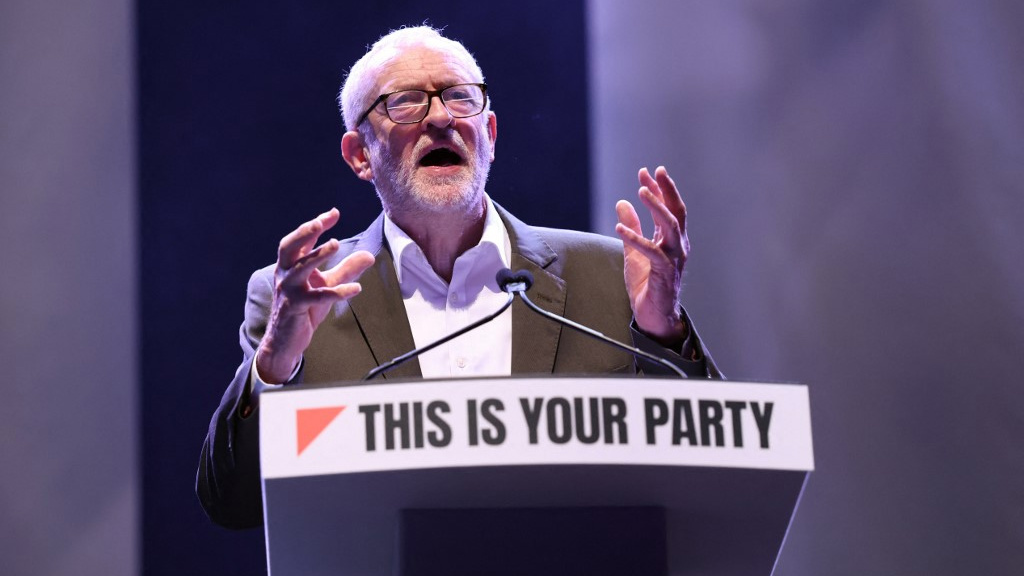
    Former Labour leader Jeremy Corbyn has launched a scathing critique against the current UK Labour government for awarding a substantial £240 million contract to US technology firm Palantir, citing the company’s controversial associations with the Israeli military. The agreement, finalized by the Ministry of Defence (MoD) in December, secures Palantir’s data analytics capabilities for strategic and operational military decision-making over a three-year period.

    This new contract triples the value of a previous 2022 arrangement and positions Palantir as a key partner in modernizing Britain’s armed forces. The government has further committed to investing up to £750 million in collaborative opportunities with Palantir over the next five years.

    Corbyn, now representing the left-wing Your Party, condemned the partnership in remarks to Middle East Eye, stating: “From Trump’s anti-migrant authoritarianism to Israel’s genocide in Gaza, Palantir has enabled abominable human rights abuses worldwide. It is truly shameful that this government treats crimes against humanity as business opportunities.”

    The controversy extends beyond defense applications. Last summer, Palantir’s separate £330 million agreement to process National Health Service data drew significant criticism from medical professionals, including the British Medical Association, which warned the deal “threatens to undermine public trust in NHS data systems.”

    Palantir’s extensive government partnerships include a strategic alliance with Israel’s defense ministry established in January 2024 and ongoing collaboration with the US Immigration and Customs Enforcement (ICE) agency. The company’s technology was reportedly deployed in Israel’s September 2024 pager attacks in Lebanon, which resulted in 42 fatalities and thousands of injuries, including many civilians.

    According to UN Special Rapporteur Francesca Albanese’s July report, there are “reasonable grounds to believe Palantir has provided automatic predictive policing technology, core defence infrastructure for rapid and scaled-up construction and deployment of military software, and its Artificial Intelligence Platform, which allows real-time battlefield data integration for automated decision making.”

    The criticism transcends party lines, with former Conservative Defence Secretary Ben Wallace questioning the authenticity of the partnership, describing it as “some fake London office with a few PR people and ad campaigns abusing our Union Jack” rather than genuine defense collaboration.

    Palantir did not respond to requests for comment regarding these allegations.

  • Dubai: Al Warqa’a 1 Street expansion completed, to improve traffic flow by 30%

    Dubai: Al Warqa’a 1 Street expansion completed, to improve traffic flow by 30%

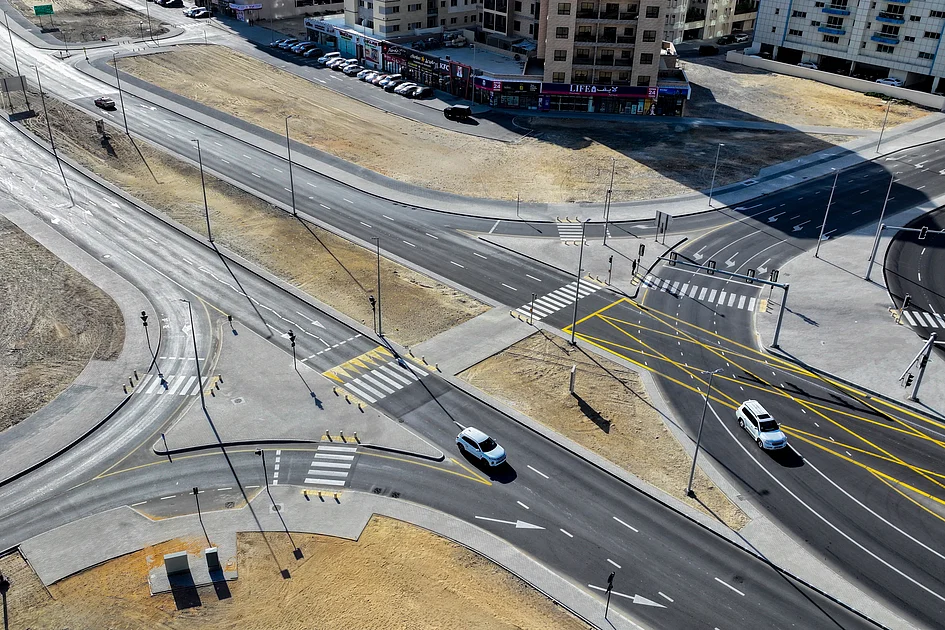
    Dubai’s Roads and Transport Authority (RTA) has officially completed a comprehensive infrastructure enhancement project along Al Warqa’a 1 Street, marking a significant milestone in the city’s ongoing urban development initiatives. The 7-kilometer expansion, stretching from Sheikh Mohammed Bin Zayed Road to Ras Al Khor Road, represents a strategic investment in the emirate’s transportation network.

    The transformative project has successfully converted four traditional roundabouts into intelligent signalized intersections, employing smart traffic management technology to optimize vehicle movement. This upgrade alone has contributed to a remarkable 30% improvement in traffic flow efficiency, substantially reducing congestion during peak hours.

    Beyond traffic management improvements, the initiative incorporated multifaceted infrastructure enhancements including the installation of 324 modern lighting poles equipped with energy-efficient illumination systems, significantly improving nighttime visibility and road safety. The project also addressed parking limitations by creating 111 new parking spaces and developed extensive pedestrian pathways spanning 41,000 square meters, ensuring safer mobility for non-vehicle users.

    Critical underground infrastructure received substantial upgrades with the construction of advanced stormwater drainage networks extending 6,600 linear meters, providing enhanced flood protection during seasonal rainfall.

    Hamad Al Shehhi, Director of Roads at RTA’s Traffic and Roads Agency, emphasized that this project builds upon previous infrastructure works completed in June 2025, which established direct access points between Al Warqa’a and Sheikh Mohammed Bin Zayed Road. “RTA remains committed to developing integrated infrastructure encompassing road networks, lighting, and drainage systems aligned with Dubai’s urban growth objectives,” Al Shehhi stated. “These efforts directly support the city’s vision as a smart, prosperous metropolis that prioritizes quality of life and resident satisfaction.”

    The authority continues to implement additional development projects in adjacent areas including Al Warqa’a 3 and 4, featuring road paving, expanded pedestrian infrastructure, and dedicated cycling tracks to promote sustainable transportation alternatives.

    RTA’s community engagement approach was demonstrated through interactive sessions held with Mirdif and Al Warqa’a residents last October, where officials discussed the upcoming Dubai Metro Blue Line project and addressed local transportation concerns. This participatory model reflects the authority’s commitment to incorporating public feedback into urban planning decisions.

  • Fifa urged to stop Israeli demolition of West Bank refugee camp football pitch

    Fifa urged to stop Israeli demolition of West Bank refugee camp football pitch

    A Palestinian youth organization has urgently petitioned FIFA leadership to prevent the imminent demolition of a crucial football facility in the occupied West Bank. The Aida Youth Centre, located near Bethlehem’s separation wall, received official notification from Israeli authorities on December 31st that their artificial turf pitch would be destroyed within seven days.

    This sporting facility, installed in 2021 on land owned by the Armenian Church within the Aida refugee camp, serves as the sole recreational space for approximately 2,500 children residing in one of the region’s most densely populated areas. The pitch functions as both a training ground for the center’s football academy and a rare sanctuary for youth living amidst military checkpoints, watchtowers, and constant security operations.

    The center’s board director, Munther Amira, articulated in a January 6th letter addressed to FIFA President Gianni Infantino and Swiss Foreign Minister Ignazio Cassis that the demolition constitutes “a clear and callous attempt to deprive Palestinians of a facility critical to their physical and mental welfare.” The communication emphasized the pitch’s role as “a rare place of hope and joy for children who endure severe hardship.”

    Notably, the facility has demonstrated significant impact on women’s football development, with three former academy players having represented Palestine at the West Asia Football Federation’s under-14 girls’ championship in December. Local authorities, including Bethlehem Mayor Maher Canawati, are pursuing diplomatic, legal, and sporting channels to halt the demolition, asserting that proper leasing agreements with the Armenian Patriarchate render the construction fully authorized.

    The appeal emerges weeks after FIFA announced plans to construct two mini-pitches in the West Bank by 2026 through its FIFA Arena initiative, co-funded by the Swiss government with a commitment of approximately $150,000. The potential demolition creates a stark contradiction with FIFA’s stated mission of expanding football access in challenging regions.

    Israeli military officials previously posted demolition notices in November, claiming the structure lacked proper permits—an assertion local authorities vehemently deny. For residents of the camp established in 1950 for Nakba refugees, the pitch represents more than sports infrastructure; it serves as psychological relief and one of the few safe spaces available to children growing up in what has been described as one of the world’s most heavily militarized civilian areas.

  • Algeria could sever ties with UAE ‘in the coming days’ amid links to separatists

    Algeria could sever ties with UAE ‘in the coming days’ amid links to separatists

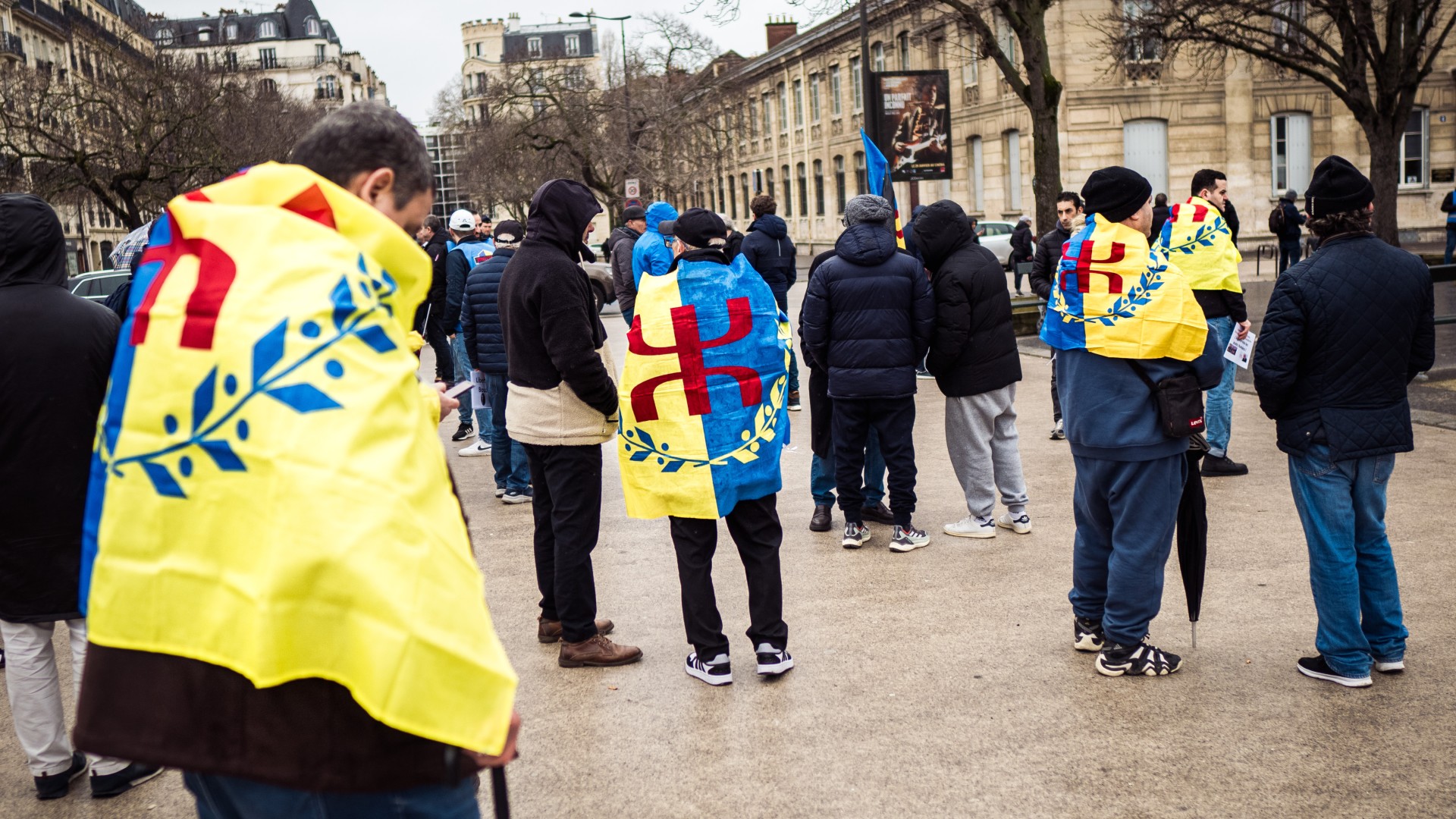
    Algeria stands on the precipice of severing diplomatic ties with the United Arab Emirates amid escalating allegations that Abu Dhabi is actively destabilizing Algerian national unity through support of a designated terrorist organization. According to El-Khabar, a publication with established links to Algerian authorities, the UAE stands accused of backing the Movement for the Autonomy of Kabylia (MAK)—a Paris-based separatist group seeking independence for the northern Kabylia region.

    The newspaper reports that Algeria’s diplomatic relationship with the UAE has deteriorated significantly compared to its ties with other Arab nations. Official sources cite ‘hostile’ Emirati actions conducted without consultation or Arab consensus, which allegedly endanger broader Arab interests and promote fragmentation agendas benefiting only external enemies.

    President Abdelmadjid Tebboune previously delivered veiled criticisms toward an unnamed Gulf state, questioning, ‘Why are you interfering in our internal issues?’ and emphasizing that national sovereignty remains a ‘red line.’ Algerian official circles have repeatedly accused the UAE embassy of ‘suspicious moves’ and described its ambassador as being ‘on a mission to destabilize’ the country.

    The allegations extend beyond bilateral tensions. Reports indicate the UAE has established communications with MAK, which also receives support from Israel and Morocco—both rivals of Algeria. French judicial authorities are reportedly investigating suspicious financial transfers worth millions of euros to MAK leaders through a non-profit cultural association.

    This situation reflects broader regional concerns about UAE foreign policy. Abu Dhabi faces accusations of supporting insurgencies and separatist movements across multiple countries including Libya, Sudan, Yemen, Somalia, and Syria. In Yemen specifically, UAE backing of Southern Transitional Council separatists has created tensions with Saudi Arabia.

    Algeria additionally expresses concern about the UAE’s expanding military presence across Africa, its support for Morocco, and its developing relations with Israel—all positions that contradict Algeria’s historical support for Palestinian sovereignty. El-Khabar concludes that continued ‘conspiracy-minded’ policies from the UAE could push bilateral relations to a point of no return, potentially resulting in a permanent diplomatic break.

  • Chinese embodied AI startup makes debut with precision robotics demonstration after $242M fundraising year

    Chinese embodied AI startup makes debut with precision robotics demonstration after $242M fundraising year

    In a remarkable technological unveiling, Chinese artificial intelligence startup TARS has demonstrated unprecedented capabilities in precision robotics, marking its public debut after securing $242 million in funding throughout 2025. The December 19 showcase featured the world’s first robotic system capable of performing complex hand embroidery—a feat requiring extraordinary precision and delicate material manipulation.

    The demonstration went far beyond theatrical display, serving as a comprehensive validation of TARS’ groundbreaking flexible manipulation technology. The robot executed intricate embroidery processes with sub-millimeter precision, showcasing coordinated bimanual operation, sophisticated force and tactile control, and exceptional adaptability to flexible materials. These capabilities maintained consistently high success rates throughout extended, complex operational sequences.

    More significantly, TARS revealed practical industrial applications for its technology, particularly in autonomous wire harness assembly—a domain where traditional industrial robots have historically struggled. This breakthrough addresses critical challenges in manufacturing flexibility and precision, offering new pathways for intelligent transformation within high-end manufacturing sectors.

    The company simultaneously unveiled its Industrial Robot A-Series and General-Purpose Robot T-Series, emphasizing that the embroidery demonstration symbolized just the beginning of robotics integration into production and daily life. TARS positions its creations not as merely controlled machines, but as reliable intelligent agents capable of stable long-term operation.

    With substantial funding and proven technology, TARS has established foundations for international expansion, identifying the Middle Eastern market as a likely initial focus for its global operations.

  • Who is Aidarous al-Zubaidi, Yemen’s southern separatist leader?

    Who is Aidarous al-Zubaidi, Yemen’s southern separatist leader?

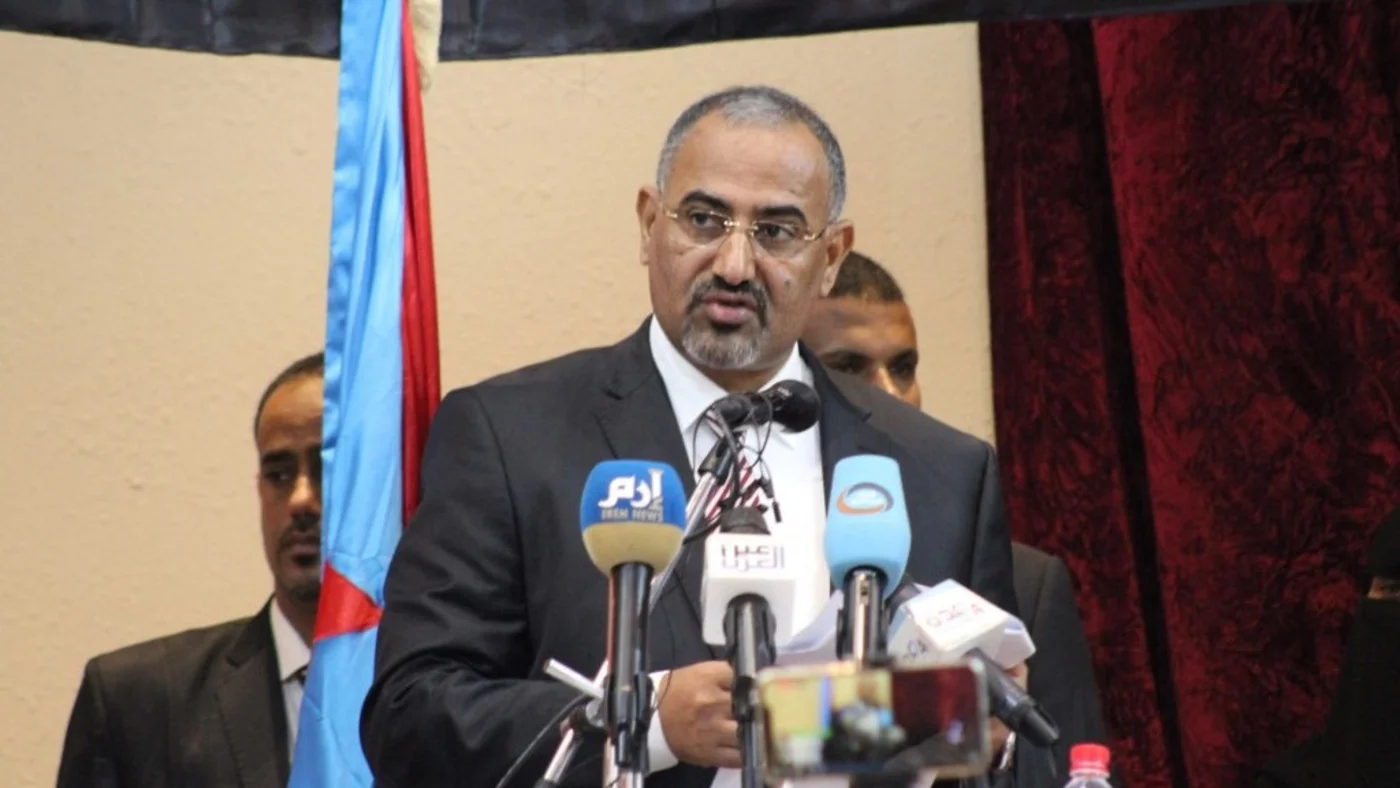
    In a dramatic political upheaval, Yemen’s internationally recognized Presidential Leadership Council (PLC) has formally expelled Aidarous al-Zubaidi, head of the UAE-backed Southern Transitional Council (STC), charging him with high treason. The PLC announced on Wednesday that Zubaidi was personally—not the STC collectively—responsible for actions damaging Yemen’s political and military standing, including forming unauthorized armed groups, committing civilian atrocities, and sabotaging military installations.

    Zubaidi, among Yemen’s most polarizing figures, has long championed southern secession. His political trajectory reached its zenith when appointed Aden’s governor in 2015, surviving two assassination attempts shortly thereafter. He established the STC in 2017, consolidating southern separatist ambitions, and secured a vice-presidential role within the PLC upon its 2022 formation—a position now revoked.

    The immediate catalyst appears to be Zubaidi’s unilateral January 2nd ‘constitutional declaration’ proposing a two-year transition toward an independence referendum. This move exacerbated tensions already heightened by STC forces claiming control over Hadhramaut and al-Mahra governorates in December after Saudi-backed troops withdrew from Aden bases.

    Saudi Arabia, leading the coalition opposing Houthi rebels, had summoned Zubaidi to Riyadh for crisis talks regarding escalating violence. However, coalition spokesman Major General Turki al-Maliki reported Zubaidi avoided the scheduled flight, instead ‘fleeing to an unknown location’ after distributing weapons in Aden.

    Zubaidi’s ideological stance—advocating popular sovereignty contrary to the Houthis’ theocratic governance vision—and his 2023 remarks to Middle East Eye describing the PLC as a fragile ‘coalition of different agendas’ underscore the profound divisions. His recent controversial expression of willingness to join the Abraham Accords with Israel conditional on southern independence further illustrates his contentious international posture.

    Born in 1967 during Yemen’s partition era, Zubaidi consistently opposed unification, leading armed group ‘Hatm’ post-1994 civil war to ‘defend the south.’ His removal signals critical fractures within the anti-Houthi alliance, threatening to destabilize Yemen’s precarious political equilibrium further.

  • Watch: Moderate to heavy rains hit Fujairah, Ras Al Khaimah; NCM issues alert

    Watch: Moderate to heavy rains hit Fujairah, Ras Al Khaimah; NCM issues alert

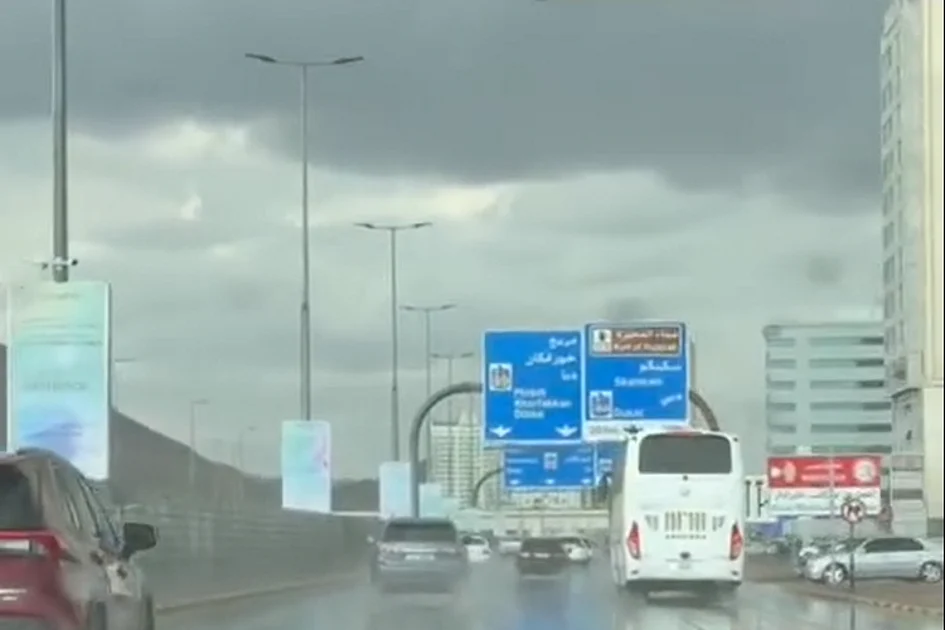
    The United Arab Emirates’ northern regions experienced significant meteorological activity on Wednesday as convective cloud formations brought moderate to heavy rainfall across multiple areas. According to the National Centre of Meteorology (NCM), Fujairah witnessed precipitation ranging from light to moderate intensity, particularly affecting the Al Bithnah, Skamkam, Al Rimailah, and Al Sodah districts. Simultaneously, Ras Al Khaimah’s Al Huwailat area received substantial downpours, with temperatures expected to reach a low of 13°C.

    The meteorological authority activated an orange-level alert—indicating potentially hazardous conditions—for convective cloud development in Fujairah, remaining in effect until 7 PM local time. Visual documentation from Storm Centre depicted vehicles navigating rain-slicked roadways with active windscreen wipers as water accumulated on thoroughfares.

    While temperature projections indicate only marginal decreases over subsequent days, residents are anticipated to perceive noticeably cooler conditions due to persistent fresh winds sweeping across the nation. Although certain localities have registered temperatures approaching freezing points, overall daytime mercury levels are forecast to maintain relative stability with minor fluctuations.

    The NCM continues to monitor atmospheric developments closely, urging motorists to exercise caution during reduced visibility conditions and advising residents to stay informed through official meteorological channels.

  • Report reveals ‘secret web’ of unlisted sites linked to pro-Israel doxxing company

    Report reveals ‘secret web’ of unlisted sites linked to pro-Israel doxxing company

    A groundbreaking digital forensics investigation has uncovered the clandestine operational infrastructure of Canary Mission, an anonymous doxxing platform with ties to Israel that has been utilized to target pro-Palestine advocates in the United States. The probe, conducted by Drop Site News throughout 2025, exposed multiple concealed websites and content management systems employed by the shadow organization.

    Forensic analysts working over a three-month period recovered extensive internal documentation including strategic planning materials, internal communications regarding meetings and quarterly objectives, employee identities, contractor information, and assessments of the group’s political influence. The findings, published this week, provide unprecedented visibility into the mechanics of this controversial operation.

    One discovered platform, BlackNest, functioned as an unlisted dashboard celebrating the deportation and professional dismissal of pro-Palestine academics and students as measurable achievements. This internal system categorized the organization’s impact on suppressing criticism of Israel within US policy frameworks through multiple metrics: behavioral modification, employment termination, US entry denials, arrests, and forced deportations.

    According to the investigation, BlackNest operated a daily updated interface featuring infographics and media compilations designed to demonstrate the platform’s policy influence. This included documentation of an NBC report revealing that Department of Homeland Security officials testified in court proceedings that ‘most’ deportation targets for pro-Palestine activism were identified through Canary Mission’s database.

    The core Canary Mission website maintains an extensive repository profiling students, professors, and organizations accused of expressing anti-Israel or antisemitic views. Their stated mission involves ‘documenting individuals and organizations that promote hatred of the USA, Israel and Jews on North American college campuses.’ Targeted groups include the Palestinian Youth Movement, Students for Justice in Palestine, and Jewish Voice for Peace.

    The investigation revealed that over thirty operatives employ fabricated social media accounts to harvest personal information and monitor pro-Palestine individuals. Internal performance metrics highlighted specific achievements, including one staff member credited with ‘identifying an activist’ from viral online content and another praised for completing ‘Stanford Arrest Profiles.’

    A recovered 21-page strategic document outlined the organization’s 2025 objectives, which included brand differentiation, data sharing with donors, operational scaling plans, and a weekly target of 150 new profiles. The document explicitly described ‘anonymity as a tool to scare the enemy’ and a ‘bottom-up approach: Using individuals to take down organizations.’

    Technical evidence indicated the organization developed facial recognition software combined with data scraping to automatically identify persons of interest. Investigators also uncovered an attempted but largely abandoned project called Museum of Online Antisemitism (MOA), which included code designed to protect doxxers’ anonymity.

    The digital trail led to an Israeli company called Shefing, based in a Jerusalem WeWork facility and owned by French-Israeli entrepreneur Philippe Cohen, which appears to have developed software for both Canary Mission and MOA.

    This investigation builds upon previous reporting that attempted to trace the organization’s funding, which is deliberately obscured through complex financial channels. Previous investigations by The Forward magazine in 2018 revealed that a US Jewish charity designated $100,000 for ‘Canary Mission for Megamot Shalom,’ an Israeli charity with minimal digital presence. Evidence suggests Canary Mission is likely operated by Megamot Shalom, owned by British-born Israeli Jonathan Bash, with funding channeled through American nonprofit structures to Israeli entities.

    Despite these findings, the individuals ultimately funding and directing this extensive doxxing operation remain largely concealed behind sophisticated digital and financial obfuscation techniques.

  • 11 Jordanian Umrah pilgrims injured in bus accident in Saudi Arabia

    11 Jordanian Umrah pilgrims injured in bus accident in Saudi Arabia

    A bus transporting Jordanian pilgrims met with an accident in Saudi Arabia’s Miqwa region on Wednesday morning, resulting in injuries to eleven citizens undertaking the Umrah pilgrimage. The Jordanian Ministry of Foreign Affairs and Expatriates confirmed the incident involved a vehicle carrying thirty-four Jordanian nationals.

    Jordanian diplomatic missions have activated comprehensive response protocols following the accident. The Operations and Consular Affairs Directorate, in coordination with Jordan’s Riyadh embassy and Jeddah consulate general, is maintaining continuous oversight of the situation. Officials are working closely with Saudi authorities to ensure optimal medical care and support for the injured pilgrims.

    Ambassador Fouad Al-Majali, official spokesperson for the ministry, emphasized the government’s commitment to providing all necessary assistance to affected citizens. “We are coordinating extensively with Saudi authorities to ensure our citizens receive the best possible care,” Al-Majali stated, while expressing official hopes for the pilgrims’ swift and complete recovery.

    The incident recalls previous transportation tragedies involving religious pilgrims in the region. In November 2025, a devastating bus crash in Saudi Arabia claimed forty-five lives, predominantly Indian pilgrims. That tragedy included multiple family members among the victims and affected long-term UAE residents undertaking their spiritual journey.

    This latest accident highlights ongoing transportation safety concerns for international pilgrims visiting Saudi holy sites. Both Jordanian and Saudi authorities continue to collaborate in addressing immediate medical needs while implementing measures to prevent similar incidents during religious pilgrimages.