标签: Asia

亚洲

  • 5.3-magnitude earthquake strikes Tajikistan; tremors felt in Pakistan

    5.3-magnitude earthquake strikes Tajikistan; tremors felt in Pakistan

    A substantial earthquake measuring 5.3 on the Richter scale struck the mountainous nation of Tajikistan on Friday, January 9th, 2026, according to official reports from the National Center for Seismology (NCS). The seismic event occurred at 02:44:16 IST at a considerable depth of 110 kilometers, with its epicenter located at coordinates 38.26°N latitude and 73.42°E longitude.

    The tremors were felt across multiple neighboring countries including Pakistan, China, and Afghanistan, highlighting the regional significance of the geological activity. This event follows another recent seismic occurrence in the same region, where a 4.5 magnitude earthquake was recorded on January 7th at an even greater depth of 170 kilometers.

    Tajikistan’s unique geological profile makes it particularly susceptible to natural disasters. The country’s diverse topography, characterized by extensive mountain ranges and glacier-dependent river systems, creates inherent vulnerabilities to various climate hazards. Beyond earthquakes, the nation regularly contends with floods, droughts, avalanches, landslides, and mudslides.

    The World Bank Climate Change Knowledge Portal indicates that environmental challenges are intensifying for Tajikistan, with projections suggesting that 30% of the country’s glaciers may disappear by 2050. This glacial melt further exacerbates existing vulnerabilities in river basins that are critical for hydropower generation and agricultural irrigation.

    Adding to these challenges, Tajikistan remains one of the world’s most isolated countries, a situation compounded by frequent natural disasters that damage transportation infrastructure. Landslides, debris flows, and floods regularly render bridges unsafe and roads impassable, gradually weakening flood defense systems that protect vulnerable communities.
  • Syrian government announces ceasefire in Aleppo, at least 21 killed

    Syrian government announces ceasefire in Aleppo, at least 21 killed

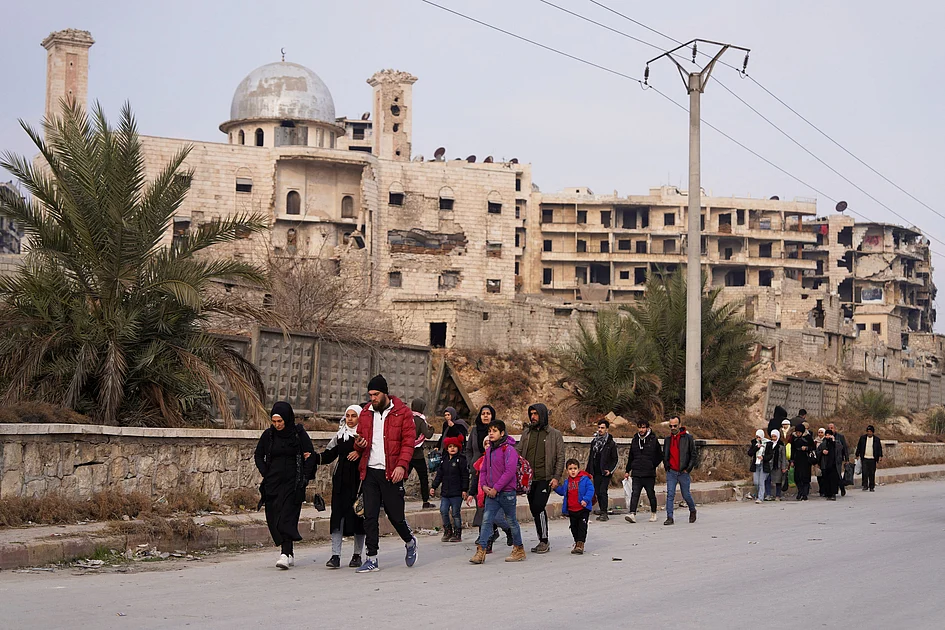
    The Syrian Ministry of Defence has officially declared a unilateral cessation of hostilities in multiple districts of Aleppo, effective from 3:00 am local time on Friday. This decision follows several days of intense combat between government forces and the Kurdish-led Syrian Democratic Forces (SDF) that resulted in at least 21 fatalities.

    The ceasefire specifically covers the Sheikh Maqsoud, Alashrafieh, and Bani Zeid neighborhoods where the most severe fighting occurred. In an official statement, the Ministry cited concerns about “preventing any slide towards a new military escalation within residential neighbourhoods” as the primary motivation for the truce.

    This outbreak of violence represents the most significant military confrontation in Aleppo since Syria’s current Islamist authorities assumed power. Both conflicting parties have exchanged accusations regarding which side initiated Tuesday’s clashes, which have disrupted a stalled agreement aimed at integrating Kurdish administrative and military structures into the central government.

    The escalation has additionally highlighted complex regional tensions, particularly involving Turkey—a key Damascus ally—and Israel, which has formally condemned what it characterized as attacks targeting Kurdish populations. The timing of these clashes coincides with deteriorating progress on implementation of the Kurdish-government integration deal, suggesting deeper political challenges beyond immediate military concerns.

  • 1 dead, 38 missing after Philippine dump site collapse

    1 dead, 38 missing after Philippine dump site collapse

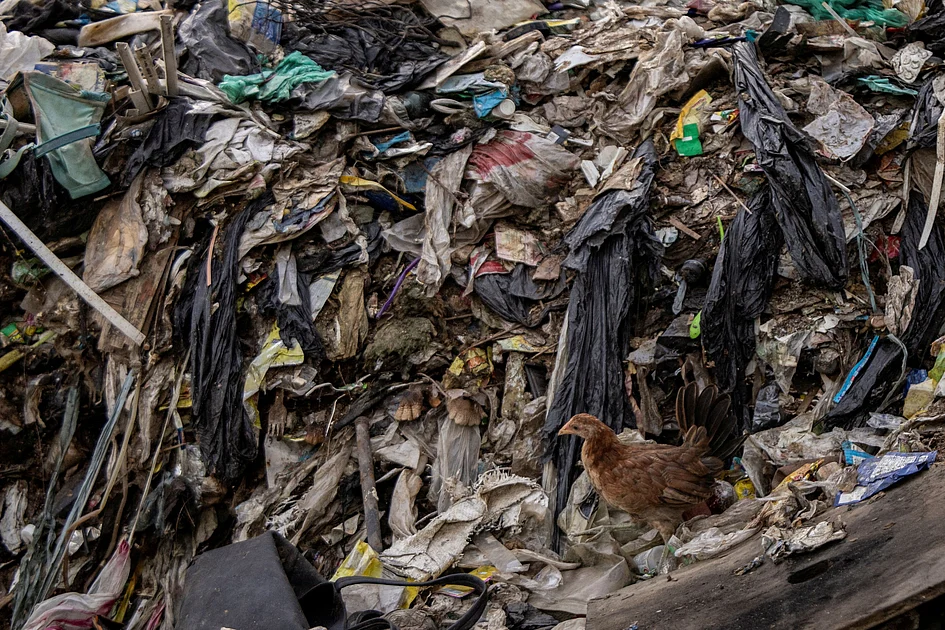
    A catastrophic collapse at the Binaliw Landfill in Cebu, Philippines, has resulted in one confirmed fatality with 38 individuals reported missing, plunging the community into a desperate search and rescue operation. The incident occurred on Thursday afternoon when a massive accumulation of garbage gave way, burying dozens of sanitation workers who were on site.

    Local authorities confirmed that at least 12 employees have been successfully extracted from the debris and are currently hospitalized, their conditions varying. The official Facebook page of Cebu City Mayor Nestor Archival released a statement indicating that rescue teams are “fully engaged in search and retrieval efforts to locate the remaining missing persons.”

    The cause of the sudden collapse remains undetermined, adding a layer of mystery to the tragedy. Marge Parcotello, a civilian staff member with the Consolacion police department, noted that the weather was clear at the time, stating, “We don’t know what caused the collapse. It wasn’t raining at all.” The town of Consolacion, which shares a boundary with the government-run landfill facility, is believed to be home to many of the victims. The Binaliw Landfill serves Cebu, a major metropolitan hub and popular tourist destination with a population of approximately one million people.

  • Iranians step up protests as death toll mounts, internet cut

    Iranians step up protests as death toll mounts, internet cut

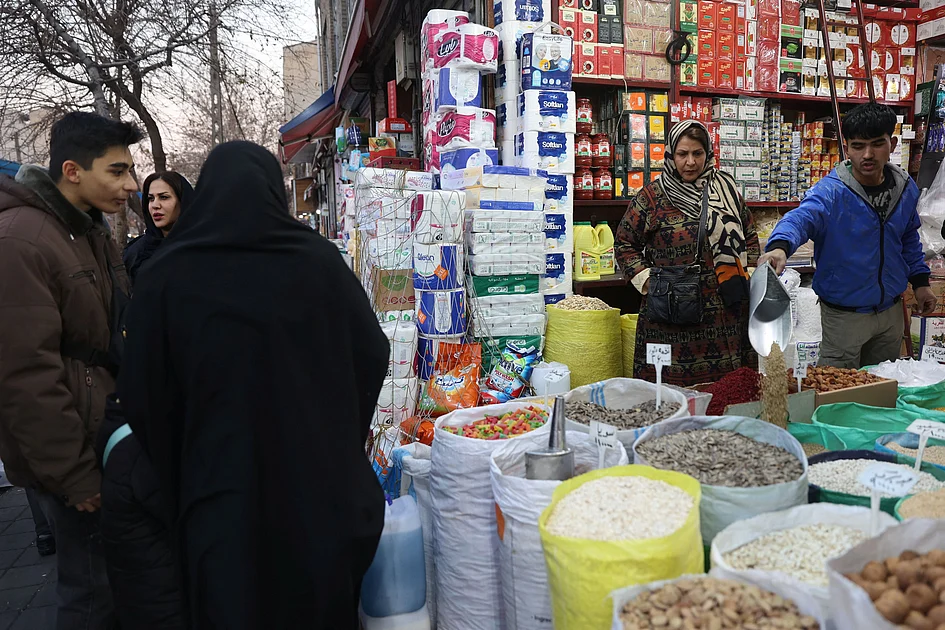
    Iran is experiencing its most significant civil unrest in years as nationwide protests intensify against the clerical leadership. The demonstrations, which originated on December 28th following the collapse of Iran’s rial currency to unprecedented lows, have now expanded across all 31 provinces with reports of gatherings in 348 distinct locations.

    The Norway-based organization Iran Human Rights has documented at least 45 fatalities since the movement began, including eight minors, with Wednesday marking the deadliest day of confrontations. Security forces have allegedly employed live ammunition against demonstrators, resulting in hundreds of injuries and over 2,000 arrests according to human rights monitors. Iranian state media, however, maintains a significantly lower official death toll of 21 individuals, including security personnel.

    In response to the escalating situation, authorities have implemented a comprehensive internet blackout across the nation, severely restricting information flow and communication capabilities. Despite this digital suppression and the violent crackdown, protests continued into Thursday night with significant gatherings reported on Tehran’s Ayatollah Kashani Boulevard and in numerous other urban centers.

    The current wave of dissent presents a substantial challenge to Ayatollah Ali Khamenei’s administration, which already contends with severe economic difficulties exacerbated by prolonged international sanctions. The protests have drawn international attention, with U.S. President Donald Trump issuing a stark warning against further violence toward demonstrators, while German Foreign Minister Johann Wadephul condemned Tehran’s ‘excessive use of force.’

    Notably, the movement has seen participation from diverse segments of society, including Kurdish regions where opposition parties called for a general strike, and academic institutions where final examinations at Tehran’s Amir Kabir University were postponed. Symbolic acts of defiance have emerged, including the toppling of a statue commemorating Qassem Soleimani, the Revolutionary Guards commander killed in a 2020 U.S. strike.

    This represents the most widespread challenge to Iran’s leadership since the 2022-2023 demonstrations triggered by Mahsa Amini’s death in custody, with current protests echoing similar anti-establishment sentiments and calls for political change.

  • US will provide $45 million in aid to Thailand and Cambodia in a bid to ensure regional stability

    US will provide $45 million in aid to Thailand and Cambodia in a bid to ensure regional stability

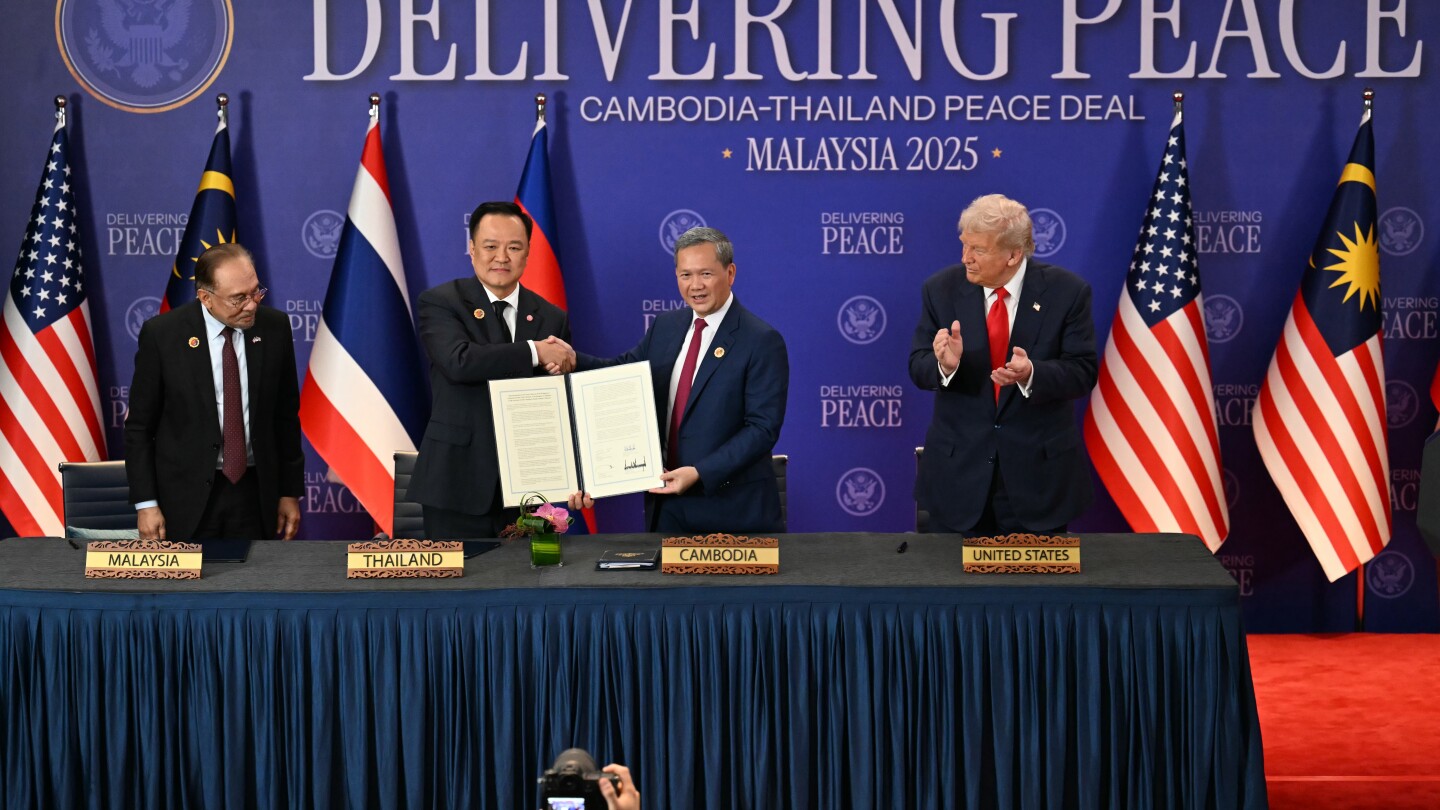
    BANGKOK — In a significant move to reinforce regional stability, the United States has pledged $45 million in comprehensive assistance to Thailand and Cambodia following last year’s border conflicts. The announcement was delivered Friday by Michael DeSombre, U.S. Assistant Secretary of State for East Asian and Pacific Affairs, during a digital press conference from Bangkok.

    The substantial aid package targets multiple critical areas: $15 million allocated for border stabilization and community recovery programs, $10 million designated for demining operations and clearance of unexploded ordinances, and $20 million committed to combating transnational crimes including scam operations and drug trafficking. These initiatives directly address the aftermath of armed clashes that displaced hundreds of thousands and resulted in approximately 100 military and civilian casualties.

    The border tensions, rooted in longstanding territorial disputes, escalated into military confrontations in July and December. The initial ceasefire, brokered in October as the Kuala Lumpur Peace Accords, received crucial reinforcement through diplomatic intervention from the Trump administration. President Donald Trump personally warned both nations that continued hostilities would jeopardize potential trade agreements with Washington.

    DeSombre emphasized that peaceful borders create unprecedented opportunities for deepened cooperation, stating: ‘The restoration of peace at the Thai-Cambodian border opens new opportunities for the United States to deepen our work with both countries to promote regional stability and advance our interests in a safer, stronger and more prosperous Indo-Pacific.’

    The assistance addresses persistent security challenges, including landmine contamination from Cambodia’s civil war era and newly laid mines that have injured Thai patrol personnel. Additionally, it targets sophisticated online scam networks operating from Southeast Asia that have defrauded global victims of billions.

    This commitment marks a strategic reengagement after previous cuts to U.S. humanitarian and development programs. DeSombre is scheduled to continue diplomatic discussions with Cambodian officials in Phnom Penh on Saturday, further solidifying implementation details of both the peace agreement and assistance package.

  • Standoff between Iran and West to continue after turbulent year

    Standoff between Iran and West to continue after turbulent year

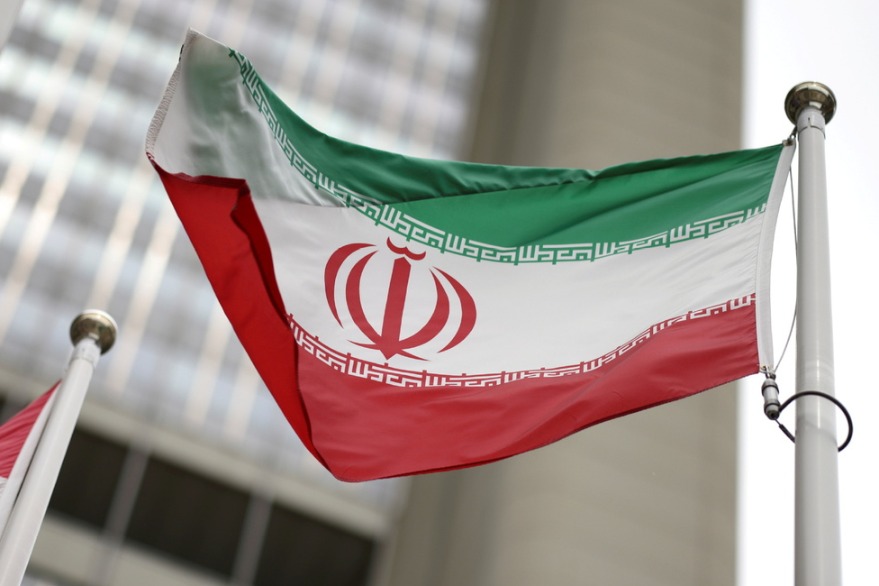
    The geopolitical stalemate between Iran and Western powers is poised to extend through 2026, marked by deteriorating trust, regional conflict spillover, and the complete dissolution of the 2015 nuclear agreement. This dangerous limbo has created conditions for potential military escalation despite brief periods of ceasefire.

    The confrontation entered a new phase in December when Israeli Prime Minister Benjamin Netanyahu reportedly sought U.S. approval for expanded military operations targeting Iran’s ballistic missile programs, signaling a strategic shift beyond previous focus on nuclear facilities. President Donald Trump responded with explicit threats to “eradicate” any Iranian attempts to rebuild its nuclear or missile capabilities.

    Iran’s leadership remained defiant, with Supreme Leader adviser Ali Shamkhani declaring the country’s missile capability “not containable or permission-based” and promising “immediate harsh response” to any aggression.

    The current tensions follow June 2025’s watershed 12-day conflict that shattered long-standing taboos on direct confrontation. Israel initiated surprise airstrikes against Iranian nuclear and military sites, followed by U.S. bombing of key nuclear facilities. Iran retaliated with strikes on the Al-Udeid U.S. base in Qatar, creating what analysts describe as a tense mutual deterrence situation.

    The collapse of the Joint Comprehensive Plan of Action (JCPOA) in October 2025 significantly compounded the crisis. Iran formally declared itself no longer bound by the agreement, while European signatories (UK, Germany, and France) triggered the snapback process to reimpose all UN and EU sanctions.

    Experts warn that the fundamental trust deficit between Tehran and Western powers has created a policy deadlock. Trita Parsi of the Quincy Institute notes that Israel seeks “absolute dominance rather than conventional security,” potentially ensuring “forever war” conditions. Researchers from multiple think tanks predict continued conflict throughout 2026 across economic, political, and possibly military dimensions.

    Despite the grim outlook, diplomatic voices advocate for returning to the negotiating table through “small reciprocal steps” and multilateral engagement. China has consistently opposed unilateral coercive measures, while European analysts warn that without diplomatic reengagement, all parties risk perpetual confrontation with potentially catastrophic regional consequences.

  • Yemen rift deepens as separatist leader skips talks

    Yemen rift deepens as separatist leader skips talks

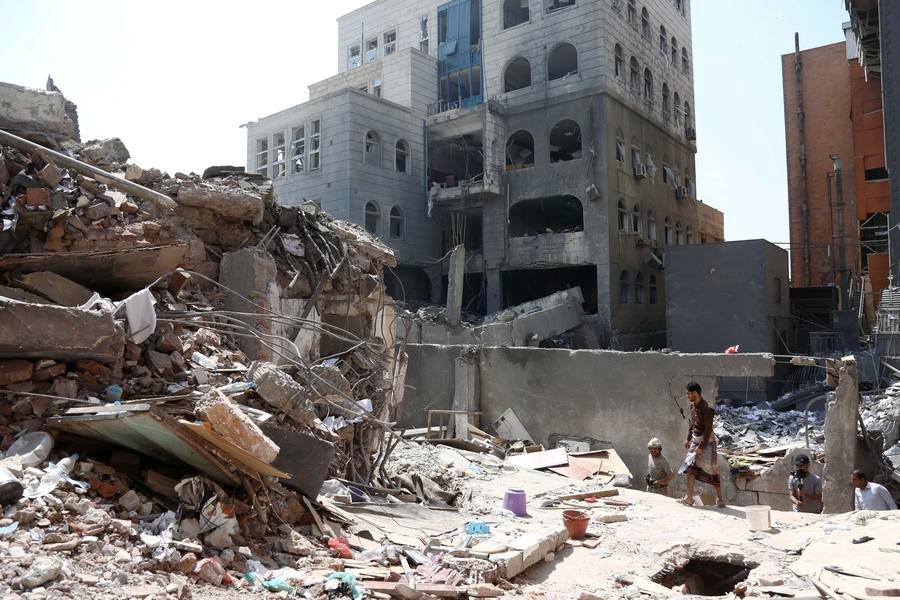
    Yemen’s precarious political landscape has descended into deeper crisis following the dramatic defiance of Southern Transitional Council (STC) leader Aidarous al-Zubaidi, who refused to attend critical reconciliation talks in Riyadh this week. This act of rebellion triggered a chain of escalating responses, including Saudi-led coalition airstrikes in Zubaidi’s home province of Al-Dhalea and his subsequent removal from Yemen’s Presidential Leadership Council on charges of “high treason.”

    The situation intensified when Zubaidi, instead of traveling to Saudi Arabia, embarked on an unexpected journey to the United Arab Emirates via Mogadishu, Somalia. The Saudi military confirmed his circuitous route from Aden to Abu Dhabi, though Emirati officials maintained conspicuous silence regarding his arrival.

    The rupture follows the STC’s aggressive territorial expansion last month and Zubaidi’s recent proclamation of a two-year transition plan for southern independence. Coalition spokesman Turki al-Maliki justified military operations as “limited preemptive strikes” necessary to prevent Zubaidi from “escalating the conflict” after reports emerged of his forces mobilizing armored vehicles and heavy weaponry.

    Meanwhile, the STC appears fractured internally, with deputy leader Abdulrahman al-Muharrami remaining in Riyadh and receiving instructions to maintain security in Aden. Concurrently, Saudi-backed National Shield Forces have been deployed toward the strategic port city, which serves as Yemen’s temporary capital and STC headquarters.

    The escalating tensions have sparked widespread panic among Aden residents, with civilians rushing to stockpile food, fuel, and essential supplies amid fears of imminent urban combat or airstrikes. In a separate humanitarian development, the first evacuation flight transported 180 stranded tourists from Yemen’s Socotra Island to Jeddah, with additional rescues planned for those trapped by mainland fighting.

  • Novel pay systems to aid medical access

    Novel pay systems to aid medical access

    China’s National Healthcare Security Administration has unveiled an ambitious three-year plan to transform medical insurance payments through advanced digital integration. The initiative aims to address longstanding inefficiencies in healthcare reimbursement systems by implementing a comprehensive payment platform combining facial recognition, one-code scanning, mobile, and credit-based options.

    The innovative framework will streamline outpatient, emergency, and inpatient services nationwide. Facial recognition technology will particularly benefit elderly patients who often struggle with physical cards or smartphone applications. The one-code system consolidates insurance reimbursement, personal account deductions, and out-of-pocket expenses into a single transaction, while mobile payments dramatically reduce waiting times.

    A groundbreaking credit payment component allows banks to cover patients’ medical expenses within pre-approved limits through contractual agreements, creating a ‘treatment first, payment later’ model. Provincial authorities will pilot the system in at least two cities each throughout 2026, with full implementation across all designated insurance hospitals targeted for 2028.

    Early implementations demonstrate promising results. Hami City in Xinjiang launched China’s first regional credit payment program in early 2025, offering residents up to ¥5,000 ($716) in interest-free medical credit. Within its initial month, the program attracted 120 users and processed 538 transactions totaling ¥43,000. Similarly, Dalian in Liaoning province has successfully integrated insurance and personal payments into unified processes across 200 medical institutions, significantly reducing administrative burdens and repeat visits for patients.

  • Yellow River reserve bans drones following bird strike

    Yellow River reserve bans drones following bird strike

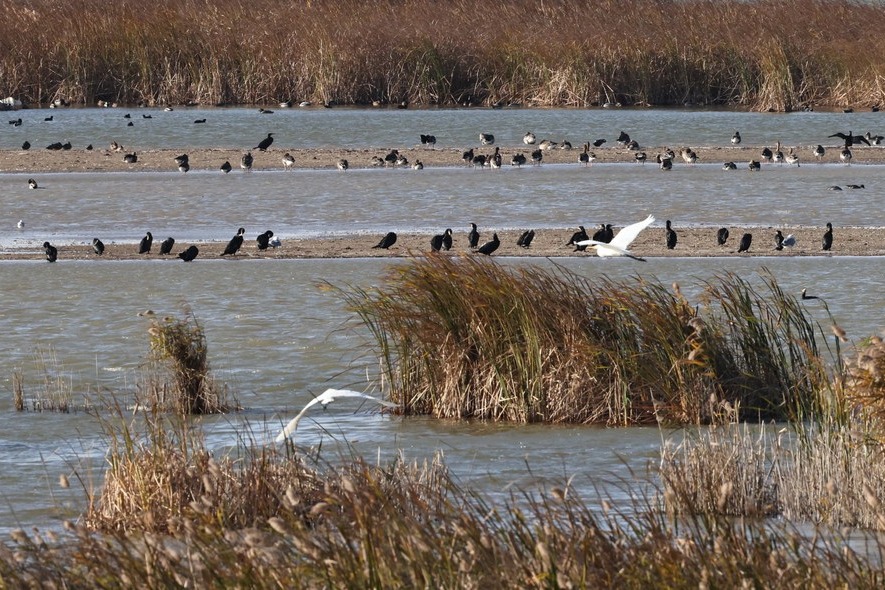
    The Yellow River Delta National Nature Reserve in China’s Shandong province has enacted stringent restrictions on unmanned aerial vehicle operations following a November incident where a migratory bean goose perished in a collision with a drone. This critical wetland sanctuary, spanning 153,000 hectares with wetlands constituting 74% of its territory, serves as a vital hub along the East Asian-Australasian and West Pacific migratory flyways.

    Authorities in Dongying city have implemented comprehensive drone prohibitions during peak migration seasons in spring and autumn. The ban extends to all UAV flights within the reserve and surrounding three-kilometer buffer zones. Reserve management official Hao Yingdong emphasized the commitment to deploying advanced digital technologies to enforce flight restrictions and prevent unauthorized drone operations.

    The protection initiative leverages an sophisticated monitoring network integrating 66 avian observation cameras, 75 wetland tracking systems, and over 40 human activity monitors. This infrastructure employs 5G connectivity, intelligent perception systems, and artificial intelligence to maintain 24-hour surveillance across critical zones. The reserve’s AI-powered recognition technology has achieved over 90% accuracy in identifying flagship species and larger birds despite challenges presented by seasonal molting patterns.

    Conservation efforts have yielded significant ecological dividends. Over three decades, documented bird species have doubled from 187 to 374, with annual populations now exceeding 6 million birds. James Fitzsimons, senior advisor at The Nature Conservancy’s Global Protection Strategies, acknowledged the delta’s globally recognized significance for both breeding populations and migratory species.

    The ecological revival has concurrently stimulated economic benefits. During November and December 2024, the ecological tourism zone welcomed 86,700 visitors—a 43.5% annual increase—generating 4.27 million yuan ($602,800) in revenue. Tourism official Liu Yang highlighted new bird-watching routes, themed cultural products, and enhanced service stations developed to accommodate growing enthusiast interest.

  • Hubei’s eco resources help to build industries

    Hubei’s eco resources help to build industries

    Central China’s Hubei Province is pioneering an innovative economic transformation by converting its ecological treasures into sustainable industrial development along the Yangtze River Economic Belt. This strategic initiative demonstrates the practical implementation of China’s ‘two mountains’ concept that recognizes lucid waters and lush mountains as invaluable economic assets.

    In Shiyan city, the pristine Danjiangkou Reservoir—primary water source for the South-to-North Water Diversion Project—has evolved into the foundation of a burgeoning beverage industry. Under the premium ‘Wudang Mountain Water’ brand, the region has attracted 72 prominent beverage companies including Nongfu Spring and PepsiCo. This cluster has developed a comprehensive industrial chain encompassing drinking water, tea beverages, fruit juices and beer, collectively generating over 100 billion yuan ($14.32 billion) in output value.

    Beijing Yiqing Food’s industrial park in Danjiangkou exemplifies this sustainable approach. The company utilizes fully automated production lines to create beverages that incorporate local resources while implementing advanced environmental protections. Their operations include dedicated sewage treatment facilities, conversion of waste residue into organic fertilizer, and adoption of photovoltaic energy systems, creating a circular economy that benefits both production and ecological conservation.

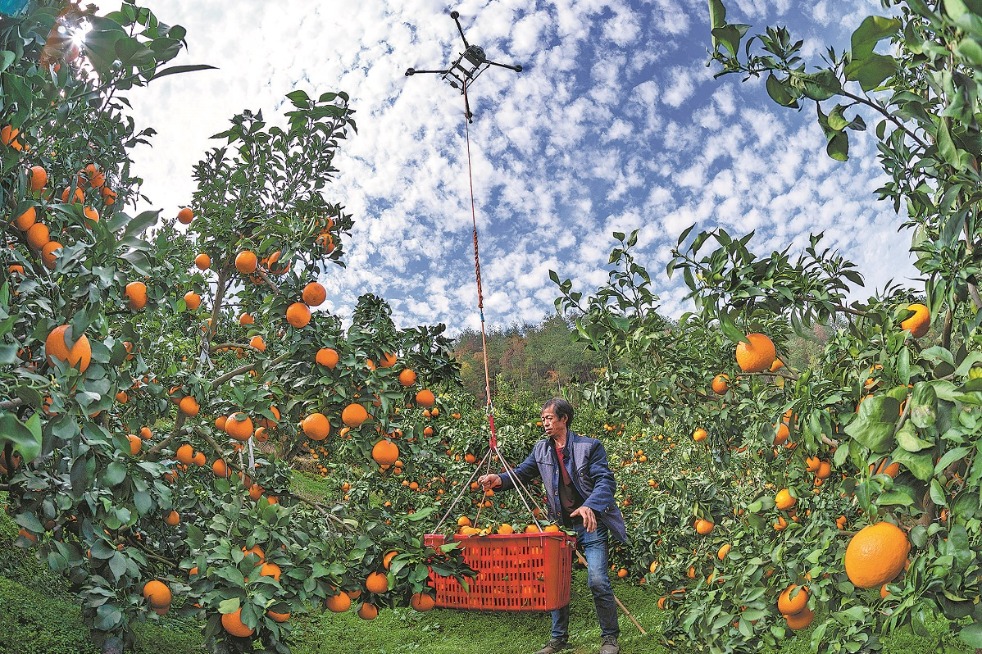
    Further downstream in Zigui county, technological innovation is revolutionizing the citrus industry. Farmers like Guo Xingcheng have transformed traditional agricultural practices through drone technology. What previously required thirty minutes of manual labor now takes merely sixty seconds with drone-assisted harvesting. The county has developed an intelligent sorting system that categorizes oranges by size, moisture content and sugar levels, supported by an extensive cold chain logistics network that extends shelf life to several months.

    The ‘Zigui Navel Orange’ geographical indication brand now represents an industry spanning 26,667 hectares with annual output exceeding one million tons and comprehensive value approaching 20 billion yuan. Over 70% of local residents participate in orange-related industries, sustaining livelihoods for approximately 260,000 people while creating new professional roles in drone operation and e-commerce.

    In Shennongjia, renowned for its 91.1% forest coverage, authorities have developed financial innovations to monetize ecological value. The region’s annual carbon absorption capacity of 1.0968 million tons has been leveraged through carbon sink loans and ecological financing mechanisms. By August 2024, Shennongjia had issued approximately 120 million yuan in carbon sink loans, including 18.4 million yuan in carbon forest loans to two enterprises using afforestation carbon sink income as repayment collateral.

    These diverse initiatives—from water-based industries to agricultural modernization and carbon finance—collectively contributed to Hubei’s ecological product value exceeding 1.2 trillion yuan in 2024. The added value of green industries now constitutes 25.6% of the province’s GDP, demonstrating the successful integration of environmental conservation and economic development.