
In a significant move, the Taliban government has mandated the removal of books authored by women from university curricula across Afghanistan. This decision is part of a broader ban that also prohibits the teaching of human rights and sexual harassment. A total of 680 books, including 140 written by women, have been flagged as ‘problematic’ due to their perceived opposition to Sharia law and Taliban policies. Additionally, universities have been instructed to cease teaching 18 specific subjects, which the Taliban claims conflict with Islamic principles and their governance policies. Among the banned subjects are Gender and Development, The Role of Women in Communication, and Women’s Sociology. This decree is the latest in a series of restrictive measures implemented by the Taliban since their return to power four years ago. Women and girls have been disproportionately affected, with access to education beyond the sixth grade already barred. The recent closure of midwifery courses in late 2024 further limited their educational opportunities. The Taliban asserts that their policies align with Afghan culture and Islamic law, but critics argue these measures are deeply misogynistic. Zakia Adeli, a former deputy minister of justice and one of the authors whose books were banned, expressed little surprise, stating that the Taliban’s actions over the past four years made such decisions predictable. The new guidelines, issued in late August, were reportedly formulated by a panel of religious scholars and experts. The ban also targets books by Iranian authors and publishers, with officials citing concerns over the ‘infiltration of Iranian content’ into Afghan education. A professor at Kabul University revealed that faculty members are now forced to create their own textbook chapters, raising questions about the quality and global standards of these materials. The BBC has reached out to the Taliban’s Ministry of Education for further comment.
标签: Asia
亚洲
-

India’s Chopra says back injury derailed javelin world title defence
In a disappointing turn of events, Neeraj Chopra, India’s celebrated javelin thrower, finished eighth in the men’s javelin event at the World Athletics Championships held in Tokyo on September 18, 2025. Competing at the National Stadium, the same venue where he secured India’s first Olympic athletics gold in 2021, Chopra managed a best throw of 84.03 meters, falling short of his qualifying mark from the previous day. This performance marked a stark contrast to his usual dominance in the sport.
Chopra revealed that he had been secretly battling a back injury for weeks, which significantly impacted his performance. ‘I don’t understand what happened today. This has not happened for a long time. I had some problems before coming to Tokyo,’ he admitted. The injury, sustained on September 4, forced him to undergo an MRI scan, and he acknowledged that he was not at full fitness. ‘Two weeks ago I had some back issues but I didn’t want to tell anyone. I was thinking I would still manage to get through it. But javelin is really tough. If you are not in good shape, you’re out,’ he added.
Despite the setback, Chopra remained optimistic about his future in the sport. ‘Normally it doesn’t happen with me because for a long time, I was always in the top two positions. After a long time, I’m not in the position, but it’s okay. I will learn from today and try to stay healthy and focus on my technique,’ he said. He also emphasized the need for more training and technical improvements to regain his form.
Meanwhile, Trinidad and Tobago’s Keshorn Walcott clinched his first global title since his teenage Olympic triumph in 2012, with a throw of 88.16 meters. Grenada’s Anderson Peters and American Curtis Thompson completed the podium, securing second and third places, respectively.
Chopra’s performance serves as a reminder of the physical and mental challenges athletes face, even at the highest levels of competition. His resilience and determination to bounce back from this setback will be closely watched by fans and analysts alike.
-
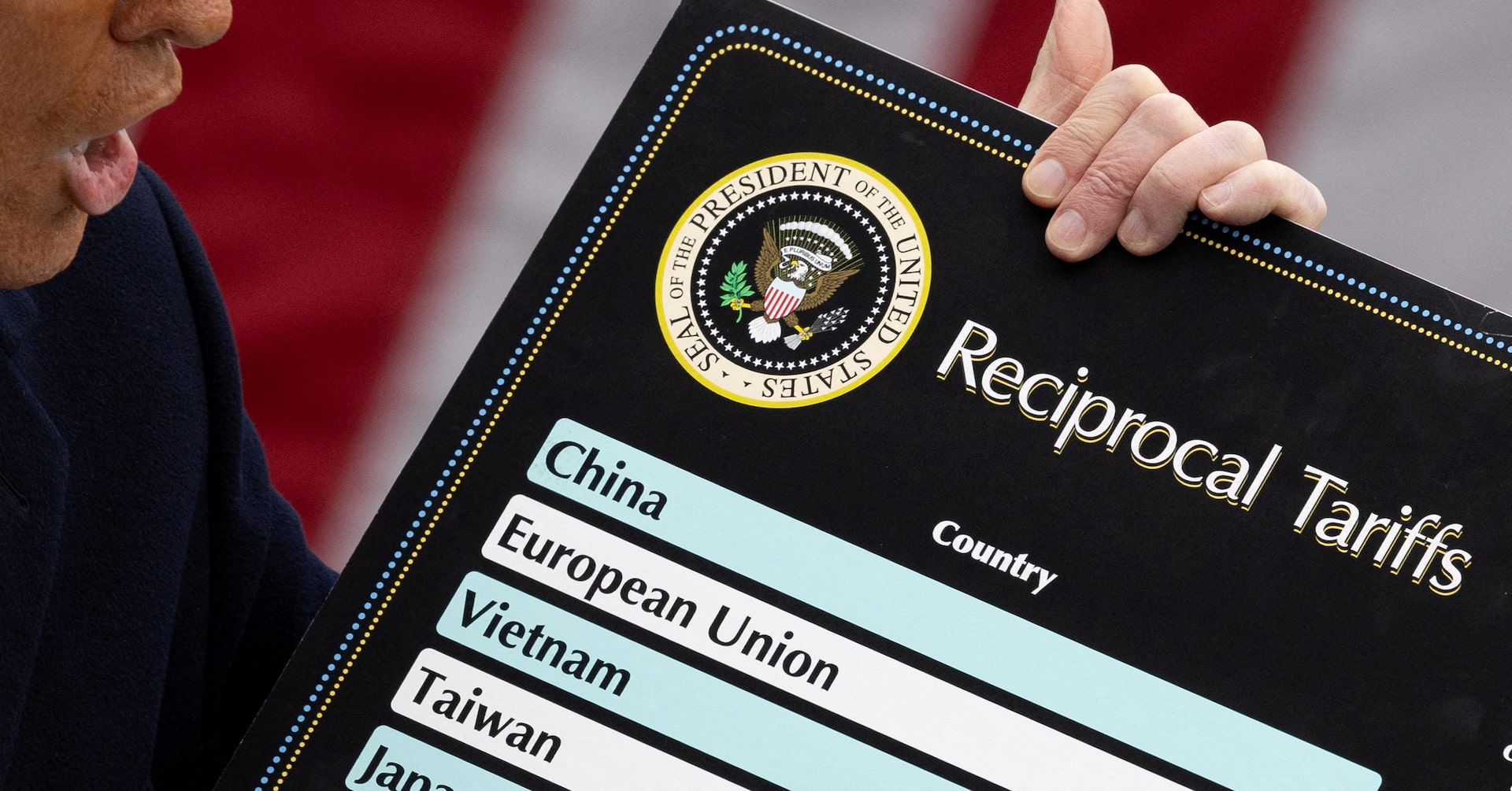
US Supreme Court to hear Trump’s tariffs case on November 5
The U.S. Supreme Court has scheduled oral arguments for November 5, 2025, to examine the legality of former President Donald Trump’s expansive global tariffs. This case represents a pivotal moment in assessing the extent of executive power, a cornerstone of Trump’s economic and trade policies. The decision to hear the case follows a ruling by a lower court that Trump exceeded his authority in implementing most of these tariffs under a federal law designed for emergency situations. The Supreme Court, which commences its next term on October 6, will also concurrently address a separate challenge to Trump’s tariffs brought by Learning Resources, a family-owned toy company. This dual examination underscores the significant legal and economic implications of Trump’s tariff policies, which have been a subject of intense debate and litigation.
-
Trump says US may extend deadline on TikTok sale
In a significant development regarding the future of TikTok, U.S. President Donald Trump announced on Thursday that the United States is nearing an agreement with China to transfer ownership of the popular social media platform to U.S. companies. Speaking at a joint press conference with British Prime Minister Keir Starmer in London, Trump hinted at a possible extension of the deadline for the divestiture of Chinese ownership, emphasizing that the terms of the deal remain favorable. ‘We’re pretty close to a deal. We may do an extension with China, but it’s an extension based on the same terms that we have right now, which are pretty good terms,’ Trump stated. The President also revealed plans to discuss the matter further with Chinese President Xi Jinping on Friday. This announcement follows Trump’s executive order issued on Tuesday, which delayed the enforcement of a 2024 law mandating the divestiture of Chinese ownership of TikTok until December 16. The ongoing negotiations underscore the complex geopolitical and economic dynamics surrounding TikTok, which has been at the center of debates over data privacy and national security. The potential deal could reshape the global social media landscape and set a precedent for future cross-border tech acquisitions.
-
India’s SEBI dismisses Hindenburg allegations against Adani group
The Securities and Exchange Board of India (SEBI) has officially dismissed allegations of stock manipulation against billionaire Gautam Adani and his conglomerate, the Adani Group. The claims were initially made by U.S.-based short-seller Hindenburg Research in January 2023, accusing the group of using tax havens and failing to disclose related-party transactions. These allegations triggered a massive $150 billion sell-off of Adani Group stocks, though the shares have since rebounded. SEBI conducted an extensive investigation into the group, including Adani Ports, Adani Power, and Adani Enterprises, examining 24 separate sets of violations such as insider trading and stock price manipulation. The regulator concluded that the transactions flagged by Hindenburg did not qualify as related-party transactions under SEBI rules and thus did not violate disclosure norms or constitute market manipulation. Gautam Adani, Chairman of the Adani Group, welcomed the decision, stating on X that it reaffirms the group’s commitment to transparency and integrity. Hindenburg Research founder Nathan Anderson announced earlier this year that he would disband the firm, citing the immense toll of his work. SEBI also noted that its expanded disclosure rules, introduced in 2022, cannot be applied retroactively to transactions occurring between 2012 and 2021.
-
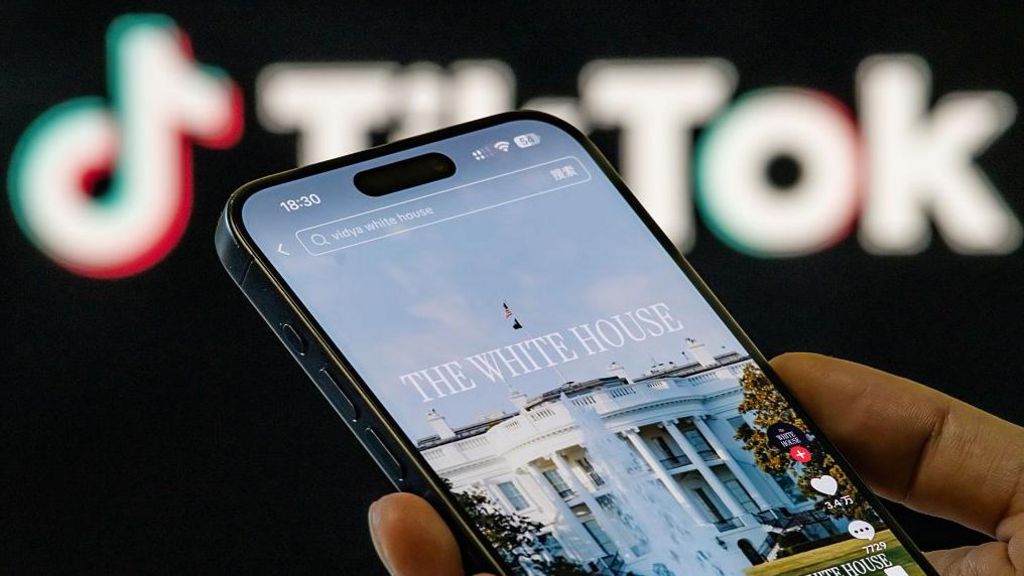
Trump’s TikTok deal may be close. But what’s in it for China?
A landmark agreement over TikTok’s US operations is on the horizon, with US President Donald Trump and Chinese President Xi Jinping poised to discuss final terms this Friday. This follows a framework agreement reached by top officials from both nations earlier this week, which could see TikTok’s US operations acquired by a consortium of American firms, including tech giant Oracle and investment firms Andreessen Horowitz and Silver Lake. The deal, described by experts as a “rare breakthrough” in US-China trade relations, aims to resolve a long-standing issue that has dominated headlines for years. Chinese state media has hailed the potential agreement as a “win-win” for both countries, while Trump has emphasized its importance for younger users. However, critical details remain unclear, particularly regarding TikTok’s algorithm—the core technology driving its success. ByteDance, TikTok’s Chinese parent company, has been reluctant to part with its prized algorithm, but Beijing has signaled a willingness to allow licensing rather than outright transfer. This marks a significant shift from China’s previous hardline stance. Experts warn that a “stripped-down” version of the app in the US could impact user experience, though it would allow ByteDance to retain its competitive edge. The deal must still navigate political hurdles in the US, with lawmakers expressing concerns over Chinese influence. Despite these challenges, the agreement could set a precedent for other Chinese tech companies seeking to enter the US market, potentially easing broader trade tensions between the two nations.
-
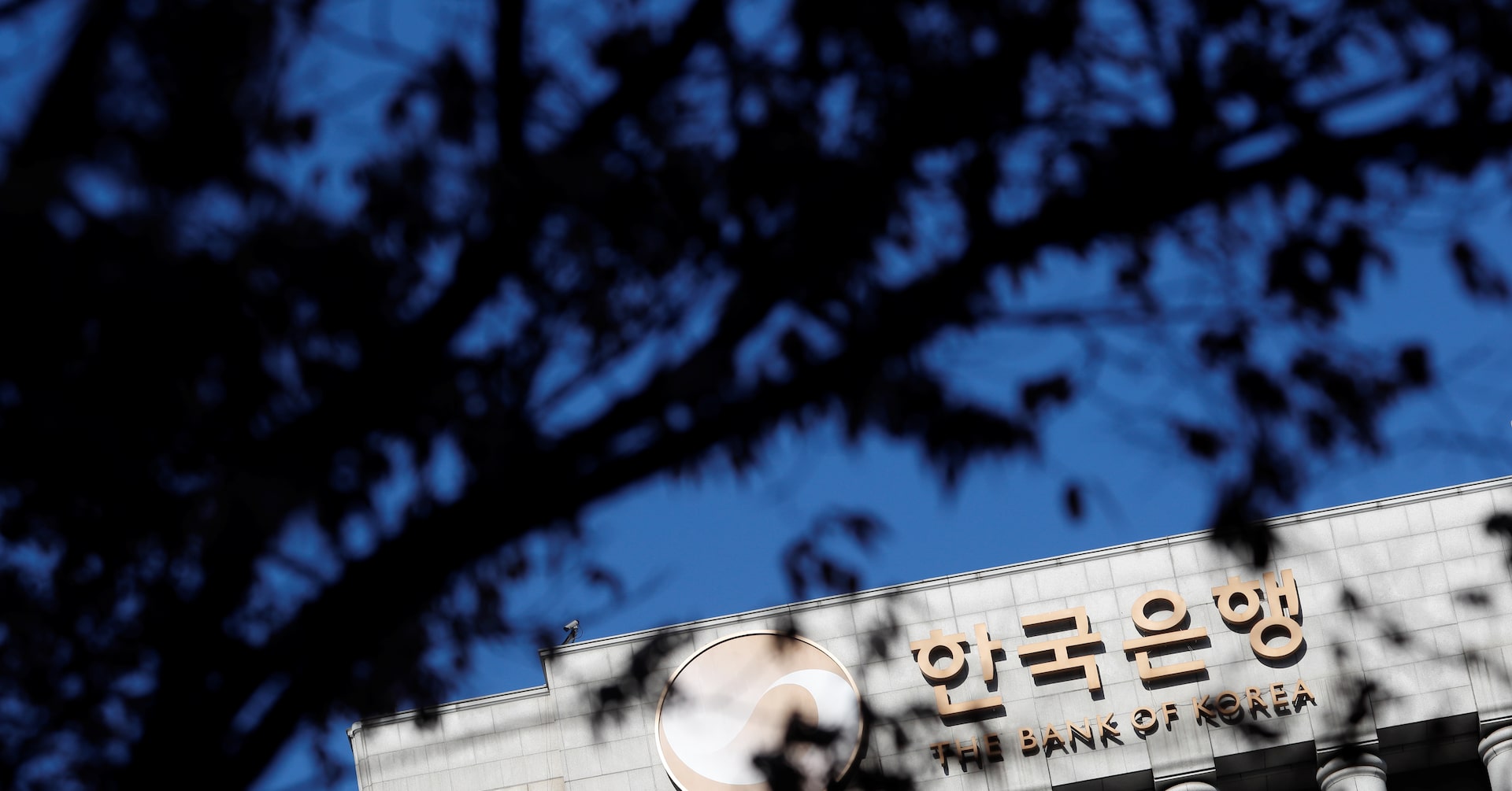
S.Korea c.bank to expand forward guidance on policy rate path
The Bank of Korea (BOK) is set to revolutionize its monetary policy communication strategy by introducing a dot plot system to illustrate the projected path of future interest rates. Governor Rhee Chang-yong announced this initiative during a speech at the International Monetary Fund’s Camdessus Central Banking Lecture on Thursday. The new system will expand on the current forward guidance framework, where Rhee verbally shares the conditional views of the six Monetary Policy Board members over a three-month horizon during post-policy review press conferences. The dot plot, currently in pilot testing, will graphically represent each board member’s rate projections for the upcoming year, offering a clearer and more transparent outlook for market participants. While the system is currently for internal use, Rhee emphasized plans to refine it into an effective communication tool to enhance public understanding of the BOK’s policy decisions. This move aligns with the bank’s broader efforts to improve transparency. Notably, the BOK maintained its benchmark interest rate at 2.50% during its August 28 meeting, a decision that was widely anticipated. The pilot system also allows board members to plot two to three dots per horizon to indicate probabilistic rate views, further enriching the data available for policy analysis.
-
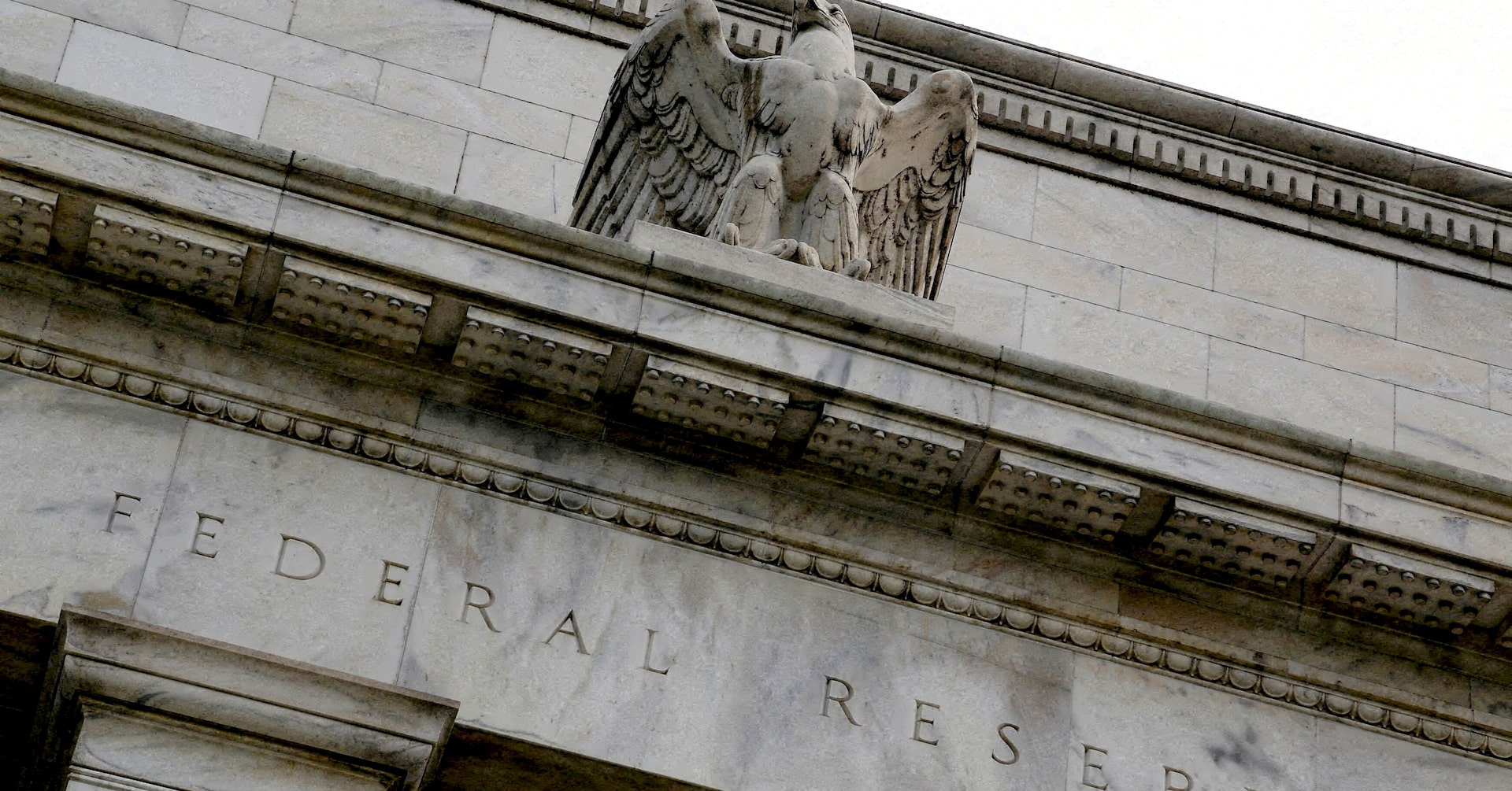
Top brokerages eye consecutive Fed rate cuts after policy meeting
The U.S. Federal Reserve is expected to implement further rate cuts this year, according to major brokerages. Following the central bank’s widely anticipated 25-basis-point reduction, firms such as Nomura and KBW have forecasted an additional rate cut in October. Fed Chair Jerome Powell, speaking after the recent two-day monetary policy meeting, hinted at further easing, citing concerns over the softening job market as a key factor influencing the Fed’s decisions. While BofA Global Research and HSBC do not anticipate a rate cut at the next meeting, they noted that worsening jobs data could prompt an earlier reduction. Brokerages have also begun to outline their forecasts for 2025, with UBS Global Research and UBS Global Wealth Management providing distinct perspectives. The ongoing economic uncertainty continues to shape the Fed’s policy trajectory, with market participants closely monitoring upcoming data releases.
-

Maldives journalists to seek repeal of new media law
Journalists in the Maldives are gearing up to challenge a controversial new media law in the country’s Supreme Court, claiming it threatens press freedom and imposes harsh penalties on violators. The Maldives Media and Broadcasting Regulation Bill, signed into law by President Mohamed Muizzu on Thursday, establishes a seven-member Maldives Media and Broadcasting Commission with extensive authority over media and social media platforms. The commission has the power to suspend media registrations, block websites, halt broadcasts, and impose fines ranging from MVR 5,000 ($325) to MVR 100,000 ($6,500) on journalists and outlets. Critics argue that the commission, with three members and its chair appointed by the president, is effectively government-controlled, undermining its independence. The Maldives Journalists Association (MJA) has condemned the law, asserting that media should be self-regulated and free from state interference. MJA President Naaif Ahmed vowed to challenge the legislation in court, stating, ‘We will not obey this law. We will go to the Supreme Court and ask it to dismantle this law.’ Meanwhile, Foreign Minister Abdulla Khaleel defended the law on social media, claiming it unifies oversight, ensures transparency, and modernizes media standards. The Maldives, a nation of 530,000 people, has faced political tensions and geopolitical competition between India and China in recent years. Despite having 200-300 registered media outlets, fewer than 100 are active, and the country ranks 104th on the 2025 World Press Freedom Index by Reporters Without Borders, reflecting ongoing challenges to press freedom.
-
China’s DeepSeek says its hit AI model cost just $294,000 to train
In a groundbreaking revelation, Chinese AI developer DeepSeek disclosed that it spent a mere $294,000 to train its R1 model, a figure significantly lower than the costs reported by its U.S. counterparts. This disclosure, published in a peer-reviewed article in the journal Nature on September 18, 2025, is poised to reignite discussions about China’s role in the global AI race. The Hangzhou-based company, which has largely remained out of the public eye since its January 2025 announcement of lower-cost AI systems, detailed that the R1 model was trained using 512 Nvidia H800 chips over 80 hours. The article, co-authored by DeepSeek founder Liang Wenfeng, also revealed that the company utilized Nvidia A100 GPUs in the preparatory stages of development, a fact that had not been previously disclosed. This revelation comes amidst ongoing scrutiny from U.S. companies and officials regarding DeepSeek’s access to advanced AI chips, particularly after the U.S. imposed export controls on high-performance chips to China in October 2022. Despite these challenges, DeepSeek has managed to attract top talent in China, partly due to its operation of an A100 supercomputing cluster, a rarity among domestic firms. The company’s cost-effective approach to AI development has already had a significant impact on global markets, prompting investors to reevaluate the dominance of established AI leaders like Nvidia.