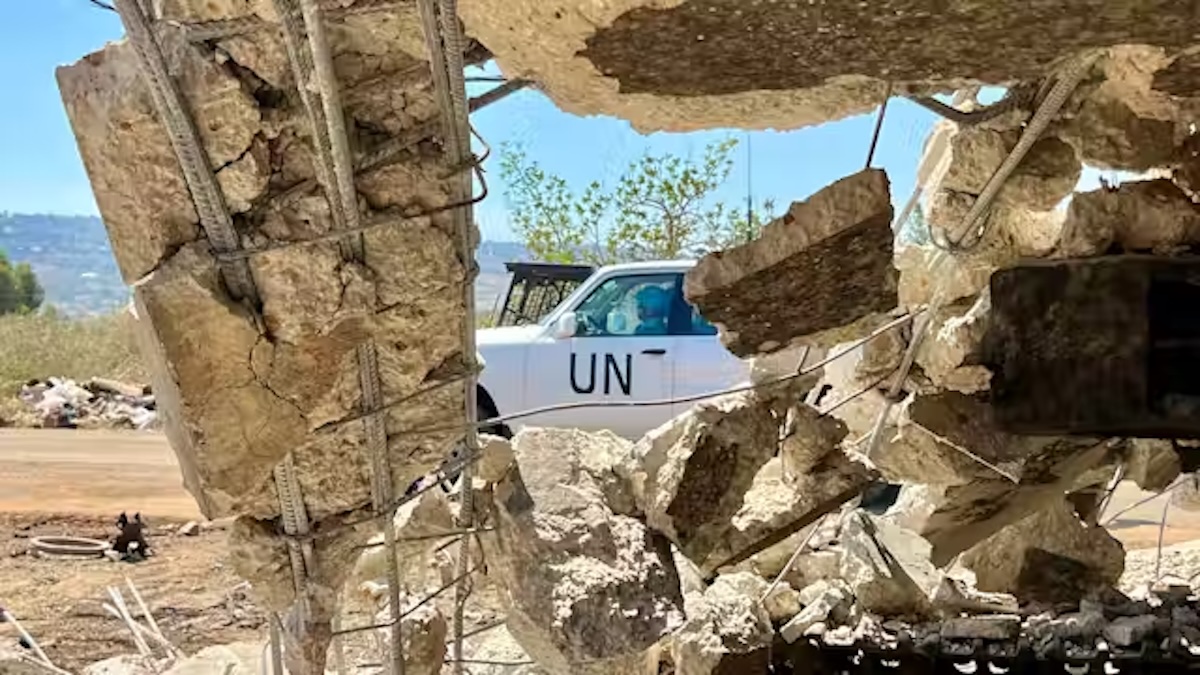
The United Nations Interim Force in Lebanon (UNIFIL), a critical peacekeeping entity between Israel, Lebanon, and Hezbollah, faces an uncertain future as its mandate renewal deadline of August 31 looms. Israeli pressure, US skepticism over its cost-effectiveness, and Lebanon’s fragile political landscape have raised concerns that the mission could be terminated rather than extended. Such a move would create a perilous security vacuum along the Israeli-Lebanese border, with far-reaching implications for Middle Eastern stability. The US, aiming to reduce its financial commitments to UN peacekeeping, has echoed Israeli claims that UNIFIL has been ineffective in countering Hezbollah’s threats. However, UNIFIL’s mandate has never been to disarm Hezbollah directly; instead, it focuses on supporting the Lebanese Armed Forces (LAF) to maintain a demilitarized zone in southern Lebanon. Israeli criticism of UNIFIL’s failure to uncover Hezbollah’s tunnel network overlooks the fact that Israeli intelligence also missed these tunnels for over a decade. Meanwhile, Lebanon has taken significant steps to curb Hezbollah’s military dominance, including expanding LAF deployments and consolidating weapons under state control. Yet, these efforts face fierce resistance from Hezbollah, as evidenced by deadly incidents like the August 9 explosion that killed six LAF troops. UNIFIL’s continued presence remains vital as a stabilizing buffer during this precarious process. Despite this, wrangling at the UN Security Council has delayed a vote on the mandate renewal, with the US being the sole holdout. France, as the penholder for the UNIFIL mandate, has proposed various options to appease the US, but divisions in Washington persist. A recent draft resolution suggested a strategic review by March 2026 to assess conditions for UNIFIL’s withdrawal, but the US insists on a firm endpoint. Israel’s strategy of delegitimizing UNIFIL, coupled with its military actions in Lebanon, further complicates the situation. Prime Minister Benjamin Netanyahu’s conciliatory gestures toward Lebanon’s disarmament efforts risk inflaming political tensions within the country. Amid these maneuvers, UNIFIL’s role as a stabilizing force remains indispensable, and its abrupt withdrawal could escalate tensions, potentially leading to another conflict between Hezbollah and Israel.
标签: Asia
亚洲
-
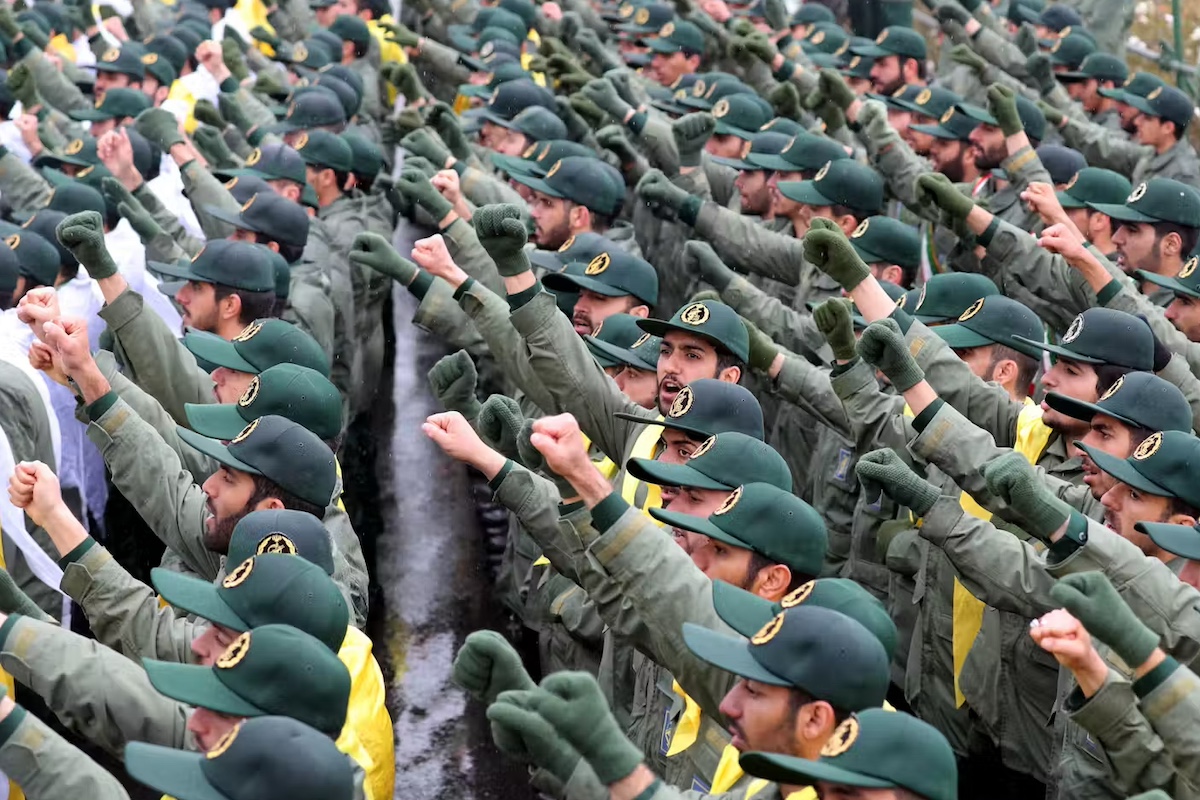
Iran’s IRGC listed terror group for antisemitic attacks in Australia
In a dramatic move, Australian Prime Minister Anthony Albanese has accused Iran of directing at least two antisemitic attacks on Australian soil, including the firebombing of a synagogue. These actions, Albanese claims, were intended to sow discord and undermine social cohesion in the country. In response, Australia has expelled Iran’s ambassador, suspended operations of its embassy in Tehran, and announced plans to designate Iran’s Islamic Revolutionary Guard Corps (IRGC) as a terrorist organization, aligning with similar actions by the United States and Canada. The IRGC, a branch of Iran’s armed forces, has been implicated in various destabilizing activities globally, including coordinating support for groups like Hezbollah and Hamas. Western intelligence agencies have long accused the IRGC of involvement in covert operations, with the UK recently revealing it had thwarted 20 Iranian-linked plots since 2022. Australia’s decision marks a significant escalation in its stance toward Iran, with officials noting this is the first time since World War II that Canberra has expelled an ambassador. Tehran is expected to reject the allegations, dismissing them as politically motivated. This development comes amid broader tensions over Iran’s nuclear program, with Western powers demanding a halt to uranium enrichment activities and preparing to reimpose sanctions. Australia’s actions may further isolate Iran internationally, adding momentum to Western efforts to counter its influence.
-
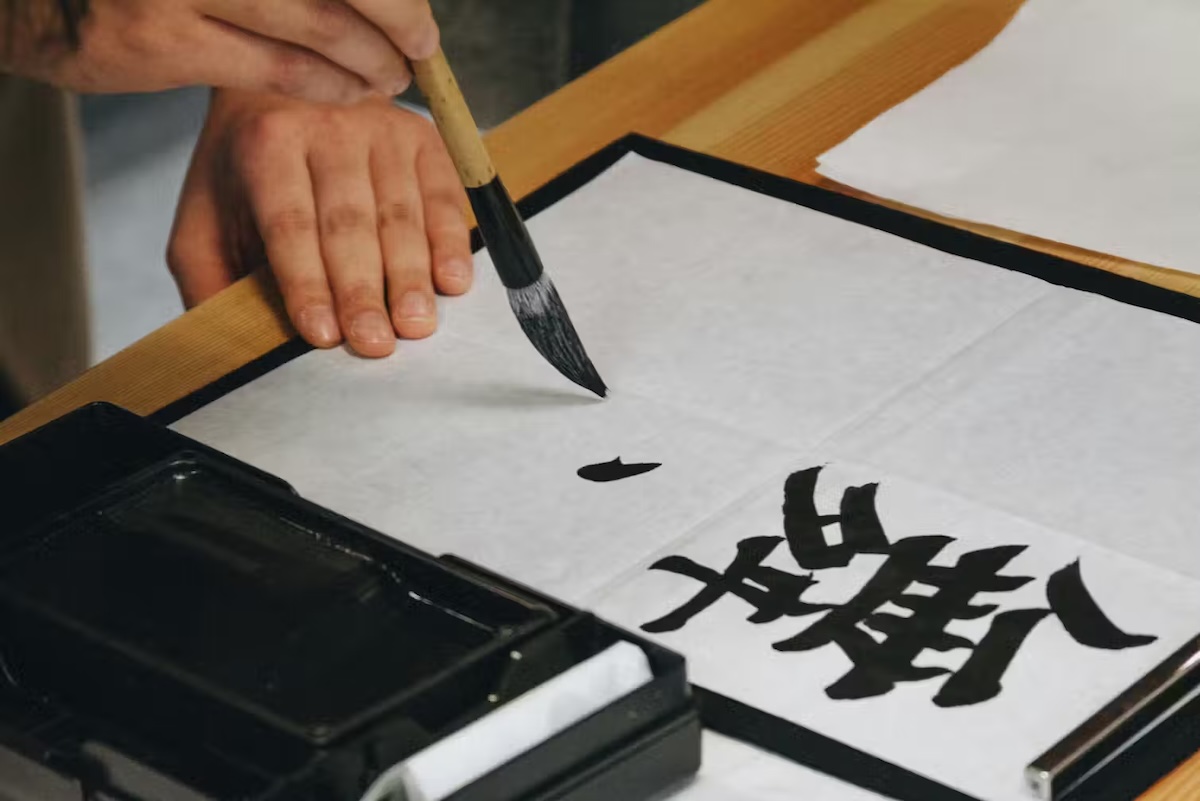
Chinese calligraphy can bring creative freedom in the age of AI
In an era dominated by digital devices, the act of handwriting has become increasingly rare. However, research reveals that handwriting engages the brain more extensively than typing, fostering intricate motor skills and enhanced visual processing. This practice not only influences our thinking and creativity but also offers a unique way to express ourselves and generate new ideas. One of the oldest and most profound forms of handwriting is Chinese calligraphy, a practice that has transcended centuries, blending cultural, philosophical, and artistic elements. Chinese calligraphy, with its emphasis on brushstrokes and composition, values both the inked and the empty spaces on the scroll, symbolizing balance and harmony. The tools of calligraphy—a soft brush, Xuan paper, and ink—are simple, yet the art demands a clear mind, sincerity, humility, and self-restraint. As generative AI takes over more writing tasks, there is a growing concern that humans are becoming disconnected from their creative ideas. The multi-sensory experience of handwritten calligraphy fosters a deeper connection with the writer’s emotions and surroundings, promoting patient introspection and grounding the practitioner in the physical world. This practice offers lasting benefits for our often overwhelmed and restless minds. Writers like Nicholas Carr and Aden Evens highlight the ongoing rewiring of our minds due to excessive online engagement, which can diminish attention spans and deep-reading abilities, leading to superficial information processing. Artist and author James Bridle warns of the dangers of tech-dependency and over-reliance on automated systems, which can blind us to bias and bad data. Ink artist Pan Jianfeng, based in Finland, has embraced handwriting with a brush as a modern pursuit of self-cultivation and creative freedom. Through his experimental use of paper and brush, Pan invites us to reconsider the meaning of ‘content generation,’ ‘human creativity,’ and ‘communication.’ His artworks, created with traditional organic materials, engage with concepts beyond our expectations and imagination, without adding to the environmental burden of generative AI. Pan’s ‘One Breath Workshops’ advocate for mindful handwriting that brings stillness and peace in an age saturated with information. His exhibitions, such as ‘Ink Roamings,’ encourage visitors to engage in imaginative discovery and contemplation, fostering a deeper understanding of the world and each other. As Pan aptly puts it, ‘We don’t need more content—we need a better understanding of the world with all its challenges, and of each other.’
-
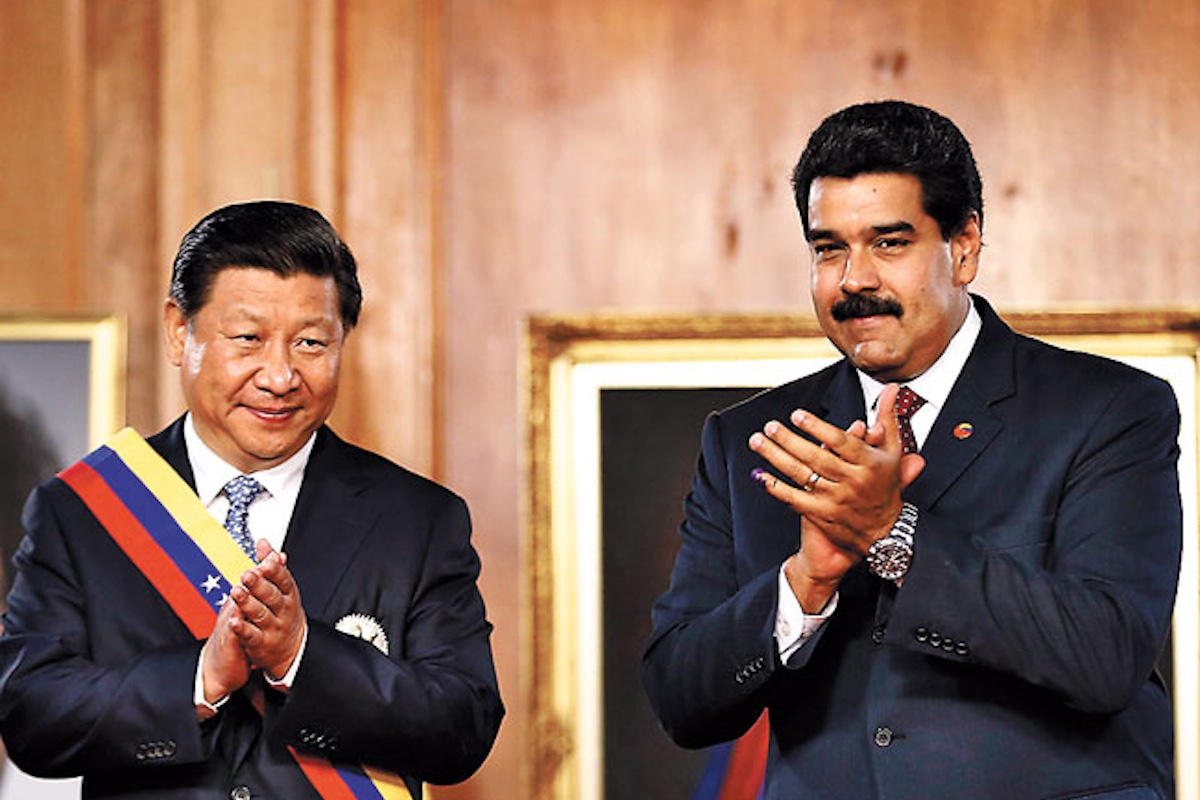
Trump, Venezuela and China’s Latin America advance
The Trump administration’s Venezuela policy, largely continued by the Biden administration, serves as a cautionary tale of how ideological rigidity can undermine strategic interests, particularly in the context of geopolitical competition with China. While Washington focused on maximum pressure tactics—sanctions, diplomatic isolation, and threats of military intervention—Beijing quietly positioned itself as Venezuela’s economic lifeline, deepening its influence in America’s backyard. This outcome was predictable: cutting off a regime’s traditional economic ties inevitably drives it toward alternative partners. China, with its non-interference policy and hunger for energy resources, emerged as the obvious choice, reaping significant strategic benefits at Washington’s expense. The US approach, rooted in the flawed assumption that economic pressure alone would trigger regime change, has proven counterproductive. Instead of weakening President Maduro’s grip, sanctions fostered a dependency on China, further entrenching Beijing’s foothold in the region. China’s strategy, characterized by ‘authoritarian pragmatism,’ has secured access to Venezuela’s oil reserves, expanded its economic presence in Latin America, and positioned itself as a counterbalance to US hegemony. This case highlights a broader issue in US foreign policy: prioritizing moral satisfaction over strategic calculation. By framing Venezuela policy around democracy promotion rather than managing great power competition, Washington inadvertently handed Beijing a strategic victory. A more effective approach would involve selective engagement with the Maduro government, economic competition with China, and multilateral coordination with regional partners. The lesson is clear: in an era of great power competition, ideological foreign policy is a luxury the US can no longer afford.
-
University of Michigan still punishing pro-Palestine students after graduating
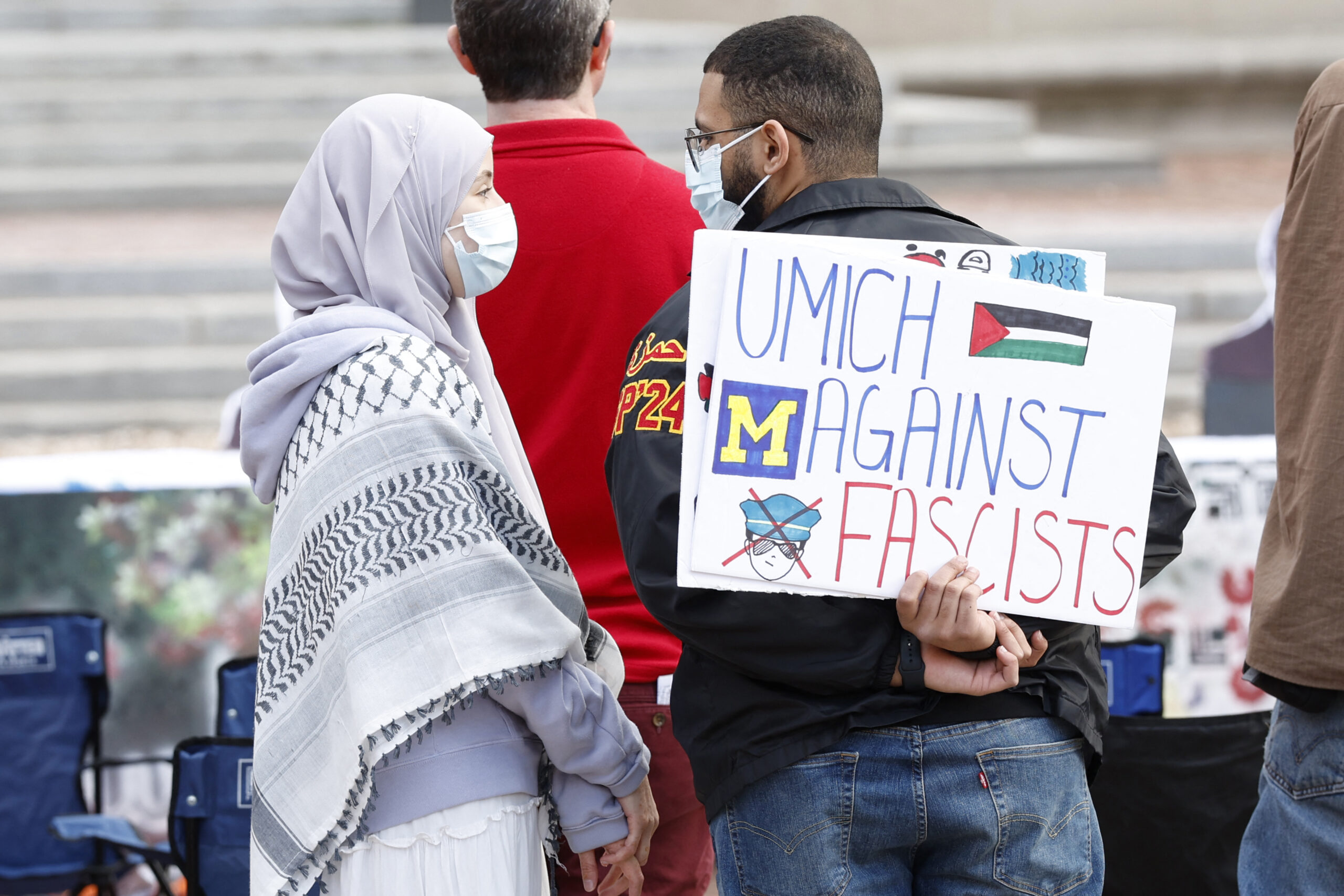
A wave of coordinated disciplinary action against pro-Palestinian student activists at the University of Michigan (UM) has sparked fierce criticism over alleged due process violations and institutional bias, with multiple students facing long-term career and academic penalties for their participation in anti-war demonstrations against Israel’s military campaign in Gaza. Just 15 months ago, Drin Shapiro, then a final-year history undergraduate and student program assistant at UM’s English Language Institute, was a typical campus worker on track to graduate. Today, he carries a record of criminal charges, has lost his campus position, spent time in jail, and remains subject to university discipline months after earning his bachelor’s degree in May 2024.
Shapiro’s ordeal began on May 21, 2024, when he joined a student encampment calling for an end to the war in Gaza. He was taken into custody during a police raid on the protest site and later released on bail. In September 2024, Michigan Attorney General Dana Nessel — a prominent public supporter of Israel — filed formal criminal charges against Shapiro. In a surprise reversal in May 2025, Nessel’s office dropped all charges, concluding that pursuing the case no longer justified the expenditure of public time and resources.
What followed the initial arrest, however, has drawn particular outrage: while Shapiro was out on bail, UM hired private investigators to conduct surveillance on his movements and those of other arrested protesters, a step that the university later walked back by firing the investigators. Shapiro told Middle East Eye (MEE) that he had heard surveillance was targeting other activists and had even noticed being followed on occasion, but did not realize he was under close monitoring by two separate private security teams until much later. Between two scheduled classes, Shapiro stayed on campus to post flyers calling out the university’s alleged complicity in the humanitarian crisis in Gaza, a choice that violated the strict terms of his bail, which only permitted campus access for official academic activities. Based on evidence collected by the private investigators, Shapiro was jailed for three days in late April.
“We were all surprised. We didn’t think that the judge would rule such a ridiculous punishment for handing tape to people between classes, but we understood,” Shapiro said.
Since the start of Donald Trump’s second presidential term in January 2025, U.S. institutions of higher education have faced mounting political pressure to crack down on campus speech critical of Israel, and UM has emerged as a central flashpoint in this national crackdown. In mid-August 2025, following a mandatory arbitration hearing, Shapiro received formal notice from Amy Grier, associate director of UM staff human resources, outlining the university’s findings. The notice stated that a review of the case had concluded Shapiro had committed multiple violations, including interfering with law enforcement operations and engaging in behavior a reasonable person could interpret as potentially violent or threatening to people or property. As a penalty, UM barred Shapiro from enrolling in any future degree programs at the institution, adding to a prior ban on his re-employment at the university. Shapiro is now part of a lawsuit against UM over these penalties.
Shapiro is far from alone in facing disproportionate punishment. Eaman Ali, a May 2025 graduate with dual bachelor’s degrees in political science and arts and design who previously worked as a campus administrative assistant, was fired from her university position roughly one month before graduation over her participation in a Gaza solidarity protest outside UM’s arts museum last year. Her case mirrors that of another UM activist, Zainab Hakim, who was profiled by MEE earlier this year, and all three are co-plaintiffs in the ongoing lawsuit against the university, arguing that UM has placed a permanent, damaging mark on their employment records.
Even after graduating and leaving the university, Ali was summoned to an arbitration hearing in June 2025, followed by a meeting with Grier — the same human resources official who handled Shapiro’s case. Ali told MEE she was accused of failing to comply with university officials, refusing to leave university-owned property, and causing violence or community harm at a separate protest held on the first anniversary of the October 7, 2023, attacks that precipitated Israel’s military offensive in Gaza. Ali denies all allegations, emphasizing that she was never arrested at either of the protests for which she is being disciplined. Already banned from future UM employment, she now faces a request from the complainant for a lifetime ban on enrolling in any UM academic program. Ali added that Grier refused to answer basic questions about who requested the investigation and where the allegations originated.
“They’re trying to make an example of us… the overreach… is essentially just them trying to come for whoever they can,” Ali told MEE. “And it also signals to me weakness, because they can’t come for and they can’t target the hundreds of protesters… they can only target and punish a select few that they believe that they have access to.”
Shapiro and Ali are among 11 students who faced formal conduct hearings this summer, all processed through UM’s Office of Student Conflict Resolution (OSCR), a body originally designed to function as a restorative justice mediation forum for campus disputes. Student activists and campus groups say OSCR has been systematically weaponized to target pro-Palestinian organizers. In a statement provided to MEE, UM’s pro-Palestinian campus group The Tahrir Coalition argued that the university’s Board of Regents has overhauled the once-restorative process into a tool for secret, unilateral punishment of protesters that lacks basic due process protections.
“Originally founded on principles of restorative justice, OSCR has been transformed by the Regents into a vehicle to unilaterally punish – and even expel – student protesters behind closed doors and without due process,” the group’s statement read. “The University… successfully transformed the OSCR process into a kangaroo court in which it is both plaintiff and judge.”
These summer 2025 hearings mark the third round of disciplinary proceedings OSCR has held against pro-Palestinian activists, based on alleged violations of UM’s Statement of Student Rights and Responsibilities (SSRR). The Tahrir Coalition highlighted two particularly controversial changes the university made to the SSRR in July 2024 that favor prosecution of protesters: the revisions allow UM itself to act as a complainant in OSCR cases, removing the requirement for an individual to file a formal complaint, and drastically shorten procedural deadlines, making it extremely difficult for student respondents to secure legal representation and prepare a defense. Activists also note that holding hearings during summer break, when most students are away from campus and many faculty supporters are unavailable, adds another barrier to fair process.
Kathleen Brown, a PhD candidate in American Culture at UM who participated in a three-hour remote OSCR hearing over her role in the arts museum protest, told MEE that every single pro-Palestinian student who has gone through an OSCR hearing has been found responsible for violations. “OSCR for pro-Palestine students has a 100 percent conviction rate. So we always joke like it’s up there with the Israeli military courts,” Brown said. Brown was accused of impeding police activity and disrupting university operations, and the university has recommended a formal reprimand and a mandatory educational essay reflecting on her actions that does not allow any justification for her protest. While this is the lightest available sanction, Brown — the former vice president of UM’s graduate employees union — argues the penalty is intended to mark her for harsher punishment in the future and set a punitive precedent for other activists.
MEE requested comment from UM’s Office of Public Affairs for this reporting, but did not receive a response prior to publication.
The crackdown at UM is part of a broader pattern of aggressive law enforcement and institutional action against pro-Palestinian protesters across Michigan. Human rights activists and legal experts have already condemned state authorities and the FBI for conducting what they call a political witch hunt against student activists, marked by excessive use of force. In April 2025, law enforcement raided multiple homes of current and former UM students who participated in pro-Palestinian demonstrations. Attorney Amir Makled, who represents one of the affected students, told MEE in April that he had filed a motion to disqualify Nessel from prosecuting the student cases over clear evidence of bias.
“Dana Nessel is not impartial in this cause,” Makled said. A 2024 investigation by The Guardian confirmed that UM’s governing board favored Nessel as the prosecutor in these cases specifically because they expected her to take a hard line against student protesters. Nessel had previously requested a special prosecutor take over the cases, acknowledging public perceptions of bias against Arab and Muslim communities. Within days of Makled filing his disqualification motion, Nessel moved to dismiss all criminal charges against the students.
Ali said the endless disciplinary proceedings ultimately serve as a deliberate distraction from the crisis that drove students to protest in the first place: the ongoing humanitarian catastrophe in Gaza. “I’m feeling fed up, to be honest,” she told MEE.
-
China’s lithium mining faces strict new regulatory era
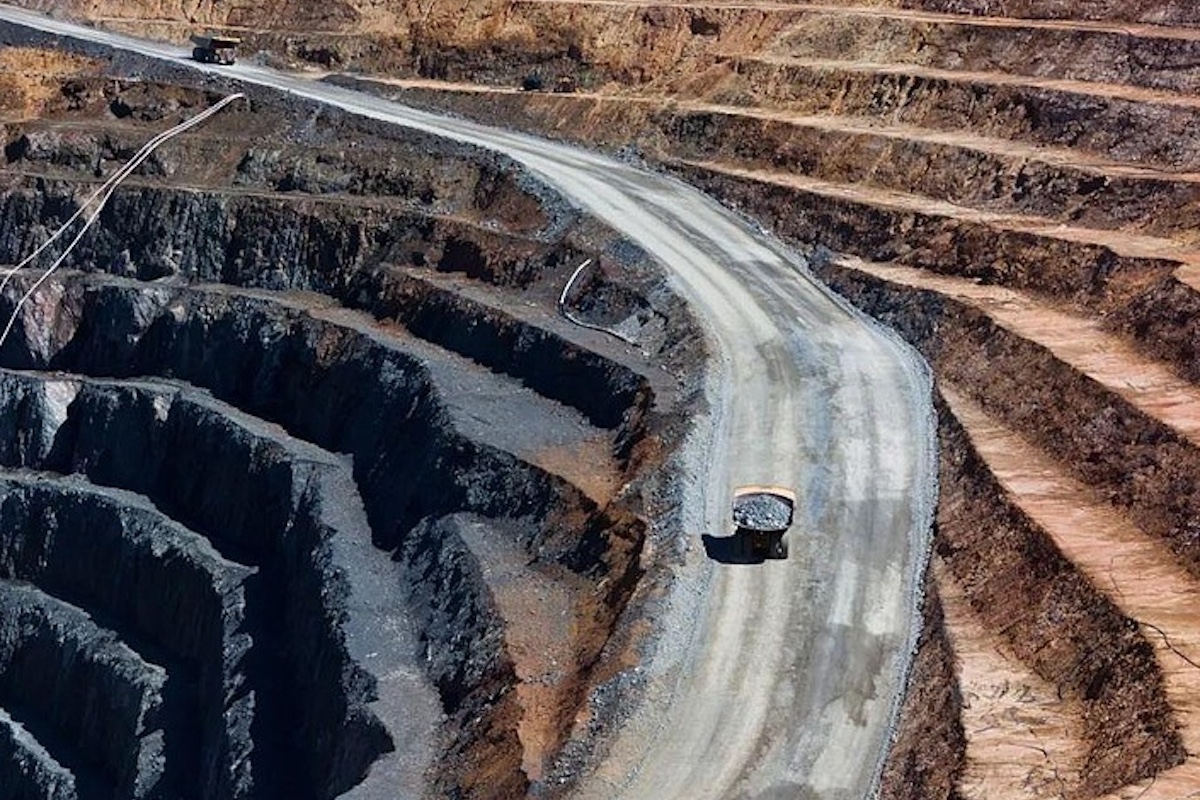
China has significantly intensified its regulatory oversight of lithium mining, transitioning from a lenient approach to a stringent framework aimed at ensuring sustainable and high-quality growth. In 2023, authorities initiated a policy to ‘clean up’ productive capacity, eliminating unlicensed operators and enforcing stricter compliance standards. This shift culminated in the enactment of a revised Mineral Resources Law in July 2025, which for the first time classified lithium as an independent, strategic mineral, thereby raising entry barriers and centralizing approval authority within the Ministry of Natural Resources (MNR).
Among the key changes, the new framework established a minimum lithium oxide (Li₂O) content of 0.4% for deposits to qualify as lithium orebodies, mandated the reclassification of mines previously registered under other categories, and reinforced environmental and safety standards through ‘green mine’ criteria. The centralization of mining rights approval aimed to curb past issues, such as in Yichun, where local officials had overstepped their jurisdiction.
The lithium industry faced significant challenges in 2023, with prices plummeting nearly 90% due to oversupply and slowing demand. This downturn led to fierce competition and overcapacity, forcing smaller, high-cost mines to operate at a loss. By mid-2025, around 30% of Jiangxi’s lithium-mica capacity remained idle due to negative margins.
In response, policymakers adopted ‘supply-side reform’ strategies, encouraging industry consolidation and curbing excess capacity. Measures included banning below-cost sales, adding lithium to the stabilization list of new energy materials, and coordinating temporary shutdowns in lithium-rich provinces. The Lithium Branch of the China Nonferrous Metals Industry Association also urged the supply chain to resist ‘vicious competition’ and promote healthy development.
The regulatory overhaul highlighted China’s shift from maximizing production volume to prioritizing quality, efficiency, and sustainability. Inspections in Yichun uncovered irregularities, leading to the suspension of non-compliant mines and stricter licensing procedures. This transition has bolstered lithium carbonate prices and fostered expectations of more disciplined supply.
China’s new approach aims to filter speculative or obsolete capacity, reduce domestic oversupply, and establish a technologically advanced production ecosystem. By raising entry barriers and compliance costs, the country seeks to reinforce its global leadership in lithium production on a more robust foundation.
-
Netanyahu’s Gaza City assault tied to fight for his own survival
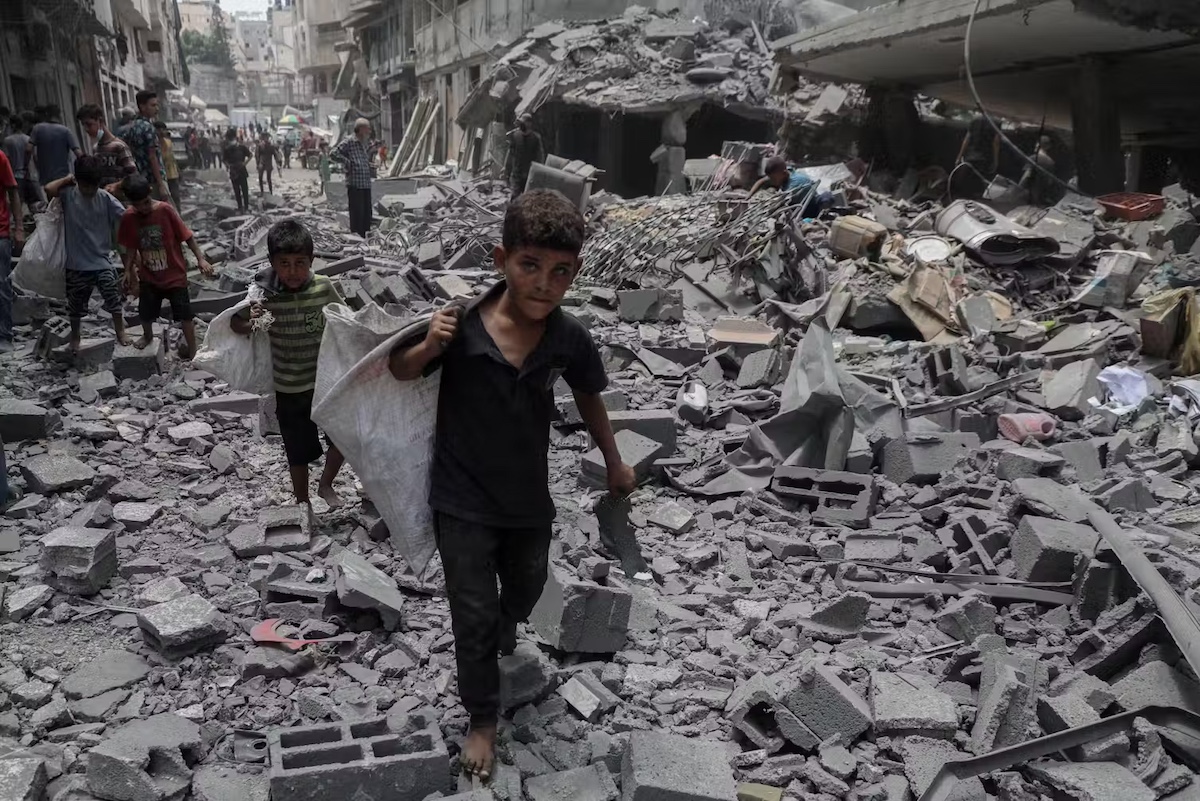
In Gaza City, a renewed Israeli military offensive has forced thousands of Palestinians to flee their homes, following days of intense airstrikes that have claimed dozens of lives. This latest escalation comes just days after Hamas officials, in Cairo, announced their acceptance of a ceasefire proposal brokered by Qatari and Egyptian mediators. However, the assault has likely derailed any hopes of a truce. Meanwhile, across Israel, hundreds of thousands of citizens have taken to the streets in protest against Prime Minister Benjamin Netanyahu’s handling of the war, demanding an end to the conflict and the return of hostages. While some may view Hamas’s ceasefire acceptance and the protests as potential turning points, the situation on the ground suggests otherwise. Gaza City has endured repeated bombardments over the 22-month-long war, and past ceasefire agreements have consistently collapsed. Similarly, large-scale protests in Israel have failed to yield tangible results. The Israeli government has expressed disinterest in partial deals, insisting on a comprehensive agreement that secures the release of all hostages. Netanyahu’s coalition members have already rejected the current proposal, highlighting the deep divide between Israel and Hamas. The latter demands a permanent truce and Israeli troop withdrawal, while Israel’s five-point plan includes disarming Hamas, demilitarizing Gaza, and establishing a new civil administration. These conflicting objectives, coupled with Israel’s plans to maintain security control in Gaza, present significant obstacles to peace. Amid growing public discontent in Israel and internal divisions within Hamas, the prospects for a ceasefire remain bleak, leaving civilians and hostages to bear the brunt of the ongoing violence.
-
Why Iran can’t keep the lights on
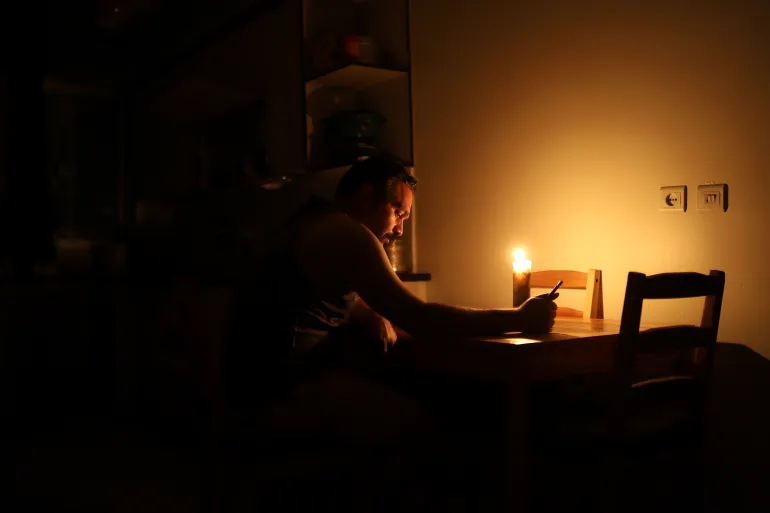
For Iranians, the changing seasons bring not just weather shifts but also recurring energy crises. Scorching summers are plagued by rolling blackouts, while freezing winters are marked by toxic smog from burning low-grade fuel in power plants. These challenges are symptomatic of Iran’s chronic electricity imbalance, a structural crisis that has evolved into a significant economic and public welfare burden. Despite a nominal installed capacity of 94 gigawatts, Iran’s power grid is in systemic decay. Aging thermal plants, over-reliance on natural gas, recurring droughts crippling hydropower, and soaring demand have created a persistent gap between capacity and reliable output. This crisis is further exacerbated by geopolitical isolation, which hampers access to international finance and technology. A comparative analysis reveals Iran’s underperformance in electricity generation, lagging behind industrial economies and even Gulf neighbors. To address this, a four-point recovery plan has been proposed, emphasizing international contracts, budgetary realignment, fuel mix reformation, and regional power exchange agreements. However, the success of these measures hinges on resolving Iran’s geopolitical standoff with the West, as domestic reforms alone are insufficient. Without a sustainable solution, Iran risks further economic isolation, technological backwardness, and continued degradation of public health and industrial competitiveness.
-
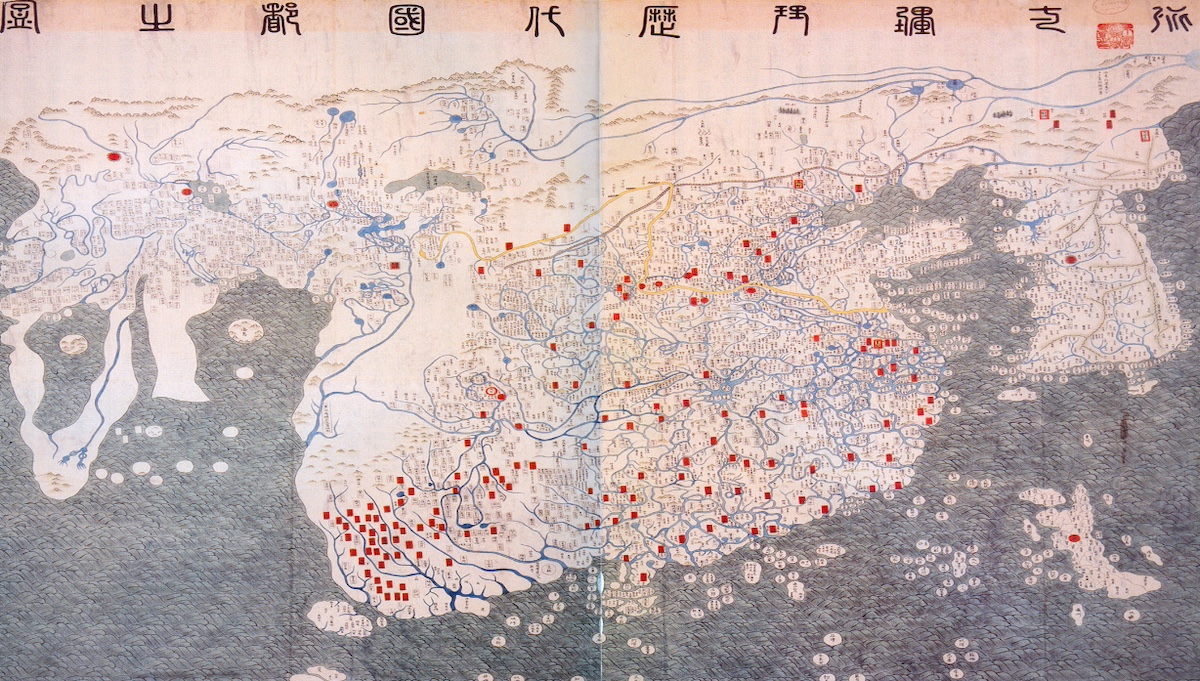
Global historic story in an ancient Chinese map
The late 16th century marked a pivotal era in global exploration, but long before Europeans reached China by sea, ancient Chinese scholars had already developed a sophisticated understanding of the world. This knowledge, encapsulated in a 15th-century map, offers a fascinating glimpse into the intellectual and cultural exchanges of the time. The *Honil Gangni Yeokdae Gukdo Ji Do* (Map of Integrated Lands and Regions of Historical Countries and Capitals), created by Koreans in 1402, is a testament to this early global awareness. This map, now housed at Ryukoku University in Kyoto, Japan, was based on earlier Chinese maps from the Mongol Yuan era, reflecting a blend of scientific geography, national sentiment, and cultural imagination. The map’s depiction of regions from Japan to Africa and Europe raises intriguing questions about how Asians acquired such detailed geographical knowledge before Europeans. Scholars suggest that Persian-Arab astronomical and geographical knowledge, transmitted during the Mongol Empire, played a crucial role. This map not only highlights the interconnectedness of ancient civilizations but also challenges the notion of a closed-off ancient China, revealing a rich tradition of intellectual and cultural exchange.
-
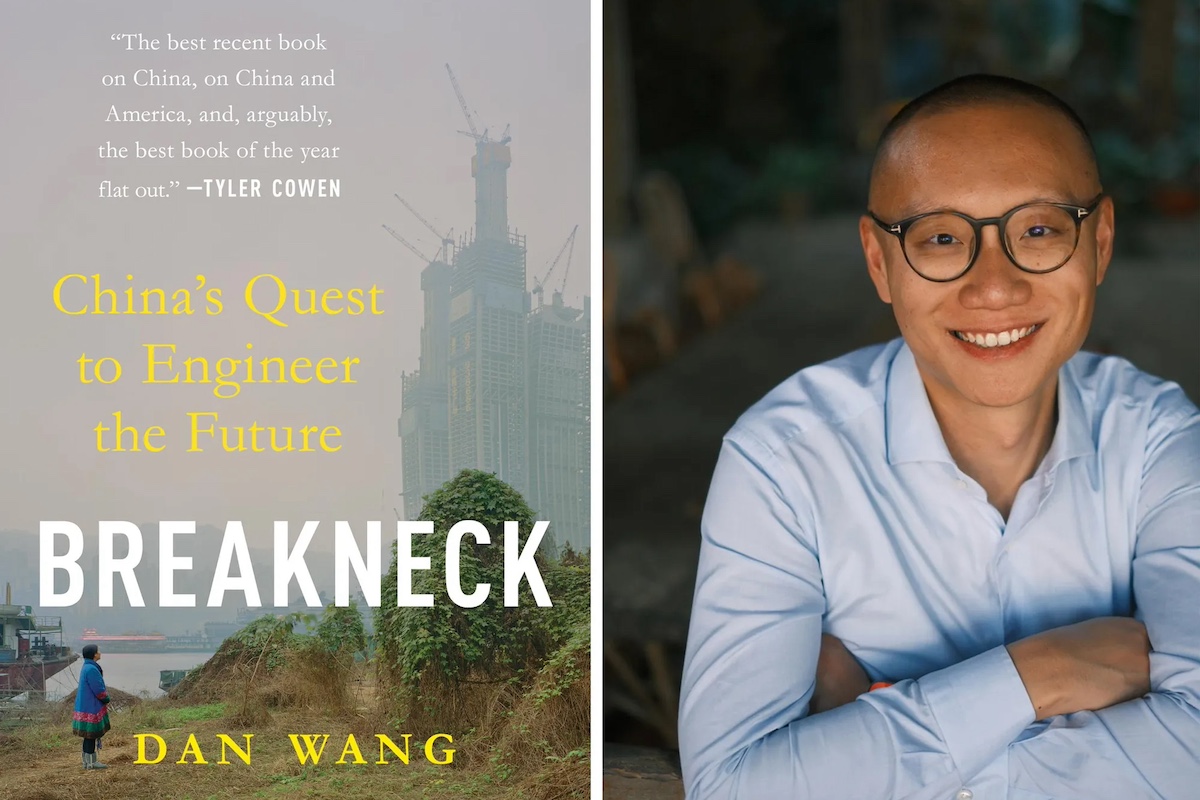
Breakneck divide: China’s builders vs America’s lawyers
Dan Wang’s forthcoming book, ‘Breakneck: China’s Quest to Engineer the Future,’ provides a groundbreaking perspective on the contrasting governance styles of China and the United States, as well as the barriers to mutual understanding between the two superpowers. Published by W.W. Norton & Company in 2025, the book merges Wang’s economic analysis from his years in China (2017–2023) with his personal experiences as a Canadian of Chinese descent educated in the US. Wang’s unique background allows him to offer a balanced view of the two nations, free from the hostility that often characterizes their relationship. He describes China as an ‘engineering state,’ driven by rapid construction and technological advancement, while portraying the US as a ‘lawyerly society,’ marked by legal obstructionism. Wang argues that both countries are deeply flawed yet fundamentally alike in their ambition and restlessness. Through vivid anecdotes, such as his cycling trip through Guizhou, Wang highlights China’s rapid modernization and cultural richness. He also critiques the inefficiencies of the US legal system, using the stalled California high-speed rail project as a case study. Wang’s work calls for mutual curiosity and a new lens to understand the China-US rivalry, moving beyond outdated ideological labels. ‘Breakneck’ is set to release on August 26, 2025.