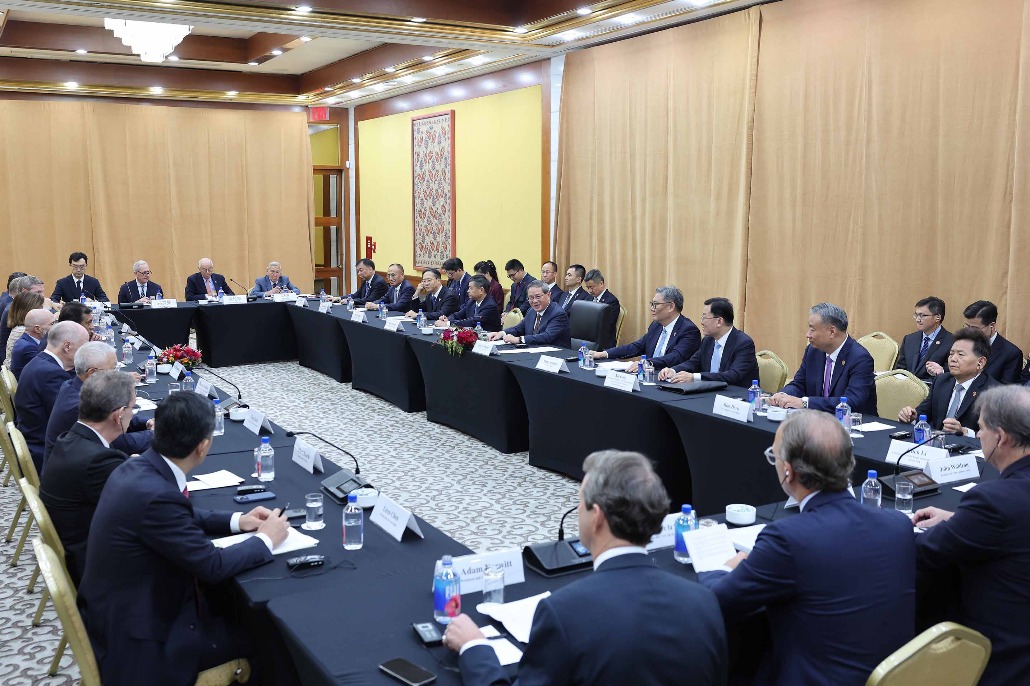
Chinese Premier Li Qiang emphasized the importance of fostering constructive and mutually beneficial relations between China and the United States during a meeting with representatives from US-friendly organizations in New York on September 25, 2025. The meeting, held on the sidelines of the 80th session of the United Nations General Assembly, included participants from the US-China Business Council, the National Committee on US-China Relations, the US Chamber of Commerce, and the Council on Foreign Relations, alongside scholars and business leaders. Premier Li underscored that China-US relations are the most significant bilateral ties globally, with both nations capable of being partners and friends. Reflecting on history, he noted that friendly exchanges have consistently been the mainstream trend between the two countries. Echoing President Xi Jinping’s vision, Li highlighted that the vast Pacific Ocean is ample space for both nations to coexist peacefully, respect each other, and pursue win-win cooperation. Economic and trade relations were identified as a cornerstone of bilateral ties, with Li emphasizing the complementary nature of their market structures and industrial systems. He expressed confidence in China’s ability to maintain stable economic growth and create opportunities for global businesses, including those from the US. Li reiterated China’s commitment to expanding openness, relaxing market access, and addressing foreign businesses’ concerns to ensure a favorable operating environment. He also stressed the importance of grassroots connections in strengthening the China-US relationship and called for enhanced mutual understanding and practical cooperation. US participants acknowledged China’s remarkable achievements in economic growth and innovation, expressing optimism about the future of bilateral relations and their potential to bring stability to the international community.
标签: Asia
亚洲
-
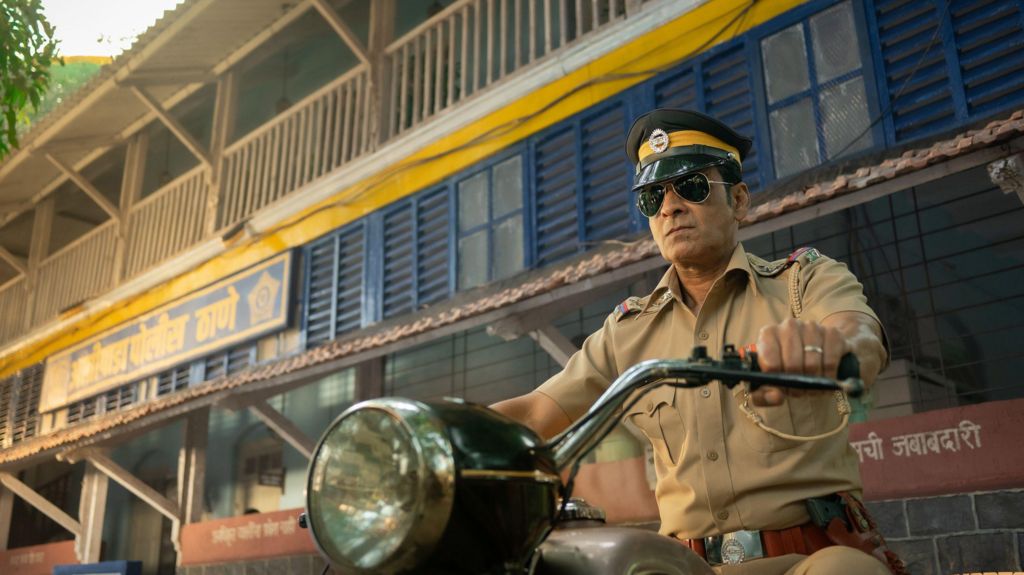
The Indian who caught ‘Bikini killer’ twice – and is now Netflix hero
Netflix’s latest film, *Inspector Zende*, brings to life the gripping story of Indian police officer Madhukar Zende, who captured the infamous serial killer Charles Sobhraj not once, but twice. Starring Bollywood actor Manoj Bajpayee in the titular role and Jim Sarbh as Sobhraj, the film delves into the intense cat-and-mouse game between the two in 1986. The narrative begins with Sobhraj’s audacious escape from Delhi’s high-security Tihar jail on March 16, 1986, where he had been serving a 12-year sentence for murder. Using drug-laced sweets, he incapacitated prison staff and fled, only to resurface in Mumbai days later. Inspector Zende, who had previously arrested Sobhraj in 1971, was called in to track him down again. The film highlights Zende’s relentless pursuit, culminating in Sobhraj’s arrest at a Goa restaurant. The retired 88-year-old officer, now a celebrated figure, reflects on his career and the notoriety of Sobhraj, who was dubbed ‘The Serpent’ for his cunning escapes and crimes across Asia. The film not only revisits a significant chapter in Indian law enforcement history but also pays tribute to Zende’s legacy as a ‘supercop’.
-

Stray Kids downplay global fame: ‘Success is a strong word’
Fresh off their record-breaking DominATE World Tour, Stray Kids, the South Korean powerhouse, has once again proven their relentless drive and creativity. Instead of taking a well-deserved break, the group released their latest album, *Karma*, just weeks after concluding their tour, which included two sold-out nights at London’s Tottenham Hotspur Stadium. This marks their second album in under a year, alongside an EP and a 12-track mixtape, *Hop*, featuring solo contributions from each of the eight members. Their achievements don’t stop there; they also made their Marvel Cinematic Universe debut with a cameo in *Deadpool & Wolverine*, contributing the soundtrack song *Slash*. These accomplishments catapulted them to become the fifth biggest-selling act globally in 2023, trailing only Taylor Swift and Drake. What sets Stray Kids apart is their hands-on approach to music—writing and producing their own material, a rarity in the K-pop industry. Despite the grueling tour schedule, which included three-hour nightly performances, the group found time to explore local cultures, from art galleries to baked potato outlets. Their collaborative spirit and shared workload, as explained by rapper Han, have been key to sustaining their creative output. *Karma* showcases their versatility, blending Brazilian funk rhythms with pop-punk influences, while tracks like *Bleep* deliver bold messages against detractors. The album’s success was further amplified by Felix’s legal victory in unmasking an anonymous social media user in a defamation case, highlighting the challenges of fame in the K-pop world. Beyond their music, Stray Kids have cultivated a deep connection with their fans, known as STAY, through intimate live streams and interactive concert experiences. Their DominATE tour set box office records, selling 1.2 million tickets and grossing $182 million, while *Karma* debuted at number one on the US charts—a historic feat for the group. Despite their monumental success, the members remain humble, with leader Bang Chan emphasizing their hunger for more milestones. Looking ahead, Stray Kids aim to leave a lasting legacy, as articulated in their track *Half Time*, which reflects their renewed commitment to their craft. With their boundless ambition and innovative spirit, Stray Kids are just getting started.
-

China launches campaign to keep killjoys off the internet
In a sweeping effort to foster a more positive online environment, the Chinese government has launched a two-month campaign targeting social media posts that amplify negative and pessimistic sentiments. Spearheaded by the Cyberspace Administration of China, the initiative aims to curb narratives such as ‘studying is useless’ and ‘hard work is useless,’ which have gained traction amid economic slowdowns, high youth unemployment, and intense competition for education and jobs. This campaign reflects Beijing’s growing concern over the disillusionment among its younger generation, who increasingly question their future prospects. The government’s anxiety has manifested in a series of sanctions against influencers and platforms. Notably, content creator Hu Chenfeng saw his social media accounts wiped clean after a viral comment that many interpreted as reinforcing social divides. Similarly, Zhang Xuefeng, a prominent online tutor, faced restrictions on his accounts following controversial remarks about Taiwan and his blunt advice on social mobility. The campaign also extends to social media platforms like Xiaohongshu, Kuaishou, and Weibo, which have been warned to curb ‘negative’ content. While the government frames this as a move to create a ‘civilised and rational online environment,’ critics argue that such top-down efforts may fail to address the root causes of societal pessimism. Experts like Dr. Simon Sihang Luo of Nanyang Technological University caution that suppressing expressions of frustration could exacerbate mental health issues. Despite the crackdown, the underlying pressures driving China’s youth to ‘lie flat’ and retreat from the rat race persist, highlighting the challenges of addressing systemic issues through censorship alone.
-
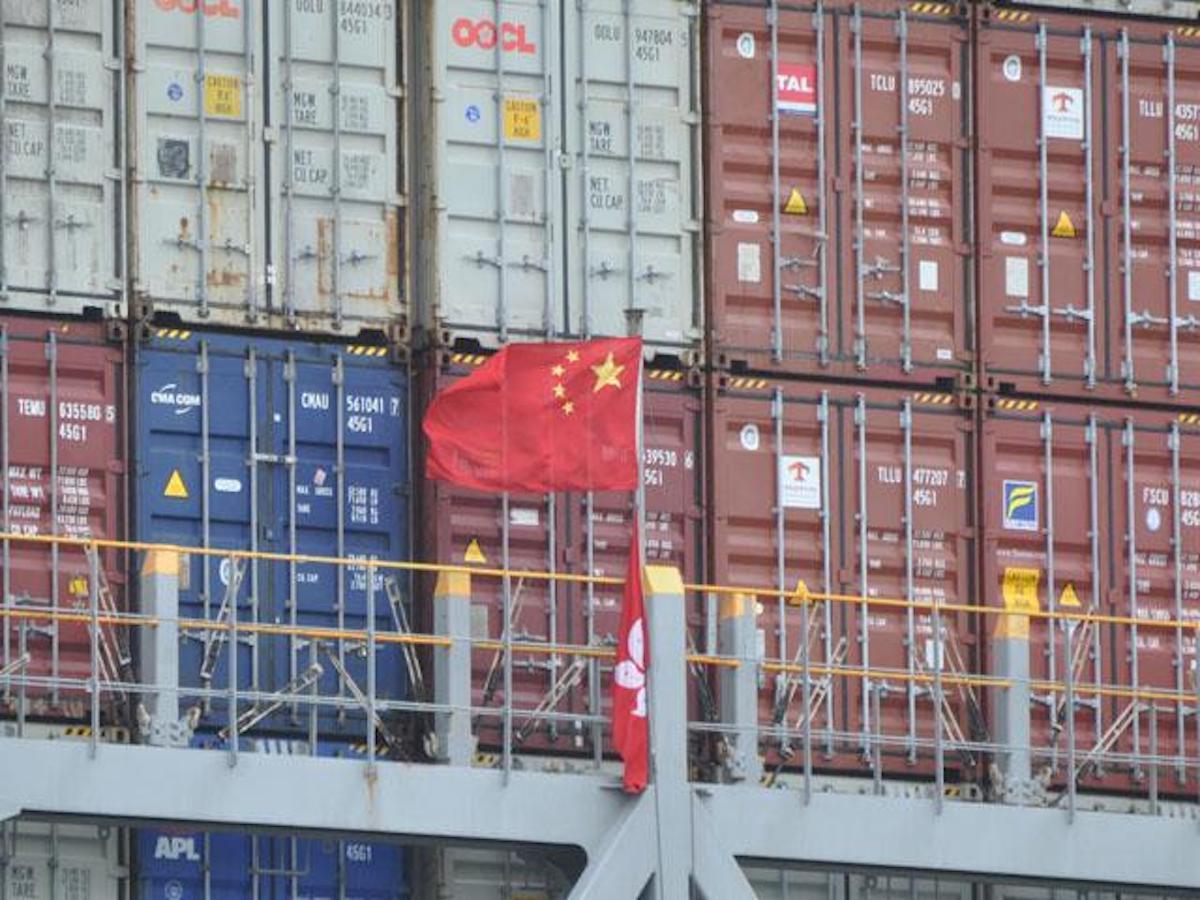
China’s export juggernaut defying and denying Trump’s tariffs
Despite former U.S. President Donald Trump’s aggressive tariff policies, China’s export sector has demonstrated remarkable resilience, with its trade surplus projected to reach $1.2 trillion by the end of 2025, surpassing last year’s $1 trillion mark. This success stems from China’s strategic adaptability, including market diversification, supply chain rerouting, and a focus on sectors less vulnerable to U.S. tariffs. For instance, exports to Southeast Asia have surged beyond their COVID-19 peak, with record-breaking shipments to India and Africa. Arthur Kroeber of Gavekal Dragonomics notes that the Trump era inadvertently spurred China to enhance its export competitiveness through innovative workarounds, such as transshipments and relocating production to lower-tariff countries. However, these tactics have drawn scrutiny, with Trump vowing to penalize nations facilitating such arbitrage. Meanwhile, Southeast Asian economies, including Vietnam, Indonesia, and Thailand, face challenges from China’s overcapacity, political instability, and weak infrastructure, hindering their aspirations to become manufacturing hubs. Mexico stands out as a potential outlier, considering a 50% tariff on Chinese goods. As global tensions escalate, China seeks to avoid provoking protectionist measures while navigating deflationary pressures and internal economic reforms. The U.S., burdened by a $36 trillion national debt, faces its own economic reckoning, with experts warning of severe consequences from Trump’s tariff-driven trade war. Despite these challenges, China’s export engine continues to defy expectations, underscoring its pivotal role in the global economy.
-
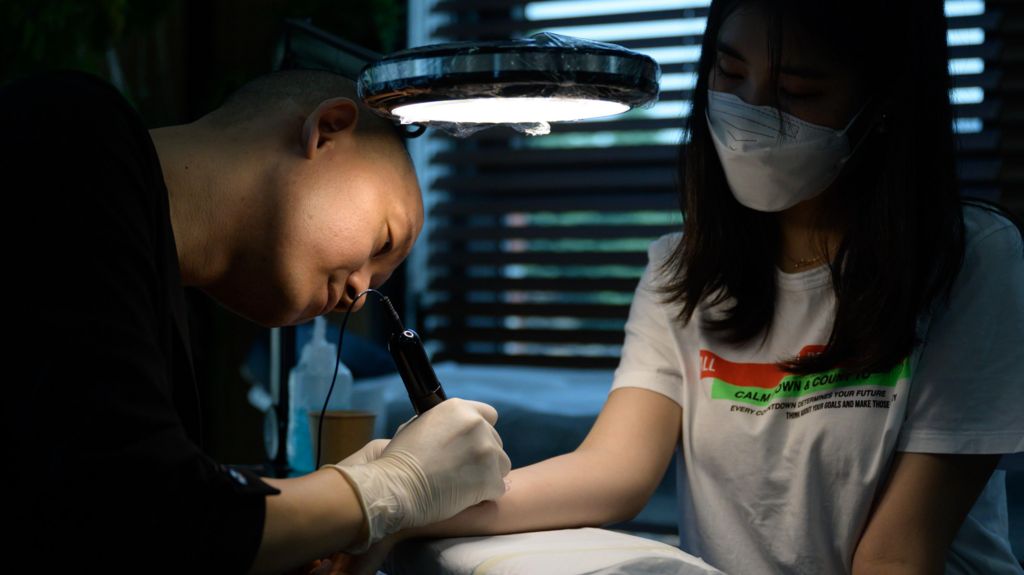
South Korea legalises tattooing by non-medical professionals
In a landmark decision, South Korea has officially legalized tattoo artistry by non-medical professionals, marking the end of a three-decade-long prohibition. The Tattooist Act, passed by the General Assembly on Thursday, grants licenses to non-medical practitioners, who constitute the majority of the industry. This historic move follows years of advocacy by tattoo artists seeking to practice their craft without fear of prosecution or harassment. Since 1992, offering tattoos had been restricted to medical professionals under a Supreme Court ruling, with violators facing up to five years in prison or hefty fines. Lim Bo-ran, president of the Korea Tattoo Federation, expressed overwhelming gratitude, describing the law’s passage as ‘a dream come true.’ Despite the widespread popularity of tattoos in South Korea, the industry has operated in a legal gray area, with artists often subjected to threats or legal action from disgruntled clients. Recent court acquittals of tattoo artists signaled a shift in societal attitudes, paving the way for this legislative change. However, the new law has faced opposition from the medical community, which argues that tattooing poses health risks and should remain a medical procedure. The law will take effect in two years, requiring artists to pass a national exam, complete safety training, and maintain detailed records. While the change is celebrated by many, it may not immediately erase the stigma surrounding tattoos, as recent polls indicate that a majority of South Koreans still view them negatively. The journey toward full societal acceptance of tattoos in South Korea is likely to be gradual and complex.
-

Over 1,000 children fall ill from free school lunches in Indonesia
Indonesia’s ambitious free school lunch program, a flagship initiative of President Prabowo Subianto, has come under intense scrutiny following a series of mass food poisoning incidents affecting thousands of children. Since its launch in January, the program, which aims to provide nutritious meals to 80 million students, has been marred by health and safety concerns, sparking calls for its suspension. Authorities reported over 1,000 cases of food poisoning this week alone, adding to a growing tally that has seen more than 6,400 children fall ill since the program’s inception. Symptoms among victims include stomach aches, dizziness, nausea, and even shortness of breath, raising alarms about the quality and preparation of the meals. The National Nutrition Agency attributed a recent outbreak in Cipongkor to a technical error by the Nutrition Fulfillment Service Unit, which has since been suspended. Critics, including non-governmental organizations, have urged the government to halt the program temporarily for a thorough evaluation, with some proposing alternative solutions such as direct funding to parents. Despite the backlash, the government has reaffirmed its commitment to the initiative, citing its potential to combat malnutrition and stunting among children. However, experts warn that the program’s massive $28 billion budget could also make it a target for corruption, further complicating its implementation. As Indonesia grapples with these challenges, the future of its free school lunch program remains uncertain.
-
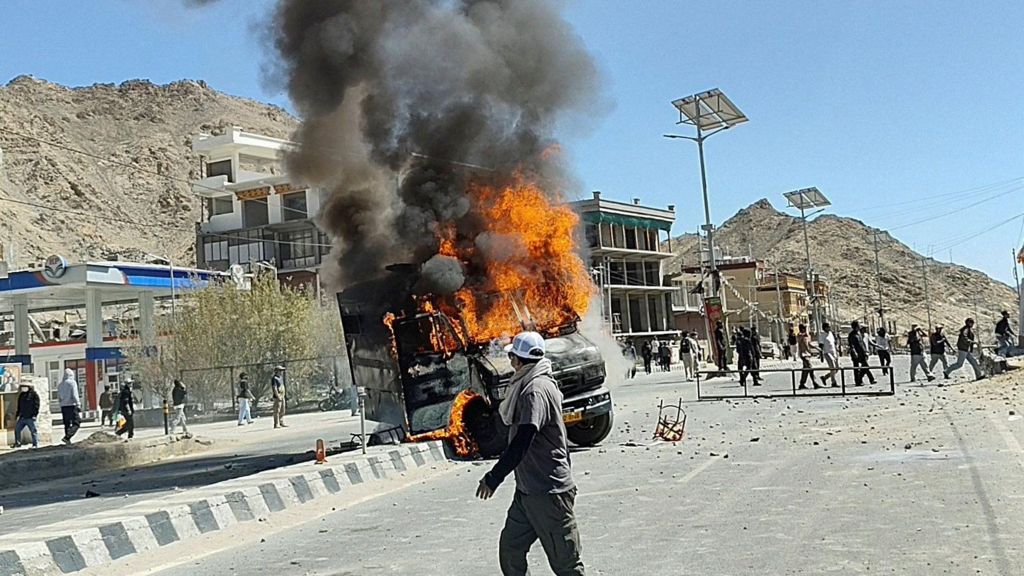
India imposes curfew in Ladakh after statehood protests turn violent
In a dramatic escalation of tensions, violent clashes erupted in Leh, the capital of India’s Himalayan region of Ladakh, leaving at least four dead and dozens injured. The unrest, which occurred on Wednesday, saw protesters set fire to a local office of the ruling Bharatiya Janata Party (BJP) and a security vehicle, prompting Indian security forces to impose a curfew in the area. The protests, led by activist Sonam Wangchuk, are part of a long-standing demand for statehood and greater autonomy for Ladakh, a region that lost its semi-autonomous status in 2019 when the BJP government reorganized the former state of Jammu and Kashmir. The Leh region, predominantly Buddhist, has been advocating for separate statehood, while the Muslim-majority Kargil district seeks integration with Indian-administered Kashmir. Since 2019, both communities have united in their demand for restored statehood and job quotas. The government has accused Wangchuk of inciting violence, a claim he vehemently denies, stating that the unrest stems from years of frustration among unemployed youth. Wangchuk, a prominent activist and engineer known for his work on education and climate change, called off his hunger strike on Wednesday and appealed for calm, emphasizing that violence undermines their cause. The federal government has initiated an investigation into the violence and plans further talks with local leaders, though tensions remain high as the region grapples with its political future.
-
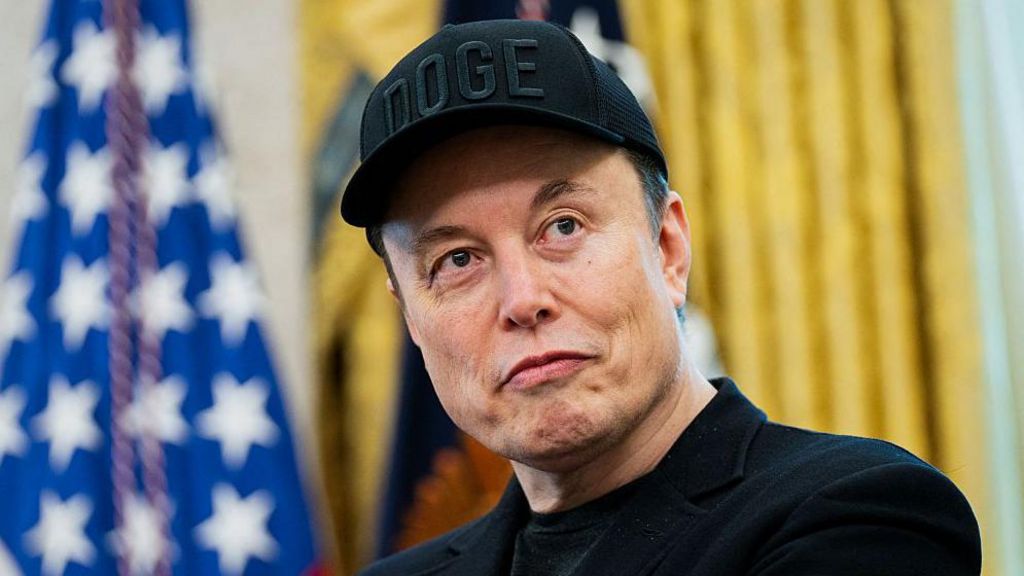
India legal setback for Elon Musk’s X in free speech fight
An Indian court has dismissed a legal challenge by Elon Musk’s social media platform, X, against the Indian government’s Sahyog portal, which the company alleged was being used to arbitrarily censor content. The Karnataka High Court ruled that X’s case was ‘without merit,’ though the full judgment remains undisclosed. This marks the second time in just over two years that X has lost a legal battle against the Indian government’s content-blocking powers, raising concerns among free speech and digital rights advocates. X, which boasts an estimated 25 million users in India, has not yet indicated whether it will appeal the decision.
The Sahyog portal, operated by India’s federal home ministry, automates the process of sending government notices to social media platforms like X and Facebook. While other tech giants such as Google, Amazon, and Meta have joined the portal, X has refused, labeling it a ‘censorship portal.’ X argued that Sahyog bypasses legal safeguards, allowing government officials, including local police officers, to issue content removal orders unilaterally and arbitrarily. The company’s lawyer criticized the system, stating that it authorizes ‘every Tom, Dick, and Harry officer’ to issue takedown orders, a remark that drew objections from the government.
The Indian government defended Sahyog, emphasizing its necessity in addressing the ‘growing volume of unlawful and harmful content’ on social media. It clarified that the portal is not for issuing blocking orders but for notifying intermediaries about unlawful content. The court upheld this view, stating that social media cannot be left in ‘a state of anarchic freedom’ and that regulation is essential. The judge also noted that while X complies with similar takedown orders in the U.S., it refuses to do so in India.
This ruling has sparked debates about free speech and government overreach in India. Digital rights experts have warned that Sahyog has led to a ‘wholesale increase in censorship.’ X has a history of challenging India’s content-blocking mechanisms, which legal experts often describe as opaque and arbitrary. In 2022, before Musk’s acquisition, X became the first platform to contest takedown orders, resulting in a fine of 5 million rupees ($56,000) for delayed compliance. Its appeal against that ruling is still pending.
-
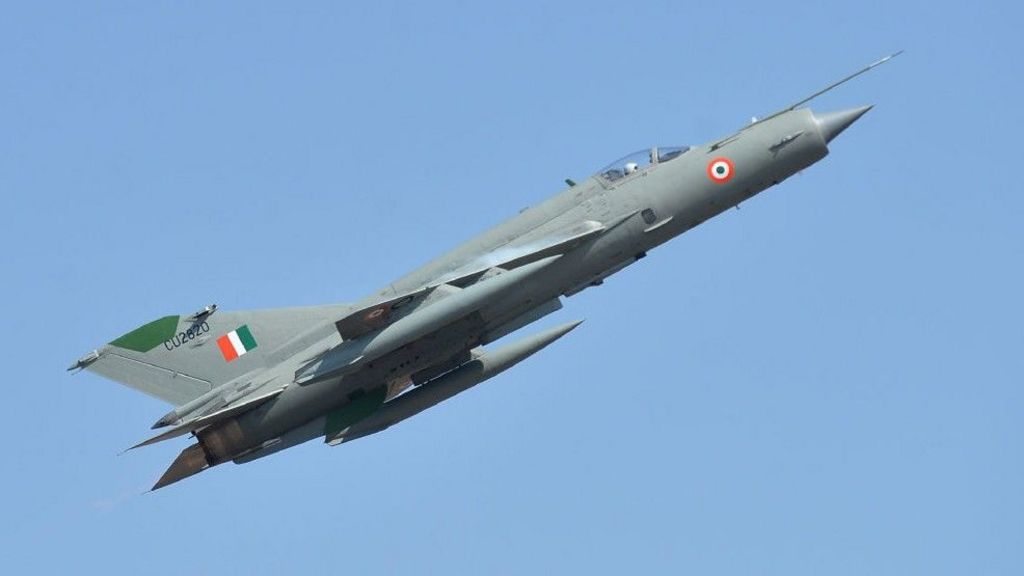
The sun sets on India’s iconic and controversial Soviet fighter jet
The MiG-21, once the backbone of the Indian Air Force (IAF), is set to take its final flight, marking the end of an era for one of the most iconic fighter jets in aviation history. For decades, the MiG-21 dominated the skies, comprising two-thirds of the IAF’s fighter fleet at its peak. Pilots who flew the aircraft recall its blistering speed and versatility, but also its grim reputation as a ‘flying coffin’ due to a series of fatal crashes in its later years.
Designed by the Soviet Union and first inducted into the IAF in 1963, the MiG-21 was renowned for its needle-nose design, supersonic speed, and ability to climb rapidly. It became a cornerstone of India’s defense strategy, playing pivotal roles in conflicts such as the 1971 war with Pakistan. Pilots adapted the aircraft for close combat and ground attacks, pushing it beyond its original design limitations.
However, the MiG-21’s legacy is marred by tragedy. Between 1971 and 2012, 482 crashes were recorded, resulting in the deaths of 171 pilots, 39 civilians, and others. Analysts attribute these accidents to aging airframes, high landing speeds, and stretched maintenance cycles. Despite its flaws, the MiG-21 remained in service far longer than expected due to delays in developing replacements.
For retired Air Marshal Prithvi Singh Brar, who flew the MiG-21 for 26 years, the aircraft was more than a machine—it was a trusted partner in the sky. ‘I loved flying the MiG-21 the way a bird loves the sky,’ he recalls. Yet, as India retires its last two MiG-21 squadrons, the IAF faces a significant gap, with only 29 fighter units operational against a sanctioned 42.
The MiG-21’s retirement symbolizes the end of a chapter in India’s aviation history, leaving behind a legacy of both admiration and caution. As the skies grow quieter, the memories of those who flew this legendary jet will endure, a testament to its enduring impact on India’s defense and aerospace industry.