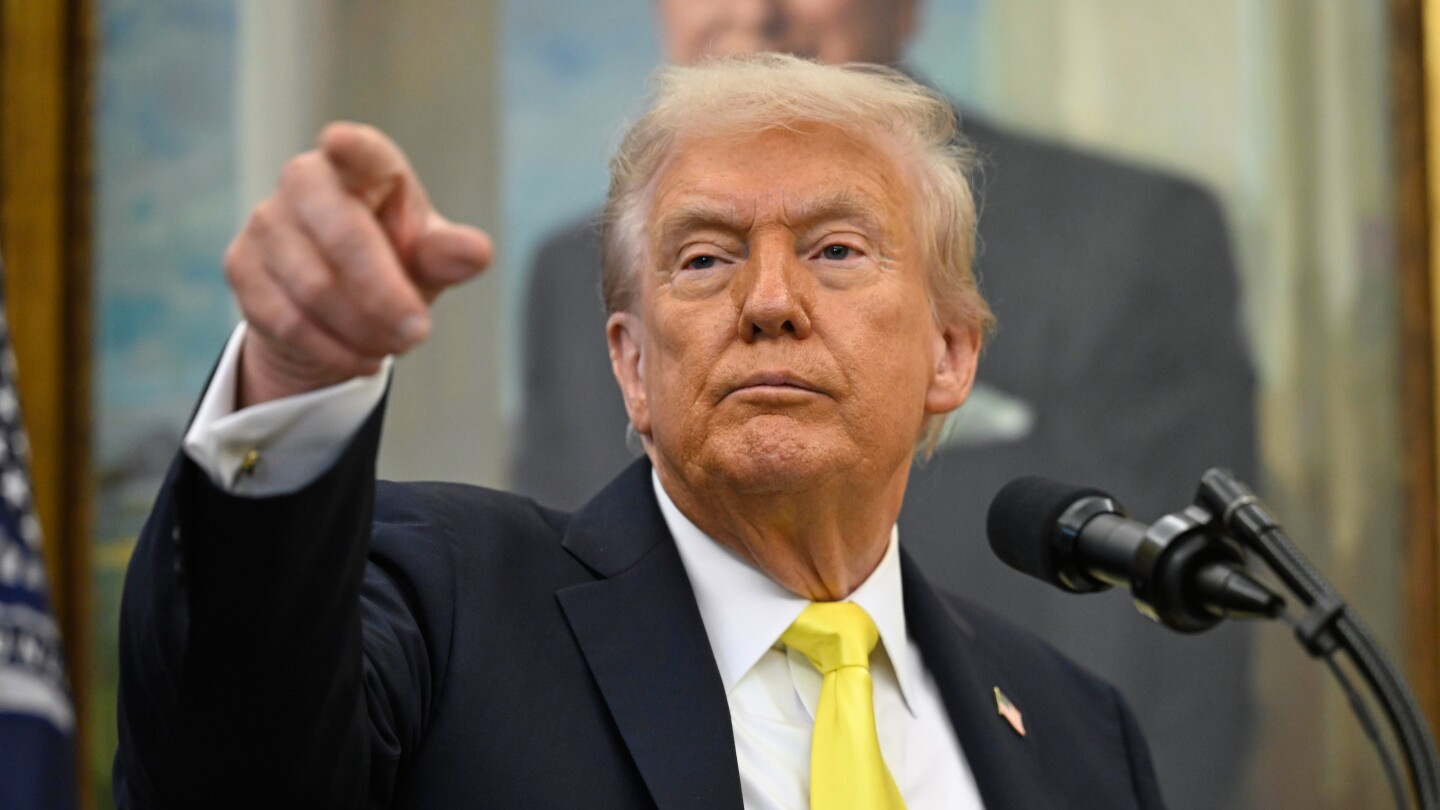
In a significant development, former U.S. President Donald Trump announced on Wednesday that Indian Prime Minister Narendra Modi had personally guaranteed India would cease purchasing Russian oil. This claim, yet to be verified by the Indian government, aligns with Trump’s broader strategy to exert pressure on Moscow to negotiate an end to the ongoing conflict in Ukraine. ‘There will be no oil. He’s not buying oil,’ Trump stated, adding that the transition would not be immediate but would occur ‘within a short period of time.’ The Indian embassy in Washington has not yet commented on the matter. Trump has been vocal about his frustrations over the prolonged war in Ukraine, which began with Russia’s invasion nearly four years ago. He has increasingly criticized Russian President Vladimir Putin, labeling him as the main impediment to peace. Trump is scheduled to meet with Ukrainian President Volodymyr Zelenskyy on Friday. India, the second-largest buyer of Russian oil after China, faced U.S. tariffs in August as part of Trump’s efforts to curb its economic ties with Russia.
标签: Asia
亚洲
-
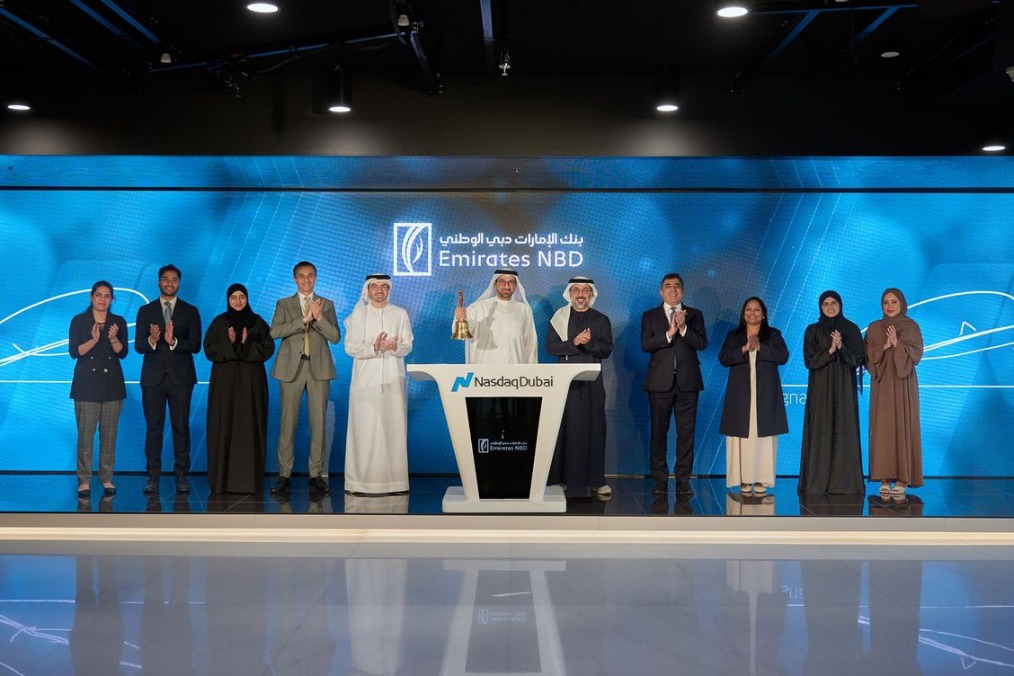
Nasdaq Dubai welcomes CNY1 billion bond listing by Emirates NBD
Nasdaq Dubai has marked a significant milestone with the listing of a CNY1 billion (approximately US$140 million) bond by Emirates NBD Bank. This issuance, part of the bank’s US$20 billion Euro Medium Term Note (EMTN) Programme, features 2.40 percent Notes maturing in 2028. The move signifies Emirates NBD’s re-entry into the Dim Sum market, a platform that facilitates global investors’ access to renminbi-denominated bonds outside mainland China. This strategic issuance not only diversifies the bank’s funding sources but also underscores the robust investor demand for high-quality financial instruments from UAE institutions. With this listing, Emirates NBD’s total debt instruments on Nasdaq Dubai now stand at $5.4 billion across nine issuances, cementing its status as one of the UAE’s most active financial entities on the exchange. The transaction also highlights Dubai’s deepening ties with Asian markets, as renminbi-denominated bonds gain prominence in international capital markets. To commemorate the occasion, Hesham Abdulla Al Qassim, Vice Chairman and Managing Director of Emirates NBD, rang the market-opening bell at Nasdaq Dubai, joined by Hamed Ali, CEO of Nasdaq Dubai and Dubai Financial Market (DFM). Al Qassim emphasized the bank’s commitment to wealth creation for clients, supported by significant capital inflows and a diverse product portfolio. He praised Nasdaq Dubai’s international reputation and regulatory excellence as key factors in choosing the platform for listings. Ali, in turn, highlighted Dubai’s role as a trusted gateway for UAE issuers to connect with global investors, noting the growing appeal of the market and its ability to facilitate diversified funding across currencies and geographies. The total outstanding value of debt securities listed on Nasdaq Dubai has now reached $140 billion, further solidifying the exchange’s position as a leading hub for fixed income in the region.
-
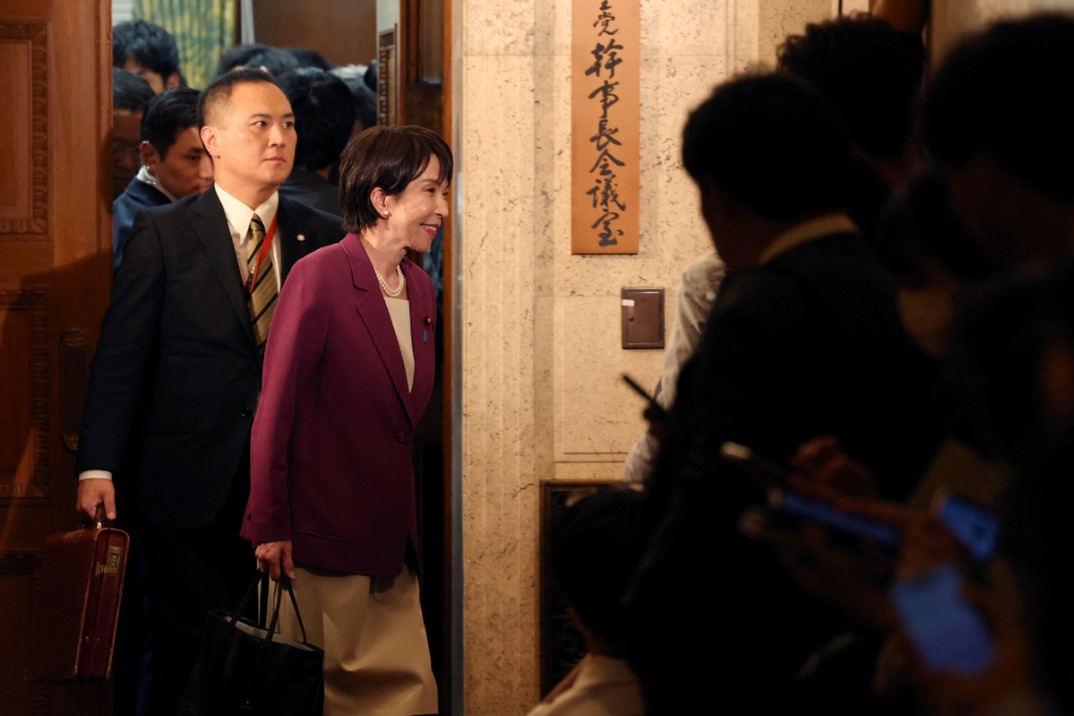
Japan postpones extraordinary Diet session to elect new PM
The Japanese government has announced the postponement of an extraordinary parliamentary session initially slated for this week to elect a new prime minister. The session is now rescheduled for October 21, though the precise timing of the vote remains undecided. This delay comes amidst a backdrop of political maneuvering and uncertainty within Japan’s ruling and opposition parties. Sanae Takaichi, the newly elected leader of the ruling Liberal Democratic Party (LDP), expressed determination to secure the premiership despite skepticism from some quarters. Takaichi’s path to the top job has been complicated by the withdrawal of the LDP’s junior coalition partner, Komeito, which cited dissatisfaction with the party’s handling of a political funding scandal. Komeito has declared it will not support Takaichi in the upcoming Diet vote. Meanwhile, opposition parties are actively strategizing to unite behind Democratic Party for the People (DPFP) leader Yuichiro Tamaki as their preferred candidate for prime minister. The LDP, which holds 196 seats in the House of Representatives and 100 in the House of Councillors, is navigating a fragmented political landscape. The election process will involve both chambers of parliament, with the lower house’s decision taking precedence in case of a tie. If no candidate secures a majority in the first round, a runoff will be held between the top two contenders.
-
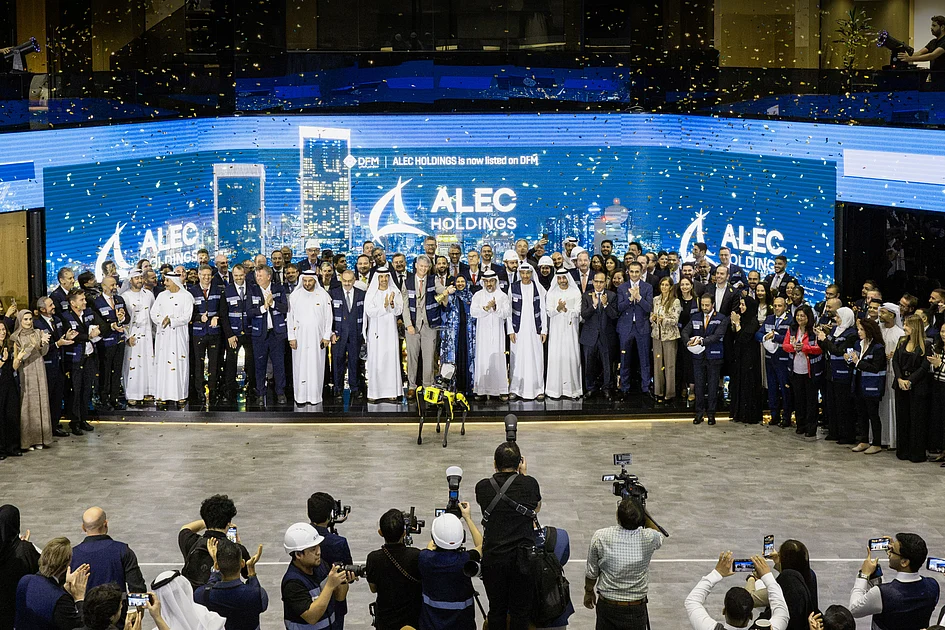
Alec Holdings gains 0.71% on DFM debut in UAE’s largest-ever construction sector IPO
Alec Holdings, a prominent engineering and construction group based in Dubai, marked its debut on the Dubai Financial Market (DFM) with a modest 0.71% gain over its listing price. Opening at Dh1.47, the company’s shares climbed to Dh1.50 before settling, with over 128 million shares traded, amounting to a total value of Dh186.4 million. This listing represents the UAE’s largest-ever initial public offering (IPO) in the construction sector, both in terms of valuation and size, and the first in the sector in over 15 years. The IPO, fully subscribed, raised Dh1.4 billion through the sale of 1 billion existing ordinary shares, representing 20% of the company’s issued share capital. The Investment Corporation of Dubai (ICD), Alec’s sole selling shareholder, retains an 80% stake post-listing. Barry Lewis, CEO of Alec Holdings, highlighted the significance of the listing as a milestone in the company’s journey, emphasizing enhanced governance and transparency. Helal Al Marri, Chairman of the DFM Board of Directors, and Hamed Ali, CEO of DFM and Nasdaq Dubai, also underscored the listing’s role in diversifying Dubai’s capital markets and reinforcing its position as a global financial hub. Alec’s IPO, while modest compared to recent IPOs like Parkin (+31%) and Dubai Taxi (+19%), reflects disciplined pricing and cautious investor sentiment toward private-sector companies. The company plans to distribute dividends, starting with Dh200 million in April 2026, followed by Dh500 million for the 2026 financial year, representing a 7.1% dividend yield at listing. Analysts view Alec’s steady trading range as a sign of healthy consolidation, driven by solid fundamentals rather than speculative gains. The IPO is expected to pave the way for other engineering and infrastructure firms to go public, signaling the UAE’s maturing equity capital markets and positive outlook for future construction-sector floatations.
-
China asks US to resolve economic, trade issues through talks
China has called on the United States to address economic and trade issues through constructive dialogue and mutual respect, urging Washington to rectify its recent unilateral actions. The appeal was made by Foreign Ministry spokesman Lin Jian during a press briefing on Wednesday, following accusations by US President Donald Trump that China had intentionally halted soybean imports from the US. Trump also threatened to impose restrictions on Chinese cooking oil exports. Lin emphasized that China’s approach to resolving trade disputes has always been consistent, advocating for discussions based on equality, respect, and mutual benefit. He warned that trade wars and tariff escalations are detrimental to both nations, stating, ‘There are no winners in a trade war or a tariff war, and such moves serve no one’s interests.’ Lin also addressed recent comments by US Trade Representative Jamieson Greer, who suggested that additional 100% tariffs on Chinese exports could be implemented as early as November 1. Greer accused Chinese officials of making ‘contradictory statements’ regarding rare earth export controls. In response, Lin clarified that China’s export control measures are lawful and aimed at promoting global peace and stability, aligning with international norms. He criticized the US for its inconsistent approach, noting that while Washington claims to seek dialogue, it simultaneously threatens tariffs and introduces restrictive measures. ‘This is not the right way to engage with China,’ Lin concluded.
-
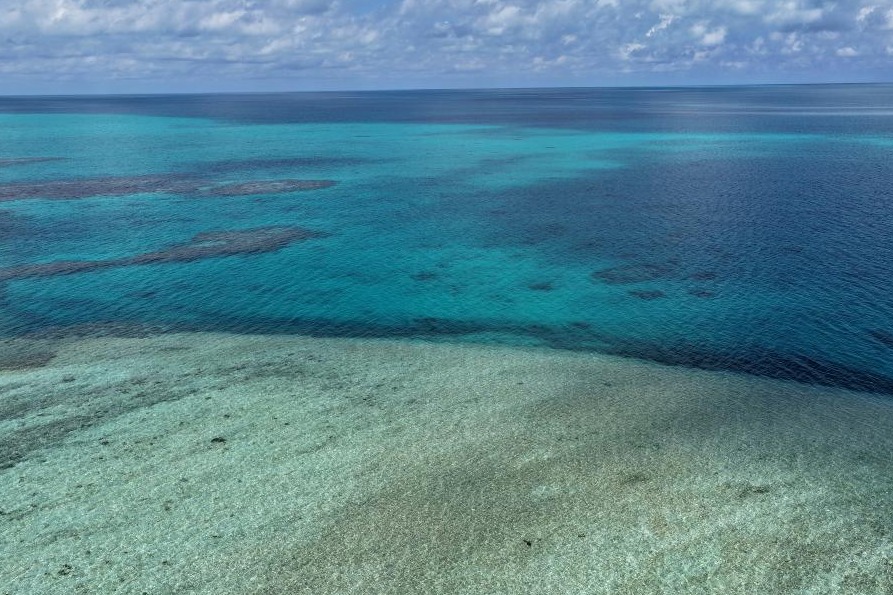
Beijing calls Washington biggest source of risk in South China Sea
China has accused the United States of being the primary source of instability in the South China Sea, following Washington’s condemnation of Beijing’s alleged use of water cannons against Philippine vessels. The statement was made by Foreign Ministry spokesman Lin Jian during a regular press briefing on Wednesday. Lin emphasized that any threats or provocations in the region would fail, asserting China’s commitment to safeguarding its territorial sovereignty and maritime rights. The US Department of State had earlier criticized China’s actions as ‘coercive and unlawful,’ claiming they undermine regional peace and violate commitments to peaceful dispute resolution. The US also reaffirmed that the US-Philippines Mutual Defense Treaty applies to any attacks on Philippine forces in the South China Sea. Lin countered by stating that the Philippines was the initial provocateur, violating China’s sovereignty and creating risks at sea. He criticized the US for ignoring these facts and attempting to threaten China by invoking the Mutual Defense Treaty. Lin concluded that the US actions reveal its intention to provoke confrontation and create chaos in the region, making it the biggest source of risk to regional stability.
-
Major Myanmar fraud cases enter prosecution
The prosecution of two prominent family-based criminal groups operating in northern Myanmar, targeting Chinese nationals, has commenced, with the Ministry of Public Security revealing that the funds involved exceed 24.6 billion yuan ($3.45 billion). This development marks a significant step in dismantling the notorious ‘Four Families’ criminal syndicates in Kokang, northern Myanmar. These groups have allegedly established numerous telecom fraud centers, engaging in a wide array of illegal activities, including fraud, illegal detention, extortion, casino operations, prostitution, and drug trafficking. Suspects from the Ming family have already been sentenced in a first-instance trial, while the Bai family’s case is now in its initial proceedings. The Wei family, implicated in crimes dating back to 2009, faces multiple charges, including fraud, intentional homicide, and drug trafficking. Similarly, the Liu family has been accused of fraud, extortion, and other serious offenses. Since July 2023, a special operation led by the Ministry of Public Security has resulted in the arrest of over 57,000 Chinese nationals suspected of fraud-related crimes. Joint law enforcement actions between China and Myanmar have been pivotal in these arrests, with Chinese authorities capturing key suspects at the Yunnan border. Investigations revealed that Chinese workers were often exploited, with ransoms demanded for their release. The criminal groups maintained control through armed personnel and harsh punishments for those who failed to meet quotas or attempted to escape. Despite ongoing regional conflicts, Chinese officers have conducted multiple investigations in Kokang, uncovering critical evidence, including victims’ remains and tools used in the crimes. Zhang Hanyi, deputy director of the Quanzhou Public Security Bureau, noted that while significant progress has been made, complete investigations remain challenging due to conditions abroad.
-

UAE: Over 800,000 samples collected under Emirati Genome Programme; focus on longevity
The Department of Health in Abu Dhabi has achieved a significant milestone in its Emirati Genome Programme, collecting over 800,000 samples to date. This initiative, which focuses on advancing personalized, predictive, and preventive healthcare, aims to enhance wellness and extend longevity for future generations. Faisal Khalil Hassan Abdulla Haji, a leading figure in healthcare strategy at the Department of Health, emphasized the transformative impact of genomics and biotechnology on global healthcare during his address at Gitex Global 2025 in Dubai. He highlighted Abu Dhabi’s commitment to moving beyond traditional healthcare models by integrating genomics into everyday medical practices. Key initiatives include premarital genetic screening, newborn genetic screening, precision medicine for oncology and cardiovascular diseases, and pharmacogenetic programmes. These efforts leverage artificial intelligence and genetic data to improve diagnostic accuracy, treatment precision, and overall patient outcomes. Shahrukh Hashmi, Director of Research, noted that 85% of the local population has consented to participate in the programme, with over 100,000 expatriates also contributing. The Emirati Genome Programme positions Abu Dhabi as a global leader in life sciences and health innovation, offering insights that benefit patients worldwide.
-

‘No shame’: UK invites private firms to compete for Gaza reconstruction contracts
The United Kingdom is positioning itself as a central figure in the post-war reconstruction of Gaza, with Middle East Minister Hamish Falconer spearheading a high-profile conference in London this week. The event aims to mobilize private finance for Gaza’s rebuilding efforts, drawing both support and sharp criticism from various quarters. The conference, held at the Foreign Office’s Wilton Park center, brought together representatives from businesses, civil society, and governments to coordinate reconstruction plans. However, the UK’s involvement has sparked outrage among opposition MPs, who accuse the government of enabling Israel’s actions in Gaza while now seeking to profit from its reconstruction. Critics, including former Labour leader Jeremy Corbyn, have condemned the initiative as morally reprehensible, arguing that it prioritizes corporate interests over Palestinian self-determination. Falconer, meanwhile, emphasized the UK’s commitment to a Palestinian-led recovery, highlighting Gaza’s economic potential and the need for a two-state solution. The conference also revealed tensions between the UK’s approach and the Trump-backed plan, which proposes a technocratic transitional authority for Gaza, potentially involving former British Prime Minister Tony Blair. Many MPs and analysts have called for Palestinian agency to be at the forefront of reconstruction efforts, urging the UK to prioritize justice and accountability over financial gain.
-
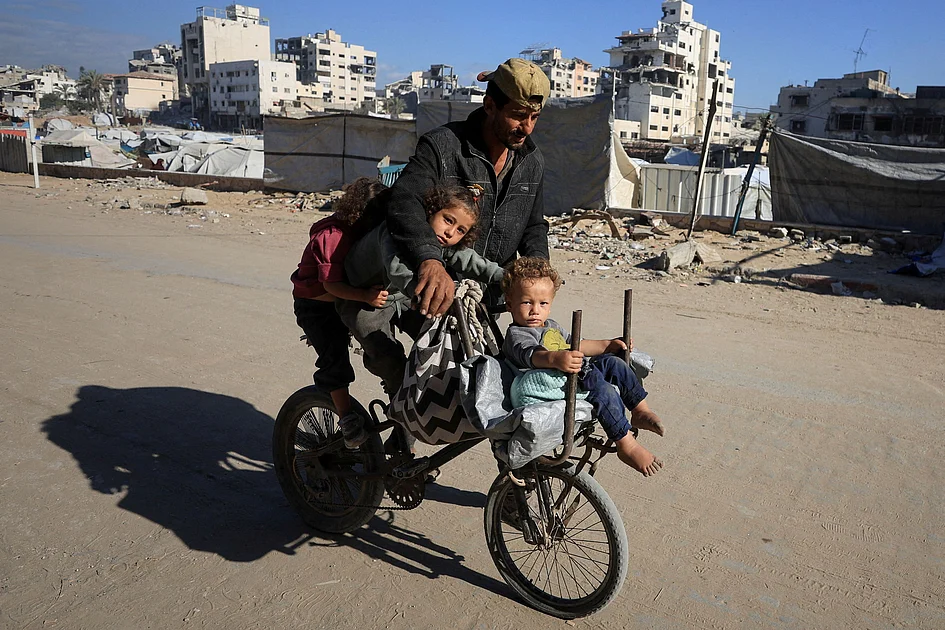
Aid trucks roll into Gaza as dispute over hostage bodies is paused
In a significant development amid the fragile ceasefire in Gaza, aid trucks began rolling into the war-torn enclave on Wednesday, while Israel resumed preparations to open the Rafah border crossing. The move followed a temporary resolution to the dispute over the return of bodies of dead hostages, which had threatened to derail the truce agreement with Hamas. Israel had previously threatened to keep the Rafah crossing closed and reduce aid supplies, citing Hamas’ slow return of hostage bodies. However, the militant group returned additional bodies overnight, easing tensions temporarily. The ceasefire, which ended two years of devastating conflict, has already secured the release of all living hostages held by Hamas. Despite this progress, the dispute over the return of bodies and other unresolved issues, such as Hamas’ refusal to disarm and cede power, continue to pose risks to the truce. The militant group has also intensified its security crackdown in Gaza, conducting public executions and clashing with local clans. Meanwhile, humanitarian aid, including food, medical supplies, fuel, and infrastructure repair equipment, is being delivered to Gaza through multiple crossings. The Rafah crossing is expected to open soon for Gazan citizens, though medical evacuees have yet to receive travel notifications. The ceasefire also envisions longer-term solutions, including governance in Gaza, the deployment of an international force, and steps toward Palestinian statehood. However, the path forward remains fraught with challenges, as evidenced by the ongoing violence and political opposition within Israel.