
Japan is grappling with an unprecedented surge in fatal bear attacks, with the country’s environment ministry reporting seven deaths since April—the highest number since records began in 2006. The majority of these incidents have occurred in the northeastern regions and Hokkaido, where a 60-year-old man cleaning an outdoor hot spring bath has recently gone missing in what is suspected to be the latest bear-related tragedy. Experts attribute the rise in attacks to climate change, which has led to poor yields of beech nuts, a primary food source for bears, forcing them to venture into residential areas in search of sustenance. Additionally, depopulation in rural areas has exacerbated the issue, leaving fewer humans to deter wildlife. The ministry’s data reveals that this year’s fatalities have already surpassed the five recorded in the previous 12 months, with around 100 injuries reported so far. Recent incidents include a bear entering a supermarket in Numata, Gunma, injuring two elderly men, and a farmer in Iwate being attacked by a bear and its cub. The situation has raised alarms about the growing human-wildlife conflict in Japan, home to two bear species: the Asian black bear and the larger brown bear found in Hokkaido.
标签: Asia
亚洲
-
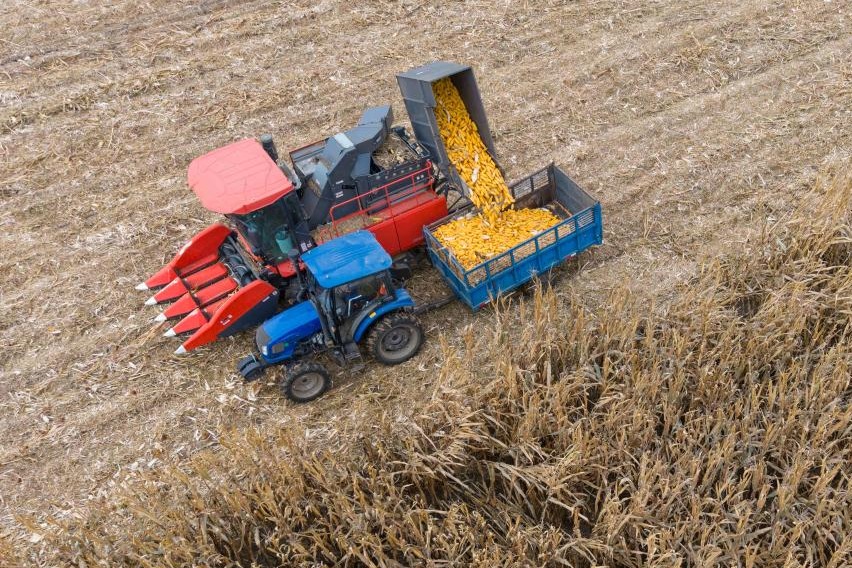
China speeding up efforts to secure autumn grain harvest
China is intensifying efforts to secure its autumn grain harvest, a critical component of the nation’s annual grain production, despite adverse weather conditions affecting several regions. According to the Ministry of Agriculture and Rural Affairs, over 60% of the autumn grain crops have already been harvested. Autumn grains typically constitute approximately 75% of the country’s total annual grain output. The harvest progress varies by crop type, with 70% of mid-season rice, 50% of corn, and 80% of soybeans already collected. Persistent rainfall since September has posed significant challenges, prompting both central and local governments to implement urgent measures. These include accelerated funding support to expedite the harvest process. The Ministry of Finance has allocated 484 million yuan (approximately $68 million) from the central budget to aid agricultural disaster prevention and relief efforts, particularly in seven provinces: Hebei, Shanxi, Jiangsu, Anhui, Shandong, Henan, and Shaanxi. These funds will support the use of agricultural machinery, drying damp grains, and draining waterlogged farmlands. Vice-Premier Liu Guozhong has emphasized the need for coordinated efforts to ensure a successful harvest, including the timely drying of grains to prevent spoilage. Concurrently, Chinese authorities are promoting food security awareness through themed activities during World Food Day, encouraging the public to reduce food waste. Recent years have seen campaigns like ‘clean your plates’ gain traction, fostering a culture of food conservation. Government data highlights China’s robust food security during the 14th Five-Year Plan period (2021-2025), with annual grain output consistently exceeding 650 million tonnes. In 2024, grain output surpassed 700 million tonnes for the first time, with per capita grain possession reaching 500 kilograms, well above the international food security benchmark of 400 kilograms. Liu Huanxin, head of the National Food and Strategic Reserves Administration, affirmed China’s self-sufficiency in grains and absolute security in staple foods. Additionally, China is enhancing international cooperation in agriculture, sharing expertise with developing nations through technology exchanges, joint research, and training programs, thereby contributing to global food security.
-

From streets to forever homes: UAE residents rescue pets, turn strays into family
Across the United Arab Emirates, a growing number of residents are transforming the lives of abandoned animals by providing them with care, shelter, and a place to call home. From pigeons to kittens, these once-stray animals are now cherished members of families, thanks to the compassion of their rescuers. One such story is that of Boots, a pigeon rescued by Tiffany Dickinson in Dubai. Found struggling on a pavement, Boots was diagnosed with a neurological virus that left her unable to survive in the wild. Today, she thrives in Tiffany’s apartment, enjoying showers, short flights, and even her own Instagram page. Boots’ story is just one of many. Shirin Zemmo and her husband rescued two newborn kittens left in a crate near their Arjan building. Initially planning to care for them temporarily, the couple soon found themselves inseparable from the affectionate felines. Similarly, Natasha D’Souza, a long-time animal rescuer, has opened her home to multiple cats over the years, including senior cats Boney and Mindy, and more recent additions like Rosie and Ruby. These heartwarming tales highlight a broader trend in the UAE, where residents are stepping up to address the plight of abandoned animals, turning strays into beloved family members.
-

Abu Dhabi’s Zayed National Museum to open on December 3, ticket sales begin
Abu Dhabi’s much-anticipated Zayed National Museum is set to open its doors on December 3, 2025, marking a significant milestone in the UAE’s cultural landscape. Located in the Saadiyat Cultural District, the museum is a tribute to the legacy of Sheikh Zayed bin Sultan Al Nahyan, the founding father of the UAE, and his enduring commitment to cultural heritage, education, and national identity. Designed by renowned architect Lord Norman Foster, the museum’s innovative design features five steel structures inspired by the wings of a falcon, symbolizing a key aspect of Emirati culture. The museum offers a journey through the UAE’s history, from ancient artifacts like a 300,000-year-old stone tool discovered in Al Ain to the life and values of Sheikh Zayed. Ticket sales have commenced, with adult tickets priced at Dh70, while minors, senior Emiratis, residents, people of determination, and journalists on assignment can enter free of charge. Students and teachers can avail discounted tickets for Dh35. The museum’s opening reaffirms Abu Dhabi’s position as a global hub for culture and learning.
-

Microsoft: Russia, China increasingly using AI to escalate cyberattacks on the US
A recent report by Microsoft reveals a significant surge in the use of artificial intelligence (AI) by adversarial nations and criminal entities to orchestrate cyberattacks and disseminate disinformation. The findings, published in Microsoft’s annual digital threats report, highlight over 200 instances of AI-driven fake content creation in July alone—a stark increase compared to previous years. Russia, China, Iran, and North Korea are at the forefront of this trend, leveraging AI to automate cyberattacks, craft convincing phishing emails, and even generate digital clones of high-ranking officials. These tactics are employed to infiltrate sensitive systems, disrupt critical services, and spread inflammatory disinformation. Amy Hogan-Burney, Microsoft’s Vice President for Customer Security and Trust, emphasized the urgent need for robust cybersecurity measures as attackers increasingly target governments, businesses, and vital infrastructure like hospitals and transportation networks. Despite the escalating threats, many U.S. organizations continue to rely on outdated defenses. The U.S. remains the primary target for cyberattacks, followed by Israel and Ukraine, reflecting the spillover of geopolitical conflicts into the digital domain. While adversarial nations deny their involvement in cyber espionage, evidence suggests otherwise. North Korea, for instance, has pioneered the use of AI personas to create fake American identities, enabling hackers to infiltrate remote tech jobs and steal sensitive data. Nicole Jiang, CEO of Fable, a San Francisco-based security firm, underscored the dual role of AI in both enabling cyberattacks and defending against them. As AI continues to evolve, the digital landscape is poised for an intensified cat-and-mouse game between attackers and defenders.
-
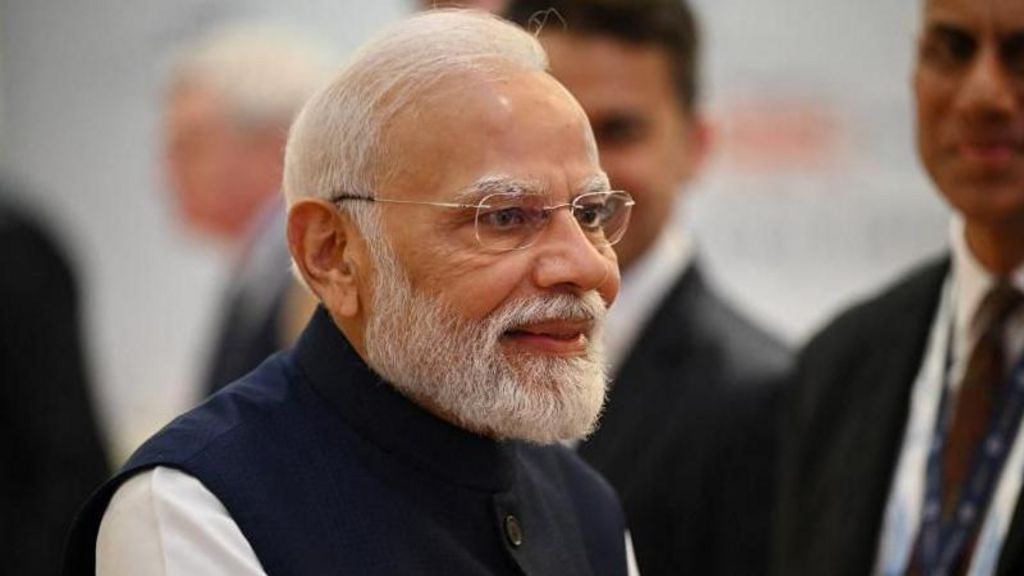
India casts doubt on Trump’s claim Modi will stop buying Russian oil
In a surprising turn of events, India has refuted claims made by former US President Donald Trump regarding a supposed agreement with Indian Prime Minister Narendra Modi to cease Russian oil imports. Trump asserted on Wednesday that Modi had ‘assured’ him of halting purchases of Russian oil, a move aimed at intensifying economic pressure on Russia to end the Ukraine conflict. However, India’s foreign ministry stated on Thursday that it was ‘not aware’ of any such conversation between the two leaders. This contradiction has cast doubt on the validity of Trump’s statement and raised questions about the status of ongoing discussions between the US and India on the matter. India has emerged as a significant buyer of Russian oil since the war began, providing Moscow with a crucial revenue stream despite Western sanctions. The Trump administration has been vocal in urging India to reduce its reliance on Russian energy, as part of broader efforts to isolate Russia economically. India, however, has defended its energy policies, emphasizing the need to protect its consumers in a volatile global energy market. The situation has further strained US-India relations, with the UK recently targeting an Indian oil refinery in its latest sanctions for facilitating Russian oil exports. The conflicting narratives highlight the complexities of international diplomacy and the challenges of aligning global energy policies amidst geopolitical tensions.
-

Saudi to add 900,000 praying spaces near Makkah Grand Mosque under new project
Saudi Arabia has embarked on a groundbreaking initiative to enhance the spiritual and infrastructural landscape of Makkah. Crown Prince Mohammed bin Salman officially launched the ‘King Salman Gate’ project, a massive development adjacent to the Grand Mosque, which will add approximately 900,000 indoor and outdoor praying spaces. Spanning 12 million square meters (4.6 square miles), this mixed-use project aims to improve access to the Grand Mosque while integrating residential, hospitality, commercial, and cultural facilities. The RUA AlHaram AlMakki Company, overseeing the project, highlighted its potential to elevate service quality and preserve Makkah’s cultural heritage by restoring 19,000 square meters of historical sites. Additionally, the initiative aligns with Saudi Vision 2030, contributing to economic transformation by generating over 300,000 jobs by 2036. While the project’s cost and completion timeline remain undisclosed, it represents a significant step in modernizing Makkah and establishing it as a global model for urban planning and spiritual tourism.
-

From complex to autonomous: The next chapter in telecom’s evolution
The telecommunications industry is undergoing a transformative shift as it embraces autonomous networks powered by artificial intelligence (AI). These networks, which go beyond traditional rule-based automation, are designed to sense, learn, and act with minimal human intervention. This evolution marks a significant departure from manual processes and siloed systems, enabling telecom operators to manage soaring traffic volumes, rising energy demands, and sophisticated security threats more effectively.
-

Dubai: Gold prices jump to Dh510; 24K gains over Dh25 this week so far
Gold prices in Dubai have surged to unprecedented levels, with 24K gold reaching Dh510 per gram on Thursday, marking a significant increase of Dh25.75 over the week. This upward trend has been consistent, setting new record highs for four consecutive days. Similarly, 22K gold rose to Dh472.25 per gram, reflecting a Dh24 increase since the beginning of the year. Other variants, including 21K and 18K, were trading at Dh452.75 and Dh388.25 per gram, respectively, at the market opening on Thursday. Globally, spot gold was priced at $4,231.5 per gram, up by over one percent. According to Pepperstone, a leading brokerage firm, gold’s remarkable rally continues, driven by a weaker dollar and expectations of rate cuts. The metal has seen a 15 percent surge over the past month, with minimal pullbacks, indicating strong demand from both institutional and retail investors. Analysts suggest that gold is increasingly viewed as a core component of diversified portfolios, particularly amid concerns over elevated US equity valuations and potential tech bubbles. While short-term pullbacks may occur, the broader trend remains firmly upward.
-

Clans, gangs and militias fighting Hamas for control of Gaza
Despite the recent ceasefire between Hamas and Israel, Gaza remains embroiled in internal violence, with over two dozen Palestinians killed in clashes between Hamas and various powerful clans. These familial groups, deeply rooted in Palestinian society for centuries, are now at the forefront of a complex power struggle. Hamas, reasserting control post-ceasefire, faces resistance from clans aligned with its rival, Fatah, and others reportedly backed by Israel. Among the most prominent clans are the Dughmush clan in Gaza City and the al-Majayda clan in Khan Younis, both of which have been targeted by Hamas. However, clan loyalties often supersede political affiliations, making disarmament efforts by Hamas or Fatah a contentious issue. Israeli Prime Minister Benjamin Netanyahu has admitted to arming certain clans to counter Hamas, further complicating the security landscape. This internal strife, while not directly violating the ceasefire, underscores Israel’s continued influence in Gaza. The situation is exacerbated by the shaky peace plan proposed by former US President Donald Trump, which calls for Hamas to disarm and withdraw from politics. With the Palestinian Authority’s role in Gaza uncertain, the clans could emerge as alternate power centers, fracturing Gaza further and jeopardizing any unified governance. Hamas, unlikely to relinquish control quietly, views clan resistance as a proxy war with Israel, posing a significant threat to peace and stability in the region.