标签: Asia

亚洲

  • MongoDB taps into MEA’s AI momentum and data sovereignty push at Gitex Global 2025

    MongoDB taps into MEA’s AI momentum and data sovereignty push at Gitex Global 2025

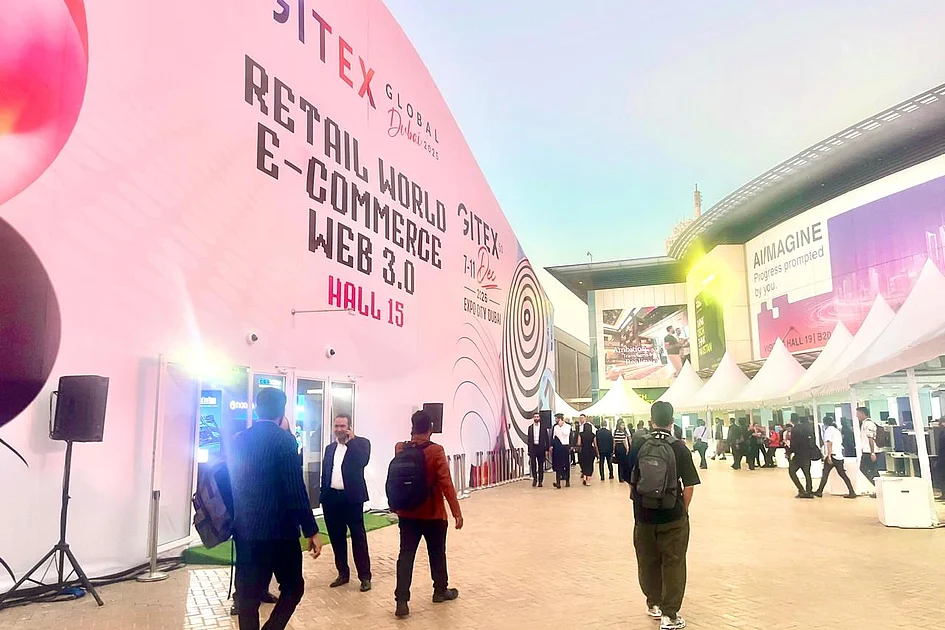
    At Gitex Global 2025, MongoDB emerged as a key player in the Middle East and Africa’s (MEA) digital transformation, aligning its strategy with the region’s accelerating AI ambitions and data sovereignty initiatives. The event marked a significant shift from AI experimentation to enterprise-grade deployment, with MongoDB positioning itself as a foundational platform for building intelligent, secure, and compliant applications.

    MongoDB showcased its latest innovations, including context-aware embedding models and self-managed vector search, designed to meet the growing demand for production-grade AI solutions. These tools enable organizations to scale AI applications across sectors like smart cities, healthcare, and education. The company’s Model Context Protocol (MCP) Server, which integrates MongoDB deployments with AI assistants like GitHub Copilot and Claude, further simplifies developer interactions with data using natural language.

    Anders Irlander Fabry, MongoDB’s Regional Director for MEA, emphasized the company’s alignment with the region’s evolving tech landscape. He highlighted MongoDB’s diverse offerings, from the open-source MongoDB Community edition to enterprise-grade solutions and MongoDB Atlas, its fully managed cloud database. These are complemented by professional services, training, and consulting aimed at maximizing the value of data infrastructure.

    Fabry noted the region’s phenomenal momentum, citing MongoDB’s rapid growth from fewer than five employees to over 25 in just two years. This growth reflects the urgency with which organizations are embracing digital transformation, driven by Gulf governments’ investments in technology as a pillar of economic diversification.

    To support this transition, MongoDB is investing heavily in developer enablement, offering user groups, events, and free onboarding sessions. Fabry envisions explosive growth for MongoDB and the broader AI ecosystem in MEA, with the technology stack creating tens of thousands of jobs and redefining industries.

    With its flexible architecture, regional presence, and focus on AI-readiness, MongoDB is well-positioned to capitalize on MEA’s digital future, making its timing at Gitex Global 2025 particularly strategic.
  • UAE: Partial road closure announced in Abu Dhabi’s Al Dhafra for nearly a month

    UAE: Partial road closure announced in Abu Dhabi’s Al Dhafra for nearly a month

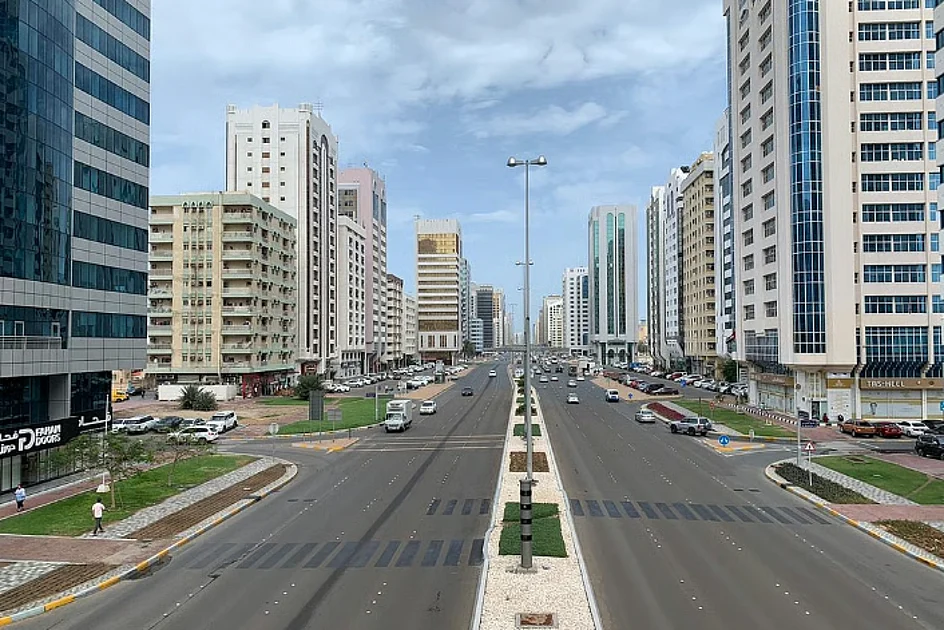
    Abu Dhabi’s Al Dhafra region will experience a significant disruption in traffic flow as authorities announce a partial road closure on Sheikh Khalifa Bin Zayed International Road (E11). The closure, which affects two right lanes heading towards Abu Dhabi, will be in effect from midnight on Sunday, October 19, until 6am on Thursday, November 13. Motorists are strongly advised to seek alternative routes during this period to avoid delays. This development follows a recent 10-day partial closure on Sheikh Zayed Bin Sultan Street (E10) due to roadworks, which concluded on October 20. The latest closure underscores the ongoing infrastructure improvements in the UAE capital, aimed at enhancing road safety and efficiency. Commuters are encouraged to stay updated on traffic advisories and plan their journeys accordingly. For real-time updates, residents can follow official channels such as KT on WhatsApp Channels.

  • Buying more, wearing less – why India’s Diwali gold rush is different

    Buying more, wearing less – why India’s Diwali gold rush is different

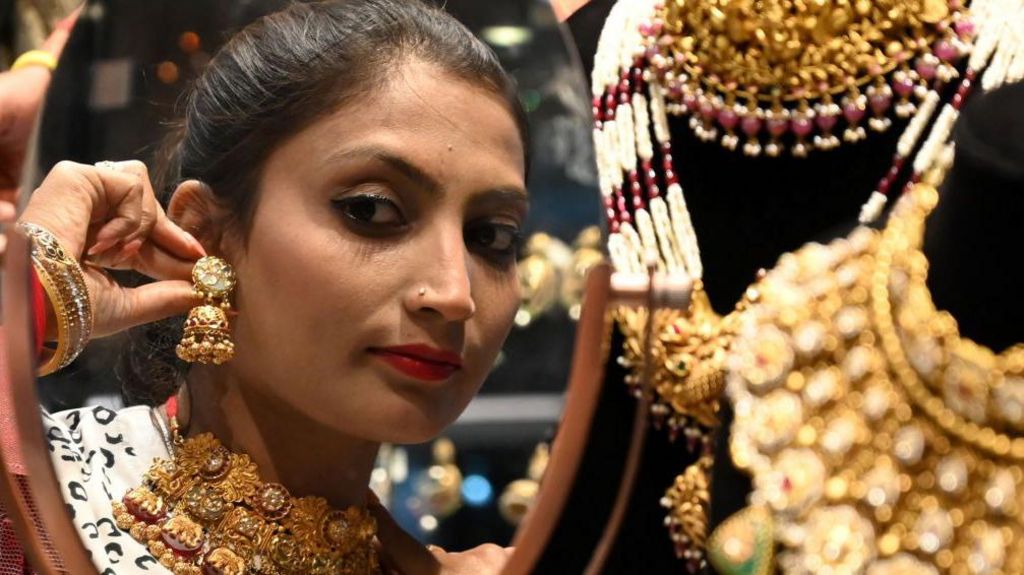
    As the Hindu festival of Diwali approaches, India’s gold market is witnessing a significant transformation. Despite soaring prices—gold has surged by 60% and silver by 70% this year—Indians are flocking to markets, driven by cultural traditions and investment opportunities. In Delhi’s bustling Lajpat Nagar neighborhood, jewelry shops are packed with customers, even on holidays, as the festive spirit fuels demand for gold and silver coins, bars, and jewelry. While high prices have slightly dampened jewelry purchases, they have also sparked a fear of missing out (FOMO) among buyers, leading to a shift toward investment-driven acquisitions. Retailers like Prakash Pahlajani of Kumar Jewels report increased footfall, with customers opting for smaller, lighter pieces to manage budgets. The World Gold Council (WGC) notes a clear trend: investment demand for gold, particularly in bars, coins, and exchange-traded funds (ETFs), has risen sharply, now accounting for 35% of total demand, up from 19% in 2023. Meanwhile, jewelry’s share has declined to 64%. India’s central bank, the Reserve Bank of India (RBI), has also been a major player, increasing its gold reserves to 14% of foreign exchange holdings in 2025, aiming to diversify assets and reduce dollar dependency. Experts predict that despite record prices, demand will remain robust during the festive and wedding seasons, especially among affluent buyers. However, lower-income families are feeling the pinch, with some delaying purchases in hopes of price drops. India’s deep cultural affinity for gold, coupled with its role as a wealth-preserving asset, ensures its enduring appeal, even as prices take some shine off the festive season.

  • Pakistan, Afghanistan extend ceasefire until conclusion of Doha peace talks

    Pakistan, Afghanistan extend ceasefire until conclusion of Doha peace talks

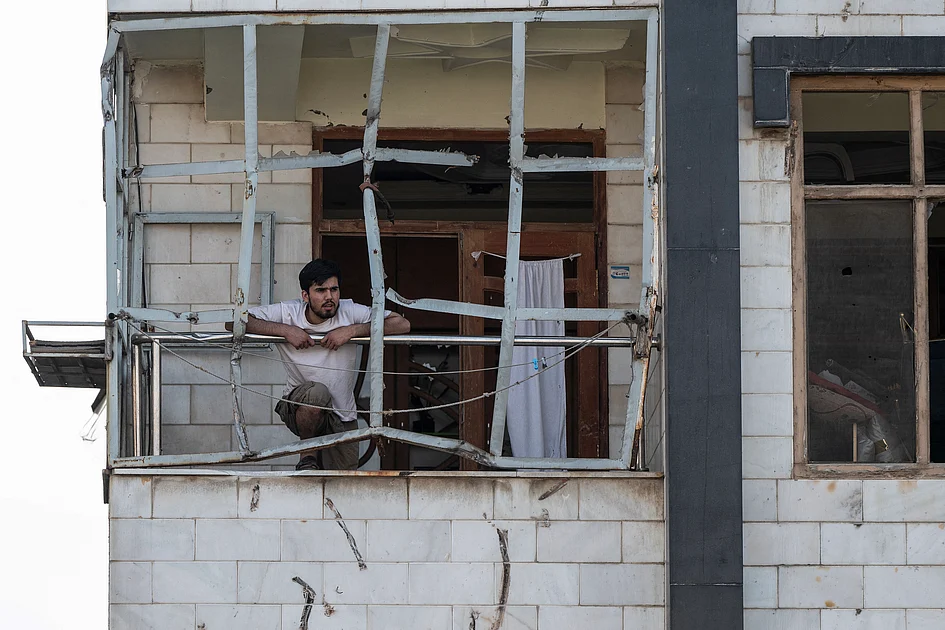
    Pakistan and Afghanistan have agreed to extend their 48-hour ceasefire until the conclusion of ongoing peace talks in Doha, Qatar. This decision comes after weeks of intense clashes, marking the worst violence between the two nations in decades. A Pakistani delegation has already arrived in Doha, while an Afghan delegation is expected to join the discussions on Saturday, according to unnamed security officials and a Taliban source. The temporary truce, initiated on Wednesday, paused fierce ground fighting and airstrikes that resulted in numerous casualties and heightened tensions along their contested border. The conflict escalated after Pakistan accused Afghanistan of harboring militants responsible for attacks on Pakistani soil, including a recent suicide attack that killed seven soldiers in North Waziristan. While the Taliban denies these allegations, Pakistan has expressed its willingness to engage in dialogue to resolve the crisis. International mediators, including Saudi Arabia and Qatar, have stepped in to facilitate peace efforts, with U.S. President Donald Trump also offering assistance. The extended ceasefire reflects a cautious optimism as both nations seek to de-escalate hostilities and address long-standing grievances.

  • Saudi Arabia: No limit on online orders of bottled Zamzam for residents

    Saudi Arabia: No limit on online orders of bottled Zamzam for residents

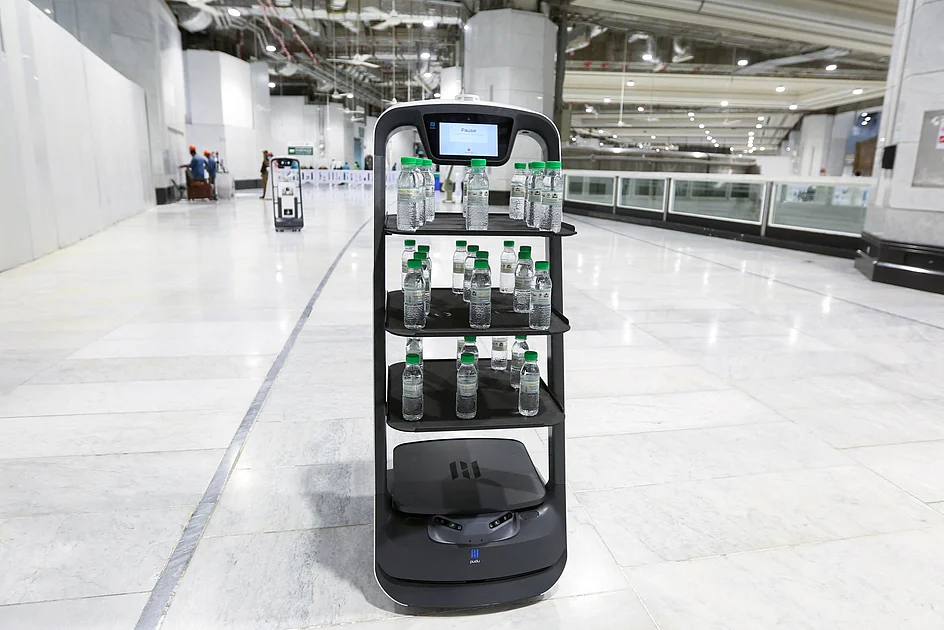
    Saudi Arabia has unveiled a groundbreaking service allowing residents and citizens to order unlimited quantities of Zamzam water through the Nusuk app. This initiative, launched by Dr. Tawfig Al-Rabiah, the Saudi Minister of Hajj and Umrah, aims to provide greater convenience for those living within the Kingdom. The service enables users to request 330-millilitre bottles of the sacred water, which holds immense religious significance for Muslims worldwide, and have them delivered to any location in Saudi Arabia. Previously, Zamzam water was often sold in larger containers, but the introduction of smaller bottles makes it more portable and accessible. The Nusuk app, which has evolved into a comprehensive platform for Hajj and Umrah services, now includes this feature alongside its existing offerings such as accommodation bookings and Umrah visa issuance. This development reflects Saudi Arabia’s commitment to leveraging technology to enhance the experience of its residents and pilgrims.

  • ‘Only sport we watch’: Grand Sumo comes to London as search for fans beyond Japan pays off

    ‘Only sport we watch’: Grand Sumo comes to London as search for fans beyond Japan pays off

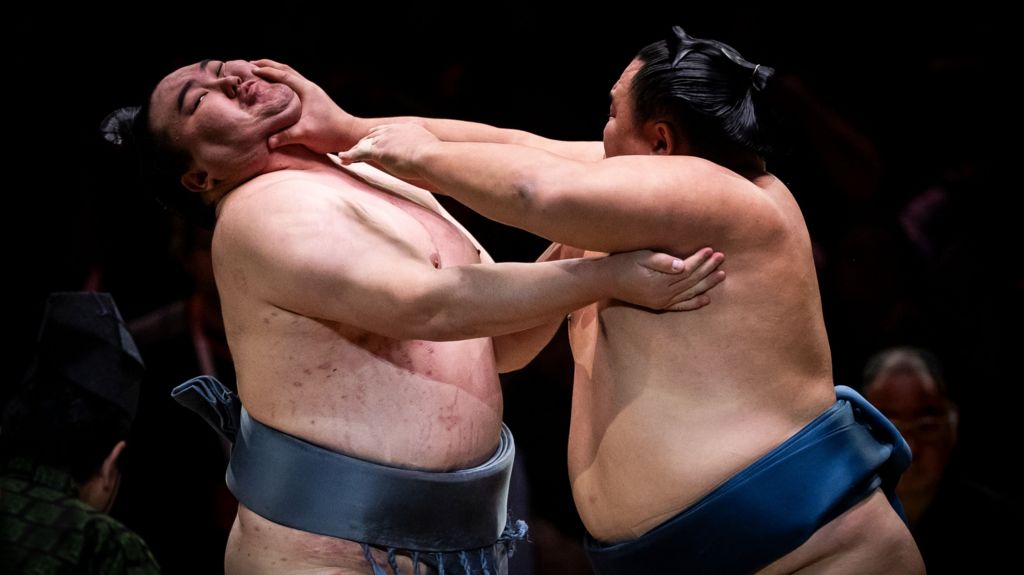
    The Royal Albert Hall in London has been transformed into a sumo wrestling arena, hosting the Grand Sumo Tournament, a five-day event featuring 40 of the world’s best sumo wrestlers. The venue, typically known for its classical concerts, now boasts a six-tonne Japanese temple roof suspended above the clay ring, where wrestlers perform ancient rituals to purify the space and invoke the gods. Adding a modern twist, a giant revolving LED screen displays real-time stats and replays, blending tradition with contemporary technology.

    Sumo wrestling, a sport with origins dating back to 23 BC, continues to captivate audiences worldwide. The London tournament, only the second of its kind in the city since 1991, has drawn fans from across the globe. For many, this is their first opportunity to witness the speed, power, and intricate rituals of sumo up close. The event has also highlighted the sport’s growing international appeal, with fans like Sian Spencer and Julia and Cezar discovering sumo through YouTube and trips to Japan, respectively.

    Despite its ancient roots, sumo faces modern challenges, including scandals related to bullying and match-fixing, as well as declining interest among young Japanese. However, the London tournament has reignited enthusiasm, with fans praising the unique blend of tradition and spectacle. The event also underscores the sport’s global reach, with wrestlers from Mongolia and Ukraine making significant impacts.

    The tournament’s success in London demonstrates sumo’s ability to transcend cultural boundaries, offering a rare glimpse into a centuries-old tradition while embracing the modern world. For fans, it’s a once-in-a-lifetime experience that brings them closer to the sport they love.

  • With ceasefire secured, what’s next for Hamas?

    With ceasefire secured, what’s next for Hamas?

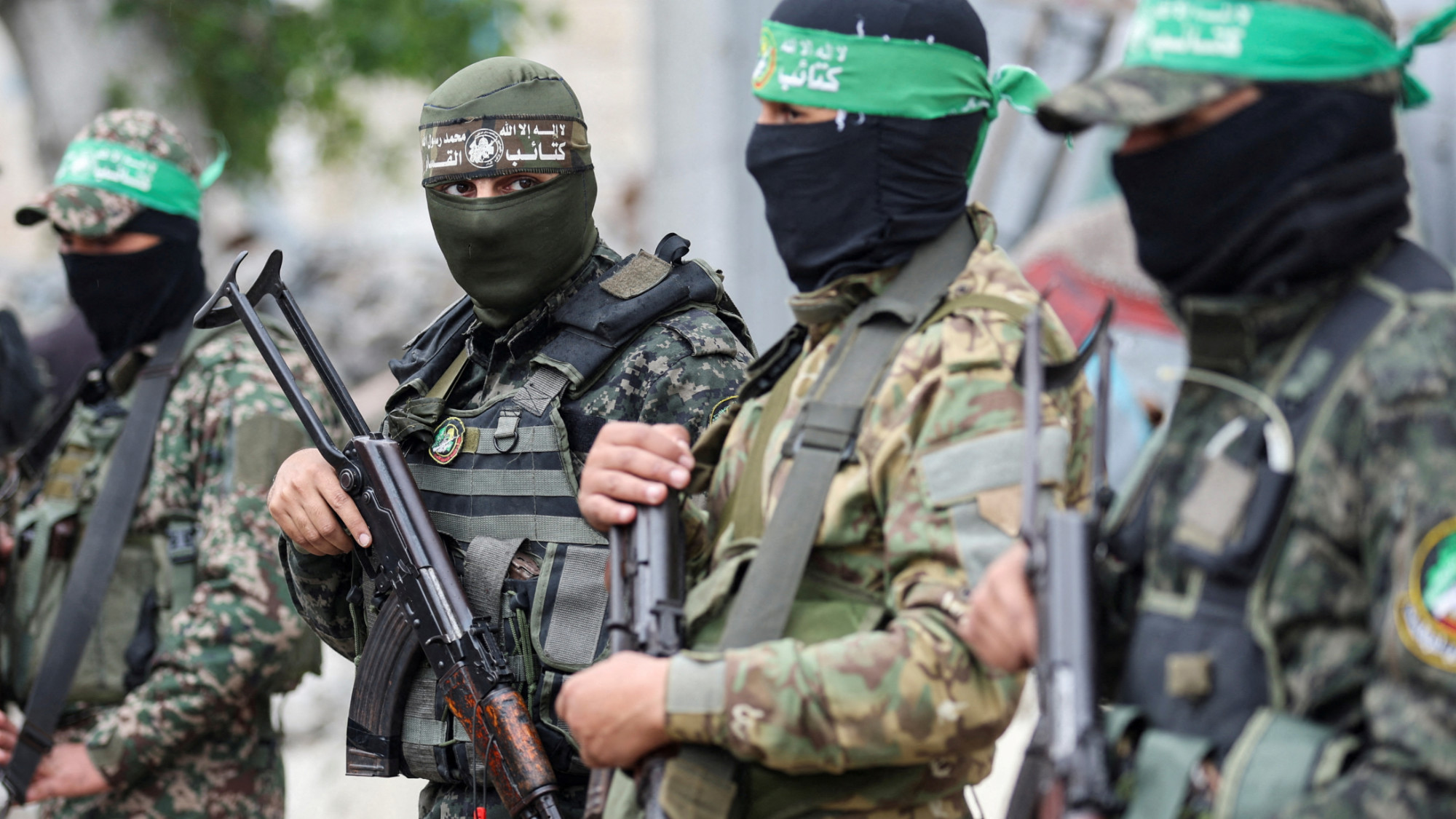
    In the wake of a fragile ceasefire with Israel, Hamas has swiftly resumed its patrols across Gaza, signaling its enduring presence and authority in the war-torn enclave. This move serves as both a warning to Israeli-linked gangs and a declaration of its governance amidst ongoing international efforts to marginalize the group. Despite U.S. President Donald Trump’s 20-point plan envisioning a Gaza without Hamas’s military or political influence, analysts argue that the group’s deep-rooted presence and the lack of viable alternatives make its sidelining highly improbable. Azzam Tamimi, a scholar and author on Hamas, emphasized that the group was not defeated, pointing to Israel’s eventual agreement to a ceasefire as evidence of Hamas’s resilience. The deal, which ended a two-year conflict, included humanitarian relief, a phased Israeli withdrawal, and a prisoner exchange. Israeli Prime Minister Benjamin Netanyahu’s failure to crush Hamas’s resistance underscores the group’s tenacity. In the immediate aftermath of the truce, Hamas has launched a crackdown on criminal gangs and collaborators, reasserting its security control. This includes public executions of alleged collaborators, a move that has drawn both criticism and support. Muhammad Shehada, a Palestinian analyst, noted that Hamas’s actions aim to restore order and disarm rival factions, while also consolidating its influence. Despite Trump’s threats of disarmament, Hamas remains steadfast in its refusal to relinquish weapons until a Palestinian state is established. The group’s leadership has signaled its readiness to continue resisting Israeli occupation, even as discontent grows among Gaza’s population. Polls indicate that while Hamas has lost some support, it remains more popular than its rival Fatah, with many Palestinians opposing disarmament. Shehada highlighted the paradoxical dynamics of Hamas’s popularity, noting that some of its harshest critics have become vocal supporters due to the perceived genocide in Gaza. As Hamas navigates its post-ceasefire strategy, its role in Palestinian governance remains a contentious issue, with the group seeking to maintain influence while avoiding international delegitimization.

  • China mourns Murayama whose statement lives on

    China mourns Murayama whose statement lives on

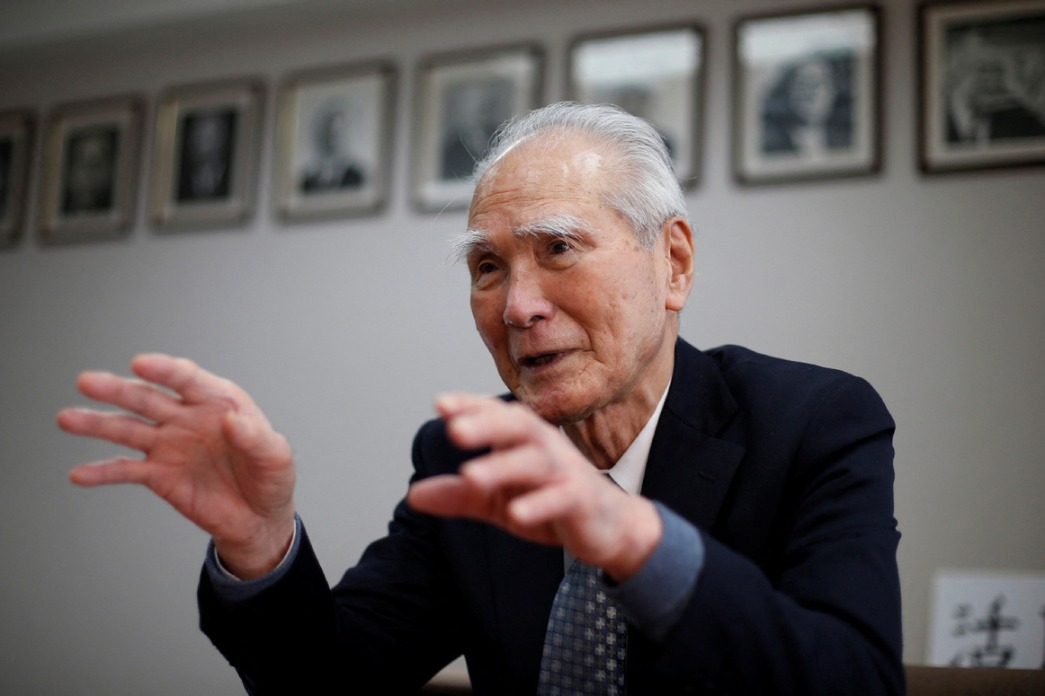
    China has expressed profound sorrow over the death of former Japanese Prime Minister Tomiichi Murayama, a pivotal figure in Japan’s post-war reconciliation efforts. Murayama, who passed away at the age of 101 in his hometown of Oita, was the first Japanese leader to issue an official apology for Japan’s wartime atrocities, earning global recognition and fostering trust between Japan and its neighbors. The Chinese Foreign Ministry extended heartfelt condolences to his family, praising Murayama as a principled statesman and a steadfast friend of China. His 1995 ‘Murayama Statement,’ which acknowledged Japan’s colonial rule and aggression in Asia, remains a cornerstone of Japan’s commitment to historical accountability. Foreign Ministry spokesman Lin Jian emphasized the enduring significance of the statement, urging Japan to honor its pledge with sincerity. Lin also called for strengthened bilateral ties between China and Japan, rooted in mutual respect and a shared vision for peace. Takakage Fujita, secretary-general of the Association for Inheriting and Propagating the Murayama Statement, highlighted the importance of preserving Murayama’s legacy, particularly in educating younger generations about Japan’s wartime history. Mizuho Fukushima, leader of the Social Democratic Party, mourned Murayama as her ‘political father,’ underscoring the profound impact of his leadership. As Japan’s political landscape shifts toward conservatism, experts like Zhou Yongsheng of China Foreign Affairs University stress the need for Japanese leaders to uphold Murayama’s principles of peace and historical reflection. The Chinese Foreign Ministry also urged Japan to address contentious issues such as visits to the Yasukuni Shrine, which honors war criminals, and to reject militarism unequivocally.

  • Campaigners say celebrities quit British Museum event after climate and pro-Palestine pressure

    Campaigners say celebrities quit British Museum event after climate and pro-Palestine pressure

    The British Museum’s upcoming Pink Ball, a high-profile fundraising event, has sparked significant controversy, leading to the apparent withdrawal of several celebrities from its organizing committee. Campaigners attribute these pullouts to heightened scrutiny over the museum’s ties to British Petroleum (BP) and its association with companies linked to Israel’s actions in Gaza. Pro-Palestine and climate justice groups, including Energy Embargo for Palestine (EEFP) and Culture Unstained, have urged committee members to step down, citing BP’s alleged complicity in both the Gaza conflict and environmental degradation. The museum, however, denies any connection between the withdrawals and the campaign, stating that committee membership is voluntary and reflects active support for the event. The Pink Ball, marketed as a rival to New York’s Met Gala, aims to celebrate London’s cultural prominence and features a pink theme inspired by the museum’s ‘Ancient India: Living Traditions’ exhibition. Despite its glamorous aspirations, the event has drawn criticism for its ethical implications. Campaigners highlight the involvement of the Ambani family, whose businesses have ties to the Israeli military, and Carole Bamford, director of JCB, a company accused of supplying equipment used in demolishing Palestinian homes. Museum staff have also expressed concerns about the event’s impact on the safety of artifacts and its insensitivity to cultural restitution disputes. The controversy has reignited anger among staff over the museum’s handling of a previous event for the Israeli embassy, further fueling calls for greater accountability and ethical responsibility.

  • Lebanese judge orders release of Gaddafi’s son on $11 million bail, issues travel ban

    Lebanese judge orders release of Gaddafi’s son on $11 million bail, issues travel ban

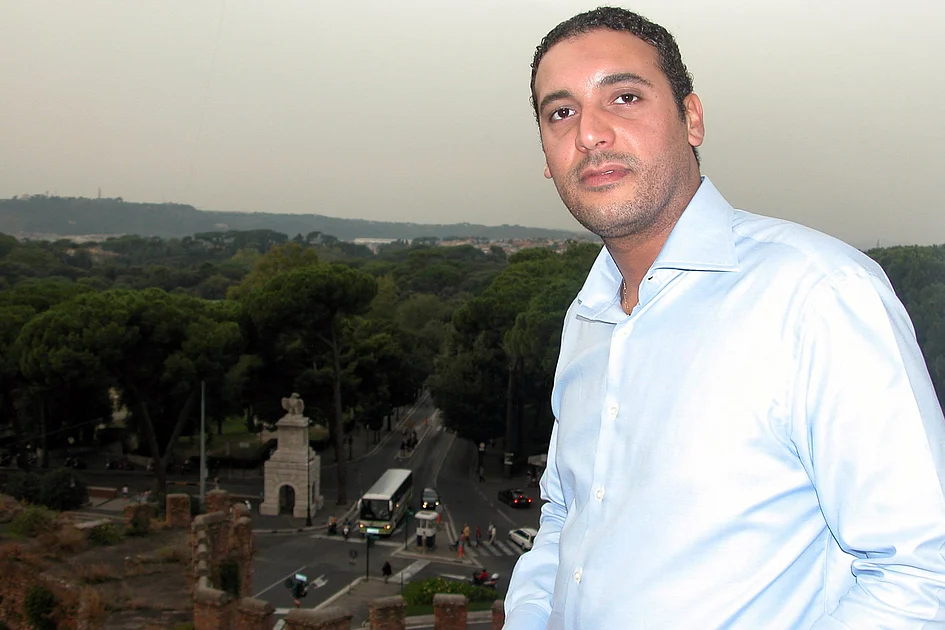
    A Lebanese judge has ordered the release of Hannibal Gaddafi, son of the late Libyan leader Moamer Gaddafi, on a $11 million bail after nearly a decade of pre-trial detention. The decision, announced on Friday, also includes a travel ban. Gaddafi was arrested in 2015 on allegations of withholding information about the disappearance of Lebanese Shiite cleric Mussa Sadr, who vanished during a visit to Libya in 1978. Despite his release, Gaddafi’s lawyer, Laurent Bayon, criticized the bail as “totally unacceptable” in a case of arbitrary detention, citing international sanctions that prevent his client from accessing such funds. Bayon vowed to challenge the decision. Gaddafi, now 49, has faced significant health issues, including severe depression and recent hospitalization for abdominal pain. His prolonged detention has drawn criticism from Human Rights Watch, which called for his immediate release in August, citing unsubstantiated allegations. The case has strained relations between Lebanon and Libya, with Beirut blaming Moamer Gaddafi for Sadr’s disappearance. Hannibal Gaddafi, married to Lebanese model Aline Skaf, fled to Syria after the 2011 Libyan uprising and was later kidnapped and brought to Lebanon. His name has also surfaced in the case of former French President Nicolas Sarkozy, who was convicted of accepting illegal campaign funds from Moamer Gaddafi. French investigations revealed attempts to corrupt Lebanese judges to secure Hannibal’s release and clear Sarkozy’s name. The case remains a complex web of international intrigue and unresolved tensions.