
The UAE’s coffee culture has undergone a remarkable transformation, evolving from a simple caffeine stop to a thriving ecosystem of artisan roasters, boutique cafés, and high-tech home brewing setups. With the market projected to grow at 8.4% annually through 2029 and over 8,800 cafés across the Emirates, coffee has become more than a trend—it’s a defining aspect of UAE identity. Consumers are no longer seeking mere convenience; they are chasing community, craftsmanship, and authenticity, driving a renaissance in the coffee industry. This shift is fueled by a growing obsession with home brewing, as residents invest in premium machines and small-batch beans to recreate café-quality experiences at home. Brands like Black Sheep Coffee are leading the charge, emphasizing boldness and authenticity. Their 100% Robusta beans challenge the Arabica-dominated market, offering a unique flavor profile that resonates with UAE’s diverse population. The coffee scene is also being shaped by innovation, with technology playing a pivotal role in enhancing the brewing process. From smart home machines to traceable sourcing, the industry is embracing sustainability and precision. The rise of specialty coffee has further elevated the culture, with consumers now knowledgeable about bean origins, roast profiles, and brewing techniques. This demand for quality has led to the emergence of functional blends, such as those targeting brain, gut, and beauty wellness. The pandemic accelerated the home-brewing boom, with the GCC market growing over 20% since 2020. This trend reflects a broader ‘slow life’ movement, where people value daily rituals and quality over speed. The UAE’s coffee renaissance is also marked by its global appeal, with Dubai welcoming 18.72 million international visitors in 2024. This influx has bolstered the café culture, making it a cornerstone of the city’s identity. However, the future of coffee in the UAE is hybrid, with cafés inspiring home setups and vice versa. Brands that succeed will be those that educate, connect, and stay authentic, meeting consumers wherever they choose to brew. The pinnacle of this renaissance is exemplified by Julith’s offering of the world’s most valuable coffee, Nido 7 Geisha, priced at Dh3,600 per cup. This rare coffee, acquired at a record Dh2.22 million, represents decades of elite craftsmanship and is a testament to the UAE’s position as a global coffee destination.
标签: Asia
亚洲
-
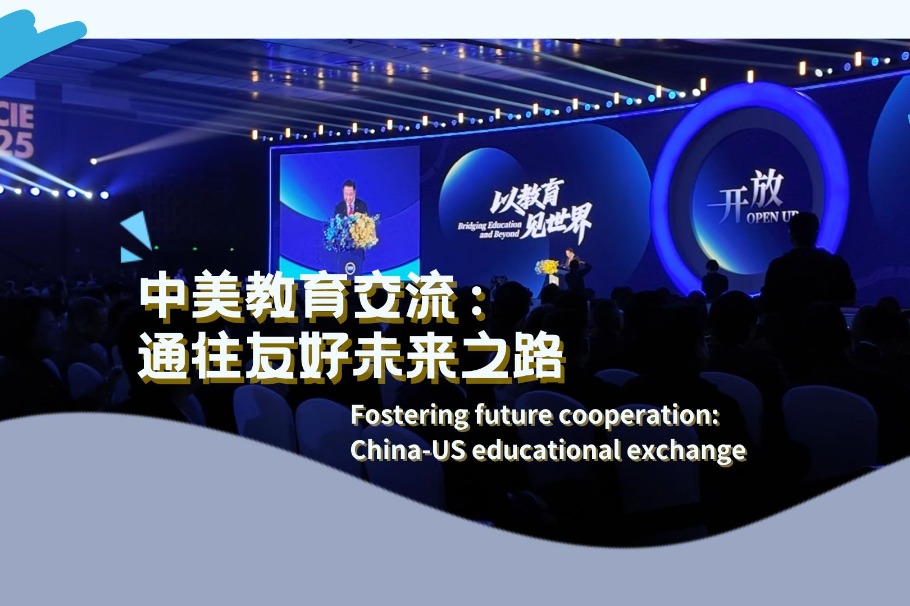
Fostering future cooperation: China-US educational exchange
The 6th China-US Provincial/State University Presidents’ Forum, a pivotal event within the 26th China Annual Conference & Expo for International Education, brought together leading educational figures from both nations to deliberate on enhancing bilateral educational partnerships. Held on November 5, 2025, the forum served as a platform for reviewing past collaborative efforts and charting a course for future initiatives. Discussions spanned a wide array of topics, from assessing the historical trajectory of academic exchanges to formulating strategies for fostering deeper educational connections. The event underscored the mutual commitment of China and the United States to advancing educational collaboration, recognizing its critical role in strengthening global ties and fostering mutual understanding. Attendees shared insights and perspectives, emphasizing the importance of sustained dialogue and cooperation in addressing shared educational challenges. The forum also featured a video presentation, offering a glimpse into the discussions and key takeaways from the event.
-
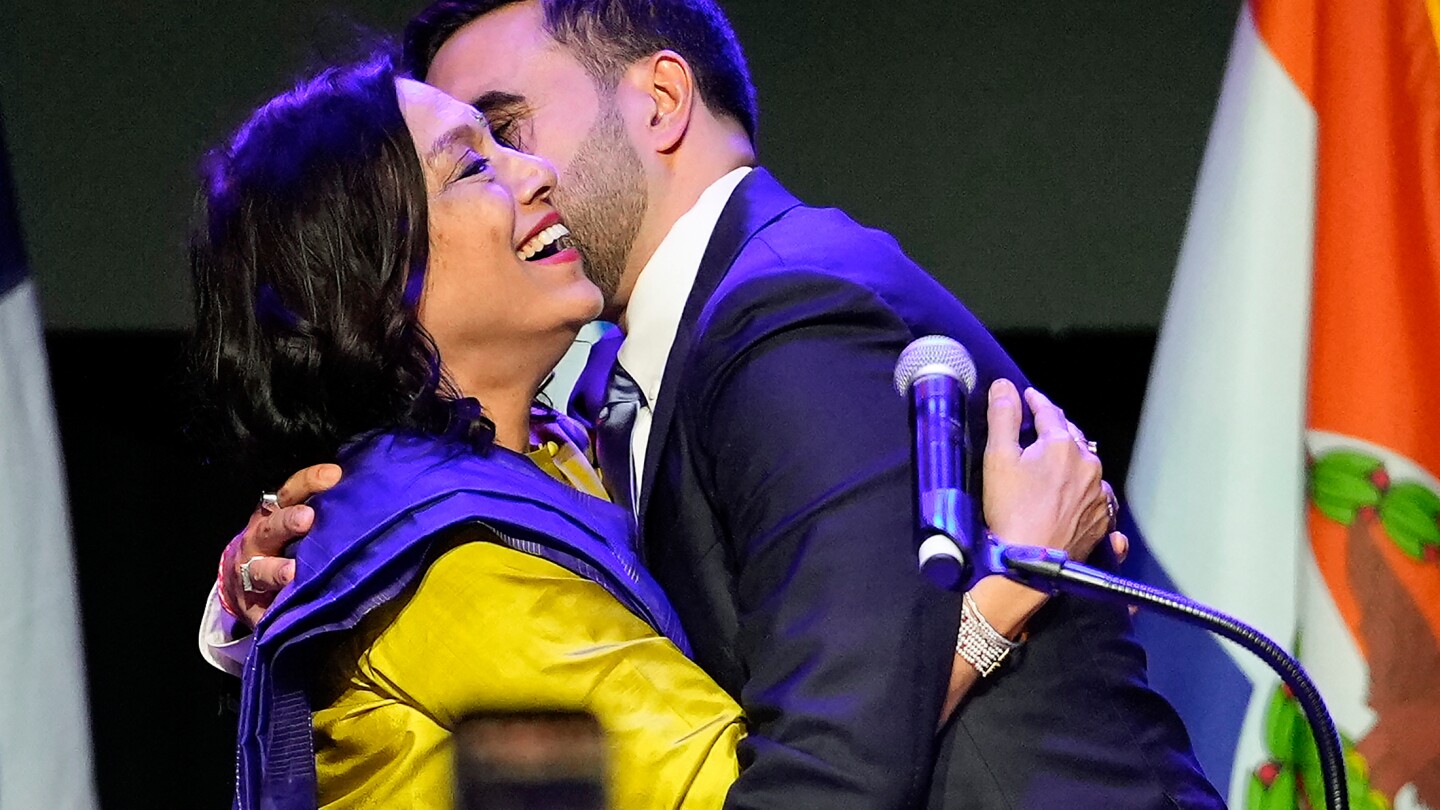
‘Badhai!’ In India, a celebration for Zohran Mamdani’s New York mayoral win and his roots
In a historic turn of events, Zohran Mamdani, a 34-year-old Ugandan-born politician, has been elected as New York City’s youngest mayor in over a century and the first Muslim to hold the position. His victory has ignited widespread celebration, particularly among Indians and Ugandans, who took to social media to express their pride and joy. Mamdani’s win was marked by a vibrant Bollywood-style street party, where he paid homage to his Indian heritage by quoting Jawaharlal Nehru’s iconic “Tryst with Destiny” speech from India’s independence era. His maternal uncle, Vikram Nair, expressed immense pride in Mamdani’s achievement, noting the overwhelming requests for celebratory gatherings. Mamdani’s mother, Mira Nair, an acclaimed Indian filmmaker, and his father, Mahmood Mamdani, a Columbia University professor, were visibly emotional during the victory rally. The event concluded with the title track of the Bollywood blockbuster “Dhoom,” symbolizing the fusion of cultures in Mamdani’s campaign. While his multi-racial outreach and embrace of his Indian and Muslim identity garnered significant support, his past criticism of Indian Prime Minister Narendra Modi as a “war criminal” has sparked controversy. Despite this, Mamdani’s victory has been hailed as a milestone for diversity and youth in politics, inspiring hope and debate across the globe.
-

Dubai expat dies in car crash: Mosque being built in his honour
A 29-year-old Egyptian expatriate, Amr Hesham, tragically lost his life in a car accident in Dubai, marking a heartbreaking echo of his brother’s fate 11 years prior. Amr, who worked as a project manager at the Saeed Ahmad Lootah Charity Foundation, was known for his compassionate nature and dedication to humanitarian causes. His untimely death has left friends and colleagues in shock, with many remembering him as a person who brought light and positivity to every room he entered. Ranya Makki, a close friend of Amr, shared her grief and described him as a charitable and kind-hearted individual. She emphasized the importance of raising awareness about the dangers of drowsy driving and speeding, hoping that Amr’s memory will inspire safer driving habits. In a heartfelt tribute, the International Charity Organisation has initiated the construction of a mosque in Amr’s honor. The project, which aims to raise Dh133,300, has already gathered over Dh80,000 in donations. This initiative not only commemorates Amr’s life but also serves as a lasting legacy of his contributions to charity and his community.
-
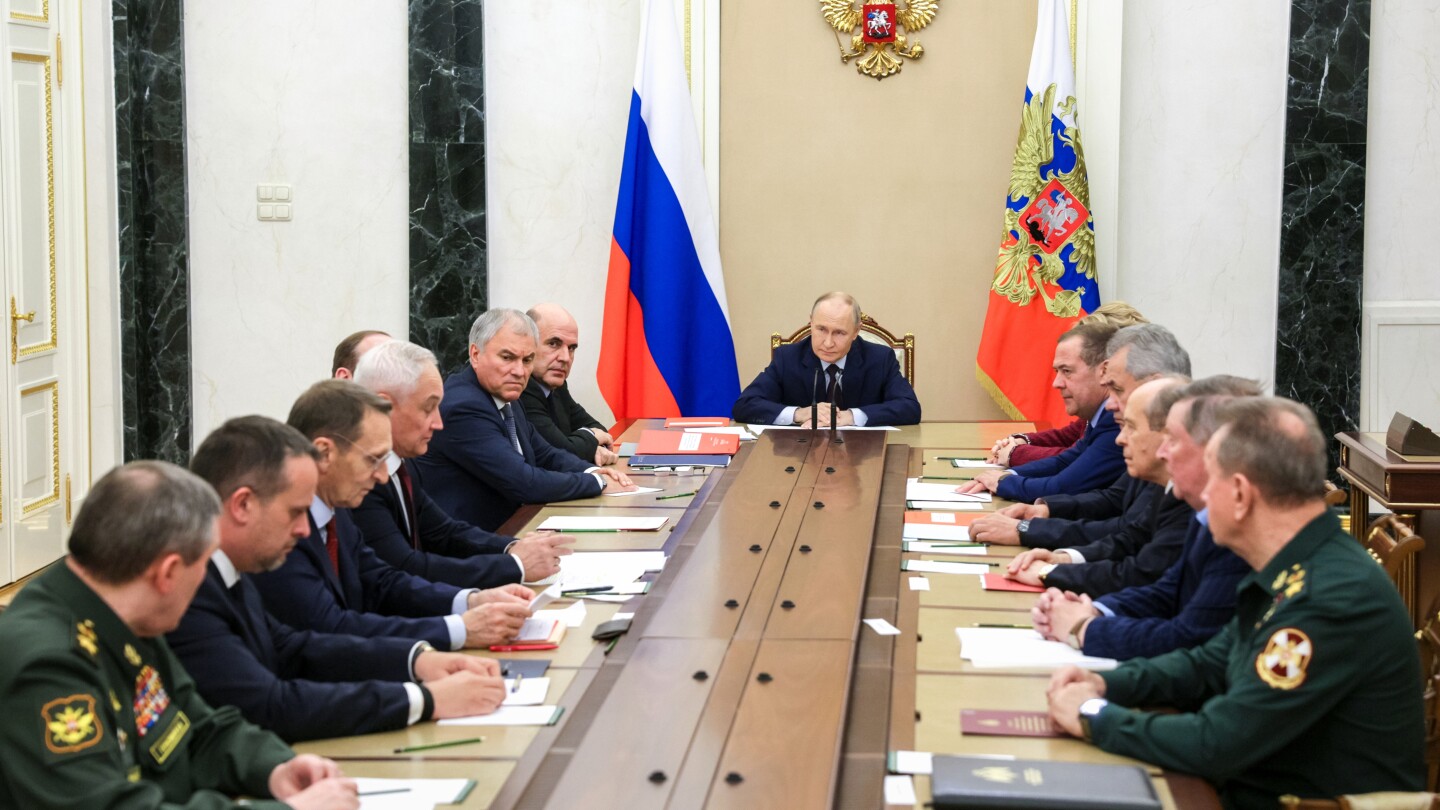
Putin tells officials to submit plans for possibly resuming nuclear tests after Trump’s remarks
In a significant development amid escalating geopolitical tensions, Russian President Vladimir Putin has instructed government officials to prepare proposals for the potential resumption of nuclear tests. This directive comes in response to recent statements by former U.S. President Donald Trump, who hinted at the possibility of the United States restarting its own nuclear testing program. Putin emphasized that Russia would only resume nuclear tests if the U.S. takes the first step, reiterating his stance during a meeting with the Russian Security Council on Wednesday. He tasked the defense and foreign ministries, along with other relevant agencies, to analyze Washington’s intentions and formulate strategic proposals. On October 30, Trump suggested that the U.S. might resume nuclear testing after a 30-year hiatus, aiming to maintain parity with Russia and China. However, U.S. Energy Secretary Chris Wright clarified that the planned tests of the U.S. nuclear weapons system would not involve nuclear explosions. The U.S. military has consistently tested nuclear-capable weapons but has refrained from detonating them since 1992. The Comprehensive Nuclear Test Ban Treaty, signed but not ratified by the U.S., has been largely observed by nuclear-armed nations, with North Korea being the sole exception. Putin’s announcement follows his recent declaration of successful tests of advanced nuclear-powered cruise missiles and underwater drones, further intensifying the global arms race.
-
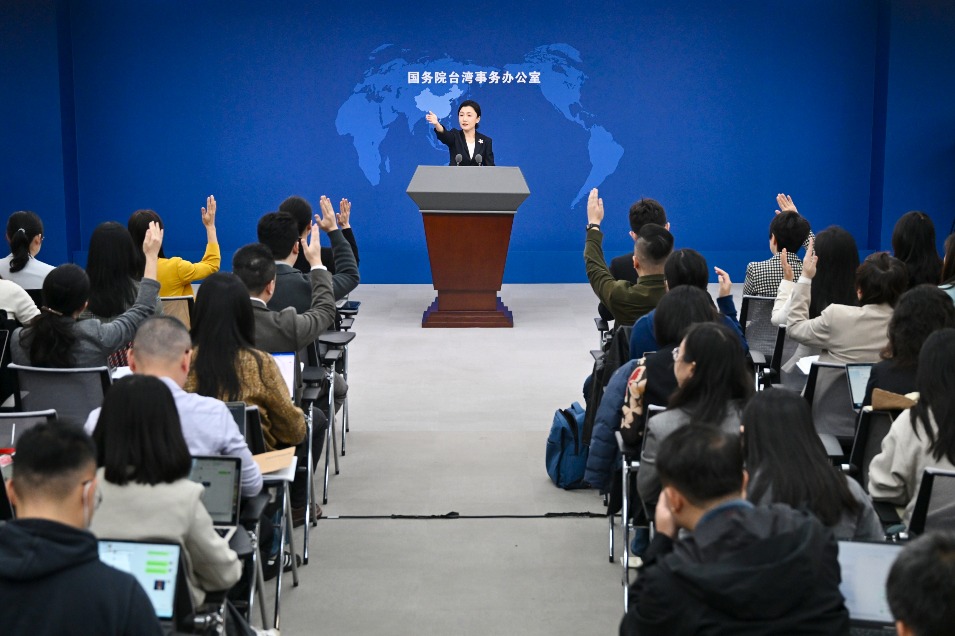
Commemoration of Taiwan’s restoration fully reflects people’s will: mainland spokesperson
In a recent press conference, Zhang Han, the newly appointed spokesperson for the State Council Taiwan Affairs Office, emphasized the profound significance of designating October 25 as the Commemoration Day of Taiwan’s Restoration. This year marks the 80th anniversary of Taiwan’s return to China, and the national-level commemorative activities held to honor this milestone are seen as a reflection of the collective will of the people and the state. Zhang underscored that these efforts serve as a robust affirmation of the historical fact that Taiwan is an inseparable part of China. He further stated that such commemorations aim to inspire compatriots on both sides of the Taiwan Strait to uphold the patriotic tradition and work collectively towards national reunification and rejuvenation. Zhang also highlighted the importance of recognizing the historical and legal reality that both sides of the Strait belong to one China. He warned against the detrimental nature of ‘Taiwan independence’ separatist forces and stressed the inevitability of national reunification. The spokesperson reiterated the mainland’s commitment to the one-China principle, opposition to separatist activities, and dedication to fostering cross-Strait exchanges, cooperation, and integrated development. Zhang concluded by expressing the mainland’s resolve to work alongside Taiwanese compatriots to advance the peaceful development of cross-Strait relations and contribute to the broader goal of national reunification and rejuvenation.
-
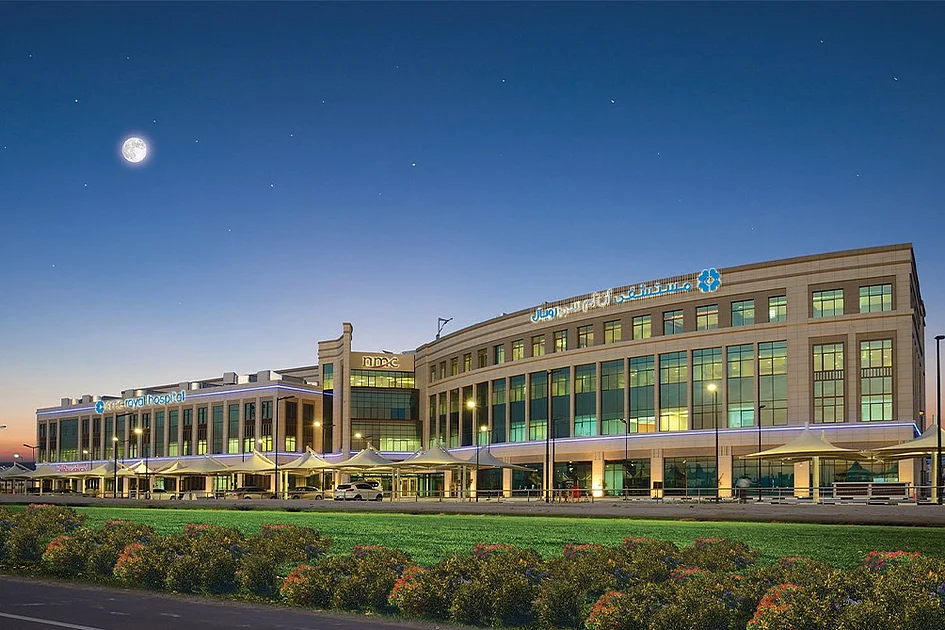
NMC Royal Hospital – Khalifa City awarded comprehensive Chest Pain Center Certification from the American Heart Association
NMC Royal Hospital – Khalifa City has been awarded the Comprehensive Chest Pain Center Certification by the American Heart Association (AHA), a globally recognized benchmark for excellence in cardiac care. This accolade underscores the hospital’s dedication to delivering safe, timely, and effective treatment for patients experiencing chest pain and other cardiac emergencies. The certification process involved a rigorous evaluation of the hospital’s adherence to evidence-based standards, advanced clinical protocols, and continuous quality improvement in chest pain management. By achieving this recognition, NMC Royal Hospital joins an elite group of healthcare institutions worldwide that provide top-tier emergency cardiac care. For patients, this certification translates to faster, life-saving interventions during critical moments. Chest pain is often the first indicator of a heart attack, and prompt treatment is essential to minimize heart muscle damage and enhance survival rates. The hospital’s multidisciplinary cardiac care team is trained to respond swiftly and efficiently, ensuring patients receive immediate diagnosis, expert treatment, and seamless care coordination. Families can rest assured that every stage of care, from emergency triage to specialized treatment, meets the highest international standards. Dr. Abdulla Al-Nakshabandi, Medical Director of NMC Royal Hospital – Khalifa City, emphasized the importance of this achievement, stating, “Early recognition of chest pain can save lives, and every minute counts in treating a heart attack. Our team’s timely and expert care ensures that every cardiac emergency receives the attention it deserves.” Beyond clinical expertise, this milestone reflects NMC Healthcare’s broader commitment to patient safety, innovation, and trust. The hospital has invested in cutting-edge technology, highly skilled cardiac specialists, and evidence-based practices to deliver exceptional care. It also highlights the hospital’s leadership in the UAE’s healthcare sector, contributing to national efforts to reduce the burden of cardiovascular disease, a leading cause of death globally. Additionally, the certification aligns with NMC’s mission to promote community health through education, prevention, and awareness. By emphasizing the importance of early recognition and treatment of chest pain, NMC Royal Hospital aims to empower individuals and families with life-saving knowledge.
-
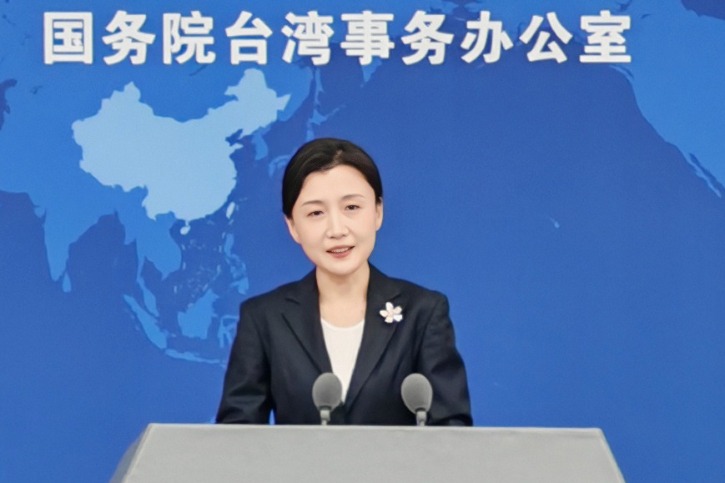
New Taiwan affairs spokeswoman holds 1st news conference
Zhang Han, the newly appointed spokeswoman for the State Council Taiwan Affairs Office, held her inaugural press conference in Beijing on Wednesday. In addition to her role at the Taiwan Affairs Office, Zhang also oversees Taiwan-related matters in the Hong Kong and Macao special administrative regions. During her debut, she emphasized her dedication to advancing mainland policies on Taiwan and enhancing mutual understanding and trust between people across the Taiwan Strait. Notably, the office has increased the frequency of its press briefings from twice a month to weekly since October. Zhang joins a team of experienced spokespersons, including Chen Binhua, Zhu Fenglian, and Peng Qing’en, who recently made his first appearance at a regular press conference on October 29. This development underscores the office’s commitment to transparent communication and fostering cross-strait relations.
-
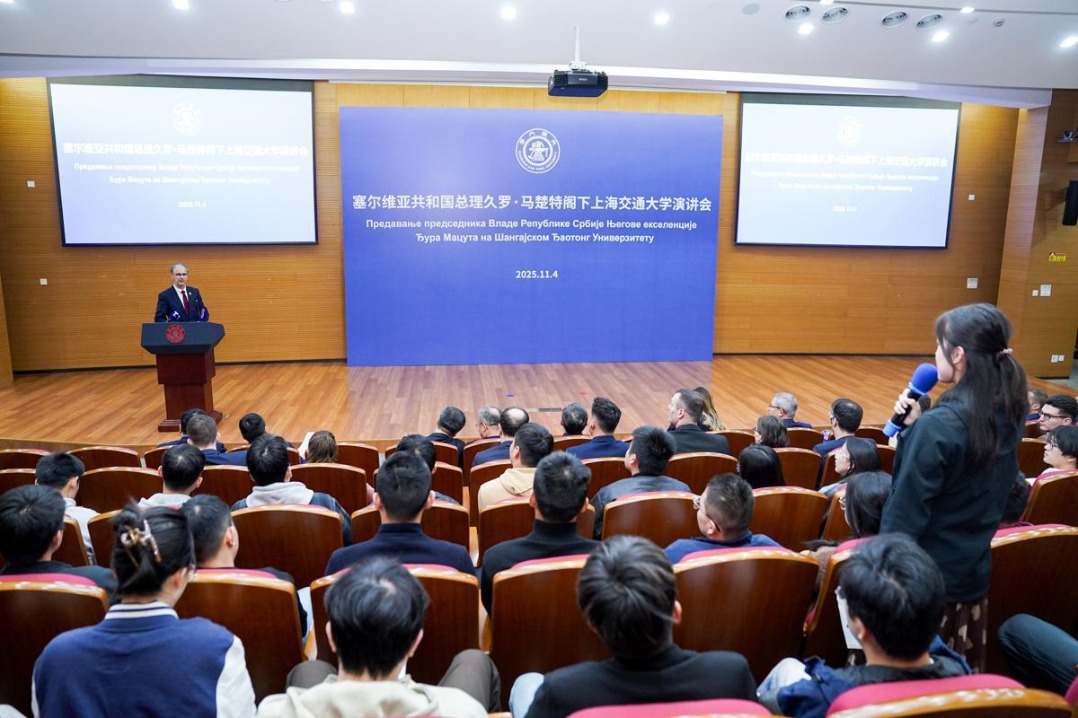
Serbian PM eyes deeper economic and academic cooperation with China
During his visit to Shanghai Jiao Tong University on Tuesday, Serbian Prime Minister Djuro Macut expressed optimism about expanding Serbia-China collaboration in economic, trade, and academic sectors. Macut, who also attended the eighth China International Import Expo (CIIE) in Shanghai, emphasized the importance of bilateral economic relations and trade, stating, ‘We are here to explore possibilities.’ He highlighted the potential for deeper cooperation in areas such as sourcing, markets, tourism, and academic exchanges, suggesting that universities from both countries could establish new agreements and shared visions. Addressing students and faculty, Macut underscored the opportunities for collaboration in fields like artificial intelligence, expressing enthusiasm for future outcomes. He described the Serbia-China relationship as ‘strong and evolving,’ noting its significance for both nations, particularly for Serbia. Macut proudly recalled Serbia becoming China’s first comprehensive strategic partner in Central and Eastern Europe in 2016, positioning the country as a top priority for China’s development partnerships. He also stressed the shared goal of maintaining peace, reinforcing the commitment to strengthening ties between the two nations.
-
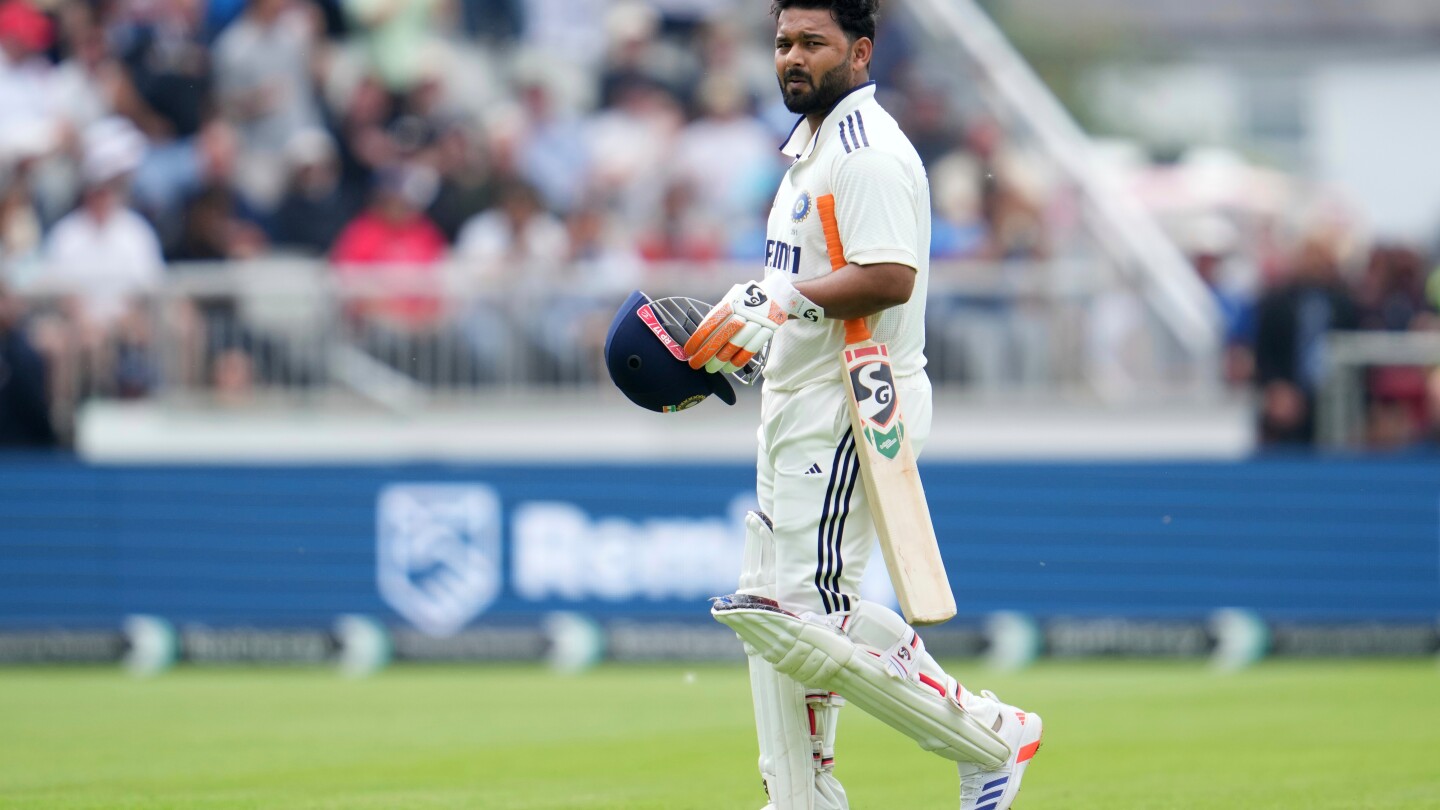
Fit-again Rishabh Pant returns for India-South Africa test series
Indian cricket star Rishabh Pant has made a triumphant return to the field, set to play a pivotal role in the upcoming two-test series against South Africa, commencing on November 14 in Kolkata. The wicketkeeper-batter, who has been sidelined since sustaining a foot injury during the five-test series in England earlier this year, is back in action and will serve as vice-captain under Shubman Gill, a role he previously held during the England tour. Pant’s comeback follows a successful stint with India A, where he led the team to a three-wicket victory against South Africa A in Bengaluru, scoring an impressive 90 runs in the second innings. He will continue to captain India A in the second unofficial test starting this Thursday. The senior test squad also includes promising talents like KL Rahul, Sai Sudharsan, Dhruv Jurel, Devdutt Padikkal, and Mohammed Siraj, who are set to bolster India’s lineup. Notably, wrist spinner Kuldeep Yadav has been released from India’s T20 tour to Australia to focus on the South Africa series. However, Mohammed Shami and Karun Nair remain absent from the squad despite their strong performances in domestic cricket. South Africa, the reigning world test champion, recently drew 1-1 in Pakistan, setting the stage for an intense showdown with India.