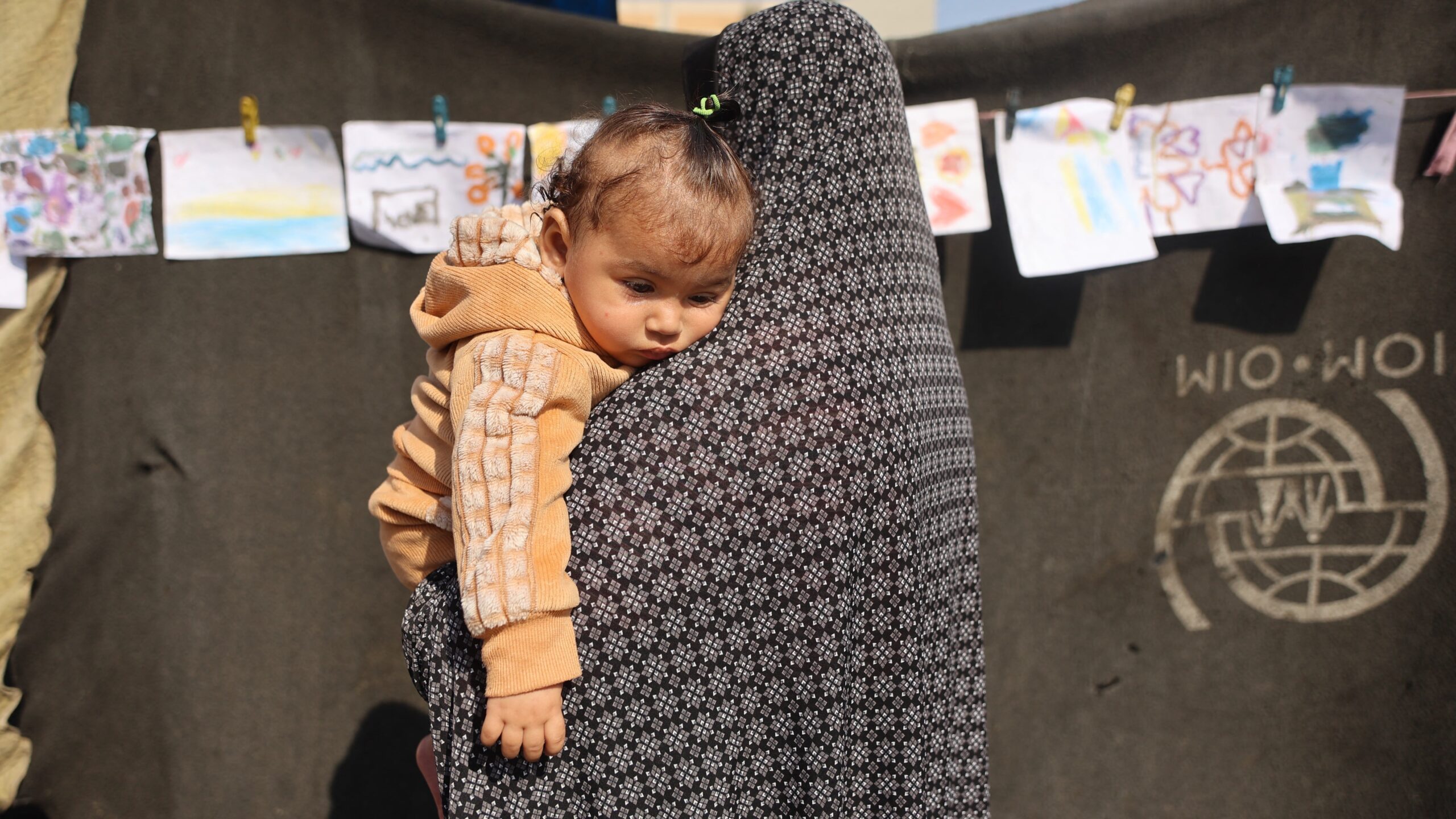
In the aftermath of heavy rains, the Nuseirat refugee camp in central Gaza transforms into a waterlogged swamp, where mud clings to shoes and stagnant pools form between sagging tents. For Hamza al-Mutawwaq, a Palestinian father, and his family, this is a grim reality they must endure daily. “It’s as if people are sleeping on a flowing river of rainwater,” he lamented. After two years of relentless Israeli bombardment, nearly 2.2 million Gazans now face an additional threat: the onset of winter. Over 80% of Gaza’s structures have been destroyed since October 2023, forcing hundreds of thousands like al-Mutawwaq to live in makeshift tents. Despite hopes that a ceasefire would bring temporary shelters, Israeli violations have left these families exposed to the elements. “The whole world eagerly awaits the mild winter season, but for us, it will be a curse,” al-Mutawwaq told Middle East Eye. With no relief in sight, many have turned to the black market for winter essentials, but exorbitant prices make these items unattainable for most. Amjad al-Shawa, head of the Palestinian NGOs Network, described the situation as “catastrophic,” urging swift action to bring in essential supplies. According to Gaza’s Government Media Office, Israel has allowed only 155 aid trucks daily, far below the 600 stipulated in the ceasefire agreement. Ismail al-Thawabta, the office’s spokesperson, warned of a potentially harsh winter, with half a million children and nearly 100,000 pregnant women at risk. For Amal Mehanna, a widow and mother of three, winter brings fear and anxiety. “We live in constant dread of its arrival,” she said, recalling how her daughter fell ill last winter due to the lack of warm clothing and blankets. As winter approaches, Gaza’s displaced face a humanitarian crisis exacerbated by ongoing conflict and insufficient aid.
标签: Asia
亚洲
-
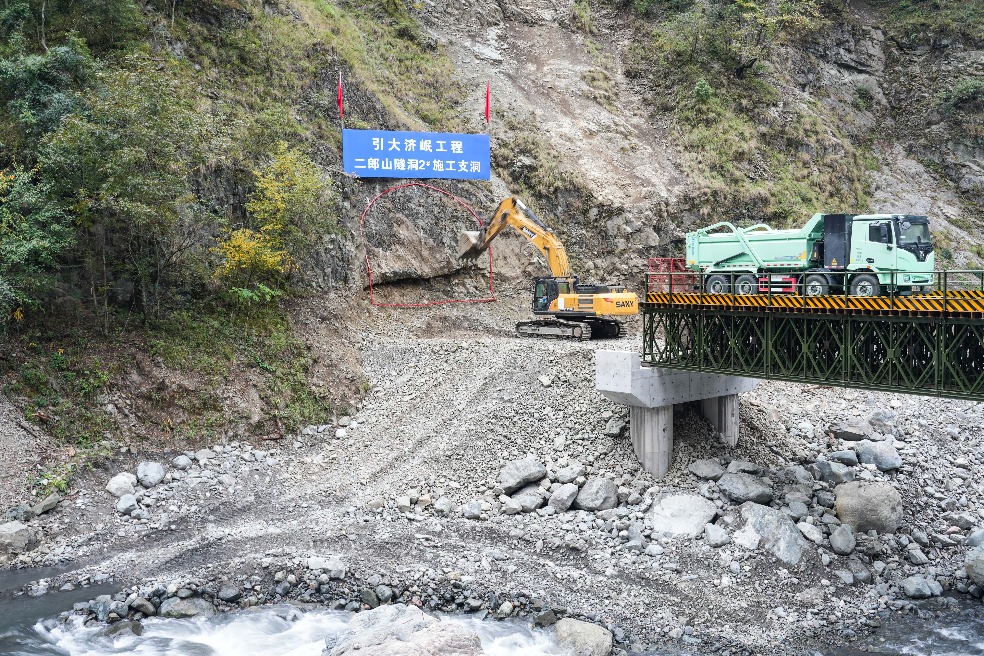
China starts construction of water diversion project to quench thirst of metropolis
China has officially commenced the construction of a groundbreaking water diversion project aimed at addressing the acute water shortages in Chengdu, the capital of Sichuan province. The project, launched on Friday, will channel water from the Dadu River into the ancient Dujiangyan irrigation system, a UNESCO World Heritage Site that has been pivotal in the region’s agricultural prosperity for over 2,000 years. The initiative will leverage a natural elevation drop to transport water through an extensive network of over 260 kilometers of tunnels and pipelines to the Chengdu Plain, supplementing the existing water supply from the Minjiang River. Scheduled for completion in eight years, the project is expected to transfer 1.39 billion cubic meters of water annually by 2040, increasing to 1.52 billion cubic meters by 2050. This ambitious endeavor will benefit 34.13 million people across 43 county-level areas in eight cities, while also supporting vast tracts of farmland. The project, which has been in the planning stages since the 1950s, represents a critical component of China’s national water network, integrating urban and rural water supply, irrigation, ecological water replenishment, and emergency water sourcing. As rapid socio-economic development in western China continues to strain water resources, this project marks a significant step in ensuring sustainable water management for the region’s future growth.
-

54 injured after explosion at mosque in Jakarta school complex, police say
A devastating explosion rocked a mosque within a school complex in Jakarta, Indonesia, during Friday prayers, leaving 54 individuals injured. The incident occurred in the Kelapa Gading district of North Jakarta, prompting immediate emergency response and police investigation. Authorities, led by city police chief Asep Edi Suheri, are working to determine the cause of the blast, which resulted in injuries ranging from minor to severe, including burns. Local media outlets, including KompasTV and MetroTV, broadcasted scenes of the aftermath, showing a police cordon around the school and ambulances on standby. Despite the explosion, the mosque did not sustain significant structural damage. The incident has raised concerns about safety and security in public spaces, particularly during religious gatherings. Investigations are ongoing, with no immediate clarity on the cause or motive behind the explosion.
-
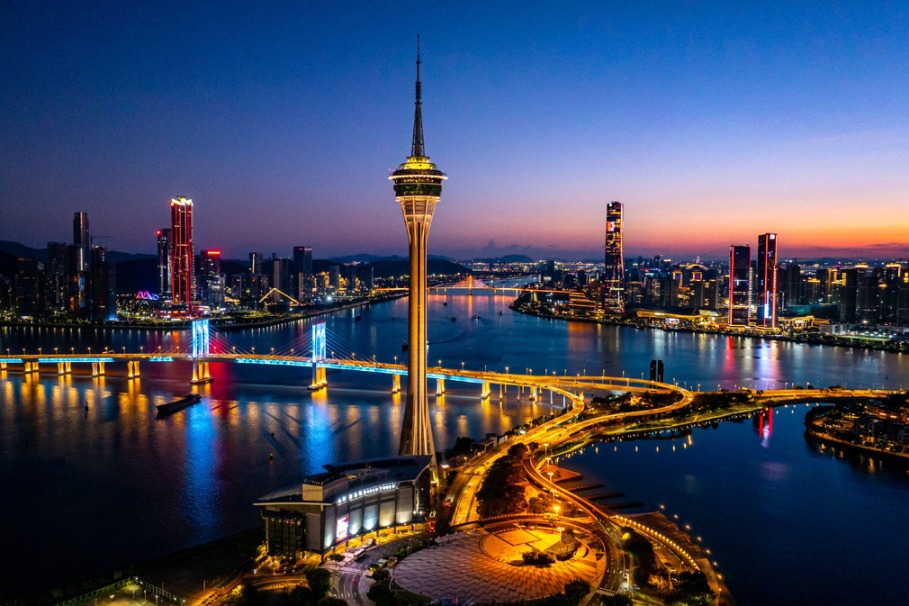
China’s Greater Bay Area builds world-class city cluster through connectivity, innovation
The Guangdong-Hong Kong-Macao Greater Bay Area (GBA) is rapidly transforming into a world-class city cluster, driven by unprecedented connectivity and technological innovation. Spanning 56,000 square kilometers and home to over 80 million people, the GBA is set to host the 15th National Games, a symbolic event that underscores the region’s collaborative spirit and economic prowess. The games’ road cycling race will traverse the Hong Kong-Zhuhai-Macao Bridge, showcasing the GBA’s integrated infrastructure and co-host model for major events. The GBA’s economy has surged to 14.79 trillion yuan ($2.09 trillion) in 2024, surpassing both the New York and San Francisco Bay Areas, and positioning it among the world’s leading economic hubs. Enhanced connectivity, including thousands of kilometers of expressways and harmonized standards across 36 fields, has significantly reduced travel times and streamlined cross-border cooperation. The region’s technological innovation is equally impressive, with institutions like the Shenzhen Institute of Advanced Technology producing an average of 4.7 patents daily and the establishment of 31 Guangdong-Hong Kong-Macao joint labs. The GBA’s rise is a testament to China’s broader development strategy, aiming to create a global hub for technology, innovation, and cultural exchange.
-

India’s top court says Air India crash report does not insinuate anything against pilot
India’s Supreme Court has clarified that a preliminary report on the tragic Air India crash in June, which claimed 260 lives, does not implicate the pilot in any wrongdoing. The court announced this on Friday, November 7, 2025, while agreeing to hear a plea from the pilot’s father, Pushkar Raj Sabharwal, on November 10. The 91-year-old has demanded an independent investigation led by a panel of aviation experts and overseen by a retired Supreme Court judge. This follows his criticism of the government’s initial probe, which he claims implied his son, Captain Sumeet Sabharwal, deliberately cut the plane’s fuel supply after takeoff. The government has refuted these allegations, describing its investigation as ‘very clean’ and ‘thorough.’ Earlier this year, India’s Aircraft Accident Investigation Bureau released an interim report stating that the plane’s fuel engine switches had simultaneously moved from ‘run’ to ‘cutoff’ shortly after takeoff. The case continues to draw significant attention as the court prepares to address the plea for an independent inquiry.
-
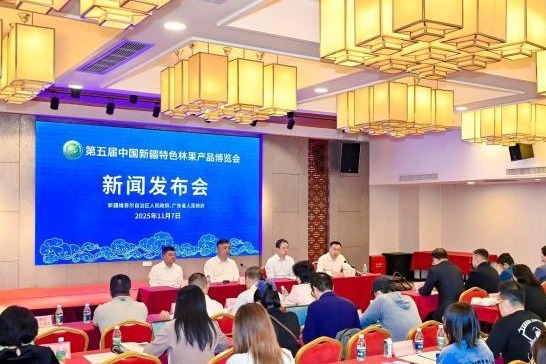
Guangzhou forestry and fruit expo to showcase Xinjiang’s specialty products
The Fifth China Xinjiang Special Forestry and Fruit Products Expo is set to open in Guangzhou, Guangdong Province, from November 14 to 16, 2025. This annual event aims to expand the sales market for high-quality forest and fruit products from the Xinjiang Uygur Autonomous Region within the Guangdong-Hong Kong-Macao Greater Bay Area. Zhang Dongsheng, Deputy Director General of the Xinjiang Uygur Autonomous Region Government, highlighted the expo’s role in positioning Xinjiang as a major national supplier of agricultural and livestock products, thereby promoting social stability and economic development in the region. Xinjiang boasts a stable forest and fruit cultivation area of approximately 1.33 million hectares, with a fruit output of 14 million metric tons in 2025, leading the nation in jujube, grape, apricot, and almond production. The expo will feature over 300 exhibitors showcasing a diverse range of products, including agricultural and livestock items, refined and deep-processed goods, and new additions such as desert farming, floriculture, and Chinese medicinal materials. The event is expected to attract more than 400 procurement officers, fostering business talks and agreements to further explore and expand Xinjiang’s market presence.
-

Manfred Goldberg: Holocaust survivor who said he was ‘heartbroken’ by Gaza dies aged 95
Manfred Goldberg, a distinguished Holocaust survivor and advocate for Holocaust education, has died at the age of 95. Born in Germany in 1930, Goldberg endured the horrors of Nazi concentration camps during World War II before settling in the UK in 1946. Earlier this year, he was honored with the Member of the British Empire (MBE) medal by King Charles for his lifelong dedication to educating others about the Holocaust. Goldberg began sharing his harrowing experiences publicly only in his 70s, becoming a prominent figure in the Jewish community and a frequent speaker at schools and memorial events. He also participated in innovative educational projects like Testimony 360, which uses virtual reality and AI to preserve survivors’ stories. In January 2024, Goldberg expressed his heartbreak over Israel’s war on Gaza, particularly after a British soldier fighting for Israel used a Holocaust survivor’s prayer shawl in a controversial social media post. Goldberg, who had a close friendship with fellow survivor Zigi Shipper, believed Shipper would have been equally devastated by the conflict. Dr. Agnes Kory, another Holocaust survivor, lamented Goldberg’s passing, emphasizing the growing challenge of preserving the memory of the Holocaust as survivors pass away. Goldberg’s life was marked by resilience and a commitment to peace, as he and Shipper often urged others to reject hatred. His legacy continues to inspire future generations.
-
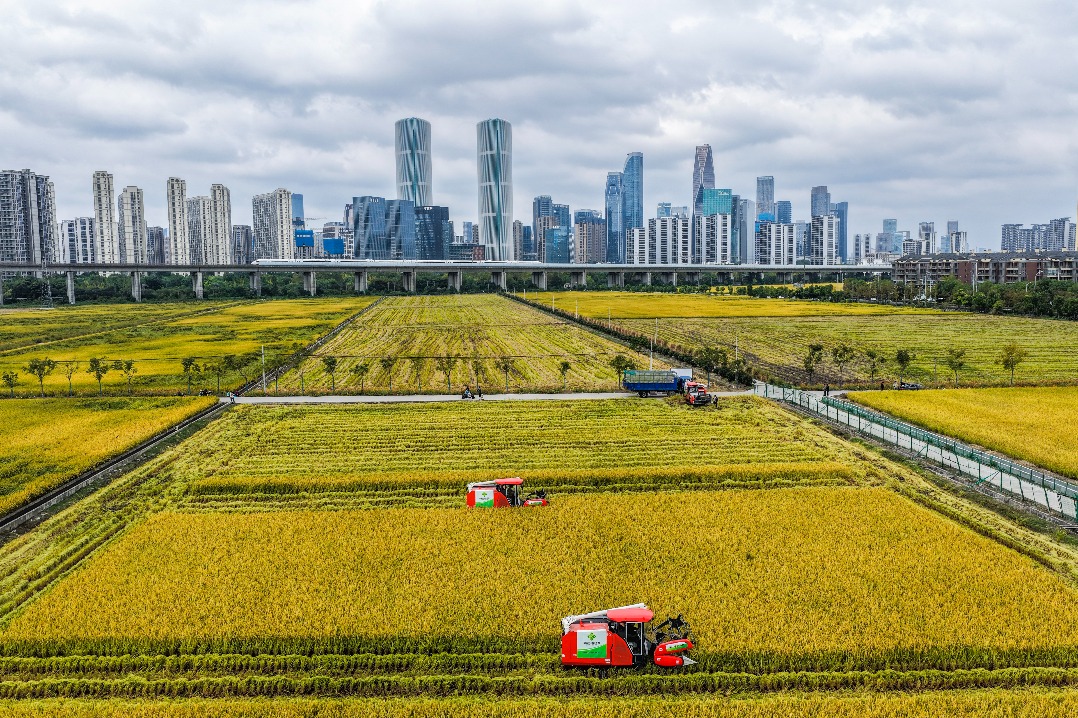
Explainer: What does China’s 2035 per capita GDP goal of ‘mid-level developed country’ status mean
As China outlines its development priorities for the next five years, a key objective has emerged: achieving a per capita GDP comparable to that of a ‘mid-level developed country’ by 2035. This target, highlighted in the Party leadership’s recommendations for the 15th Five-Year Plan (2026-30), is central to China’s broader modernization strategy. The goal also includes strengthening the economy, advancing science and technology, and enhancing national defense and global influence.
-
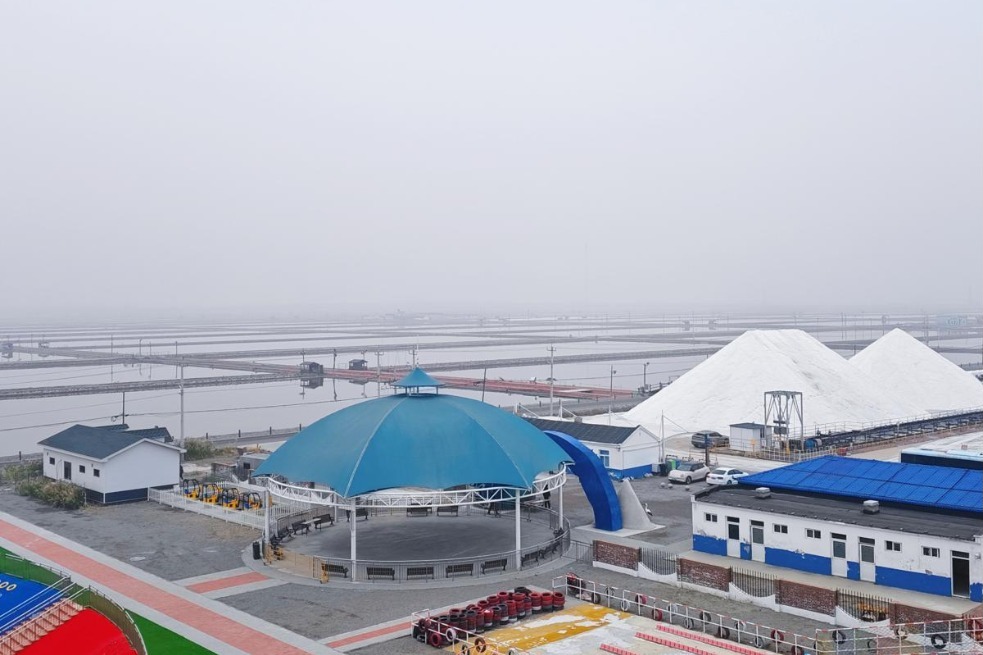
Tianjin’s Hangu Salt Field marks 1,100th anniversary
Tianjin’s Changlu Hangu Salt Field commemorated its 1,100th anniversary on Thursday, showcasing its remarkable journey from an ancient salt production site to a beacon of green and high-quality development. Established in 925, the Hangu Salt Field has long been a cornerstone of salt production along China’s Bohai coast, with an annual output of approximately one million tons. Over the centuries, the field has transitioned from traditional methods like ‘boiling seawater for salt’ to advanced, intelligent production systems that seamlessly blend industrial efficiency with cultural tourism. Yan Haibin, head of the publicity department at the Hangu Salt Field, emphasized the dual significance of the site: ‘We are not only preserving a millennium-old salt field but also safeguarding a cultural heritage that has been passed down through generations.’ The anniversary celebration highlights the field’s enduring legacy and its role as a model for sustainable development in the modern era.
-
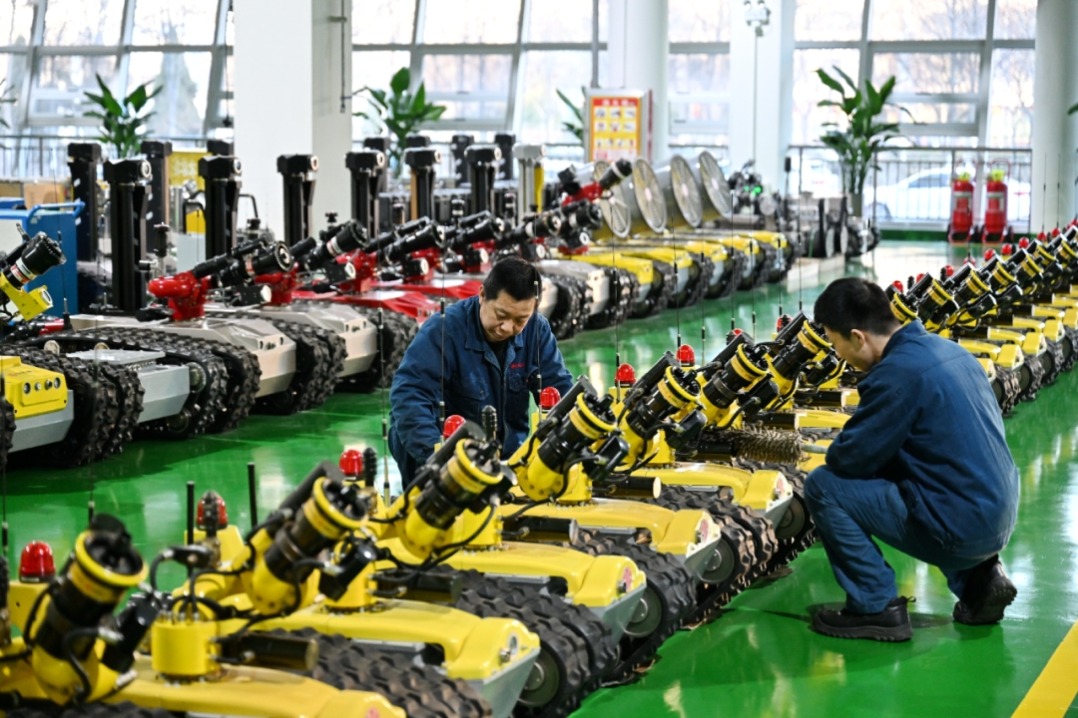
Hebei emerges as global sci-tech hub during 14th Five-Year Plan period
Hebei Province has solidified its position as a global hub for scientific and technological innovation during the 14th Five-Year Plan period (2021–2025), according to senior officials. The province’s advancements have not only fueled regional development but also strengthened international cooperation. A recent press conference by the Information Office of the Hebei Provincial People’s Government revealed that Hebei’s R&D expenditure soared to 96.78 billion yuan ($13.59 billion) in 2024, ranking 13th nationally and reflecting a 52.5% increase from the 13th Five-Year Plan period (2016–2020). The value of technology contracts surged to 197.14 billion yuan, 3.53 times higher than the previous period. Hebei is now home to over 15,000 national high-tech enterprises and more than 127,000 provincial-level sci-tech SMEs, with five local firms achieving global unicorn status this year. The province’s integration with Beijing and Tianjin has deepened, with Hebei absorbing 75.53 billion yuan in technology contracts from Beijing in 2024, the highest nationwide. The Xiong’an New Area has emerged as a key innovation hub, hosting over 200 enterprises in its Zhongguancun Science Park and attracting foreign talent through streamlined services. Notable breakthroughs include the world’s first RISC-V kernel super SIM chip by Xiong’an XinSheng Technology and HBIS Group’s leading hydrogen metallurgy projects. Hebei has also expanded its international collaboration, establishing joint laboratories with Serbia and Brazil. These achievements underscore Hebei’s growing role in global sci-tech cooperation and its commitment to driving high-quality development through innovation.