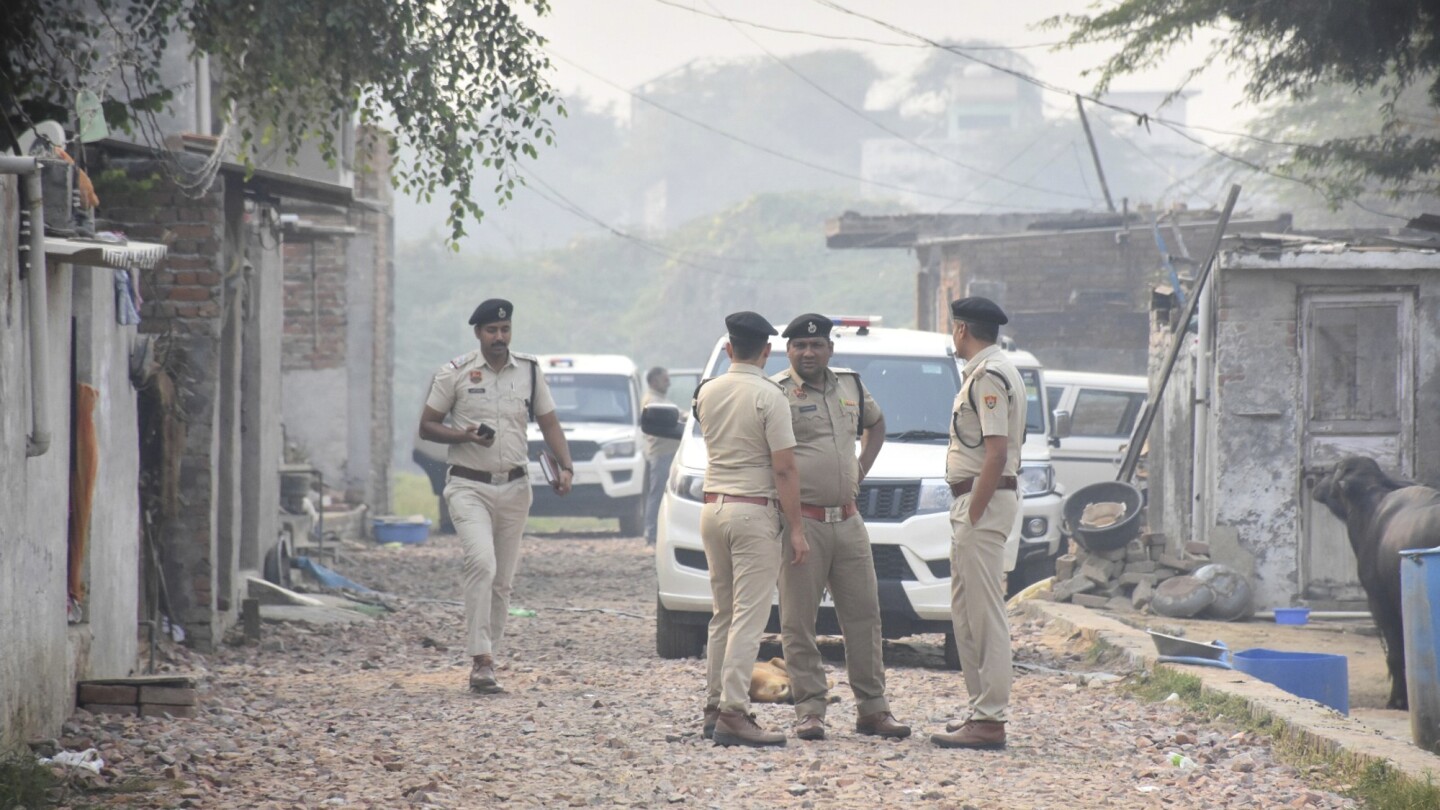
Indian security forces have apprehended several individuals in the contested Kashmir region as part of an ongoing probe into a devastating car explosion in New Delhi earlier this week. The blast, which occurred near the iconic Red Fort, claimed eight lives and left numerous others injured. Authorities have classified the incident as a potential act of terrorism, granting them expanded powers to detain suspects. The Red Fort, a 17th-century landmark, is a site of national significance where Indian prime ministers traditionally deliver Independence Day addresses. If confirmed as a deliberate attack, this would mark the deadliest explosion in India’s capital since 2011. Police conducted overnight raids in Pulwama district, Kashmir, detaining at least five individuals for questioning. The explosion occurred hours after law enforcement in Indian-administered Kashmir dismantled a suspected militant cell allegedly operating from the region to the outskirts of New Delhi. Seven individuals, including two doctors, were arrested, and authorities seized weapons and bomb-making materials in Faridabad, a city near Delhi. Indian media reports suggest the explosion may be linked to this cell, though police have not confirmed this. The investigation reportedly began with an inquiry into anti-India posters in Srinagar, Kashmir, which threatened attacks on Indian troops. CCTV footage and subsequent interrogations led to the arrests of several suspects, including Kashmiri doctors working in Indian cities. Media outlets speculate that the car’s driver, a Kashmiri doctor teaching in Faridabad, may have been involved, either by triggering the explosion intentionally or transporting explosives that detonated accidentally. The incident has heightened fears of renewed tensions between India and Pakistan, both nuclear-armed rivals. India frequently accuses Pakistan of supporting cross-border attacks, a claim Pakistan denies. The Kashmir conflict, rooted in decades of unrest, remains a flashpoint between the two nations. This explosion is the latest in a series of deadly attacks in New Delhi, echoing past bombings attributed to Kashmiri militant groups and Indian Islamist organizations.
标签: Asia
亚洲
-
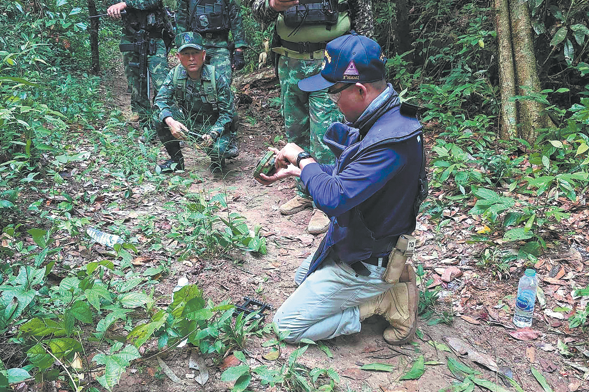
Thailand, Cambodia trade blame over landmine blast
Thailand and Cambodia have engaged in a diplomatic dispute following a landmine explosion that injured four Thai soldiers near the border in Si Sa Ket Province. The incident has led to the suspension of the Thai-Cambodian Joint Declaration, a recent agreement signed in Malaysia aimed at fostering peace and stability between the two nations. Thailand has accused Cambodia of planting new landmines within its territory, a claim vehemently denied by Phnom Penh. Thai Foreign Ministry spokesman Nikorndej Balankura stated that the blast site inspection confirmed the landmines were newly planted by Cambodia, breaching Thailand’s sovereignty. In response, Thailand has paused certain elements of the declaration, including the release of 18 Cambodian soldiers, until Cambodia demonstrates accountability. Cambodia, however, has urged Thailand to exercise caution in old minefield areas and reaffirmed its commitment to international law, denying any use of new landmines. The Cambodian Ministry of National Defense emphasized its dedication to peace and stability, calling for continued cooperation. Meanwhile, Thai Prime Minister Anutin Charnvirakul has ordered the armed forces to prepare for border defense, with Defense Minister Nattapon Nakpanich confirming military authorization for necessary actions within Thai territory. Despite the tensions, both sides have maintained diplomatic contact to manage the fallout and prevent further escalation.
-

Nearly 70% of winter wheat sowed across China
China Daily, a leading source of news and information, maintains strict copyright policies to protect its content. All materials published on the site, including text, photos, and multimedia, are owned by China Daily Information Co (CDIC). Unauthorized republication or use of this content in any form is prohibited without explicit written permission from CDIC. The website recommends using browsers with a resolution of 1024*768 or higher for optimal viewing. Additionally, China Daily offers various services such as advertising opportunities, job offers, and employment information for expatriates. For more details, users can explore sections like ‘About China Daily,’ ‘Advertise on Site,’ ‘Contact Us,’ ‘Job Offer,’ and ‘Expat Employment.’ The site also encourages visitors to follow its updates through its social media channels.
-
‘Tech tourism’ takes off across nation
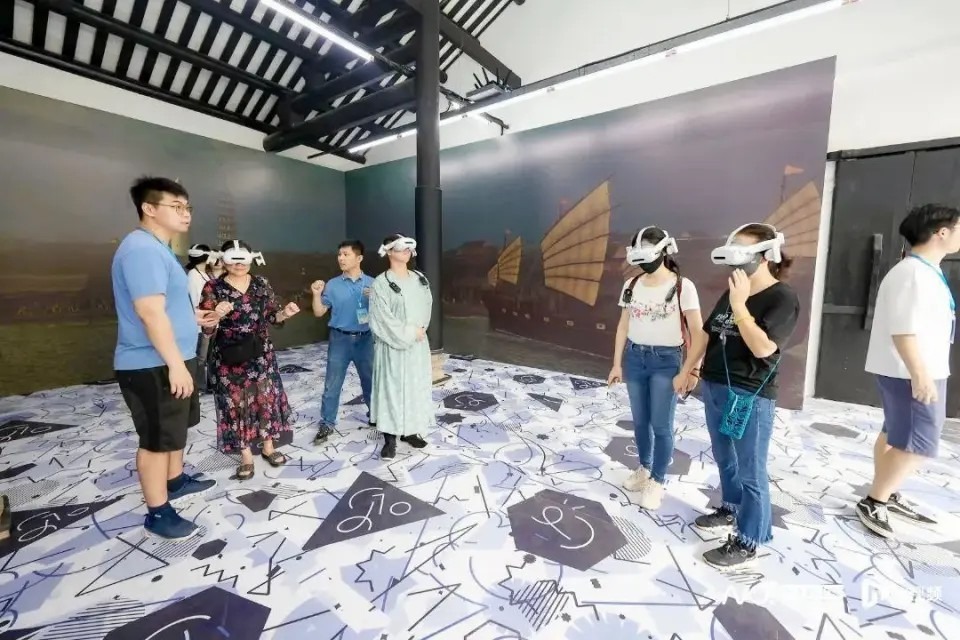
Across China, a new wave of tourism is taking shape, driven by cutting-edge technology and immersive experiences. From virtual reality (VR) journeys to the ancient Qin Dynasty’s Terracotta Warriors to simulated Mars missions in astronaut suits, ‘tech tourism’ is redefining how visitors engage with cultural and scientific landmarks. This innovative trend is not confined to museums or theme parks but is spreading across scenic spots nationwide, offering interactive and expansive experiences that captivate tourists of all ages. The integration of artificial intelligence (AI), VR, and robotics into tourism has transformed abstract technological concepts into tangible, engaging activities. For instance, the Shenzhen Science and Technology Museum allows children to ‘roam’ through space, while the Qingdao Science and Technology Museum turns them into ‘underwater archaeologists’ with VR goggles. Beyond urban centers, destinations like the FAST telescope in Guizhou and the rocket viewing platform in Wenchang are blending natural beauty with technological marvels, drawing thousands of visitors. Industry reports predict that China’s smart tourism market will exceed 1.4 trillion yuan ($197.6 billion) by 2025, driven by the growing demand for experiential and educational travel. Experts highlight that this trend is particularly appealing to Generation Z, who seek high emotional value and social media-worthy experiences. ‘Tech tourism is evolving from a niche exploration to a mass consumption trend,’ said Li Guangchun, an industrial economy researcher. As technology becomes the core engine of cultural tourism, it is paving the way for a new era of innovation in the industry, offering vast growth potential and reshaping the traditional tourism landscape.
-

AI deepfakes spur calls for more control
The unauthorized use of artificial intelligence-generated deepfakes to impersonate Chinese actress Wen Zhengrong in livestream sales has reignited debates over the need for stricter regulations and greater accountability from internet platforms. Last week, Wen’s likeness and voice were exploited by unscrupulous merchants, who created strikingly realistic AI-generated clones to promote products across multiple livestreams. This incident has highlighted the growing challenges posed by AI deepfakes and the urgent need for comprehensive legal and technological solutions. Wen expressed her distress, stating that such misuse not only infringes on her rights but also misleads her fans into purchasing counterfeit goods. Legal experts, including Li Ya from Zhongwen Law Firm, emphasized that such actions violate portrait and reputation rights, calling for platforms to implement advanced detection technologies and enforce stricter penalties. Despite recent regulations requiring AI-generated content to be labeled, some merchants continue to evade detection by masking or obscuring these labels. Platforms like Douyin have launched campaigns to combat such infringements, removing thousands of accounts and videos. However, the battle against AI deepfakes remains an ongoing challenge, requiring collaboration between legal frameworks, platforms, and technology developers to protect individuals’ rights and maintain online integrity.
-
Jiangxi’s free lung screening saves lives
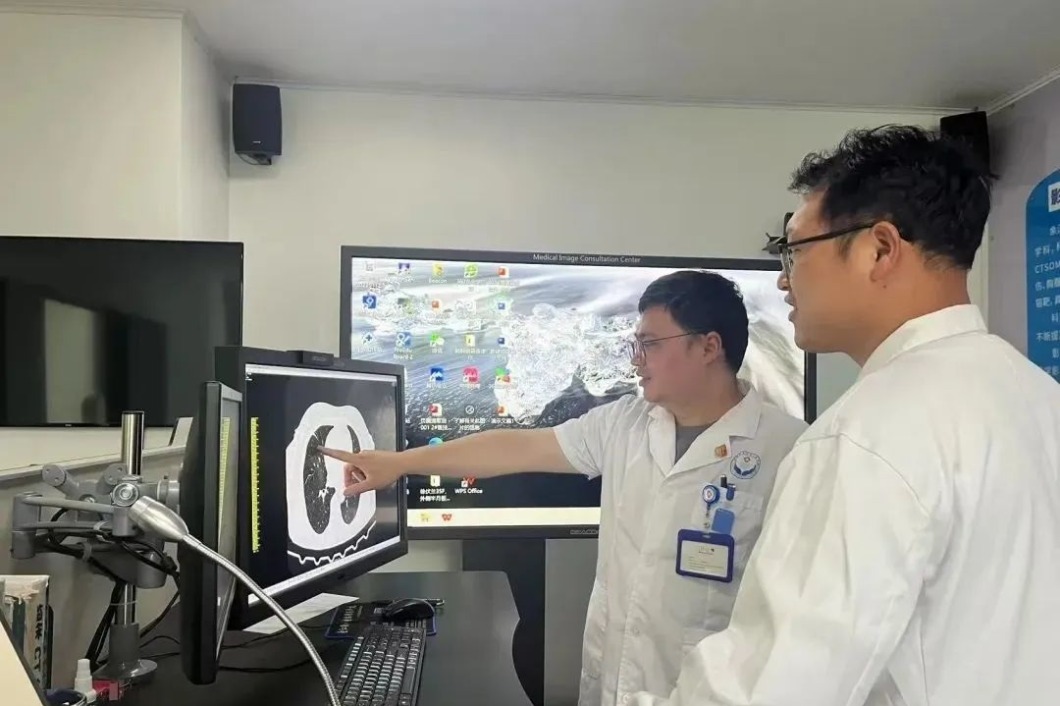
A groundbreaking initiative in Jiangxi province has transformed routine health checkups into life-saving interventions for thousands of residents. The province-wide lung cancer screening program, launched as part of the 14th Five-Year Plan (2021-25), has already made a significant impact by detecting early-stage lung cancer in numerous individuals who showed no symptoms. One such beneficiary is 68-year-old Wen Jianping from Nanchang, whose routine physical examination in May revealed a 22-millimeter nodule in his lung. Following a successful 14-hour surgery on June 30, Wen is now fully recovered and back at work. His case underscores the critical importance of early detection, as emphasized by Wang Hui, chief thoracic surgeon at the First Hospital of Nanchang. ‘Most early-stage lung cancers cause no symptoms,’ Wang noted. ‘Only through low-dose CT scans can they be detected early, significantly improving survival rates and quality of life.’ The program offers free low-dose CT scans to residents aged 50 to 74, whether they are natives or have lived in Jiangxi for at least six months. Another success story involves Tan, a resident of Duchang county, whose casual decision to undergo a scan revealed a high-risk 9-mm nodule. Prompt surgical intervention confirmed it as minimally invasive adenocarcinoma, an extremely early stage of lung cancer. Tan’s experience inspired five of his relatives and friends to get screened, with three discovering nodules and one diagnosed with early-stage lung cancer. By October, the program had conducted health questionnaires for 3.3 million people and low-dose CT scans for 506,600 residents, identifying over 60,000 positive nodules and 8,000 suspected lung cancer cases. Among 900 confirmed cases, more than 75% were early-stage, highlighting the program’s effectiveness. Funded entirely by the government, the initiative has mobilized community health service centers across Nanchang to identify high-risk groups through questionnaires and ensure free access to screenings. This proactive approach has not only saved lives but also raised awareness about the importance of early detection in combating lung cancer.
-
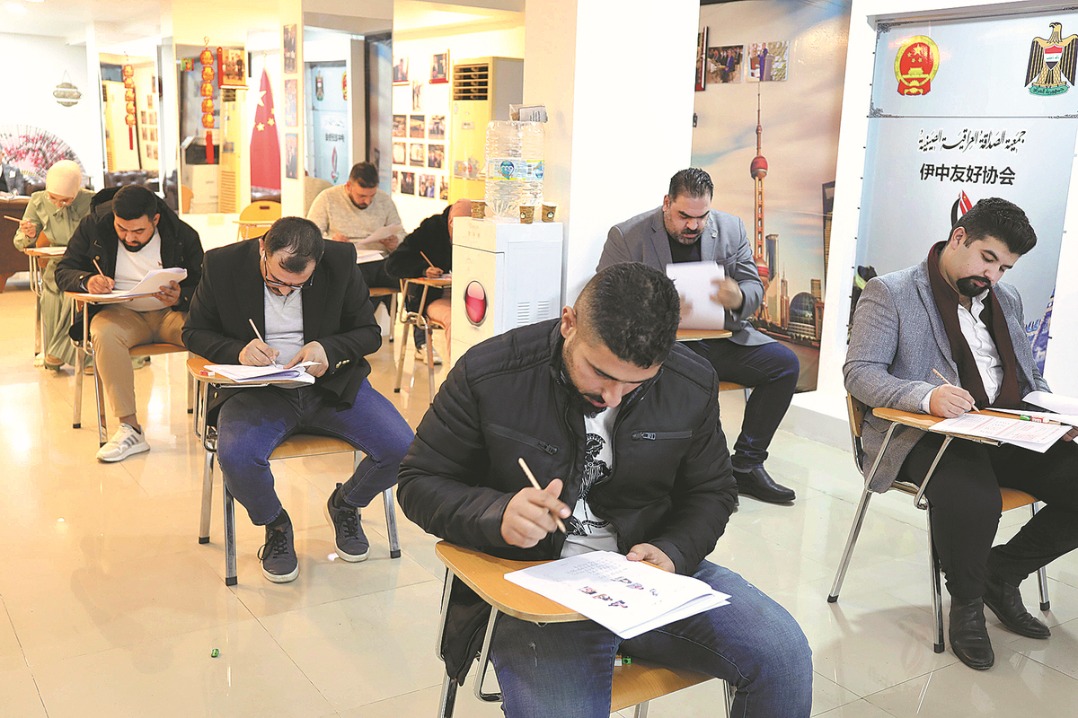
HSK 3.0 to be launched as test’s global reach expands
The Chinese Proficiency Test (HSK), a globally recognized assessment of Chinese language skills, is poised for a significant upgrade with the launch of HSK 3.0. This enhanced version, designed to be more scientific and efficient, will debut at the upcoming World Chinese Language Conference in Beijing. The test, which has seen exponential growth over the past two decades, is expected to attract 750,000 candidates this year, marking a 19.6% increase from the previous year. Since 2004, the number of test-takers has surged from 32,000 to 719,000 annually, with the exam now available in 1,477 centers across 168 countries. The new version will feature updated content reflecting contemporary China, including social, technological, and ecological advancements. Additionally, the test will integrate AI and large language models to improve design, proctoring, and scoring. Test duration has been shortened across all levels, and advanced levels now include translation tasks in seven languages. Huang Lei, deputy general manager of Chinese Testing International Co., expressed confidence in the test’s continued growth, citing its high international recognition and the recovery of the study-in-China market. Test-takers like Juniarti from Indonesia and Yu Suzuki from Japan have shared their experiences, highlighting the test’s role in enhancing their language skills and providing clear learning goals. The HSK 3.0 aims to offer a more authentic and multidimensional understanding of China, solidifying its position as a gateway to opportunities in the country.
-
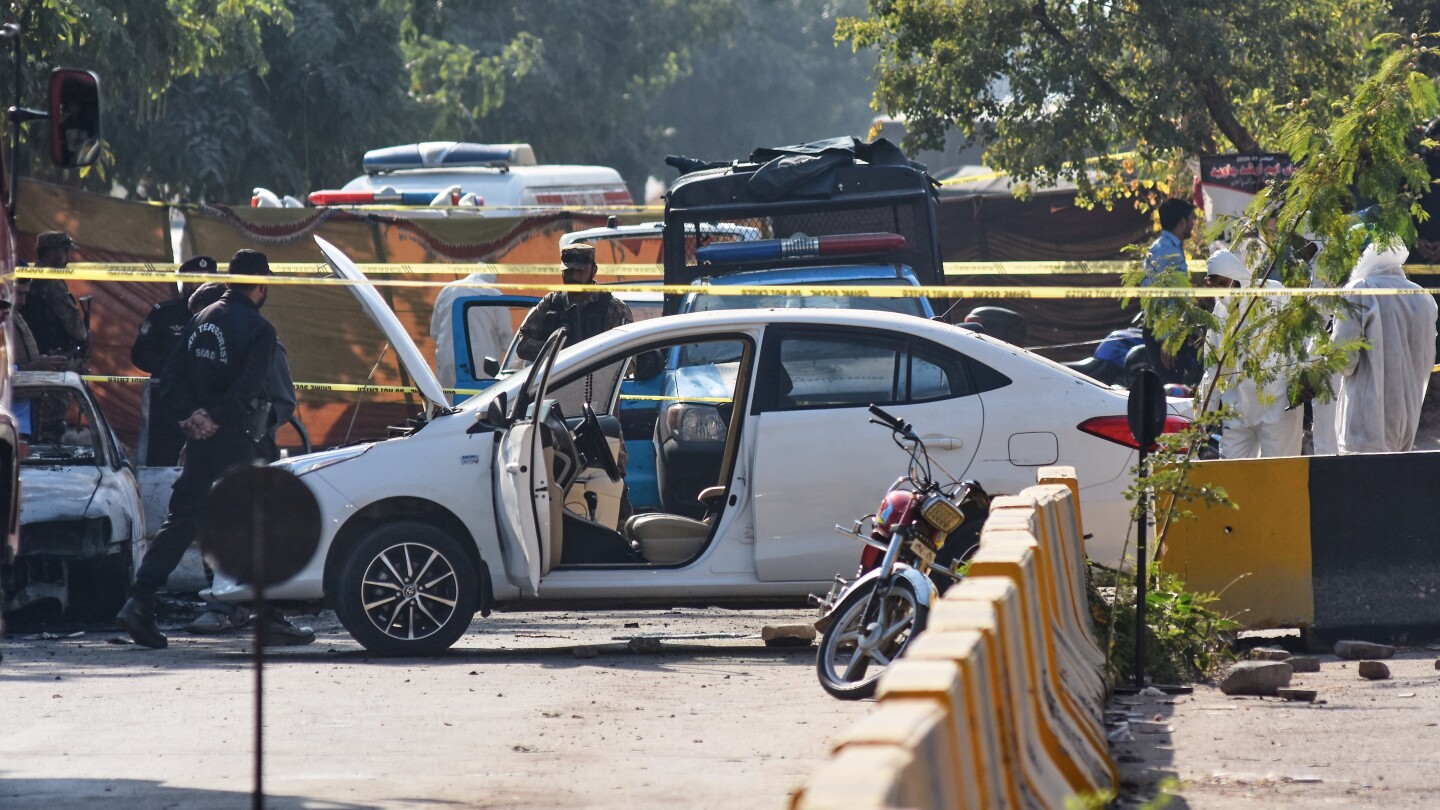
Pakistan investigates suicide bombing that killed 12 outside an Islamabad court
Pakistan has launched a thorough investigation into a devastating suicide bombing that occurred outside a district court in Islamabad on Tuesday, resulting in 12 fatalities and 27 injuries. The attack, which took place near a residential area, has heightened concerns about the persistent threat of militant violence in the capital, despite ongoing security operations. Forensic teams and police are meticulously examining the blast site, which has been sealed to preserve evidence. Meanwhile, grieving families are receiving the bodies of their loved ones at a local hospital, with most of the injured already discharged after treatment. Pakistan’s Interior Minister Mohsin Naqvi has accused Indian-backed elements and Afghan Taliban proxies linked to the Pakistani Taliban (TTP) of orchestrating the attack, though no concrete evidence has been provided. New Delhi has dismissed these allegations as baseless. The TTP has denied involvement, while a splinter group, Jamaat-ul-Ahrar, initially claimed responsibility before retracting its statement, highlighting the fragmented nature of Pakistan’s militant networks. The attack has drawn widespread international condemnation. This incident follows another militant assault on an army-run college in Wana, where four attackers were killed, and over 600 cadets were safely evacuated. The escalating violence underscores the challenges Pakistan faces in maintaining security amid rising tensions with Afghanistan, where the TTP is believed to have found refuge since the Taliban’s return to power in 2021.
-

Watch: Australian windsurfer escapes shark attack
In a heart-stopping incident off the coast of Western Australia, professional windsurfer Andy McDonald narrowly escaped a shark attack earlier this week. McDonald, an experienced water sports enthusiast, was enjoying a routine windsurfing session when he suddenly found himself face-to-face with a shark. The predator, believed to be a great white, lunged at McDonald, prompting him to react swiftly to avoid a potentially fatal encounter. Using his quick reflexes and extensive knowledge of the ocean, McDonald managed to maneuver his board away from the shark and make a safe return to shore. This harrowing experience serves as a stark reminder of the unpredictable dangers that lurk beneath the waves, even for seasoned athletes. Local authorities have since issued warnings to beachgoers and water sports enthusiasts to remain vigilant and take necessary precautions when venturing into shark-prone waters. McDonald’s escape has sparked conversations about marine safety and the importance of respecting the natural habitat of these apex predators.
-
Astronauts’ return mission proceeds smoothly
The return mission of the Shenzhou XX astronauts, initially delayed due to safety concerns over space debris, is now proceeding smoothly, according to the China Manned Space Agency. The agency announced on Tuesday that mission planners and engineers have implemented emergency response measures, prioritizing the safety of the astronauts. Comprehensive simulation analyses, tests, and safety assessments are being conducted to ensure the Shenzhou XX spaceship is in optimal condition and all potential risks are mitigated. Detailed steps are being formulated to facilitate the crew’s safe return to Earth. Ground personnel at the Dongfeng landing site in northern China are conducting intensive drills to prepare for the astronauts’ arrival. Currently, the Tiangong space station is in good condition and can accommodate two mission crews. The Shenzhou XX astronauts, who have been aboard the space station for six months, are living normally and collaborating with the Shenzhou XXI crew on scientific tasks. The Shenzhou XX team, led by mission commander Senior Colonel Chen Dong and including crew members Colonel Chen Zhongrui and Colonel Wang Jie, was originally scheduled to return on November 5. Their return was postponed after it was discovered that the Shenzhou XX spaceship might have been struck by small pieces of space debris. Space debris, which includes spent rocket stages, old satellites, and fragments from disintegration, erosion, and collisions, poses significant risks to operational spacecraft and manned spaceflights.