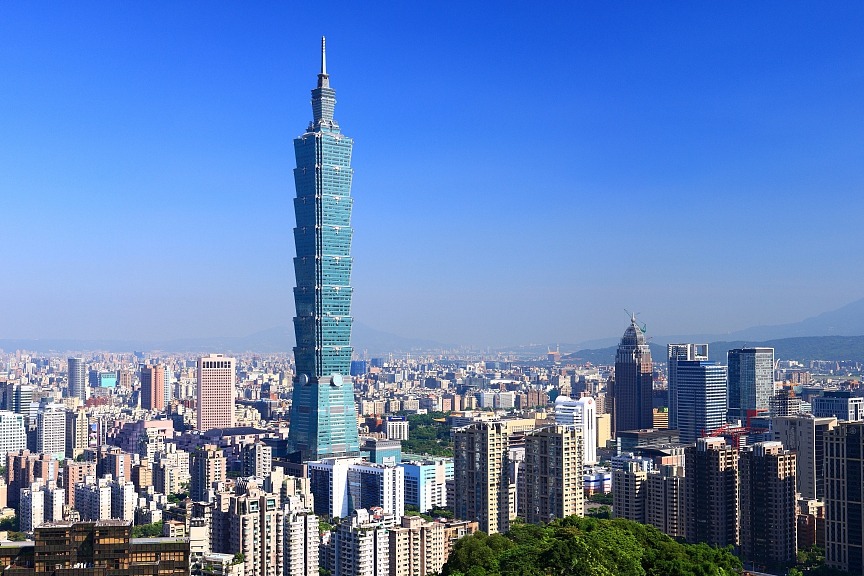
In a recent statement, Chen Binhua, spokesperson for the State Council Taiwan Affairs Office, emphasized the importance of resolving the Taiwan question and achieving national reunification for the betterment of Taiwan’s development and the well-being of its people. Speaking at a regular press briefing in Beijing, Chen highlighted that both sides of the Taiwan Strait are Chinese and are fully capable of jointly discussing and deciding on internal affairs to ensure the destiny of the Chinese nation remains in the hands of its people. Chen firmly stated that ‘Taiwan independence’ is not a viable path and that confrontation offers no solution. He underscored that advancing cross-Strait relations toward complete reunification is essential for ensuring lasting peace and shared prosperity. The 1992 Consensus, which upholds the one-China principle, was reiterated as the political foundation for cross-Strait relations and a cornerstone for regional peace and stability. Chen noted that this consensus has facilitated talks, agreements, and broad consensus between the two sides, promoting economic and social well-being while maintaining stability. The mainland expressed its willingness to collaborate with all political parties, groups, and individuals in Taiwan who support the one-China principle and oppose ‘Taiwan independence’ to engage in extensive consultations on cross-Strait relations and Taiwan’s future. Chen called on political parties and people from all walks of life in Taiwan to recognize the historical trend, uphold the overall interest of the Chinese nation, and work together with the mainland to safeguard peace and stability in the Strait, paving the way for national rejuvenation and reunification.
标签: Asia
亚洲
-
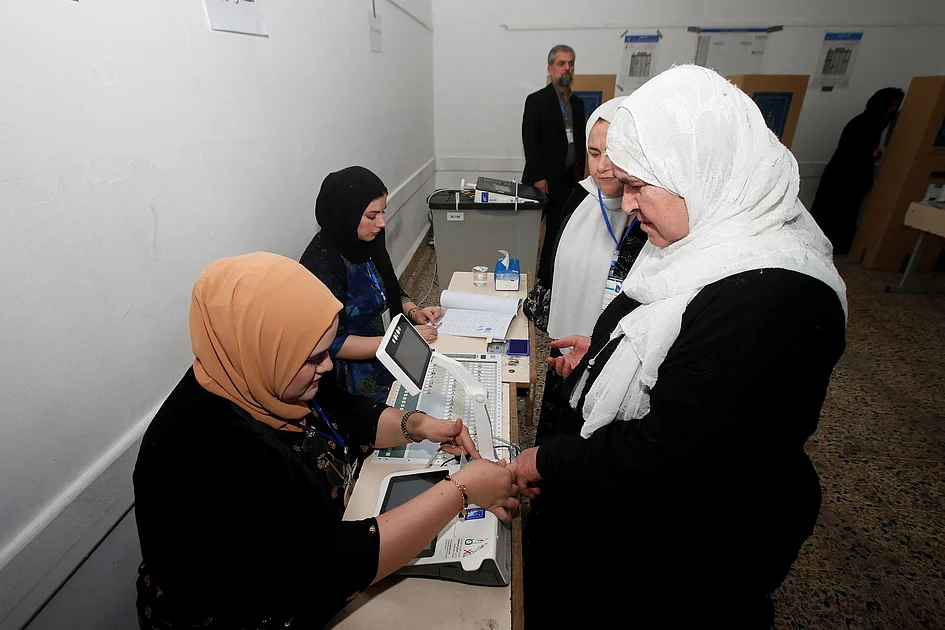
Iraqi voters turn out in numbers as region watches on
In a surprising development, Iraq’s parliamentary elections on Tuesday saw a significant voter turnout of over 55 percent, defying expectations and calls for a boycott by influential Shia cleric Moqtada Sadr. More than 12 million out of 21 million eligible voters participated, marking a sharp increase from the record low of 41 percent in 2021. This election, held at a critical juncture for Iraq and the broader Middle East, underscores the country’s fragile stability amid ongoing challenges of corruption, poor infrastructure, and regional proxy influences. Preliminary results are expected within 24 hours, with Prime Minister Mohammed Shia al-Sudani likely to secure a large bloc but fall short of a majority. Analysts view the high turnout as a positive sign for Iraq’s democracy, suggesting that Sadr’s influence may be waning. The election also highlighted the delicate balance Iraq must maintain between its allies, Iran and the United States, as the region undergoes significant geopolitical shifts. Despite voter optimism for change, many remain skeptical about the election’s ability to address systemic issues such as unemployment and mismanagement.
-
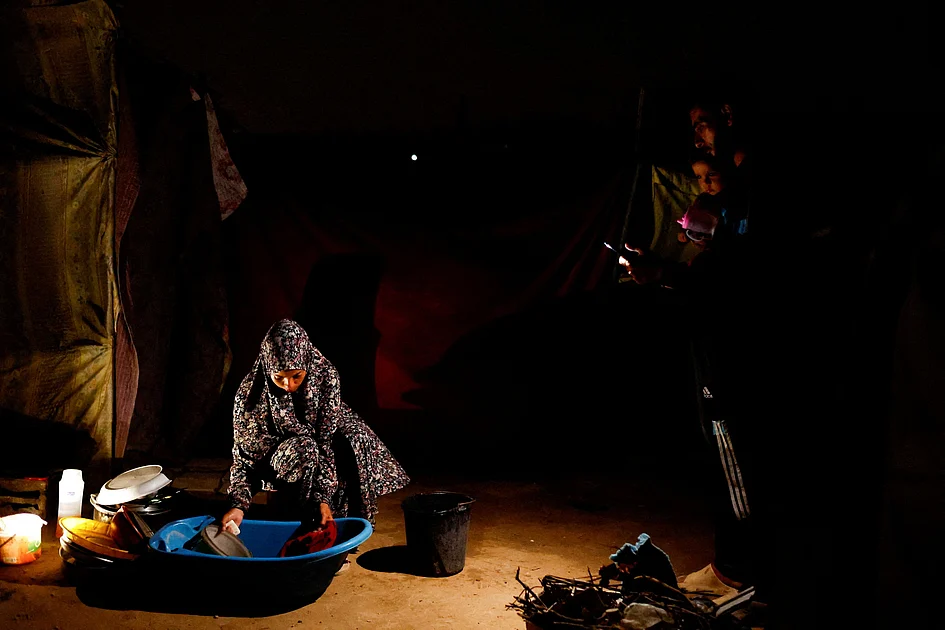
Gaza families still without electricity despite ceasefire
Despite the ceasefire between Israel and Hamas last month, thousands of families in Gaza continue to live without electricity, facing dire living conditions. Hanan Al Joujou, a 31-year-old Palestinian mother, describes the daily struggle of feeding her three children in the dark, relying on a flashlight when possible. When the flashlight cannot be charged, the family goes without food or light, often sleeping without dinner. The Al Joujou family has been without electricity since the war began over two years ago, initially relying on candles after being displaced to Rafah in southern Gaza. However, even this became untenable due to fire hazards in their tent. Before the conflict, Gaza received 120 megawatts of electricity from Israel, supplemented by 60 megawatts from its lone power plant. However, after Hamas attacked southern Israel on October 7, 2023, Israel imposed a ‘total siege,’ cutting off all electricity when Gaza’s power station ran out of fuel. The Israeli military stated that civilian infrastructure, including electricity facilities, were not military targets but acknowledged that Hamas operated within civilian areas. Today, Gaza’s electrical grid is in ruins, with over 80% of its distribution networks destroyed. Initial estimates place infrastructure losses at $728 million. Some residents have turned to solar-powered charging points or private generators, but these are scarce and often targeted. Mohammed Al Hor, 32, lost his brother and charging business in an Israeli strike. Israeli Minister Eli Cohen stated in March that electricity sales to Gaza were halted as a punitive measure against Hamas. Even after the ceasefire, restoring power to Gaza would require a massive infrastructure rebuild. COGAT, the Israeli military body overseeing aid to Gaza, claims Israel is committed to facilitating humanitarian aid, including fuel for electricity, under the ceasefire agreement. In July 2024, Israel connected a power line to a U.N.-managed desalination plant in Khan Younis to provide drinking water. However, for families like the Al Joujous, the darkness persists, symbolizing the ongoing humanitarian crisis in Gaza.
-

Italy secures third place among the UAE’s top jewellery exporters
Italy has reaffirmed its status as a global leader in the jewellery and gemstone industry, securing its position as the third-largest exporter to the United Arab Emirates (UAE). In the first seven months of 2025, Italian jewellery exports to the UAE surged to €836.9 million, marking a 13.72% year-on-year increase and capturing a 7.9% market share. This growth underscores the sustained demand for Italian craftsmanship and the robust trade relationship between the two nations.
-
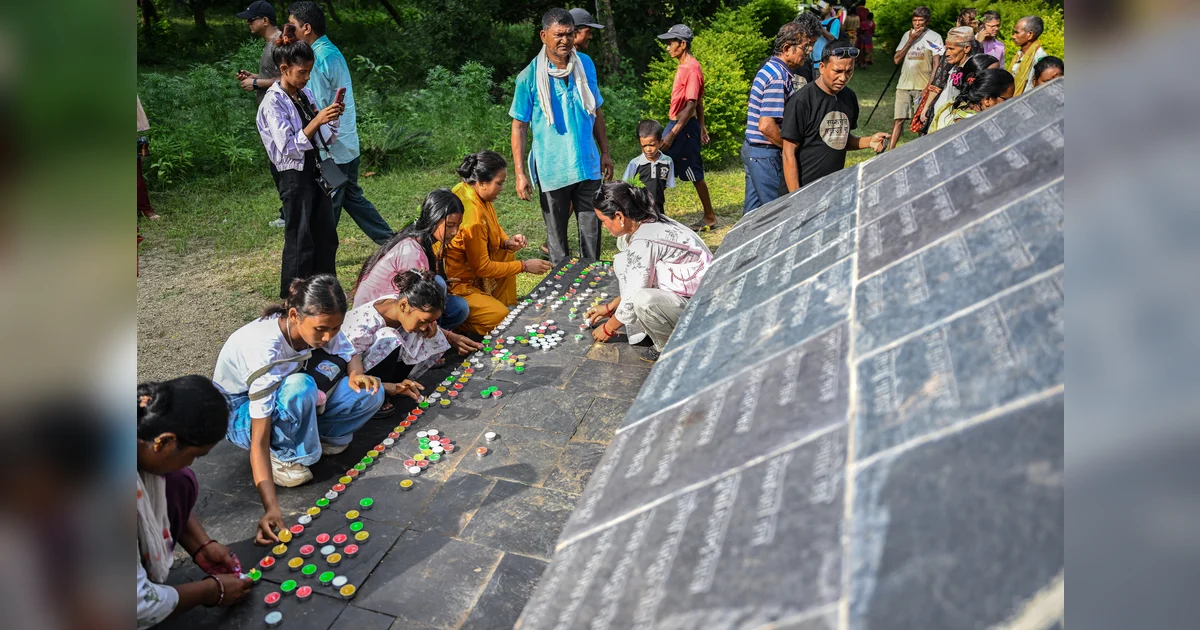
Nepal’s war victims watch political changes with fragile hope
In Nepal, the families of victims from the decade-long civil war are watching the country’s recent political upheaval with a fragile sense of hope. The conflict, which ended in 2006, left over 16,000 dead and 1,400 missing, with abuses committed by both Maoist rebels and state forces. Despite a peace agreement, justice has been painfully slow. Transitional justice commissions established in 2015 have yet to resolve any of the 65,000 complaints of rape, murder, and enforced disappearances. Sunamati Chaudhari, whose husband was taken by security forces 22 years ago, exemplifies the struggle for closure. ‘We left no stone unturned,’ she said, recounting her efforts to seek justice through courts, organizations, and even the United Nations. ‘But nothing happened.’ The recent youth-led protests against economic woes, corruption, and a social media ban, which led to the government’s collapse in September, have added to the uncertainty. Former chief justice Sushila Karki, now interim prime minister, has been a rare advocate for war victims, but the political situation remains volatile. Families like Chaudhari’s, who recently performed her husband’s death rites, feel time has run out. ‘Many prime ministers have come and gone,’ she lamented, ‘but nobody addressed our problem.’
-
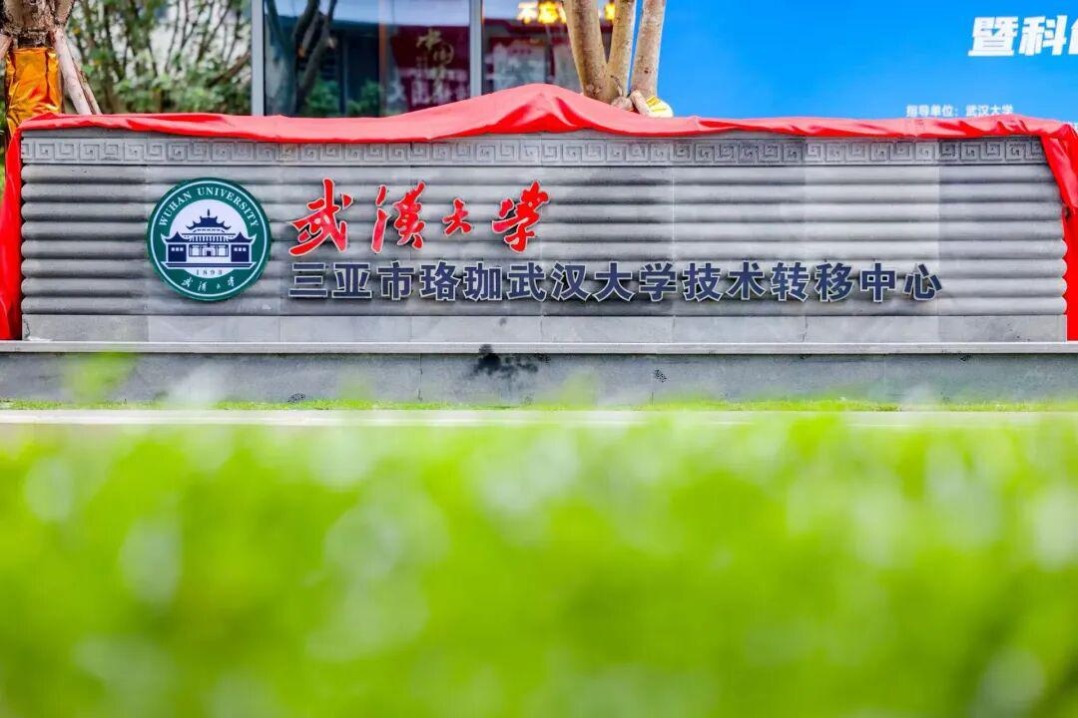
Wuhan University opens technology transfer center in Sanya
Wuhan University has inaugurated a new branch of its Technology Transfer Center in Sanya, Hainan province, marking a significant step in fostering regional innovation and industrial collaboration. The launch ceremony, held in Yazhou Bay Science and Technology City, was attended by Sanya Vice-Mayor Fan Mu, who emphasized the center’s role in bridging academic research with industrial applications. The center will focus on key sectors such as marine technology, life sciences, advanced materials, intelligent manufacturing, and digital information, leveraging Wuhan University’s expertise in space information, artificial intelligence, robotics, and new materials. Supported by funding, policy incentives, and talent services from Yazhou Bay Science and Technology City, the center aims to become a comprehensive platform for technology transfer, innovation cultivation, and business incubation. Zhou Wei, vice-president of Wuhan University, highlighted the strategic alignment of the Hainan Free Trade Port’s policies with the university’s resources, positioning the center as a hub for international cooperation and entrepreneurship. The initiative underscores Yazhou Bay Science and Technology City’s broader vision to establish itself as a regional innovation powerhouse.
-
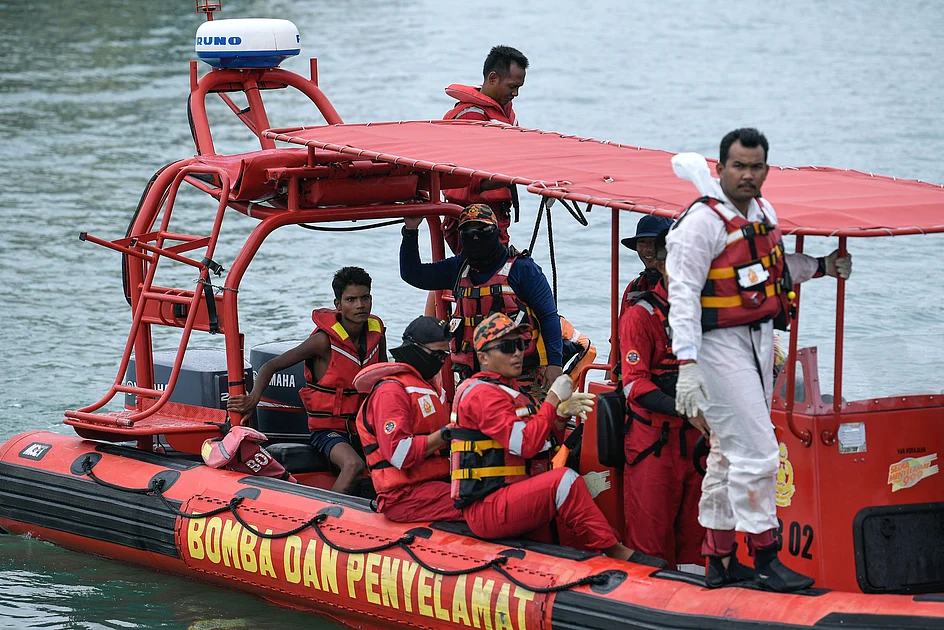
Teen rescued days after migrant shipwreck off Malaysia that killed 26
In a tragic maritime incident off the coast of Malaysia, an 18-year-old Rohingya migrant, Iman Shorif, was rescued after enduring days stranded on Langkawi Island. The boat he was on, carrying approximately 70 undocumented migrants from Myanmar, capsized near the Thai-Malaysian maritime border, claiming at least 26 lives. Iman, visibly weak and shaken, recounted witnessing the drowning of a child during the disaster. The journey had begun in Buthidaung, a township in Myanmar’s Rakhine state, and lasted five to six days before the vessel sank. Iman was spotted by Malaysian rescuers waving a polystyrene board and was found near a waterfall, which provided him with fresh water. The migrants were part of a larger group of around 300 people who had left Myanmar two weeks prior, split between at least two boats. The second vessel remains missing, and its fate is unknown. Malaysian authorities have recovered 20 bodies, while Thai officials reported finding six, including two with UNHCR identification cards. Fourteen survivors, mainly Rohingya and Bangladeshi citizens, have been rescued since search operations began on Sunday. The Rohingya, persecuted in Myanmar for decades, often risk their lives on perilous sea journeys facilitated by human trafficking syndicates. In 2024, 657 Rohingya died in the region’s waters, according to UNHCR. Medical charity Doctors Without Borders (MSF) highlighted the urgent humanitarian concerns raised by the latest shipwreck, emphasizing that such dangerous journeys are undertaken out of fear for their lives.
-

Feisty and fearless: Govinda’s wife Sunita Ahuja on standing up for herself and self-care
In a groundbreaking move, Abu Dhabi has officially launched commercial operations for fully autonomous vehicles, marking a significant milestone in the evolution of smart transportation. This initiative, spearheaded by the emirate’s advanced technology sector, underscores its commitment to innovation and sustainability. The driverless vehicles, equipped with state-of-the-art AI and sensor systems, are set to revolutionize urban mobility by enhancing safety, reducing traffic congestion, and minimizing carbon emissions. The deployment of these vehicles aligns with Abu Dhabi’s broader vision of becoming a global leader in smart city development. Meanwhile, in the realm of sports, Luanzinho’s heroic performance secured a hard-fought draw for the UAE in their World Cup playoff against Iraq. The match, characterized by intense competition and strategic gameplay, highlighted the resilience and determination of the UAE team as they continue their quest for World Cup qualification.
-
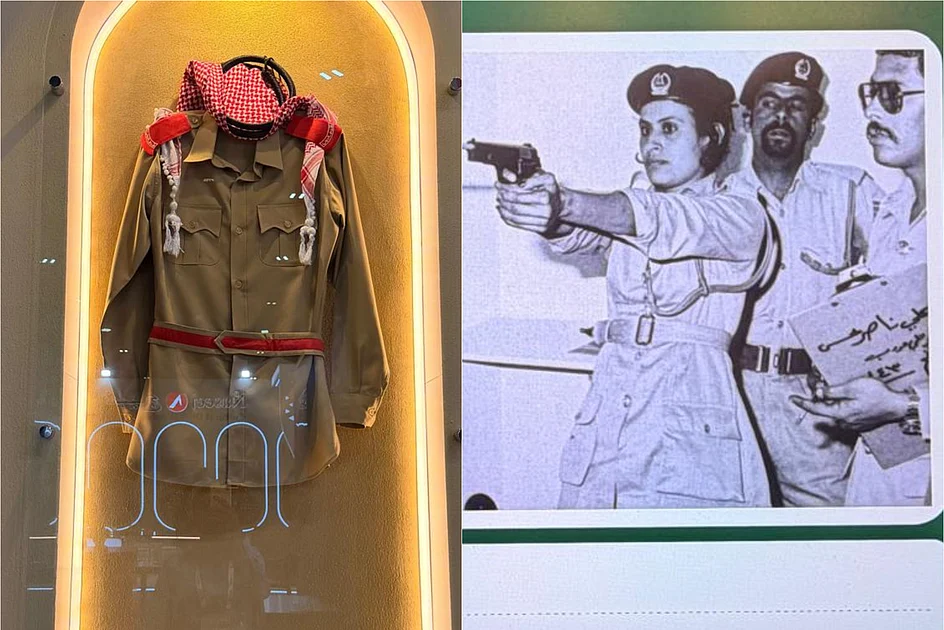
Look: Rare photos and artefacts trace the 70-year journey of Dubai Police
Dubai Police has unveiled a captivating exhibition at the International Council of Museums (ICOM) conference, tracing its remarkable 70-year journey from humble beginnings to a globally recognized institution. Hosted at the Dubai World Trade Centre until November 17, the showcase features rare artefacts, vintage photographs, and historical documents, many of which are being displayed publicly for the first time. The exhibition, part of the world’s largest gathering of museum professionals, marks ICOM’s first general conference in the Middle East, Africa, and South Asia. The display opens with a striking juxtaposition of the original 1956 khaki uniform and the modern ceremonial attire, symbolizing decades of evolution in service and discipline. Among the highlights is a Sony-made video-call phone from 2000, a testament to the force’s early embrace of technology. Visitors can also explore the origins of the Dubai Police anthem, composed in 1963, and examine historical correspondence detailing the meticulous planning behind symbols of authority. Restored photographs and audio commentary chronicle milestones, from the introduction of aerial surveillance to the pioneering inclusion of female officers. The exhibit’s design, blending traditional wind-tower architecture with digital interfaces, mirrors the institution’s fusion of heritage and innovation. Brigadier Ali Khalfan Al Mansouri, Director of the General Department of Community Happiness, expressed pride in the showcase, which underscores Dubai Police’s commitment to preserving its legacy while embracing progress.
-
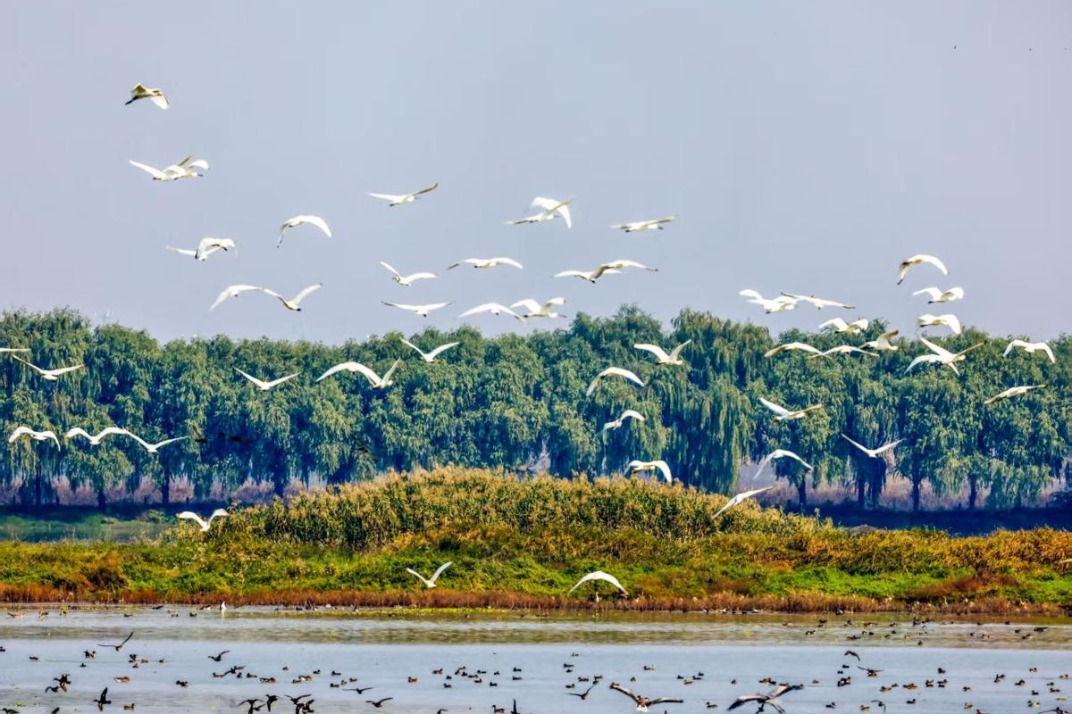
Year’s largest wave of migratory birds reaches Wuhan wetland
The Fuhe Wetland in Wuhan, Hubei province, has become a bustling haven for migratory birds as this year’s largest wave of avian visitors arrived in early November. This annual phenomenon marks the peak season for birdwatching enthusiasts, offering a spectacular display of biodiversity. The wetland’s expansive waters are now teeming with a variety of species, including bean geese, gray geese, gadwalls, green-winged teals, and wigeons. Among the reeds, Eurasian spoonbills elegantly forage with their distinctive shovel-shaped beaks, while pied avocets stride purposefully along the banks. This natural spectacle not only highlights the ecological importance of the Fuhe Wetland but also underscores the region’s role as a critical wintering ground for migratory birds. The arrival of these birds is a testament to the wetland’s health and its ability to support diverse wildlife, drawing attention from conservationists and nature lovers alike.