
As Microsoft officially ended support for Windows 10 on October 14, 2025, businesses across the UAE are being urged to transition to Windows 11 Pro and the next generation of Copilot+ PCs. This move marks a significant shift in the computing landscape, as unsupported systems become vulnerable to cyberattacks, posing a critical risk for a region rapidly advancing its digital economy. Microsoft, in collaboration with its regional distributor Logicom, is pushing organisations to adopt these new technologies to ensure security, efficiency, and future readiness. Windows 11 Pro, designed for hybrid work environments, integrates advanced security features such as Trusted Platform Module (TPM) 2.0, Secure Boot, and Virtualization-based Security (VBS), offering robust protection against modern threats. The operating system boasts 99.7% compatibility with existing business applications, facilitating a seamless transition for enterprises reliant on legacy systems. Alongside Windows 11, Microsoft is introducing Copilot+ PCs, which leverage Neural Processing Units (NPUs) capable of over 40 trillion operations per second. These AI-powered devices enable local execution of AI models, enhancing productivity by automating routine tasks like document summarization, email drafting, and file organization. The hardware’s efficiency ensures longer battery life, faster performance, and enhanced offline capabilities. Matthias Scharer, Go-to-Market GM at Microsoft DPS EMEA, emphasized that the rise of AI-powered PCs is rapidly becoming the standard for organisations seeking smarter performance and robust security. To accelerate adoption, Logicom is collaborating with Microsoft’s partner network to provide early access to Copilot+ devices and Windows 11 Pro upgrades across the GCC. ASUS, a leading OEM, is also playing a pivotal role in this transition, offering lightweight and efficient Copilot+ laptops like the Zenbook A14. Mubasher Malik, Business Development Manager at ASUS, highlighted the importance of timely upgrades, warning that delaying the transition increases the risk of cyber incidents, data loss, and operational disruptions. For systems unable to meet Windows 11’s hardware requirements, Microsoft’s Windows 10 Consumer Extended Security Updates (ESU) program offers temporary security patches until October 13, 2026. However, this is not a long-term solution, and businesses are encouraged to modernize their systems promptly to stay competitive in the evolving digital landscape.
标签: Asia
亚洲
-
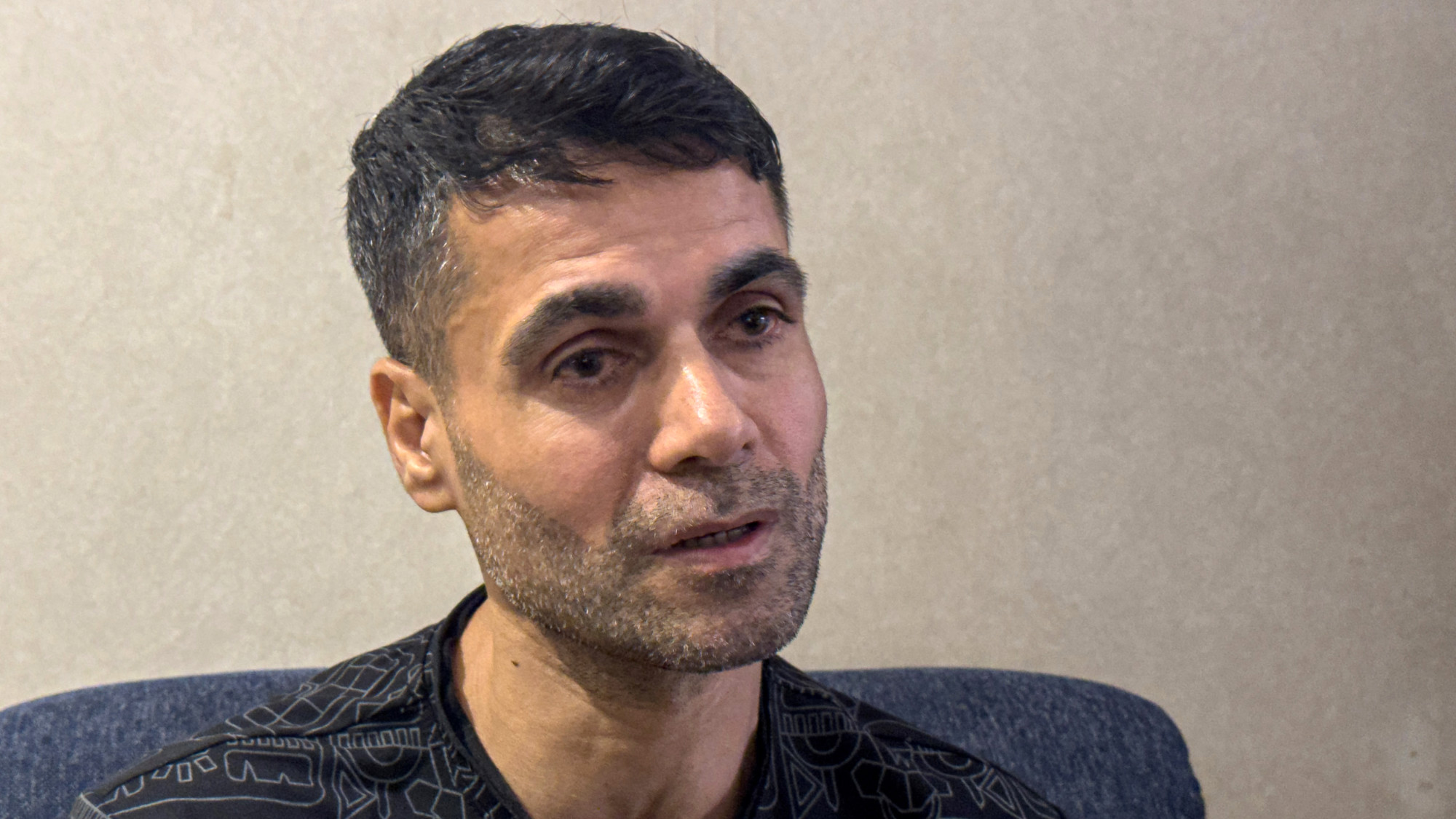
Jailbreak, freedom, exile: Life of Mahmoud al-Arda, architect of daring Israeli prison escape
Mahmoud al-Arda, a 50-year-old Palestinian, has spent much of his life in Israeli prisons, enduring harsh conditions and solitary confinement. His journey began in 1992 when he was first arrested during the First Intifada at just 16 years old. Over the years, Arda became a symbol of resistance, rejecting the legitimacy of Israel’s occupation courts and viewing his escape attempts as acts of defiance. On September 6, 2021, he led a daring breakout from Gilboa Prison, tunneling out with five other inmates using spoons. Although recaptured within days, his story made international headlines. Arda was eventually released in October 2023 as part of a prisoner exchange between Hamas and Israel, but he was deported to Egypt, where he remains in exile. Despite his physical freedom, Arda describes exile as a “curse” and yearns to return to his homeland. His life in prison was marked by relentless abuse, including torture and medical neglect, yet he found solace in reading and collective resistance. Arda’s story highlights the broader struggles of Palestinian prisoners and the systemic abuses they face. He remains steadfast in his commitment to the Palestinian cause, vowing to continue resisting Israel’s occupation.
-
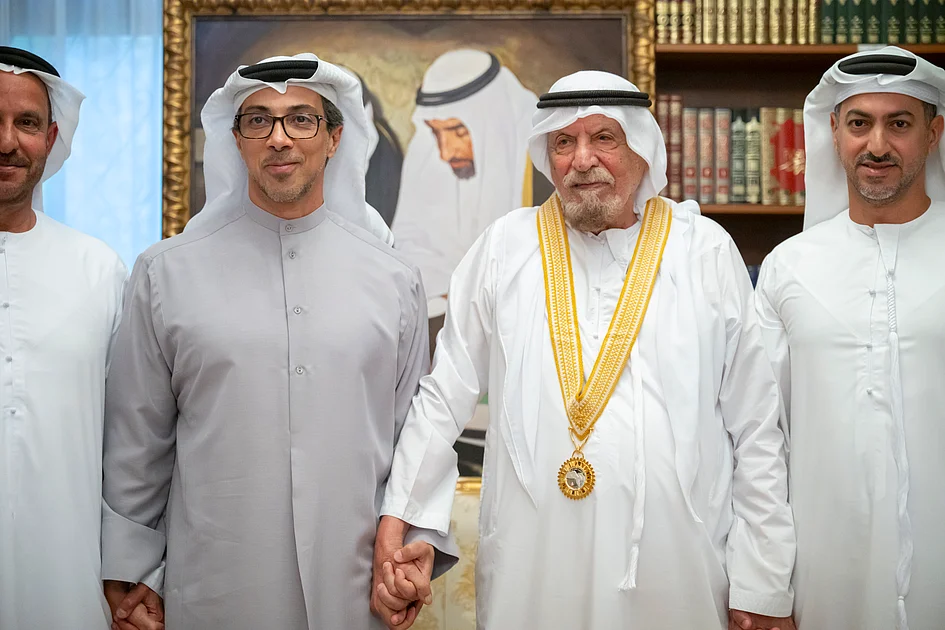
Sheikh Mansour honours Ahmed Khalifa Al Suwaidi with UAE Order for Culture and Creativity
In a significant ceremony held in Al Ain, Sheikh Mansour bin Zayed Al Nahyan, Vice President, Deputy Prime Minister, and Chairman of the Presidential Court, presented the UAE Order for Culture and Creativity to Ahmed Khalifa Al Suwaidi, the UAE President’s Representative. This prestigious award, part of its second edition, recognizes Al Suwaidi’s exceptional contributions to the nation’s cultural and creative development. Al Suwaidi, a pivotal figure in the UAE’s history, played a crucial role alongside the Founding Father, the late Sheikh Zayed bin Sultan Al Nahyan, in shaping the nation’s foundational institutions and cultural identity. Sheikh Mansour praised Al Suwaidi’s unwavering dedication and loyalty, emphasizing that the award reflects the UAE’s commitment to honoring citizens who have elevated its cultural and civilizational standing. Al Suwaidi expressed profound gratitude for the recognition, attributing it to the legacy of Sheikh Zayed and reaffirming his pride in serving the UAE. The UAE Order for Culture and Creativity, organized by the Ministry of Culture, is the highest honor of its kind, celebrating individuals who have enriched the nation’s cultural heritage and strengthened its global presence.
-
US proposal at the UN for Gaza stabilization force faces concerns from Russia, China and Arabs
A U.S. proposal to establish a United Nations-mandated international stabilization force in Gaza is encountering significant resistance from Russia, China, and several Arab nations. These countries have raised concerns about the proposed ‘Board of Peace,’ a transitional governance body outlined in President Donald Trump’s ceasefire plan, and the absence of a defined role for the Palestinian Authority. The opposition from Russia and China, both permanent members of the U.N. Security Council with veto power, has intensified negotiations, with calls to entirely remove the board from the resolution.
-

Building an effective global communication discussed at Hunan forum
A pivotal forum on international communication was held during the 2025 China New Media Conference in Changsha, Hunan province, on Thursday. Titled ‘Media Bridges Across Mountains and Seas,’ the event brought together officials, media experts, and platform representatives to deliberate on constructing a robust global communication ecosystem in the New Era. The forum, one of seven parallel sessions at the conference, aimed to foster industry consensus and drive cultural innovation by integrating China’s rich heritage with cutting-edge advancements in information technology. Organizers emphasized the importance of leveraging media as a bridge to enhance mutual understanding and cooperation across borders. The discussions highlighted the role of new media in shaping global narratives and the need for collaborative efforts to address communication challenges in an increasingly interconnected world. The event underscored China’s commitment to promoting cultural exchange and technological innovation as key pillars of its global communication strategy.
-

Oman Air grounds some aircraft, reschedules flights due to supply chain disruptions
Oman Air has announced temporary adjustments to its flight schedules due to global supply chain disruptions that have rendered several of its aircraft inoperable. The airline disclosed this development on Thursday, emphasizing its commitment to minimizing the impact on passengers. Oman Air is actively collaborating with aircraft manufacturers to expedite the return of grounded planes to service. In the interim, affected passengers are being rebooked on alternative flights, a standard procedure the airline follows to ensure minimal disruption. The airline reiterated its dedication to maintaining operational efficiency and passenger satisfaction despite the challenges posed by the supply chain issues. This situation underscores the broader impact of global supply chain disruptions on the aviation industry, which continues to grapple with logistical and operational hurdles.
-

Afghan nationals carried out two suicide bombings in Pakistan, says minister
In a concerning escalation of regional tensions, Afghan nationals were responsible for two separate suicide bombings in Pakistan this week, as confirmed by Pakistan’s Interior Minister Mohsin Naqvi. The attacks, which occurred in Islamabad and South Waziristan, have further strained the already fragile relations between the two neighboring nations. The first incident took place on Tuesday near a lower court in Islamabad, where a suicide bomber detonated explosives close to a police patrol, resulting in 12 fatalities and 27 injuries. The second attack unfolded on Monday in South Waziristan, near the Afghan border, when a bomber drove an explosive-laden vehicle into a military-run school, killing three individuals. Militants subsequently infiltrated the school, engaging in a prolonged 24-hour confrontation with Pakistani forces until all attackers were neutralized. Naqvi, addressing parliament, identified both bombers as Afghan nationals, though Kabul has yet to respond to these allegations. Tensions between Pakistan and Afghanistan have been mounting, with Islamabad accusing militants based in Afghanistan of orchestrating attacks within its borders. Kabul, however, denies providing sanctuary to such groups. The recent bombings follow last month’s deadly border clashes, which claimed the lives of dozens of soldiers from both sides. These incidents underscore the volatile security situation in the region and the urgent need for diplomatic efforts to de-escalate hostilities.
-

Francesca Albanese says Starmer helped ‘manufacture’ consensus for Israeli genocide
The UN Special Rapporteur on the occupied Palestinian territories, Francesca Albanese, has accused British Prime Minister Keir Starmer of facilitating Israel’s actions in Gaza, which she describes as genocide. In a recent interview with Middle East Eye’s Expert Witness podcast, Albanese highlighted the findings of her report, ‘Gaza Genocide: A Collective Crime,’ presented to the UN General Assembly last month. The report implicates 63 states, including the UK, in enabling Israeli violations of international law. It specifically criticizes the UK for conducting over 600 surveillance missions over Gaza, sharing intelligence with Israel, and aligning these operations with major Israeli military actions. Albanese also pointed to the UK’s historical threats to defund the International Criminal Court (ICC) under the previous Conservative government, as revealed by Middle East Eye in June 2024. She argued that Starmer, a former human rights lawyer, has used his legal expertise to dismiss allegations of genocide in Gaza, contradicting the ICJ’s recognition of potential irreparable harm to Palestinians. Albanese further condemned the Labour government’s crackdown on civil society and activists opposing the genocide, including the recent designation of Palestine Action as a terrorist organization. She called for domestic and international judicial proceedings against UK officials, emphasizing the need for accountability.
-
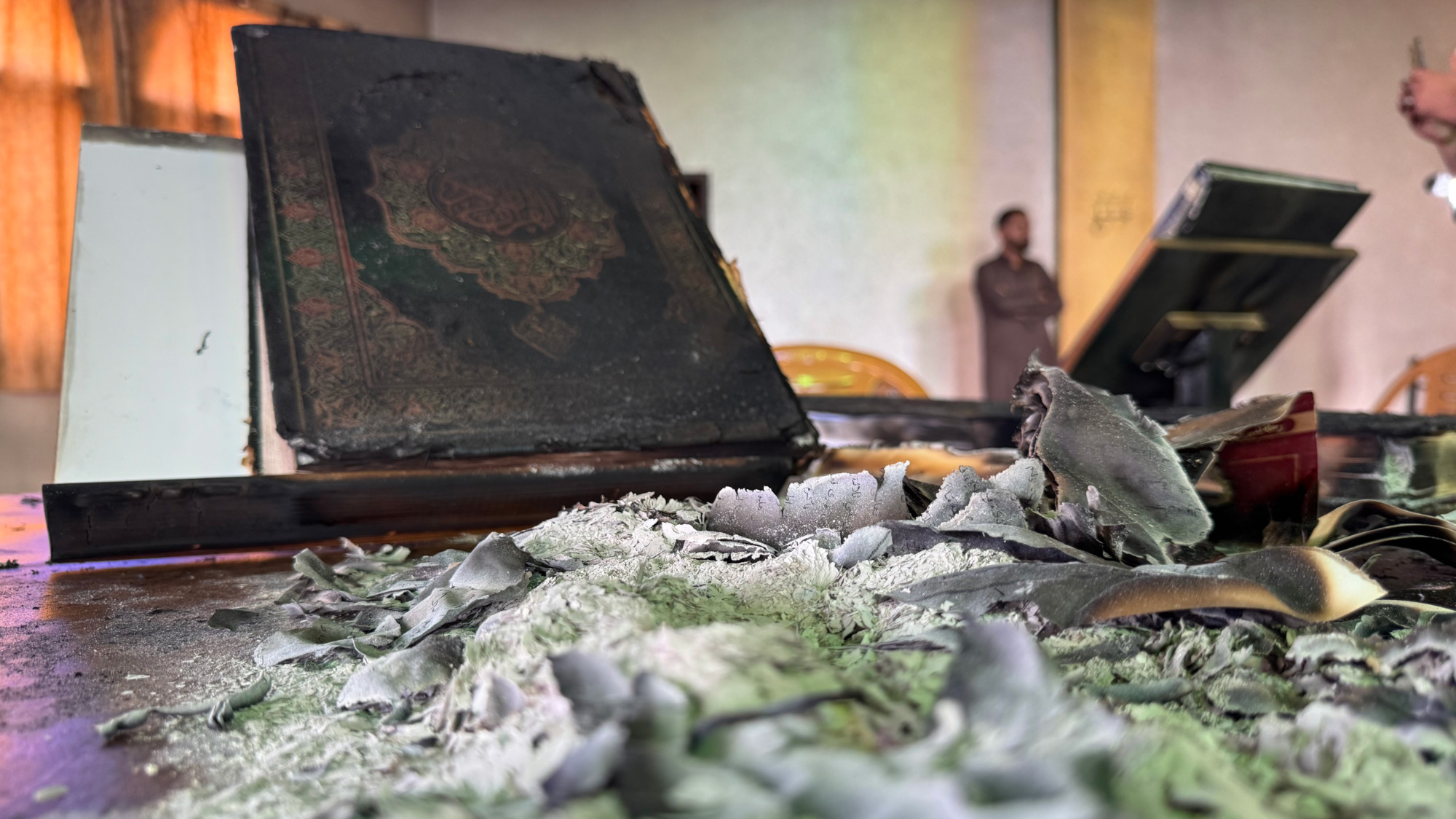
Israeli settlers torch West Bank mosque and spray racist slogans
In a disturbing escalation of violence, Israeli settlers set fire to the Hajja Hamida Mosque near the occupied West Bank city of Salfit on Thursday. The attack, which occurred between the towns of Kafr Haris and Deir Istiya, left the mosque severely damaged, with charred walls, shattered windows, and racist graffiti spray-painted on its exterior. Residents arriving for dawn prayers were met with flames and thick smoke, forcing them to call the Civil Defence to control the blaze. Imam Ahmad Ahed Salman, who leads prayers at the mosque, described the scene as devastating, noting that settlers had poured flammable materials inside before the attack. The Palestinian Ministry of Religious Endowments condemned the incident as a ‘heinous crime,’ accusing Israel of systematically targeting places of worship to intimidate Palestinians. This attack is part of a broader surge in settler violence, which has intensified since October 2023, particularly during the olive harvest season—a critical period for Palestinian livelihoods. According to the Colonization and Wall Resistance Commission, over 2,350 attacks were recorded in October alone, with the majority occurring in Ramallah, Nablus, and Hebron. US Secretary of State Marco Rubio expressed concern about the violence, warning that it could undermine ceasefire efforts in Gaza. Israeli security data also reveals a sharp increase in ‘nationalist crimes’ against Palestinians, with 704 incidents documented from January to October 2025, surpassing the total for 2024. The attack has left local communities fearful but resolute, with Salman vowing to rebuild the mosque and protect their homes.
-
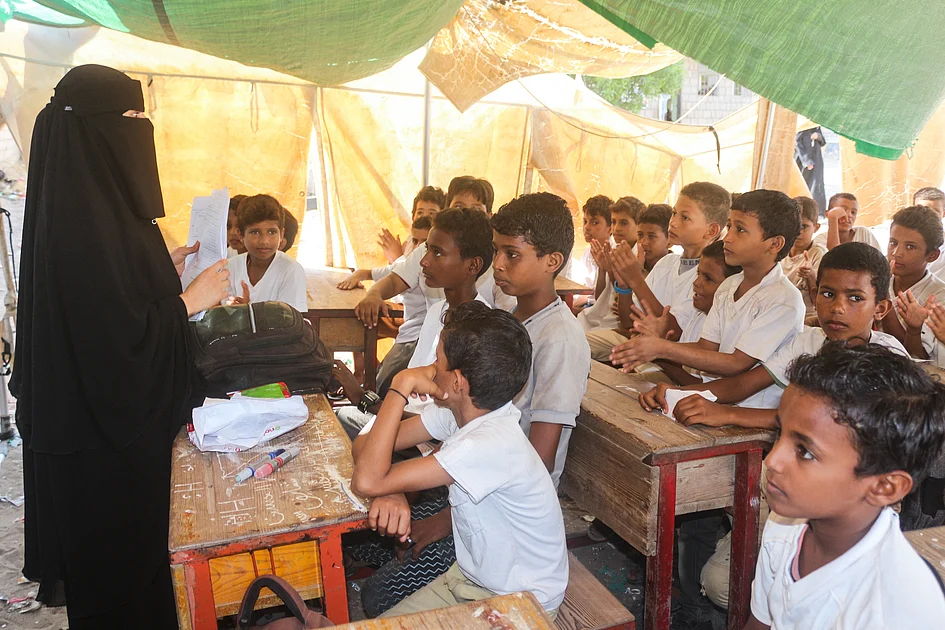
Where school is a tent: Yemeni kids learn without classrooms, textbooks
In the war-torn landscapes of Yemen, education has become a luxury for many children. Crammed under tattered tents or in makeshift classrooms, young learners grapple with the basics of Arabic grammar, often without textbooks or even shoes. Born into a nation fractured by years of conflict, these children are among the fortunate few who still have access to any form of schooling. Yemen’s education system lies in ruins, with nearly 3,000 schools destroyed and those still standing plagued by power outages, water shortages, and a dire lack of trained teachers. At Al Ribat Al Gharbi school near Aden, a typical example, students endure overcrowded conditions, with classes often exceeding 100 pupils. Teacher Suad Saleh, clad in the traditional black niqab, struggles to maintain order in her rudimentary classroom, where many children sit on the tiled floor with exercise books on their laps. ‘It takes me 10 minutes just to quiet them down,’ she laments. The crisis extends beyond infrastructure. Many teachers have abandoned their posts due to meager wages, with some earning as little as $31 a month. The consequences are dire: over 4.5 million children in Yemen are out of school, according to UNICEF, leaving an entire generation at risk of illiteracy. Amid this devastation, Saudi Arabia has stepped in with development programs, focusing on rebuilding schools and training teachers in government-controlled areas. However, the scars of war remain deep. ‘Stopping education has had a terrible impact,’ says Fathiya Al Afifi, a school principal. ‘An entire generation can neither read nor write. This is a disaster.’