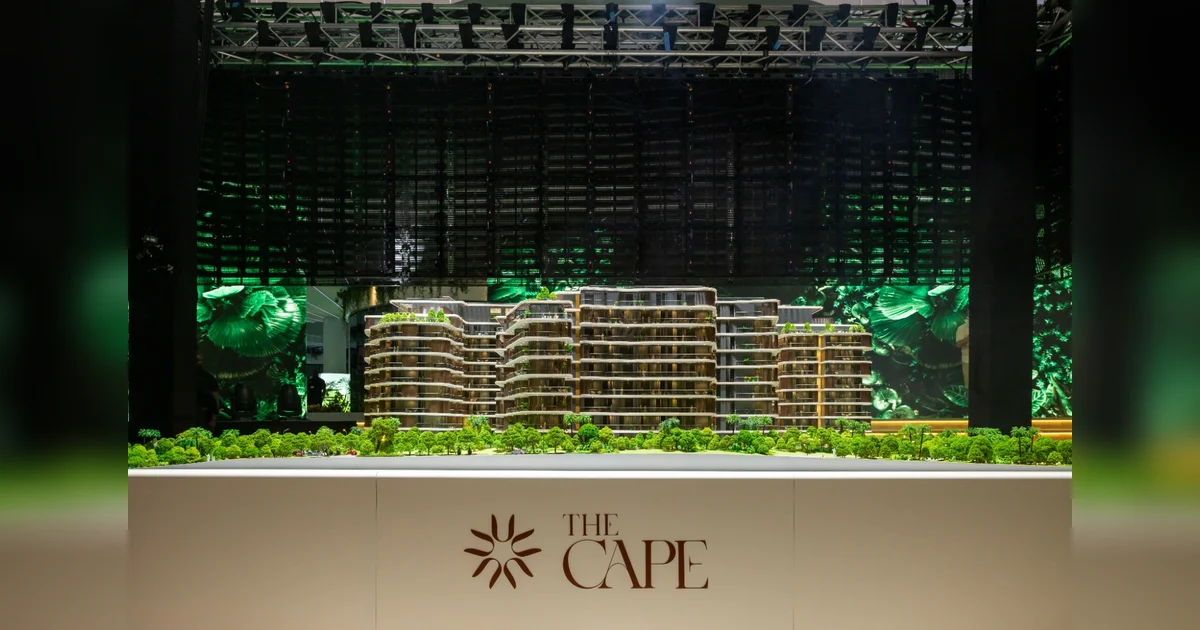
Al Barari, Dubai’s renowned nature-centric community, has unveiled its latest residential masterpiece, The Cape, marking a significant milestone in its two-decade journey of crafting harmonious living spaces. Inspired by the elegance of the Cape Jasmine flower, this development embodies intentional living, blending natural beauty, sophisticated design, and tranquility. Each residence features soft tones, organic textures, and architectural elements that seamlessly integrate light and landscape, offering a serene and timeless living experience. Nestled in Dubai’s green heart, The Cape boasts lush botanical surroundings, water features, and wellness spaces, complemented by resort-style pools, fitness facilities, co-working areas, and family zones. Every detail has been meticulously designed to foster connection, balance, and well-being. The launch event celebrated Al Barari’s evolution and its unwavering mission to enrich lives through nature-driven design. Hazza Zaal, CEO of Al Barari, reflected on the journey, emphasizing the brand’s commitment to creating sanctuaries where people can live with peace, beauty, and purpose. The Cape stands as a testament to Al Barari’s legacy, offering a rare opportunity to experience a life rooted in harmony, elegance, and authenticity. For more details, visit www.albarari.com/thecape.
标签: Asia
亚洲
-
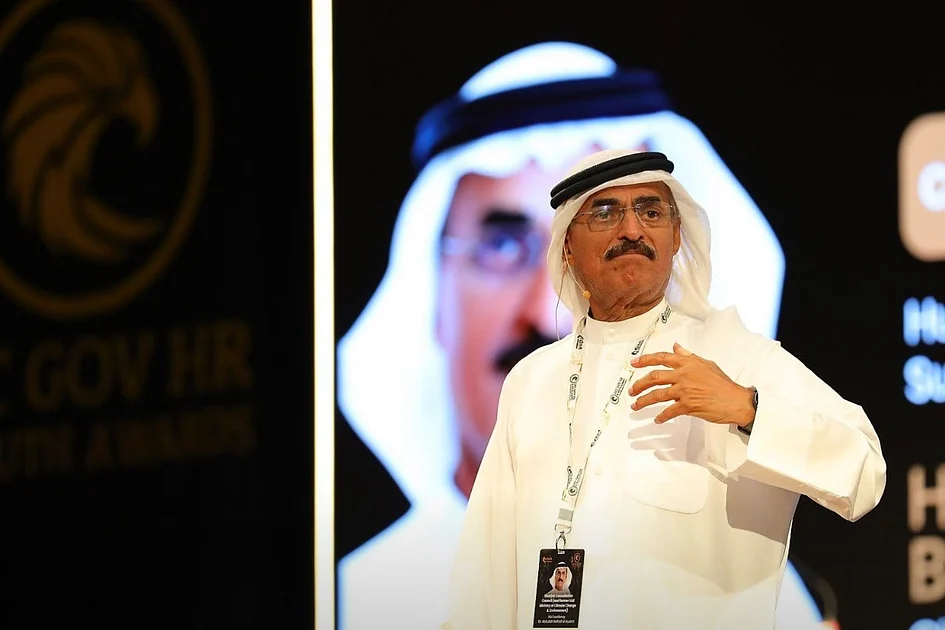
United Arab Emirates: Three Eras of Nation-Building and Community Development
The United Arab Emirates (UAE) has undergone a remarkable transformation since its founding in 1971, evolving through three distinct phases of nation-building and community development. Guided by visionary leadership, the UAE has prioritized human-centered progress, innovation, and sustainability, emerging as a global model for development. This article delves into the UAE’s journey, highlighting its unique approach to shaping infrastructure, identity, and institutional growth. The UAE’s story is one of collective consciousness, strategic vision, and a commitment to fostering resilient, inclusive communities. Phase One (1971–1980): The Union and Identity Formation The UAE’s journey began on December 2, 1971, when seven emirates united under the leadership of the late Sheikh Zayed bin Sultan Al Nahyan and his fellow rulers. This union was not merely a political agreement but a promise of a shared future, grounded in justice, solidarity, and belonging. Despite limited resources, the UAE laid the foundation for modern governance and infrastructure. Key achievements included the establishment of over 140 public schools, 15 hospitals, 43 health centers, and 1,200 kilometers of paved roads. Federal ministries for education, health, public works, and media were also founded, marking the beginning of a modern state. Phase Two (1980–2000): Infrastructure and Institutional Development As resources grew, the UAE focused on building an integrated system of infrastructure and public institutions. This phase saw the expansion of cities, the rise of ambitious projects, and the diversification of the economy. By 2000, the UAE had over 1,000 schools, 65 hospitals, and 150 health centers. National universities such as UAE University, University of Sharjah, and Zayed University became centers of learning and research. The development of airports, ports, and highways further connected remote areas to urban centers. Specialized authorities were established to enhance sustainability and public services, reflecting a shift from basic provision to institutional efficiency. Phase Three (2000–Present): Innovation and Global Leadership Today, the UAE is a global leader in innovation, sustainability, and comprehensive development. National visions like “UAE Vision 2021” and the “Centennial Plan 2071” have driven advancements in smart education, remote healthcare, and digital governance. Over 90% of public schools have adopted smart systems, and more than 70 healthcare facilities have implemented remote care platforms. The UAE is also a regional academic hub, hosting over 40 international university branches. Sustainable cities like Masdar City and “Green Neighborhoods” reflect the nation’s environmental commitment, while over 3,000 e-government services streamline public administration. Personal Reflection Dr. Abdullah Belhaif Alnuaimi, a prominent Emirati leader, reflects on the UAE’s journey, emphasizing that community development is a shared national responsibility. He highlights the evolution of public service from delivery to human development and the UAE’s holistic approach to sustainability. The UAE’s success lies in its vision, partnership, and belief in the human being as the cornerstone of progress.
-
Alibaba’s cloud business revenue soars 34% driven by AI boom
Alibaba Group, the Chinese tech giant, reported a 34% surge in revenue from its cloud computing division in the July-September quarter, driven by the rapid adoption of artificial intelligence (AI) technologies. Despite this impressive growth, the company’s overall revenue for the quarter rose by a modest 5% year-on-year to 247.8 billion yuan ($35 billion), while net profit plummeted by 52%. The decline in profitability was attributed to intense price competition in China’s e-commerce and food delivery sectors, which impacted short-term earnings. Competitor JD.com also faced a similar challenge, reporting a 55% drop in net profit during the same period. Alibaba, which began as an e-commerce platform, has increasingly shifted its focus to cloud computing and AI. Earlier this year, the company committed to investing at least 380 billion yuan ($53 billion) over three years to bolster its AI and cloud infrastructure. CEO Eddie Wu highlighted that the group’s substantial investments in AI have been instrumental in driving revenue growth. The 34% increase in cloud revenue outpaced the 26% growth recorded in the previous quarter. Alibaba emphasized that demand for AI is accelerating, and it may exceed its planned investment of 380 billion yuan to meet surging market needs. The company also announced that its upgraded AI chatbot, Qwen, which competes with OpenAI’s ChatGPT, garnered 10 million downloads within a week of its public launch. Alibaba’s Hong Kong shares rose by 2% on Tuesday, and its New York Stock Exchange shares climbed 2.4% before the opening bell. Year-to-date, the company’s shares have surged over 90%, reflecting investor optimism about its AI advancements. Meanwhile, other Chinese tech giants have reported mixed results. Tencent, a rival in AI, posted a 15% year-on-year revenue increase, while Baidu saw a 7% decline. Despite growing concerns among investors about a potential AI bubble, strong earnings from Nvidia last week have somewhat alleviated these worries.
-
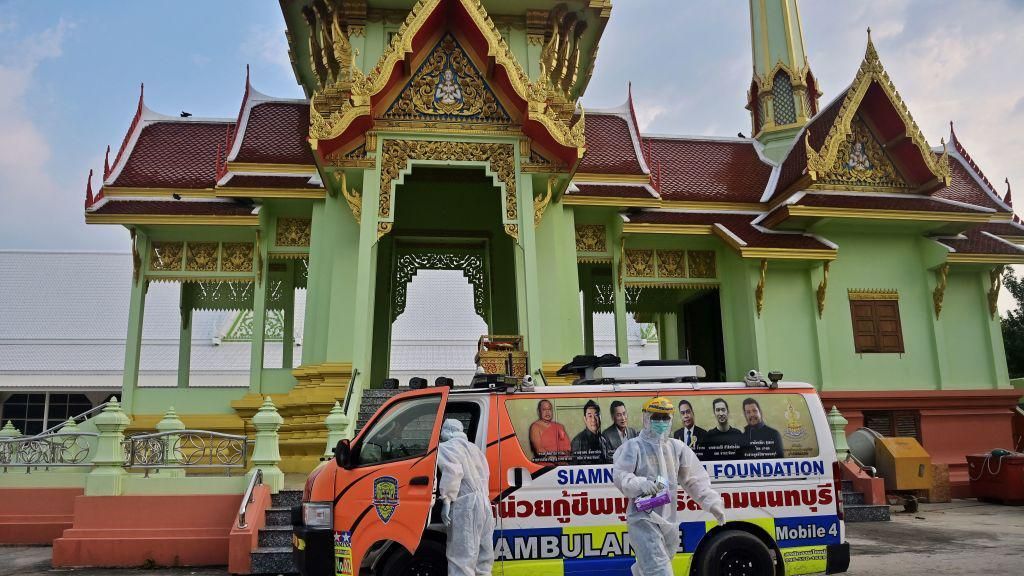
Thai woman’s cremation stopped after knocking heard on coffin
In a startling turn of events, a 65-year-old woman presumed dead was discovered alive just moments before her scheduled cremation at the Wat Rat Prakhong Tham Buddhist temple on the outskirts of Bangkok, Thailand. The temple’s general manager, Pairat Soodthoop, recounted to the Associated Press that he was ‘startled’ to hear faint knocking from the coffin. Upon opening it, he found the woman slightly opening her eyes and knocking on the side of the coffin. ‘She must have been knocking for quite some time,’ Soodthoop added. The woman’s brother had been informed by local officials that his sister had passed away, but the temple manager noted that no death certificate had been provided. As Soodthoop was explaining the process of obtaining a death certificate, the faint knocking was heard. The temple’s abbot immediately instructed that the woman be taken to a hospital. Medical examinations later revealed that the woman had been suffering from severe hypoglycemia, a condition characterized by critically low blood sugar levels. The doctor confirmed that she had not experienced respiratory failure or cardiac arrest. According to the temple manager, the woman had been bedridden for two years, and her health had deteriorated to the point where she appeared to have stopped breathing on Saturday. The family had traveled nearly 500 kilometers from Phitsanulok province for the cremation ceremony. This incident has sparked widespread attention and relief, highlighting the importance of thorough medical verification before proceeding with such ceremonies.
-

Dubai: Gold prices jump nearly Dh12 in 24 hours to reach just shy of Dh500 per gram
Gold prices in Dubai soared to a near one-week high on Tuesday, reaching just under Dh500 per gram. At 9am UAE time, 24K gold was trading at Dh499 per gram, marking a significant increase of nearly Dh12 over the past 24 hours. Other variants of the precious metal also saw notable gains, with 22K, 21K, and 18K selling at Dh462, Dh443, and Dh379.75 per gram, respectively. Spot gold prices globally were recorded at $4,146.5 per ounce, reflecting a 1.25 per cent rise, driven by growing expectations of a rate cut by the US Federal Reserve. Market analysts attribute this surge to mixed signals from the Fed, with traders cautiously optimistic about a potential policy easing in December. Aaron Hill, chief market analyst at FP Markets, highlighted that the odds of a rate cut have increased to about 60 per cent, following robust US payroll data and dovish remarks from New York Fed President John Williams. Vijay Valecha, chief investment officer at Century Financial, noted that geopolitical developments in the Middle East and optimism surrounding the Russia-Ukraine conflict have also supported gold prices. Despite a stronger dollar and improved risk appetite in Asian equities, gold remains a favored asset amid ongoing economic uncertainties.
-
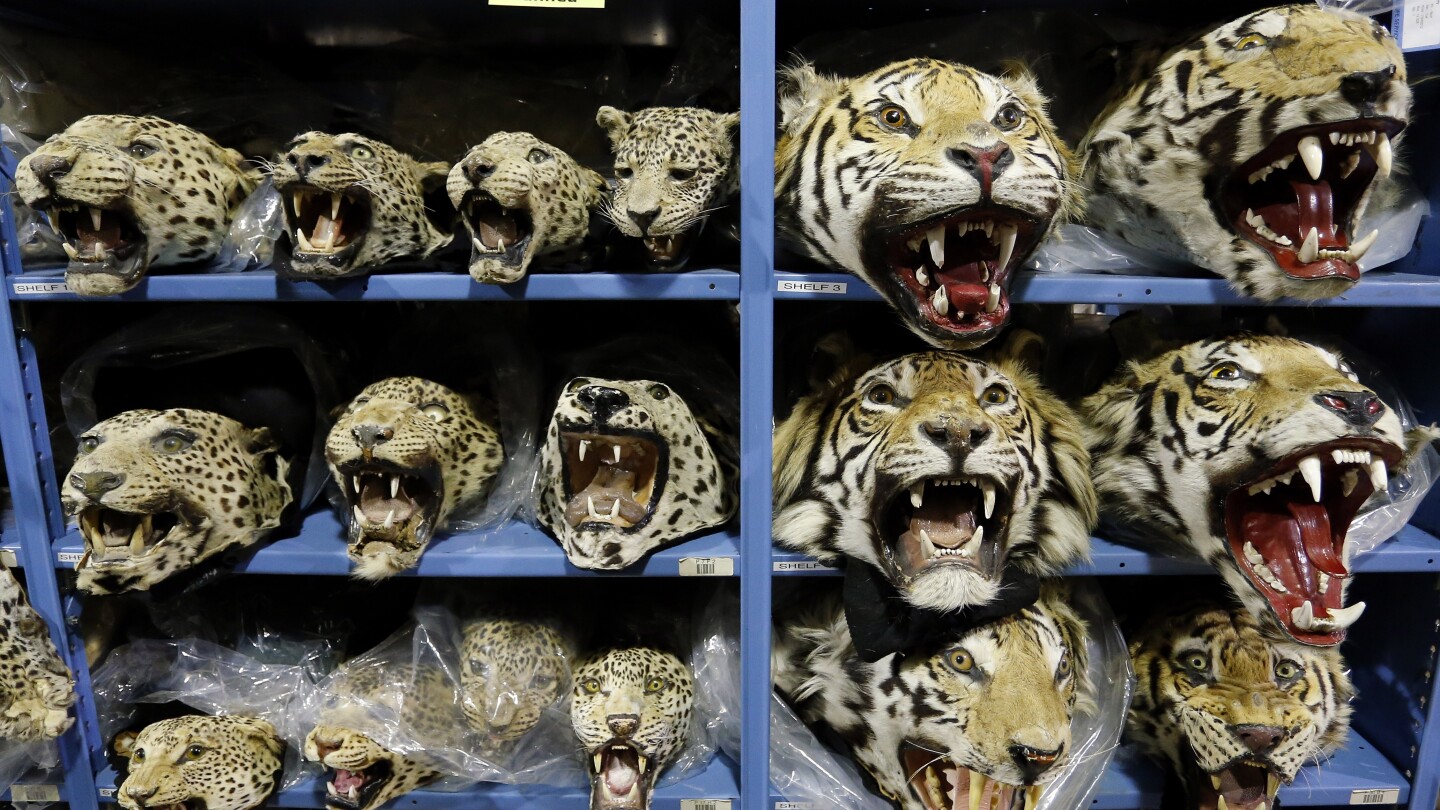
Global tiger trafficking crisis worsens with nine big cats seized monthly
A recent report by TRAFFIC, a wildlife trade monitoring network, has revealed a alarming surge in tiger trafficking, with an average of nine tigers seized each month over the past five years. This crisis poses a significant threat to the survival of one of the planet’s most iconic species. The global wild tiger population, which stood at around 100,000 a century ago, has now dwindled to an estimated 3,700-5,500. Despite decades of international protection, the illegal trade in tigers is accelerating, with a notable shift towards trafficking whole animals, whether living or dead. Experts suggest this trend may be linked to captive-breeding operations, increased exotic pet ownership, and demand for taxidermy. Between 2000 and mid-2025, law enforcement agencies globally recorded 2,551 seizures involving at least 3,808 tigers. The worst years for seizures were 2019 and 2023, with 141 and 139 incidents respectively. Most seizures occurred in countries with wild tiger populations, such as India, China, Indonesia, and Vietnam, but significant incidents were also reported in Mexico, the U.S., and the United Kingdom. The report highlights a dramatic shift in trafficking patterns, with whole animal carcasses and live tigers now accounting for a larger proportion of seizures compared to tiger parts. The report identifies several hotspots for intervention, including India and Bangladesh’s tiger reserves, Indonesia’s Aceh region, and the Vietnam-Laos border. It also notes a growing convergence of species in trafficking incidents, with nearly one in five involving other threatened wildlife such as leopards, bears, and pangolins. The report emphasizes the need for strong international cooperation and intelligence-led, multi-agency enforcement to disrupt organized crime networks. Leigh Henry, director of wildlife conservation at WWF, warned that illegal trade remains the greatest immediate threat to wild tigers and called for urgent investments to combat trafficking at all points along the trade chain.
-
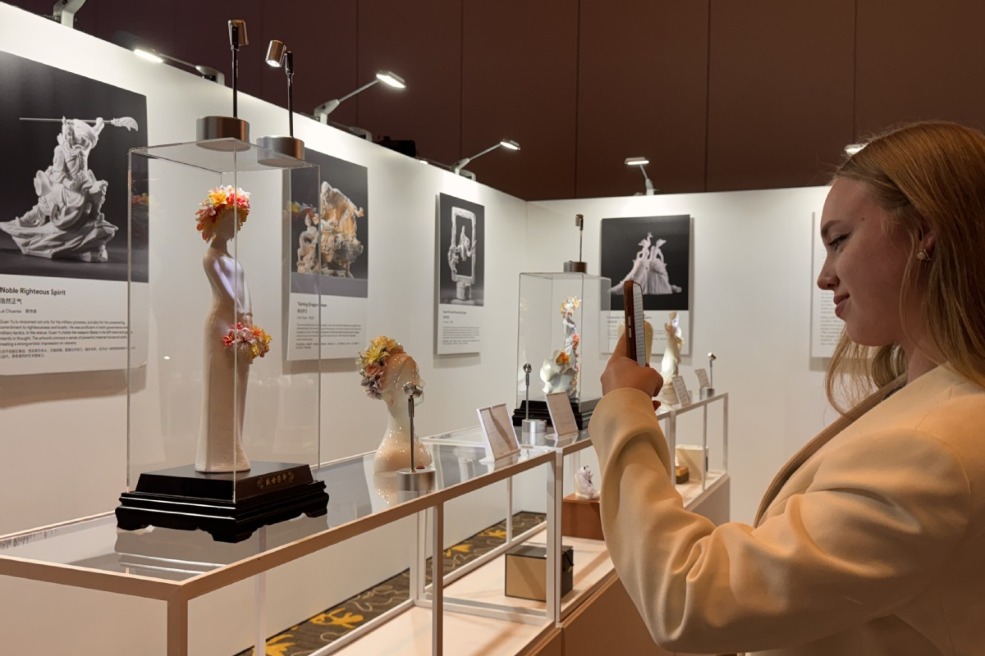
Exhibition brings China’s porcelain heritage to US
A captivating exhibition showcasing the timeless artistry of China’s Dehua white porcelain recently graced San Gabriel, California, drawing admiration from art enthusiasts and cultural aficionados alike. Titled *The Aesthetics of Harmony: Blanc de Chine, Porcelain from Dehua*, the event featured over 100 meticulously crafted porcelain pieces, each embodying centuries of tradition and innovation. Organized by Dehua county in Fujian province, the exhibition aimed to introduce American audiences to one of China’s most revered craft traditions, rooted in the ancient Maritime Silk Road.
-
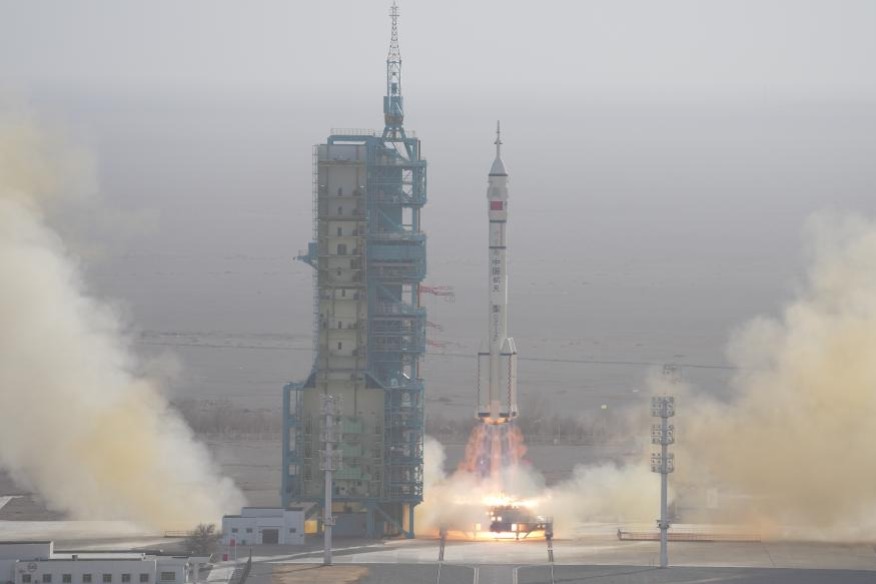
China launches Shenzhou XXII spacecraft
China has marked another milestone in its space exploration endeavors with the successful launch of the Shenzhou XXII spacecraft. The unmanned spacecraft was carried into orbit by a rocket that lifted off from the Jiuquan Satellite Launch Center on November 25, 2025, at 12:11 pm. This event underscores China’s growing capabilities in space technology and its commitment to advancing its space program. The Shenzhou XXII mission is part of China’s broader strategy to enhance its presence in space, which includes plans for lunar exploration, Mars missions, and the development of a space station. The launch was closely monitored by space agencies and enthusiasts worldwide, highlighting China’s increasing influence in the global space community. The successful deployment of Shenzhou XXII is expected to pave the way for future manned missions and further scientific research in space.
-
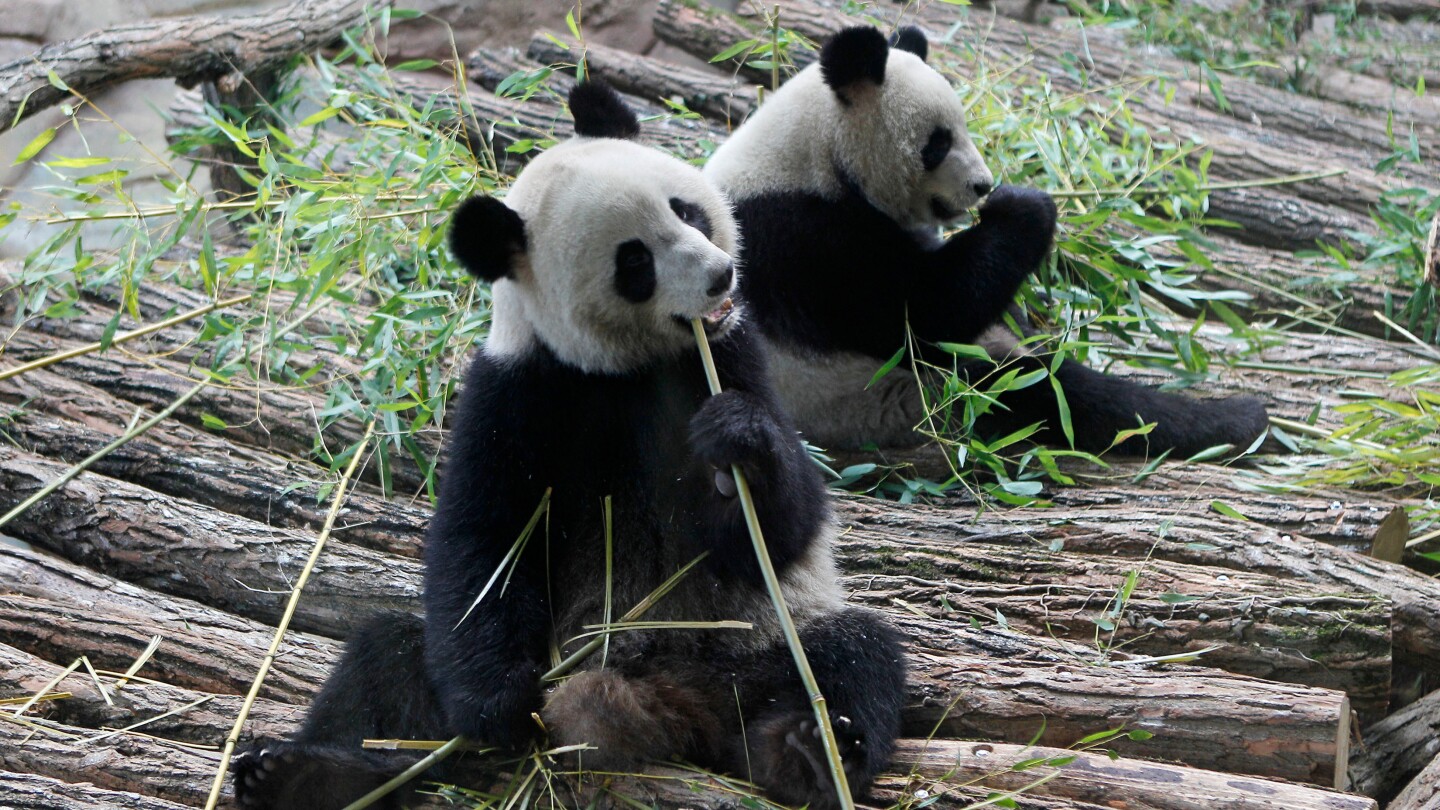
France says ‘bon voyage’ to 2 giant pandas as they head back to China
After 13 years of captivating visitors at France’s Beauval Zoo, the celebrated giant pandas Huan Huan and Yuan Zi embarked on their journey back to China on Tuesday. The pair, both 17 years old, were transported in specially designed white crates equipped with windows and breathing holes, departing from Paris’ Charles-de-Gaulle Airport on a 12-hour flight. Their return marks the end of a significant chapter in Franco-Chinese cultural exchange and panda diplomacy. Zoo director Rodolphe Delord, who bid farewell to the pandas during an emotional ceremony, emphasized that the aging duo requires specialized care, which will be provided at the Chengdu Research Base of Giant Panda Breeding, their birthplace. Huan Huan’s recent diagnosis of kidney failure, a common ailment for carnivores of her age, further necessitated their repatriation. French and Chinese veterinary teams collaborated to ensure their safe travel while their health permitted. The pandas gained immense popularity in France since their arrival in 2012, with Huan Huan giving birth to three cubs during their stay. Their firstborn, Yuan Meng, was sent to China in 2022, while their twin daughters, Huanlili and Yuandudu, remain at Beauval Zoo for now. The Chengdu facility will continue to leverage the couple’s legacy to raise awareness about panda conservation. With approximately 2,000 pandas in the wild and 500 in captivity globally, their return underscores ongoing efforts to protect this iconic species.
-
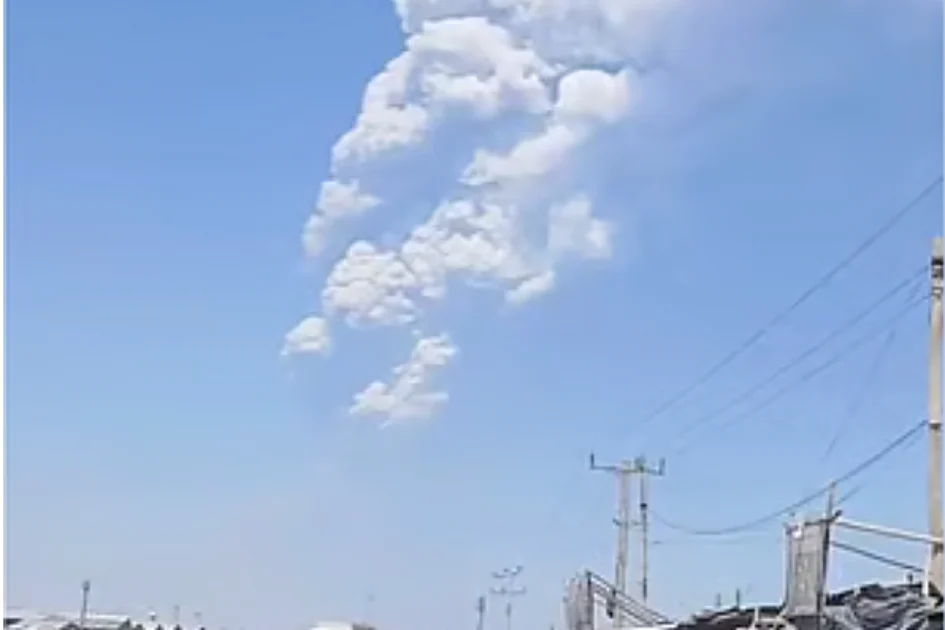
Ethiopia volcano eruption: Oman says volcanic ash detected over the region
In the wake of Ethiopia’s Hayli Gubbi volcano erupting for the first time in over 10,000 years, Oman’s Environment Authority has confirmed the detection of volcanic ash over parts of the Empty Quarter and the Arabian Sea. The ash was observed at an altitude of 35,000 feet, raising concerns about potential disruptions to air travel and public health. However, authorities have reassured the public that no significant impacts have been recorded. Air quality monitoring data indicates no increase in air pollutant concentrations within the Sultanate, and there are no immediate risks to public health or the environment. Specialized teams are continuously monitoring the situation, and the Environmental Emergency Centre has been activated in coordination with the Ministry of Health, Civil Defence, and Civil Aviation Authority. Saudi Arabia has also issued a statement, confirming no adverse effects within its borders. The eruption of Hayli Gubbi, located in the Erta Ale Range, has been described as one of the most extraordinary volcanic events in the region’s history, with ash plumes reaching altitudes of nearly 20,000 feet and drifting across Yemen and Oman.