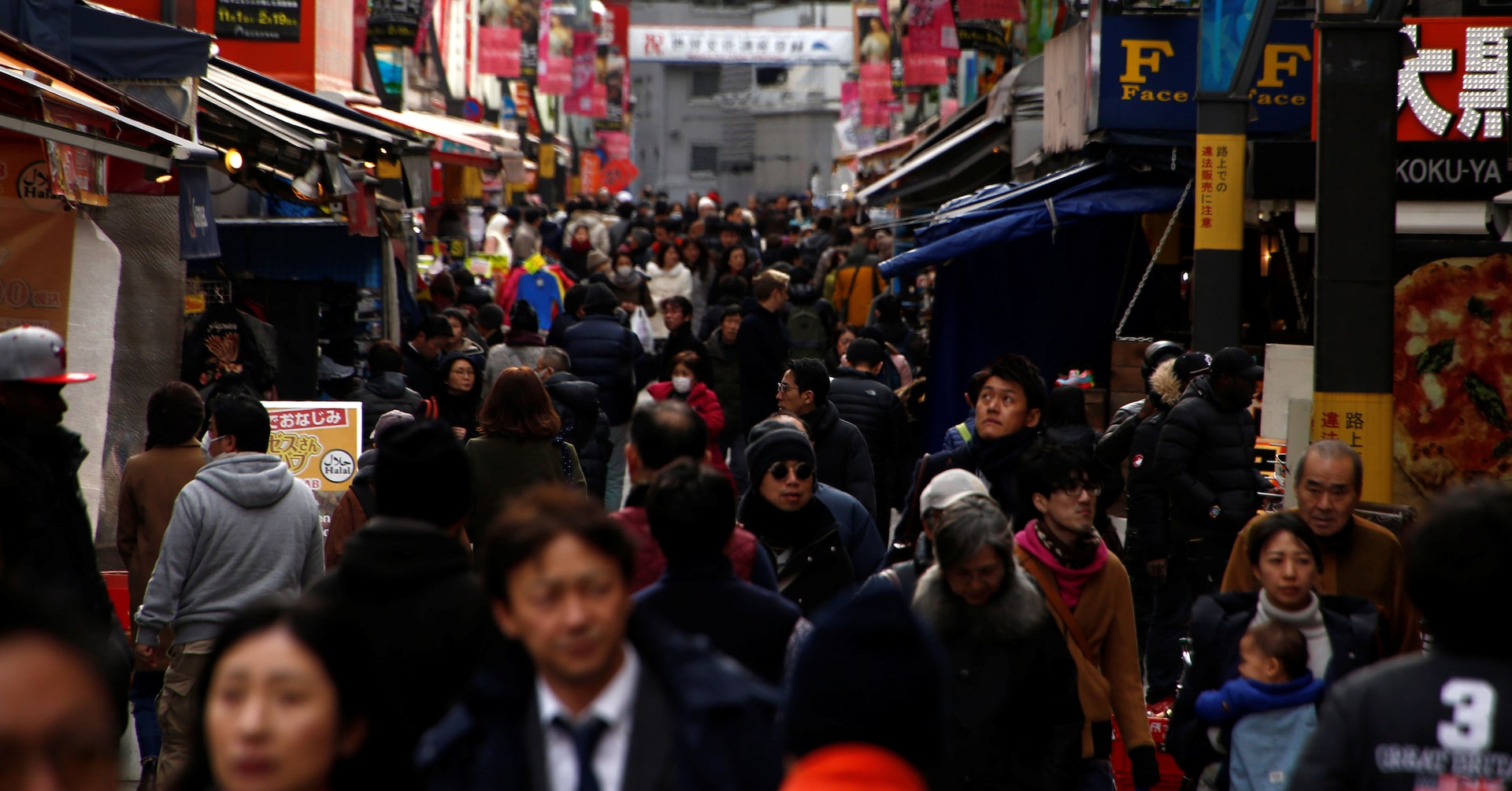
TOKYO, Sept 16 (Reuters) – Japan’s output gap for the April-June quarter of 2024 has been revised upward to 0.3%, the highest level since the July-September period of 2019, according to the Cabinet Office. This adjustment follows the release of updated gross domestic product (GDP) data, which provided a more accurate reflection of the nation’s economic performance. Previously, the output gap was estimated at 0.1% based on preliminary GDP figures released last month. This marks the first positive output gap reading since the April-June quarter of 2023, signaling a potential recovery in Japan’s economic activity. The output gap, which measures the difference between actual and potential economic output, is a key indicator of economic health and inflationary pressures. A positive gap suggests that demand is outpacing supply, which could lead to increased inflationary pressures. The revision underscores the resilience of Japan’s economy amid global uncertainties and highlights the importance of accurate data in shaping economic policy. Analysts are closely monitoring the trend to assess its implications for future monetary and fiscal decisions.
标签: Asia
亚洲
-
China is quietly saving the world from climate change
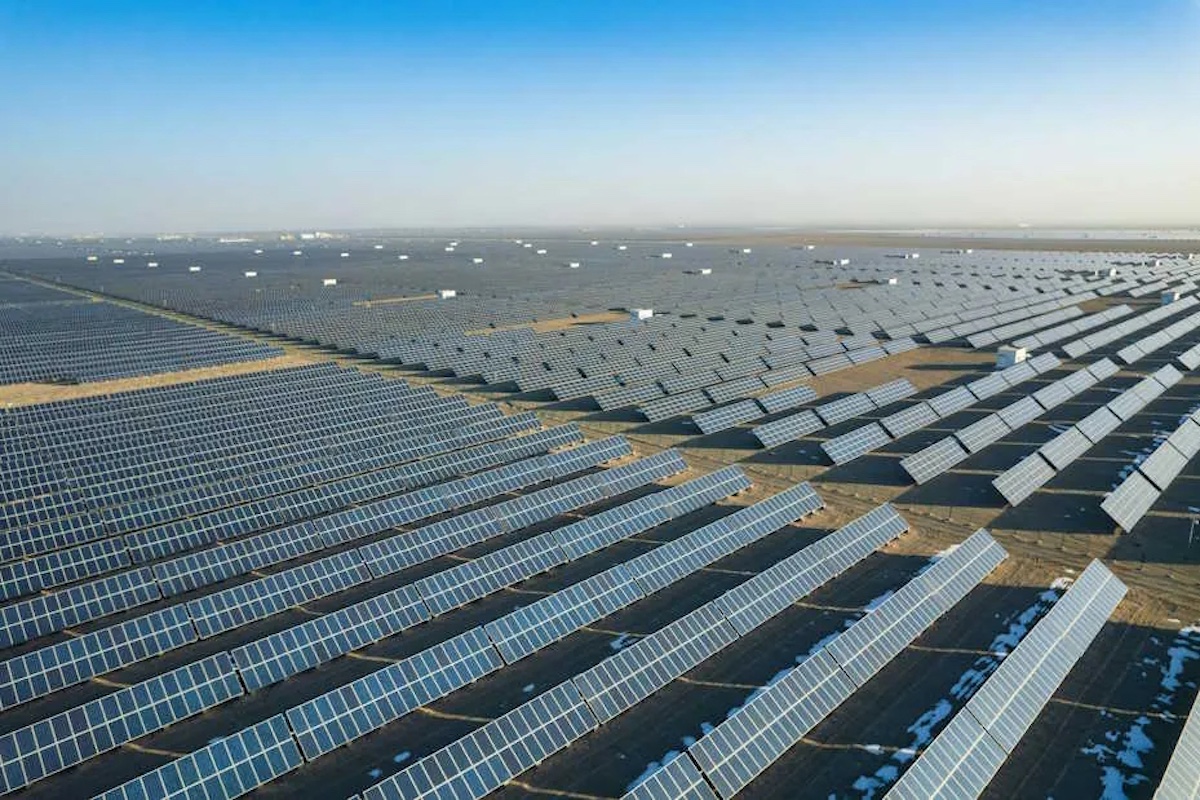
The People’s Republic of China remains the world’s largest contributor to environmental degradation, responsible for overfishing oceans, emitting harmful pollutants like mercury and nitrous oxide, and dumping plastic waste into marine ecosystems. Despite these challenges, China has made strides in addressing some of these issues. However, as the globe’s foremost manufacturing hub, it inevitably leads as the top polluter. China’s most significant environmental impact stems from its greenhouse gas emissions, primarily due to its heavy reliance on coal, which results in annual carbon emissions surpassing those of the United States and Europe combined. Even when accounting for offshored emissions, China’s carbon footprint remains alarmingly high, contributing to a rising share of global emissions. Decarbonization is imperative to combat climate change, with two primary pathways: economic degrowth and green energy adoption. While degrowth is not a viable option for China or other developing nations, the transition to green energy presents a feasible solution. The key to this transition lies in making renewable energy technologies, such as solar power and batteries, economically viable. Historically, cost reductions in these technologies were driven by research and development, but recent years have seen economies of scale play a dominant role. China has emerged as a global leader in scaling green technologies, heavily subsidizing solar panels, wind turbines, and electric vehicles. This strategic focus has not only helped plateau China’s emissions but also facilitated the export of green technologies to developing countries, enabling them to grow economically without exacerbating carbon emissions. While the United States has faltered in its climate commitments, China’s industrial policy and manufacturing prowess have positioned it as a pivotal player in the global fight against climate change. Despite criticisms of its governance, China’s efforts in making green energy affordable and accessible deserve recognition, offering a glimmer of hope in the battle against environmental degradation.
-

Delhi’s toxic air is turning iconic Red Fort black – study
A groundbreaking study has revealed that severe air pollution in New Delhi is causing the formation of ‘black crusts’ on the walls of the Red Fort, a 17th-century Mughal-era monument and one of the city’s most iconic landmarks. The research, conducted between 2021 and 2023 by a team of Indian and Italian scientists, found that these crusts—deposits resulting from chemical interactions between pollutants and the fort’s red sandstone walls—range from 0.05mm to 0.5mm in thickness. If left unchecked, they could damage the fort’s intricate carvings and architectural elements. Published in the peer-reviewed journal Heritage in June, the study is the first to comprehensively analyze the impact of air pollution on this historic structure. Delhi, one of the world’s most polluted cities, frequently grapples with hazardous air quality, particularly during winter. The researchers identified particulate matter (PM2.5 and PM10) as primary contributors to the blackening and deterioration of the fort’s surfaces. They also observed blistering and flaking on the walls, warning that the phenomenon could worsen without timely conservation efforts. The study recommends applying stone protectives or sealants to highly affected areas to mitigate further damage. The Red Fort, built by Mughal Emperor Shah Jahan, holds immense historical significance, having served as the site where India’s first Prime Minister, Jawaharlal Nehru, hoisted the national flag after independence in 1947. This alarming discovery echoes previous concerns about pollution’s impact on India’s heritage, such as the discoloration of the Taj Mahal.
-
Explainer: Why South Korea cannot make the same US trade deal as Japan
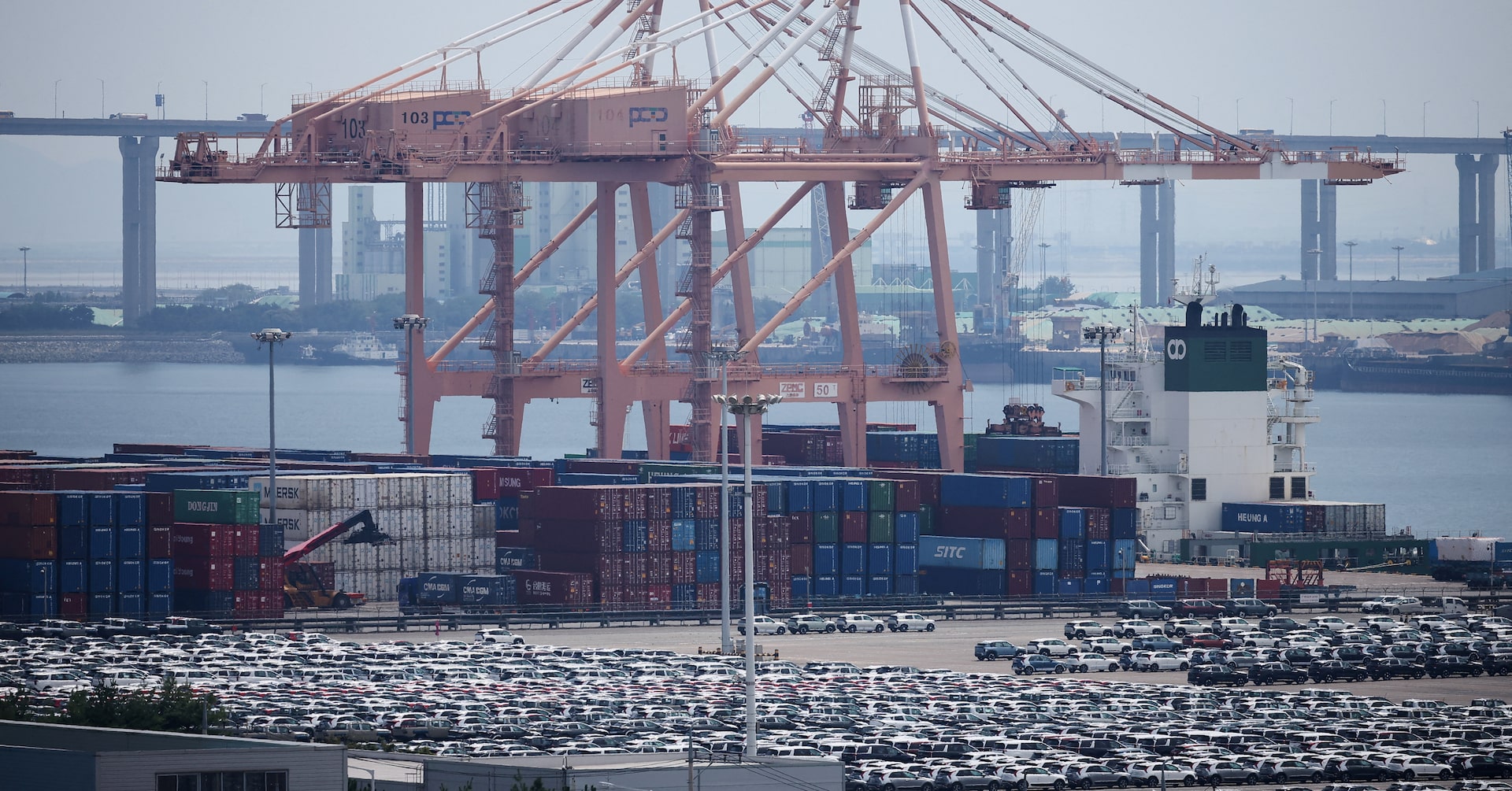
Trade negotiations between South Korea and the United States have hit a roadblock due to concerns surrounding the foreign exchange implications of a $350 billion investment fund. The fund, part of an agreement reached with U.S. President Donald Trump in July, has sparked fears that the resulting dollar demand could overwhelm South Korea’s relatively small currency market, potentially destabilizing the won. South Korean officials have expressed reluctance to accept terms similar to those agreed upon by Japan, which finalized a $550 billion investment package earlier this month. Tokyo’s deal requires transferring funds within 45 days of project selection and evenly splitting free cash flows until an allocated amount is reached, after which 90% of proceeds go to the U.S. U.S. Commerce Secretary Howard Lutnick emphasized that Seoul must either accept the same terms or face tariffs, leaving no room for negotiation. South Korea’s currency market, which remains tightly controlled since the 1997 financial crisis, is significantly smaller than Japan’s, with the won accounting for just 2% of global currency trade compared to the yen’s 17%. Market participants warn that the $40 billion annual demand from the state pension fund for overseas investments already strains the won, and the new package could add $100 billion annually from 2026 to 2028. Amid these challenges, South Korea is exploring the possibility of a bilateral currency swap line with the U.S. to mitigate potential foreign exchange pressures. Finance Minister Koo Yoon-cheol hinted at an upcoming announcement on foreign currency measures, while Presidential Policy Secretary Kim Yong-beom highlighted the yen’s international status and Japan’s unlimited swap line as advantages Seoul lacks. The U.S. Federal Reserve has previously established temporary swap lines with South Korea, including a $60 billion arrangement during the COVID-19 pandemic, which expired in December 2021. A renewed swap line could provide South Korea with much-needed stability as it navigates these complex trade negotiations.
-

Chinese teens to pay $300,000 for urinating in soup
Two intoxicated teenagers who urinated into a pot of broth at a Haidilao hotpot restaurant in Shanghai have been ordered to pay 2.2 million yuan ($309,000) in damages to two catering companies. The incident, which occurred in February at a branch of China’s largest hotpot chain, Haidilao, drew widespread condemnation after the 17-year-olds posted a video of their act online. Although no one is believed to have consumed the contaminated broth, Haidilao compensated thousands of diners who visited the restaurant in the days following the incident. In March, the company sought over 23 million yuan in losses, citing compensation paid to customers and reputational damage. Last Friday, a Shanghai court ruled that the teenagers had violated the companies’ property rights and tarnished their reputation through “acts of insult,” which also caused public discomfort. The court noted that the parents had “failed to fulfil their duty of guardianship” and ordered them to bear the compensation. The damages include 2 million yuan for operational and reputational losses, 130,000 yuan for tableware replacement and cleaning, and 70,000 yuan in legal fees. However, the court clarified that additional compensation Haidilao voluntarily offered to customers, including full refunds and 10 times the billed amount, should not be borne by the teenagers. Haidilao, known for its exceptional customer service and family-friendly environment, has since replaced all hotpot equipment and conducted thorough cleaning and disinfection. The company, which started in Jianyang, Sichuan Province, now operates over 1,000 restaurants globally.
-
Why more women get cancer in India – but more men die
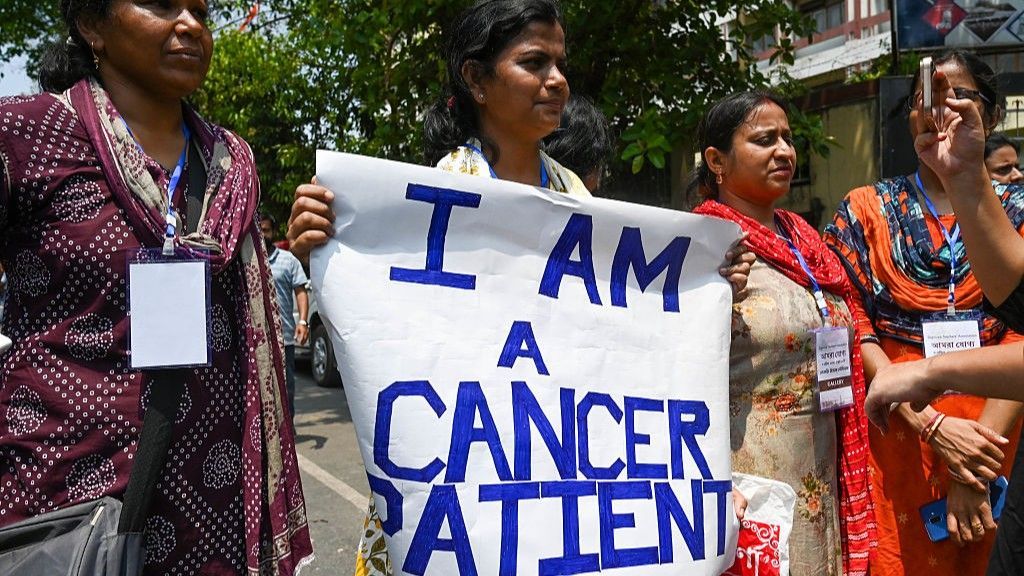
In India, a striking paradox has emerged in the realm of cancer: women are more likely to be diagnosed with the disease, yet men face a higher likelihood of dying from it. This phenomenon, revealed in a recent study of India’s cancer registry, highlights a complex interplay of biological, social, and healthcare factors. Women account for just over half of all new cancer cases, but men constitute the majority of cancer-related deaths. This trend stands in contrast to global patterns, where men generally have higher incidence and mortality rates. In 2022, the global average was 212 cancer cases per 100,000 men compared to 186 for women, according to the World Cancer Research Fund. In India, the most common cancers among women are breast, cervical, and ovarian, with breast and cervical cancers making up 40% of female cases. Hormonal factors and lifestyle changes, such as delayed pregnancies, reduced breastfeeding, obesity, and sedentary habits, are key contributors. For men, oral, lung, and prostate cancers dominate, with tobacco use driving 40% of preventable cancers. Awareness campaigns and improved healthcare facilities have led to earlier detection of cancers in women, resulting in better treatment outcomes and lower mortality rates. In contrast, men’s cancers are often linked to lifestyle factors like tobacco and alcohol, which are associated with more aggressive and less treatable cancers. Additionally, men are less likely to seek preventive care or early medical intervention, exacerbating their poorer outcomes. Regional disparities further complicate the picture. India’s northeast region, particularly Mizoram, has the highest cancer risk, largely due to rampant tobacco use and dietary habits. Meanwhile, cities like Srinagar and Hyderabad report high rates of lung and breast cancers, respectively. The cancer burden in India is not only growing but also becoming more complex, reflecting societal transitions in longevity, lifestyle, and environmental factors. Addressing these challenges requires targeted prevention, early detection, and lifestyle changes, underscoring the urgent need for comprehensive public health strategies.
-

The Dream Journey: Coming to terms with music in Pakistan’s Indo-Islamic culture
The intricate relationship between Islam and music has long shaped the cultural landscape of South Asia. While Islam’s influence on music has been a subject of debate, it has undeniably left an indelible mark on the region’s artistic traditions. In Pakistan, this relationship has been particularly complex, with music often caught in the crossfire of religious and national identity struggles. Amid these tensions, a group of Pakistani music enthusiasts embarked on a mission to preserve and celebrate their country’s neglected musical heritage. Their project, *The Dream Journey*, has since become a global phenomenon, bringing Pakistan’s rich musical traditions to the world stage. Launched in 2014, *The Dream Journey* saw its founders travel across Pakistan, documenting musicians and their families performing in intimate settings. The project’s YouTube channel, featuring videos with English subtitles, has garnered over 225,000 subscribers and millions of views. Its success has highlighted the enduring power of classical and Sufi music, even as these traditions face challenges in modern Pakistan. The channel showcases a diverse range of musical styles, from qawwali—a devotional form of Sufi music—to lesser-known family specialties. It has also amplified the work of legendary musicians like Ustad Munshi Raziuddin Khan and his descendants, who have kept the classical qawwali tradition alive. Despite the religious and political obstacles, *The Dream Journey* has provided a platform for musicians who might otherwise have remained in obscurity. The project’s meticulous translations and high-quality production have made it accessible to a global audience, ensuring that Pakistan’s musical heritage is preserved for future generations. As the group plans to resume their travels, their work stands as a testament to the resilience and beauty of Pakistan’s musical traditions.
-

The Gaza flotilla: What you need to know about ‘sumud’
The Global Sumud Flotilla has captured international attention as it embarks on a mission to deliver humanitarian aid to Gaza, defying Israel’s longstanding naval blockade. Comprising over 300 activists from 44 countries, including prominent Swedish climate activist Greta Thunberg, this civilian-led initiative represents the largest maritime aid convoy to Gaza since Israel’s invasion in October 2023. However, the flotilla faced adversity even before reaching its destination, enduring drone-launched projectile attacks while anchored in Tunisia on September 8 and 9. The Tunisian government condemned these strikes as ‘premeditated,’ underscoring the risks faced by such missions. Israel has a history of intercepting Gaza-bound flotillas, most notably in 2010 when Israeli forces stormed the Mavi Marmara, resulting in the deaths of 10 Turkish activists. Earlier this year, two other aid vessels, the Madleen and the Handala, were similarly raided by Israeli forces in international waters. The flotilla’s name, ‘Sumud,’ derives from the Arabic word meaning ‘perseverance,’ ‘steadfastness,’ or ‘resilience.’ In the Palestinian context, Sumud embodies everyday acts of resistance against Israel’s occupation and policies of ethnic cleansing. For some, Sumud manifests in rebuilding homes destroyed by Israeli bombings in Gaza; for others, it means enduring the daily challenges of Israeli checkpoints in the West Bank. For the Palestinian diaspora, Sumud is reflected in their adherence to the Boycott, Divestment, and Sanctions (BDS) movement. The concept of Sumud traces its modern roots to the aftermath of the 1967 Arab-Israeli war, when Israel captured the West Bank, Gaza Strip, and other territories, displacing hundreds of thousands of Arab residents. Since then, Sumud has become a symbol of Palestinian resilience, often represented by the olive tree, a historic and cultural staple of Palestinian life. Despite decades of attacks on olive groves by Israeli forces and settlers, replanting these trees remains a powerful act of Sumud. Palestinian lawyer and writer Raja Shehadeh has described Sumud as the ‘Third Way’ of resistance—neither violent nor passive—but a steadfast commitment to remaining on Palestinian land. The Global Sumud Flotilla, inspired by this ethos, aims to highlight the ongoing plight of Palestinians and their unwavering resilience in the face of oppression.
-

US Typhon missile system’s presence in Japan sharpens Asia arms race
In a significant display of military cooperation, the United States unveiled its Typhon intermediate-range missile system in Japan during the annual Resolute Dragon exercise. The event, held at Marine Corps Air Station Iwakuni on September 15, 2025, marked the first time the Typhon system was showcased in Japan. The exercise, involving 20,000 U.S. and Japanese troops, underscores the growing strategic alignment between Washington and Tokyo in countering regional threats. The Typhon system, capable of launching Tomahawk cruise missiles with ranges sufficient to target China’s eastern seaboard or parts of Russia, has been criticized by Beijing and Moscow as destabilizing. Colonel Wade Germann, commander of the task force operating the system, emphasized its versatility and rapid deployment capabilities, though he declined to disclose its next destination after the exercise. The system’s presence in Japan, closer to China, is expected to provoke a stronger reaction from Beijing compared to its earlier deployment in the Philippines in April 2024. Analysts note that the U.S. and Japan’s willingness to field such weapons reflects a diminished concern over Chinese objections compared to previous years. The Typhon system, which also fires SM-6 missiles designed to strike ships and aircraft, is part of a broader U.S. strategy to counter China’s expanding missile arsenal. Japan, meanwhile, is accelerating its military spending, including the purchase of Tomahawk missiles and the development of its own intermediate-range capabilities, marking its largest military expansion since World War II. The regional arms buildup extends to Taiwan, which plans to increase defense spending to over 3% of GDP by 2026. The U.S. describes Iwakuni as part of the ‘First Island Chain,’ a strategic line of territories and bases aimed at constraining Chinese military power. The Typhon system’s deployment highlights the intensifying geopolitical tensions in the Indo-Pacific region.
-
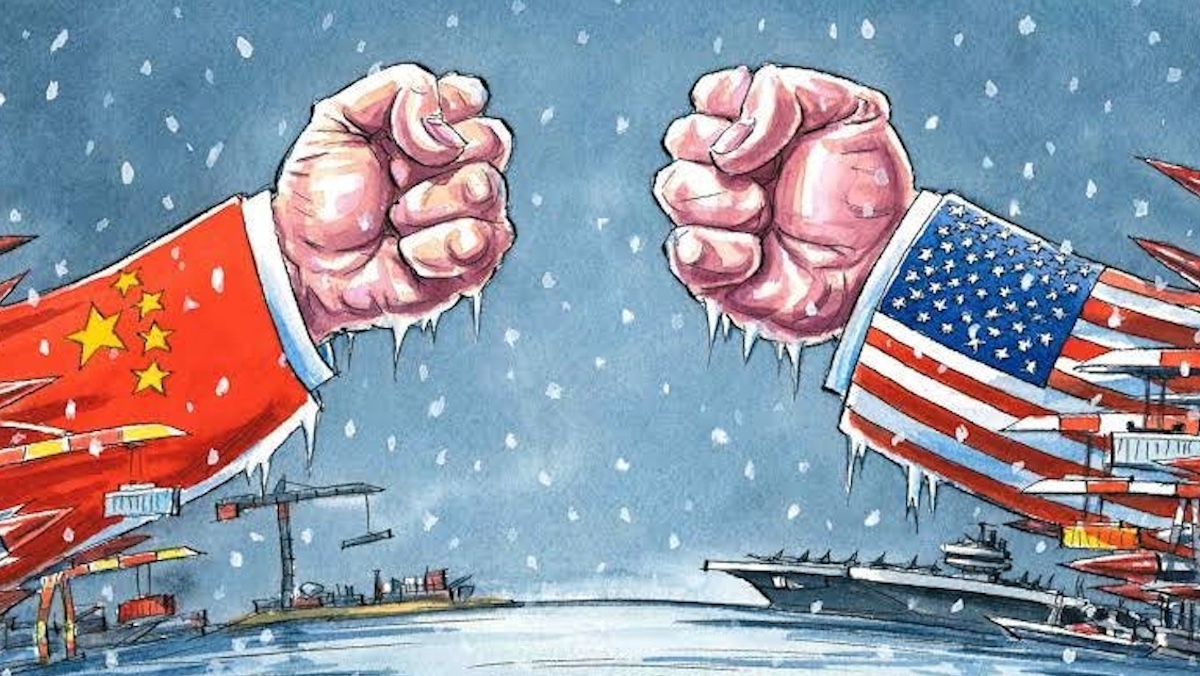
Why China could well win its Cold War with US
The global community, particularly the United States, is grappling with two pressing questions regarding China: the extent of its military industrial production capacity and the true cost of its weaponry. China’s industrial prowess is unparalleled, boasting an independent and self-sufficient production line that outpaces global competitors in both speed and volume. However, the cost of Chinese weapons remains a contentious issue. While some experts argue that China’s expenses are a fraction of those in the U.S., others remain skeptical, pointing to the complexities of cost calculations, including incentives and operational details. If China’s costs are significantly lower, it could pose a substantial challenge to the U.S.; if they are comparable or higher, China might face its own set of difficulties. The stakes are high, as these factors could influence the trajectory of an arms race reminiscent of the Cold War era. China’s strategy appears to leverage low production costs and technological advancements to gain market share and create trade surpluses. This approach, coupled with a potential reverse Reagan-like strategy, aims to deter U.S. confrontation. However, this could also incite backlash from Americans and other nations. The dynamics of this new Cold War differ from the Soviet era, as China’s ideology does not inherently threaten private wealth, instead promising to enrich capitalists. This subtle distinction has garnered support from global financiers, who operate under the protective wing of the Chinese leadership. The U.S., meanwhile, seems unprepared for a full-scale confrontation, as evidenced by its tepid responses and strategic retreats. The absence of American leadership could lead to increased regional tensions, particularly in Asia, where countries may need to manage their relations with China independently. The evolving geopolitical landscape underscores the potential for a significant shift in global power dynamics, with China poised to capitalize on America’s perceived vulnerabilities.