标签: Asia

亚洲

  • Saudi bus carrying Indian pilgrims crashes; over 40 feared dead

    Saudi bus carrying Indian pilgrims crashes; over 40 feared dead

    A devastating bus accident in Saudi Arabia has resulted in the deaths of over 40 Indian pilgrims, with many more feared injured. The incident occurred late at night when the bus, en route from Makkah to Madinah, collided with a diesel tanker. The majority of the passengers were from the Indian state of Telangana, according to reports from Indian media.

    The Indian Consulate in Jeddah and the Embassy in Riyadh have swiftly responded to the crisis, coordinating with Saudi authorities and local Umrah operators. A dedicated team of consulate staff and community volunteers has been deployed to hospitals and shelters to assist the victims and their families. Emergency helpline numbers have been established to provide support and information to those affected.

    Indian Prime Minister Narendra Modi expressed his deep sorrow over the tragedy, stating, ‘My thoughts are with the families who have lost their loved ones.’ He assured that Indian officials are in close contact with Saudi authorities to ensure all necessary measures are taken. India’s Minister of External Affairs, Dr. S. Jaishankar, also conveyed his shock and pledged full support to the affected families.

    Telangana Chief Minister A. Revanth Reddy has ordered an immediate investigation into the accident and directed authorities to coordinate with the Ministry of External Affairs and the Saudi Embassy to expedite relief efforts. Hyderabad MP Asaduddin Owaisi revealed that 42 Hajj pilgrims were on the bus at the time of the crash and has requested the repatriation of the deceased and proper medical care for the injured.

    The Indian Consulate in Jeddah has set up a 24×7 control room to assist those in need, with toll-free and WhatsApp helpline numbers available for immediate contact. This tragic incident has cast a shadow over the pilgrimage, with the Indian community rallying together to support the victims and their families during this difficult time.

  • FVC and X2O Media announce strategic partnership to drive next-gen hybrid communication solutions across MEA

    FVC and X2O Media announce strategic partnership to drive next-gen hybrid communication solutions across MEA

    FVC, a prominent provider of unified communications, audio-visual solutions, and cybersecurity across the Middle East and Africa, has entered into a strategic partnership with X2O Media, a global leader in visual communication and immersive hybrid collaboration technologies. This collaboration is set to transform the landscape of hybrid communication and learning across the MEA region by combining FVC’s extensive regional expertise and distribution network with X2O Media’s innovative X2O oneroom platform and unified visual communication solutions. The partnership will enable enterprises, educational institutions, and public-sector organizations to deploy immersive hybrid learning and meeting environments, enhance workforce collaboration through dynamic messaging and digital signage, and leverage FVC’s robust regional presence for seamless deployment and support. Rob Brinklow, Director of Sales for EMEA & APAC at X2O Media, emphasized the significance of this collaboration, stating that FVC’s market reach and commitment to high-quality service make it the ideal partner to bring X2O oneroom to the region. Parag, Managing Director of FVC, expressed enthusiasm about introducing X2O Media’s cutting-edge technologies to regional clients, highlighting the partnership’s potential to deliver tailored, future-ready solutions that address real business challenges. The alliance will accelerate the adoption of X2O Media’s technologies across various sectors, including corporate, education, life sciences, and government, offering clients advanced visual communication platforms that integrate immersive hybrid environments with real-time collaboration and centralized content delivery.

  • Indonesian rescuers search for nearly three dozen people after landslides killed at least 18 people

    Indonesian rescuers search for nearly three dozen people after landslides killed at least 18 people

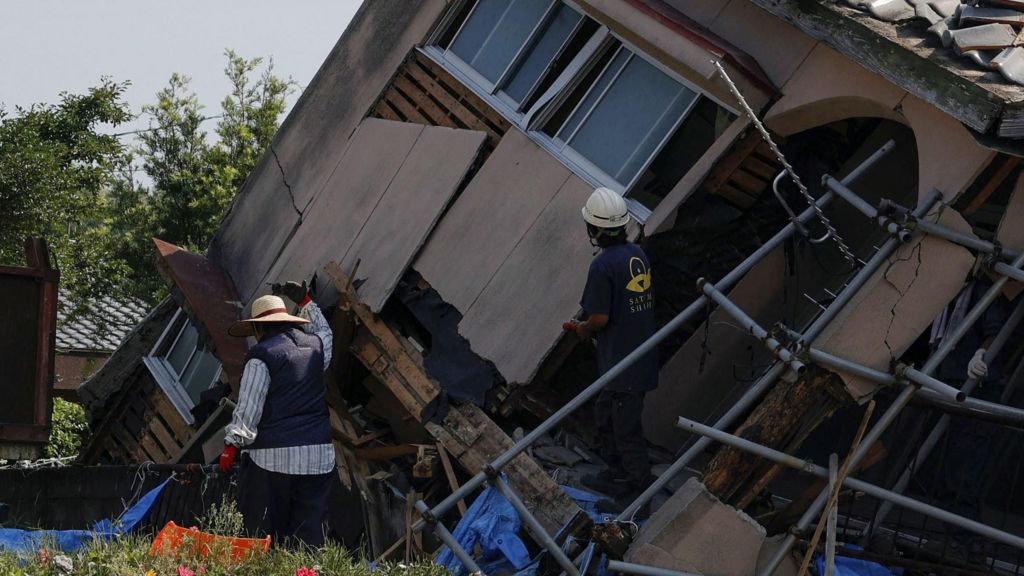
    Rescue operations intensified on Monday as Indonesian authorities scrambled to locate 34 individuals still missing following two devastating landslides on Java Island. The calamities, triggered by relentless torrential rains, have claimed at least 18 lives so far. In Central Java’s Cilacap district, 16 fatalities were reported after landslides engulfed dozens of homes across three villages late Thursday. Abdul Muhari, spokesperson for the National Disaster Mitigation Agency (BNPB), confirmed the rising death toll and ongoing search efforts involving over 500 personnel, including police and military units, supported by 22 excavators and 18 sniffer dogs. A similar disaster struck Banjarnegara district on Saturday, burying 30 houses under tons of mud and forcing over 800 residents to flee to higher ground, despite the risk of further landslides. Rescuers retrieved two bodies from Banjarnegara on Monday while continuing to search for 27 missing individuals. Local authorities are also working to relocate residents from vulnerable hills to safer government shelters. To aid the rescue operations, BNPB initiated a weather modification program on Sunday, deploying an aircraft to disperse 3,000 kilograms of seeding material to stabilize weather conditions and prevent additional downpours. Cloud seeding aims to redirect rainfall away from the affected areas, ensuring smoother search efforts. BNPB-released images depict rescue workers battling thick mud, rocks, and uprooted trees in villages where once-green rice terraces now lie buried. Indonesia’s geography, with millions residing in mountainous or flood-prone regions, makes it particularly susceptible to landslides and floods during the rainy season.

  • Philippines: Thousands of anti-graft protesters take to Manila streets for second day

    Philippines: Thousands of anti-graft protesters take to Manila streets for second day

    For the second consecutive day, tens of thousands of demonstrators flooded the streets of Manila on Monday, intensifying their calls for accountability in the wake of alleged corruption tied to flood-mitigation projects. The protests, which began on Sunday and attracted over 600,000 participants, are set to continue until Tuesday. Organized by Iglesia Ni Cristo, a prominent church with a membership of 2 million known for its bloc voting influence, the movement has mobilized supporters nationwide. Many protesters expressed frustration over what they perceive as inadequate investigations into irregularities in major infrastructure projects. Freddie Beley, a 60-year-old participant, emphasized the need for a genuine and transparent inquiry, stating, ‘We demand that the government conduct a sincere investigation and not shield anyone involved in this anomaly.’ The scandal gained momentum in August when Philippine President Ferdinand Marcos Jr. revealed the findings of an internal audit on flood-control projects, exposing significant irregularities. The controversy has implicated public works officials, construction firm executives, and lawmakers, who are accused of profiting from substandard or non-existent projects. This has eroded investor confidence and contributed to a four-year low in economic growth during the third quarter, as public spending declined. Marcos has established a commission to investigate the alleged corruption, particularly in flood-control facilities. Positioning himself as a champion of accountability and transparency, the president, whose father was accused of widespread corruption during his rule, vowed on Thursday that those responsible for the flawed projects would face imprisonment before Christmas. However, protester Armelyn Bandril, 35, criticized the lack of progress, noting, ‘Nearly 100 days have passed since the investigation began, yet no one has been jailed despite ample evidence.’

  • Arxan’s six-month winter tourism season kicks off in Inner Mongolia

    Arxan’s six-month winter tourism season kicks off in Inner Mongolia

    The 2025-2026 winter tourism season officially commenced on Saturday in Arxan, located in the Hinggan League of Inner Mongolia Autonomous Region. This event marks the beginning of a six-month celebration, highlighted by the 20th Arxan Ice and Snow Festival. The festival’s launch followed a winter tourism news conference held in the city on Friday, where five key winter activities were unveiled. The centerpiece of these activities is a ‘1+6’ model of winter routes, which combines snow-based activities with the city’s renowned hot springs. Despite its small population of just 30,000 residents, Arxan has emerged as a remarkable tourism success. Official statistics reveal that from January to October, the city welcomed over 6.14 million tourists, generating a revenue of 7.68 billion yuan ($1 billion). This figure equates to hosting more than 200 times its population, underscoring the city’s growing appeal as a winter destination.

  • Bangladesh’s ousted leader Sheikh Hasina sentenced to death

    Bangladesh’s ousted leader Sheikh Hasina sentenced to death

    In a landmark ruling, Bangladesh’s former Prime Minister Sheikh Hasina has been sentenced to death by the International Crimes Tribunal (ICT) for her role in the violent crackdown on student-led protests in 2024, which resulted in the deaths of 1,400 individuals. The verdict, delivered in absentia, marks a significant moment in Bangladesh’s political landscape, as Hasina has been in exile in India since her ousting in July 2024. The tribunal found her guilty of authorizing the use of lethal force against protesters, a charge she vehemently denies, labeling the trial as “biased and politically motivated.”

    The protests, initially sparked by demands to abolish government job quotas, quickly escalated into a broader anti-government movement. A UN report in February highlighted the severity of the crackdown, describing the killings as potential “crimes against humanity.” Leaked audio verified by the BBC suggested Hasina had authorized the use of “lethal weapons” during the unrest, which was presented as evidence during the trial.

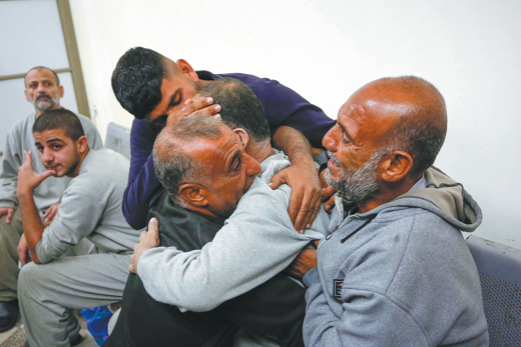
    Families of the victims have welcomed the verdict, with many calling for severe punishment. Ramjan Ali, whose brother was killed during the protests, expressed a desire for “exemplary punishment” for Hasina and others involved. Lucky Akther, who lost her husband, emphasized the need for the sentence to be carried out before the next election to bring closure to the bereaved families.

    The verdict has intensified political tensions in Bangladesh, with the interim government banning Hasina’s Awami League party in May. Hasina has warned that millions might boycott the upcoming 2026 election if her party’s candidates are barred from participating. The ruling also poses a diplomatic challenge for India and Bangladesh, as Dhaka has requested her extradition, a move India has yet to comply with.

    While the sentence offers some closure to the victims’ families, it is unlikely to heal the deep political divisions in the country. Rights activists and observers have noted that without an apology or remorse from Hasina and her party, the Awami League’s path to political rehabilitation remains uncertain.

  • Red-billed gulls gather at Yitong River in Changchun

    Red-billed gulls gather at Yitong River in Changchun

    In the crisp early winter days of Changchun, Jilin province, the Yitong River has become a temporary haven for a flock of red-billed gulls. These migratory birds, en route to warmer southern regions, have gathered near the river, creating a stunning natural spectacle. Their presence has drawn a diverse crowd of tourists, avid photographers, and birdwatching enthusiasts, all eager to witness this seasonal phenomenon. The sight of the gulls, with their distinctive red bills and graceful flight, has added a vibrant touch to the serene winter landscape. This event not only highlights the ecological significance of the Yitong River as a stopover for migratory birds but also underscores the growing interest in wildlife conservation and eco-tourism in the region.

  • China’s observatory unravels key mystery of cosmic ray formation

    China’s observatory unravels key mystery of cosmic ray formation

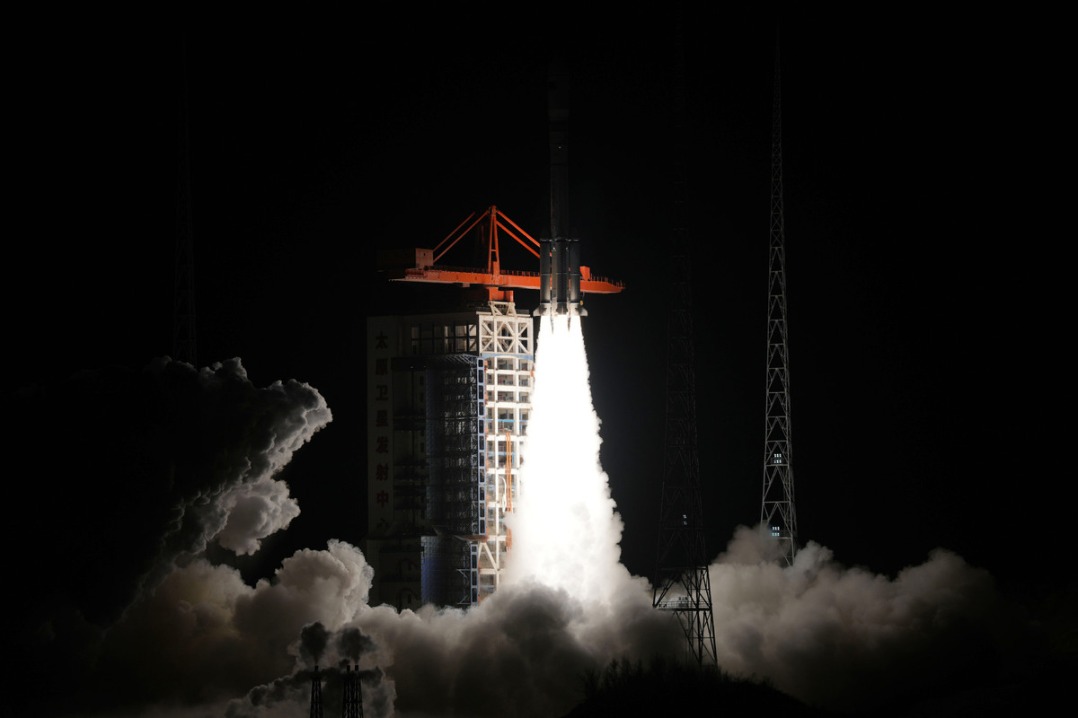
    In a groundbreaking discovery, China’s Large High Altitude Air Shower Observatory (LHAASO) has unveiled a pivotal mechanism behind the formation of high-energy cosmic rays. The research, led by an international team of scientists, reveals that black holes, particularly those in binary systems, act as powerful particle accelerators, contributing significantly to the production of cosmic rays in the Milky Way. This finding not only addresses a long-standing mystery in astrophysics but also deepens our understanding of extreme physical processes in black hole systems. Cosmic rays, primarily composed of protons, are charged particles originating from outer space. Their origin has been a central question in modern astrophysics for decades. The LHAASO team focused on the ‘knee’ region of the cosmic ray energy spectrum, a critical turning point around 3 PeV (peta-electron volt), which has puzzled researchers for nearly 70 years. The study identified microquasars—black hole systems that accrete material from companion stars—as the likely sources of this phenomenon. These microquasars generate relativistic jets, which accelerate particles to ultra-high energies. For instance, the microquasar SS 433 was found to produce proton energies exceeding 1 PeV, equivalent to the energy released by 400 trillion hydrogen bombs per second. Similarly, gamma rays from the microquasar V4641 Sgr reached 0.8 PeV, suggesting parent particle energies surpassing 10 PeV. The findings, published in *National Science Review* and *Science Bulletin*, highlight the role of black holes as cosmic particle accelerators. Located in Sichuan Province at an elevation of 4,410 meters, LHAASO’s advanced equipment enabled precise measurements of cosmic ray energy spectra, revealing unexpected structures. This discovery not only resolves the ‘knee’ mystery but also provides crucial evidence for understanding the origins of cosmic rays. LHAASO, designed and operated by Chinese scientists, has positioned China at the forefront of high-energy cosmic ray research, contributing to global advancements in astrophysics.

  • Delhi’s alleged car bomb attacker named by investigators

    Delhi’s alleged car bomb attacker named by investigators

    In a tragic incident last Monday, a car explosion near Delhi’s iconic Red Fort monument claimed 10 lives and left 32 others injured. Indian counter-terrorism agency, the National Investigation Agency (NIA), has identified Umar Un Nabi, an assistant professor at Al-Falah University in Faridabad, as the alleged suicide bomber. Umar, a doctor from Indian-administered Kashmir, was reportedly driving the vehicle involved in the blast. The NIA confirmed his identity through forensic analysis, though his family denies any knowledge of his involvement. Umar’s father and sister-in-law expressed shock, stating they were unaware of the car used in the attack. The explosion occurred shortly after Kashmir police announced the arrest of seven individuals and the seizure of 2,900kg of explosives in Faridabad, where Umar resided. The NIA is investigating potential links between the blast and these arrests. Umar’s family has faced severe repercussions, including the demolition of their home in Pulwama district by security forces. Four family members were detained, and their house was razed late Thursday night, leaving them homeless as winter approaches. The family, including Umar’s parents and a pregnant sister-in-law, is now sheltering with relatives. The Kashmir police and Special Investigating Agency (SIA) have declined to comment, citing the ongoing investigation. Umar’s relatives and neighbors remain in shock, grappling with the devastating impact of the incident.

  • China’s people are on a grueling treadmill

    China’s people are on a grueling treadmill

    China’s economic and social landscape is undergoing a profound transformation, marked by a growing sense of disillusionment among its youth. While the country projects an image of strength and technological prowess on the global stage, the domestic reality paints a starkly different picture. Influencers like Hasan Piker have lauded China’s blend of consumer abundance and state-controlled economy, but for ordinary citizens, the narrative is one of quiet desperation. Concerns over unemployment, stagnant wages, and rising living costs dominate conversations, both online and offline. The phrase ‘wai qiang, zhong gan’—outwardly strong, inwardly brittle—has emerged as a poignant descriptor of the nation’s current state. Young people, in particular, bear the brunt of these challenges. Despite their relentless pursuit of education and grueling work hours, many find themselves trapped in a stagnant job market, unable to secure white-collar positions or achieve financial stability. The real estate market, once a cornerstone of household wealth, has been in freefall since 2021, eroding savings and exacerbating economic anxiety. Meanwhile, government policies aimed at bolstering global influence and industrial dominance have led to ‘involution’—a phenomenon of excessive competition that drives down profits and productivity. This has further strained the mental health of young people, with rising rates of anxiety and depression. The government’s crackdown on ‘excessively pessimistic’ social media content underscores its awareness of public discontent. As China grapples with these internal challenges, the once-promising ‘Chinese Dream’ has morphed into a Sisyphean struggle for survival.