标签: Asia

亚洲

  • Revealed: More people charged since Palestine Action ban than during entire ‘war on terror’

    Revealed: More people charged since Palestine Action ban than during entire ‘war on terror’

    The United Kingdom has witnessed an unprecedented surge in counter-terrorism arrests since the proscription of direct-action network Palestine Action in July 2025, with official statistics revealing a 400% increase in charges under Section 13 terrorism powers compared to the entire period since 9/11.

    According to Home Office data analyzed by Middle East Eye, authorities have charged 138 individuals under Section 13 of the Terrorism Act 2000 in the weeks following the ban—quadruple the 34 charges brought between 2001 and June 2025. The legislation, which prohibits displaying symbols supporting proscribed organizations, has become the primary tool used by London’s Metropolitan Police against protesters demonstrating outside Parliament.

    The dramatic escalation follows weeks of sustained protests across British cities, where police have made over 1,500 arrests related to opposition to the ban. Those detained have included religious leaders, elderly citizens, and disabled individuals holding signs stating: ‘I oppose genocide. I support Palestine Action.’

    Human rights organizations including Amnesty International and Liberty have condemned the government’s approach as disproportionate, warning that terrorism charges—even without conviction—carry severe lifelong consequences including employment restrictions, travel limitations, and social stigma. United Nations Human Rights Commissioner Volker Türk characterized the ban as ‘disproportionate and unnecessary’ and potentially violating international human rights law.

    The government maintains that the proscription remains ‘necessary and proportionate,’ with Security Minister Dan Jarvis asserting that similar measures would be applied to organizations motivated by Islamist extremism or right-wing ideology. New Home Secretary Shabana Mahmood has publicly endorsed police handling of the protests.

    Meanwhile, the legal battle continues as Palestine Action co-founder Huda Ammori pursues a judicial review of the ban, while six organizers from campaign group Defend Our Juries face more serious Section 12 charges carrying potential nine-year sentences for organizing Zoom briefings about protests.

    The developments have sparked unusual parliamentary dissent, with MPs across party lines—including some government supporters—questioning the enforcement approach against peaceful protesters expressing concerns about Palestinian rights and free speech.
  • Gulf states seeking growth still hostage to regional chaos

    Gulf states seeking growth still hostage to regional chaos

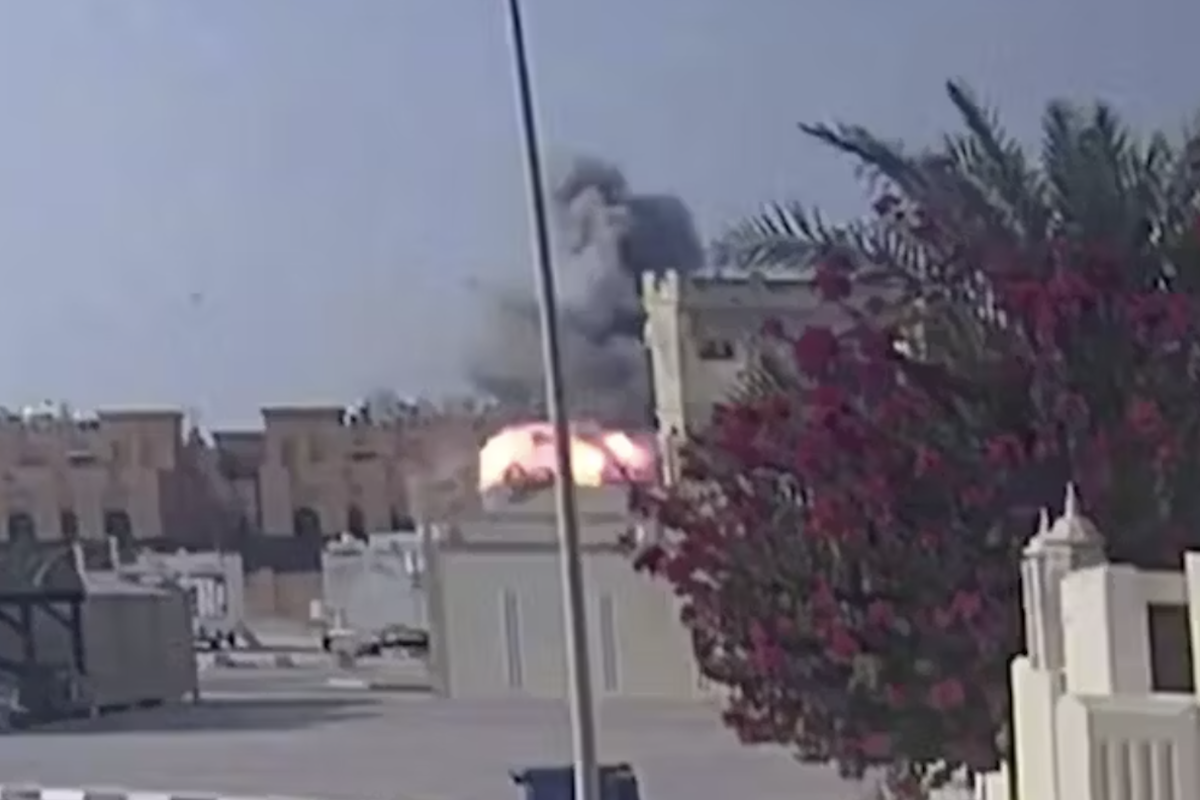
    The oil-rich Gulf states of Qatar, Saudi Arabia, and the United Arab Emirates (UAE) have long enjoyed significant advantages, including immense wealth, domestic stability, and growing global influence. In recent months, these nations have moved closer to securing robust and uncritical support from the United States, a development that coincides with the decline of Iranian power in the region. Under President Donald Trump, Gulf monarchs found an ally in Washington who prioritized strategic interests over concerns for democracy and human rights. Trump’s first international trip of his second term to Saudi Arabia, Qatar, and the UAE underscored their rising international clout. The overthrow of the Assad government in Syria and Israel’s military actions against Iran and its allies in Lebanon and Yemen have further weakened Tehran’s regional threat. However, Gulf Arab states face a precarious political landscape, as evidenced by Israel’s targeted strike on Hamas leaders in Qatar in September 2025. This incident highlights the unpredictable nature of regional dynamics and the challenges Gulf leaders must navigate. Four key uncertainties will shape their future: managing post-civil war Syria, balancing regional politics, monitoring Iran’s trajectory, and addressing Israel’s military assertiveness. In Syria, Gulf states have shifted from opposing the Assad regime to supporting new President Ahmed al-Sharaa, lobbying the US to lift sanctions and seeking stability to address the refugee crisis. Yet, ongoing Israeli attacks and internal conflicts in Syria underscore the region’s fragility. Regionally, Gulf states face the dilemma of supporting authoritarian governments while avoiding the risks of popular unrest and civil wars, as seen in Yemen and Sudan. Iran remains a central concern, with its diminished power potentially leading to instability or a shift in its political system, both of which could disrupt Gulf interests. Meanwhile, Gulf leaders must balance their strategic alignment with Israel against domestic and regional pressures to support Palestinian rights. The Gulf Cooperation Council (GCC) remains a critical platform for regional unity, though internal rivalries persist. As Gulf states strive to expand their influence, they remain vulnerable to external events that could derail their plans.

  • China’s dual-use asteroid-collision research threatens satellites

    China’s dual-use asteroid-collision research threatens satellites

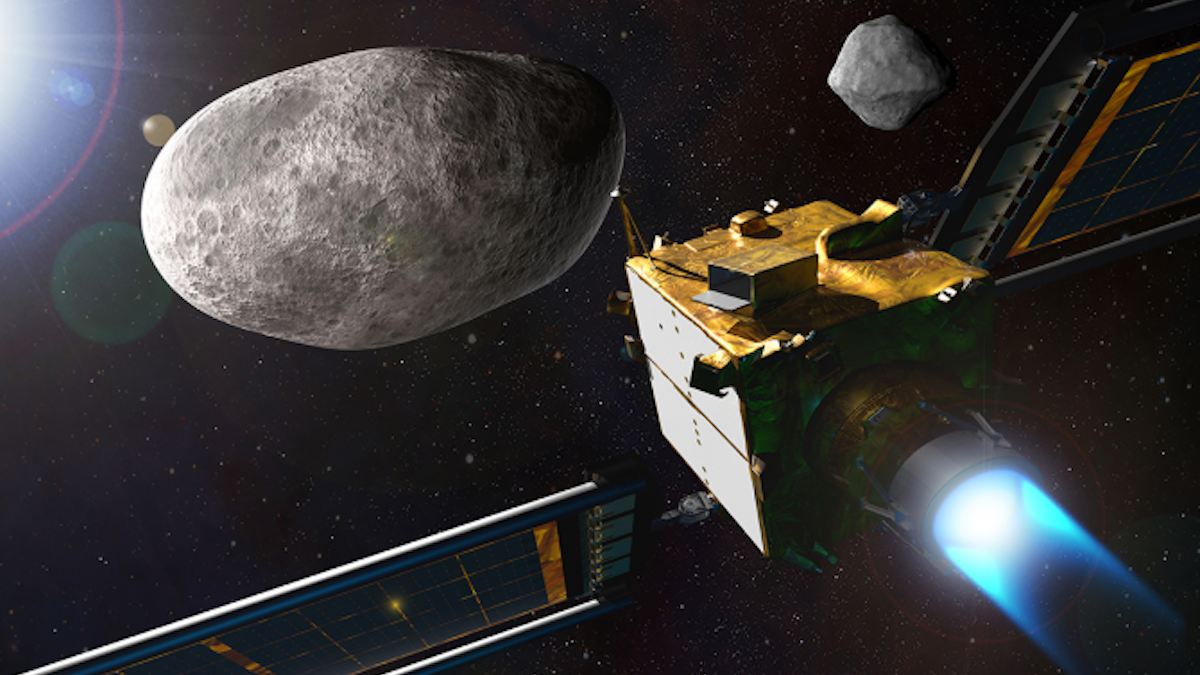
    China has announced a groundbreaking mission to deliberately impact a near-Earth asteroid by 2030, marking a significant leap in its planetary defense and asteroid resource utilization capabilities. This initiative, revealed by Wu Weiren, chief designer of China’s lunar exploration program, underscores the nation’s growing ambitions in space exploration and its intent to lead in planetary defense technologies. The mission involves deploying two spacecraft: one as a kinetic impactor and another as an observer to monitor the collision and its effects. This dual approach aims to validate asteroid deflection techniques and assess their feasibility for planetary defense. The announcement comes three years after NASA’s successful Double Asteroid Redirection Test (DART) in 2022, which demonstrated the potential of kinetic impactors to alter asteroid trajectories. China’s plan, however, goes beyond defense, signaling a strategic vision for deep-space resource extraction and economic exploitation. The mission’s dual-use nature has sparked discussions about its potential military applications, particularly in anti-satellite operations. Despite these concerns, China has invited over 40 countries and organizations to collaborate on joint monitoring and research efforts, emphasizing international cooperation. The mission’s complexity lies in its precision and unpredictability, as scientists grapple with the unknown internal composition of asteroids. China’s long-term strategy includes achieving kinetic impact milestones by 2030, propulsion-based deflection tests by 2035, and mastering full-scale asteroid orbit technology by 2045. This ambitious timeline aligns with the anticipated maturity of asteroid resource utilization, positioning China as a key player in the emerging trillion-dollar space economy.

  • New technology may confirm destruction at Iran’s Fordow nuke site

    New technology may confirm destruction at Iran’s Fordow nuke site

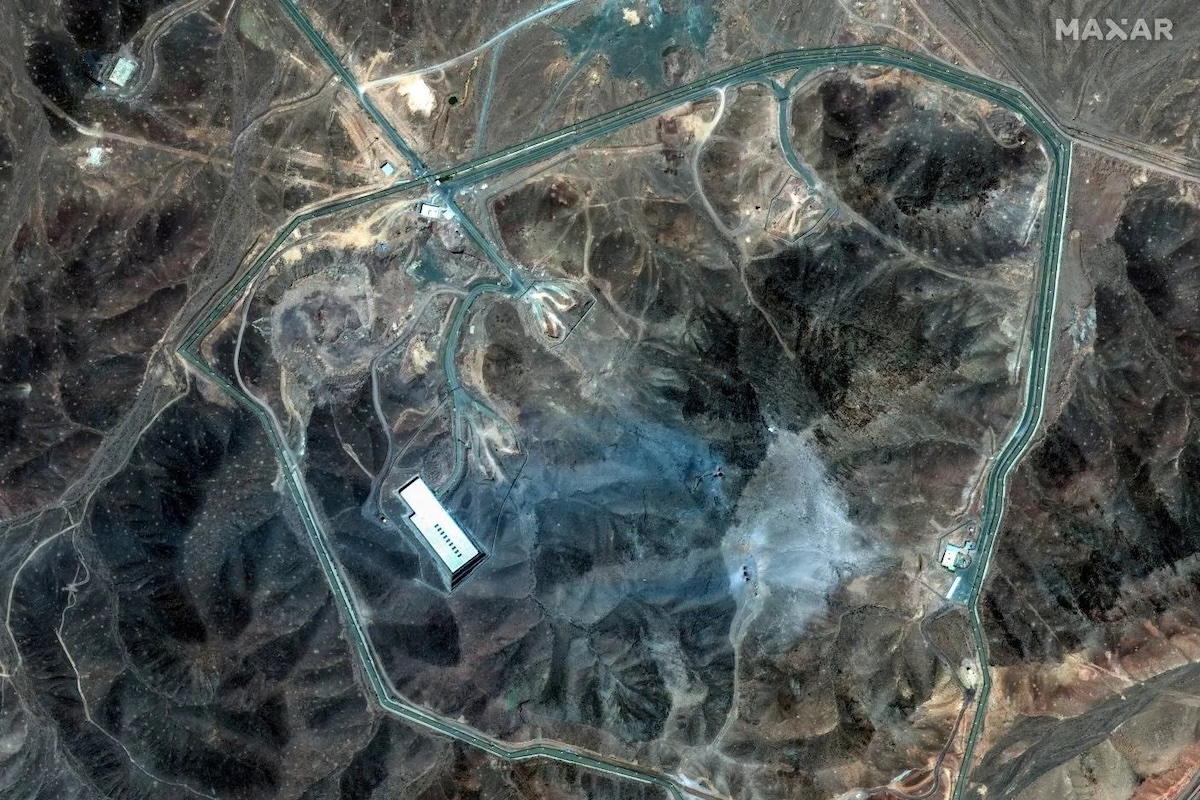
    A groundbreaking study utilizing cutting-edge hyperspectral imaging technology has provided new insights into the extent of damage inflicted on Iran’s Fordow nuclear facility. The analysis, conducted by Orbital Sidekick (OSK) Inc., employed its Global Hyperspectral Observation Satellite (GHOSt) constellation to assess the aftermath of a U.S. military strike codenamed ‘Operation Midnight Hammer’ on June 22, 2025. The findings suggest that the facility, officially known as the Shahid Ali Mohammadi Nuclear Facility, suffered ‘extremely severe damage and destruction,’ particularly to its underground enrichment halls. The GHOSt system, which leverages hyperspectral imaging (HSI) and advanced data analytics, identified significant subsidence and concrete debris pushed to the surface, indicating potential structural collapse. This marks a significant leap in satellite technology’s ability to monitor and analyze critical infrastructure and military targets. The study also highlights the evolution of satellite imaging from the Landsat era, which began in 1972, to today’s sophisticated systems capable of providing detailed environmental and situational awareness. The implications of such technology extend beyond military applications, offering potential uses in agriculture, infrastructure monitoring, and environmental management. However, the commercial nature of these systems raises concerns about their accessibility to potential adversaries, underscoring the dual-use dilemma of advanced satellite technology.

  • Refuseniks: More Israelis rejecting Gaza war orders

    Refuseniks: More Israelis rejecting Gaza war orders

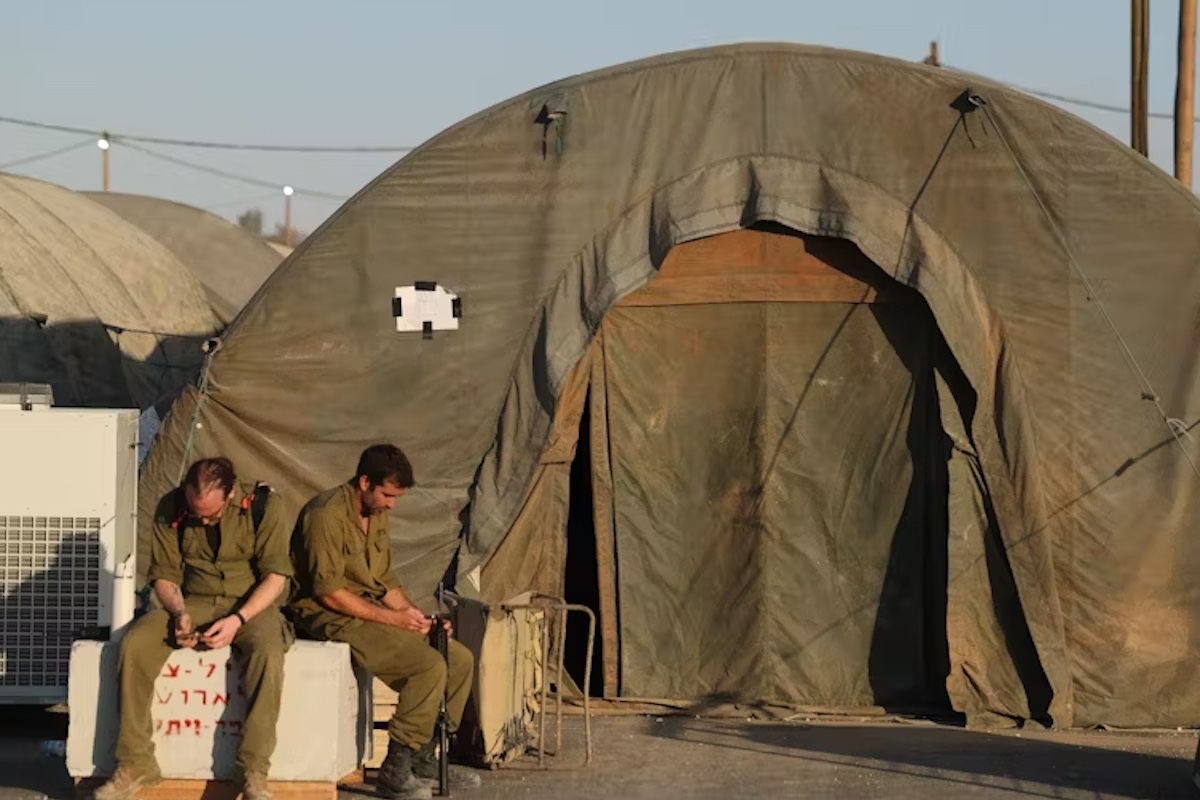
    Israeli Prime Minister Benjamin Netanyahu has escalated military operations in Gaza City, despite mounting domestic and international criticism. This decision comes as the International Association of Genocide Scholars accuses Israel of committing genocide, further fueling global condemnation. On August 2, approximately 40,000 reservists were summoned, with an additional 90,000 expected to be mobilized by early 2026. However, reports indicate a significant decline in the number of reservists willing to serve, with some estimates suggesting a 30% to 50% drop in participation. Israel’s mandatory conscription policy requires high school graduates to serve 18 to 36 months, followed by reserve duty until age 40. Following the October 7, 2023, Hamas attacks, Israel mobilized 360,000 reservists alongside 100,000 active-duty soldiers, marking one of the largest call-ups in the nation’s history. Initially, the response rate exceeded 100%, but after nearly two years of conflict, fatigue and disillusionment have set in. Many reservists cite exhaustion and the failure to achieve key objectives, such as securing the release of Israeli hostages, as reasons for refusing to serve. This growing reluctance poses a strategic challenge for Netanyahu, as the Israel Defense Forces (IDF) rely heavily on reservists for sustained operations. Historically, refusal to serve has been a form of political protest in Israel, with movements like Yesh Gvul emerging during the Lebanon War in 1982 and gaining traction during the Palestinian uprisings. Recent protests against judicial reforms in 2023 also saw elite combat pilots refusing to serve, highlighting the intersection of military service and political dissent. Despite these challenges, Netanyahu shows no signs of altering his course, even as domestic and international pressure mounts.

  • ‘Skull Chart’ math behind Trump’s climbdown on all things China

    ‘Skull Chart’ math behind Trump’s climbdown on all things China

    The latest National Defense Strategy, delivered to Secretary of War Pete Hegseth, marks a significant shift in U.S. military priorities. The document, reportedly crafted by Under Secretary of War for Policy Elbridge Colby, advocates for a refocus on domestic and regional missions, moving away from global adversaries like China and Russia. This pivot overturns decades of interventionist policies and signals a more restrained approach to international engagements.

    Colby, previously known for his advocacy of a robust ‘Strategy of Denial’ to counter China, has surprised many with this pragmatic stance. During his confirmation hearings, he emphasized that Taiwan, while important, is not an existential interest for the U.S. This shift raises questions about whether it stems from a realistic assessment of U.S. military capabilities or the influence of a mercurial administration.

    Meanwhile, China continues to demonstrate its military prowess, showcasing advanced weaponry in a recent parade. The rapid development of China’s defense industry, paralleling its dominance in the electric vehicle sector, underscores its technological and industrial might. With Chinese universities producing 6.7 times more engineers than their U.S. counterparts annually, the pace of innovation in China’s military sector appears unstoppable.

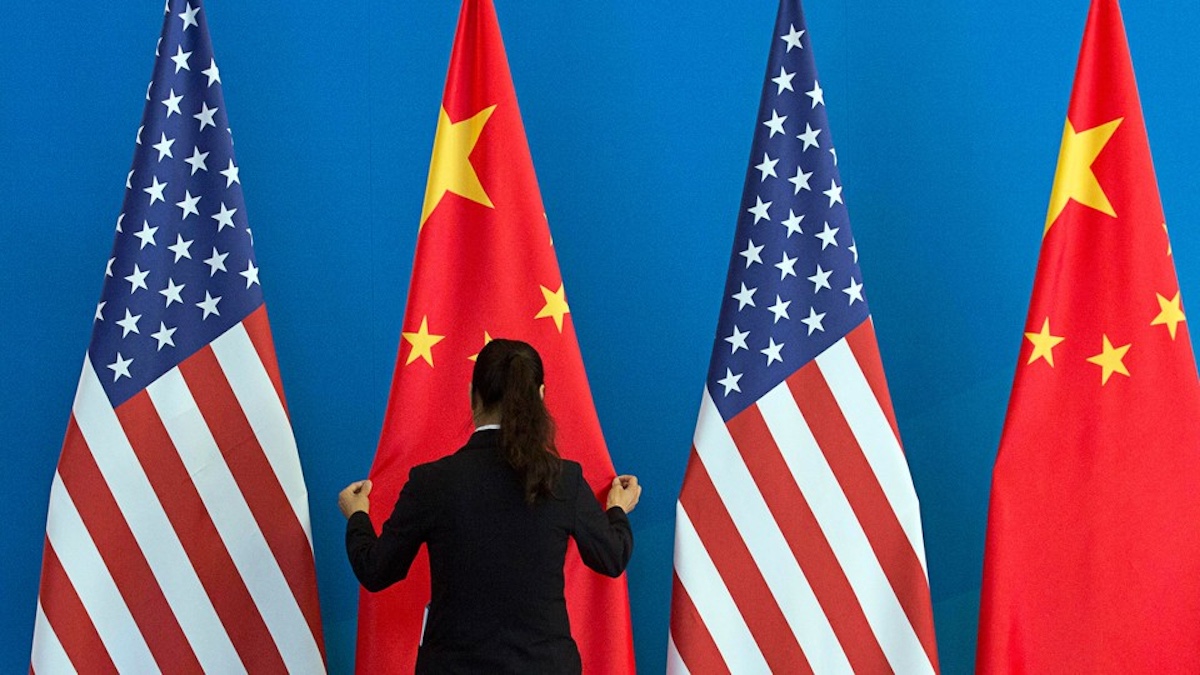
    In parallel, the Trump administration has extended tariff negotiations with China for another 90 days, following previous concessions in trade disputes. This ongoing economic tug-of-war highlights the complexities of U.S.-China relations and the challenges of addressing China’s growing economic and military influence.

    The new National Defense Strategy reflects a broader reckoning with the limits of U.S. power. As America grapples with domestic issues and overstretched military commitments, the strategy suggests a need to prioritize internal stability over global dominance. This shift, while controversial, may be a necessary step in adapting to a rapidly changing geopolitical landscape.

  • ‘King Charles is a secret Muslim!’: The bizarre things I heard at the Reform party conference

    ‘King Charles is a secret Muslim!’: The bizarre things I heard at the Reform party conference

    The Reform Party’s annual conference at the National Exhibition Centre in Birmingham showcased a vibrant and diverse crowd, challenging the stereotype that Nigel Farage’s supporters are predominantly older men. Attendees included young men in flamboyant suits, women in light blue dresses, and even a few ethnic minorities, though the majority were white. The atmosphere was electric, resembling a festival with attendees enjoying beer, hot dogs, and burgers, though vegetarian options were scarce. The party’s light blue color was prominently displayed in attire and decorations, with Union Jack and St George’s flags adding to the patriotic fervor. Reform, a right-wing anti-immigrant party, has been leading opinion polls and is a strong contender for the next general election. Nigel Farage, the party leader, received a hero’s welcome, with his speech outlining controversial policies such as deporting 600,000 illegal immigrants within five years and banning the Muslim Brotherhood. The event also featured Zia Yusuf, the new head of policy, who addressed the party’s stance on Israel and Gaza, avoiding direct condemnation of Israel’s actions. The conference highlighted the party’s broad appeal, with members ranging from veterans to young activists, all united by concerns over immigration and national identity. Despite the festive atmosphere, underlying tensions and controversial views on race and religion were evident, reflecting the party’s polarizing nature.

  • Parades and charades at Tiananmen

    Parades and charades at Tiananmen

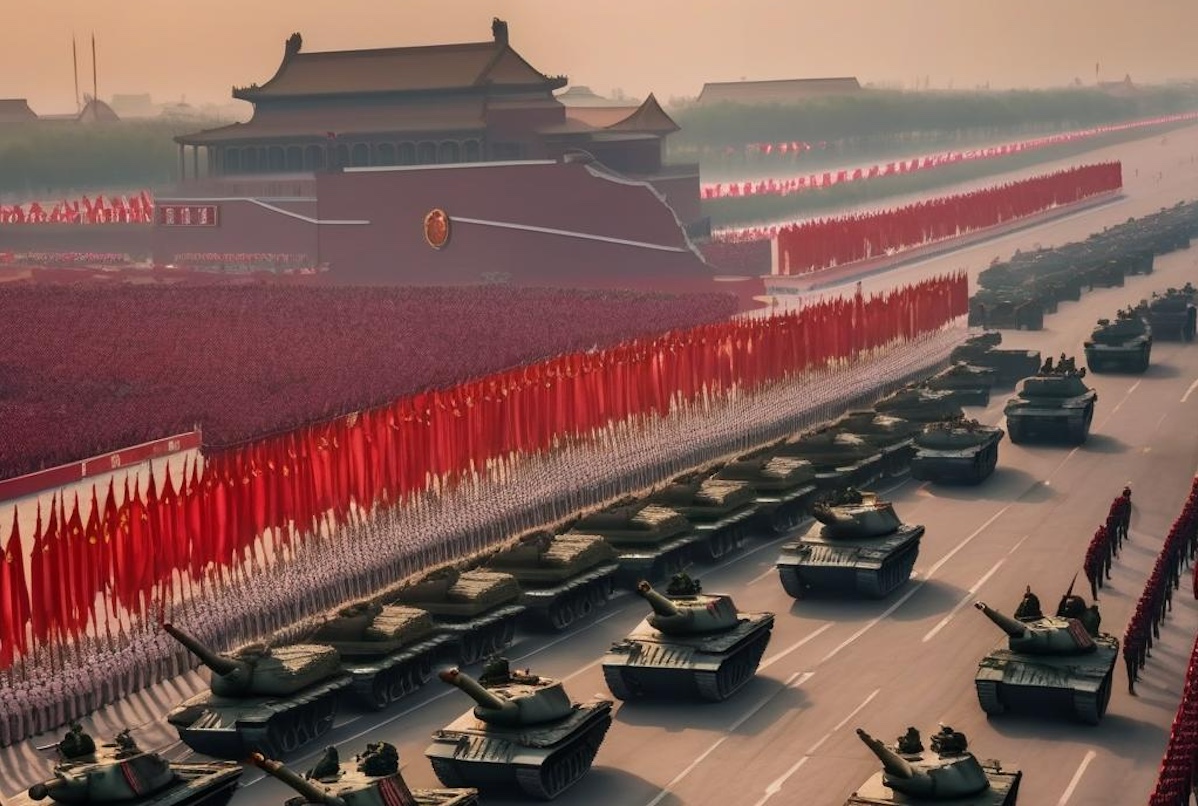
    On September 3, Beijing witnessed a historic military parade where Chinese President Xi Jinping unveiled a defense system capable of countering the United States. This display marked a significant shift in global power dynamics, signaling that China is no longer a junior partner to the U.S. but a formidable global power ready to defend and expand its interests. This event, coupled with China’s growing alliances and its philosophy of non-interference in international politics, underscores its strategic rise on the world stage. The recent Shanghai Cooperation Organization (SCO) summit in Tianjin further highlighted China’s expanding influence, with India’s presence confirming Beijing’s ability to attract new allies while the U.S. struggles to maintain its traditional partnerships. China’s re-examination of history, particularly its role in World War II, and its emphasis on regional growth through initiatives like the $1.3 billion SCO development bank, further illustrate its comprehensive strategy to reshape global narratives and economic frameworks. Meanwhile, the U.S. faces challenges in maintaining its influence in Asia, with countries like Japan and Australia potentially hedging their security strategies and relying less on American support. This evolving landscape suggests a psychological and strategic decoupling between the U.S. and China, leading to a more tense bilateral atmosphere reminiscent of Cold War II. As China continues to capitalize on American missteps, it is crafting a new world order with its own rules, independent of Western standards. This shift has profound implications for global security, trade, and diplomacy, as nations reassess their alliances and strategies in response to China’s growing assertiveness.

  • Lebanon: What will it take to disarm Hezbollah?

    Lebanon: What will it take to disarm Hezbollah?

    In a significant geopolitical shift, the Lebanese government, under mounting pressure from the United States, has escalated its efforts to disarm Hezbollah, the Shia political party and militant group often described as a ‘state within a state.’ Hezbollah, which emerged in 1982 as a resistance movement against the Israeli invasion, has maintained an armed presence in Lebanon for decades, often clashing with Israel. Tensions between the two factions reached a boiling point in September 2024, following an extensive Israeli bombing campaign in Lebanon. Despite a ceasefire agreement brokered in November 2024, Israel has continued to violate the terms with ongoing air strikes and the occupation of five Lebanese locations.

  • China’s WWII commemoration rekindles cross-strait history battle

    China’s WWII commemoration rekindles cross-strait history battle

    Eight decades after World War II concluded with Japan’s surrender to Allied forces on September 2, 1945, the conflict continues to influence East Asian geopolitics, particularly in the context of modern tensions. The recent high-profile military parade in China, commemorating what Beijing terms the ‘War of Resistance against Japanese Aggression,’ has reignited debates over historical narratives and their implications for current relations. Critics in Tokyo accuse the Chinese Communist Party of fueling anti-Japanese sentiment, while the U.S. has expressed concerns over Beijing’s emphasis on Russia’s role at the expense of America’s contributions. The narrative battle between Taipei and Beijing is particularly significant. During the war, China’s communists and nationalists formed an uneasy alliance against Japan, but after the war, the communists emerged victorious, forcing the nationalists to retreat to Taiwan. This historical backdrop fuels ongoing disputes over each side’s role in defeating Japan and the symbolism of Beijing’s military displays. A key point of contention is the fact that Japan surrendered to the National Revolutionary Army of the Kuomintang, not the communists, a detail that underscores Taiwan’s claim to historical legitimacy. The nationalist army bore the brunt of conventional warfare, while the communists relied on guerrilla tactics, leading to differing interpretations of their respective contributions. Taiwan’s status post-war adds another layer of complexity. After 50 years of Japanese colonial rule, Taiwan was handed over to the Republic of China, but the island’s local population resisted the authoritarian nationalist regime. The Cairo Declaration of 1943 further complicated matters by affirming Taiwan’s return to China, a principle both Beijing and Taipei uphold, albeit with differing interpretations of which government represents China. These conflicting narratives resurface during commemorative events, such as China’s 2015 military parade marking the 70th anniversary of Japan’s surrender. Beijing uses these occasions to assert its role in shaping the post-war world order and to promote its vision of a multipolar world. Meanwhile, Taiwan opts for more subdued commemorations, reflecting its population’s focus on contemporary issues rather than historical grievances. As tensions across the Taiwan Strait escalate, the legacy of World War II remains a potent force in shaping East Asian geopolitics.