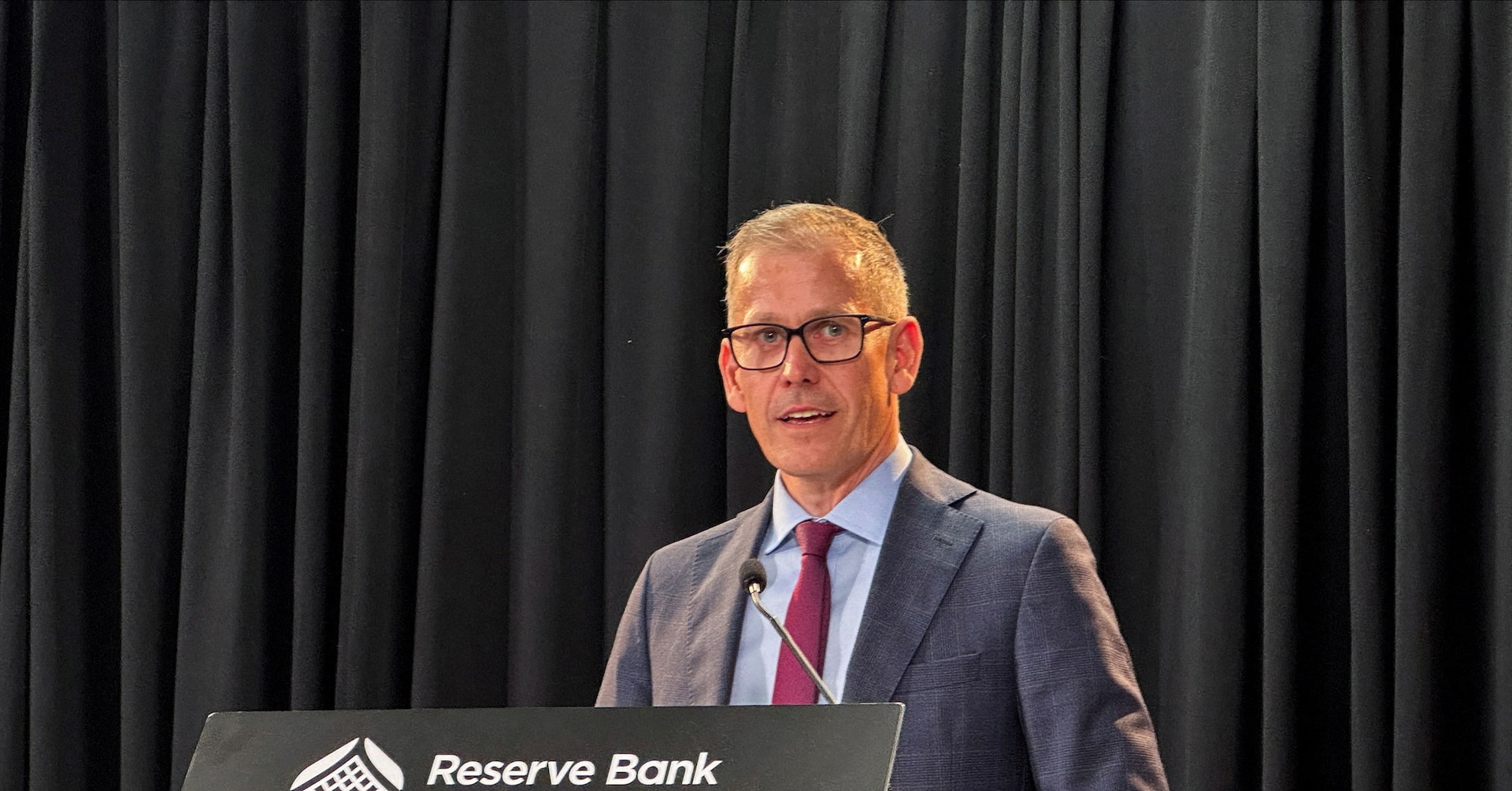
New Zealand’s Reserve Bank (RBNZ) is poised for a significant leadership transition as Finance Minister Nicola Willis prepares to announce a new governor in the coming weeks. This decision comes at a critical juncture for the central bank, which has been grappling with economic instability, reputational damage, and political scrutiny. Interim Governor Christian Hawkesby, who has expressed his desire to retain the position, has emphasized the bank’s commitment to stabilizing inflation and fostering a resilient financial system. However, the RBNZ faces mounting challenges, including a weak economy, high unemployment, and public dissatisfaction with its handling of inflation and interest rates. The departure of former Governor Adrian Orr and Chairman Neil Quigley has further exacerbated the bank’s struggles, leaving it in need of strong leadership to restore public trust and independence. Potential candidates for the role include John McDermott, former RBNZ chief economist, and Dominick Stephens, Treasury’s chief economist, both of whom have declined to comment on their interest. The new governor will inherit the daunting task of navigating economic recovery while defending the bank’s autonomy from an increasingly vocal government. Experts suggest that an external candidate might be better positioned to implement necessary reforms and rebuild confidence in the institution.
标签: Asia
亚洲
-
Foreign holdings of US Treasuries surge to all-time high in July, China’s sink
Foreign holdings of U.S. Treasuries reached an unprecedented high in July, according to the latest data from the U.S. Treasury Department. The total value of foreign-owned U.S. Treasuries climbed to $9.159 trillion, marking a third consecutive month of record-breaking figures. This surge was primarily driven by increased investments from Japan and the United Kingdom, which solidified their positions as the top non-U.S. holders of American government debt. Japan’s holdings rose to $1.151 trillion, the highest since March 2024, while the UK’s holdings grew by approximately 5% to nearly $900 billion. In contrast, China continued to reduce its exposure to U.S. Treasuries, with holdings dropping to $730.7 billion, the lowest level since December 2008. This decline reflects China’s long-term strategy to diversify its reserves and reduce reliance on the U.S. dollar, amid economic challenges and trade tensions. On a transactional basis, the U.S. saw $58.2 billion in foreign inflows of Treasuries in July, rebounding from outflows in June. However, foreign investors sold $16.3 billion in U.S. equities during the same period, signaling a shift in global investment preferences. The net capital inflow into the U.S. also fell sharply to $2.1 billion in July, down from $92 billion in June, highlighting the volatile nature of international capital movements.
-
Cyber attacks cost German economy 300 bln euros in past year, survey finds
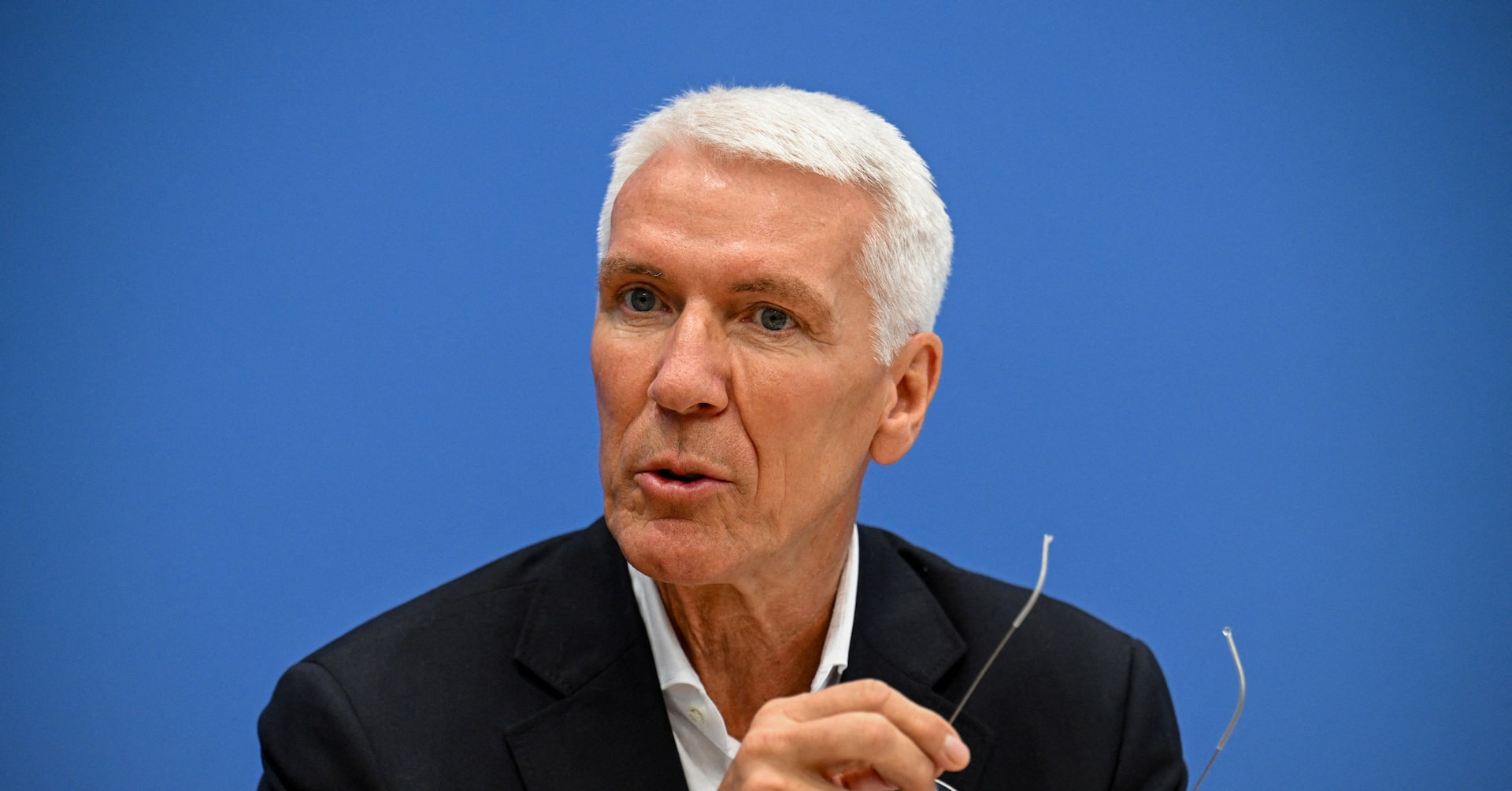
The German economy suffered staggering losses of nearly €300 billion ($354.99 billion) over the past year due to a surge in cyberattacks, according to a recent survey by industry group Bitkom. The report, unveiled on September 18, 2025, in Berlin, highlights that foreign intelligence agencies, particularly from Russia and China, are increasingly behind these attacks, overshadowing traditional cybercriminals. Ralf Wintergerst, President of Bitkom, emphasized during a press conference that nearly half of the companies able to trace the origins of attacks identified Russia and China as the primary sources, while a quarter pointed to other EU countries or the United States. The survey, which polled 1,002 companies, revealed that ransomware attacks, which lock data until a ransom is paid, were the most prevalent, affecting 34% of businesses—a significant jump from 12% in 2022. One in seven companies admitted to paying ransoms. While large corporations were generally well-prepared for the escalating cyber threats, small and medium-sized enterprises, which form the backbone of Germany’s economy, were found to be more vulnerable. The €289.2 billion in damages primarily stemmed from production losses, theft, and substantial legal and remediation costs. Sinan Selen, Deputy Head of Germany’s domestic security service BfV, noted that the lines between cybercrime and cyberespionage are increasingly blurred, with state actors often purchasing credentials from criminals on the dark web. He also identified Iran and North Korea as significant sources of cyberattacks. The findings underscore the growing complexity of cybersecurity in an era of heightened geopolitical tensions, particularly since Russia’s invasion of Ukraine in 2022.
-

Trump’s dream of retaking Bagram might end up looking like an Afghan re-invasion, sources say
Former U.S. President Donald Trump’s ambition to reoccupy Bagram Air Base in Afghanistan has sparked significant debate among current and former U.S. officials, who argue that such a move could resemble a full-scale re-invasion of the country. Speaking to reporters during a trip to London, Trump emphasized the base’s strategic proximity to China, stating, ‘It’s an hour away from where China makes its nuclear weapons.’ However, experts and officials have expressed skepticism about the feasibility and practicality of this plan.
-

oneworld Alliance considers Indian partner as market expands
The oneworld Alliance, a prominent global airline consortium comprising 15 members including American Airlines and Qantas Airways, is actively exploring the possibility of adding an Indian airline partner. This strategic move comes as India’s aviation market continues to experience rapid expansion. Nat Pieper, the alliance’s CEO, revealed this development during the Wings Club gathering in New York, a forum for aviation executives and analysts. Pieper emphasized the complexity of integrating a new member, noting that the decision must align with the interests of both the alliance as a whole and its individual members. With ten of its current members already operating in India, the alliance is also considering collaborative initiatives such as loyalty programs and shared lounge facilities to enhance their collective presence in the region. The anticipated addition of Hawaiian Airlines in 2026, following its acquisition by Alaska Air in 2024, further underscores the alliance’s commitment to growth and diversification.
-
India regulator rejects US firm’s fraud claims against Adani Group
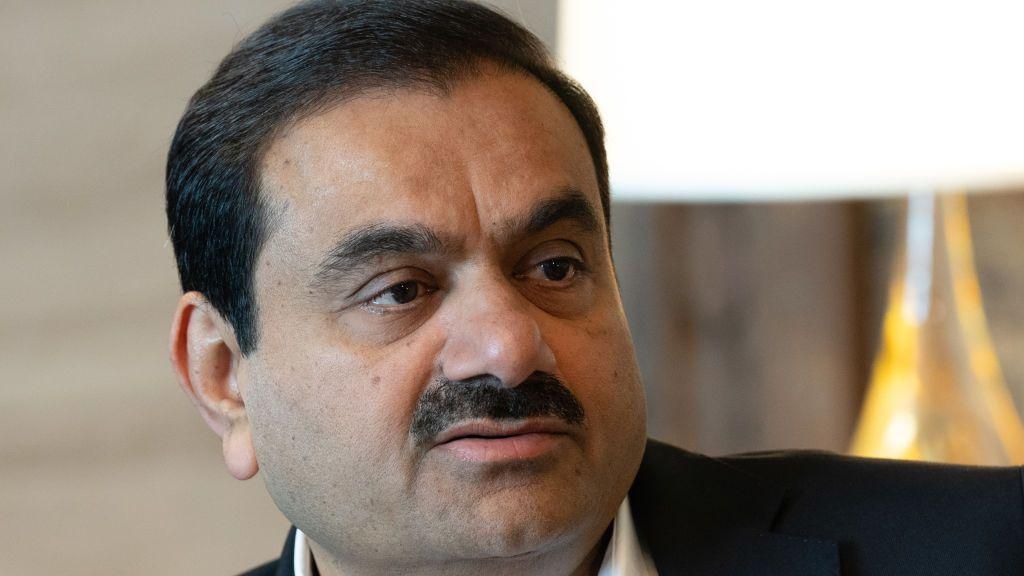
India’s Securities and Exchange Board (Sebi) has officially dismissed allegations of stock manipulation and financial fraud against billionaire Gautam Adani and his conglomerate, which were initially raised by US short-seller Hindenburg Research. The investigation, launched in 2023 following Hindenburg’s explosive report, concluded that Adani’s companies did not violate regulatory norms. Sebi’s findings revealed no evidence of undisclosed transactions between Adani’s firms and related parties, nor any signs of market manipulation, money siphoning, or investor losses. Adani, one of Asia’s wealthiest individuals, celebrated the decision on social media, stating that Sebi’s ruling reaffirmed the baseless nature of Hindenburg’s claims. The allegations had previously caused Adani’s group to lose over $100 billion in market value within days. The controversy also fueled political tensions in India, with the opposition Congress party accusing Prime Minister Narendra Modi’s BJP of inaction. Hindenburg’s founder, Nate Anderson, recently announced the dissolution of the firm, citing personal reasons. The case underscores the complexities of financial scrutiny and the impact of short-selling on global markets.
-
BOJ to keep interest rates steady as tariff, US slowdown risks loom
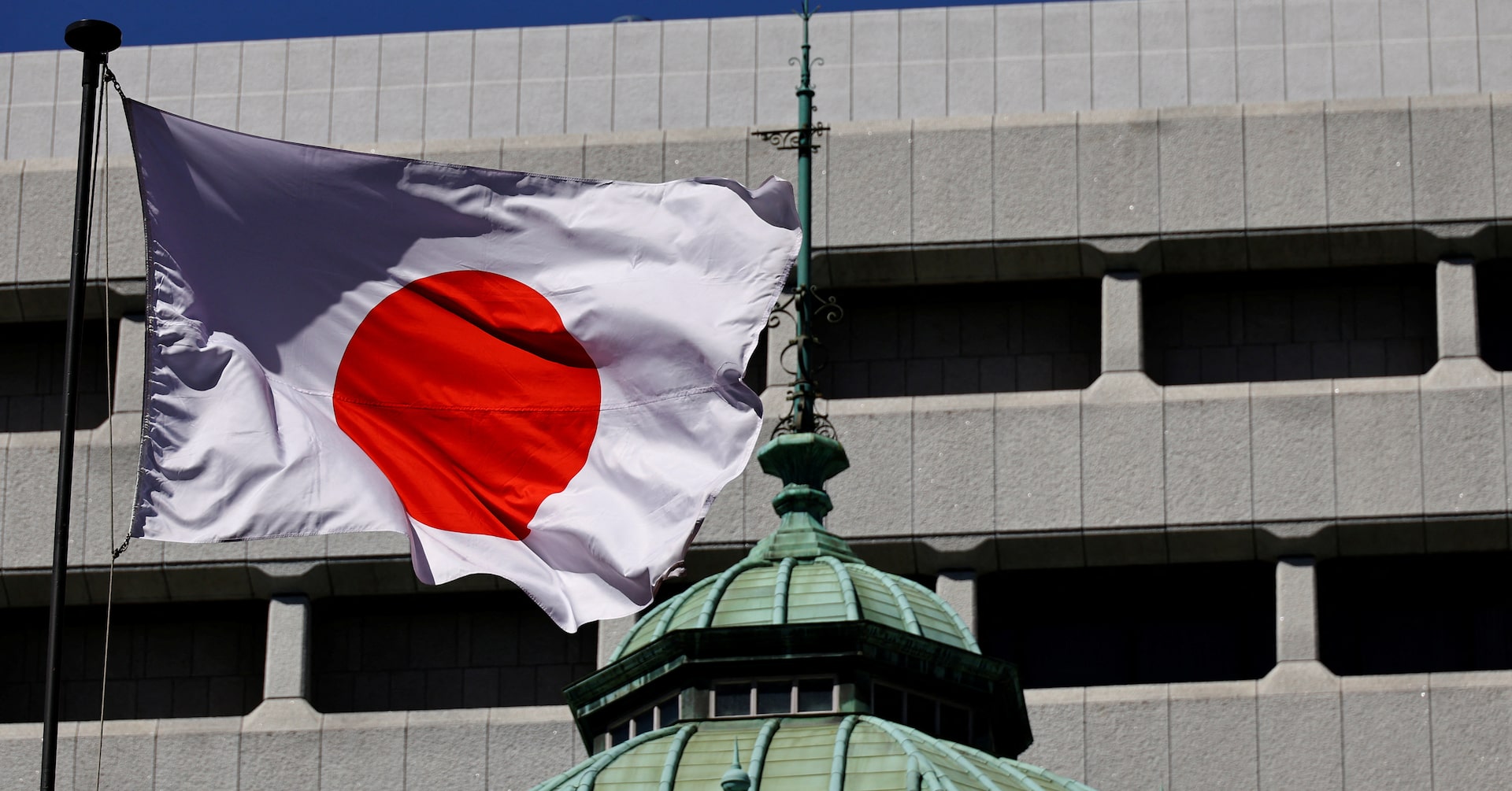
The Bank of Japan (BOJ) concluded its two-day policy meeting on Friday, September 19, 2024, with expectations of maintaining its short-term interest rate at 0.5%. This decision comes amidst growing concerns over the impact of U.S. President Donald Trump’s tariffs and signs of a weakening U.S. economy. The BOJ’s cautious stance reflects the fragile state of Japan’s economic recovery, which is increasingly vulnerable to external pressures, particularly on exports. Governor Kazuo Ueda is scheduled to hold a news conference at 0630 GMT, where markets will closely monitor his views on the tariff implications and the broader economic outlook. Analysts predict that the BOJ will remain cautious in its approach, with potential rate hikes delayed until early next year. The central bank’s policy outlook is further complicated by domestic political uncertainty, as Japan’s ruling party prepares for a leadership race following Prime Minister Shigeru Ishiba’s resignation earlier this month. Despite global uncertainties, some hawkish BOJ members have warned of the risks of prolonged negative real borrowing costs, driven by stubbornly high food prices and a tight job market. Japan’s consumer inflation has remained above the BOJ’s 2% target for over three years, adding pressure on households’ cost of living. The BOJ exited its decade-long stimulus program last year and raised rates in January, but the path forward remains uncertain as policymakers navigate the dual challenges of domestic inflation and external economic risks.
-

Virtual K-pop stars win lawsuit against critic on social media
In a landmark ruling, a South Korean court has ordered a social media user to pay 500,000 won ($360; £265) for defaming the virtual K-pop boyband Plave. The group, whose members are animated characters voiced and performed by anonymous real-life individuals through motion-capture technology, has become a sensation in South Korea’s entertainment industry. The case, filed by Plave’s agency, Vlast, marks one of the first legal disputes involving virtual K-pop idols. The defendant had posted derogatory remarks online, including comments questioning the appearance and character of the real performers behind the avatars. The court ruled that attacks on widely recognized avatars also constitute defamation of the real individuals they represent. While Vlast sought 6.5 million won for each performer, the court awarded 100,000 won per person, citing the severity of the comments and the context of the incident. Vlast has appealed the decision, emphasizing the case’s significance in setting a precedent for protecting virtual avatars. Advocates argue that virtual idols can reduce the intense scrutiny faced by human performers, offering a new frontier in the K-pop industry.
-
Trump says it sounds like China has approved TikTok deal
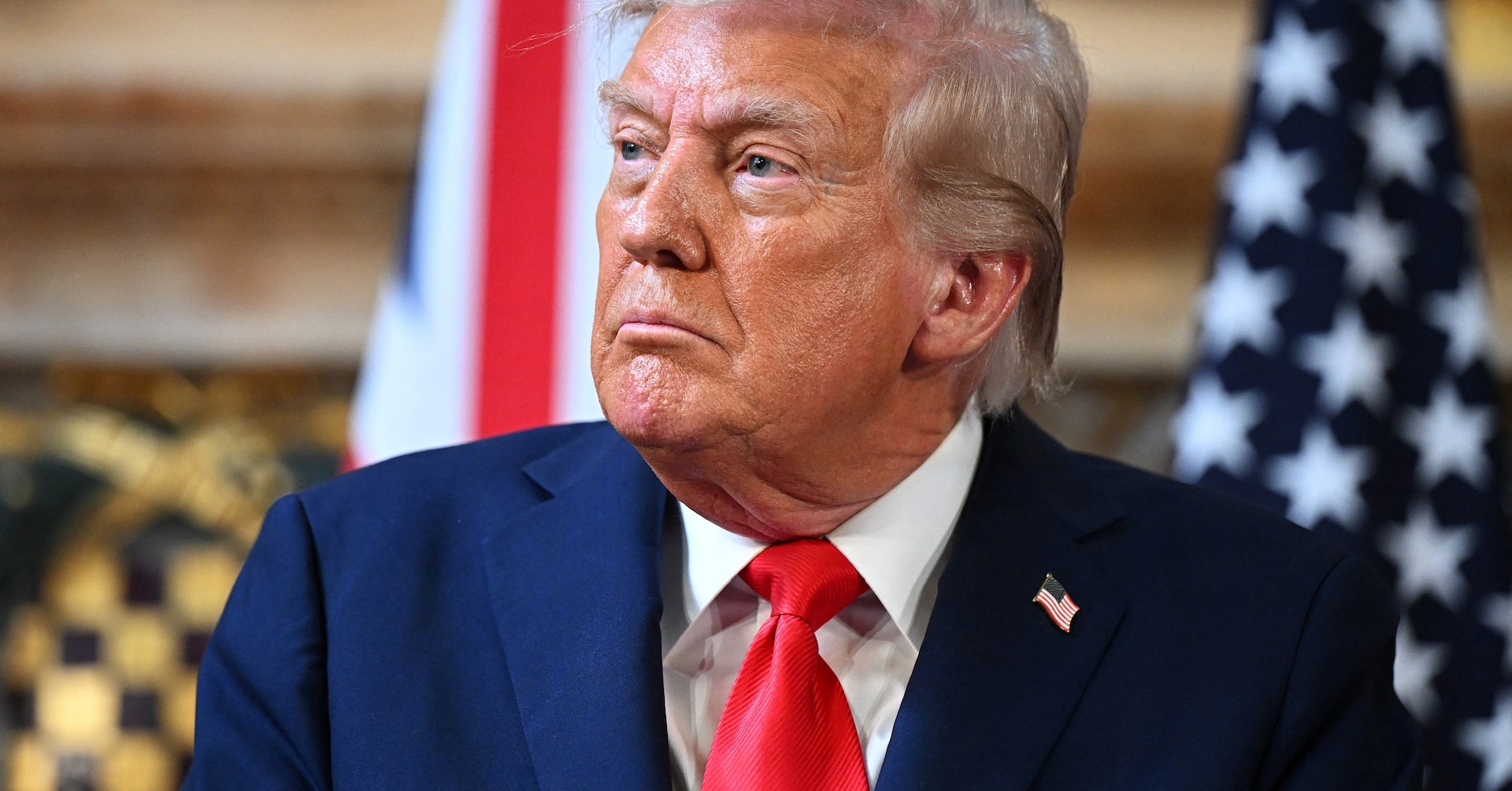
In a recent interview with Fox News on Thursday, President Donald Trump revealed that China appears to have approved a deal concerning TikTok, ensuring the popular short-video app’s continued operation in the United States. This announcement follows a high-profile agreement reached earlier this week between the U.S. and China. ‘We had a very productive meeting, and it seems they’ve given their nod to TikTok,’ Trump stated during his appearance on ‘The Story with Martha MacCallum.’ The deal, which transitions TikTok to U.S.-controlled ownership, was described by Chinese state media as a ‘win-win’ outcome. China has also committed to reviewing TikTok’s technology exports and intellectual property licensing as part of the agreement. Trump and Chinese President Xi Jinping are scheduled to discuss the matter further in an upcoming call on Friday. This development marks a significant step in U.S.-China relations, particularly in the realm of technology and digital commerce.
-
Bessent says China’s yuan rate is bigger problem for Europe than US
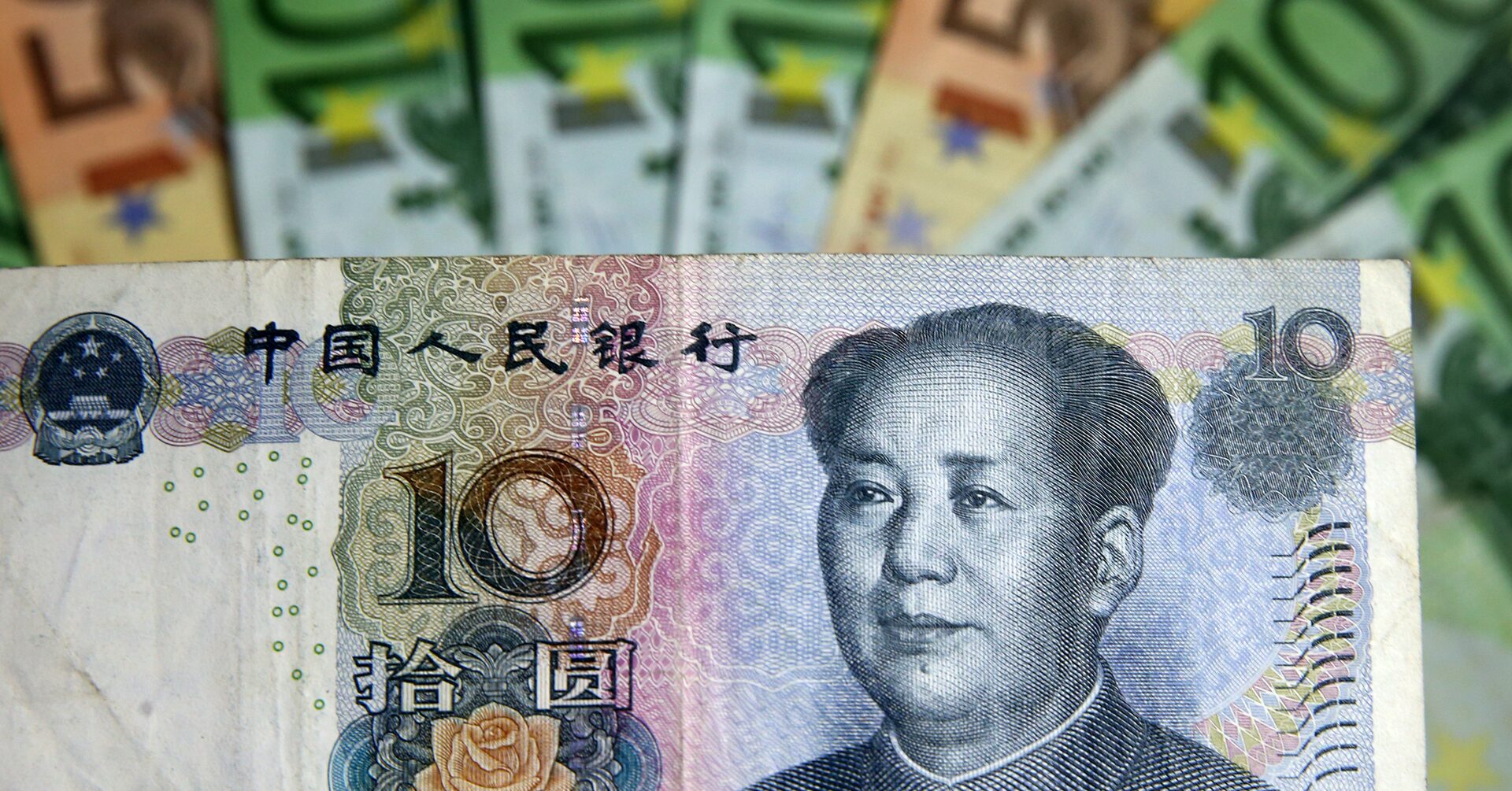
In a recent interview in Madrid, U.S. Treasury Secretary Scott Bessent emphasized that China’s yuan valuation poses a more significant challenge for Europe than for the United States. Bessent noted that while the yuan has strengthened against the U.S. dollar this year, it has reached record lows against the euro, exacerbating trade imbalances between China and the European Union. Speaking to Reuters and Bloomberg following U.S.-China trade discussions, Bessent highlighted that U.S. tariffs on Chinese imports have effectively reduced the U.S. trade deficit, with U.S.-China trade declining by 14% this year. In contrast, Chinese trade with Europe has surged by 6.9%. The yuan, also referred to as the renminbi (RMB), has weakened to over 8.4 against the euro, compared to 7.5 at the start of 2025. This depreciation has facilitated a surge in Chinese exports to Europe, intensifying the EU’s trade deficit with China and escalating trade tensions between Brussels and Beijing. Meanwhile, the yuan has appreciated slightly against the dollar, moving from 7.3 in January to 7.1 currently. When questioned about potential currency manipulation, Bessent remarked that the yuan is a ‘closed currency,’ implying that its value is managed by Chinese authorities. The ongoing dynamics underscore the complex interplay between global currencies and trade relationships, with Europe bearing the brunt of the yuan’s recent fluctuations.